
Introduction
In today’s fast-paced logistics environment, the ability to scrape Freight and shipping data for supply chains NZ has become essential for businesses aiming to reduce delays and improve operational efficiency. Supply chains in New Zealand face challenges such as port congestion, fluctuating shipping schedules, and limited real-time visibility. These issues often lead to costly disruptions and missed delivery timelines.
By leveraging a Web Scraping API, companies can collect structured, real-time freight and shipping data from multiple sources such as carrier websites, port authorities, and logistics platforms. This allows businesses to monitor shipment status, track transit times, and identify potential bottlenecks before they escalate.
Between 2020 and 2026, organizations adopting data-driven logistics strategies have reported up to 28% improvement in delivery efficiency and a 24% reduction in operational delays. Web scraping bridges data gaps by consolidating fragmented information into a centralized system, enabling faster and more informed decision-making.
With increasing global trade complexity, real-time freight visibility is no longer optional—it is a competitive necessity for modern supply chains.
Leveraging Advanced Tools for Logistics Data Extraction

Using tools to extract logistics data in New Zealand is the first step toward building a transparent and efficient supply chain. Logistics data is often scattered across multiple platforms, including shipping lines, freight forwarders, and port databases. Without automation, collecting this data manually is time-consuming and prone to errors.
Modern web scraping tools automate the extraction of key logistics metrics such as shipment schedules, container availability, freight rates, and transit durations. These tools can process large volumes of data quickly, ensuring accuracy and consistency.
From 2020 to 2026, companies that adopted automated extraction tools experienced significant improvements in operational efficiency and data accuracy.
Logistics Data Extraction Trends (2020–2026):
| Year | Automation Adoption (%) | Data Accuracy Improvement (%) |
|---|---|---|
| 2020 | 38% | 14% |
| 2022 | 50% | 18% |
| 2024 | 63% | 23% |
| 2026 | 76% | 29% |
By implementing advanced tools, businesses can eliminate data silos and gain real-time visibility into their logistics operations. This not only reduces delays but also enhances coordination across supply chain stakeholders, leading to smoother and more reliable deliveries.
Enhancing Supply Chain Efficiency with Data Integration

Effective freight data collection for NZ supply chain optimization plays a critical role in improving logistics performance. Freight data includes information on shipment routes, carrier performance, fuel costs, and delivery timelines. When properly collected and analyzed, this data enables businesses to optimize their supply chain strategies.
Web scraping allows companies to integrate freight data from multiple sources into a unified platform. This centralized approach helps identify inefficiencies, such as underutilized routes or delays caused by specific carriers. Businesses can then make data-driven adjustments to improve overall efficiency.
Between 2020 and 2026, organizations leveraging integrated freight data reported a 26% increase in operational efficiency and a 21% reduction in transportation costs.
Supply Chain Optimization Metrics (2020–2026):
| Year | Data Integration Level (%) | Cost Reduction (%) |
|---|---|---|
| 2020 | 35% | 12% |
| 2022 | 48% | 16% |
| 2024 | 60% | 19% |
| 2026 | 73% | 21% |
By optimizing freight data collection, companies can streamline operations, reduce costs, and ensure timely deliveries, ultimately strengthening their competitive position in the market.
Improving Shipment Visibility with Tracking Data

Implementing New Zealand cargo tracking data extraction provides businesses with real-time visibility into shipment movements. Lack of visibility is one of the primary causes of logistics delays, as companies struggle to monitor the status of their shipments across different stages of transit.
Web scraping enables continuous tracking of cargo data, including shipment locations, estimated arrival times, and delay notifications. This information allows businesses to proactively address issues such as route disruptions or port congestion.
From 2020 to 2026, companies utilizing cargo tracking data experienced a 30% improvement in shipment visibility and a 25% reduction in delivery delays.
Cargo Tracking Benefits (2020–2026):
| Year | Tracking Adoption (%) | Delay Reduction (%) |
|---|---|---|
| 2020 | 32% | 13% |
| 2022 | 45% | 18% |
| 2024 | 58% | 22% |
| 2026 | 70% | 25% |
Enhanced visibility ensures that logistics teams can make timely decisions, communicate effectively with stakeholders, and maintain high levels of customer satisfaction.
Enabling Faster Decisions with Real-Time Data Streams
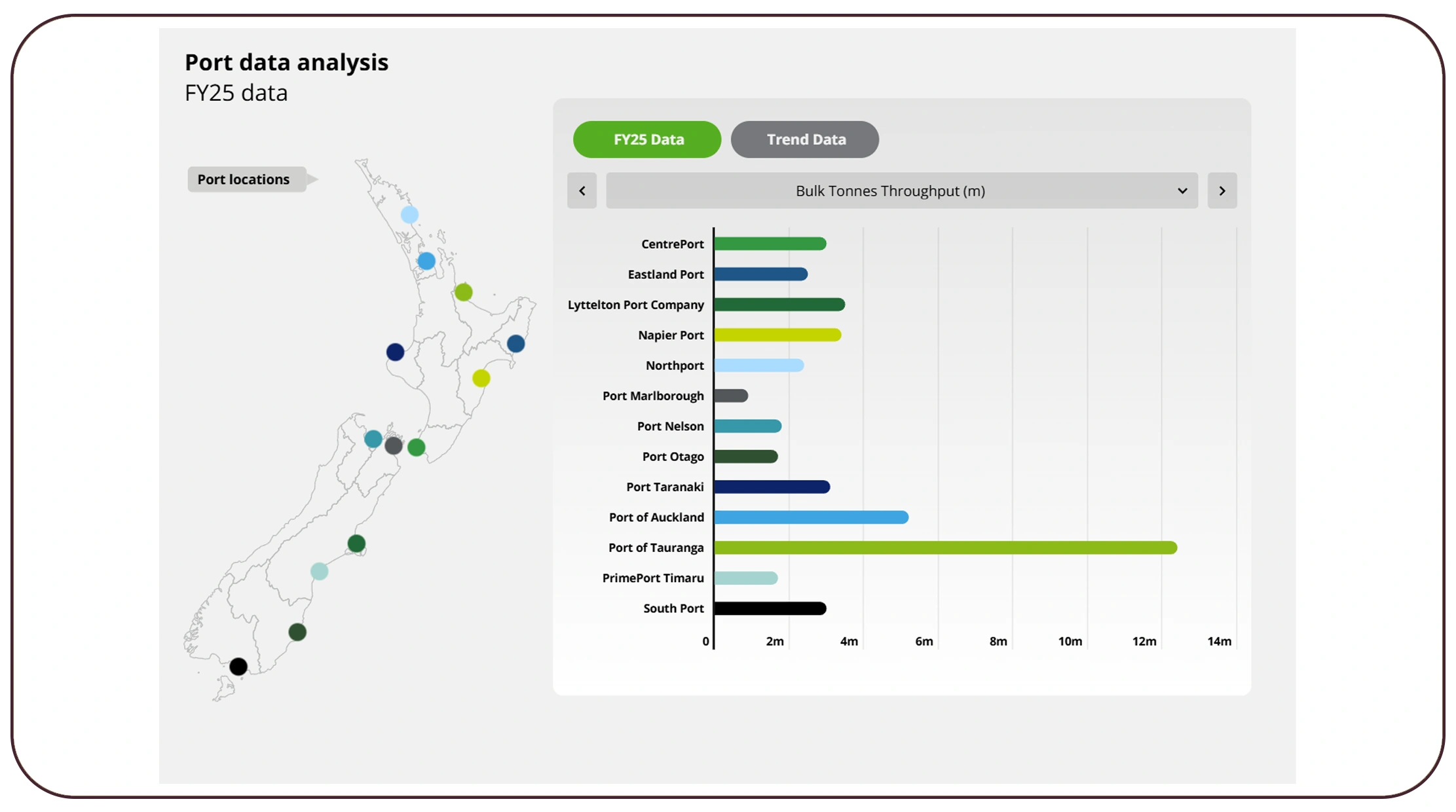
The use of real-time shipping data scraping New Zealand is essential for responding quickly to dynamic logistics challenges. Traditional data collection methods often result in outdated information, which can lead to poor decision-making and increased delays.
Real-time scraping tools continuously monitor shipping data, providing up-to-date insights on vessel schedules, port activity, and weather conditions. This enables businesses to adapt their strategies in real time and avoid potential disruptions.
Between 2020 and 2026, companies adopting real-time data strategies achieved a 28% improvement in decision-making speed and a 23% increase in operational efficiency.
Real-Time Data Impact (2020–2026):
| Year | Real-Time Adoption (%) | Decision Speed Improvement (%) |
|---|---|---|
| 2020 | 30% | 11% |
| 2022 | 44% | 16% |
| 2024 | 57% | 21% |
| 2026 | 69% | 28% |
By leveraging real-time data, businesses can stay ahead of disruptions and ensure smooth supply chain operations.
Scaling Operations with Professional Data Solutions
Adopting Web Scraping Services allows businesses to scale their data extraction efforts without compromising quality or efficiency. Professional services provide customized solutions tailored to specific logistics requirements, ensuring accurate and reliable data collection.
These services handle complex scraping tasks, including dynamic websites, large datasets, and real-time updates. This enables businesses to focus on core operations while leveraging high-quality data for decision-making.
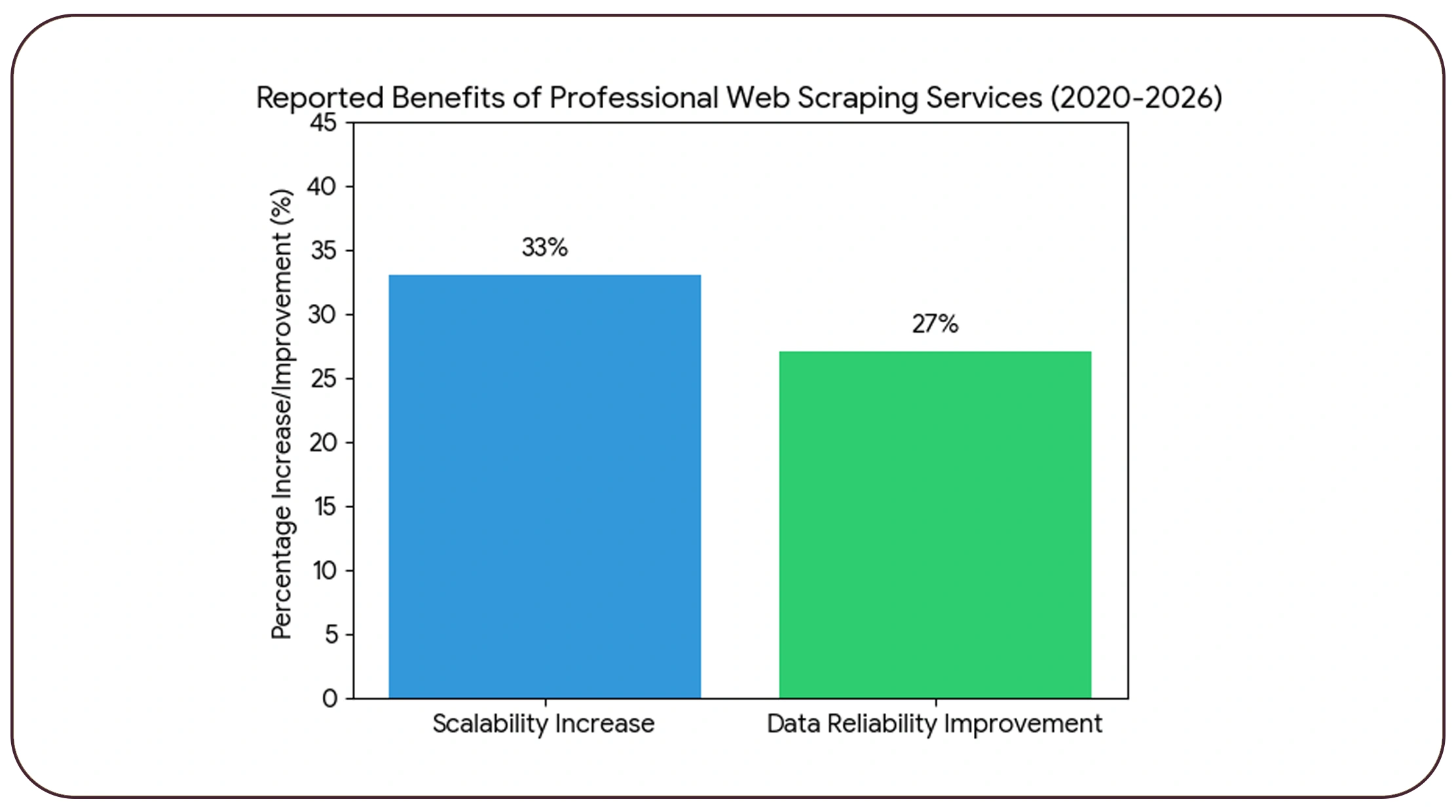
From 2020 to 2026, companies using professional scraping services reported a 33% increase in scalability and a 27% improvement in data reliability.
Service Adoption Trends (2020–2026):
| Year | Service Usage (%) | Data Reliability Improvement (%) |
|---|---|---|
| 2020 | 36% | 15% |
| 2022 | 49% | 20% |
| 2024 | 62% | 24% |
| 2026 | 75% | 27% |
By outsourcing data extraction to experts, businesses can ensure consistent data quality and focus on optimizing their logistics strategies.
Building Strategic Insights with Structured Data
Utilizing Web Scraping Datasets enables businesses to transform raw logistics data into actionable insights. Structured datasets provide a comprehensive view of supply chain performance, helping companies identify trends and forecast future demand.
Web scraping ensures that datasets are continuously updated, providing accurate and reliable information for analysis. This supports strategic planning and helps businesses mitigate risks associated with market fluctuations and operational disruptions.
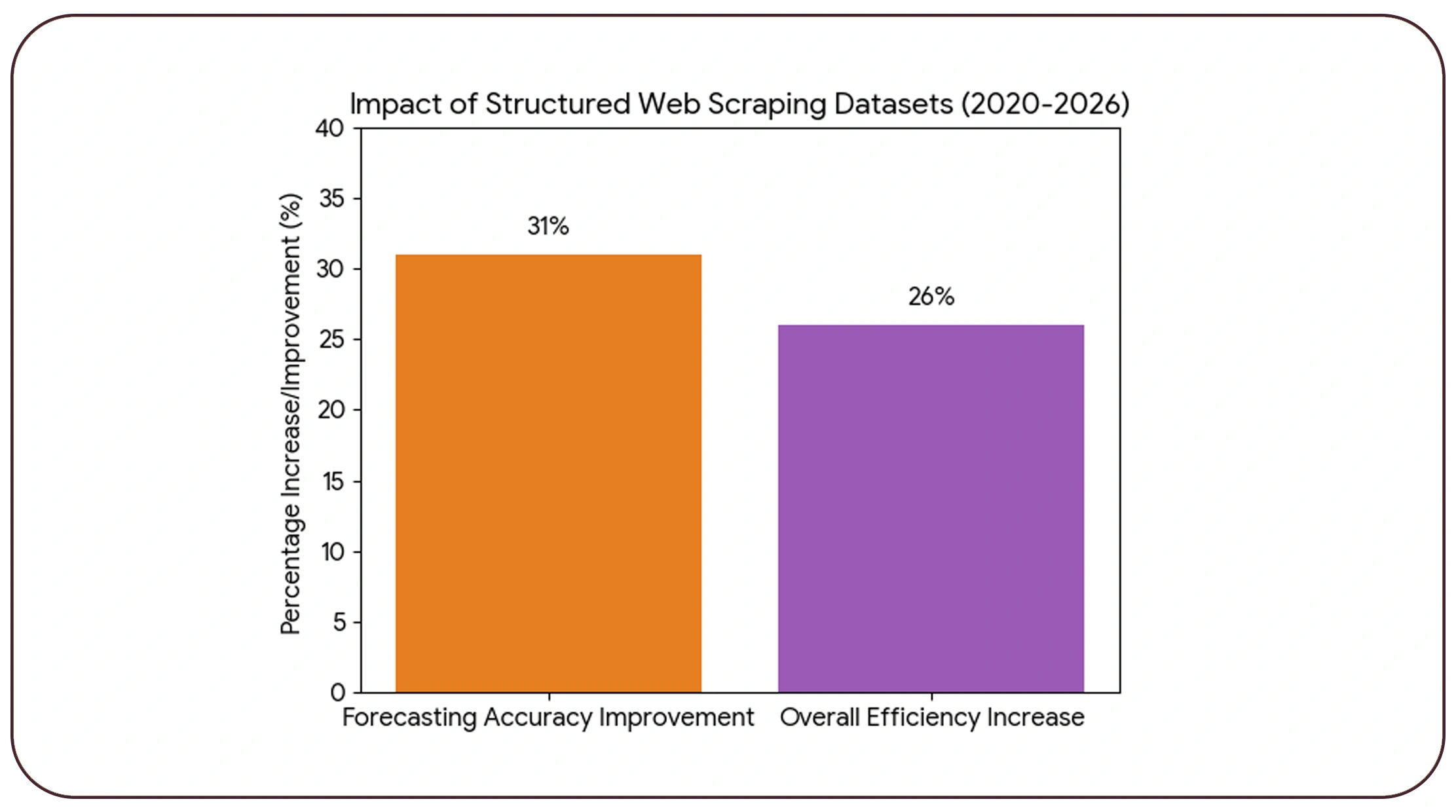
Between 2020 and 2026, organizations using structured datasets achieved a 31% improvement in forecasting accuracy and a 26% increase in overall efficiency.
Dataset Utilization Metrics (2020–2026):
| Year | Dataset Usage (%) | Forecast Accuracy Improvement (%) |
|---|---|---|
| 2020 | 40% | 14% |
| 2022 | 53% | 19% |
| 2024 | 66% | 24% |
| 2026 | 79% | 31% |
With access to high-quality datasets, businesses can make informed decisions and build resilient supply chains.
Why Choose Real Data API?
Choosing the right data partner is critical for successful implementation. Real Data API offers advanced solutions powered by Enterprise Web Crawling, enabling businesses to efficiently scrape Freight and shipping data for supply chains NZ at scale.
Their platform is designed to handle complex data extraction tasks, providing real-time insights and structured outputs tailored to logistics needs.
Key benefits include:
- Scalable infrastructure for large-scale data collection
- Real-time data delivery for proactive decision-making
- High accuracy and reliability
- Customizable solutions for logistics and supply chain operations
With Real Data API, businesses can eliminate data silos, improve visibility, and optimize their supply chain performance.
Conclusion
The ability to scrape Freight and shipping data for supply chains NZ is transforming how businesses manage logistics and overcome delays. By leveraging advanced tools, real-time data, and structured datasets, companies can gain complete visibility into their supply chains and make informed decisions.
From improving shipment tracking to optimizing freight data and enhancing operational efficiency, web scraping provides a powerful solution for modern logistics challenges.
To stay competitive in a rapidly evolving market, businesses must adopt data-driven strategies powered by scrape Freight and shipping data for supply chains NZ.
Get started with Real Data API today and unlock smarter, faster, and more efficient supply chain operations!
Latest posts

Web Scraping Competitor Product Monitoring Using Marketplace Data for Real-Time E-commerce Insights and Business Growth?
How to Scrape Product Intelligence Platform Using Marketplace Data to Help Brands Optimize Pricing, Inventory, and Product Strategy?
Why Companies scrape business data from Google Maps using keywords to Build Accurate Business Lists and Competitive Insights?
How Review scraping and monitoring services Help Businesses Track Customer Sentiment and Protect Brand Reputation in 2026?

How Real Estate Investment Insights Using RERA Data Scraping Help Investors Minimize Risk and Maximize Returns

Real Data API stands out as one of the premier global companies specializing in web data Scraping and web extraction.





.png)


Rating 4.7
Rating 4.7
Rating 4.5
Rating 4.7
Rating 4.7


Disclaimer : RealData API functions solely as an independent data infrastructure and technology solutions provider. We build customized automation workflows designed to collect publicly accessible web data based exclusively on client instructions. RealData API neither owns proprietary datasets nor engages in the sale or redistribution of extracted information. Our operations are limited strictly to lawful public web data processing and never involve unauthorized access to restricted systems or private networks. Any company names, trademarks, logos, or brand references displayed on this website are used purely for demonstrative and illustrative purposes to showcase our technical capabilities and do not imply endorsement, partnership, or affiliation. Use of our platform and services remains subject to our Terms of Service.