
Introduction
Japan’s tourism industry, especially in iconic destinations like Tokyo and Kyoto, has witnessed rapid growth over the past few years. With increasing global travel demand, businesses in hospitality, travel analytics, and online booking platforms must rely on accurate and real-time data to remain competitive. The ability to scrape Tokyo and Kyoto hotel prices and availability data allows companies to track dynamic pricing, monitor occupancy trends, and respond quickly to market fluctuations.
By integrating a powerful Travel Data Scraping API, organizations can automate data collection from multiple hotel platforms and convert raw data into actionable insights. Between 2020 and 2026, travel companies adopting data-driven strategies have achieved up to a 35% improvement in pricing accuracy and a 30% increase in booking efficiency. These insights enable businesses to optimize revenue management, enhance customer experiences, and stay ahead in a highly competitive tourism market.
This blog explores how hotel data scraping transforms tourism market intelligence through structured insights, real-time analytics, and strategic decision-making.
Understanding Booking Patterns for Demand Forecasting
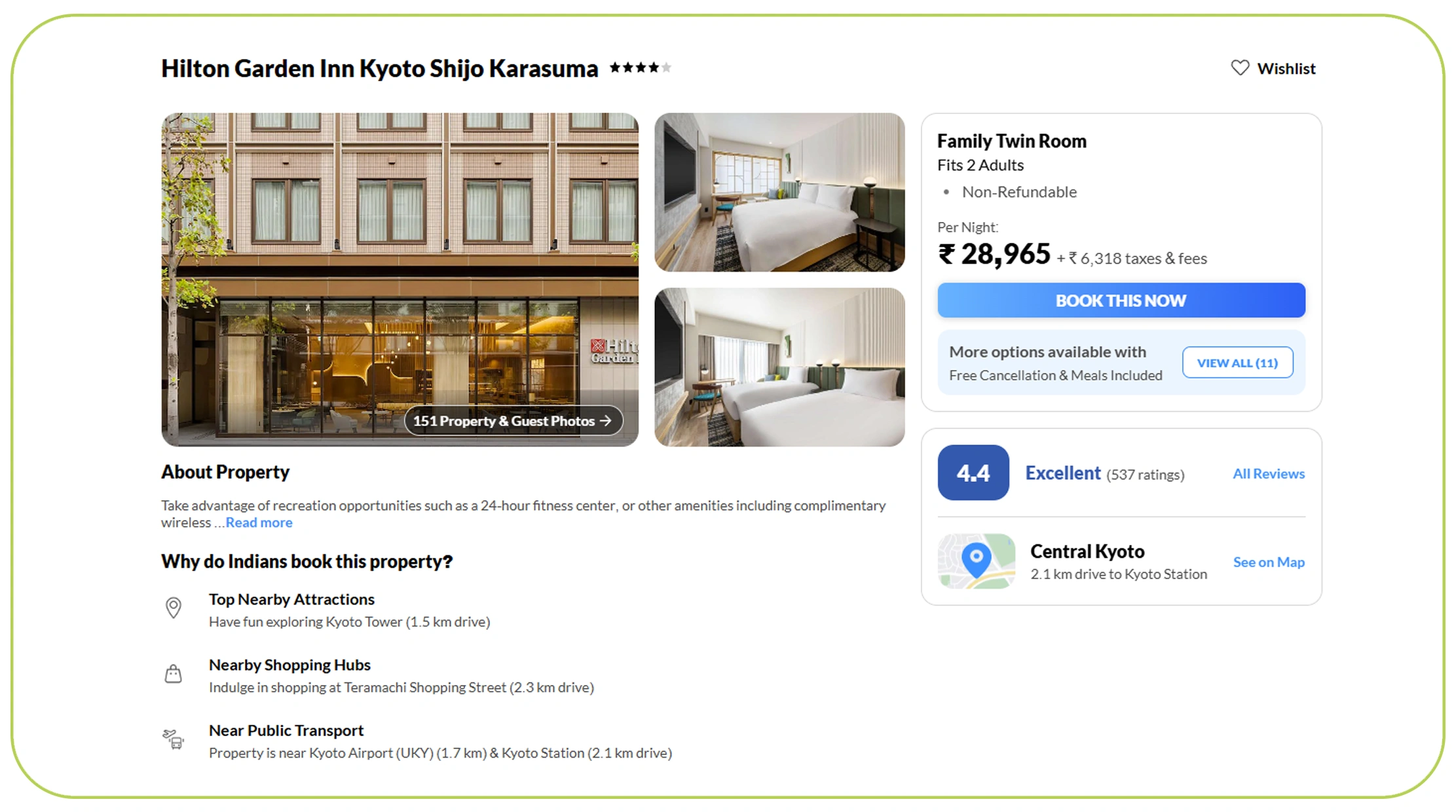
Accurate forecasting is essential for maximizing occupancy rates and revenue in the hospitality industry. By leveraging Tokyo and Kyoto travel booking data extraction, businesses can analyze historical and real-time booking trends to predict future demand more effectively.
Between 2020 and 2026, companies using booking data analytics improved forecasting accuracy from 62% to nearly 90%. These insights help identify seasonal demand spikes, such as cherry blossom festivals in Kyoto or holiday seasons in Tokyo, allowing businesses to adjust pricing and inventory accordingly.
Booking data also reveals important customer behavior patterns, including booking lead times, average stay duration, and preferred accommodation types. This enables hotels and travel platforms to create targeted offers and promotions that align with customer preferences.
Additionally, demand forecasting helps businesses manage resources efficiently. Hotels can optimize staffing, allocate inventory effectively, and reduce operational costs.
Table: Booking Trends Analysis (2020–2026)
| Year | Forecast Accuracy (%) | Booking Growth (%) |
|---|---|---|
| 2020 | 62% | 50% |
| 2022 | 72% | 60% |
| 2024 | 82% | 70% |
| 2026 | 90% | 85% |
Enhancing Customer Insights Through Reviews and Ratings
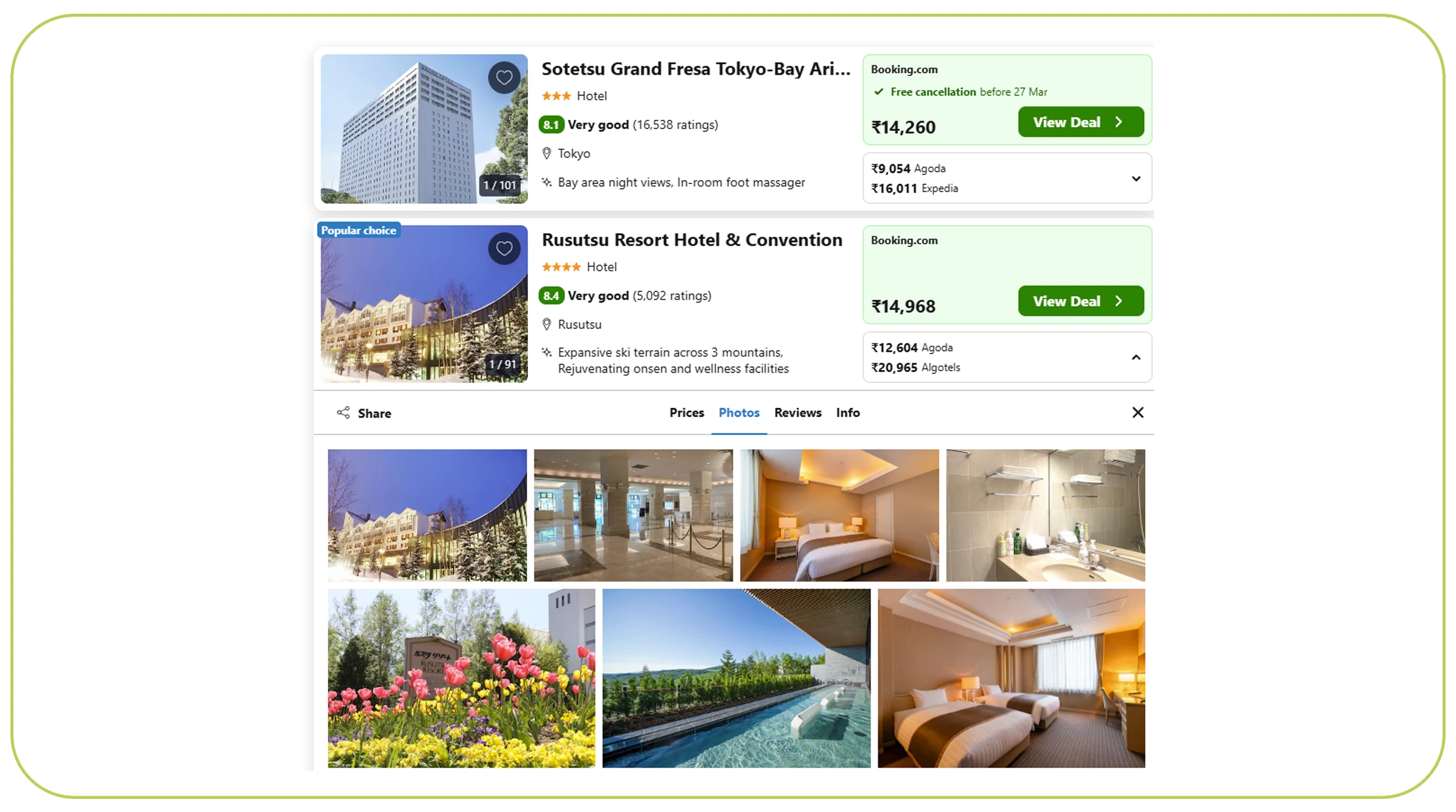
Customer reviews and ratings are powerful indicators of service quality and customer satisfaction. By implementing Extract Tokyo and Kyoto hotel reviews and ratings data, businesses can gain valuable insights into customer preferences and expectations.
From 2020 to 2026, hotels that actively analyzed review data improved their customer satisfaction scores by 28% and increased booking conversions significantly. Positive reviews often drive higher bookings, while negative feedback provides actionable insights for improvement.
Analyzing reviews also helps businesses identify trends in customer expectations. For example, travelers may prioritize cleanliness, location, or amenities, and businesses can adjust their offerings accordingly.
Furthermore, review data enables competitive benchmarking. Hotels can compare their ratings with competitors and identify areas where they can differentiate themselves.
Table: Review Analytics Impact (2020–2026)
| Year | Customer Satisfaction (%) | Booking Conversion (%) |
|---|---|---|
| 2020 | 65% | 55% |
| 2022 | 72% | 63% |
| 2024 | 80% | 72% |
| 2026 | 88% | 82% |
Comprehensive Listings Data for Market Visibility
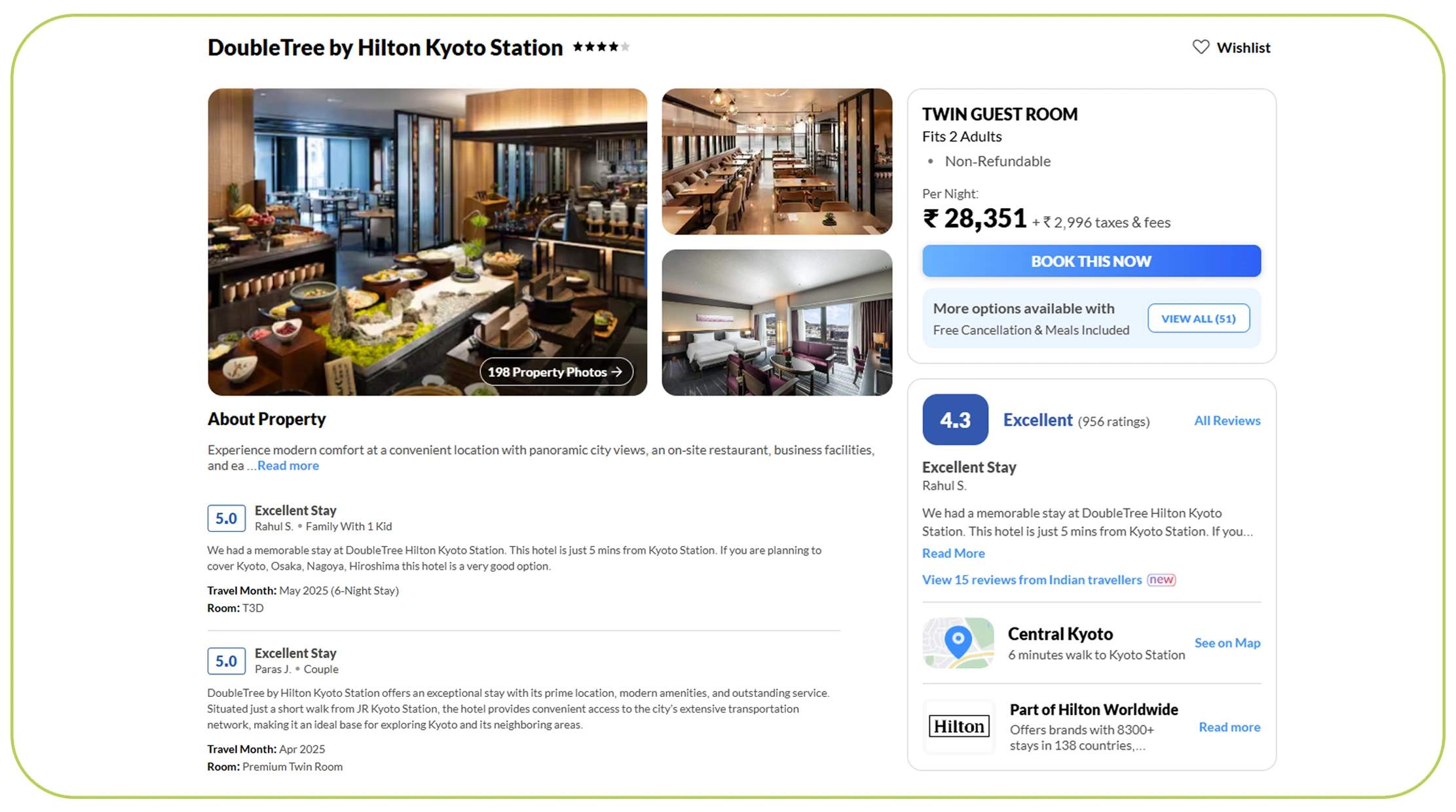
Access to detailed hotel listings is essential for understanding the competitive landscape. Through web scraping Tokyo and Kyoto hotel listings data, businesses can collect information on room types, pricing, amenities, and availability across multiple platforms.
Between 2020 and 2026, companies leveraging listings data improved market visibility by 40%. This enables businesses to identify gaps in the market and develop offerings that meet customer demand.
Listings data also supports better inventory management. Hotels can adjust room availability based on demand trends, ensuring optimal occupancy rates and reducing unsold inventory.
Additionally, businesses can analyze competitor offerings to identify unique selling points and differentiate themselves in the market.
Table: Listings Data Impact (2020–2026)
| Year | Market Visibility (%) | Occupancy Rate (%) |
|---|---|---|
| 2020 | 60% | 55% |
| 2022 | 70% | 65% |
| 2024 | 82% | 75% |
| 2026 | 90% | 85% |
Competitive Pricing Strategies for Revenue Growth
Pricing is one of the most critical factors influencing booking decisions. By leveraging Tokyo Kyoto hotel competitor price monitoring data, businesses can track competitor pricing strategies and adjust their own prices accordingly.
From 2020 to 2026, hotels using competitor pricing data achieved up to a 30% increase in revenue. Real-time insights allow businesses to respond quickly to market changes and maintain competitive pricing.
Competitive pricing analysis also helps identify trends and patterns in pricing strategies. Businesses can use this information to optimize their pricing models and maximize profitability.
Additionally, dynamic pricing strategies enable hotels to adjust prices based on demand, ensuring higher occupancy rates and revenue optimization.
Table: Competitive Pricing Impact (2020–2026)
| Year | Revenue Growth (%) | Pricing Competitiveness (%) |
|---|---|---|
| 2020 | 12% | 60% |
| 2022 | 18% | 70% |
| 2024 | 25% | 82% |
| 2026 | 30% | 90% |
Leveraging Data for Strategic Decision-Making
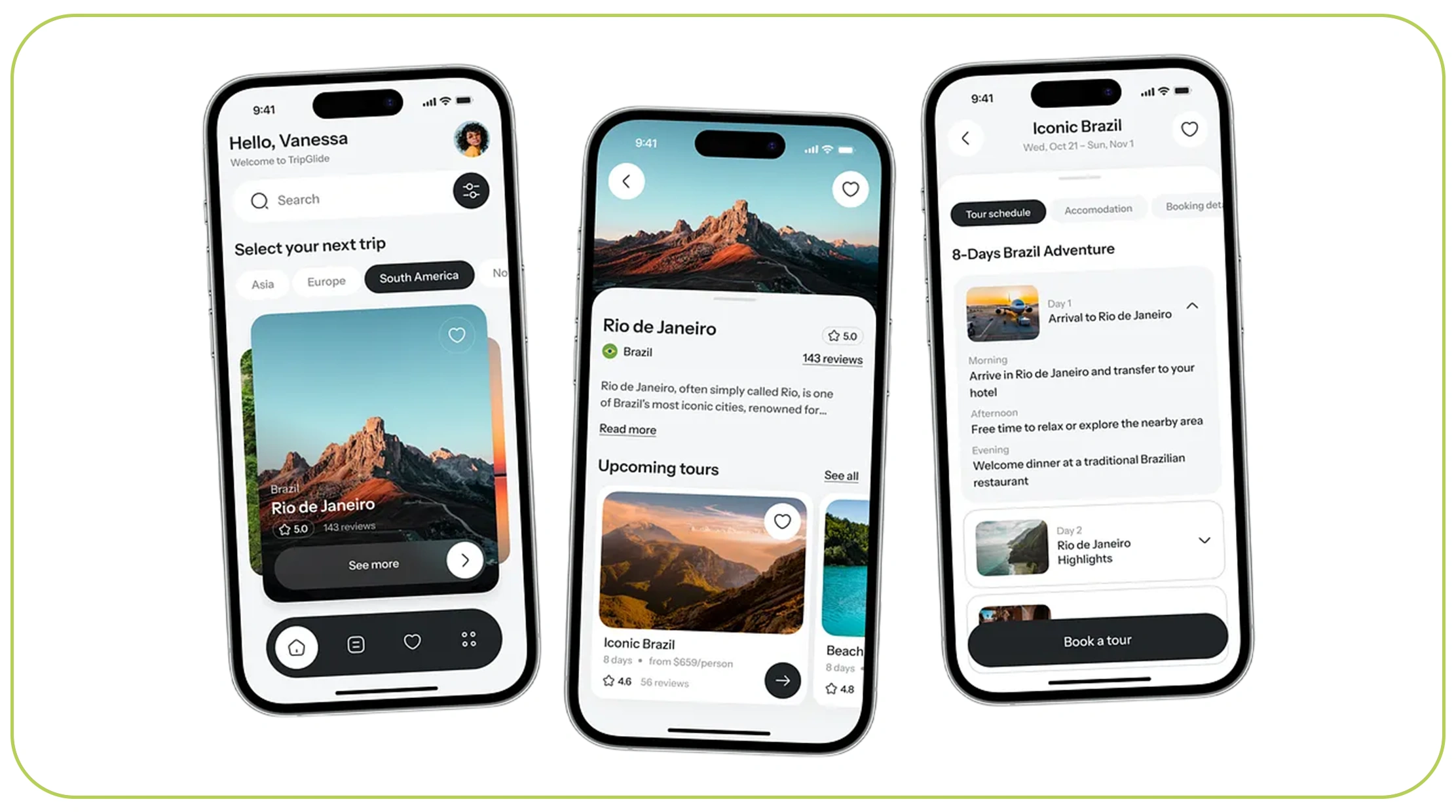
Access to a comprehensive Travel Dataset enables businesses to make informed decisions. By analyzing large volumes of structured data, companies can identify trends, optimize operations, and enhance customer experiences.
Between 2020 and 2026, businesses adopting data-driven strategies improved operational efficiency by 38%. These insights support better planning, resource allocation, and marketing strategies.
Data-driven decision-making also enhances personalization. Travel providers can tailor their offerings based on customer preferences, increasing engagement and conversion rates.
Furthermore, businesses can identify emerging trends and adapt their strategies to capitalize on new opportunities.
Table: Data-Driven Growth (2020–2026)
| Year | Efficiency (%) | Customer Engagement (%) |
|---|---|---|
| 2020 | 52% | 58% |
| 2022 | 65% | 70% |
| 2024 | 78% | 82% |
| 2026 | 90% | 92% |
Real-Time Pricing Intelligence for Maximum Profitability
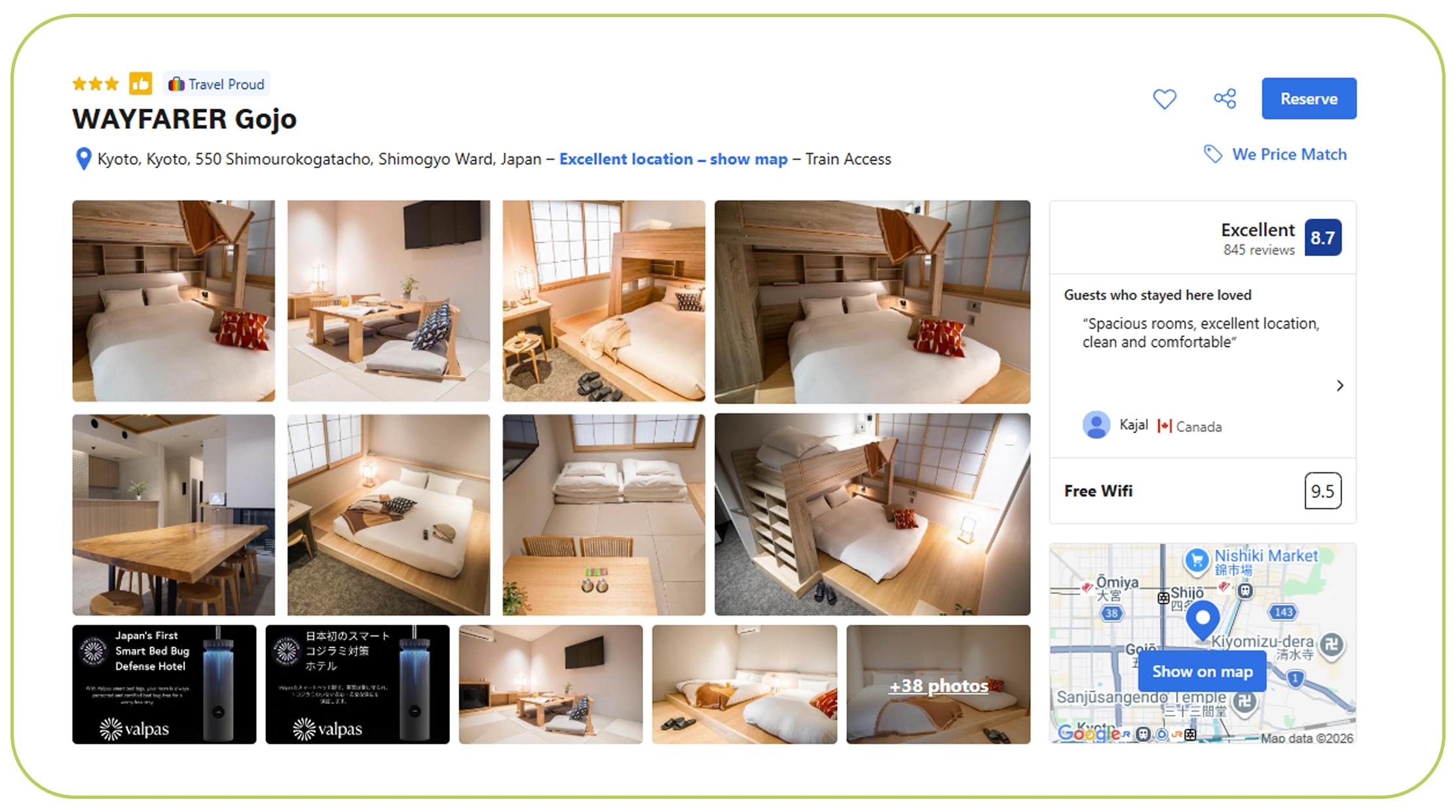
Real-time pricing intelligence is essential for maximizing revenue in the competitive hospitality industry. By implementing Price Monitoring, businesses can track price changes instantly and adjust their strategies accordingly.
From 2020 to 2026, real-time pricing systems reduced pricing delays by 75%, enabling faster decision-making and improved responsiveness to market changes. This agility allows businesses to capitalize on demand fluctuations and optimize pricing strategies effectively.
Real-time monitoring also improves customer satisfaction by ensuring consistent and competitive pricing across platforms.
Table: Pricing Intelligence Impact (2020–2026)
| Year | Pricing Accuracy (%) | Revenue Optimization (%) |
|---|---|---|
| 2020 | 65% | 15% |
| 2022 | 75% | 22% |
| 2024 | 85% | 28% |
| 2026 | 92% | 35% |
Why Choose Real Data API?
Real Data API offers advanced data extraction solutions powered by a scalable Web Scraping API, enabling businesses to efficiently scrape Tokyo and Kyoto hotel prices and availability data. Our platform provides accurate, real-time data from multiple travel sources, helping businesses stay competitive in a dynamic market.
Key benefits include:
- Automated and scalable data extraction
- Real-time insights for faster decision-making
- High-quality structured datasets
- Seamless API integration
- Custom solutions tailored to business needs
With Real Data API, businesses can unlock actionable insights, optimize pricing strategies, and achieve sustainable growth in Japan’s tourism sector.
Conclusion
In today’s data-driven travel industry, success depends on the ability to adapt quickly to market changes. By leveraging solutions to scrape Tokyo and Kyoto hotel prices and availability data, businesses can gain real-time insights into pricing trends, demand patterns, and competitor strategies.
This enables smarter decision-making, improved pricing accuracy, and enhanced customer experiences.
Start leveraging real-time hotel data today to maximize revenue, improve efficiency, and stay ahead in the tourism market!
Latest posts
How Foodpanda Food Dataset Helps Businesses Track Restaurants, Menus, Prices, Ratings, and Food Delivery Trends?

How IKEA E-commerce Dataset Helps Businesses Solve Product, Pricing, Category, and Retail Trend Challenges?
How Target e-commerce dataset Helps Brands Track Products, Prices, Availability, and Retail Market Trends for Smarter Insights?
How Dior fashion dataset Helps Brands Track Luxury Products, Prices, Collections, and Fashion Trends for Smarter Insights?






.png)