
Introduction
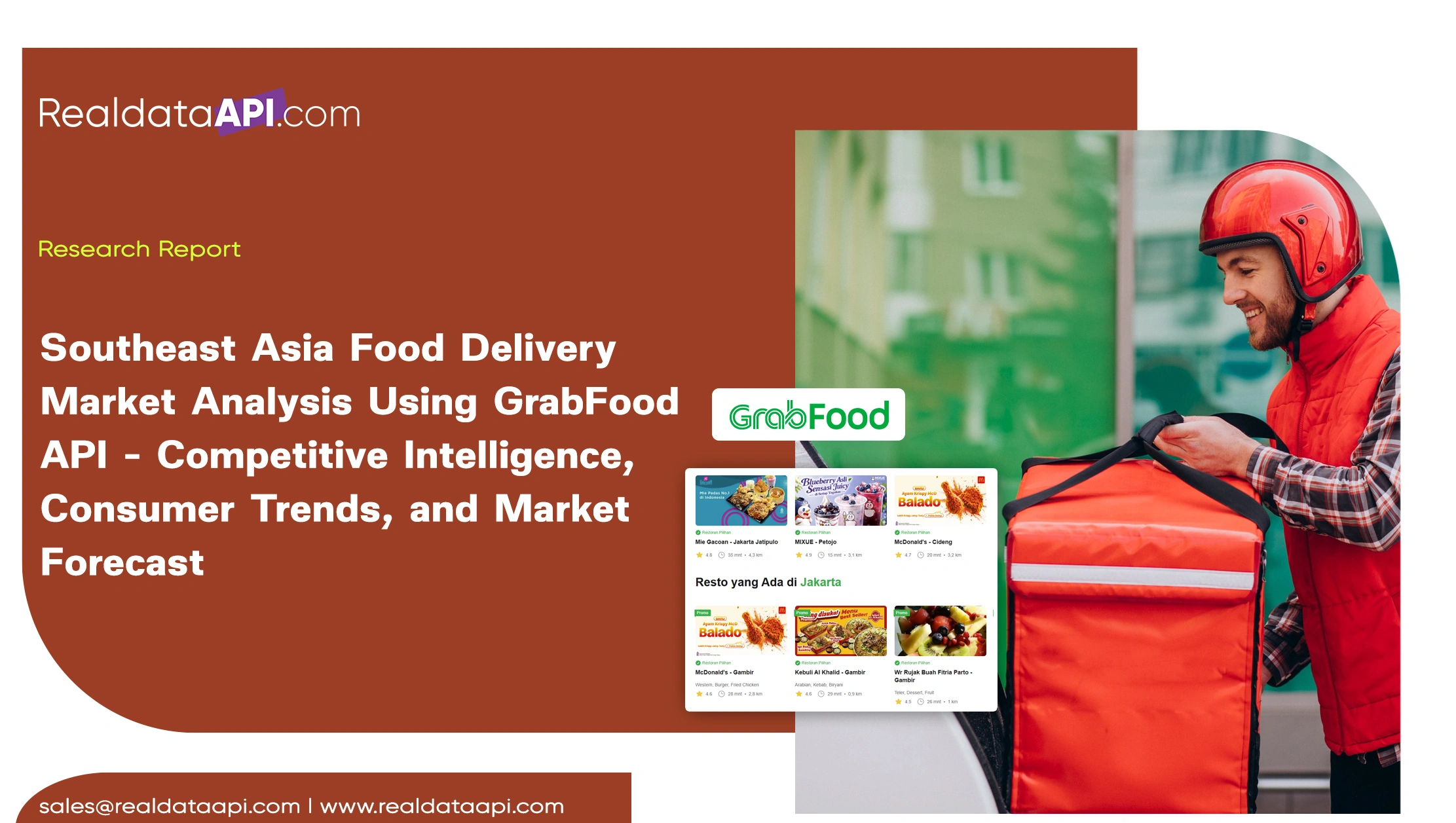
The online food delivery industry in Southeast Asia has experienced remarkable growth over the past few years, driven by rapid smartphone adoption, digital payment ecosystems, urbanization, and evolving consumer lifestyles. Businesses, investors, restaurant chains, and market researchers increasingly rely on Southeast Asia food delivery market analysis using GrabFood API to understand customer behavior, pricing strategies, delivery performance, restaurant availability, and regional demand patterns. By leveraging the GrabFood Delivery API, organizations can collect structured and real-time data that supports strategic decision-making, competitive benchmarking, and operational optimization across major markets including Singapore, Malaysia, Indonesia, Thailand, Vietnam, and the Philippines.
As competition intensifies, data-driven insights become essential for identifying high-performing restaurants, monitoring menu changes, evaluating promotional campaigns, and forecasting market opportunities. This research report explores the evolving food delivery landscape between 2020 and 2026, highlighting industry trends, pricing intelligence, consumer preferences, and technological advancements that shape Southeast Asia's digital food economy.
Understanding Regional Pricing Dynamics
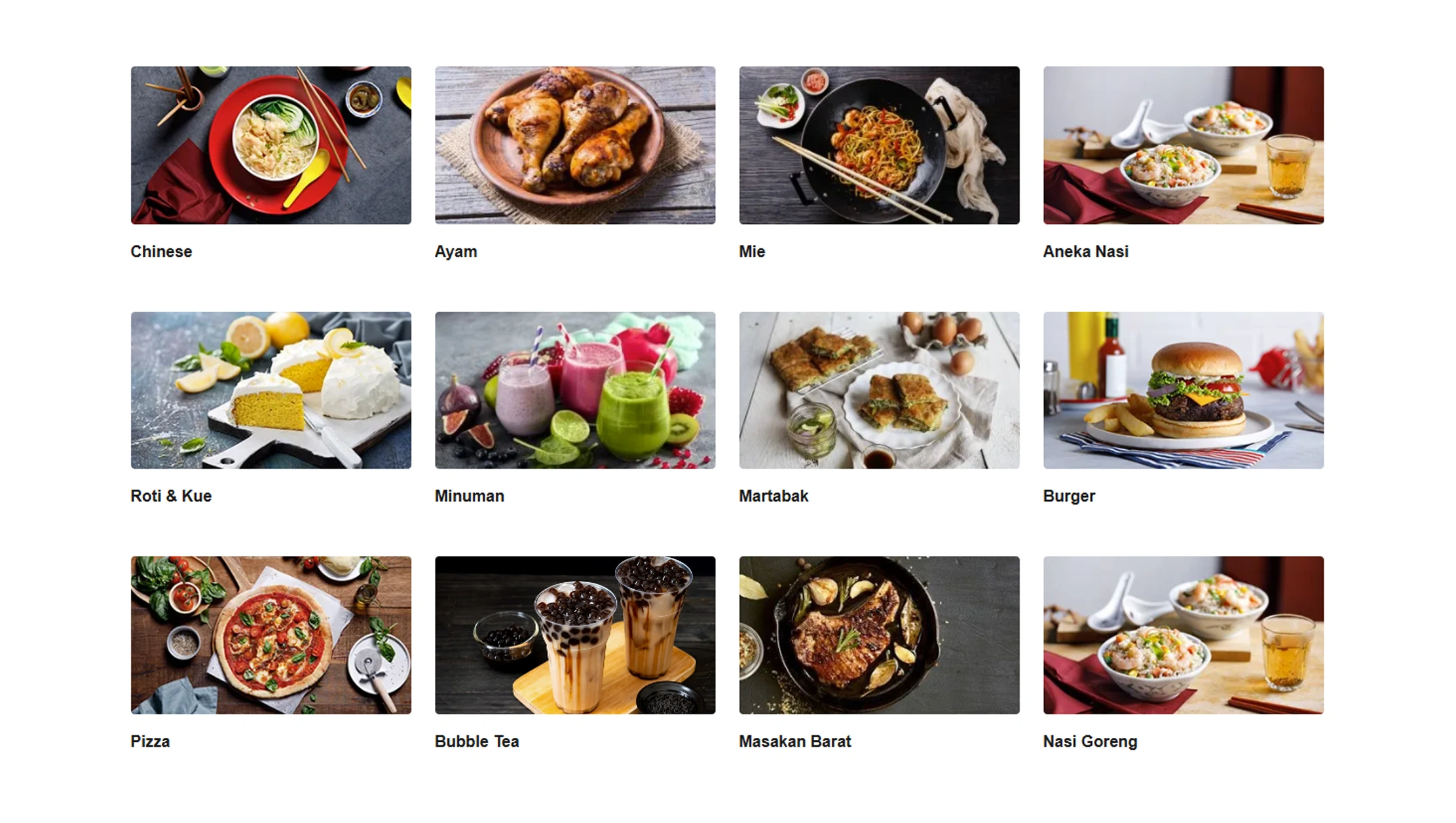
Restaurant pricing has become one of the strongest indicators of market positioning and customer demand in Southeast Asia. Delivery platforms continuously update menu prices, promotional offers, combo meals, and delivery charges based on location, competition, and consumer behavior. Businesses that Scrape restaurant menu prices with GrabFood API gain access to valuable pricing intelligence that helps benchmark competitors, identify pricing gaps, and optimize product offerings.
Restaurant brands frequently adjust prices during seasonal campaigns, holidays, and peak ordering periods. Monitoring these changes enables restaurant operators, food aggregators, and market analysts to respond proactively while maintaining profitability. Pricing intelligence also reveals regional differences in cuisine popularity, premium pricing strategies, and discount effectiveness across metropolitan and emerging cities.
Southeast Asia Food Delivery Market Statistics (2020-2026)
| Year | Market Size (USD Billion) | Online Orders (Billion) | Average Order Value (USD) |
|---|---|---|---|
| 2020 | 12.5 | 1.9 | 8.1 |
| 2021 | 15.4 | 2.4 | 8.3 |
| 2022 | 18.6 | 2.9 | 8.6 |
| 2023 | 21.9 | 3.5 | 8.9 |
| 2024 | 24.8 | 4.0 | 9.2 |
| 2025* | 27.6 | 4.5 | 9.5 |
| 2026* | 30.8 | 5.0 | 9.8 |
*Projected values.
Key insights include:
- Restaurant menu pricing continues to increase because of inflation and operational costs.
- Premium restaurants are expanding their digital delivery presence.
- Dynamic pricing is becoming increasingly common during peak hours.
- Consumers respond positively to bundled meal promotions and loyalty discounts.
- Data-driven pricing helps restaurants improve conversion rates and customer retention.
Comprehensive pricing intelligence enables stakeholders to develop competitive pricing strategies while identifying opportunities for menu optimization and localized promotions across Southeast Asia.
Consumer Behavior Through Delivery Intelligence
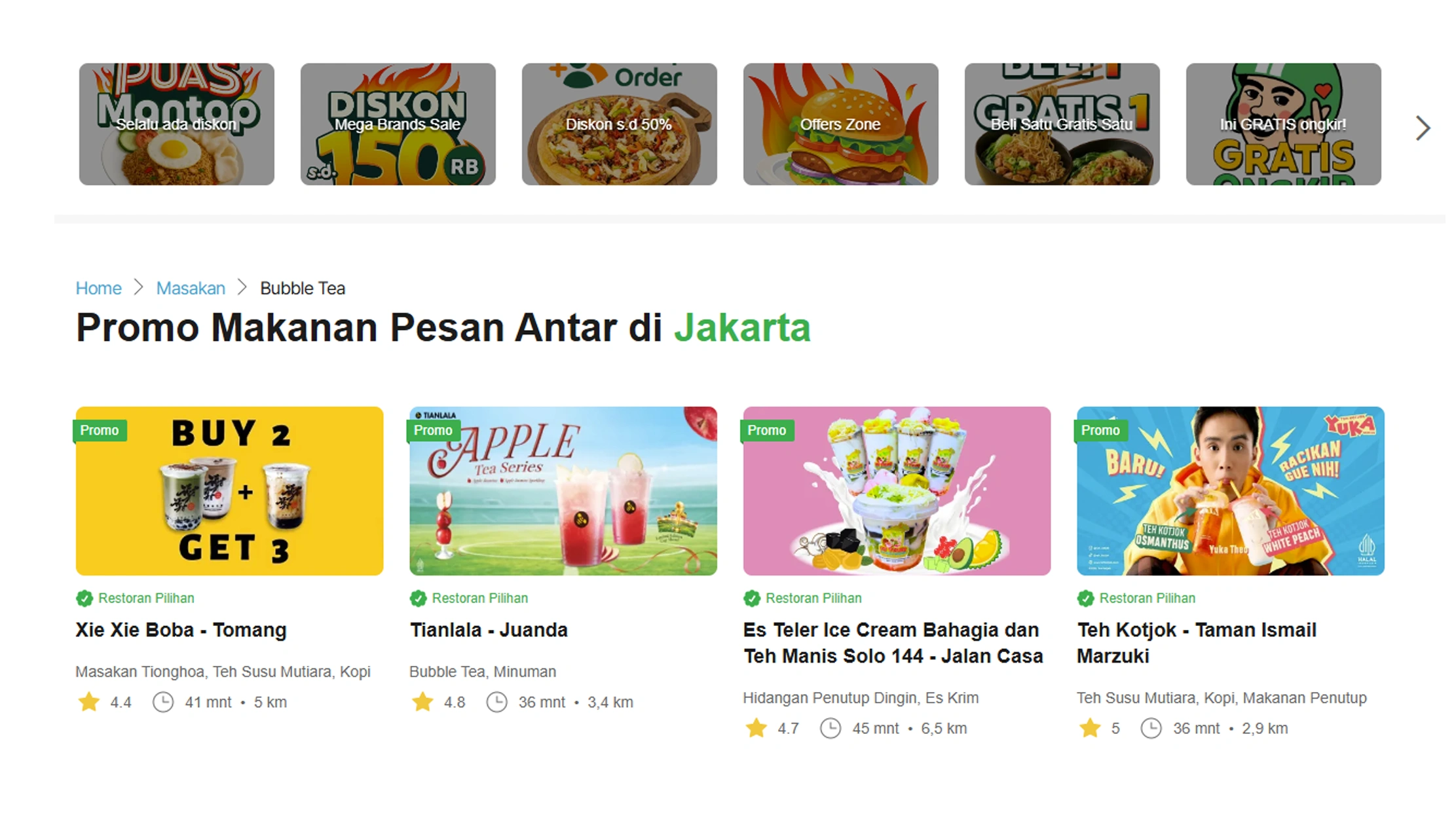
Understanding customer demand is critical for success in the highly competitive food delivery ecosystem. Businesses using Real-time food delivery analytics using GrabFood API can monitor order frequency, delivery times, restaurant popularity, customer ratings, cuisine preferences, and promotional effectiveness as they evolve.
Consumer preferences continue shifting toward convenience, healthier meal options, quick-service restaurants, and personalized recommendations. Weekend ordering patterns, lunch-hour demand, and festive season spikes generate valuable insights that help restaurants optimize staffing, inventory, and delivery logistics.
Advanced analytics also support demand forecasting, helping businesses anticipate seasonal fluctuations while improving customer satisfaction through faster deliveries and targeted promotions.
Consumer Delivery Trends (2020-2026)
| Year | Daily Active Users (Million) | Avg. Delivery Time (Minutes) | Repeat Customers (%) |
|---|---|---|---|
| 2020 | 18 | 43 | 52 |
| 2021 | 23 | 41 | 56 |
| 2022 | 29 | 39 | 60 |
| 2023 | 34 | 37 | 64 |
| 2024 | 39 | 35 | 68 |
| 2025* | 44 | 33 | 71 |
| 2026* | 49 | 31 | 74 |
*Projected values.
Major industry observations include:
- Delivery efficiency continues improving through AI-powered routing.
- Customer retention programs significantly increase repeat purchases.
- Mobile-first ordering dominates across urban populations.
- Personalized promotions improve conversion rates.
- Restaurant ratings strongly influence purchasing decisions.
- Real-time demand monitoring helps optimize delivery resources.
Organizations leveraging live delivery analytics can quickly identify changing consumer preferences and implement strategies that improve operational efficiency and long-term customer loyalty.
Building Competitive Intelligence with Market Data
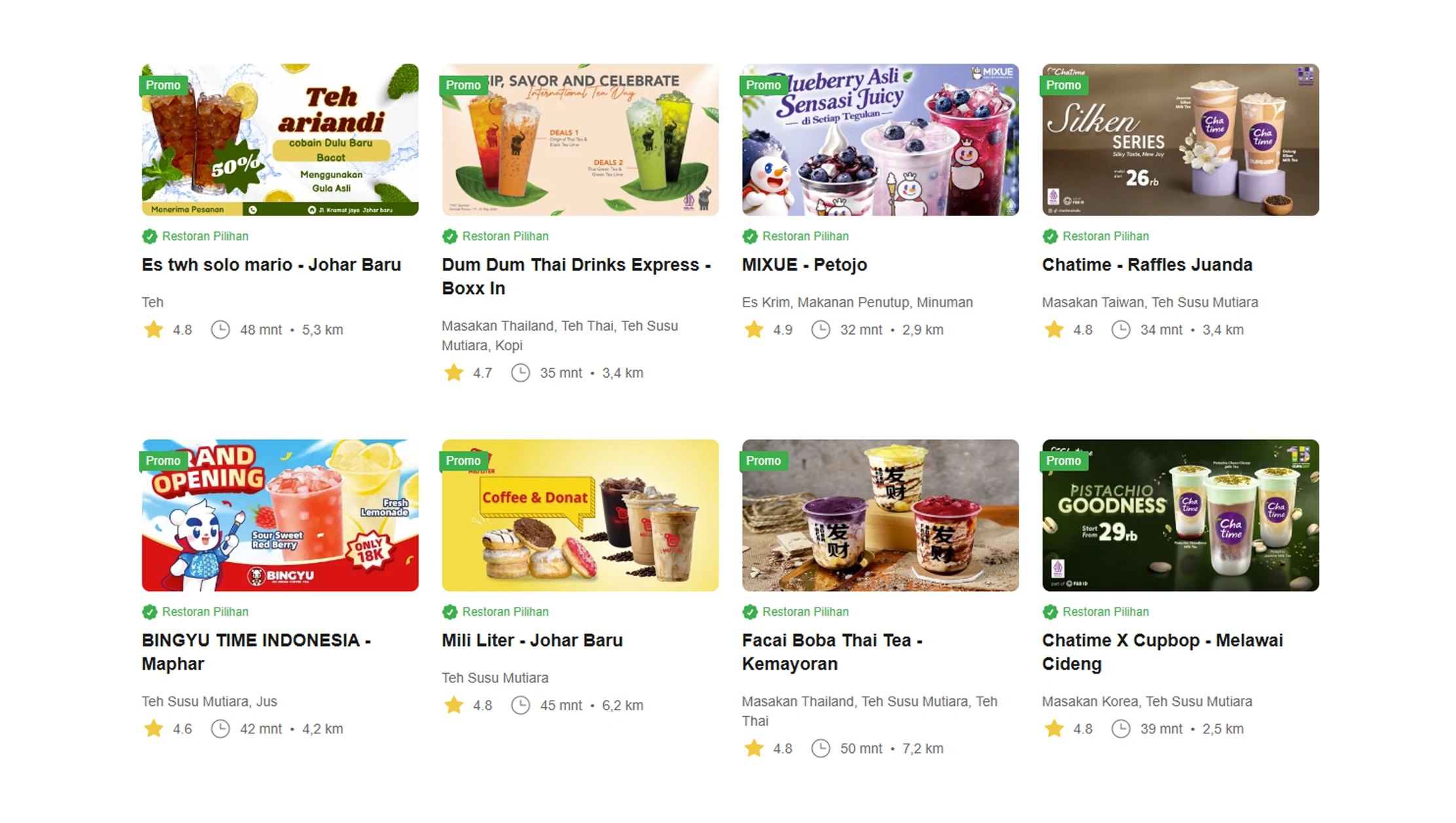
Competitive intelligence has become essential for restaurants, food-tech companies, investors, and market researchers seeking sustainable growth. Organizations using Web Scraping restaurant menu data using GrabFood API can build comprehensive datasets covering restaurant listings, cuisines, menu items, pricing, discounts, customer ratings, delivery fees, and service availability across multiple countries.
Collected datasets enable analysts to compare thousands of restaurants simultaneously, revealing competitive positioning, market saturation, cuisine diversity, and pricing consistency. Businesses can identify underserved markets, emerging restaurant categories, and changing consumer preferences before competitors respond.
Large-scale menu data also supports AI-driven forecasting, enabling predictive models that estimate future demand, pricing trends, and regional growth opportunities.
Competitive Intelligence Indicators (2020-2026)
| Year | Restaurants Listed (Million) | Avg. Menu Items | Promotions (%) |
|---|---|---|---|
| 2020 | 0.82 | 48 | 24 |
| 2021 | 0.95 | 51 | 28 |
| 2022 | 1.08 | 54 | 32 |
| 2023 | 1.22 | 58 | 37 |
| 2024 | 1.35 | 61 | 41 |
| 2025* | 1.49 | 64 | 45 |
| 2026* | 1.63 | 67 | 49 |
*Projected values.
Key competitive findings include:
- Independent restaurants continue expanding digital operations.
- Cloud kitchens contribute significantly to platform growth.
- Promotional campaigns have become a major differentiator.
- Regional cuisine diversity creates localized competitive advantages.
- Menu expansion supports higher average order values.
- Data-driven competitive benchmarking improves strategic planning and investment decisions.
Continuous restaurant intelligence enables organizations to identify market opportunities, benchmark competitors effectively, and make informed expansion decisions across Southeast Asia's rapidly evolving food delivery ecosystem.
Unlocking Large-Scale Marketplace Intelligence
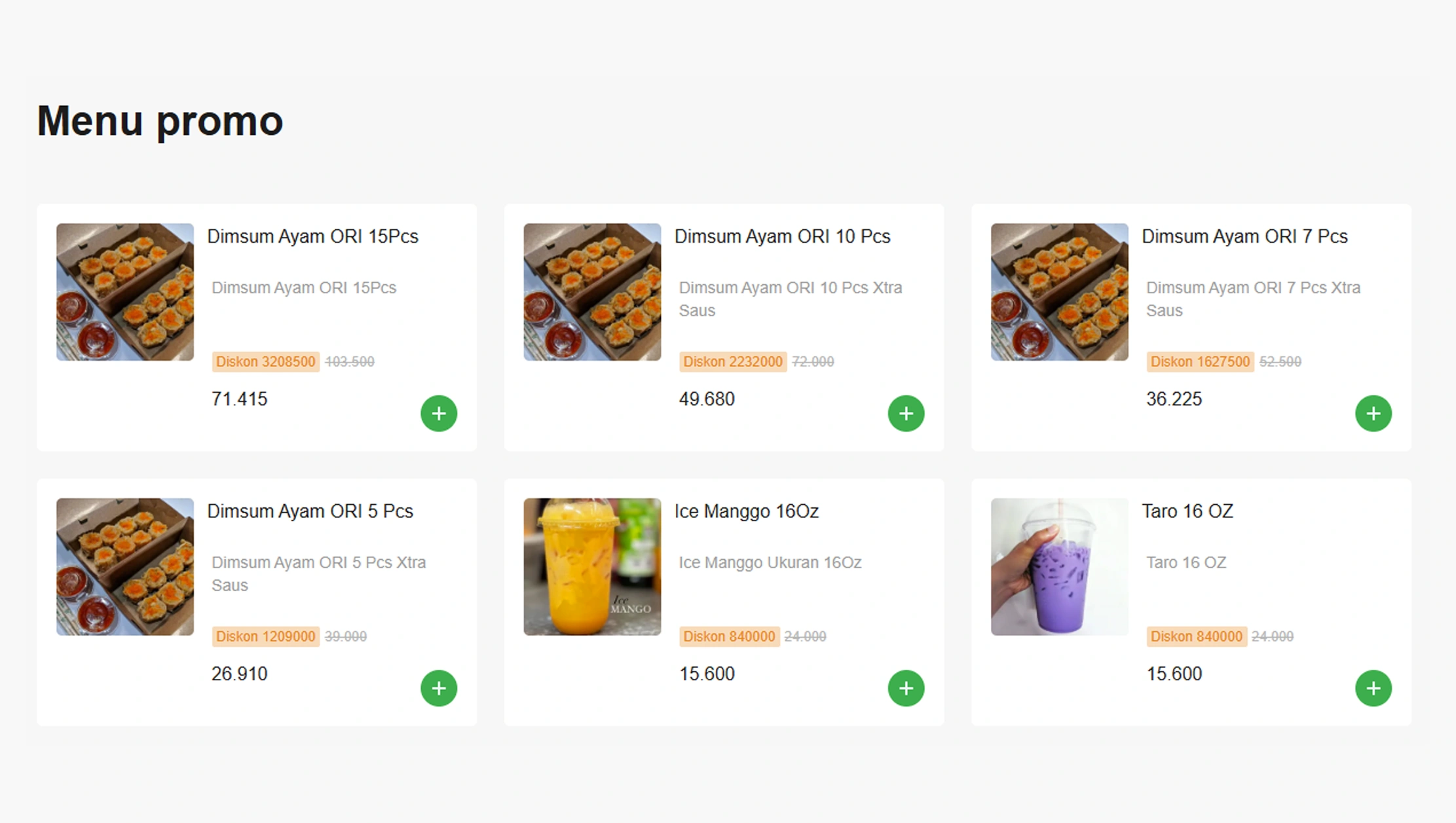
Food delivery platforms generate massive volumes of structured information every day, making large-scale datasets essential for market intelligence. Businesses using Web Scraping GrabFood Dataset can analyze restaurant listings, cuisine categories, menu availability, pricing fluctuations, delivery coverage, customer ratings, promotional campaigns, and operational trends across Southeast Asia. These datasets support strategic planning, competitive benchmarking, and AI-powered forecasting for restaurants, food-tech startups, delivery aggregators, and investment firms.
Historical and real-time datasets help organizations understand how consumer preferences evolve across different countries and cities. By combining restaurant metadata with pricing and customer engagement metrics, businesses can identify high-growth markets, evaluate expansion opportunities, and optimize product offerings. Large datasets also enable predictive analytics that anticipate future demand, seasonal ordering behavior, and promotional performance.
GrabFood Marketplace Dataset Statistics (2020-2026)
| Year | Restaurant Listings (Million) | Menu Items (Million) | Active Delivery Zones |
|---|---|---|---|
| 2020 | 0.82 | 39 | 850 |
| 2021 | 0.94 | 45 | 980 |
| 2022 | 1.07 | 53 | 1,120 |
| 2023 | 1.20 | 61 | 1,270 |
| 2024 | 1.34 | 69 | 1,430 |
| 2025* | 1.48 | 77 | 1,590 |
| 2026* | 1.63 | 86 | 1,760 |
*Projected values.
Key insights include:
- Marketplace datasets continue expanding as more restaurants adopt online delivery.
- Digital-first restaurants contribute significantly to listing growth.
- Delivery coverage is increasing across secondary cities.
- Rich datasets improve AI-powered recommendation systems.
- Historical marketplace intelligence supports long-term forecasting and investment decisions.
Comprehensive marketplace datasets provide businesses with the visibility needed to monitor industry evolution, benchmark competitors, and discover emerging opportunities across Southeast Asia.
Monitoring Restaurants at Scale
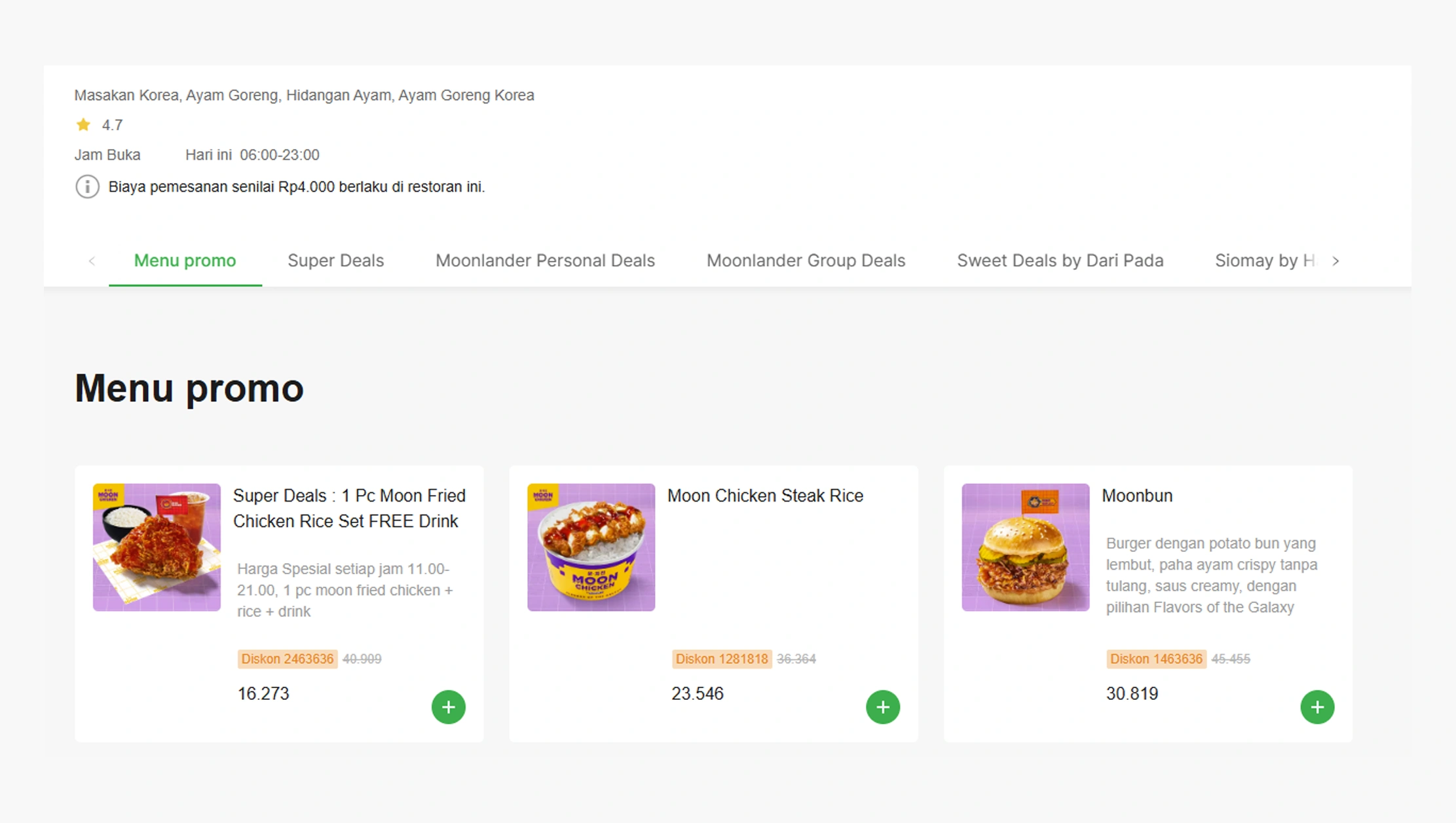
Restaurant intelligence has become a strategic asset for organizations seeking continuous visibility into the competitive landscape. Using a GrabFood Scraper, businesses can automate the collection of restaurant information, menu updates, pricing changes, promotional campaigns, customer reviews, delivery fees, operating hours, and cuisine categories.
Automated data collection eliminates manual monitoring while providing accurate and frequently updated insights across thousands of restaurant listings. This enables restaurant chains to benchmark competitors, evaluate promotional effectiveness, monitor new entrants, and identify pricing opportunities in near real time.
For investors and market researchers, automated restaurant intelligence provides a comprehensive understanding of market concentration, regional competition, and customer engagement trends. Businesses can also evaluate restaurant performance across multiple countries to determine optimal expansion strategies.
Restaurant Intelligence Statistics (2020-2026)
| Year | Restaurants Monitored | Avg. Rating | Discount Campaigns (%) |
|---|---|---|---|
| 2020 | 820,000 | 4.18 | 23 |
| 2021 | 950,000 | 4.21 | 27 |
| 2022 | 1,080,000 | 4.24 | 31 |
| 2023 | 1,220,000 | 4.28 | 36 |
| 2024 | 1,350,000 | 4.31 | 40 |
| 2025* | 1,490,000 | 4.34 | 44 |
| 2026* | 1,630,000 | 4.37 | 48 |
*Projected values.
Important market observations:
- Restaurant digital adoption continues to accelerate.
- Customer ratings increasingly influence purchasing decisions.
- Promotional activity grows each year.
- Automated monitoring improves competitive benchmarking.
- Restaurant expansion into suburban areas creates new growth opportunities.
- Continuous intelligence supports pricing optimization and operational planning.
Organizations leveraging automated restaurant monitoring gain faster access to actionable insights that improve strategic decision-making.
Singapore as a Regional Benchmark

Singapore remains one of Southeast Asia's most mature food delivery markets, making it an ideal benchmark for regional analysis. Businesses that Scrape GrabFood Restaurant Data in Singapore gain access to valuable information about premium restaurants, delivery efficiency, customer preferences, pricing models, promotional campaigns, and cuisine diversity.
Singapore's high digital adoption rate, strong logistics infrastructure, and mature consumer behavior make it a leading indicator for emerging food delivery trends throughout the region. Businesses can use these insights to replicate successful pricing strategies, optimize delivery operations, and identify scalable business models for neighboring countries.
Restaurant performance data also enables comparative studies between Singapore and other Southeast Asian markets, revealing differences in menu pricing, delivery costs, customer engagement, and promotional effectiveness.
Singapore Food Delivery Market Statistics (2020-2026)
| Year | Active Restaurants | Avg. Delivery Fee (USD) | Online Orders (Million) |
|---|---|---|---|
| 2020 | 18,400 | 2.60 | 95 |
| 2021 | 20,300 | 2.55 | 112 |
| 2022 | 22,100 | 2.48 | 129 |
| 2023 | 24,600 | 2.41 | 147 |
| 2024 | 26,800 | 2.36 | 164 |
| 2025* | 29,200 | 2.31 | 182 |
| 2026* | 31,500 | 2.26 | 201 |
*Projected values.
Market highlights include:
- Premium dining continues expanding into online delivery.
- Faster delivery times improve customer satisfaction.
- Promotional campaigns drive repeat purchases.
- Cuisine diversity supports sustained platform growth.
- Singapore serves as a benchmark for innovation across Southeast Asia.
- Restaurant data supports regional expansion planning and investment analysis.
These insights help organizations develop scalable strategies for broader Southeast Asian markets.
Why Choose Real Data API?
Real Data API delivers reliable, scalable, and customized data extraction solutions that empower businesses with actionable market intelligence. Whether you need restaurant listings, menu pricing, customer ratings, delivery insights, promotional campaigns, or marketplace analytics, our APIs provide structured, real-time, and historical datasets for informed decision-making.
Our expertise in Southeast Asia food delivery market analysis using GrabFood API enables organizations to monitor competitors, optimize pricing strategies, forecast market demand, evaluate restaurant performance, and uncover emerging business opportunities. With automated data collection, flexible delivery formats, enterprise-grade scalability, and dedicated technical support, Real Data API helps restaurants, food delivery platforms, consulting firms, investors, and market researchers transform raw marketplace data into strategic business intelligence.
Conclusion
The Southeast Asian food delivery ecosystem continues to evolve rapidly through digital innovation, expanding restaurant participation, changing consumer preferences, and increasing competition. Organizations that leverage Southeast Asia food delivery market analysis using GrabFood API gain a significant advantage by accessing accurate market intelligence, restaurant performance metrics, pricing trends, consumer behavior insights, and competitive benchmarking data. These insights support smarter investment decisions, improved operational efficiency, optimized pricing strategies, and sustainable regional expansion.
As demand for data-driven decision-making continues to grow, businesses equipped with reliable food delivery intelligence will be better positioned to adapt to market changes, identify emerging opportunities, and outperform competitors across Southeast Asia.
Contact Real Data API today to access comprehensive GrabFood market intelligence and transform food delivery data into actionable business growth!
Latest posts

How to Track Global Anime Viewing Trends via Crunchyroll Data Scraping for Smarter Audience Insights?

How to Scrape streaming content trends using HBO Max data for Smarter Content Strategy?

Traveloka Data Scraping For Travel Price Intelligence - How To Monitor Price Changes, Discounts, And Travel Demand
How Bolt Food Data Scraping for Food Delivery Market Trends Helps Businesses Overcome Delivery Market Intelligence Challenges?






.png)