
Introduction
The European e-commerce market is one of the most sophisticated, fragmented, and price-competitive retail environments in the world. With over 750 million consumers spread across dozens of distinct national markets — each with its own dominant platforms, consumer behavior patterns, regulatory frameworks, and pricing norms — European online retailers face a competitive intelligence challenge that has no parallel in single-market economies like the United States. A German consumer shopping for electronics compares prices across Amazon.de, MediaMarkt, Saturn, and Idealo simultaneously. A French shopper evaluating beauty products cross-references Sephora, Nocibé, Amazon.fr, and price comparison engines within a single session. The European consumer's price awareness is exceptionally high — and the retailers that win are those who match that awareness with equally sharp pricing intelligence.
This is the commercial reality driving widespread adoption of web scraping competitor prices in Europe ecommerce business market. By systematically extracting product pricing data for e-commerce analysis across European platforms, marketplaces, and retailer websites, online businesses can monitor competitor price movements in real time, identify pricing gaps before they cost sales, build dynamic repricing systems that respond to market changes automatically, and develop the kind of ecommerce pricing market intelligence data extraction Europe that transforms pricing from a guesswork exercise into a data-driven competitive strategy.
This article explores the data sources, tools, use cases, and market insights that define modern European e-commerce price scraping — and how an e-commerce data scraping API eliminates the engineering complexity for retailers and platforms that need this intelligence at scale.
€958B
European e-commerce revenue 2025
5+
Platforms avg EU shopper checks per purchase
27
EU member states with distinct pricing markets
68%
EU consumers cite price as #1 purchase driver
Why European E-Commerce Demands Smarter Pricing Intelligence?
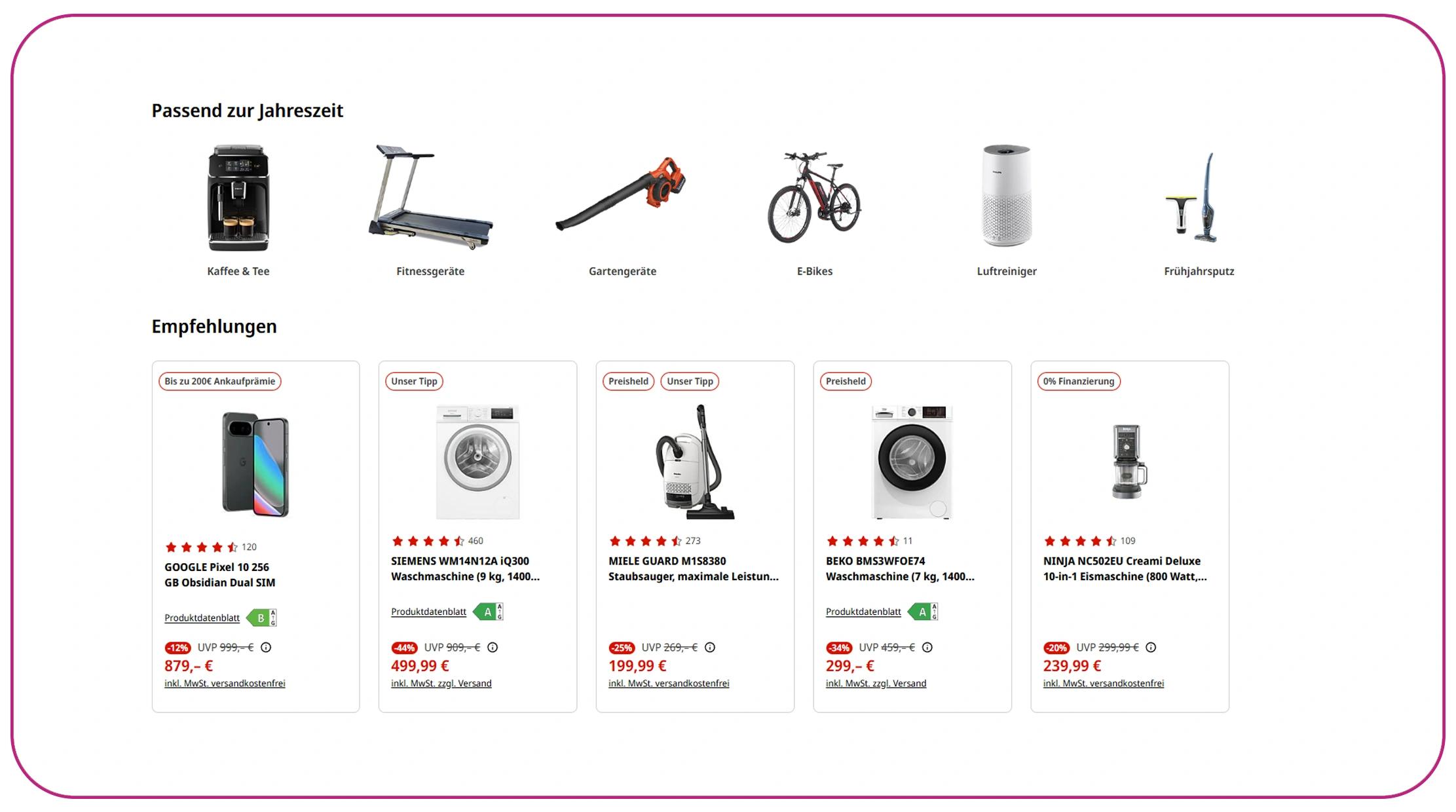
The European e-commerce pricing landscape is uniquely complex for three reasons that set it apart from any other major market in the world. First, market fragmentation: unlike the US where Amazon dominates, Europe has no single platform that commands majority market share across all countries. Amazon competes with Zalando in fashion, MediaMarkt in electronics, Cdiscount in France, bol.com in the Netherlands, and hundreds of national specialty retailers across every product category. This fragmentation means that competitive pricing intelligence must span dozens of platforms simultaneously, not just one or two.
Second, currency and VAT complexity: European e-commerce pricing is influenced by VAT rates that vary by country and product category, cross-border shipping costs that differ by destination, and currency fluctuations for non-euro markets like the UK, Switzerland, and Sweden. A product's effective consumer price in Germany may differ materially from its price in France even when the retailer nominally charges the same amount — making cross-market price comparison a nuanced analytical challenge that requires structured Web Scraping Services to resolve accurately.
Third, regulatory context: the EU's Digital Services Act and evolving price transparency regulations increasingly require retailers to be precise and consistent about how prices are displayed and discounted — creating both compliance requirements and competitive intelligence opportunities for businesses that monitor the market systematically.
"In the European e-commerce market, a competitor's price change on Amazon.de can ripple through Idealo, Google Shopping, and a dozen comparison engines within hours. The retailer that doesn't see it coming is already repricing reactively — not strategically."
| Country | Key Platforms | E-commerce Revenue 2025 |
|---|---|---|
| Germany | Amazon.de / MediaMarkt / Otto | €145B |
| United Kingdom | Amazon.co.uk / ASOS / Argos | £138B |
| France | Amazon.fr / Cdiscount / Fnac | €92B |
| Spain | Amazon.es / El Corte Inglés / PC Componentes | €68B |
| Italy | Amazon.it / ePRICE / ePrice / Unieuro | €54B |
Key Data Sources for European E-Commerce Price Scraping
Effective ecommerce pricing market intelligence data extraction Europe requires targeting the right combination of marketplaces, price comparison engines, direct retailer websites, and shopping aggregators across each target market.
Amazon EU Marketplaces
Amazon.de, .co.uk, .fr, .es, .it — product prices, Buy Box winners, seller count, fulfillment type, and promotional pricing across all European storefrontsIdealo / Google Shopping
Price comparison aggregators listing prices from hundreds of European retailers per product — the primary source for cross-retailer competitive pricing benchmarksZalando / ASOS / Farfetch
Fashion and apparel marketplace pricing, markdown schedules, promotional cadences, and availability signals across European fashion retailMediaMarkt / Fnac / Currys
National electronics retail chain pricing, bundle offers, loyalty pricing, and clearance event monitoring by country and product categoryDirect Retailer Websites
Brand.com and D2C retailer pricing that may differ from marketplace prices — essential for brands monitoring MAP compliance and channel pricing consistencybol.com / Cdiscount / Otto
Country-dominant marketplace pricing in the Netherlands, France, and Germany respectively — critical for building complete market coverage beyond Amazon
Ecommerce Scraping API Use Cases Across European Markets
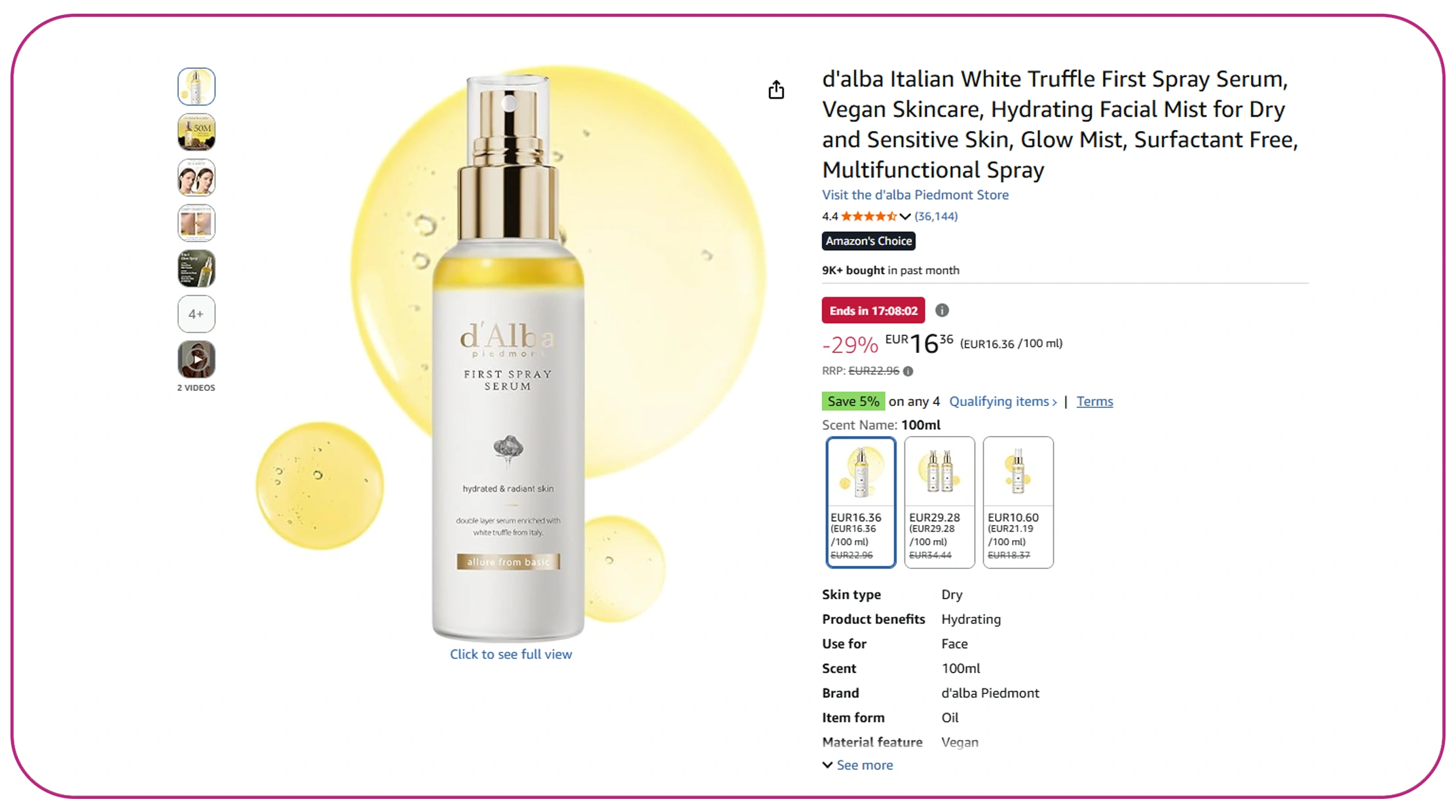
An e-commerce data scraping API purpose-built for the European market eliminates the complexity of managing multi-platform, multi-language, multi-currency scrapers — delivering pre-structured, continuously refreshed product pricing data through a single standardized endpoint. Here are the highest-impact ecommerce scraping API use cases driving adoption across European online retail today.
Dynamic Repricing for Marketplace Sellers
European marketplace sellers on Amazon.de, .co.uk, and .fr use real-time ecommerce price data scraper in European market to feed dynamic repricing engines that automatically adjust listing prices based on competitor price movements, Buy Box eligibility thresholds, and inventory levels. A seller who reprices manually once a day is operating with data that is already 24 hours stale in a market where competitor prices can change dozens of times daily during promotional events.
MAP Compliance Monitoring
Brands selling through European retail channels use ecommerce pricing market intelligence data extraction Europe to monitor whether authorized distributors and resellers are respecting minimum advertised price (MAP) policies across all relevant platforms. Automated price monitoring across Amazon EU, Idealo, and direct retailer sites flags MAP violations within hours of occurrence — enabling rapid enforcement action before the price gap triggers broader market price erosion.
Cross-Market Price Arbitrage Detection
Scraping retail pricing insights across multiple European markets simultaneously reveals cross-border price arbitrage opportunities — cases where the same product is priced significantly differently in Germany versus France or the UK versus Spain. For brands managing pan-European pricing strategies, this intelligence is essential for identifying where grey market importing is undermining national pricing structures and where adjustments to country-level pricing are needed to maintain market integrity.
Promotional and Markdown Intelligence
Extracting product pricing data for e-commerce analysis in Europe includes tracking not just regular prices but promotional pricing events — when competitors launch sales, how deep their discounts go, how long promotions run, and which product categories are targeted. This promotional calendar intelligence allows retailers to time their own campaigns strategically, avoid launching promotions during periods when the market is already heavily discounted, and identify promotional gaps where competitors are not competing.
Technical Approach: Building a European Price Scraping Pipeline
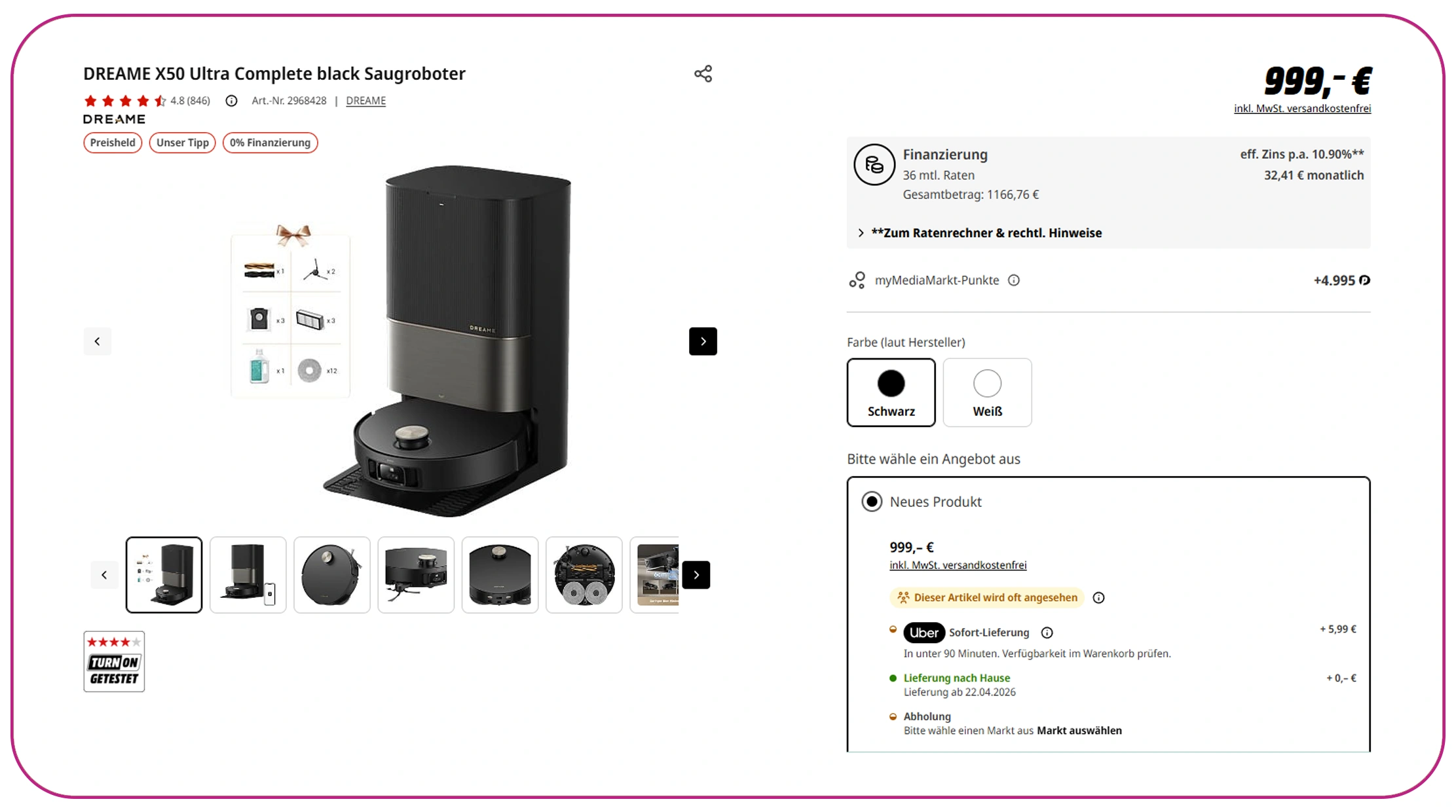
A production-grade real-time ecommerce price data scraper in European market must handle several technical challenges that are more complex than single-market price monitoring. These include multi-language page parsing across German, French, Spanish, Italian, and English content; multi-currency normalization to enable cross-market price comparisons; geolocation-aware scraping to retrieve country-specific prices accurately; and anti-bot countermeasures that vary in sophistication across different European platforms.
# European ecommerce competitor price scraper — multi-market
import asyncio
from playwright.async_api import async_playwright
import pandas as pd
from datetime import datetime

async def scrape_eu_product_prices(product_ean, marketplace_url, country, currency):
    async with async_playwright() as p:
        browser = await p.chromium.launch(headless=True)
        context = await browser.new_context(
            locale=f"{country.lower()}-{country.upper()}",
            timezone_id="Europe/Berlin"
        )
        page = await context.new_page()
        search_url = f"{marketplace_url}/s?k={product_ean}"
        await page.goto(search_url, wait_until="networkidle")
        results = await page.query_selector_all(".product-listing")
        records = []
        for r in results:
            title = await r.query_selector(".product-title")
            price = await r.query_selector(".product-price")
            seller = await r.query_selector(".seller-name")
            rating = await r.query_selector(".star-rating")
            records.append({
                "ean": product_ean,
                "country": country,
                "currency": currency,
                "marketplace": marketplace_url,
                "title": await title.inner_text() if title else None,
                "price": await price.inner_text() if price else None,
                "seller": await seller.inner_text() if seller else None,
                "rating": await rating.inner_text() if rating else None,
                "scraped_at": datetime.utcnow().isoformat(),
            })
        await context.close()
        await browser.close()
        return pd.DataFrame(records)

# Scrape same product across 4 European markets
de = asyncio.run(scrape_eu_product_prices("5901234123457","https://amazon.de","DE","EUR"))
uk = asyncio.run(scrape_eu_product_prices("5901234123457","https://amazon.co.uk","GB","GBP"))
fr = asyncio.run(scrape_eu_product_prices("5901234123457","https://amazon.fr","FR","EUR"))
es = asyncio.run(scrape_eu_product_prices("5901234123457","https://amazon.es","ES","EUR"))
eu_price_dataset = pd.concat([de, uk, fr, es])
eu_price_dataset.to_csv("eu_competitor_pricing_dataset.csv", index=False)
European E-Commerce Price Intelligence Benchmarks by Category
| Product Category | Price Volatility | Key Platforms to Monitor | Reprice Cadence |
|---|---|---|---|
| Consumer Electronics | Very High | Amazon EU, Idealo, MediaMarkt, Currys | Every 2–4 hours |
| Fashion & Apparel | Medium–High | Zalando, ASOS, Amazon EU, Farfetch | Every 6–12 hours |
| Health & Beauty | Medium | Amazon EU, Douglas, Sephora, Boots | Every 12–24 hours |
| Home & Garden | Low–Medium | Amazon EU, IKEA, Otto, ManoMano | Daily |
| Sports & Outdoors | Medium | Amazon EU, Decathlon, Intersport | Every 12–24 hours |
| Toys & Games | High (seasonal) | Amazon EU, Smyths, Idealo, Fnac | Every 4–8 hours |
Building an E-Commerce Dataset for European Market Research

A comprehensive e-commerce dataset built through systematic European price scraping goes far beyond a simple list of competitor prices. When properly structured and enriched, it becomes a living market intelligence asset that powers pricing strategy, product assortment decisions, promotional planning, and competitive positioning across every European market a retailer operates in.
European E-Commerce Dataset — Core Fields for Pricing Intelligence
- Product identifiers (EAN, ASIN, SKU) with canonical product matching across platforms and markets to enable true cross-retailer price comparison
- Price histories with timestamps, currency, VAT inclusion flag, and platform source — enabling trend analysis, seasonality detection, and promotional pattern identification
- Seller and fulfillment type data — distinguishing between brand direct, marketplace third-party, and fulfilled-by-platform offers that carry different consumer trust signals
- Availability and stock status signals — out-of-stock flags that proxy demand surges and create temporary pricing power opportunities for competitors with inventory
- Promotional event markers — sale start and end dates, discount depth, promotional type (flash sale, loyalty discount, bundle offer), and platform where each promotion appeared
- Ratings and review count time series — linking pricing changes to review volume shifts as a proxy for sales velocity response to price adjustments
Conclusion
The European e-commerce market is too large, too fragmented, and too price-transparent for any online retailer to compete effectively on pricing intuition alone. With consumers comparing prices across five or more platforms before every significant purchase, and competitor prices on major European marketplaces changing dozens of times per day during promotional cycles, the retailer that does not have real-time competitive pricing intelligence is perpetually operating with a strategic blind spot that costs sales, margin, and market share simultaneously.
Web scraping competitor prices in the Europe ecommerce business market, building a comprehensive e-commerce dataset from multi-platform product pricing extraction, and deploying an e-commerce data scraping API for continuous competitive monitoring are the data practices that close this blind spot. Whether the application is powering a dynamic repricing engine for Amazon EU marketplace sellers, monitoring MAP compliance across European retail channels, detecting cross-market price arbitrage for a pan-European brand, or building promotional calendar intelligence for campaign planning — the data foundation required is the same: clean, structured, continuously refreshed European e-commerce pricing data at the product, platform, and market level.
For e-commerce businesses and market research teams that want this capability without the engineering complexity of managing multi-language, multi-currency, multi-platform scraping pipelines, Real Data API is the most complete and production-ready solution available. Real Data API provides structured, continuously refreshed access to a comprehensive European e-commerce dataset — spanning product prices across Amazon EU, Idealo, Zalando, major national retailers, and price comparison engines in Germany, UK, France, Spain, Italy, and beyond. Its e-commerce data scraping API delivers clean, normalized, currency-standardized pricing data with promotional event markers, seller attribution, and availability signals — all the intelligence that European online retailers need to price confidently, respond to competitor moves in real time, and build data-driven pricing strategies that win market share across every European market they compete in.
Real Data API — European E-Commerce Pricing Intelligence
Access real-time product prices, promotional events, seller data, and competitive pricing benchmarks across Amazon EU, Idealo, Zalando, and major national retailers in Germany, UK, France, Spain, Italy, and beyond — all through a single, production-ready e-commerce data scraping API.
Market figures are illustrative estimates based on publicly available industry data. Always review each platform's Terms of Service before initiating data collection. Pricing intelligence should be used in compliance with applicable EU competition and data regulations.
Latest posts
Why Brands Use Competitive Data Intelligence to Increase Market Share in Highly Competitive Markets?
How To Scrape Competitor Data To Support Market Entry Strategy And Expansion Planning For Data-Driven Business Growth?

How Hotel Occupancy Intelligence Through Public Data Sources Is Reshaping Revenue Management
The ZIP Code Advantage: How Hyper-Local Amazon Product Data Collection Is Redefining Retail Intelligence

Real Data API stands out as one of the premier global companies specializing in web data Scraping and web extraction.





.png)


Rating 4.7
Rating 4.7
Rating 4.5
Rating 4.7
Rating 4.7


Disclaimer : RealData API functions solely as an independent data infrastructure and technology solutions provider. We build customized automation workflows designed to collect publicly accessible web data based exclusively on client instructions. RealData API neither owns proprietary datasets nor engages in the sale or redistribution of extracted information. Our operations are limited strictly to lawful public web data processing and never involve unauthorized access to restricted systems or private networks. Any company names, trademarks, logos, or brand references displayed on this website are used purely for demonstrative and illustrative purposes to showcase our technical capabilities and do not imply endorsement, partnership, or affiliation. Use of our platform and services remains subject to our Terms of Service.