Introduction
The Asia-Pacific employment landscape is evolving rapidly as businesses embrace digital recruitment platforms to attract skilled professionals. Organizations today require accurate hiring intelligence to understand workforce demand, monitor salary trends, identify skill shortages, and benchmark recruitment activities against competitors. Web scraping hiring trends using JobsDB API enables businesses, HR consultancies, staffing firms, and market researchers to collect real-time employment data from one of the region's leading job portals. This data supports strategic workforce planning, recruitment forecasting, and competitive hiring analysis across diverse industries.
With JobsDB data scraping for recruitment insights, organizations can automate the collection of job postings, employer information, salary ranges, required skills, locations, and hiring volumes. Instead of relying on periodic labor market reports, businesses gain continuous visibility into recruitment trends, helping them make informed hiring decisions. Between 2020 and 2026, the increasing adoption of digital hiring platforms and remote work has generated massive employment datasets that provide valuable insights into workforce dynamics, talent mobility, and emerging industry demands throughout the Asia-Pacific region.
Understanding Workforce Demand Across Industries
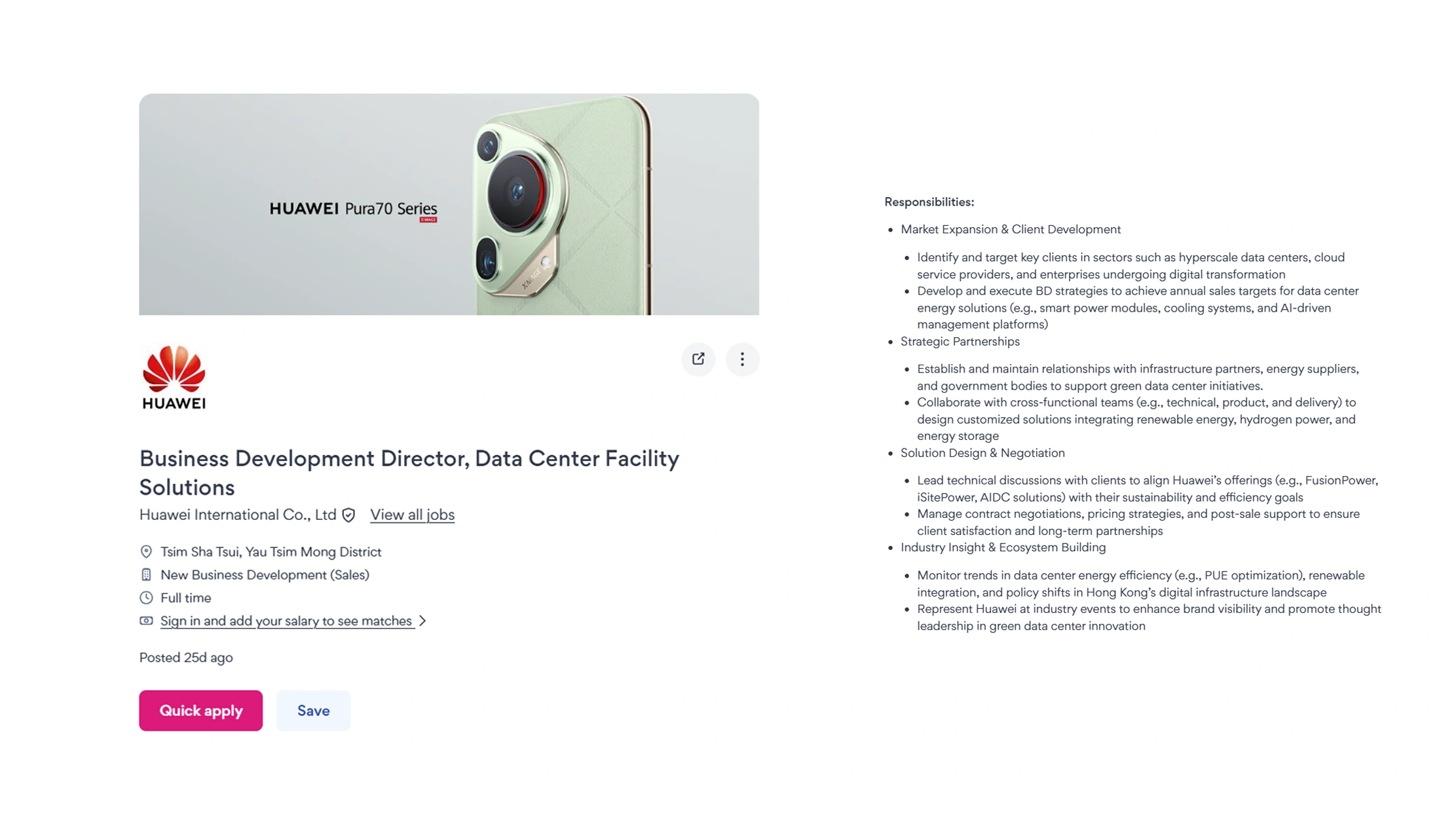
Today's labor market changes rapidly as businesses respond to economic growth, digital transformation, and evolving skill requirements. Employers continuously adjust hiring strategies based on market demand, technological advancements, and workforce availability. Organizations that monitor recruitment data can better understand talent shortages, identify high-growth industries, and optimize hiring strategies before competitors react.
Many enterprises now use Real-time JobsDB recruitment market Data scraping to monitor thousands of job listings across multiple sectors, including information technology, healthcare, finance, logistics, retail, engineering, and manufacturing. Automated recruitment intelligence enables HR teams to analyze employer hiring activity, compare job volumes by location, and evaluate changes in required qualifications. Businesses also gain insights into seasonal hiring spikes, emerging job roles, and workforce mobility trends that influence long-term talent acquisition strategies.
Real-time labor market monitoring supports strategic workforce planning by enabling organizations to align recruitment efforts with market conditions. It also assists educational institutions and training providers in understanding future skill requirements, allowing them to develop programs that better prepare candidates for evolving employment opportunities.
Asia-Pacific Recruitment Activity (2020-2026)
| Year | Job Listings (Millions) | Active Hiring Companies | Average Time to Fill (Days) |
|---|---|---|---|
| 2020 | 7.8 | 128,000 | 41 |
| 2021 | 8.9 | 142,000 | 39 |
| 2022 | 10.4 | 158,000 | 37 |
| 2023 | 12.1 | 176,000 | 35 |
| 2024 | 13.8 | 194,000 | 33 |
| 2025* | 15.5 | 213,000 | 31 |
| 2026* | 17.2 | 232,000 | 29 |
*Projected estimates
The table illustrates significant recruitment growth between 2020 and 2026. Job listings are projected to more than double while the number of active hiring organizations continues to expand. Meanwhile, average hiring time declines due to improved digital recruitment technologies and data-driven talent acquisition strategies. Organizations using automated recruitment intelligence gain faster access to hiring trends, enabling them to improve workforce planning, optimize recruitment campaigns, and secure top talent more efficiently.
Building Smarter Recruitment Intelligence
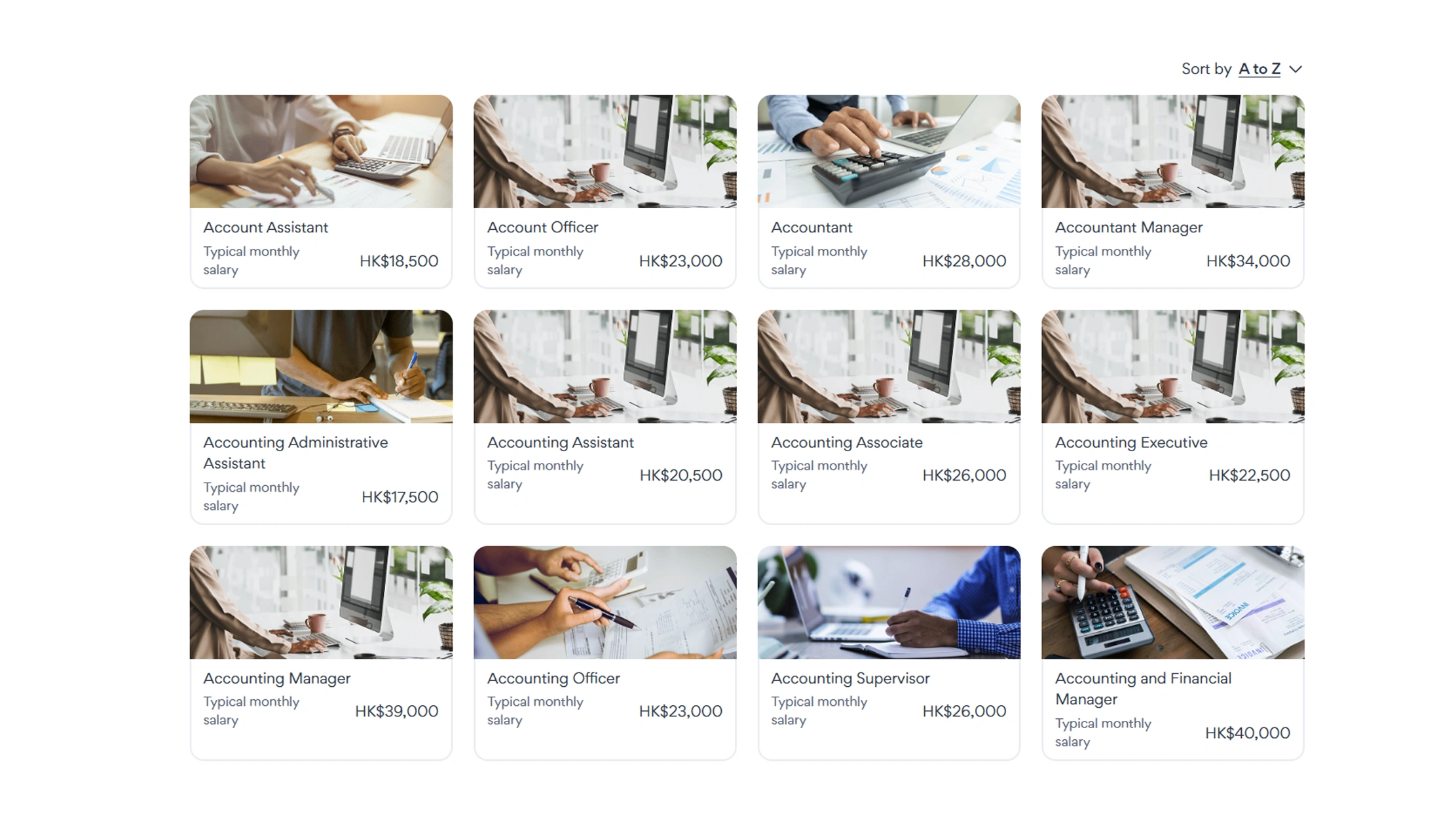
Recruitment has become increasingly data-driven as organizations seek to improve hiring efficiency while reducing recruitment costs. Traditional labor market research is gradually being replaced by automated analytics that collect and process employment data in real time. Continuous monitoring helps businesses understand changing workforce demand, benchmark hiring activity, and identify emerging skill requirements across industries.
Organizations increasingly Scrape job listing data using JobsDB API to collect structured information on job titles, salary ranges, required qualifications, employment types, company profiles, locations, and industry classifications. These datasets enable HR leaders to evaluate competitor hiring strategies, identify talent hotspots, and measure recruitment activity across different markets. Businesses also use this information to benchmark compensation packages and adjust hiring strategies according to labor market conditions.
Automated recruitment intelligence supports predictive workforce analytics by identifying hiring patterns before they become widespread. Companies can anticipate future demand for specialized skills, improve succession planning, and allocate recruitment budgets more effectively. Integration with business intelligence platforms further enables organizations to generate dashboards, visualize recruitment trends, and make faster, evidence-based hiring decisions.
Adoption of Recruitment Analytics (2020-2026)
| Year | Organizations Using Recruitment Analytics (%) | Jobs Monitored Daily (Millions) | Forecast Accuracy (%) |
|---|---|---|---|
| 2020 | 30 | 2.6 | 76 |
| 2021 | 36 | 3.3 | 79 |
| 2022 | 43 | 4.2 | 82 |
| 2023 | 50 | 5.3 | 85 |
| 2024 | 57 | 6.5 | 88 |
| 2025* | 64 | 7.9 | 90 |
| 2026* | 71 | 9.5 | 92 |
*Projected estimates
The statistics demonstrate the growing adoption of automated recruitment analytics across the Asia-Pacific region. Between 2020 and 2026, organizations are expected to monitor significantly more job postings while improving workforce forecasting accuracy. Access to structured recruitment data allows employers, staffing agencies, and market researchers to identify hiring trends early, optimize talent acquisition strategies, benchmark competitors, and make more informed workforce planning decisions.
Tracking Regional Employment Patterns and Emerging Skills
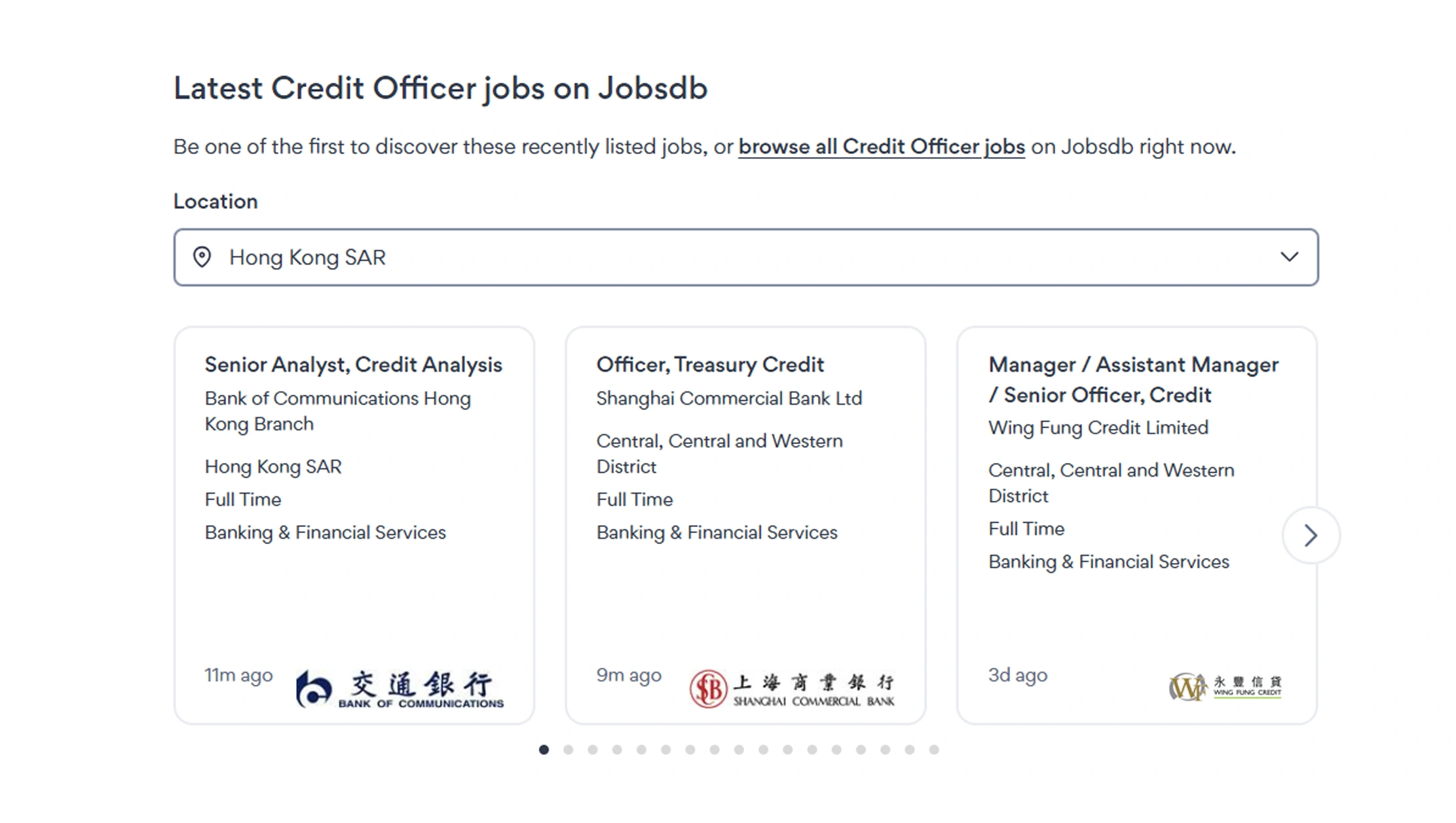
The Asia-Pacific job market is becoming increasingly dynamic as organizations expand digital hiring initiatives and compete for specialized talent. Industries such as information technology, healthcare, finance, eCommerce, logistics, and renewable energy are experiencing rapid workforce transformation. Monitoring regional employment trends helps businesses identify emerging skill requirements, evaluate labor availability, and benchmark recruitment activity across different countries.
Organizations increasingly rely on an Asia-Pacific JobsDB recruitment market data scraper to monitor hiring volumes, employer activity, salary benchmarks, and demand for technical and non-technical roles. By collecting structured recruitment data across multiple locations, businesses gain valuable insights into regional hiring hotspots, industry growth patterns, and evolving workforce needs. These insights enable HR leaders to optimize recruitment campaigns, improve talent acquisition strategies, and expand into markets with strong labor availability.
Advanced analytics also support long-term workforce planning by identifying future demand for critical skills such as artificial intelligence, cloud computing, cybersecurity, digital marketing, and supply chain management. Educational institutions, staffing firms, and workforce development agencies can leverage these insights to align training programs with employer expectations and reduce talent shortages.
Asia-Pacific Recruitment Market Trends (2020-2026)
| Year | Job Postings (Millions) | High-Demand Skill Categories | Regional Hiring Growth (%) |
|---|---|---|---|
| 2020 | 8.1 | 185 | 5.8 |
| 2021 | 9.4 | 204 | 7.1 |
| 2022 | 10.8 | 226 | 8.4 |
| 2023 | 12.6 | 251 | 9.6 |
| 2024 | 14.3 | 276 | 10.4 |
| 2025* | 16.0 | 302 | 11.1 |
| 2026* | 17.8 | 329 | 11.8 |
*Projected estimates
The table highlights continuous growth in regional recruitment between 2020 and 2026. Job postings and high-demand skill categories continue to increase as organizations invest in digital transformation and specialized talent. Businesses using automated recruitment intelligence can identify workforce trends early, benchmark hiring activity across industries, and develop targeted recruitment strategies that improve talent acquisition outcomes and organizational competitiveness.
Leveraging Automated Data for Workforce Intelligence

Modern recruitment strategies depend on continuous access to accurate employment data. Automated data collection allows organizations to analyze hiring patterns, employer demand, salary movements, and workforce availability without relying solely on periodic labor reports. Real-time intelligence supports better decision-making across recruitment, workforce planning, and business expansion initiatives.
The JobsDB API enables organizations to automate the collection of structured recruitment information, including job titles, employer details, locations, salary ranges, required skills, experience levels, employment types, and posting dates. Businesses integrate these datasets into business intelligence platforms to generate dashboards, monitor labor market changes, and evaluate recruitment performance across multiple industries.
Automated workforce intelligence also strengthens predictive analytics by identifying long-term hiring patterns and emerging employment opportunities. HR teams can forecast talent demand, optimize recruitment budgets, and evaluate compensation competitiveness based on continuously updated employment data. Consulting firms and labor market researchers similarly benefit from API-driven insights that support workforce studies, economic assessments, and strategic planning.
Workforce Intelligence Adoption (2020-2026)
| Year | Organizations Using Recruitment APIs (%) | Recruitment Dashboards Deployed | Hiring Forecast Accuracy (%) |
|---|---|---|---|
| 2020 | 26 | 2,400 | 77 |
| 2021 | 33 | 3,100 | 80 |
| 2022 | 41 | 4,000 | 83 |
| 2023 | 49 | 5,200 | 86 |
| 2024 | 57 | 6,700 | 89 |
| 2025* | 65 | 8,300 | 91 |
| 2026* | 72 | 10,100 | 93 |
*Projected estimates
The statistics demonstrate the increasing adoption of API-powered workforce intelligence solutions from 2020 to 2026. Organizations continue to invest in automated recruitment analytics to improve hiring forecasts, enhance labor market visibility, and streamline talent acquisition processes. As recruitment datasets become richer and more comprehensive, businesses gain deeper insights into workforce dynamics, enabling faster strategic decisions and stronger competitive positioning in the evolving employment landscape.
Transforming Recruitment Data into Actionable Insights

Recruitment data has become one of the most valuable assets for organizations seeking to improve workforce planning and talent acquisition. Beyond tracking vacancies, structured employment datasets help businesses evaluate hiring demand, analyze salary benchmarks, monitor employer activity, and identify emerging workforce trends. These insights support data-driven recruitment strategies that enhance organizational competitiveness and reduce hiring risks.
Organizations increasingly depend on JobsDB Datasets to consolidate millions of job postings, employer profiles, skill requirements, salary ranges, employment types, and location-based hiring information into centralized analytics platforms. These datasets enable HR leaders to compare recruitment activity across industries, evaluate workforce availability, and identify regional talent shortages. Staffing agencies also leverage structured recruitment data to match candidates with employers more efficiently while improving placement success rates.
Historical recruitment datasets provide additional value by revealing long-term labor market patterns and workforce shifts. Businesses can compare annual hiring trends, forecast future recruitment demand, and evaluate the impact of economic conditions on employment opportunities. Combined with AI-driven analytics, these datasets support predictive hiring models, workforce optimization, and strategic talent management across rapidly evolving industries.
Recruitment Dataset Expansion (2020-2026)
| Year | Job Records (Millions) | Employer Profiles (Thousands) | Skill Categories Tracked |
|---|---|---|---|
| 2020 | 42 | 118 | 165 |
| 2021 | 49 | 131 | 182 |
| 2022 | 58 | 146 | 201 |
| 2023 | 69 | 163 | 223 |
| 2024 | 81 | 181 | 247 |
| 2025* | 94 | 201 | 272 |
| 2026* | 108 | 223 | 298 |
*Projected estimates
The table illustrates the rapid growth of structured recruitment datasets between 2020 and 2026. Increasing volumes of job records and employer profiles provide richer labor market intelligence, while expanding skill categories reflect the growing complexity of workforce demand. Organizations leveraging comprehensive recruitment datasets gain more accurate forecasting capabilities, stronger competitive benchmarking, and improved workforce planning for long-term business success.
Driving Smarter Workforce Strategies Through Automation
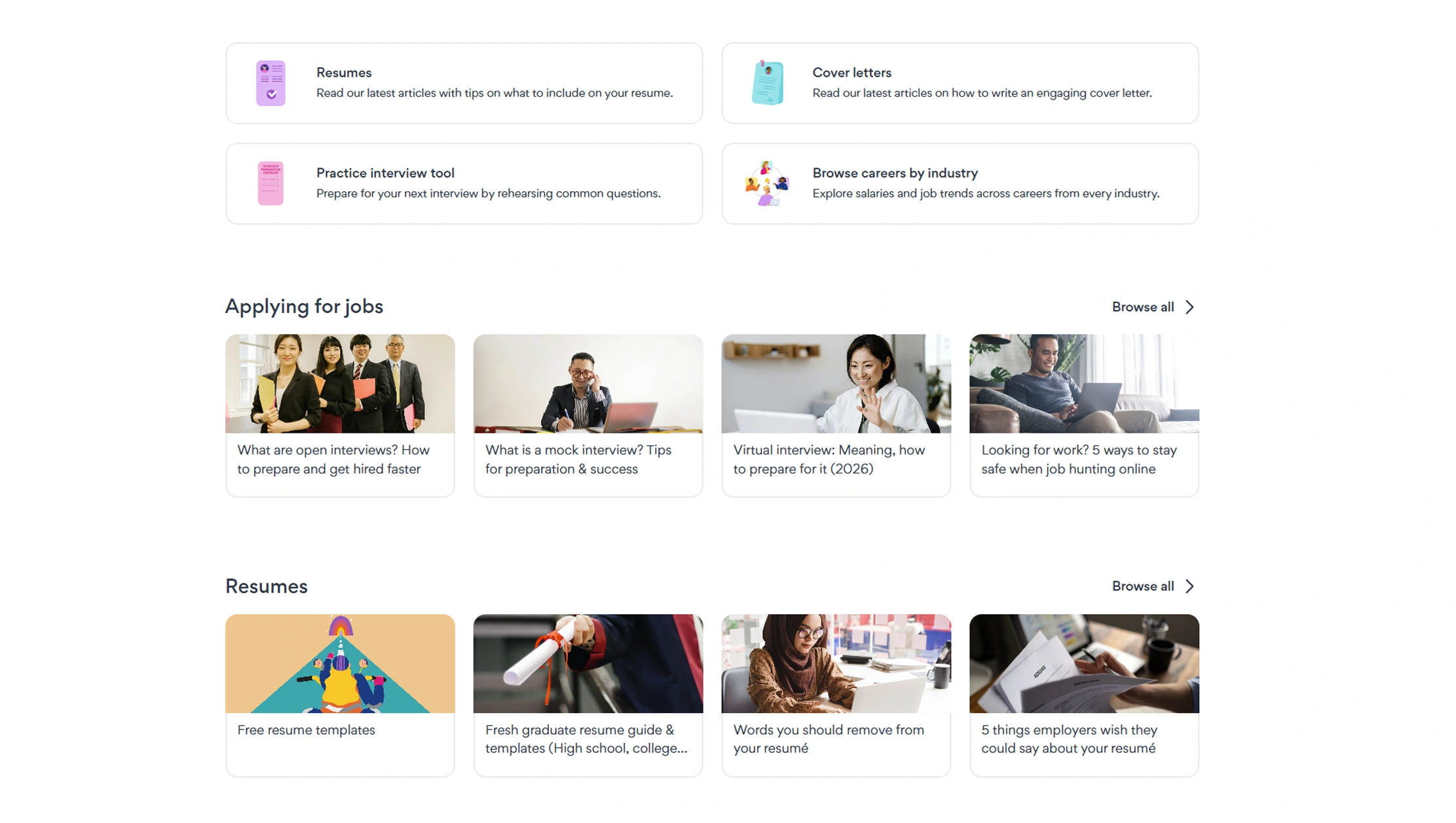
As labor markets continue evolving, organizations require scalable technology that delivers timely and reliable recruitment intelligence. Automated data collection eliminates manual monitoring, enabling HR professionals and analysts to focus on strategic workforce planning rather than repetitive research. Real-time recruitment insights also improve hiring efficiency, allowing businesses to respond quickly to changes in employer demand and labor market conditions.
A modern Recruitment Data Scraping API enables continuous collection of employment information, including new job postings, salary updates, employer activity, hiring locations, required qualifications, and industry-specific recruitment trends. Organizations integrate these datasets into HR systems, business intelligence platforms, and predictive analytics models to support strategic decision-making. Recruitment agencies use automated intelligence to identify new hiring opportunities, while employers benchmark recruitment performance against competitors.
Automation further improves workforce forecasting by combining historical employment data with live recruitment activity. HR leaders can anticipate talent shortages, optimize recruitment budgets, evaluate compensation competitiveness, and strengthen succession planning. Businesses operating across multiple countries also benefit from centralized labor market intelligence that supports regional expansion and cross-border recruitment initiatives.
Adoption of Automated Recruitment Intelligence (2020-2026)
| Year | Enterprises Using Recruitment APIs (%) | Daily Job Updates Processed (Millions) | Workforce Forecast Accuracy (%) |
|---|---|---|---|
| 2020 | 24 | 1.8 | 75 |
| 2021 | 31 | 2.4 | 78 |
| 2022 | 39 | 3.1 | 81 |
| 2023 | 47 | 4.0 | 85 |
| 2024 | 56 | 5.1 | 88 |
| 2025* | 64 | 6.4 | 91 |
| 2026* | 72 | 7.9 | 93 |
*Projected estimates
The statistics demonstrate the increasing adoption of automated recruitment intelligence between 2020 and 2026. Organizations are processing significantly more job updates while improving workforce forecasting accuracy through API-driven analytics. Automated recruitment data collection empowers businesses to identify hiring trends earlier, benchmark labor markets more effectively, optimize talent acquisition strategies, and make informed workforce decisions in an increasingly competitive employment landscape.
Why Choose Real Data API?
In today's competitive employment landscape, organizations require accurate, scalable, and real-time workforce intelligence to make informed recruitment decisions. Real Data API empowers recruitment agencies, HR teams, staffing firms, labor market analysts, and enterprises with reliable employment data solutions that support strategic hiring and workforce planning.
With expertise in Web scraping hiring trends using JobsDB API, Real Data API delivers comprehensive datasets covering job postings, employer profiles, salary benchmarks, required skills, locations, experience levels, employment types, hiring trends, and recruitment analytics. Our automated data collection solutions eliminate manual research, ensuring businesses receive structured, up-to-date information for market analysis and competitive benchmarking.
Our platform offers flexible API integration, customized data extraction workflows, historical datasets, and real-time updates tailored to your business requirements. Whether you need hourly recruitment monitoring, daily labor market reports, regional hiring intelligence, or enterprise-scale workforce analytics, Real Data API provides dependable solutions designed for high-volume data collection.
Key advantages include:
- Real-time job posting and recruitment monitoring
- Automated employer and competitor hiring analysis
- Salary benchmarking and workforce intelligence
- Historical and live recruitment datasets
- High-quality structured data with scalable API access
- Custom dashboards and analytics-ready outputs
- Multi-country Asia-Pacific recruitment coverage
- Reliable data delivery for HR analytics, AI, and business intelligence
By transforming recruitment information into actionable workforce intelligence, Real Data API helps organizations optimize hiring strategies, forecast labor demand, benchmark competitors, improve talent acquisition, and make confident business decisions using trusted employment data.
Conclusion
The recruitment industry continues to evolve rapidly as organizations compete for skilled professionals across increasingly dynamic labor markets. Access to timely employment intelligence enables businesses to identify hiring opportunities, benchmark salary trends, monitor workforce demand, and anticipate future talent requirements. Web scraping hiring trends using JobsDB API provides organizations with the comprehensive recruitment insights needed to make faster, more informed workforce decisions.
By automating the collection of job postings, employer information, required skills, salaries, and hiring trends, businesses can improve recruitment efficiency, strengthen workforce planning, and enhance competitive benchmarking. Structured recruitment datasets also support predictive analytics, enabling HR leaders to anticipate labor market shifts and develop proactive hiring strategies.
As digital recruitment continues to expand throughout the Asia-Pacific region, organizations that leverage automated employment intelligence will be better positioned to attract top talent, optimize recruitment investments, and adapt to changing workforce demands.
Partner with Real Data API today to unlock the power of Web scraping hiring trends using JobsDB API and transform real-time recruitment intelligence into smarter hiring decisions, stronger workforce strategies, and long-term business growth!
Latest posts

How to Track Global Anime Viewing Trends via Crunchyroll Data Scraping for Smarter Audience Insights?
How to Scrape streaming content trends using HBO Max data for Smarter Content Strategy?
Traveloka Data Scraping For Travel Price Intelligence - How To Monitor Price Changes, Discounts, And Travel Demand
How Bolt Food Data Scraping for Food Delivery Market Trends Helps Businesses Overcome Delivery Market Intelligence Challenges?






.png)