
Introduction
The rapid expansion of free ad-supported streaming television (FAST) platforms has transformed the global entertainment industry. Among these platforms, Tubi has established itself as one of the fastest-growing streaming services, offering thousands of movies, TV shows, documentaries, and exclusive content across multiple regions. As digital content libraries continue to expand, businesses require reliable methods to monitor catalog updates, licensing changes, genre performance, and audience preferences. This is where web scraping Streaming catalog trends using Tubi API becomes invaluable for media companies, market researchers, OTT analytics providers, and entertainment intelligence platforms.
Organizations increasingly rely on automated data collection to track newly added titles, removed content, regional availability, content categories, runtime, ratings, and metadata. Using an OTT Data Scraping API, businesses can gather structured streaming data in real time, enabling faster competitive analysis and more informed content acquisition decisions. The collected insights also support recommendation engines, advertising optimization, viewer engagement analysis, and predictive market intelligence.
This research report explores how automated streaming data extraction helps organizations analyze content availability, monitor catalog evolution, benchmark competitors, and uncover emerging trends in the FAST ecosystem. It also highlights statistical developments between 2020 and 2026, demonstrating how streaming intelligence supports strategic decision-making across the digital entertainment industry.
Understanding Content Availability Across Streaming Libraries
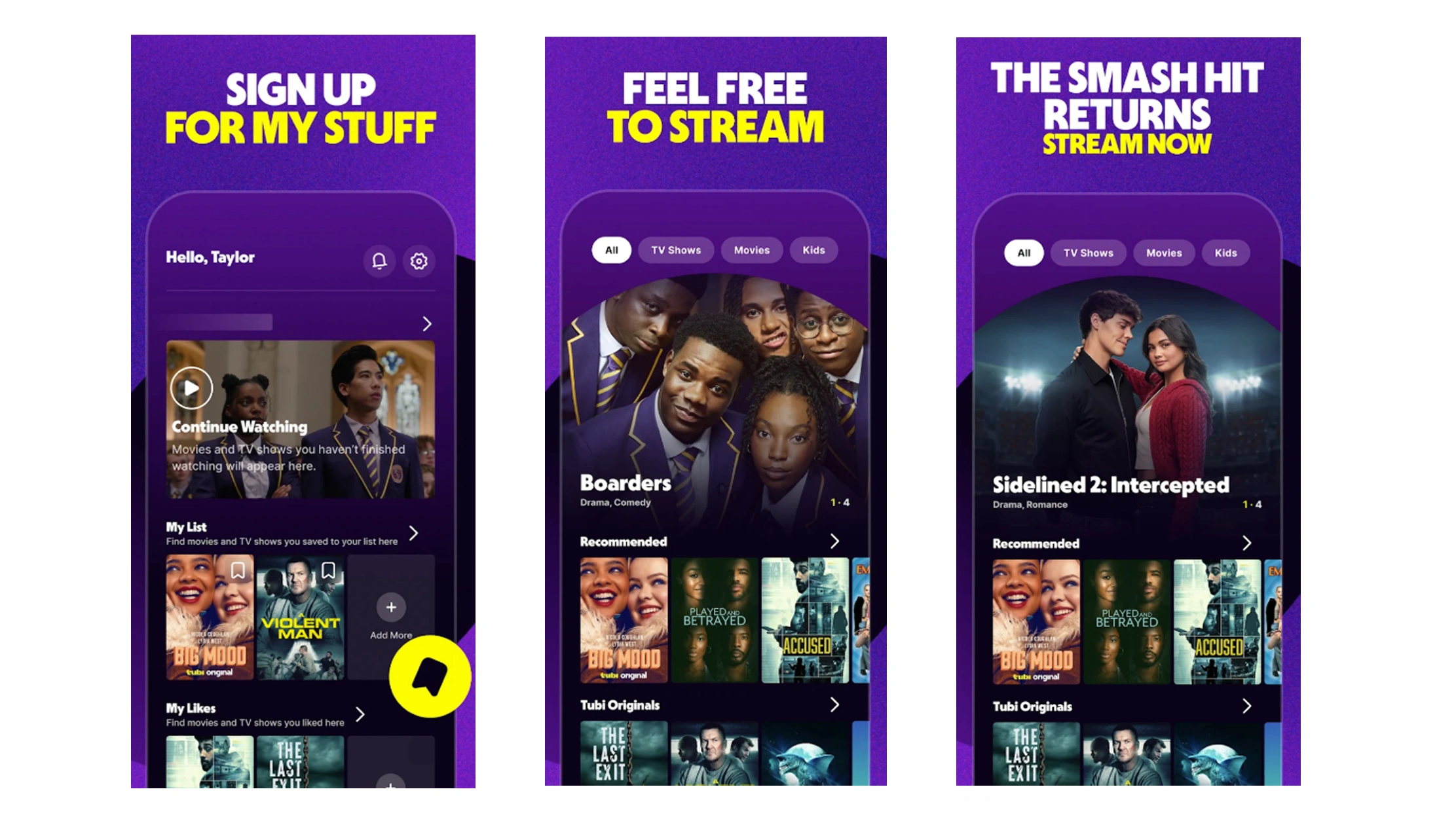
Streaming platforms continuously update their catalogs by adding licensed titles, removing expired content, and introducing exclusive programming. Monitoring these frequent changes manually is nearly impossible for organizations managing thousands of content assets across different regions. Automated data collection enables businesses to maintain accurate visibility into evolving streaming libraries while improving competitive intelligence and operational efficiency.
Using Scrape movie and TV show availability on Tubi, organizations can automatically collect detailed metadata, including movie titles, TV series, genres, release years, ratings, duration, availability status, subtitles, language support, and geographic accessibility. This information helps OTT providers understand licensing cycles, identify trending genres, compare catalog diversity, and measure platform competitiveness.
Market researchers also benefit from continuous catalog monitoring because it reveals seasonal programming strategies, regional licensing patterns, and content refresh frequencies. These insights support better forecasting and strategic planning for content acquisition teams.
Streaming Catalog Growth Statistics (2020-2026)
| Year | Estimated Titles Available | New Titles Added (%) | Catalog Update Frequency |
|---|---|---|---|
| 2020 | 20,000 | 12% | Monthly |
| 2021 | 24,500 | 18% | Weekly |
| 2022 | 29,000 | 20% | Weekly |
| 2023 | 35,000 | 24% | Daily |
| 2024 | 41,500 | 26% | Daily |
| 2025* | 46,800 | 28% | Multiple Daily |
| 2026* | 52,000 | 30% | Continuous Monitoring |
*Projected estimates based on industry growth trends.
Organizations gain significant advantages through automated catalog intelligence:
- Monitor newly added and removed titles.
- Compare regional content availability.
- Track genre diversity across markets.
- Analyze licensing renewal patterns.
- Support recommendation engine development.
- Improve competitor benchmarking.
- Enhance content acquisition strategies.
As streaming libraries become increasingly dynamic, automated monitoring provides scalable visibility that enables organizations to react quickly to catalog changes while maintaining high-quality entertainment intelligence.
Measuring Catalog Evolution Through Continuous Intelligence
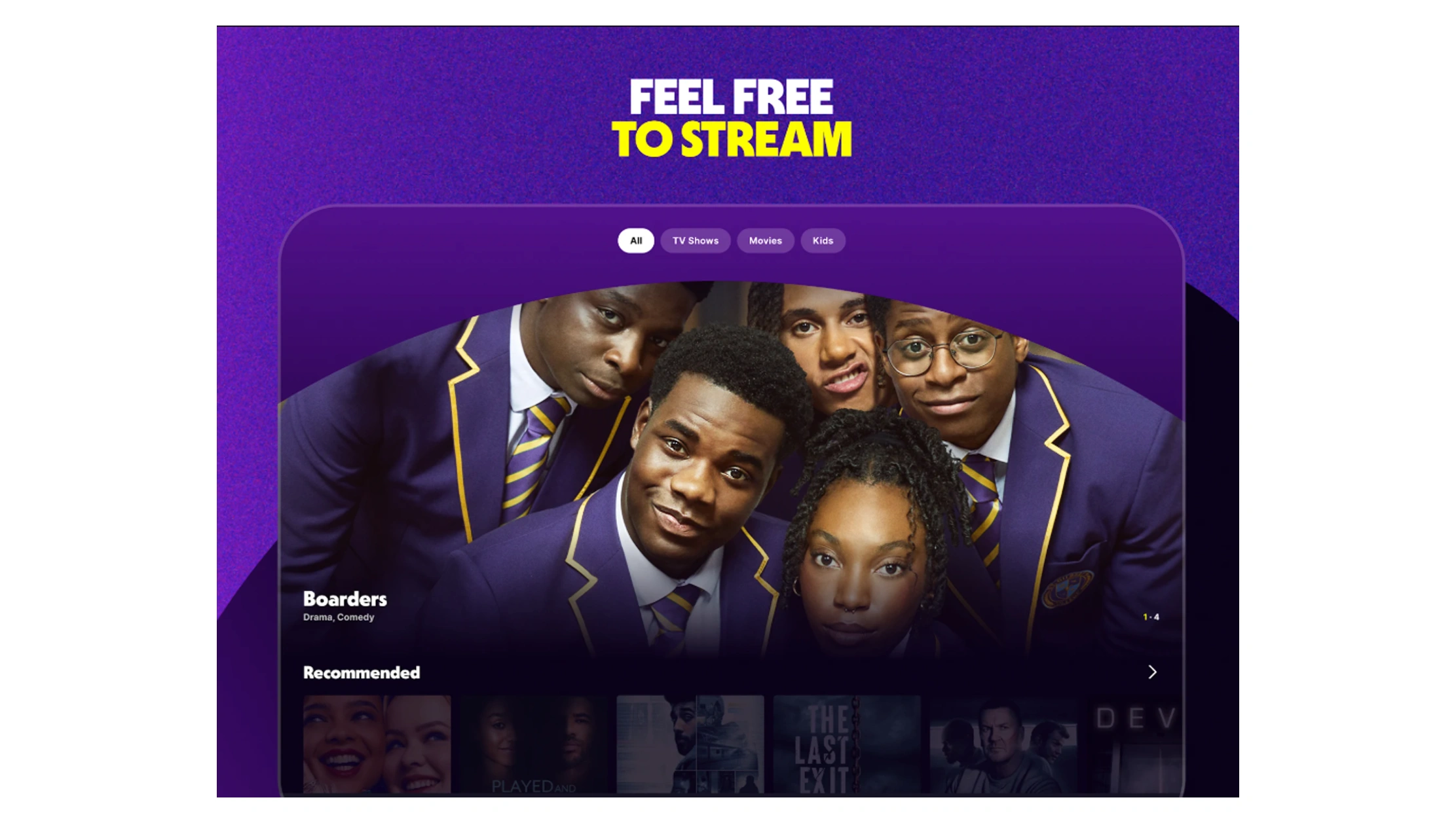
Modern streaming platforms evolve every day through licensing agreements, original productions, and regional distribution updates. Businesses that depend on entertainment intelligence require continuous visibility into these changes to identify market opportunities before competitors do. Automated monitoring enables organizations to collect fresh catalog information without manual intervention, improving both operational efficiency and analytical accuracy.
With Real-time Tubi streaming catalog data monitoring, companies can detect additions, removals, metadata updates, category changes, availability status, and release schedules as they occur. Continuous monitoring also enables analysts to evaluate genre popularity, identify seasonal programming trends, compare catalog expansion strategies, and understand how streaming libraries adapt to changing viewer demand.
Real-time data strengthens multiple business functions, including competitive benchmarking, advertising optimization, recommendation systems, content planning, and subscriber engagement analysis. Historical tracking further allows organizations to identify long-term content performance patterns and forecast future catalog growth.
Streaming Trend Indicators (2020-2026)
| Year | Catalog Changes Captured | Daily Monitoring Coverage | Estimated Data Accuracy |
|---|---|---|---|
| 2020 | 18,000 | 45% | 91% |
| 2021 | 26,000 | 58% | 93% |
| 2022 | 39,500 | 70% | 95% |
| 2023 | 55,000 | 82% | 97% |
| 2024 | 72,500 | 90% | 98% |
| 2025* | 88,000 | 96% | 99% |
| 2026* | 102,000 | 99% | 99% |
*Projected industry estimates.
Continuous streaming intelligence delivers measurable business value by helping organizations:
- Detect catalog updates instantly.
- Analyze regional licensing differences.
- Benchmark competitor content libraries.
- Monitor genre popularity shifts.
- Improve recommendation algorithms.
- Support strategic media investments.
- Generate actionable OTT market intelligence.
As streaming competition continues to intensify, organizations that invest in automated monitoring gain faster access to high-quality entertainment data, enabling more agile decision-making and stronger competitive positioning in the evolving OTT ecosystem.
Building Scalable Content Intelligence for Competitive Analysis
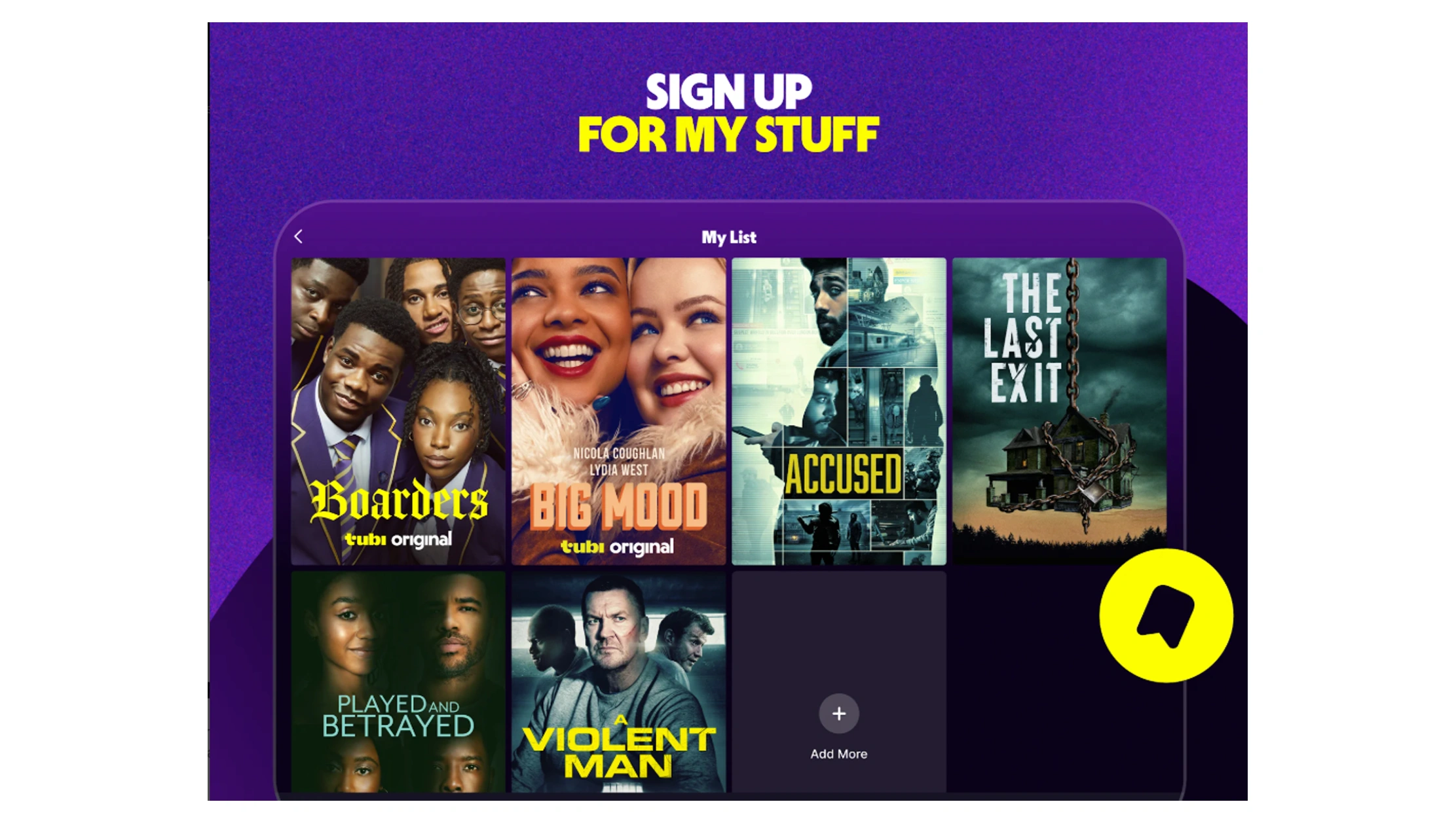
Streaming services generate enormous volumes of metadata that can be transformed into actionable business intelligence when collected efficiently. Beyond simply listing available titles, organizations require structured information about genres, cast, directors, release dates, maturity ratings, languages, runtime, production studios, thumbnails, popularity indicators, and regional availability. Automated extraction enables businesses to consolidate this information into centralized analytics platforms for comprehensive reporting and forecasting.
Using a Tubi Content Catalog data scraper, companies can automate the collection of structured catalog information at scale while minimizing manual effort. This enables media intelligence firms, streaming aggregators, advertising agencies, and research organizations to evaluate catalog diversity, identify high-performing genres, compare exclusive content strategies, and monitor title availability across multiple regions. Historical datasets further allow analysts to study long-term catalog evolution and identify seasonal content acquisition patterns.
The resulting intelligence supports strategic decisions such as content licensing, advertising campaigns, audience segmentation, recommendation engine optimization, and competitor benchmarking. Organizations can also combine streaming metadata with external entertainment datasets to uncover broader market trends and improve predictive analytics.
Content Intelligence Growth Statistics (2020-2026)
| Year | Catalog Records Processed | Metadata Fields Collected | Business Intelligence Coverage |
|---|---|---|---|
| 2020 | 2.8 Million | 18 | 72% |
| 2021 | 3.9 Million | 24 | 78% |
| 2022 | 5.4 Million | 31 | 84% |
| 2023 | 7.2 Million | 39 | 89% |
| 2024 | 9.3 Million | 46 | 93% |
| 2025* | 11.8 Million | 54 | 96% |
| 2026* | 14.6 Million | 61 | 98% |
*Projected industry estimates.
Organizations benefit from scalable catalog intelligence by:
- Collecting structured streaming metadata automatically.
- Comparing catalog diversity across competitors.
- Monitoring regional content availability.
- Identifying high-performing genres.
- Supporting recommendation engine development.
- Improving licensing and acquisition strategies.
- Creating historical datasets for trend forecasting.
As streaming ecosystems continue expanding, scalable catalog intelligence enables organizations to transform raw entertainment metadata into measurable competitive advantages through faster analysis and better-informed strategic planning.
Enabling Smarter Streaming Analytics Through Automation
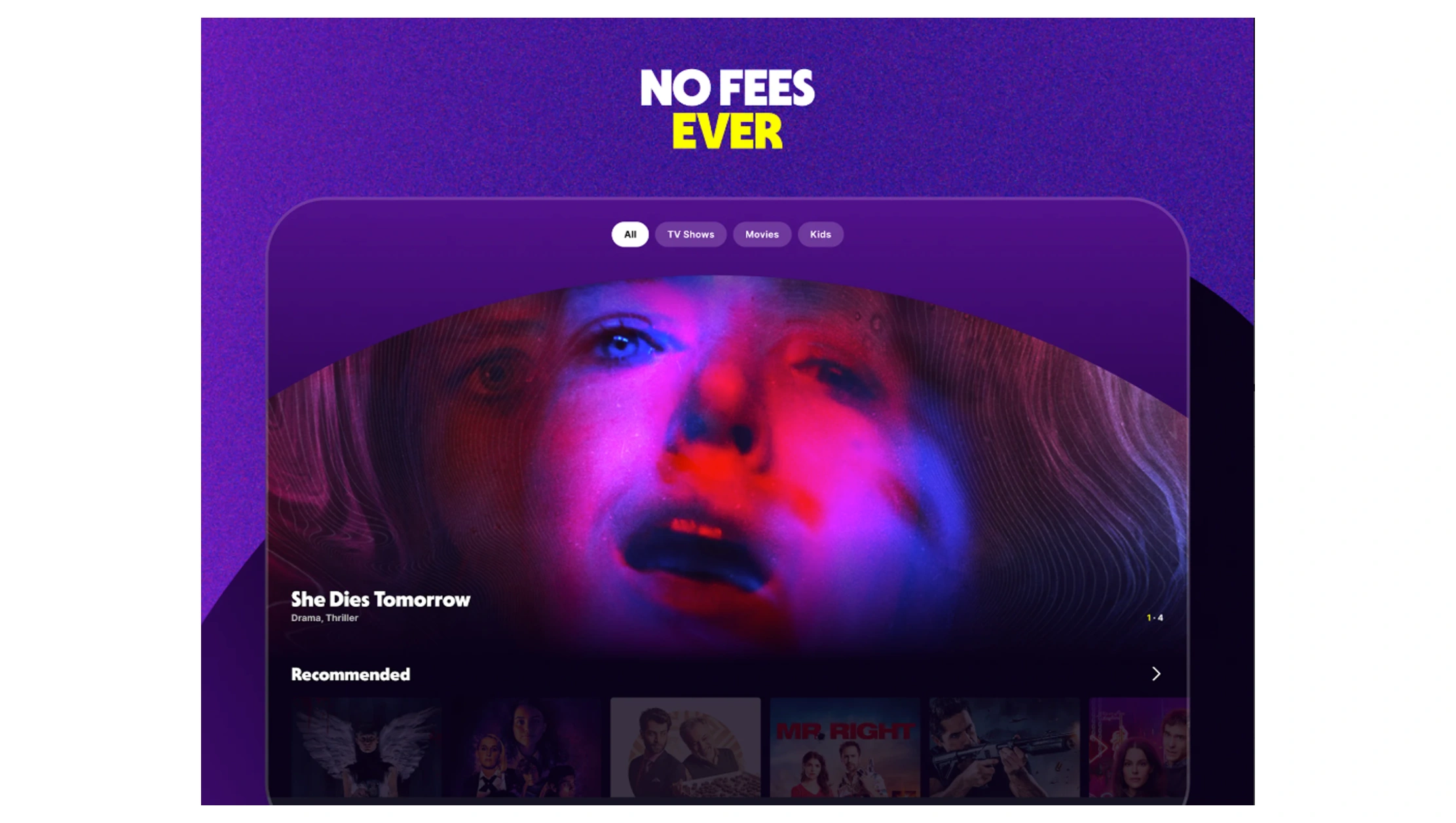
The streaming industry relies on accurate and timely content information to support operational efficiency and strategic decision-making. Automated interfaces simplify the collection of streaming metadata, making it easier for businesses to analyze catalog performance, licensing activity, regional availability, and content popularity. Instead of manually reviewing thousands of titles, organizations can integrate automated workflows into their analytics infrastructure for continuous updates and reliable reporting.
A Tubi API supports structured access to valuable streaming information, allowing organizations to collect movie and television metadata, content categories, release information, ratings, runtime, language availability, artwork references, and catalog updates. This data is essential for OTT analytics providers, media researchers, recommendation platforms, advertising technology companies, and competitive intelligence teams seeking deeper insights into streaming ecosystems.
By integrating automated streaming intelligence into existing business systems, organizations improve reporting accuracy, reduce operational costs, accelerate market analysis, and strengthen content planning initiatives. Historical tracking also provides valuable benchmarks for evaluating platform growth and identifying emerging entertainment trends across different markets.
Streaming Analytics Performance (2020-2026)
| Year | Automated Data Requests | Content Records Updated | Analytics Efficiency |
|---|---|---|---|
| 2020 | 1.9 Million | 950,000 | 70% |
| 2021 | 3.1 Million | 1.6 Million | 77% |
| 2022 | 4.9 Million | 2.8 Million | 84% |
| 2023 | 7.4 Million | 4.3 Million | 90% |
| 2024 | 10.6 Million | 6.5 Million | 94% |
| 2025* | 13.9 Million | 8.8 Million | 97% |
| 2026* | 17.8 Million | 11.5 Million | 99% |
*Projected industry estimates.
Key business advantages include:
- Automating streaming catalog collection.
- Improving content discovery and classification.
- Monitoring regional catalog variations.
- Supporting competitive benchmarking.
- Enhancing recommendation algorithms.
- Accelerating entertainment market research.
- Delivering reliable historical streaming intelligence.
As global streaming libraries continue to evolve, automated data collection empowers organizations with timely, structured, and scalable insights that improve operational efficiency and enable data-driven decisions across the rapidly growing OTT marketplace.
Transforming Streaming Information into Business Intelligence

Streaming platforms generate vast amounts of structured and unstructured information that can be converted into valuable business intelligence. Organizations require consolidated datasets to analyze catalog expansion, content popularity, regional availability, licensing cycles, genre distribution, and viewing trends. A well-structured streaming database enables analysts to perform historical comparisons, identify market opportunities, and build predictive models for content performance.
An OTT Dataset provides centralized access to comprehensive streaming information, making it easier for businesses to monitor platform growth and evaluate competitive positioning. By integrating catalog metadata with analytics platforms, organizations can compare title availability across regions, identify emerging genres, analyze release frequency, and assess content diversity. Historical datasets also support machine learning models, recommendation engines, advertising optimization, and audience segmentation initiatives.
Reliable datasets improve operational efficiency by reducing manual research while ensuring consistent reporting across multiple streaming platforms. As entertainment ecosystems continue expanding, organizations increasingly depend on structured data to support licensing negotiations, marketing strategies, and long-term investment planning.
OTT Data Growth Statistics (2020-2026)
| Year | Dataset Records (Millions) | Streaming Platforms Covered | Analytics Accuracy |
|---|---|---|---|
| 2020 | 4.5 | 18 | 89% |
| 2021 | 6.8 | 24 | 91% |
| 2022 | 9.7 | 31 | 94% |
| 2023 | 13.9 | 39 | 96% |
| 2024 | 18.8 | 47 | 98% |
| 2025* | 24.3 | 54 | 99% |
| 2026* | 30.7 | 62 | 99% |
*Projected industry estimates.
Organizations leverage structured streaming datasets to:
- Analyze historical catalog trends.
- Benchmark competitors efficiently.
- Improve recommendation systems.
- Support predictive content analytics.
- Monitor licensing and distribution strategies.
- Strengthen advertising intelligence.
- Enable faster data-driven decision-making.
Comprehensive streaming datasets provide a strong analytical foundation that helps media companies and researchers understand changing consumer preferences while responding quickly to developments in the global OTT industry.
Accelerating Streaming Intelligence Through Automated Collection

The increasing volume of streaming content requires organizations to adopt automated solutions that deliver accurate, scalable, and real-time entertainment intelligence. Manual collection methods are unable to keep pace with frequent catalog updates, changing licensing agreements, and expanding regional content libraries. Automation enables businesses to continuously gather fresh streaming metadata while maintaining high levels of accuracy and operational efficiency.
An OTT Data Scraping API allows organizations to automate the extraction of streaming catalog information, including titles, genres, release dates, ratings, duration, language availability, content descriptions, artwork, and regional accessibility. Continuous automation supports media research, competitive benchmarking, audience analysis, recommendation engine development, and strategic planning across the digital entertainment ecosystem.
Automated collection also improves reporting consistency, reduces operational costs, and provides near real-time visibility into evolving streaming libraries. Businesses can integrate streaming intelligence with internal analytics systems to generate dashboards, historical reports, forecasting models, and market performance evaluations.
Automation Performance Statistics (2020-2026)
| Year | Automated Records Collected | Processing Speed Improvement | Data Freshness |
|---|---|---|---|
| 2020 | 12 Million | 32% | Daily |
| 2021 | 19 Million | 41% | Daily |
| 2022 | 28 Million | 53% | Hourly |
| 2023 | 40 Million | 64% | Hourly |
| 2024 | 55 Million | 74% | Near Real-Time |
| 2025* | 71 Million | 83% | Near Real-Time |
| 2026* | 90 Million | 91% | Continuous |
*Projected industry estimates.
Automation helps organizations:
- Capture streaming updates continuously.
- Improve competitive intelligence.
- Reduce manual research efforts.
- Enhance reporting accuracy.
- Support advanced analytics initiatives.
- Enable scalable entertainment data collection.
- Deliver actionable insights faster.
As streaming competition continues to intensify, automated collection technologies provide organizations with reliable intelligence that supports smarter decisions, operational excellence, and sustainable business growth.
Why Choose Real Data API?
Real Data API delivers enterprise-grade Web Scraping Services that help businesses collect, process, and analyze high-quality streaming intelligence from rapidly evolving OTT platforms. Our scalable solutions are designed for media companies, entertainment researchers, analytics providers, advertisers, and technology organizations that require reliable and structured streaming data.
With expertise in web scraping Streaming catalog trends using Tubi API, Real Data API enables organizations to automate catalog monitoring, extract rich metadata, track regional availability, analyze genre performance, monitor licensing changes, and build comprehensive historical datasets. Our infrastructure supports high-frequency data collection with exceptional accuracy, flexible delivery formats, and seamless integration into existing business intelligence platforms.
Whether your objective is competitor benchmarking, recommendation engine development, market research, content acquisition analysis, or predictive analytics, Real Data API delivers customized data solutions that accelerate decision-making while reducing operational complexity. Our commitment to data quality, scalability, compliance, and continuous innovation ensures that organizations receive dependable streaming intelligence for long-term business success.
Conclusion
The streaming industry continues to evolve at an unprecedented pace, making timely and accurate data essential for organizations seeking competitive advantages. Through web scraping Streaming catalog trends using Tubi API, businesses can monitor catalog updates, evaluate genre performance, analyze regional availability, identify licensing trends, and generate actionable market intelligence. Automated streaming data collection empowers organizations to improve recommendation systems, optimize content strategies, enhance competitive benchmarking, and support data-driven business decisions with confidence.
As OTT platforms continue expanding between 2020 and 2026, investing in scalable streaming intelligence will become increasingly important for media companies, researchers, and analytics providers looking to stay ahead in a rapidly changing digital landscape.
Partner with Real Data API today to transform streaming catalog data into actionable business intelligence with reliable, scalable, and real-time data extraction solutions tailored to your analytics needs!
Latest posts
How to Track Global Anime Viewing Trends via Crunchyroll Data Scraping for Smarter Audience Insights?
How to Scrape streaming content trends using HBO Max data for Smarter Content Strategy?

Traveloka Data Scraping For Travel Price Intelligence - How To Monitor Price Changes, Discounts, And Travel Demand
How Bolt Food Data Scraping for Food Delivery Market Trends Helps Businesses Overcome Delivery Market Intelligence Challenges?






.png)