

Introduction
Travel pricing is highly dynamic, with hotel rates, room availability, cancellation policies, and promotional offers changing according to demand, seasonality, destination, and booking conditions. Expedia web scraping for competitive pricing analysis enables travel businesses to collect structured accommodation and pricing information and use it to benchmark competitors, identify rate movements, and improve revenue decisions.
For hotels, online travel agencies, travel aggregators, and market research teams, a structured Expedia Travel Dataset can provide product-level visibility into hotel names, room types, prices, amenities, ratings, locations, availability, and other publicly available attributes. When collected consistently, this information can reveal pricing patterns that may not be visible through occasional manual checks.
This research report examines how Expedia-focused data collection can support competitive pricing analysis from 2020 through 2026. The statistics presented in the tables are illustrative industry benchmarks and analytical examples, not reported Expedia performance figures. They demonstrate how businesses can structure and interpret travel pricing intelligence.
How does faster pricing intelligence improve travel competitiveness?
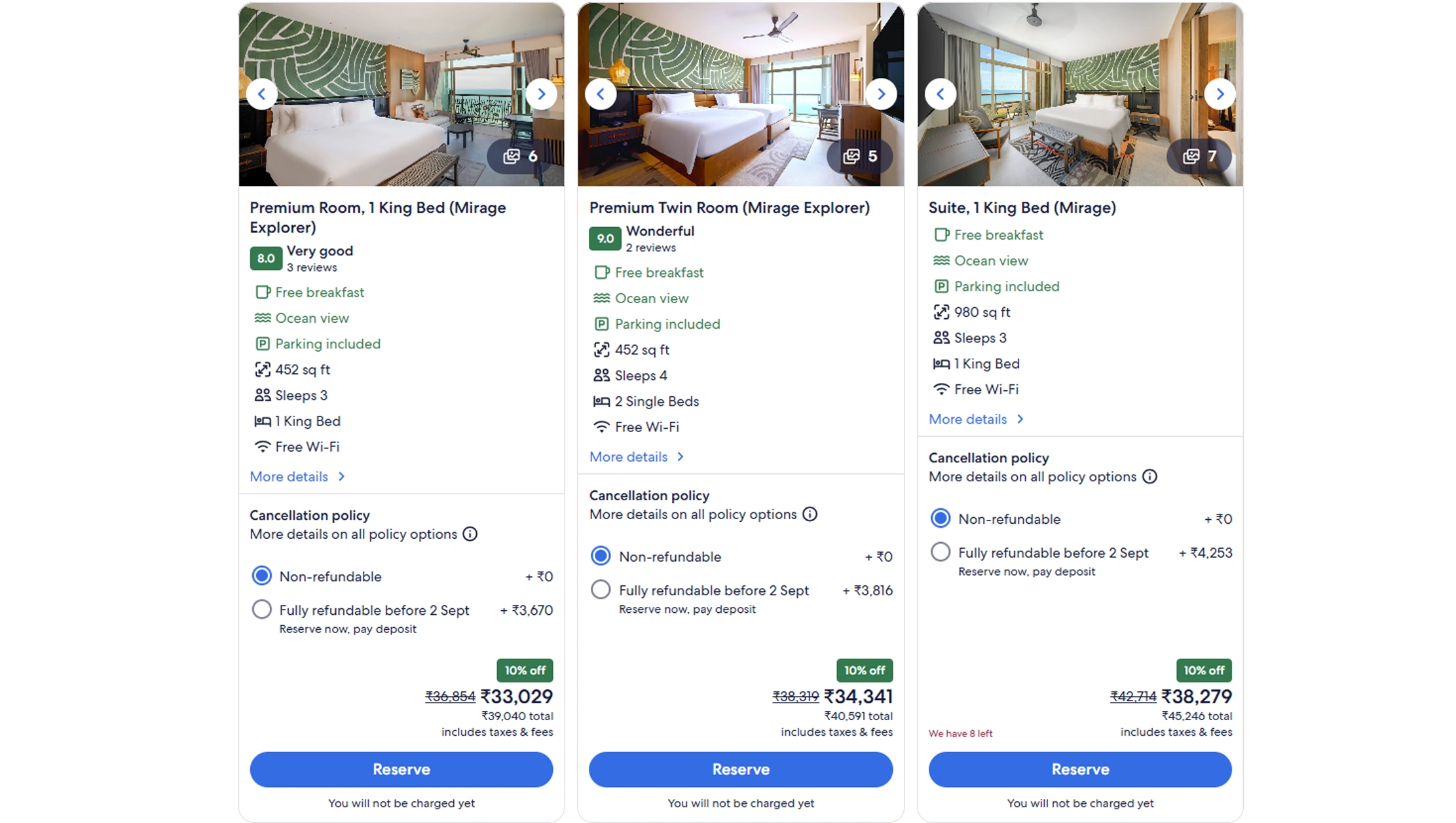
Travel businesses need timely information because hotel pricing can change multiple times before a customer completes a booking. A periodic spreadsheet may show yesterday's market conditions but fail to capture today's competitive environment. real-time Expedia data extraction for travel pricing can help businesses establish recurring collection workflows that capture publicly available hotel pricing, room availability, and related attributes at defined intervals.
For example, a hotel revenue team can compare its room rates against competing properties in the same destination and category. A travel marketplace can monitor price differences across destinations and room types. A research team can analyze how rates respond to weekends, holidays, events, and seasonal demand.
Real Data API Sports Intelligence Framework
The following figures are Real Data API index values, not actual OddsPortal statistics.
| Year | Pricing Intelligence Focus | Illustrative Monitoring Frequency | Business Application |
|---|---|---|---|
| 2020 | Basic rate comparison | Weekly | Competitor benchmarking |
| 2021 | Destination pricing | 3–5 times/week | Market research |
| 2022 | Room-level monitoring | Daily | Rate optimization |
| 2023 | Promotional analysis | Multiple times/day | Revenue strategy |
| 2024 | Availability + pricing | Multiple times/day | Demand intelligence |
| 2025 | Automated monitoring | Near real-time | Dynamic decision-making |
| 2026 | Predictive intelligence | Continuous workflows | Proactive pricing |
The greatest value comes from comparing multiple variables together. A hotel rate of $150 means little without context. If competing hotels are priced at $125, $175, and $220, the property may occupy a very different competitive position than the headline number suggests.
Businesses can also analyze price differences by room type, occupancy conditions, cancellation policies, and booking dates. This creates a more detailed understanding of how competitors structure their offers.
For revenue managers, faster data can shorten the gap between a market change and a pricing response. For travel platforms, structured data can improve benchmarking and market intelligence. For investors and researchers, historical collections can provide evidence for studying broader travel pricing trends.
The important principle is consistency. Regularly collected data creates a time series that can reveal movements, patterns, and anomalies rather than isolated observations.
What can travel businesses learn from structured pricing data?
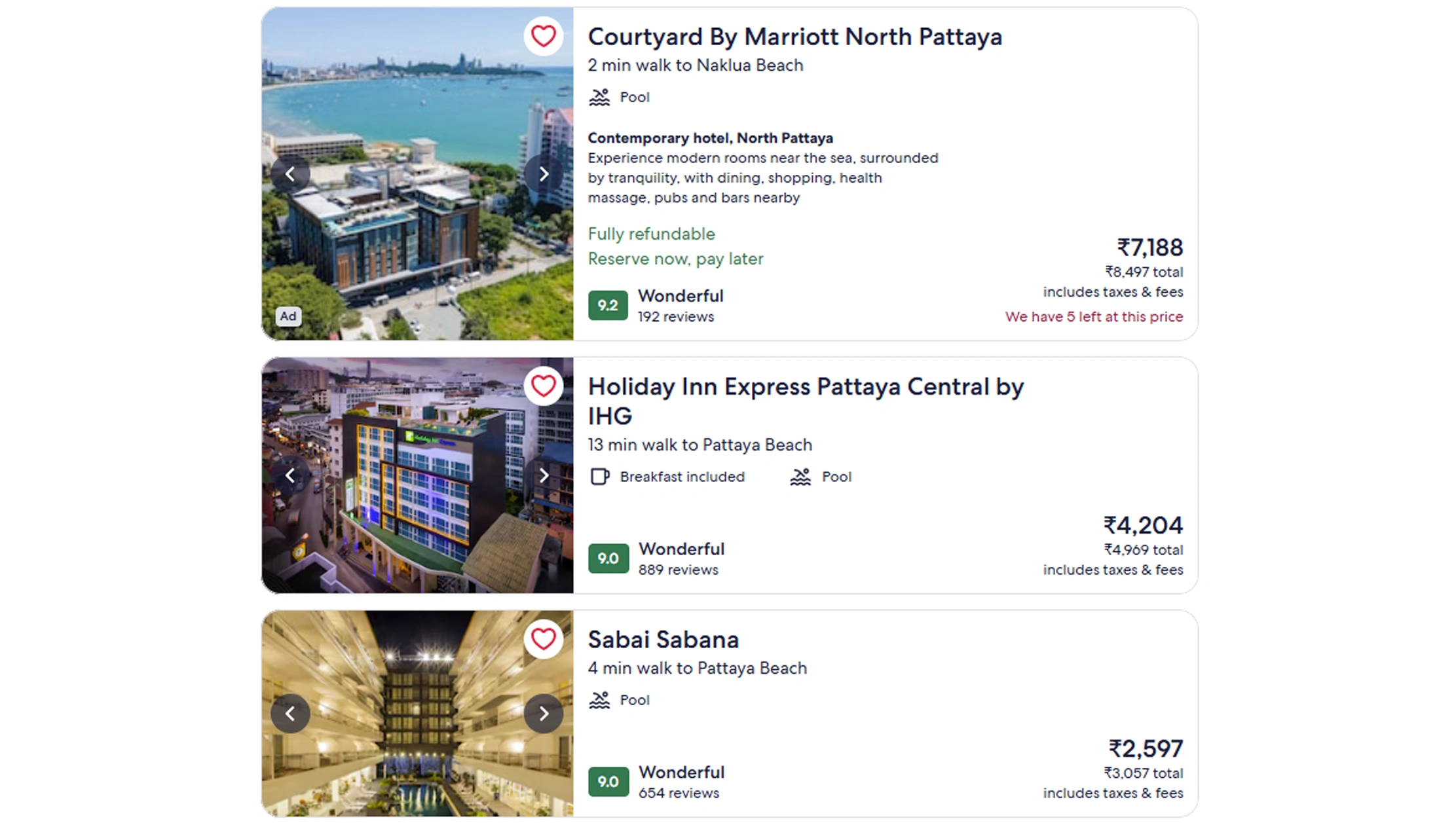
Travel pricing intelligence becomes more valuable when raw marketplace information is transformed into comparable records. Expedia web scraping for travel price intelligence can help businesses organize rates, room types, availability, hotel attributes, and booking conditions into standardized datasets.
The objective is not simply to determine which hotel is cheapest. Businesses can examine price positioning, changes over time, differences between room categories, and the relationship between price and availability.
Real Data API Market Analysis Framework
The following values are analytical indexes, not verified OddsPortal market statistics.
| Year | Primary Intelligence Area | Illustrative KPI |
|---|---|---|
| 2020 | Hotel rate visibility | Average observed rate |
| 2021 | Competitive benchmarking | Price difference % |
| 2022 | Room-type comparison | Rate spread |
| 2023 | Availability monitoring | Available-room ratio |
| 2024 | Promotional intelligence | Discount variation |
| 2025 | Market movement | Rate change frequency |
| 2026 | Predictive analysis | Forecast accuracy |
A standardized dataset allows analysts to calculate metrics such as average observed rate, median rate, minimum and maximum price, price difference against competitors, rate volatility, and availability changes.
Consider a destination where a hotel's competitors increase rates by 20% before a major event. A business that identifies the movement early may evaluate whether its own pricing should change. Conversely, if competitors reduce prices while demand remains weak, a hotel can reassess its positioning.
Pricing data can also be segmented by advance booking period. Comparing rates for the same property seven, 14, 30, or 60 days before a stay can reveal how prices evolve as the travel date approaches.
This type of analysis is particularly useful for revenue management. Rather than setting prices based solely on historical internal performance, businesses can incorporate external market signals.
For travel agencies and aggregators, structured data can support destination comparisons and competitive research. For hotel groups, it can provide a centralized view of rate positioning across multiple properties.
The resulting intelligence is most effective when businesses combine external pricing information with internal occupancy, booking, revenue, and demand data.
How can hotel-level comparisons reveal pricing opportunities?
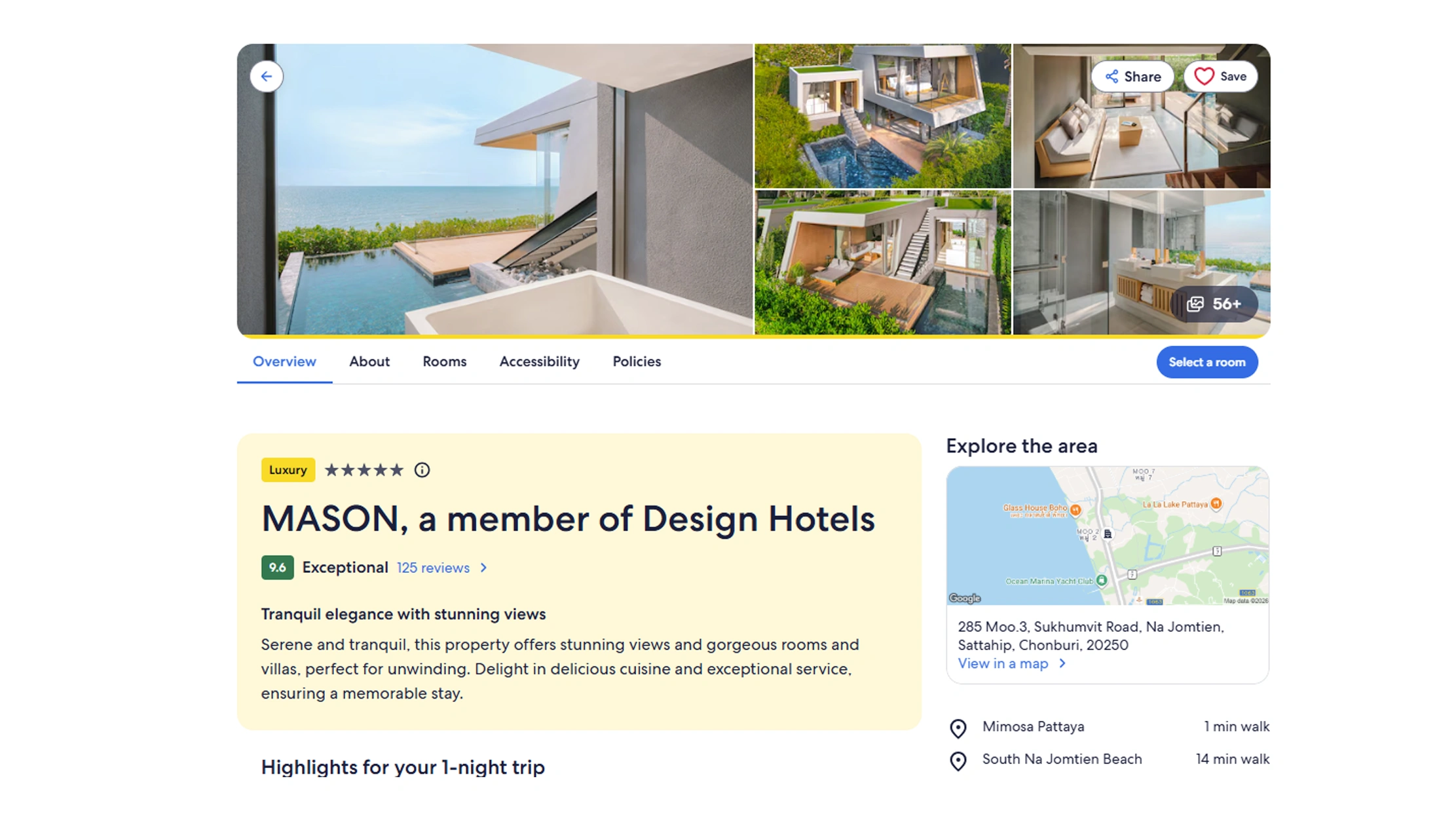
Hotel pricing varies significantly by location, property category, room type, amenities, cancellation terms, and travel dates. extract Expedia hotel data for price comparison allows businesses to create comparable hotel records and analyze pricing differences at a more granular level.
A hotel should not necessarily compare itself with every property in a destination. The most useful benchmark group typically includes properties with similar positioning, location, room capacity, amenities, guest segment, and service level.
Real Data API Sports Analytics Framework
The following is an Real Data API analytical framework, not verified OddsPortal data.
| Year | Comparison Dimension | Example Business Question |
|---|---|---|
| 2020 | Property category | Who are the closest competitors? |
| 2021 | Location | How do rates vary by neighborhood? |
| 2022 | Room type | Which room categories have the largest price gaps? |
| 2023 | Amenities | Does amenity availability influence positioning? |
| 2024 | Cancellation terms | How does flexibility affect rates? |
| 2025 | Booking window | When do competitors adjust prices? |
| 2026 | Combined attributes | Which factors best explain rate differences? |
For example, two hotels may have similar base rates but significantly different cancellation conditions. Comparing only headline prices could therefore produce an incomplete picture. Structured hotel data allows analysts to incorporate these differences into their benchmarking models.
Room-level analysis can also uncover opportunities. A competitor might price standard rooms aggressively but maintain higher rates for suites. Another property might offer promotional rates on weekdays while maintaining premium weekend pricing.
By collecting information across multiple dates, businesses can identify these pricing patterns.
Researchers can also calculate price indexes for destinations. If the average observed hotel rate in a market increases from one collection period to another, analysts can investigate whether the movement is broad-based or concentrated among specific property types.
The same data can support competitive positioning maps. Hotels can be grouped by price level and product attributes to identify market segments that appear overcrowded or underserved.
For online travel businesses, these comparisons can improve market intelligence and help identify destinations where pricing conditions are changing rapidly.
The central advantage of hotel-level data is granularity. Instead of treating an entire destination as one market, businesses can examine individual properties, room types, dates, and competitive segments.
Why is historical hotel pricing important for demand analysis?

Current prices provide only a snapshot. Historical data provides context. hotel price data scraping from Expedia can support longitudinal analysis by capturing rates and related attributes repeatedly over time.
A historical dataset can help businesses identify seasonal patterns, price volatility, recurring peaks, and unusual movements. This is particularly important because travel demand often follows predictable cycles around holidays, weekends, school breaks, festivals, conferences, and major events.
Real Data API Real-Time Monitoring Framework
These are Real Data API analytical indexes, not actual OddsPortal statistics.
| Year | Historical Analysis Focus | Illustrative Insight |
|---|---|---|
| 2020 | Market disruption | Unusual pricing conditions |
| 2021 | Recovery patterns | Demand normalization |
| 2022 | Destination recovery | Rate expansion |
| 2023 | Seasonal behavior | Stronger baseline comparisons |
| 2024 | Event-driven pricing | Demand spikes |
| 2025 | Market normalization | Competitive rate tracking |
| 2026 | Predictive modeling | Forward-looking scenarios |
Historical collections allow analysts to compare like-for-like periods. For example, a hotel can compare this year's weekend rate with rates observed during comparable weekends in previous years.
The data can also help distinguish normal seasonality from unusual market events. A price increase during a major festival may be expected. The same increase during a typically low-demand period may require further investigation.
Rate volatility is another useful measure. A market with frequent price changes may require more active monitoring than one where prices remain relatively stable.
Historical data can also support forecasting models. While external pricing alone cannot predict demand with certainty, it can become one variable within a broader model that incorporates occupancy, booking pace, historical revenue, holidays, weather, events, and economic indicators.
For travel technology companies, maintaining historical datasets can create a valuable proprietary intelligence layer. Instead of repeatedly starting research from scratch, analysts can compare current observations against a growing archive.
This is one reason recurring collection is often more valuable than a one-time dataset. The longer the time series becomes, the more opportunities businesses have to identify patterns and anomalies.
How can businesses combine multiple travel platforms for stronger benchmarking?
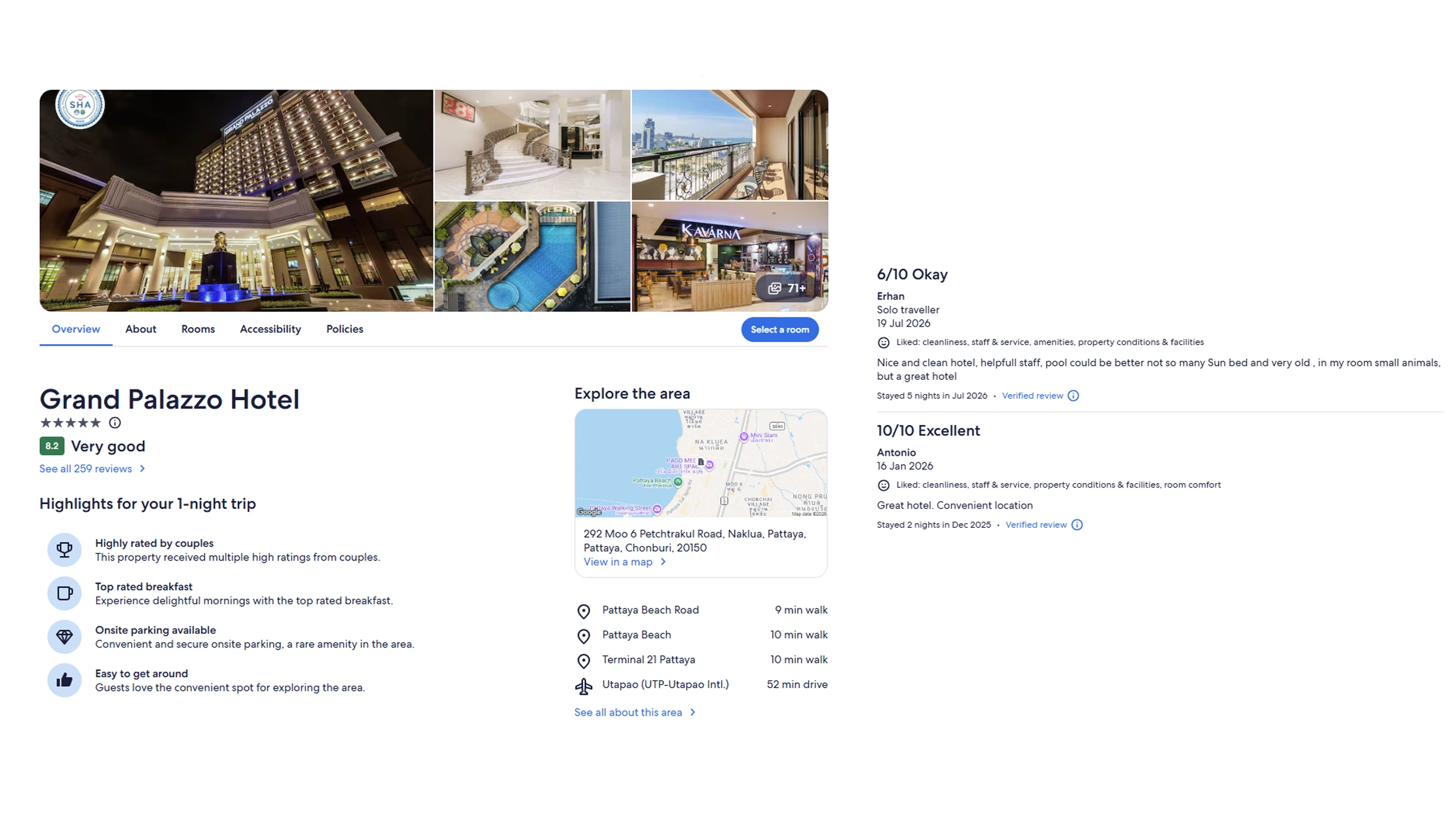
Competitive pricing rarely exists within a single marketplace. Hotels and travel businesses may need to understand how prices differ across multiple online travel platforms and direct booking channels. Real-Time Data Collection From Booking and Expedia can support a broader comparison framework when data collection is permitted and appropriately implemented.
The objective is to normalize comparable observations across sources. Differences in taxes, fees, room descriptions, cancellation policies, and inclusions need to be accounted for before price comparisons are made.
Real Data API Data Collection Framework
The following figures are Real Data API analytical indexes, not actual OddsPortal service statistics.
| Year | Multi-Source Intelligence Priority | Illustrative Business Benefit |
|---|---|---|
| 2020 | Basic source comparison | Market visibility |
| 2021 | Rate normalization | Better benchmarking |
| 2022 | Room mapping | Product-level comparison |
| 2023 | Availability tracking | Demand visibility |
| 2024 | Promotion comparison | Offer intelligence |
| 2025 | Cross-platform monitoring | Pricing optimization |
| 2026 | Unified intelligence | Automated competitive analysis |
A room described differently across platforms may still represent the same underlying product. Data normalization therefore becomes critical.
Businesses can create standardized fields for hotel, room category, occupancy, price, currency, cancellation policy, meal inclusion, and booking date. Once normalized, the records can be compared more reliably.
Cross-platform monitoring can reveal whether a hotel maintains consistent pricing across channels or whether meaningful differences exist. These observations can support distribution strategy and competitive research.
For travel agencies, multi-source intelligence can help identify pricing patterns across marketplaces. For hotel groups, it can help assess channel positioning. For researchers, it can create a richer dataset for studying online travel pricing.
However, businesses should always distinguish observed prices from final customer costs. Taxes, fees, currency conversion, membership discounts, and booking conditions can affect the final payable amount.
A robust benchmarking system should therefore preserve the original pricing context rather than reducing every observation to a single number.
This produces more accurate intelligence and helps prevent incorrect conclusions from superficially similar offers.
How can an integrated data workflow improve travel pricing decisions?
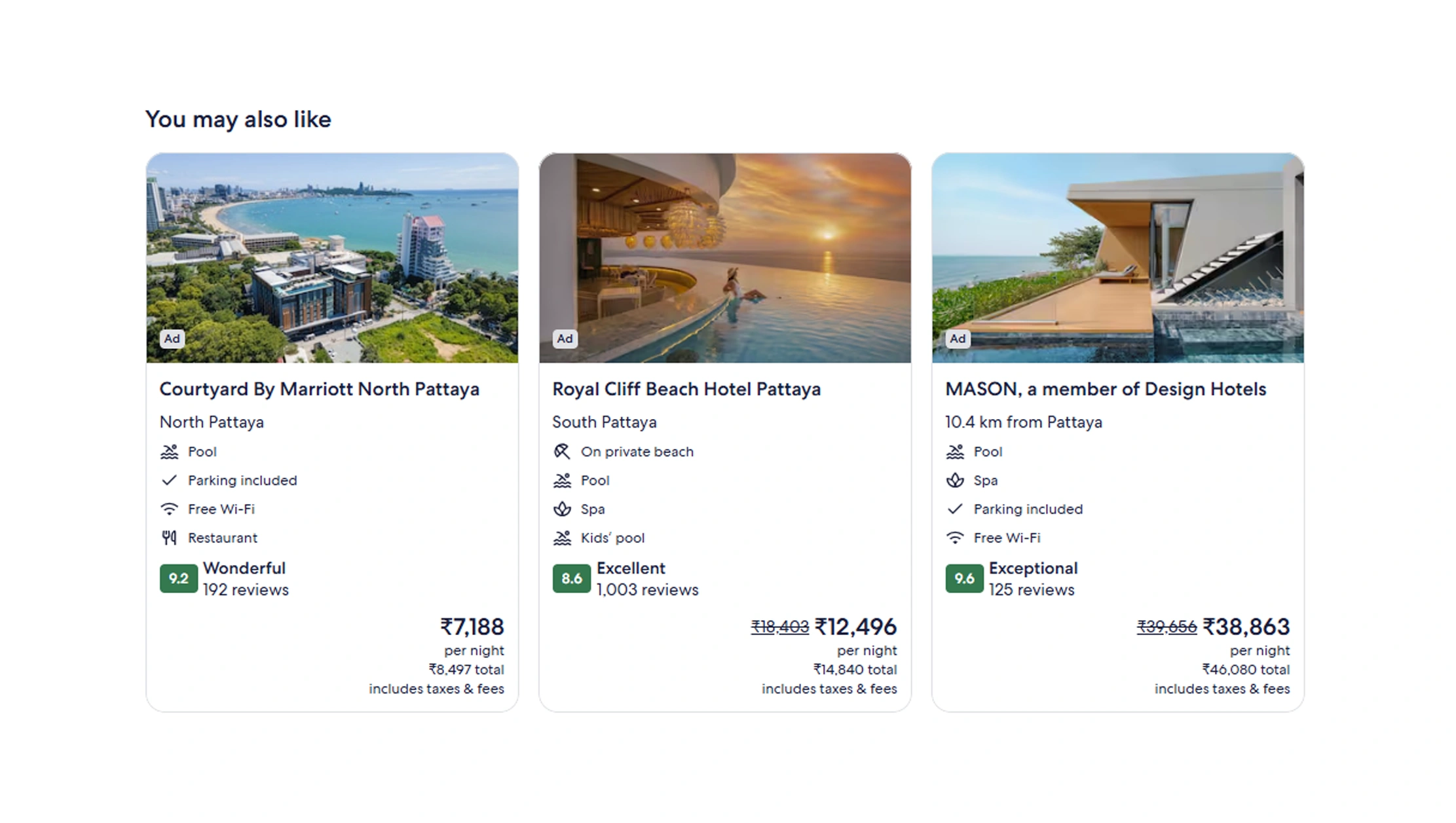
A modern travel intelligence system can connect collection, normalization, historical storage, analytics, and reporting into one repeatable workflow. An Expedia Scraper, Expedia web scraping for competitive pricing analysis can form one component of such an architecture when collection is technically and legally appropriate.
The strongest systems are designed around business questions rather than data volume. A revenue team might need competitor prices for selected destinations. A travel marketplace may require broad hotel coverage. A research organization may prioritize historical observations.
Real Data API Browser Collection Framework
The following is an Real Data API analytical framework, not verified OddsPortal data.
| Year | Data Capability | Strategic Outcome |
|---|---|---|
| 2020 | Basic hotel collection | Market visibility |
| 2021 | Structured pricing | Competitive benchmarking |
| 2022 | Recurring extraction | Historical intelligence |
| 2023 | Multi-attribute datasets | Better comparisons |
| 2024 | Automated analytics | Faster insights |
| 2025 | Multi-source integration | Broader market intelligence |
| 2026 | AI-ready data pipelines | Predictive decision support |
A typical workflow begins by defining target hotels, destinations, travel dates, room categories, and required attributes. The collection layer then gathers the relevant information. The normalization layer standardizes currencies, room names, dates, and other fields.
The validation layer checks for duplicates, missing values, unexpected changes, and incomplete records. Historical storage preserves previous observations, making it possible to calculate price movements and volatility.
Analytics can then generate dashboards or reports showing competitor rate positions, destination averages, room-level differences, availability trends, and pricing changes.
The final stage is decision support. Instead of giving business users a large spreadsheet, the system should surface the insights that matter: which competitors changed rates, which destinations are becoming more expensive, where price gaps are widening, and which markets show unusual movement.
This makes the data operational.
Real Data API can help businesses design customized travel data workflows around their specific requirements, including fields, destinations, collection schedules, and delivery formats.
Why Choose Real Data API?
Real Data API helps travel businesses convert publicly available web information into structured datasets for competitive intelligence, market research, pricing analysis, and demand planning. Our solutions can be customized around destinations, hotel categories, attributes, collection frequency, and delivery requirements.
Businesses can use an Expedia Data Scraping API, Expedia web scraping for competitive pricing analysis workflow to create structured travel datasets that support pricing benchmarking and market intelligence.
The key advantage is flexibility. A hotel group may require monitoring across a defined competitor set, while a travel marketplace may need broader destination coverage. Research organizations may require historical collections rather than frequent monitoring. Each use case can require a different data architecture.
Real Data API can support structured extraction, data normalization, validation, recurring collection, and customized delivery. The resulting datasets can be prepared for dashboards, business intelligence systems, analytical models, or research workflows.
Quality is also important. Travel data can contain different currencies, room descriptions, cancellation policies, occupancy conditions, and pricing structures. A useful data solution must preserve context and standardize information before comparisons are made.
For revenue managers, travel analysts, hotel groups, OTAs, and market researchers, the objective is straightforward: obtain reliable competitive signals that can support faster and more informed decisions.
Conclusion
Travel pricing is dynamic, and businesses that rely on outdated competitive information can struggle to respond to changing demand. Expedia web scraping for competitive pricing analysis can provide structured information about hotel rates, availability, room types, pricing conditions, and competitive positioning when data collection is appropriately implemented.
The most valuable approach combines recurring collection with historical storage, normalization, cross-platform benchmarking, and analytical reporting. Instead of focusing only on individual prices, businesses can examine rate movements, price gaps, room-level positioning, destination trends, and availability signals.
The statistics and tables in this report are illustrative analytical frameworks rather than reported Expedia statistics. Actual results depend on the destinations, properties, dates, fields, collection frequency, and business objectives selected for a project.
Real Data API helps businesses build customized travel data solutions that turn marketplace information into structured competitive intelligence.
Want to strengthen your travel pricing strategy with structured competitive intelligence? Contact Real Data API to build a customized Expedia data collection solution for your hotel, OTA, travel research, or revenue-management business!
Latest posts
How Foodpanda Food Dataset Helps Businesses Track Restaurants, Menus, Prices, Ratings, and Food Delivery Trends?
How IKEA E-commerce Dataset Helps Businesses Solve Product, Pricing, Category, and Retail Trend Challenges?
How Target e-commerce dataset Helps Brands Track Products, Prices, Availability, and Retail Market Trends for Smarter Insights?

How Dior fashion dataset Helps Brands Track Luxury Products, Prices, Collections, and Fashion Trends for Smarter Insights?






.png)