Introduction
Fashion retailers lose revenue when they fail to predict changing consumer demand, seasonal buying patterns, and fast-moving apparel trends accurately. Businesses increasingly rely on fast fashion trends analysis via Forever 21 data scraper solutions to monitor product demand, pricing shifts, and inventory movement across ecommerce fashion marketplaces.
The global fast fashion industry is expected to exceed $185 billion by 2026 due to rising ecommerce adoption and trend-driven consumer behavior. Retailers now depend on real-time data intelligence to improve inventory forecasting and reduce overstock or stockout risks.
Using a scalable Forever21 API, businesses can extract:
- Product pricing data
- Category performance metrics
- Discount trends
- Bestseller movement
- SKU expansion insights
- Consumer engagement patterns
These insights help retailers, ecommerce brands, and fashion analysts make faster merchandising decisions while improving operational efficiency and profitability.
How Are Fashion Brands Using Data Analytics to Improve Inventory Forecasting?
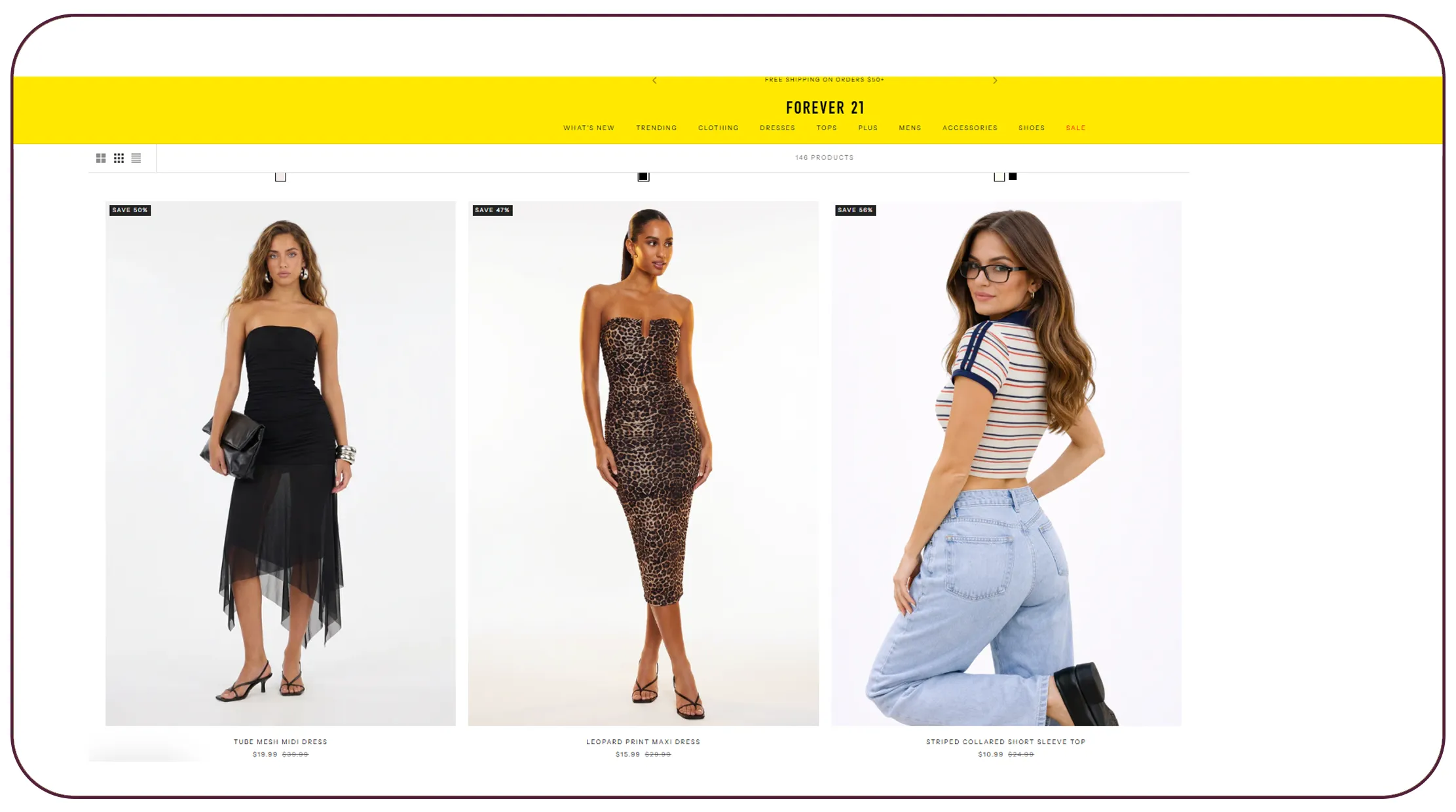
Retailers increasingly depend on fast fashion data analytics using Forever 21 fashion dataset solutions to understand trend volatility and forecast inventory demand more accurately.
Fast fashion trends change rapidly because of:
- Influencer-driven purchasing
- Social media trends
- Seasonal demand spikes
- Flash sale campaigns
- Celebrity collaborations
Retailers analyze structured fashion datasets to identify which categories experience rapid growth and which products risk becoming slow-moving inventory.
Fashion Category Demand Trends (2020–2026)
| Year | Dresses Growth | Streetwear Growth | Activewear Growth | Inventory Forecast Accuracy |
|---|---|---|---|---|
| 2020 | 12% | 15% | 18% | 61% |
| 2021 | 18% | 22% | 24% | 66% |
| 2022 | 24% | 29% | 31% | 71% |
| 2023 | 31% | 35% | 38% | 77% |
| 2024 | 37% | 41% | 45% | 82% |
| 2025* | 42% | 47% | 51% | 86% |
| 2026* | 48% | 54% | 58% | 91% |
Projected estimates
Retailers use predictive analytics to forecast:
- Seasonal product demand
- Trending color preferences
- Style popularity
- Regional buying behavior
These insights reduce excess inventory and improve replenishment planning across ecommerce channels.
Why Is Apparel Pricing Intelligence Important in Fast Fashion?
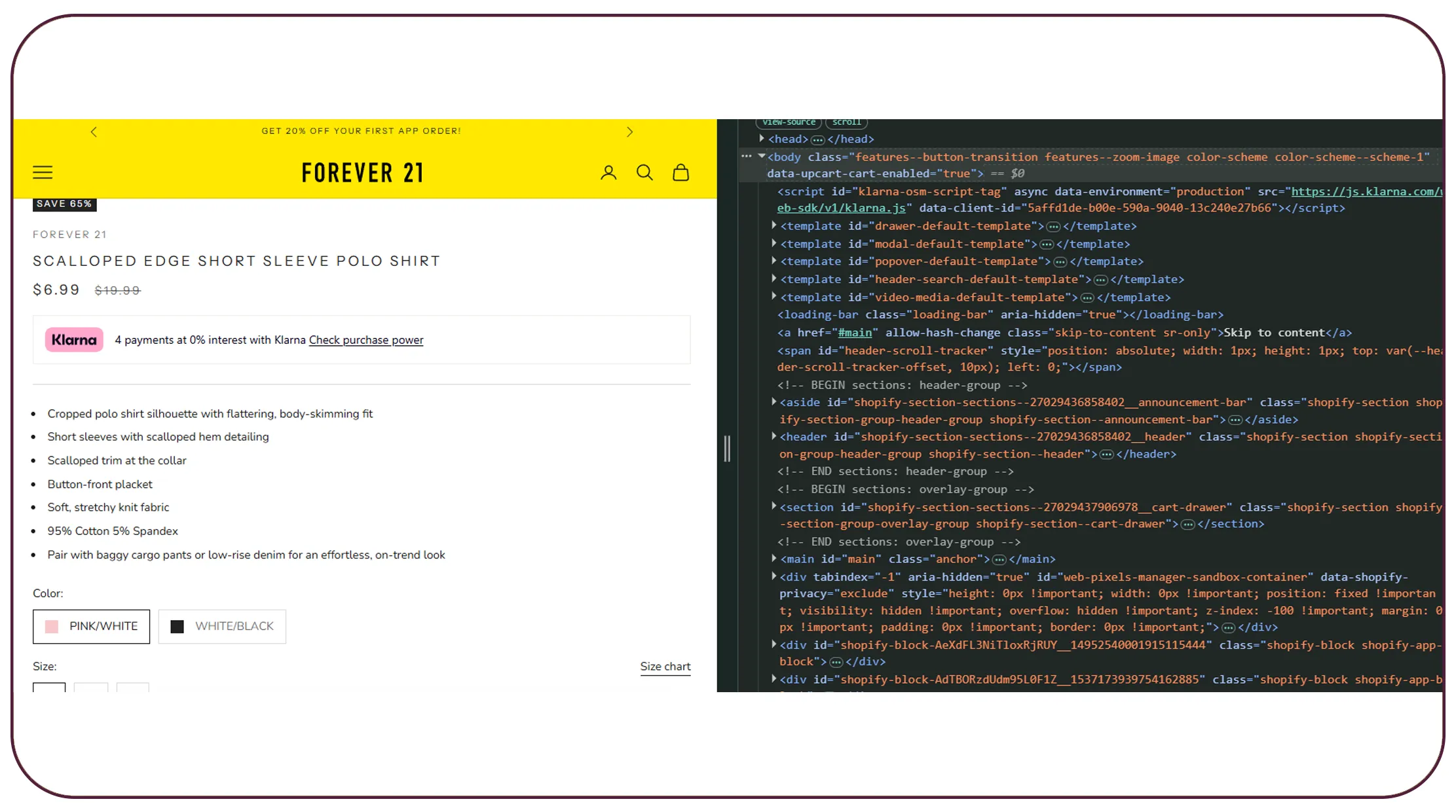
Fashion pricing changes rapidly due to discounts, trend shifts, and competitive promotions. Businesses increasingly use apparel pricing data intelligence from Forever 21 to monitor competitor pricing strategies and optimize profit margins.
Retailers track:
- Discount frequency
- Flash sale intensity
- Bundle pricing
- Marketplace price differences
- Promotional timing
Pricing intelligence became especially critical after 2020 as inflation and supply chain disruptions affected consumer purchasing power.
Fast Fashion Pricing Trends (2020–2026)
| Year | Avg Discount Rate | Flash Sale Frequency | Consumer Price Sensitivity |
|---|---|---|---|
| 2020 | 19% | Medium | 42% |
| 2021 | 24% | High | 49% |
| 2022 | 31% | High | 57% |
| 2023 | 35% | Very High | 64% |
| 2024 | 38% | Very High | 69% |
| 2025* | 41% | Extreme | 73% |
| 2026* | 45% | Extreme | 78% |
Retailers use pricing intelligence dashboards to benchmark promotional aggressiveness against competitors. This helps businesses avoid unnecessary discounts while maintaining competitive pricing visibility.
Benefits include:
- Better profit margin control
- Improved discount planning
- Faster pricing adjustments
- Reduced revenue leakage
How Does Consumer Behavior Analysis Improve Fashion Demand Forecasting?
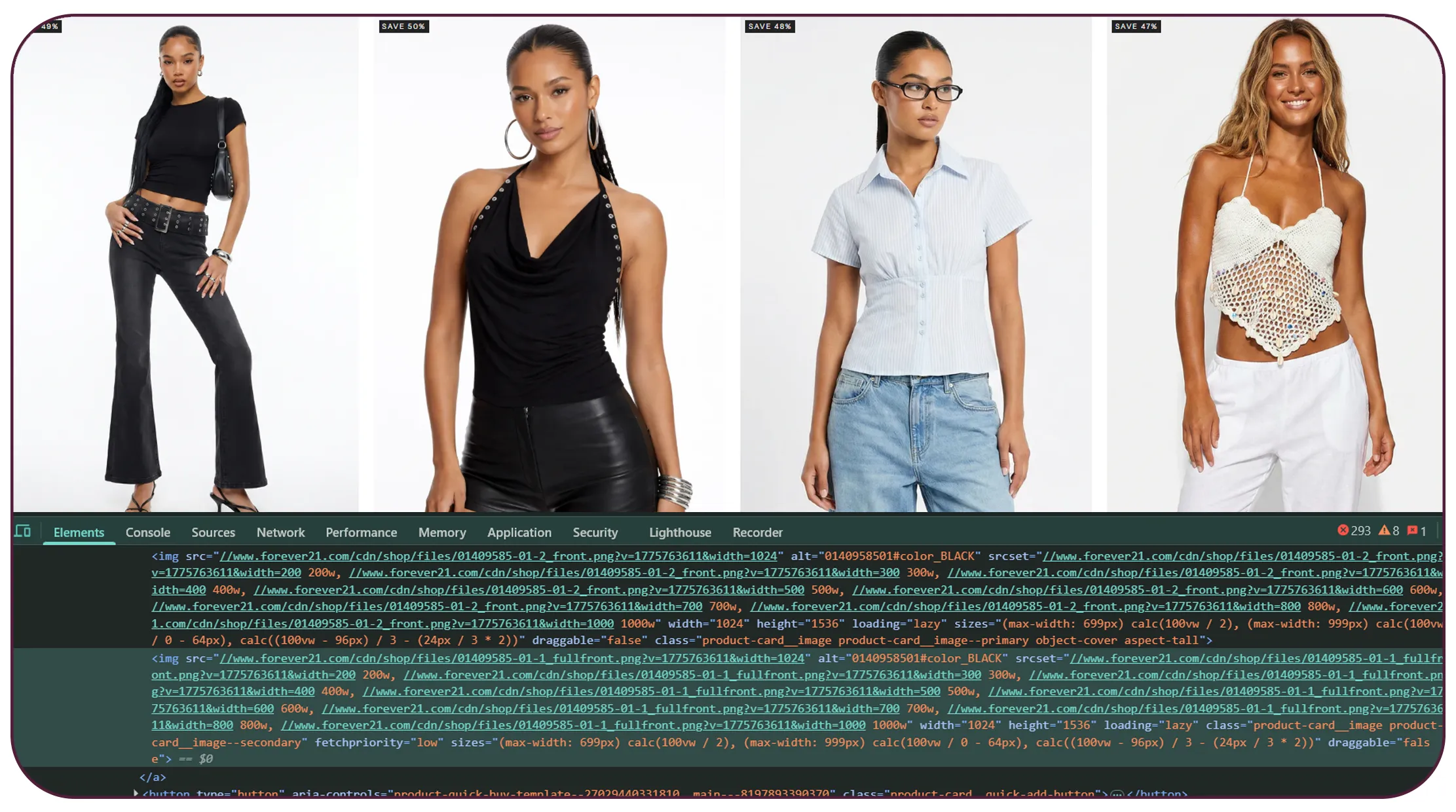
Understanding customer buying behavior is critical in fast fashion markets. Businesses use tools to Scrape consumer fashion buying behavior using Forever 21 data and identify changing shopping preferences in real time.
Retailers analyze:
- Cart abandonment trends
- Product engagement rates
- Bestseller movement
- Seasonal shopping behavior
- Mobile commerce activity
These insights help brands predict which fashion categories will perform strongly in upcoming seasons.
Consumer Fashion Buying Trends (2020–2026)
| Year | Mobile Shopping Rate | Avg Cart Size | Repeat Purchase Rate |
|---|---|---|---|
| 2020 | 38% | $52 | 29% |
| 2021 | 44% | $58 | 34% |
| 2022 | 51% | $63 | 39% |
| 2023 | 59% | $69 | 45% |
| 2024 | 66% | $74 | 52% |
| 2025* | 72% | $81 | 58% |
| 2026* | 78% | $89 | 64% |
Retailers combine behavioral analytics with AI-powered forecasting systems to identify:
- Trending styles
- Popular price ranges
- High-performing categories
- Regional demand spikes
This allows businesses to improve inventory planning and reduce unsold stock risks.
How Can Product Assortment Analysis Reduce Overstock Problems?
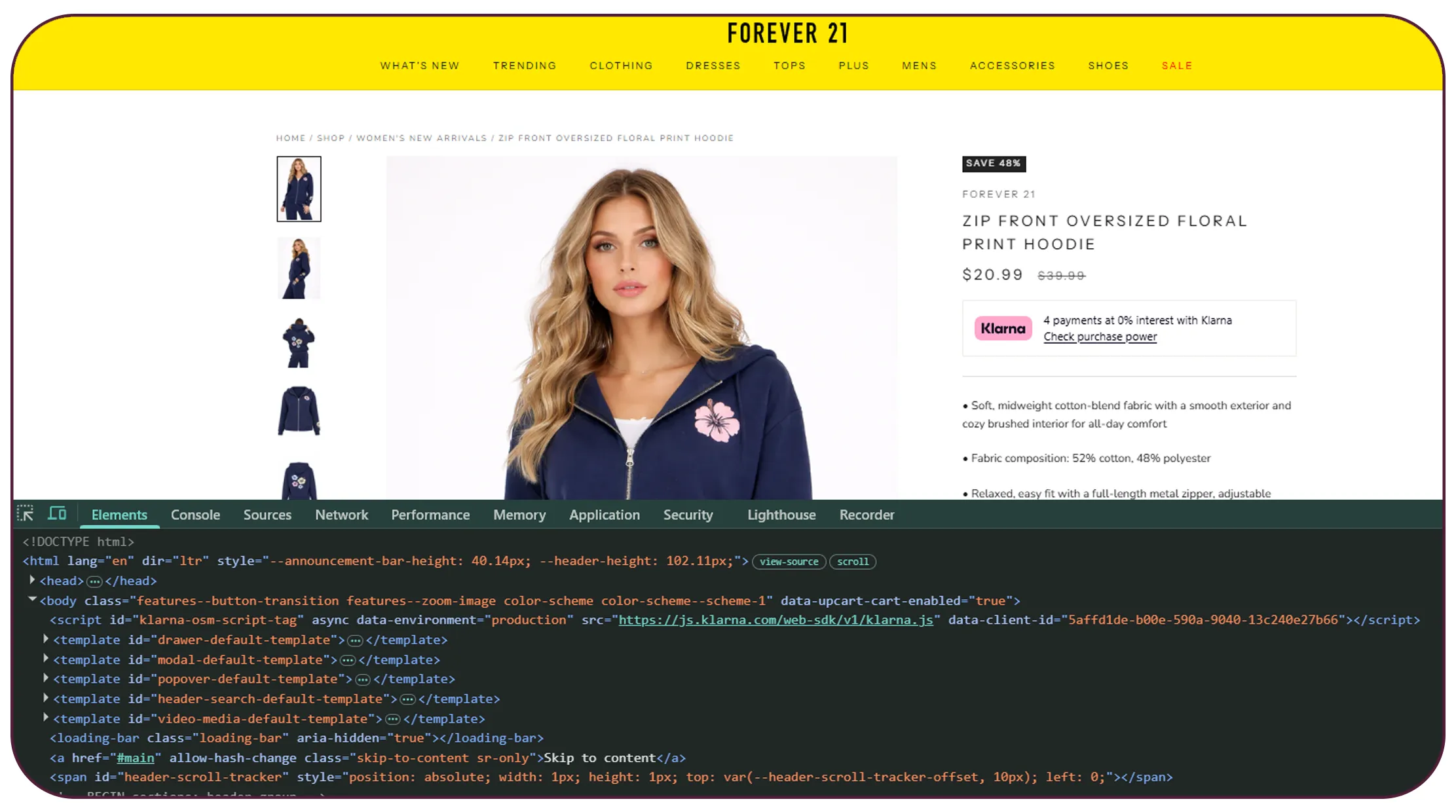
Fashion retailers often struggle with excess inventory due to unpredictable trends. Businesses increasingly rely on Forever 21 product assortment and pricing trend analysis to optimize product mix and improve assortment planning.
Retailers analyze:
- SKU expansion trends
- Product lifecycle performance
- Category profitability
- Seasonal assortment rotation
- Discount dependency
Product Assortment Expansion Trends (2020–2026)
| Year | Avg SKU Expansion | Category Rotation Speed | Overstock Reduction |
|---|---|---|---|
| 2020 | 11% | Slow | 6% |
| 2021 | 16% | Medium | 11% |
| 2022 | 22% | Medium | 16% |
| 2023 | 28% | Fast | 23% |
| 2024 | 35% | Fast | 31% |
| 2025* | 41% | Very Fast | 38% |
| 2026* | 48% | Very Fast | 45% |
Retailers use assortment analytics to identify:
- Underperforming products
- High-demand categories
- Regional product preferences
- Trend-sensitive inventory
Businesses that optimize assortment planning reduce inventory waste while improving sell-through rates and customer satisfaction.
Why Are Structured Fashion Datasets Essential for Ecommerce Intelligence?
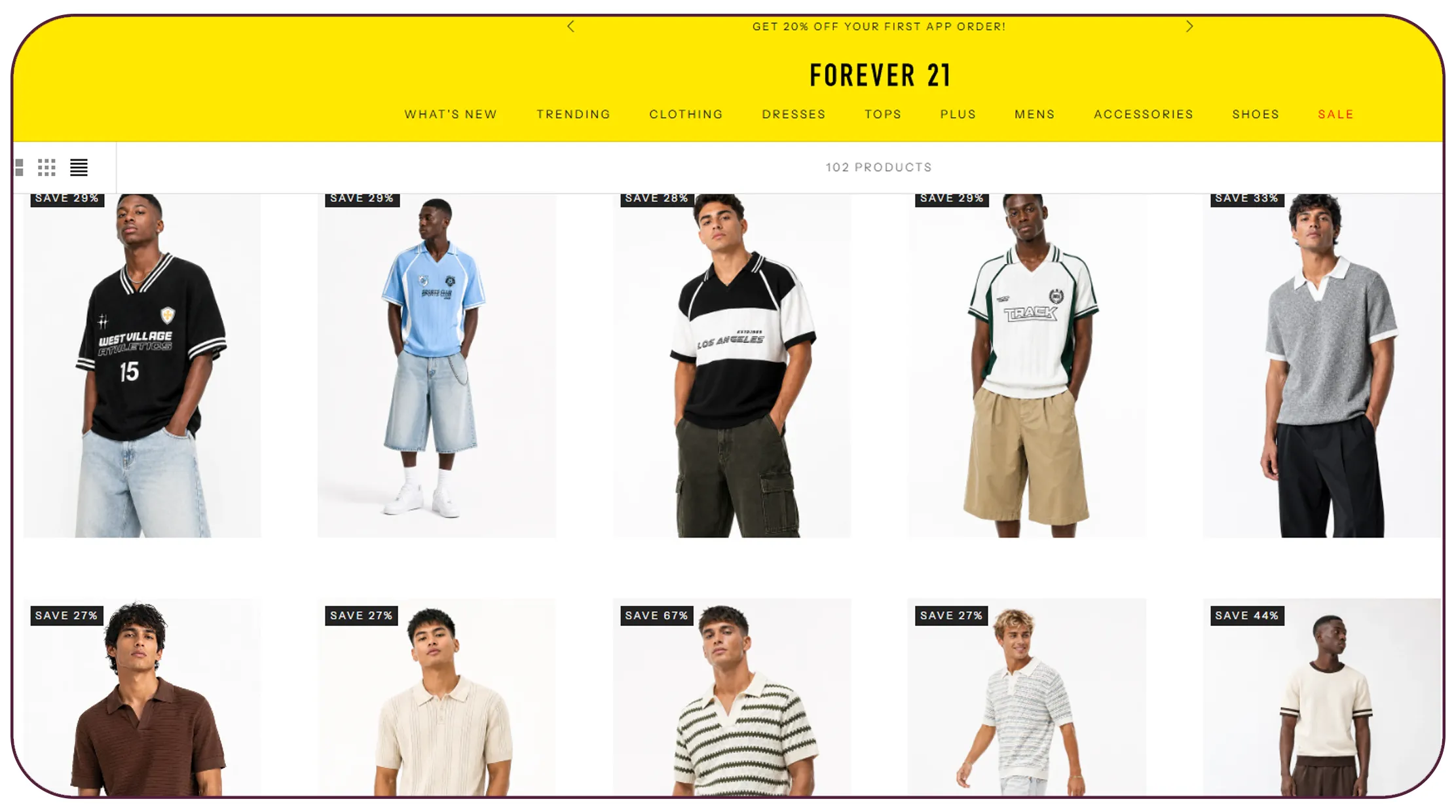
Modern fashion analytics depends heavily on large-scale structured data. Businesses increasingly use Forever 21 Fashion Datasets to support ecommerce intelligence, demand forecasting, and retail performance optimization.
Fashion datasets include:
- Product listings
- Pricing records
- Inventory updates
- Customer engagement metrics
- Promotional campaigns
- Category performance data
These datasets help retailers improve merchandising strategies and track competitor activity across marketplaces.
Fashion Data Growth Metrics (2020–2026)
| Year | SKUs Tracked | Daily Product Updates | Forecasting Accuracy |
|---|---|---|---|
| 2020 | 180,000 | 1.8 Million | 63% |
| 2021 | 240,000 | 2.6 Million | 68% |
| 2022 | 320,000 | 3.8 Million | 74% |
| 2023 | 410,000 | 5.2 Million | 80% |
| 2024 | 520,000 | 6.9 Million | 85% |
| 2025* | 650,000 | 8.8 Million | 90% |
| 2026* | 790,000 | 10.7 Million | 94% |
Retailers integrate fashion datasets into:
- AI forecasting systems
- Pricing engines
- Ecommerce dashboards
- Inventory planning tools
Structured datasets improve operational scalability and support faster business decision-making.
How Are AI Dashboards Transforming Fashion Retail Intelligence?
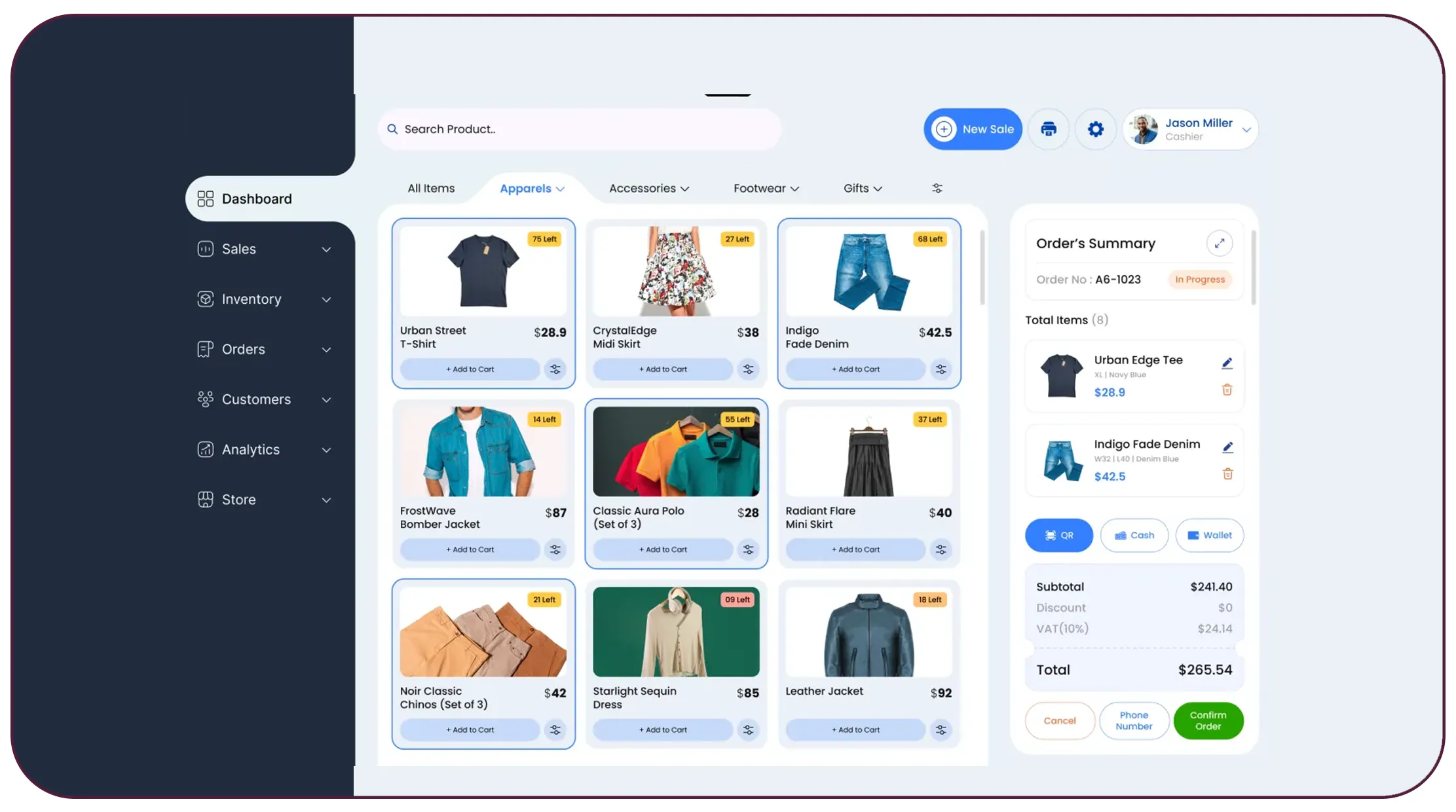
Retailers increasingly depend on advanced analytics dashboards to monitor fast-changing fashion trends. Businesses use Real Data API’s Fashion Insights Dashboard to visualize pricing intelligence, trend forecasting, and inventory movement in real time.
AI-powered dashboards help retailers monitor:
- Product demand volatility
- Trend growth velocity
- Discount effectiveness
- Out-of-stock frequency
- Regional buying behavior
AI Fashion Intelligence Adoption (2020–2026)
| Year | AI Dashboard Adoption | Real-Time Forecasting Accuracy | Inventory Optimization Efficiency |
|---|---|---|---|
| 2020 | 14% | 58% | 52% |
| 2021 | 22% | 64% | 59% |
| 2022 | 31% | 71% | 66% |
| 2023 | 43% | 78% | 74% |
| 2024 | 55% | 84% | 81% |
| 2025* | 67% | 89% | 87% |
| 2026* | 79% | 94% | 92% |
Retailers using AI-powered fashion dashboards gain:
- Faster trend detection
- Better inventory visibility
- Improved pricing intelligence
- Reduced stock forecasting errors
These capabilities help businesses respond quickly to changing consumer demand while maximizing profitability.
Why Choose Real Data API?
Real Data API provides advanced fashion intelligence solutions designed for ecommerce retailers, fashion marketplaces, brands, and market analysts. Businesses using fast fashion trends analysis via Forever 21 data scraper solutions gain real-time visibility into pricing trends, inventory movement, and consumer demand patterns.
Our scalable solutions include:
- Real-time fashion data extraction
- AI-powered forecasting analytics
- Product assortment intelligence
- Inventory optimization insights
- Competitor pricing monitoring
- Enterprise-grade Fashion Dashboard capabilities
Real Data API helps businesses transform raw ecommerce fashion data into actionable retail intelligence that improves operational efficiency and forecasting accuracy.
Conclusion
Retailers leveraging fast fashion trends analysis via Forever 21 data scraper solutions gain significant advantages in inventory forecasting, pricing optimization, and trend intelligence.
As fast fashion ecommerce continues evolving between 2020 and 2026, businesses using AI-powered analytics and scalable fashion datasets will improve merchandising decisions, reduce overstock risks, and strengthen competitive positioning.
Ready to unlock real-time fashion intelligence and reduce inventory forecasting errors with advanced ecommerce analytics? Contact Real Data API today to transform your retail strategy using scalable fashion scraping and AI-powered forecasting solutions!
Latest posts

How Louis Vuitton Fashion Dataset Enables Better Analysis of Luxury Products, Prices, Brands, and Fashion Trends?
How Blinkit Grocery Dataset Enables Smarter Analysis of Products, Prices, Availability, and Quick-Commerce Trends?
How Chanel Fashion Dataset Enables Smarter Analysis of Luxury Products, Prices, Categories, and Fashion Trends?
How Foodpanda Food Dataset Helps Businesses Track Restaurants, Menus, Prices, Ratings, and Food Delivery Trends?






.png)



