Introduction
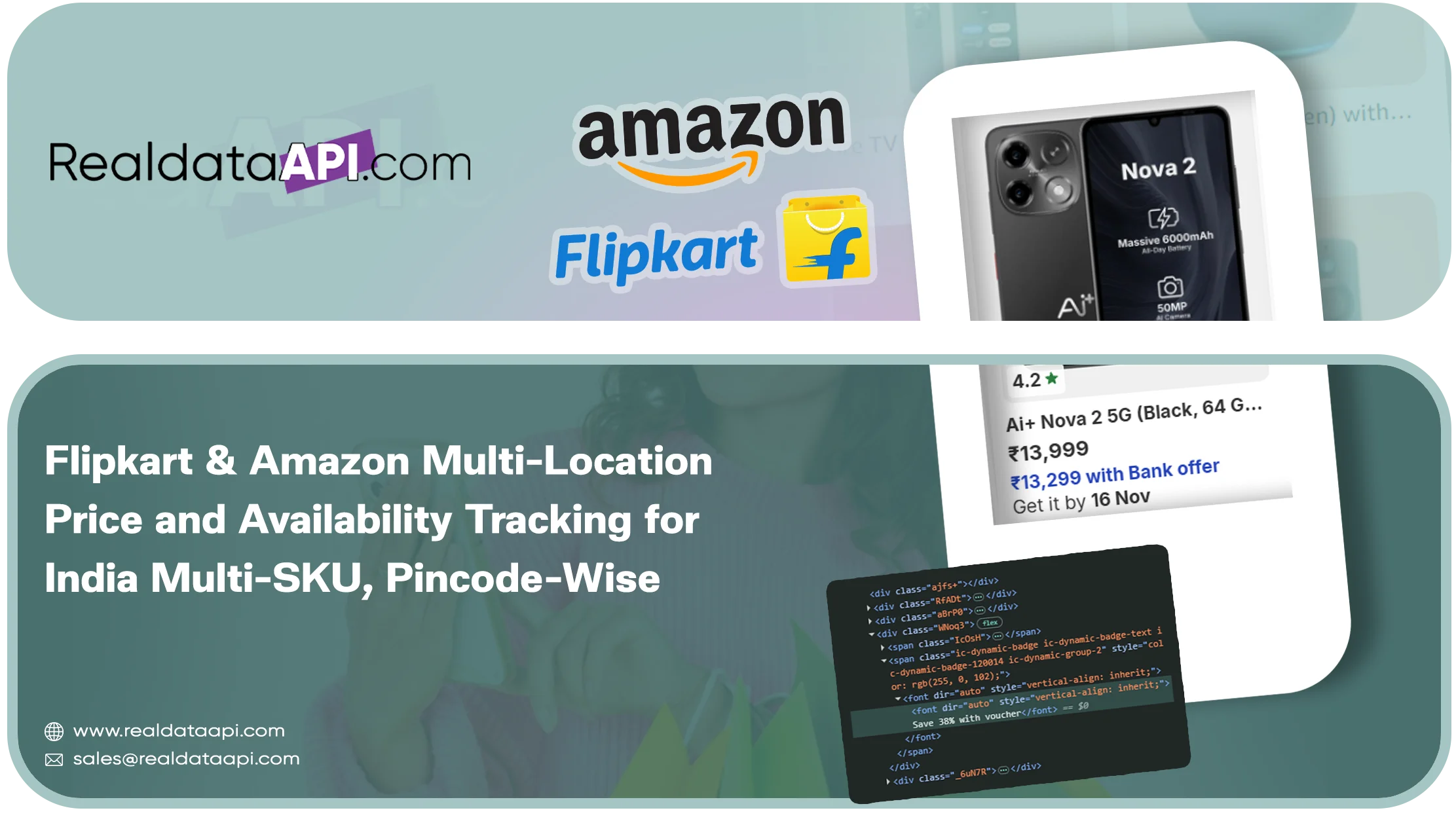
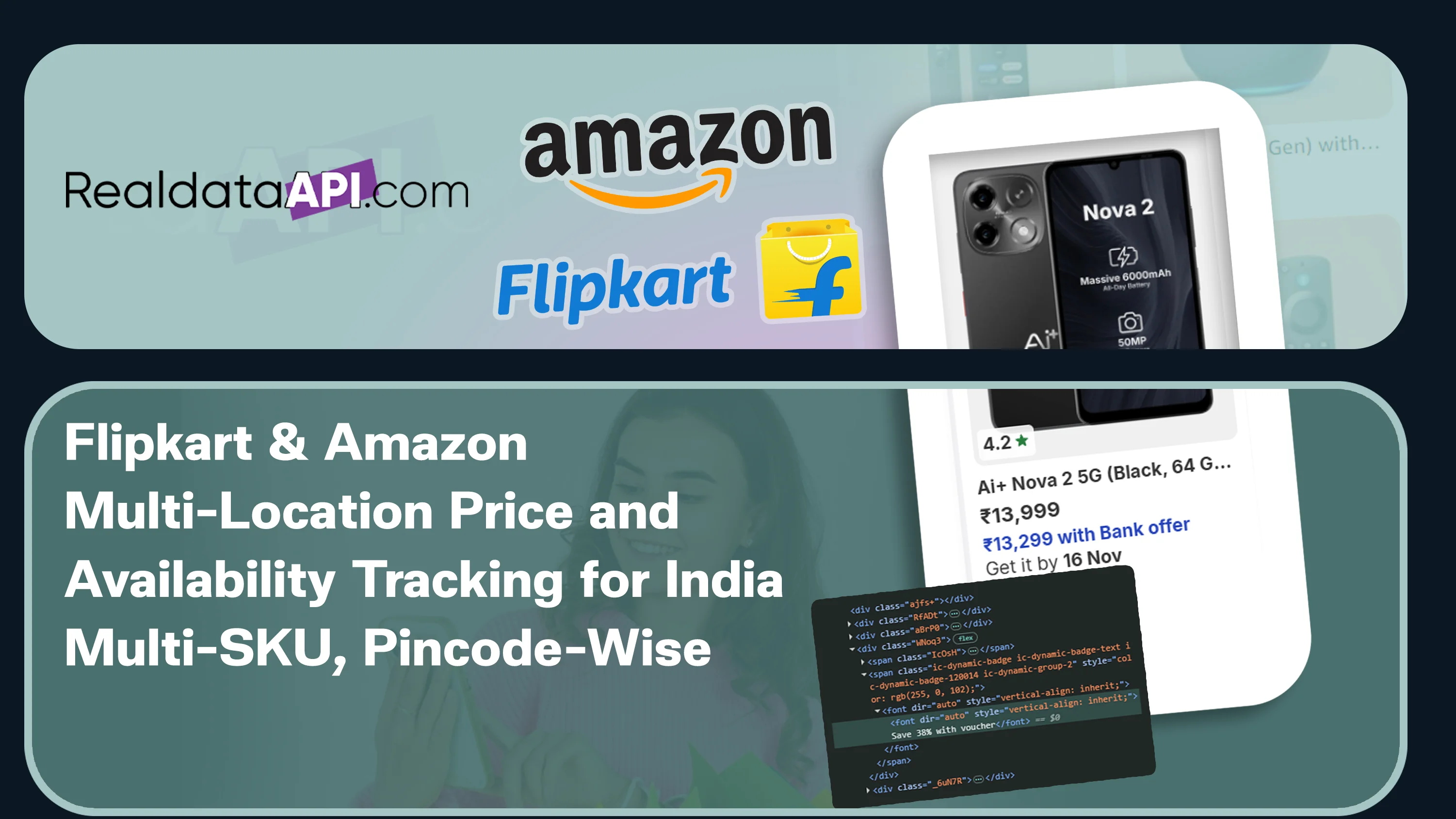
Two shoppers can open the same Amazon or Flipkart product page on the same day and see different delivery dates, different stock status and sometimes different sellers or prices. Pincode drives much of this variation. For a brand selling through Indian marketplaces, tracking a few products at a national level hides local problems: a SKU that is unavailable in the south, a slow delivery promise in the north-east or a competitor offering faster delivery in a metro. Multi-location, multi-SKU tracking solves this by monitoring each SKU on Flipkart and Amazon across a list of pincodes.
This guide explains how pincode-wise tracking works, what you can learn from it, what makes it technically challenging and how to design a project that gives reliable results. It also shows how Flipkart Amazon price scraping can be structured for reliable marketplace intelligence.
Why Pincode Matters On Indian Marketplaces
Marketplaces show a customised view based on the delivery pincode. Several things depend on it: Pincode-wise price tracking is especially useful when regional pricing, offers and delivery promises differ.
- Availability: whether any seller can ship the product to that location
- Delivery estimate: the promised date, which varies with warehouse distance and seller
- Seller and offer shown: the featured offer may change by location
- Price: some products carry different prices or offers by region
- Delivery charges and free-delivery thresholds
- Cash on delivery and installation services: may be available only in certain areas
A national average for any of these metrics is misleading. The pincode-wise view shows the real customer experience.
What Multi-Sku, Multi-Location Tracking Looks Like
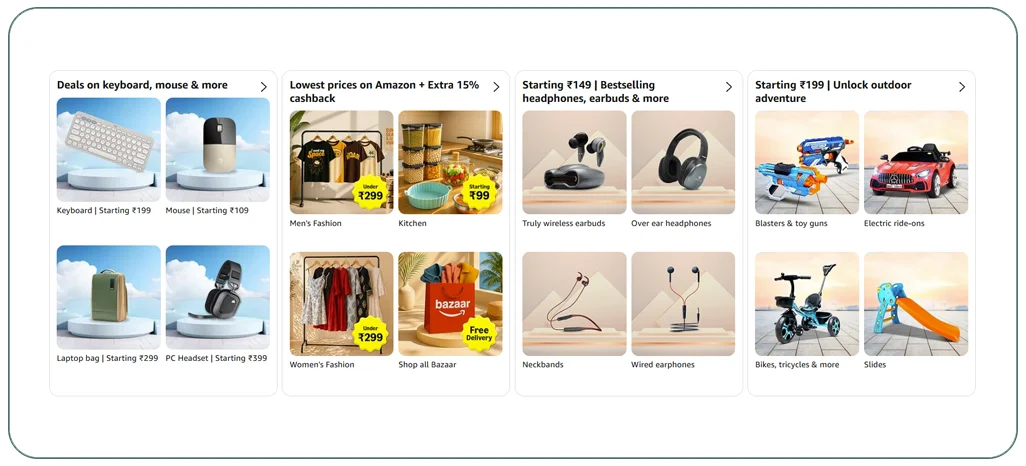
A typical project has three lists: SKUs, pincodes and platforms. If you track 50 SKUs across 30 pincodes on two platforms, each full run produces 3,000 observations. Each observation is a record of price, stock, delivery and seller for one SKU at one location on one platform. Run twice a day and you build a rich time series. For brands operating at scale, multi-SKU tracking India provides a practical way to compare many products across many locations.
Choosing Pincodes
A good pincode list balances coverage and cost. Consider including:
- Major metros: Delhi NCR, Mumbai, Bengaluru, Hyderabad, Chennai, Kolkata, Pune
- Tier-2 cities where your growth is focused
- Smaller towns and rural pincodes to test reach
- Remote regions such as the north-east, hill states and islands
- Pincodes tied to your own warehouses or key customers
Starting with 20 to 40 pincodes usually reveals the main patterns.
Data Fields Collected
- Platform, SKU identifier (ASIN, FSN or model number), title and variant
- Pincode, city and state
- Selling price, MRP, discount percentage and visible offers
- Availability status: in stock, out of stock, only a few left or currently unavailable
- Delivery estimate and delivery charge
- Seller name and fulfilment type, including platform-assured fulfilment
- Number of other sellers
- Rating and review count
- Cash on delivery and return policy indicators
- Collection timestamp
How The Tracking Process Works
- Build the SKU master. Collect product URLs or identifiers for each SKU on each platform. Check that variants such as colour and size are correct. An Amazon India scraper can be configured to capture the same location-specific fields consistently across scheduled checks.
- Prepare the pincode list. Store each pincode with its city and state.
- Set location for each check. On Amazon and Flipkart, the pincode is set through the delivery location control or an equivalent mechanism before reading the page.
- Collect product data. Capture price, availability, delivery and seller fields.
- Handle variants and bundles. Make sure the right variant is tracked, because the same page can contain several variants.
- Store and compare. Each observation is saved, so changes over time and differences between locations can be analysed.
- Detect anomalies. Rules flag out-of-stock, unusually long delivery, unexpected price changes or new sellers.
- Deliver. Provide files or an API, with alerts as needed.
Technical Challenges
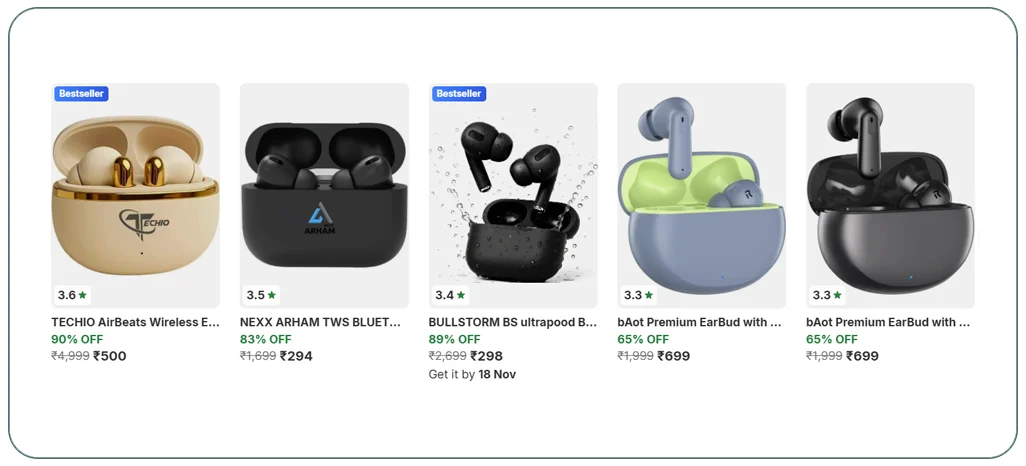
- Location setting: the pincode must be applied reliably for each request. A failure silently returns data for the default location. Reliable Flipkart data extraction also requires handling changing layouts, variants and location-specific responses.
- Bot protection: both platforms use strong anti-automation measures. Large multi-location runs need careful pacing, rotation and monitoring.
- Layout changes: product pages vary by category and change over time.
- Variants and parent-child listings: a single page may hold many variants, each with its own price and stock.
- Dynamic offers: coupons, bank offers and lightning deals appear and disappear within hours.
- Scale: multiplying SKUs, pincodes and platforms creates large volumes, so scheduling and storage must be planned.
Business Use Cases
- Availability monitoring: identify pincodes where a SKU is unavailable and alert supply and marketplace teams. Ecommerce availability monitoring helps teams identify stock and delivery gaps before they affect customers.
- Delivery performance benchmarking: compare delivery promises for your products and competitors by location.
- Price and offer intelligence: track regional price differences and promotional intensity.
- Seller monitoring: see which sellers serve which regions and detect unauthorised ones.
- Marketplace operations: check that inventory is placed in the right fulfilment centres.
- Competitor benchmarking: compare shelf presence and delivery speed against rival brands.
Example: An Appliance Brand
A small-appliance brand lists 40 SKUs on Amazon and Flipkart. It tracks them across 35 pincodes twice daily. Within a month, the data shows that three SKUs are frequently unavailable in two southern states on Flipkart, that Amazon delivers two days faster in metro pincodes than in tier-2 cities and that a competitor holds a stronger featured offer in the east. The brand moves inventory to better-located fulfilment centres and adjusts its marketplace advertising by region.
Sample Output
A delivered row may contain: platform, SKU, title, pincode, city, state, timestamp, price, MRP, discount percent, availability, delivery estimate in days, delivery fee, seller, fulfilment type, number of sellers, rating, review count and product URL.
Metrics You Can Build
- Availability rate per SKU and per region
- Average delivery time per platform and region
- Price index of your SKUs versus competitors
- Share of offers fulfilled by the platform versus third-party sellers
- Frequency and depth of discounting
- Stock-out duration, measured as hours between out-of-stock and back-in-stock events
Delivery Formats
Options include a REST API accepting a SKU and pincode, daily file delivery to cloud storage, or direct loads into a data warehouse. Many brands connect the output to dashboards and alerting tools so that teams are notified when availability drops.
Responsible Data Collection
Collect only public product information, avoid personal data, keep request volumes reasonable and follow platform terms and applicable laws. For enforcement actions against sellers, consult your legal team.
Why Choose Real Data Api For Flipkart And Amazon Tracking
Real Data API builds pincode-wise scrapers with verified location setting, careful variant handling and monitoring. We can run a pilot with 10 to 20 SKUs and a handful of pincodes so you can verify accuracy before scaling.
FAQs
1. How many pincodes can be tracked?
There is no fixed limit. Cost and run time grow with the number of SKUs and pincodes, so most projects start with a representative list.
2. Can you track competitors' products?
Yes. Provide competitor SKUs or URLs and they will be tracked alongside yours.
3. How do you make sure the right pincode is applied?
The scraper verifies the displayed delivery location after setting it, and discards records where verification fails.
4. Can I get historical data?
History starts from the first collection. A regular schedule builds a time series that you can analyse.
5. Can alerts be sent when a SKU goes out of stock?
Yes. Alert rules can be configured for stock, price and delivery changes.
Conclusion
Multi-location, multi-SKU tracking on Flipkart and Amazon gives brands a precise, pincode-wise view of price, stock and delivery that national averages cannot provide. With reliable location handling, careful SKU matching and regular refreshes, marketplace and supply teams can fix availability gaps and compete more effectively.
Need pincode-wise marketplace tracking? Real Data API can design a pilot for your SKUs and pincodes.
Latest posts
Indian Quick-Commerce Grocery Category Data: Staples, Snacks & Beverages Across Blinkit, Zepto and Instamart
Flipkart & Amazon Multi-Location Price and Availability Tracking for India: Multi-SKU, Pincode-Wise

How to Solve Inaccurate Sports Odds Tracking with OddsPortal sports data API for Real-Time Insights
Blinkit SKU Data Scraping: City-Wise & Dark-Store-Wise Multi-SKU Tracking



.png)


