
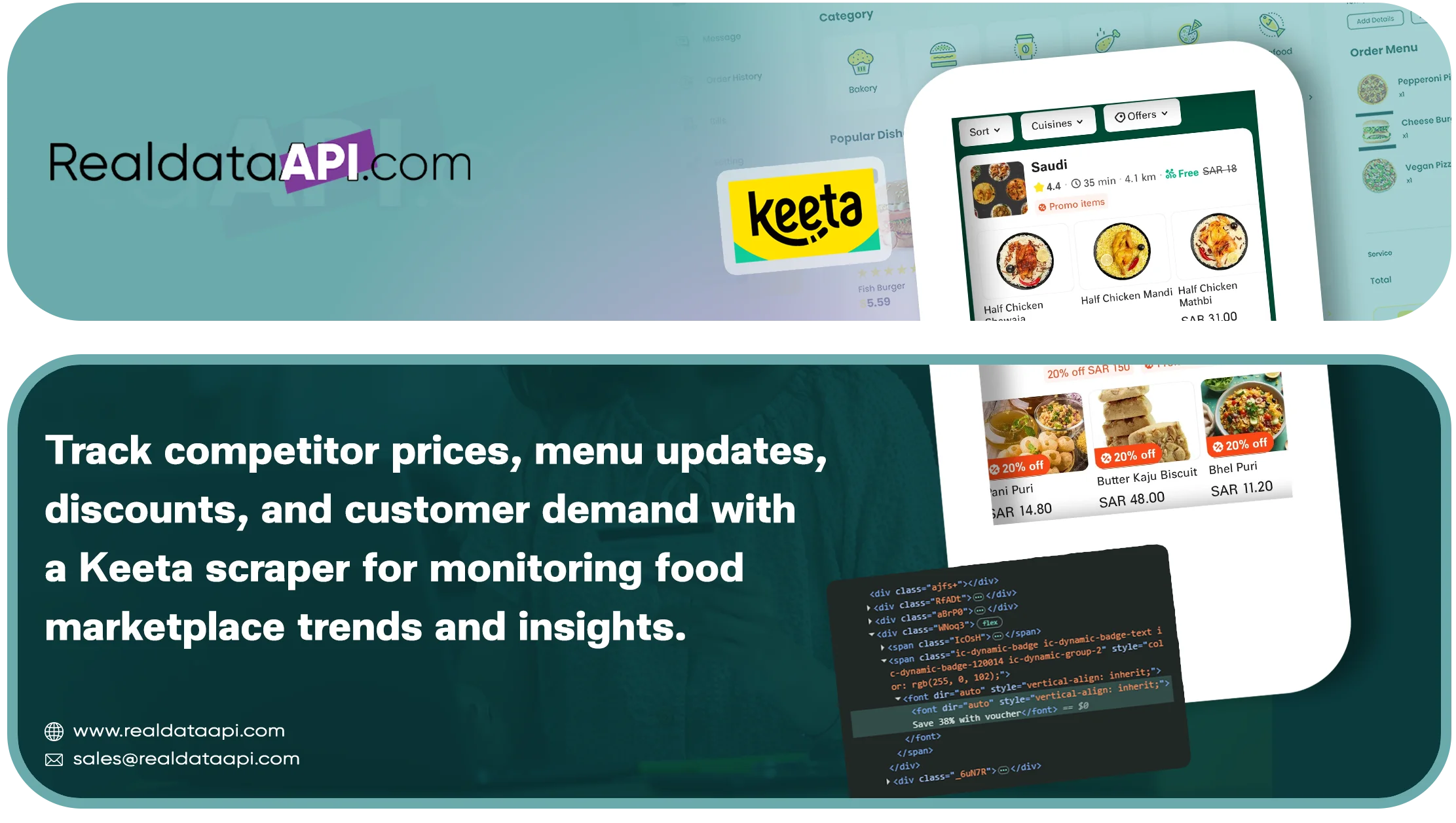
Quick Summary
- Food marketplace intelligence helps restaurants, delivery platforms, and food brands compare visible prices, promotions, menu availability, and category changes to make better commercial decisions.
- A structured dataset can turn recurring marketplace observations into trend reports, helping teams investigate discount movements and changing customer interests without assuming that listing visibility directly proves sales or demand.
- Real Data API can support data collection and organization for compliant market research, subject to platform access rules and available data.
Introduction
A Keeta scraper for monitoring food marketplace trends can help businesses organize publicly accessible marketplace information to examine restaurant listings, menu prices, promotional offers, and changes in product availability. The Keeta Food Dataset enables analysts to compare observations over time, identify potential discount changes, and investigate emerging customer interests. These signals are useful for competitive research, although visible listings alone do not establish actual order volumes, customer preferences, or sales performance.
Keeta is a food-delivery platform associated with Meituan and has expanded into international markets, including Hong Kong and the Middle East. Its marketplace data may help food businesses understand how participating restaurants present their offerings in supported locations. However, data availability can vary by market, app version, delivery location, and time of observation. Any collection process should respect applicable laws, privacy requirements, and platform terms.
This article explains how restaurant and menu data can support trend analysis, which metrics businesses should track, and how to interpret historical changes from 2020 through 2026 without treating unavailable historical records as verified facts.
How can restaurant data reveal changing promotional strategies?
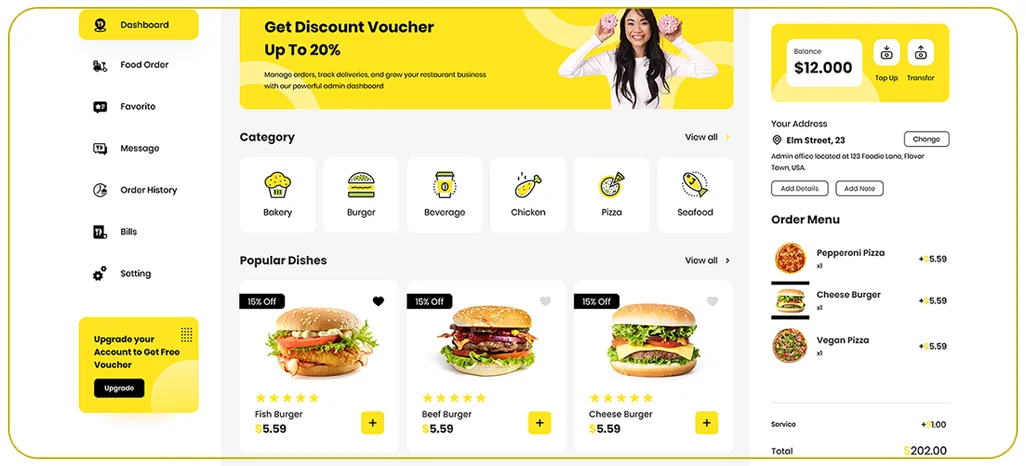
Restaurants use discounts to attract customers, encourage larger baskets, and compete for visibility. Tracking displayed prices and promotions over time helps analysts distinguish a short-lived campaign from a recurring pricing pattern. A Keeta scraper API for restaurant data may be used for this purpose only where collection is authorized and the relevant data is accessible.
Useful fields include restaurant name or permitted identifier, dish name, displayed price, original price when explicitly shown, discount wording, delivery fee when visible, observation timestamp, and service area. Record the same fields consistently so changes can be compared without mixing different locations or menu variants.
What do verified market figures show from 2020 to 2026?
Keeta launched in Hong Kong in May 2023, initially serving Mong Kok and Tai Kok Tsui. Therefore, Hong Kong restaurant-industry figures from earlier years provide market context, not historical Keeta platform data.
| Year | Hong Kong restaurant receipts (HK$ billion) | Data status |
|---|---|---|
| 2020 | 79.3 | Published historical figure |
| 2021 | 92.7 | Published historical figure |
| 2022 | 86.8 | Published historical figure |
| 2023 | 109.5 | Published historical figure |
| 2024 | 109.4 | Published historical figure |
| 2025 | 109.6 | Provisional annual figure |
| 2026 | Not yet available as a full year | Year in progress |
Source: Hong Kong Legislative Council research brief and the Census and Statistics Department’s 2025 release.
These figures show that restaurant receipts rebounded in 2023 and remained broadly stable in value in 2024–2025. They do not prove that discounts caused those movements. Marketplace observations can add detail about visible offers, while official statistics help frame the wider sector.
Which price signals should teams monitor consistently?
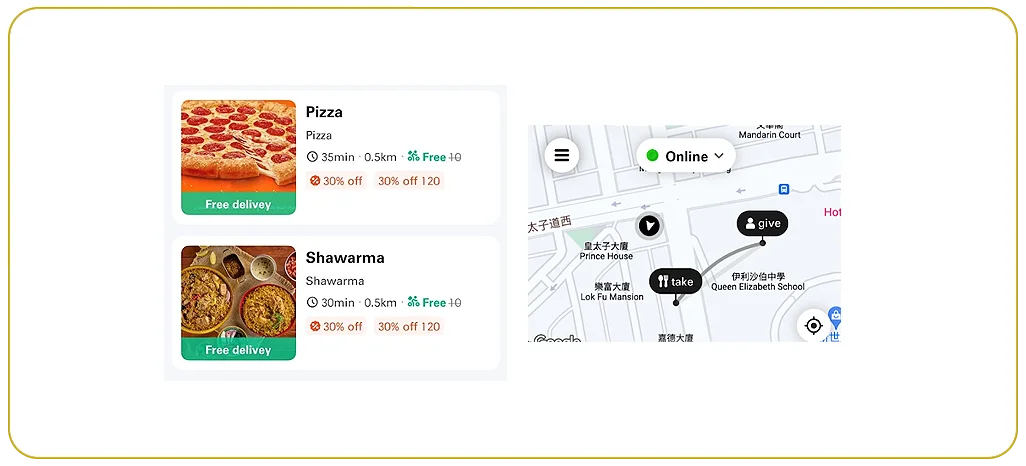
A price snapshot is most useful when it distinguishes the menu price from the final price a customer may pay. Keeta real-time menu price monitoring can help teams record visible price changes at defined intervals, provided the data is collected through an authorized method and reflects the relevant market and delivery location.
Track the following measures:
- Listed price: The displayed price of a specific dish or meal.
- Promotion wording: The offer text exactly as displayed, including conditions.
- Reference price: The original or crossed-out price, but only when the platform explicitly provides it.
- Availability: Whether the item is listed as available, unavailable, or temporarily hidden.
- Fees: Delivery or service charges when visible and permitted for collection.
- Timestamp and location: Necessary for understanding when and where the observation was made.
Do not calculate a discount percentage unless the original and current prices are both verifiable and refer to the same item. A displayed promotion may be subject to minimum spend, user eligibility, payment method, or other conditions. Those details should be preserved rather than flattened into a single discount value.
How should a monitoring record be structured?
| Field | Recommended handling |
|---|---|
| Restaurant and item | Keep stable identifiers where authorized |
| Displayed price | Store the observed value and currency |
| Promotion | Capture exact wording and eligibility terms |
| Availability | Record the observed status |
| Timestamp | Store date, time, and time zone |
| Location | Record the relevant service area |
| Evidence | Retain a permitted reference or audit trail |
A consistent structure reduces false alerts. For example, a change in delivery area, portion size, or item variant should not automatically be classified as a price reduction. Analysts should validate the item match before reporting a competitor price movement.
How can marketplace observations support better business decisions?
Keeta scraper for restaurant market intelligence is useful when businesses need a repeatable way to compare visible restaurant offerings across locations and periods. The goal is not simply to collect more records; it is to turn consistent observations into decisions that teams can verify.
For example, a restaurant group could compare its own menu positioning with publicly displayed competitor prices, review which categories frequently show promotions, and investigate whether menu availability changes around specific periods. These findings can inform further research into pricing, product assortment, and campaign timing. They should not be treated as proof of competitor sales or consumer intent without supporting evidence.
Hong Kong’s official figures illustrate why market context matters. The Census and Statistics Department reported that total restaurant receipts reached HK$109.6 billion in 2025, up 0.2% in value from 2024, while the volume index fell 0.9%. This difference between value and volume shows why revenue figures alone do not explain changes in customer activity.
A useful analysis workflow includes:
- Define a market, delivery area, and restaurant category.
- Collect only authorized, relevant fields at consistent intervals.
- Match records carefully to avoid comparing different dishes or portion sizes.
- Flag changes in listed prices, promotions, and availability.
- Compare findings with official industry indicators and other verified sources.
- Record limitations before sharing conclusions with commercial teams.
The resulting reports can help teams identify questions worth investigating—for example, whether a recurring promotion coincides with a broader category shift—without claiming that the marketplace data proves causation.
Need structured food marketplace data for competitive research? Work with a collection approach that prioritizes authorized access, consistent fields, and traceable observations.
What should businesses know before collecting marketplace information?
Keeta food delivery web scraping services should be planned around permission, data minimization, and the rules that govern the relevant website or app. This is especially important because access conditions can differ between a public website, an authenticated app, and a third-party data provider.
Keeta’s published website terms prohibit using robots, spiders, or other automated means to access or copy website material without authorization, and also restrict unauthorized manual copying. Businesses should review the applicable terms for the specific market and channel, obtain any required written permission, and use an approved feed, API, or licensed source where available.
Before starting a project, establish:
- Permission: Confirm that the source and collection method are authorized.
- Scope: Limit collection to the fields and locations needed for the research.
- Frequency: Use an approved schedule that does not interfere with service operation.
- Privacy: Avoid collecting personal or sensitive user information unless there is a lawful, necessary, and authorized basis.
- Retention: Define how long collected records will be kept and who can access them.
- Auditability: Keep a record of source, timestamp, processing steps, and known limitations.
What can the 2020-2026 market timeline tell analysts?
| Period | Verified context | How to interpret it |
|---|---|---|
| 2020–2022 | Hong Kong restaurant receipts fluctuated from HK$79.3B to HK$92.7B and HK$86.8B. | Wider sector context; Keeta was not yet operating in Hong Kong. |
| 2023 | Keeta launched in Hong Kong in May; annual restaurant receipts were about HK$109.5B. | Platform launch and industry recovery occurred in the same year, but one does not prove the other caused the change. |
| 2024 | Restaurant receipts were about HK$109.4B. | Broad sector value was nearly flat year over year. |
| 2025 | Receipts were provisionally estimated at HK$109.6B. | Value rose slightly, while receipt volume declined. |
| 2026 | Official first- and second-quarter figures are available; a full-year total is not yet available. | Use quarter-specific comparisons, not a full-year result. |
Sources: Hong Kong Legislative Council research brief, Meituan’s launch announcement, and Hong Kong Census and Statistics Department.
This timeline is industry context, not a verified time series of Keeta discounts or orders. Those platform-specific conclusions require authorized, comparable observations.
How can structured datasets improve trend analysis?
A Food Data Scraping API can provide a consistent structure for authorized food marketplace information, helping analysts organize restaurant, menu, pricing, and availability records for comparison. The key is to preserve the context behind every observation rather than treating each row as an isolated fact.
A well-designed Keeta Food Dataset could contain fields such as restaurant identifier, cuisine category, item name, displayed price, stated promotion, availability status, service area, and capture timestamp—provided the source permits collection of those fields. These are recommended dataset fields, not a claim that Keeta provides every field through a public API.
The Hong Kong Census and Statistics Department publishes restaurant-receipt data by quarter and restaurant type. Its official tables show that restaurant receipts were HK$28.0 billion in the first quarter of 2025 and HK$27.1 billion in the second quarter. For the first two quarters of 2026, the published figures were HK$28.4 billion and HK$27.2 billion, respectively. These figures cover the wider restaurant sector, not Keeta transactions.
Which metrics are useful for reporting?
| Metric | What it measures | Important limitation |
|---|---|---|
| Listed-price change | Difference between comparable observed prices | Confirm identical item and portion |
| Promotion frequency | How often a visible offer is observed | Does not prove redemption |
| Menu availability | Whether an item appears available at observation time | Does not reveal stock levels |
| Listing turnover | Restaurants or items appearing or disappearing from records | May reflect listing changes, not business closures |
| Category distribution | Share of observed listings in each category | Depends on coverage and sampling |
| Observation coverage | Locations, dates, and listings captured | Must disclose gaps and sampling limits |
For reliable reporting, document the collection period, source permissions, location coverage, and missing records. Separate observed facts from interpretation. This helps commercial teams compare results across reporting periods without overstating what the data reveals about actual demand.
How can daily menu tracking reveal meaningful changes?
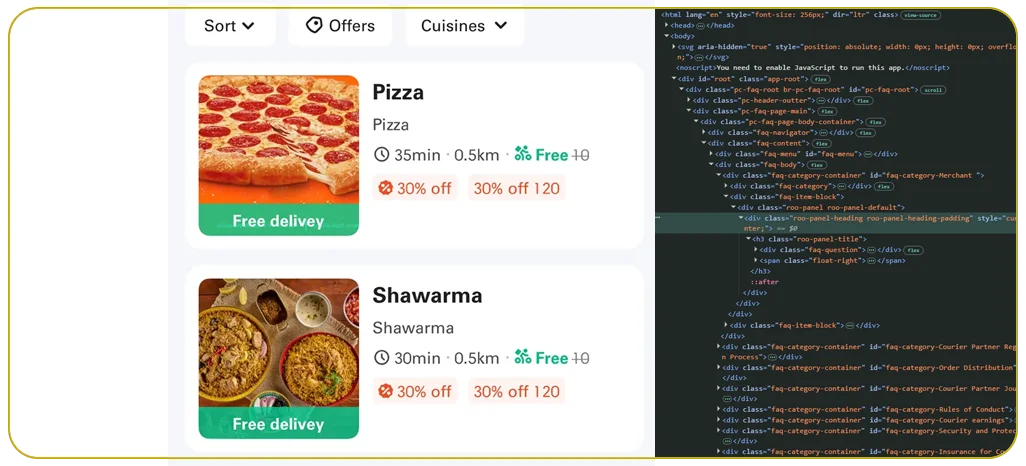
Scrape Keeta Daily Restaurant Menus and Prices describes a recurring research objective: maintaining comparable snapshots of menu information rather than relying on a single observation. Daily comparisons may reveal when a displayed price changes, a promotion appears or disappears, or an item becomes unavailable. Such monitoring must use an authorized collection method and should not bypass technical or access restrictions.
A practical workflow starts by defining a fixed set of restaurants, service areas, and menu categories. Each observation should include a timestamp and the exact visible value. Analysts can then compare records against prior snapshots and flag changes for review. If a listing is missing, mark it as unobserved rather than automatically assuming the restaurant has closed or the dish has been discontinued.
How should teams handle the 2026 reporting period?
As of October 2026, a full-year 2026 restaurant-receipts result is not available. The official Hong Kong series provides quarterly data, making quarter-to-quarter and year-on-year comparisons more defensible than presenting an incomplete year as an annual total. The same principle applies to marketplace monitoring: label partial periods clearly and avoid extrapolating them into unsupported annual figures.
For operational use, teams can organize findings into three categories:
- Observed change: A verified difference in the recorded menu or price.
- Possible explanation: A hypothesis, such as a temporary promotion or seasonal adjustment, that needs further evidence.
- Business action: A decision to investigate, test a pricing strategy, or review menu positioning.
This structure makes reports more actionable while reducing the risk of confusing correlation with causation. It also gives managers a clear path from raw observations to decisions that can be tested against sales, customer feedback, or other authorized first-party evidence.
Why Choose Real Data API?
Real Data API can help businesses plan data collection around clear requirements, structured outputs, and repeatable analysis. The right approach begins by defining which marketplace fields are necessary, verifying whether they can be collected through authorized access, and documenting how the resulting data should be used.
What should a reliable data partner support?
- Structured delivery: Consistent field names and formats for downstream analysis.
- Defined scope: Collection aligned with the agreed marketplace, location, and research objective.
- Quality checks: Validation for missing values, duplicate records, and inconsistent item matching.
- Traceability: Timestamps and source context to support review of reported changes.
- Responsible access: Collection methods that respect applicable laws, platform terms, and permissions.
A data project should not promise complete marketplace coverage unless that coverage has been demonstrated. Availability can vary by location, platform interface, and approved access method. Clear documentation helps buyers understand what is included and where limitations remain.
How can restaurant listing information support research?
Extract KEETA Restaurant Listings Data as a research objective only where the collection is authorized. Restaurant listings can help analysts organize available information about cuisine types, menus, locations, and displayed offers. They should not be used alone to infer private business performance, actual customer orders, or individual customer behavior.
The best solution is one that matches the buyer’s actual decision needs, provides verifiable records, and communicates limitations clearly.
Conclusion
A Keeta scraper for monitoring food marketplace trends can support competitive research by organizing visible restaurant listings, menu prices, promotions, and availability changes into comparable observations. Its value depends on consistent measurement, careful interpretation, and authorized access—not simply on collecting a large volume of records.
For 2020–2026 analysis, use verified historical industry statistics as market context, distinguish Keeta’s operating timeline from broader restaurant trends, and label 2026 data as quarterly or partial-year until full-year figures are published. Combine marketplace observations with appropriate business evidence before making conclusions about customer demand or promotion effectiveness.
Looking to build a structured food marketplace data workflow? Contact Real Data API to discuss your data requirements, source permissions, collection scope, and reporting goals.
You can also reach us for all your mobile app scraping, data collection, web scraping, and instant data scraper service requirements!
FAQs
1. What is a Keeta scraper for monitoring food marketplace trends?
It is a research approach for comparing authorized marketplace observations, such as visible menu prices, promotions, and item availability, over time to identify changes that merit further investigation.
2. What information can a Keeta Food Dataset include?
Depending on permitted access, it may organize restaurant listings, menu items, displayed prices, promotion wording, availability, location, and timestamps. Coverage varies by source, market, and collection permissions.
3. How does a Keeta scraper API for restaurant data help businesses?
It can structure authorized restaurant information for comparison and reporting, helping teams examine listing changes, menu differences, and displayed promotions without assuming these records prove actual sales.
4. Can Keeta real-time menu price monitoring identify every discount?
No. Monitoring can capture visible changes at observation times, but offers may have eligibility conditions or limited visibility. Reliable analysis requires comparable records and validation of promotion terms.
5. How can Real Data API support Keeta scraper for restaurant market intelligence projects?
Real Data API can discuss structured data requirements, quality checks, and reporting workflows. Collection should proceed only through authorized methods that respect relevant platform terms and applicable laws.
Latest posts
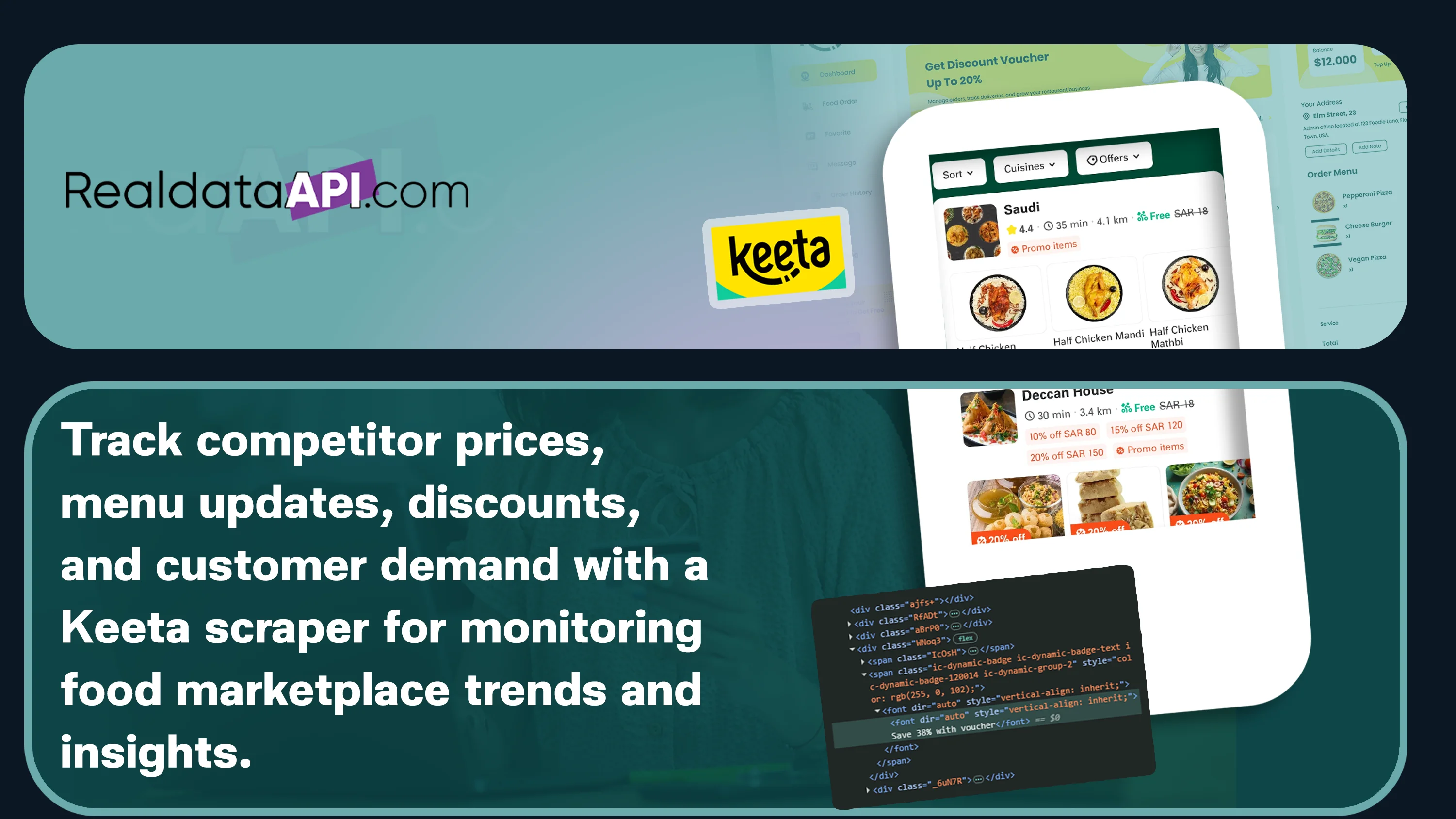
Keeta scraper for monitoring food marketplace trends - Identify Discount Changes and Emerging Customer Demand
How to build a structured Nike product dataset for Product Intelligence and Retail Analytics
Allegro scraper for competitor price monitoring – How to Track Product Prices and Stay Ahead of Competitors
Ocado API data collection services for retailers - Track Competitor Prices and Deals



.png)


