.gif)
.png)
Introduction
Travel businesses rely on accurate pricing intelligence to stay competitive in 2026. Hotels, OTAs, travel aggregators, and analytics firms need real-time visibility into room rates, discounts, occupancy trends, and competitor pricing. OTA price intelligence scraping from Expedia Booking and Trivago data helps businesses automate travel market analysis and improve revenue decisions faster than manual tracking methods.
According to industry estimates, global online travel bookings are expected to surpass $1.2 trillion by 2026, while dynamic hotel pricing updates can change more than 20 times per day across major travel platforms. Companies using automated scraping tools can react faster to demand fluctuations and pricing shifts.
For travel analytics companies, hotel chains, OTAs, and revenue management teams, access to structured travel data solves key pain points such as delayed pricing updates, incomplete competitor analysis, and inaccurate market forecasting.
With the Expedia Data Scraping API, businesses can collect hotel pricing, reviews, availability, amenities, and location-based travel insights at scale. This data powers smarter pricing strategies, forecasting models, and customer intelligence systems.
How Are Hotels Winning the Pricing Battle in 2026?
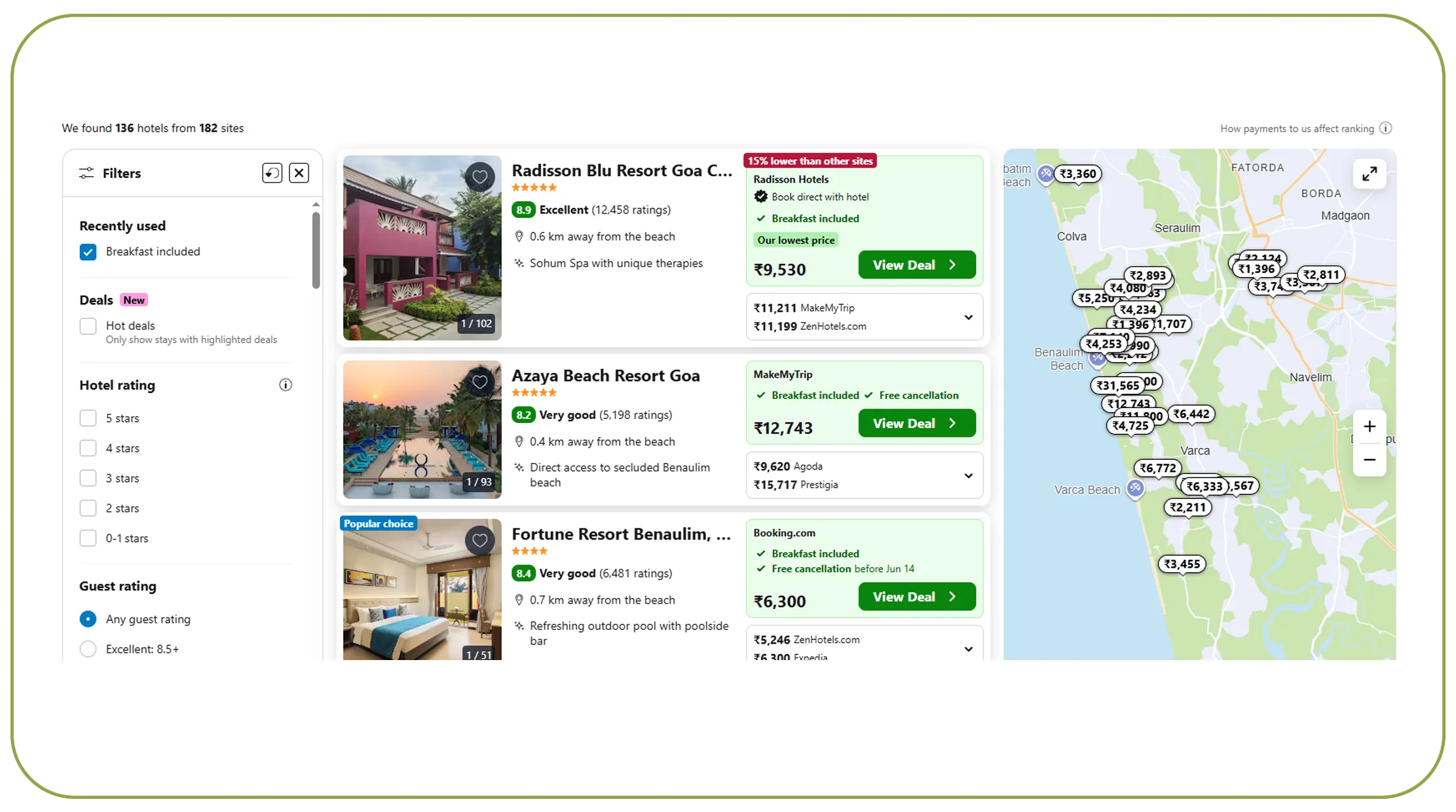
The hospitality industry has become heavily dependent on automated pricing intelligence. Hotels now adjust prices based on demand spikes, events, seasonality, competitor activity, and customer behavior. Businesses that fail to track these changes lose bookings and revenue opportunities quickly.
Using hotel rate monitoring using Expedia Booking and Trivago data extraction, travel companies can analyze pricing patterns across multiple booking platforms simultaneously. This helps businesses identify underpriced inventory, competitor discounts, and peak booking windows.
Between 2020 and 2026, hotel pricing volatility increased significantly due to post-pandemic travel recovery, inflation, and rising international tourism demand.
| Year | Avg Dynamic Price Changes Per Day | OTA Competition Growth |
|---|---|---|
| 2020 | 5 | 12% |
| 2021 | 8 | 18% |
| 2022 | 11 | 24% |
| 2023 | 14 | 31% |
| 2024 | 16 | 37% |
| 2025 | 18 | 42% |
| 2026 | 21 | 48% |
Modern travel brands use pricing intelligence to:
- Monitor competitor hotel pricing
- Track flash sales and discounts
- Compare occupancy trends
- Optimize revenue management systems
- Predict demand shifts
Real-time pricing data also improves machine learning models used for hotel recommendation engines and personalized booking experiences. Travel businesses can analyze city-level pricing trends and adapt campaigns accordingly.
Companies using automated monitoring systems reduce manual research time by over 70%. This allows analysts and revenue teams to focus on strategy rather than repetitive data collection.
Why Is Automated Travel Data Collection Growing So Fast?
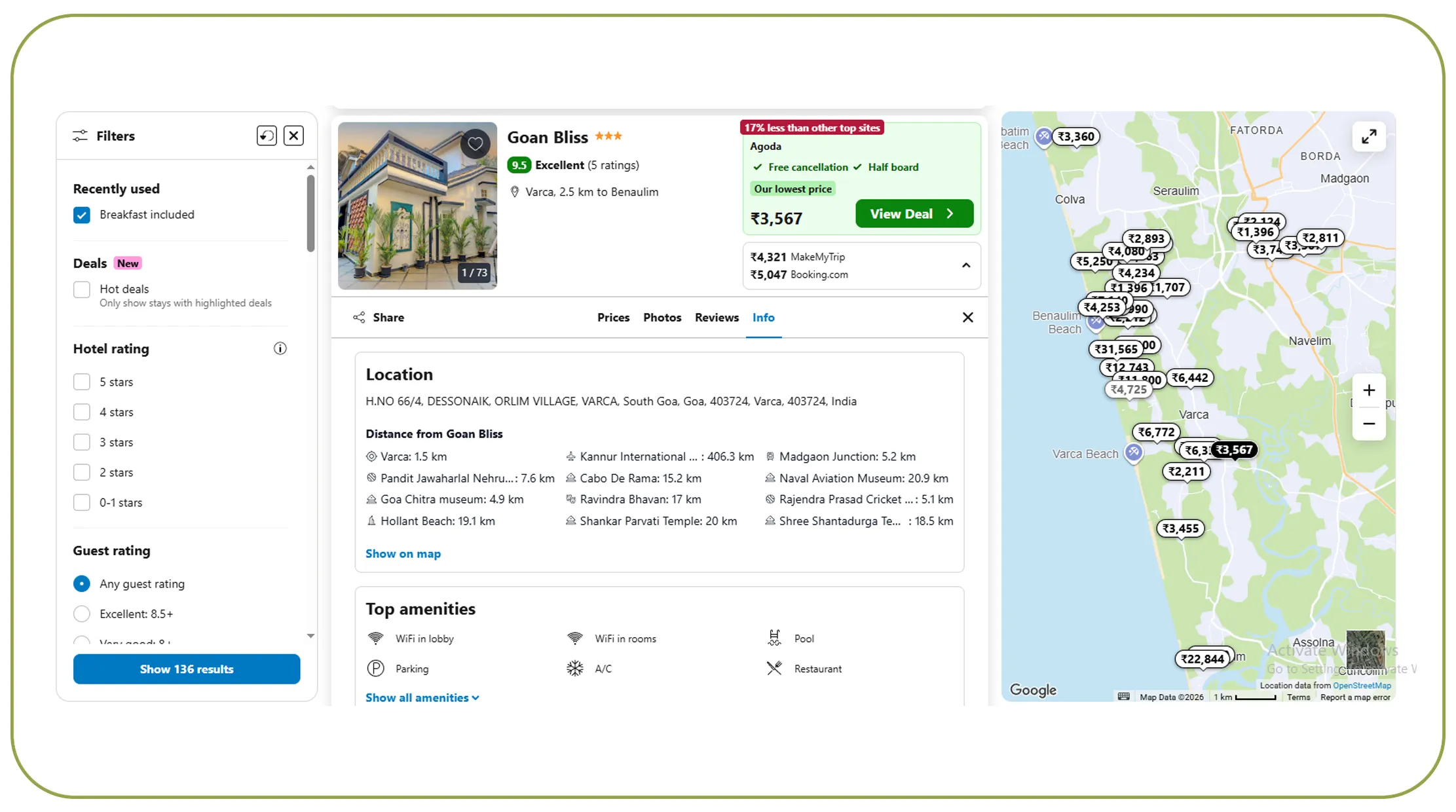
Travel analytics depends on massive datasets gathered from multiple OTA platforms. Manual data collection no longer supports the speed required for modern pricing intelligence. Businesses now prefer scalable scraping infrastructure that collects data continuously.
A Travel pricing data scraper from Expedia Booking and Trivago helps businesses gather structured datasets from hotel listings, room pricing, customer reviews, star ratings, taxes, and cancellation policies.
The global travel analytics market has experienced rapid expansion between 2020 and 2026.
| Year | Travel Analytics Market Size |
|---|---|
| 2020 | $8.1 Billion |
| 2021 | $9.4 Billion |
| 2022 | $11.2 Billion |
| 2023 | $13.5 Billion |
| 2024 | $15.7 Billion |
| 2025 | $18.1 Billion |
| 2026 | $21.4 Billion |
Travel businesses increasingly depend on automated scraping because it provides:
- Faster market insights
- Real-time pricing visibility
- Large-scale competitor tracking
- Better forecasting accuracy
- Automated reporting systems
Travel startups and OTAs also use scraping APIs to build hotel comparison engines. Revenue managers rely on live pricing feeds to optimize room inventory across regions.
Another major advantage is geographic analysis. Businesses can compare pricing trends across cities, tourist hotspots, and seasonal destinations. This helps marketing teams target high-demand markets more effectively.
Automation also improves customer experience. Travelers receive better recommendations, competitive pricing, and accurate availability information.
How Does Real-Time Pricing Intelligence Improve Revenue Strategy?
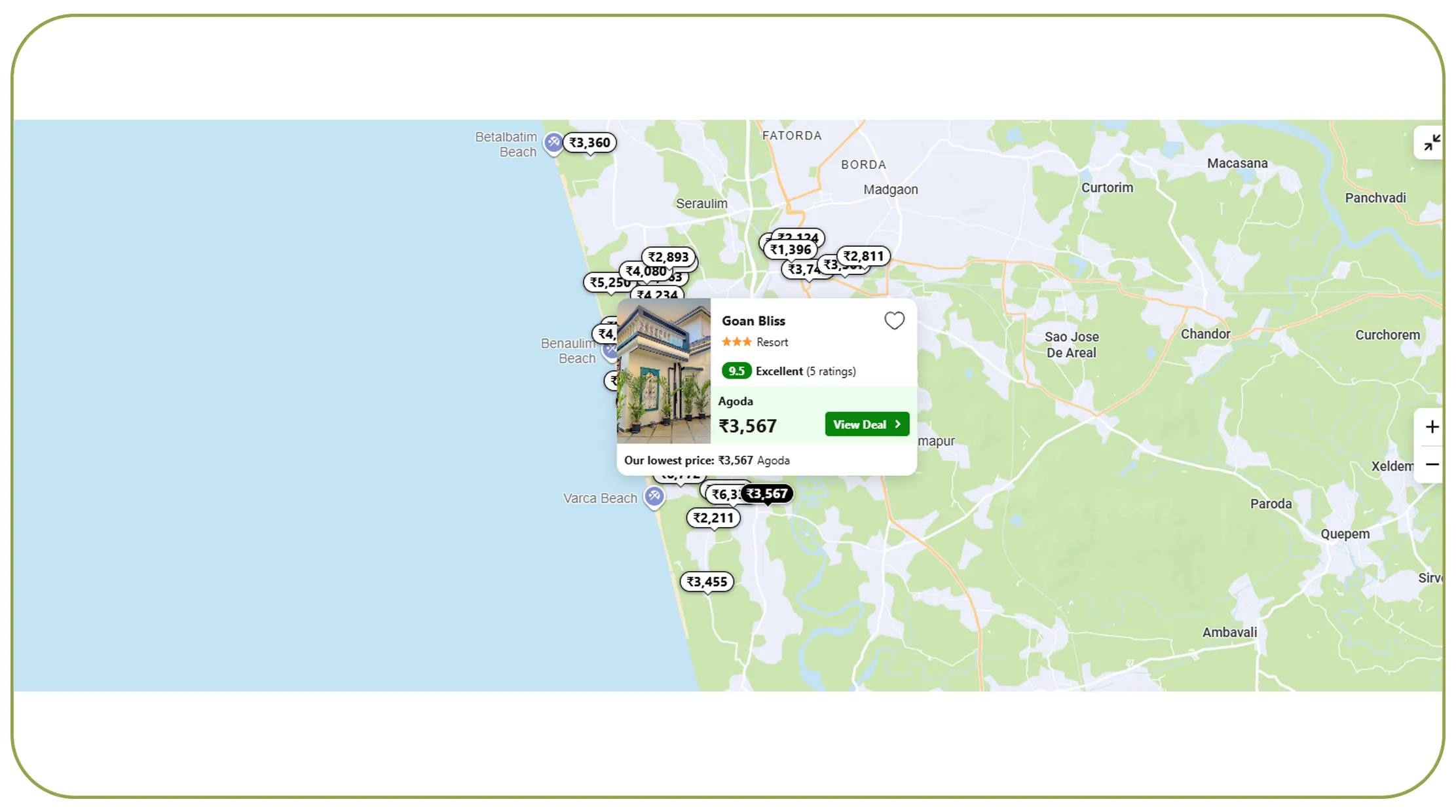
Revenue optimization is one of the biggest challenges in hospitality. Hotels must continuously adapt room prices based on demand signals and competitor behavior. Delayed insights can result in lost bookings and reduced occupancy rates.
Using real-time hotel pricing data intelligence across Expedia Booking and Trivago, businesses gain immediate visibility into changing travel market conditions.
Real-time pricing intelligence helps businesses:
- Detect sudden rate fluctuations
- Monitor regional demand spikes
- Identify competitor promotions
- Improve dynamic pricing algorithms
- Optimize occupancy forecasting
The adoption of AI-driven pricing systems increased dramatically from 2020 to 2026.
| Year | Hotels Using AI Pricing Tools |
|---|---|
| 2020 | 18% |
| 2021 | 24% |
| 2022 | 33% |
| 2023 | 41% |
| 2024 | 52% |
| 2025 | 61% |
| 2026 | 73% |
Real-time intelligence enables travel companies to respond instantly to events such as:
- Flight disruptions
- Festivals and conferences
- Seasonal tourism spikes
- Weather-driven travel demand
- Holiday booking surges
Hotels using live pricing intelligence can improve RevPAR (Revenue Per Available Room) significantly. Analysts estimate that automated pricing optimization can increase hotel profitability by 15–25%.
Travel aggregators also benefit from updated pricing feeds. Customers are more likely to complete bookings when prices remain accurate and transparent.
This makes real-time travel intelligence a core component of modern hospitality analytics infrastructure.
Why Is Structured OTA Data Important for Travel Analytics?
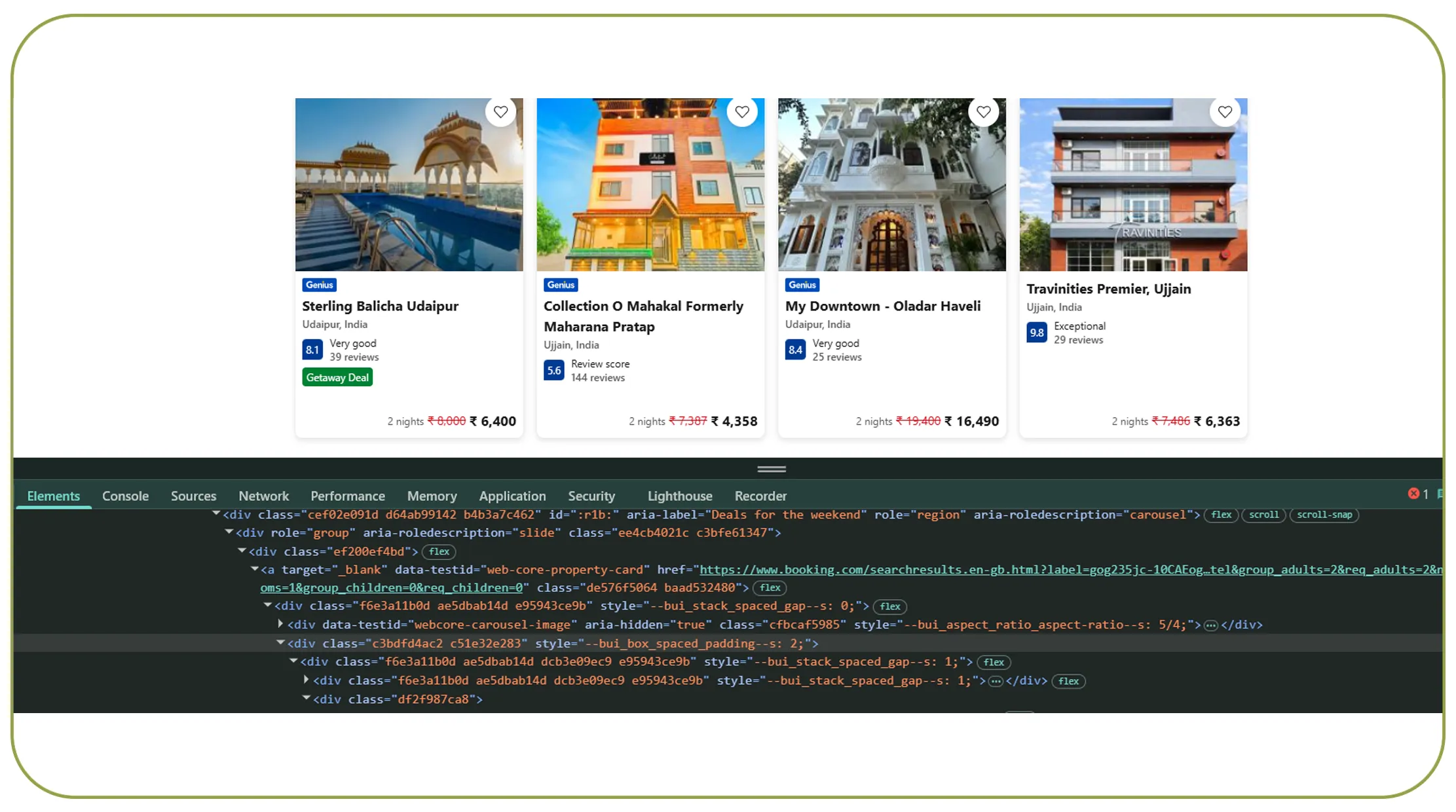
Travel companies require clean, structured, and large-scale datasets to power analytics platforms. Raw website information must be transformed into organized formats suitable for reporting and forecasting.
The Booking.com Travel Dataset provides valuable information such as:
- Hotel names
- Room pricing
- Customer ratings
- Amenities
- Availability
- Property locations
- Review summaries
Structured datasets improve business intelligence systems and predictive analytics models. They also help companies identify long-term market trends.
Between 2020 and 2026, online hotel inventory expanded rapidly due to increasing digital adoption.
| Year | Global OTA Hotel Listings |
|---|---|
| 2020 | 18 Million |
| 2021 | 21 Million |
| 2022 | 24 Million |
| 2023 | 28 Million |
| 2024 | 31 Million |
| 2025 | 35 Million |
| 2026 | 39 Million |
Travel analytics teams use structured OTA data for:
- Demand forecasting
- Competitive benchmarking
- Customer sentiment analysis
- Regional pricing comparisons
- Market trend reporting
Data standardization also supports dashboard automation. Analysts can monitor thousands of properties simultaneously using visual reporting systems.
Another major advantage is historical analysis. Businesses can compare pricing behavior across multiple years and identify recurring demand cycles.
As the travel industry becomes increasingly data-driven, structured datasets are becoming essential for scalable analytics operations.
How Can Businesses Track Meta-Search Trends Efficiently?
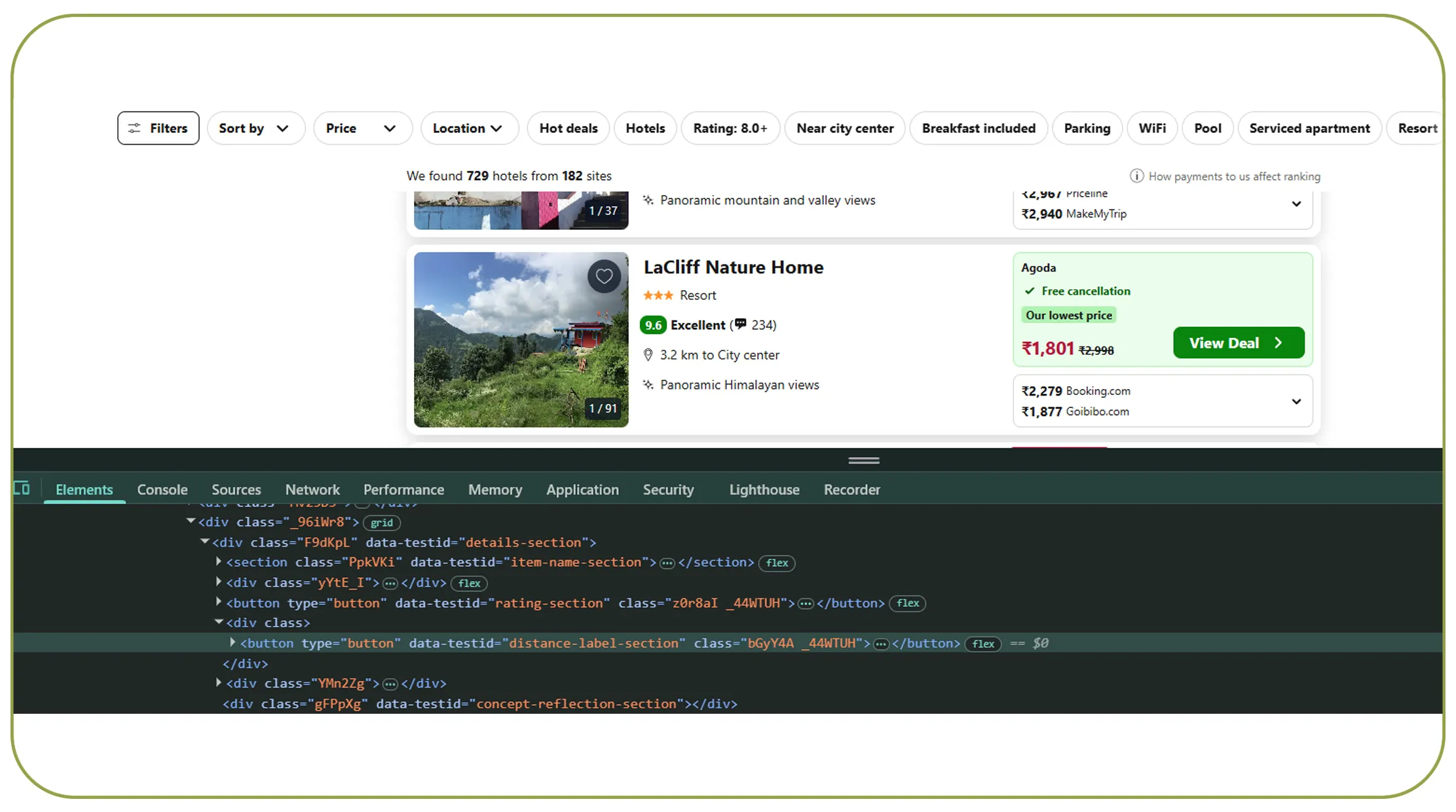
Meta-search platforms aggregate hotel prices from multiple OTAs. These platforms influence customer booking decisions heavily because travelers compare rates before completing purchases.
Using a Trivago Scraper, businesses can collect hotel comparison data across regions, price ranges, and property categories.
Meta-search analytics helps businesses understand:
- Lowest market prices
- OTA pricing differences
- Competitor positioning
- User demand behavior
- Conversion opportunities
Travel meta-search traffic has increased steadily since 2020.
| Year | Global Travel Meta-Search Users |
|---|---|
| 2020 | 410 Million |
| 2021 | 465 Million |
| 2022 | 530 Million |
| 2023 | 610 Million |
| 2024 | 690 Million |
| 2025 | 760 Million |
| 2026 | 840 Million |
Businesses use scraping systems to compare hotel pricing across:
- Expedia
- Booking.com
- Trivago
- Agoda
- Hotels.com
This visibility improves pricing competitiveness and customer acquisition strategies.
Meta-search analysis also helps travel marketers optimize advertising campaigns. Businesses can identify which hotels receive the most visibility and where pricing gaps exist.
For hotel chains, tracking aggregated pricing ensures consistency across distribution channels. This prevents undercutting issues and protects brand reputation.
What Are the Biggest Applications of Travel Scraping APIs?
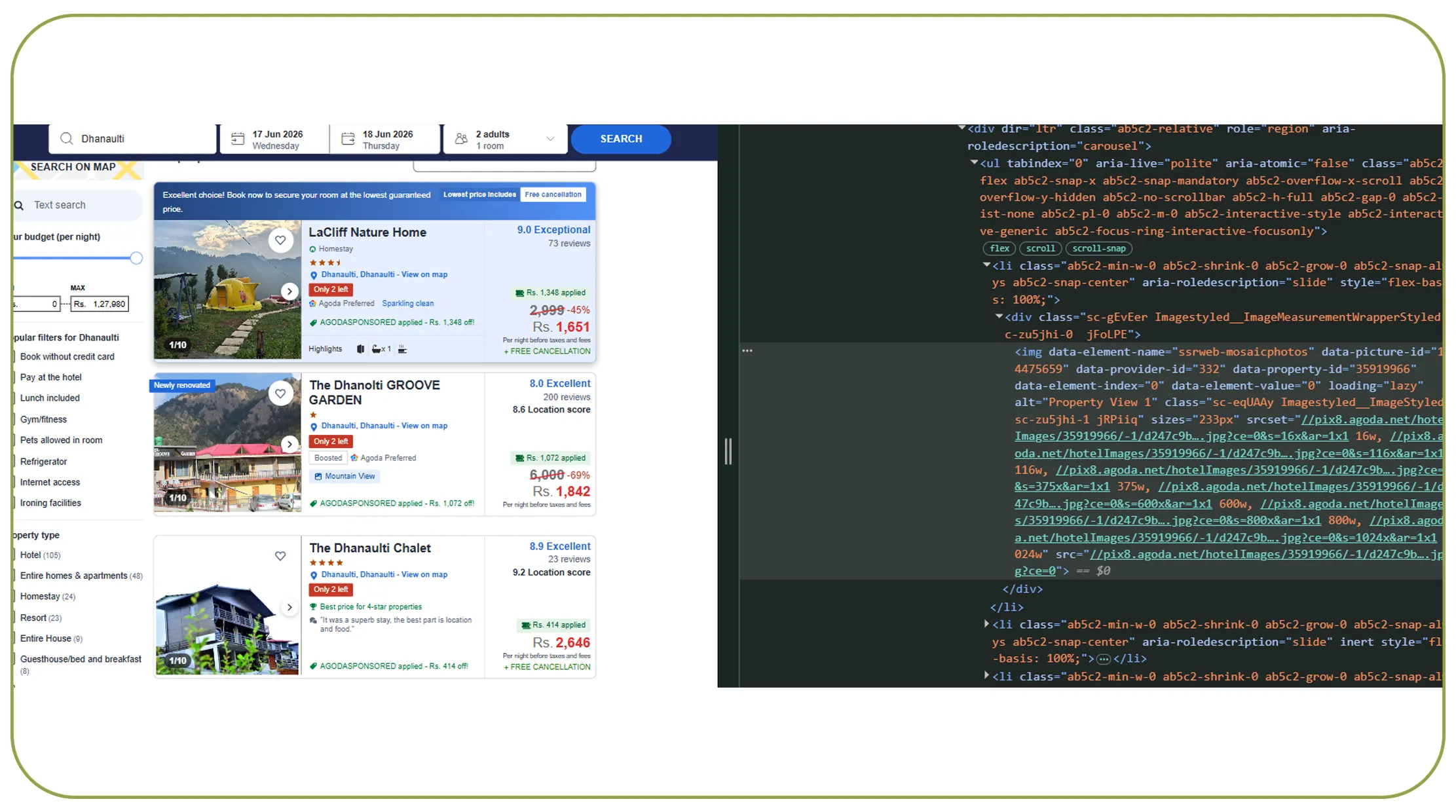
Travel APIs have evolved far beyond simple price monitoring. Modern scraping infrastructure supports advanced analytics, forecasting, AI training, and travel automation.
The Top Travel Scraping API Use Cases in 2026 include:
- Dynamic hotel pricing intelligence
- OTA competitor monitoring
- Travel demand forecasting
- Vacation rental analytics
- Flight and hotel bundling analysis
- Customer sentiment tracking
- AI-powered recommendation engines
- Tourism trend analysis
The adoption of travel automation tools continues to grow rapidly.
| Year | Travel Companies Using Automation |
|---|---|
| 2020 | 26% |
| 2021 | 34% |
| 2022 | 43% |
| 2023 | 51% |
| 2024 | 61% |
| 2025 | 69% |
| 2026 | 78% |
Travel scraping APIs provide major operational benefits:
- Faster data acquisition
- Lower research costs
- Improved forecasting accuracy
- Better revenue optimization
- Automated market intelligence
AI companies also use travel datasets to train recommendation systems and pricing prediction models.
Large hospitality brands combine OTA data with customer behavior analytics to personalize offers and improve loyalty programs.
Travel intelligence is now becoming a competitive necessity rather than an optional analytics feature.
Why Choose Real Data API?
Real Data API provides scalable travel data extraction solutions designed for modern analytics and revenue intelligence systems. Businesses can automate travel data collection with high-speed infrastructure and structured output formats.
With OTA price intelligence scraping from Expedia Booking and Trivago data, Real Data API helps businesses access:
- Real-time hotel pricing
- OTA comparison data
- Travel market intelligence
- Hotel availability tracking
- Review and rating datasets
- Dynamic pricing analytics
Benefits of using Real Data API include:
- Enterprise-scale scraping infrastructure
- Fast API response times
- Structured JSON and CSV outputs
- Reliable travel data pipelines
- Scalable integration support
- Custom extraction capabilities
Travel companies, hotel chains, OTAs, market researchers, and analytics platforms can use Real Data API to improve operational efficiency and business intelligence.
The platform supports automated workflows that reduce manual research and accelerate travel market analysis.
Conclusion
The travel industry is becoming increasingly data-driven, competitive, and automated. Businesses that rely on manual pricing research cannot keep pace with modern OTA pricing fluctuations and market trends.
By using OTA price intelligence scraping from Expedia Booking and Trivago data, travel businesses gain accurate, real-time intelligence that improves pricing strategy, forecasting, customer targeting, and revenue optimization.
As travel analytics continues evolving in 2026, automated scraping infrastructure will remain essential for hospitality brands, OTAs, and market intelligence platforms.
Ready to scale your travel analytics strategy? Contact Real Data API today and unlock real-time OTA intelligence for smarter travel business decisions!
Latest posts
Keeta scraper for monitoring food marketplace trends - Identify Discount Changes and Emerging Customer Demand
How to build a structured Nike product dataset for Product Intelligence and Retail Analytics
Allegro scraper for competitor price monitoring – How to Track Product Prices and Stay Ahead of Competitors
Ocado API data collection services for retailers - Track Competitor Prices and Deals






.png)



