Introduction
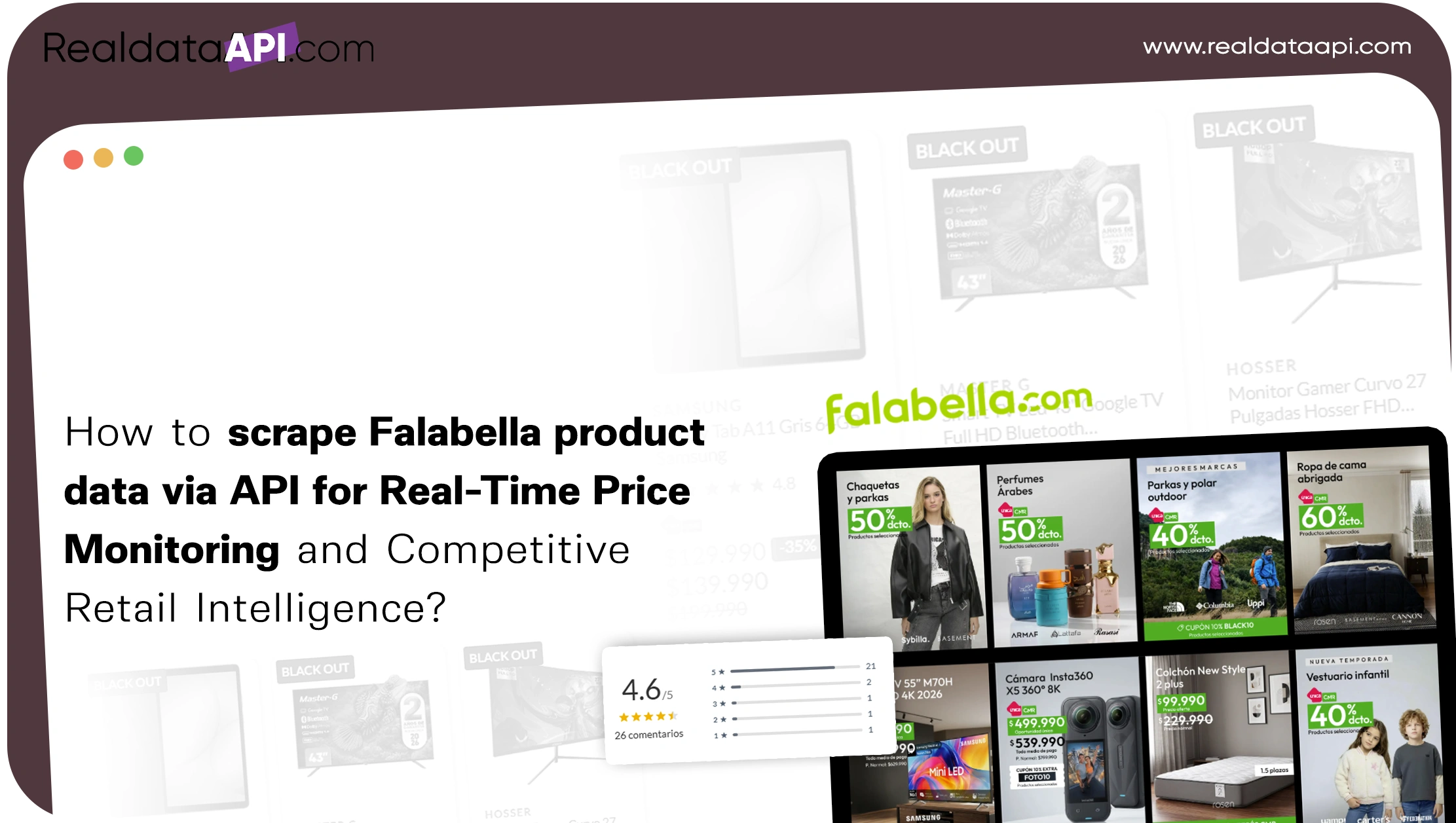
Businesses can scrape Falabella product data via API to collect real-time product prices, inventory levels, ratings, categories, promotions, and seller information. This enables retailers, brands, pricing teams, and market analysts to monitor competitors, optimize pricing strategies, and improve merchandising decisions with accurate and automated data collection.
Industry Insight: According to multiple digital commerce market reports, Latin America's eCommerce market has continued to expand at double-digit annual growth rates, with online retail sales expected to exceed USD 250 billion by 2026. As marketplaces grow, automated product intelligence has become essential for dynamic pricing and competitive monitoring.
For retail businesses, manually tracking thousands of SKUs across categories is both time-consuming and prone to errors. A Falabella Scraping API automates this process by collecting structured product data continuously. This allows businesses to react quickly to price changes, monitor stock availability, analyze promotional campaigns, and gain actionable market insights.
Target Audience: Retailers, eCommerce brands, pricing analysts, marketplace sellers, market research firms, and business intelligence teams.
Pain Point Solved: Eliminates manual product tracking while delivering accurate, real-time competitive intelligence for faster decision-making.
How Can Businesses Monitor Thousands of Products Efficiently?
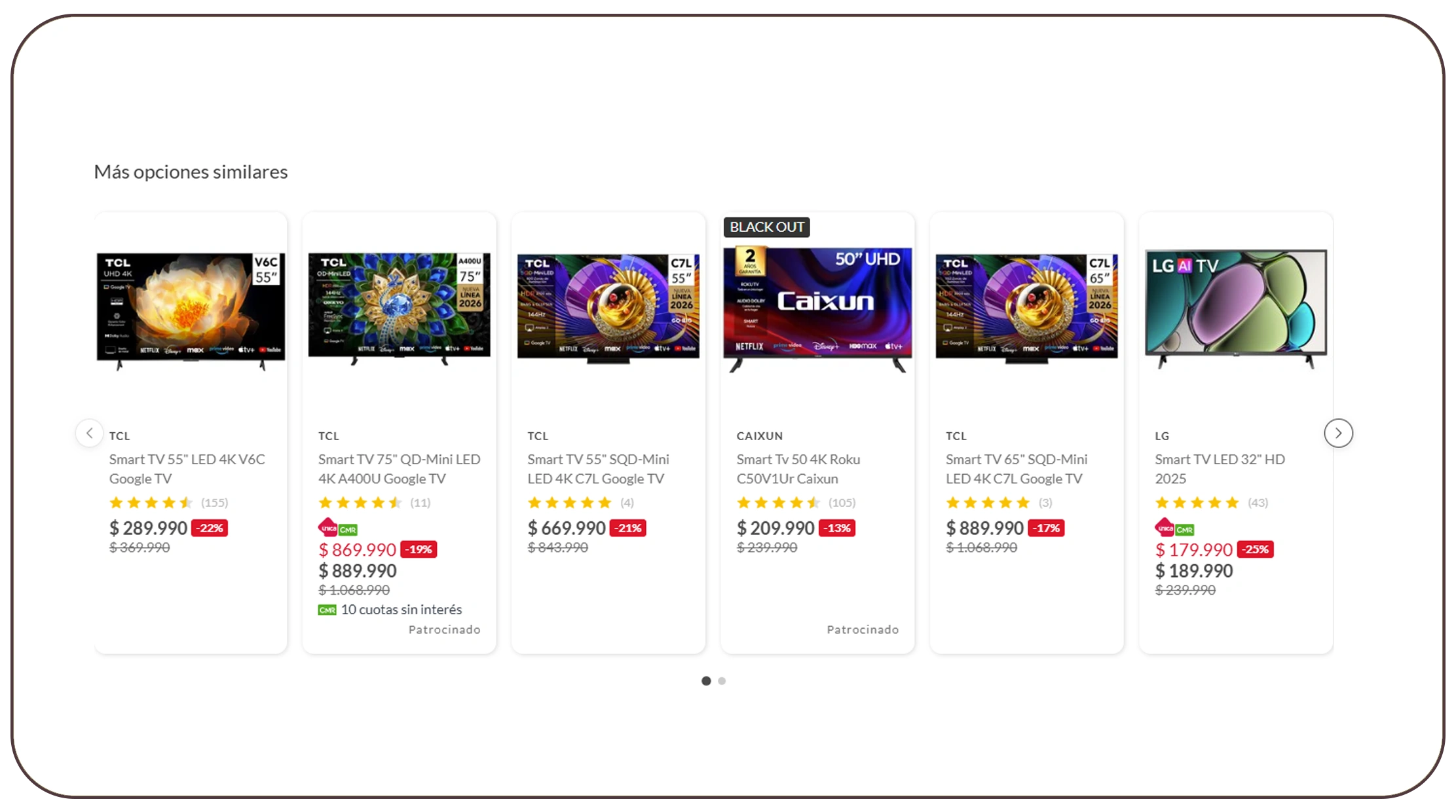
Keeping track of product prices across a large marketplace is difficult without automation. Businesses require consistent updates to identify pricing opportunities, promotional trends, and inventory movements before competitors react.
The solution is Real-time Falabella product data scraping. Automated APIs continuously gather marketplace information and convert it into structured datasets suitable for analytics platforms and pricing engines.
Between 2020 and 2026, retailers increasingly shifted toward automated price intelligence to support omnichannel operations. Companies leveraging real-time data can respond faster to market fluctuations, seasonal campaigns, and competitor pricing strategies.
Key Business Benefits
- Monitor competitor pricing automatically
- Detect discounts instantly
- Track inventory availability
- Analyze category performance
- Compare brands and sellers
- Reduce manual monitoring costs
- Improve pricing accuracy
Marketplace Intelligence Trends (2020-2026)
| Year | Businesses Using Automated Pricing Intelligence | Average Price Update Frequency |
|---|---|---|
| 2020 | 34% | Daily |
| 2021 | 41% | Multiple times/day |
| 2022 | 48% | Hourly |
| 2023 | 56% | Near Real-Time |
| 2024 | 64% | Near Real-Time |
| 2025 | 71% | Continuous |
| 2026* | 78% | Real-Time |
*Projected industry trend.
Retailers benefit because every product update becomes immediately available for pricing models, assortment optimization, and demand forecasting. Rather than relying on outdated spreadsheets, organizations receive fresh marketplace intelligence throughout the day, improving promotional planning and maximizing profit margins.
What Marketplace Insights Help Businesses Stay Competitive?
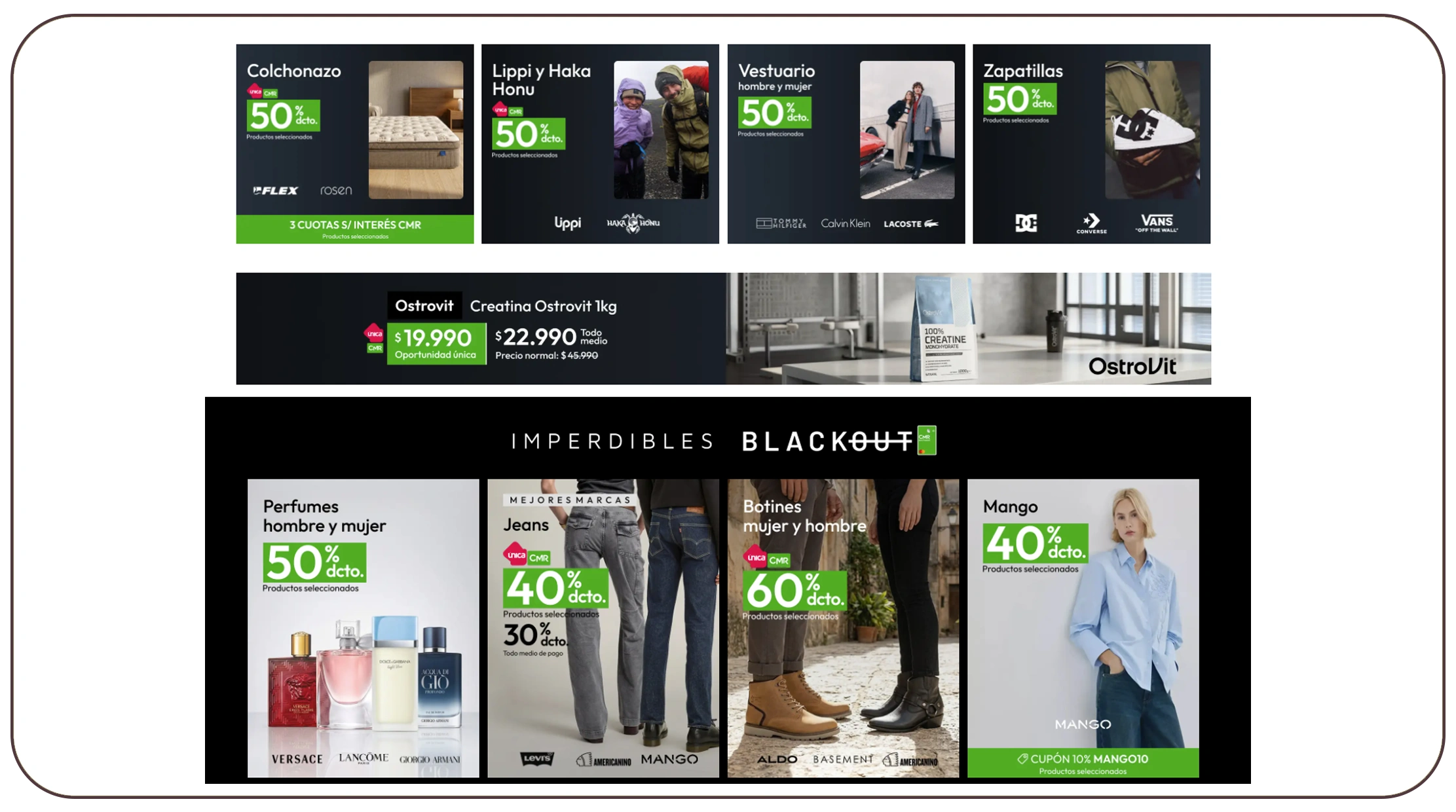
Online marketplaces contain far more information than product prices alone. Brands must also monitor descriptions, ratings, reviews, promotions, seller activity, specifications, images, and category positioning.
Using Falabella marketplace product data extraction enables organizations to build comprehensive competitive intelligence dashboards. These insights support marketing teams, category managers, procurement specialists, and pricing analysts.
Important marketplace attributes include:
- Product titles
- Product descriptions
- SKU identifiers
- Brand information
- Category hierarchy
- Product specifications
- Ratings and reviews
- Seller information
- Available promotions
- Discount percentages
- Inventory status
- Product images
Product Intelligence Growth (2020-2026)
| Metric | 2020 | 2023 | 2026* |
|---|---|---|---|
| Average Marketplace Listings Tracked | 45,000 | 150,000 | 420,000 |
| Daily Product Updates | 120K | 680K | 2.4M |
| Retailers Using Competitive Analytics | 38% | 59% | 81% |
*Projected estimates.
These datasets help organizations compare brands across multiple product categories while identifying pricing gaps and promotional opportunities. Marketing teams gain better visibility into customer preferences, merchandising teams improve assortment planning, and executives receive actionable intelligence for strategic decision-making.
As marketplace competition continues to increase, automated product monitoring becomes a key driver of revenue growth, pricing optimization, and customer satisfaction. Continuous access to reliable product intelligence allows businesses to respond quickly to changing consumer demand instead of reacting after competitors have already adjusted their strategies.
How Can Automated APIs Improve Large-Scale Product Intelligence?
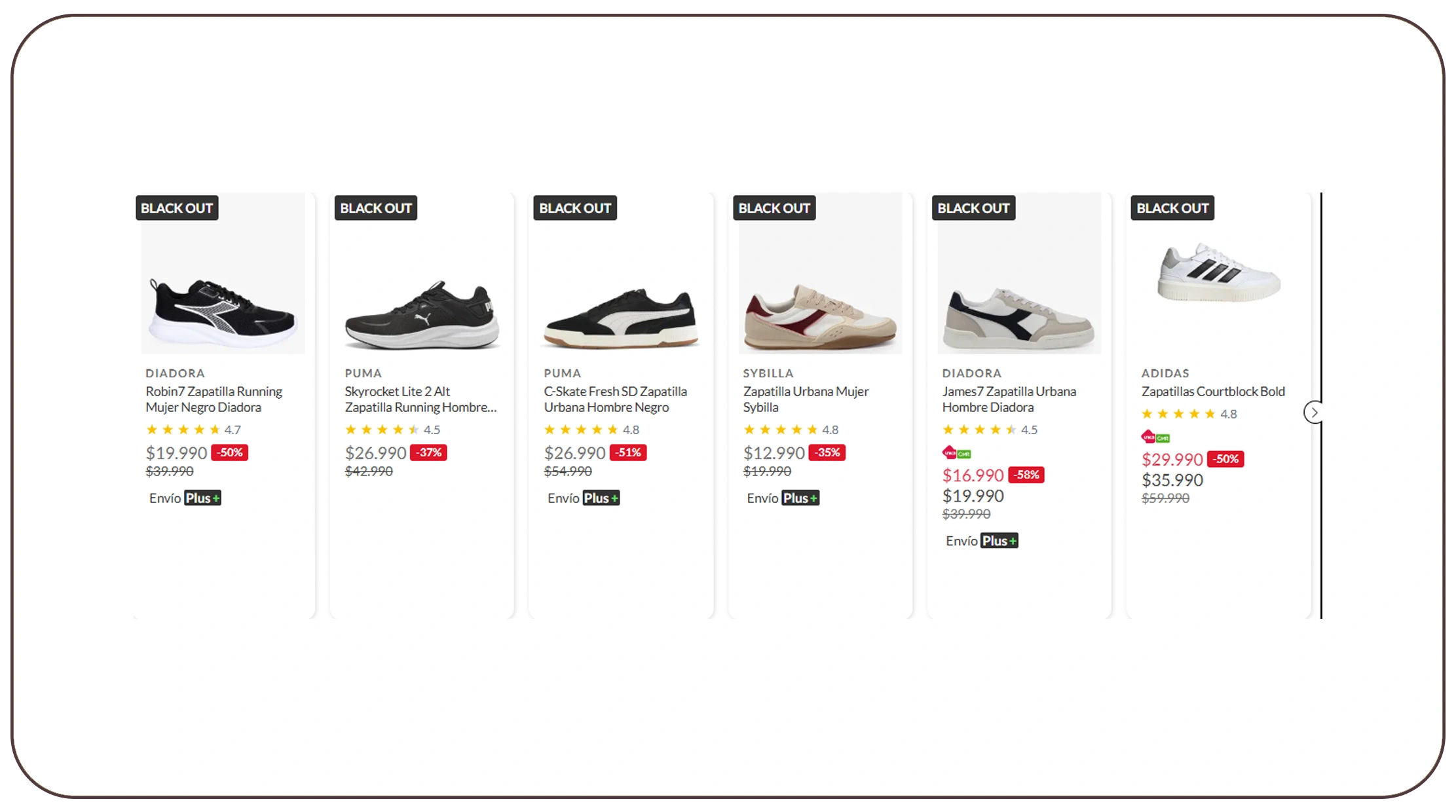
Managing hundreds of thousands of marketplace listings manually is no longer practical. Businesses need automated solutions that capture product updates, pricing movements, stock availability, and seller changes in real time. An API-driven workflow ensures fresh data is always available for analytics, forecasting, and pricing optimization.
A Falabella product data scraper API enables businesses to automate data extraction from thousands of product pages simultaneously. The collected information can be integrated into BI dashboards, pricing engines, ERP platforms, and machine learning models for deeper market analysis.
Organizations using API-based product intelligence typically achieve:
- Faster competitive analysis
- Reduced manual data collection
- Improved pricing accuracy
- Better inventory planning
- Automated promotional monitoring
- Reliable historical trend analysis
Automation Adoption Trends (2020-2026)
| Year | Companies Using Product APIs | Average SKUs Monitored | Average Data Refresh |
|---|---|---|---|
| 2020 | 29% | 30,000 | Daily |
| 2021 | 37% | 55,000 | Every 12 Hours |
| 2022 | 46% | 95,000 | Every 6 Hours |
| 2023 | 58% | 180,000 | Hourly |
| 2024 | 66% | 300,000 | Near Real-Time |
| 2025 | 74% | 500,000 | Continuous |
| 2026* | 82% | 800,000+ | Real-Time |
*Projected industry estimates.
Modern retailers increasingly rely on API automation because markets change rapidly. A single promotional campaign can affect thousands of products within hours. Continuous monitoring allows businesses to react immediately instead of waiting for manual reports.
Typical Data Fields Captured
- Product name
- Current price
- Original price
- Discount percentage
- Seller information
- Product rating
- Customer reviews
- Brand
- Product URL
- Product availability
- Images
- Category hierarchy
By integrating automated product intelligence into everyday operations, retailers gain a comprehensive view of marketplace activity and make faster, data-backed business decisions.
Why Is SKU-Level Tracking Essential for Retail Success?
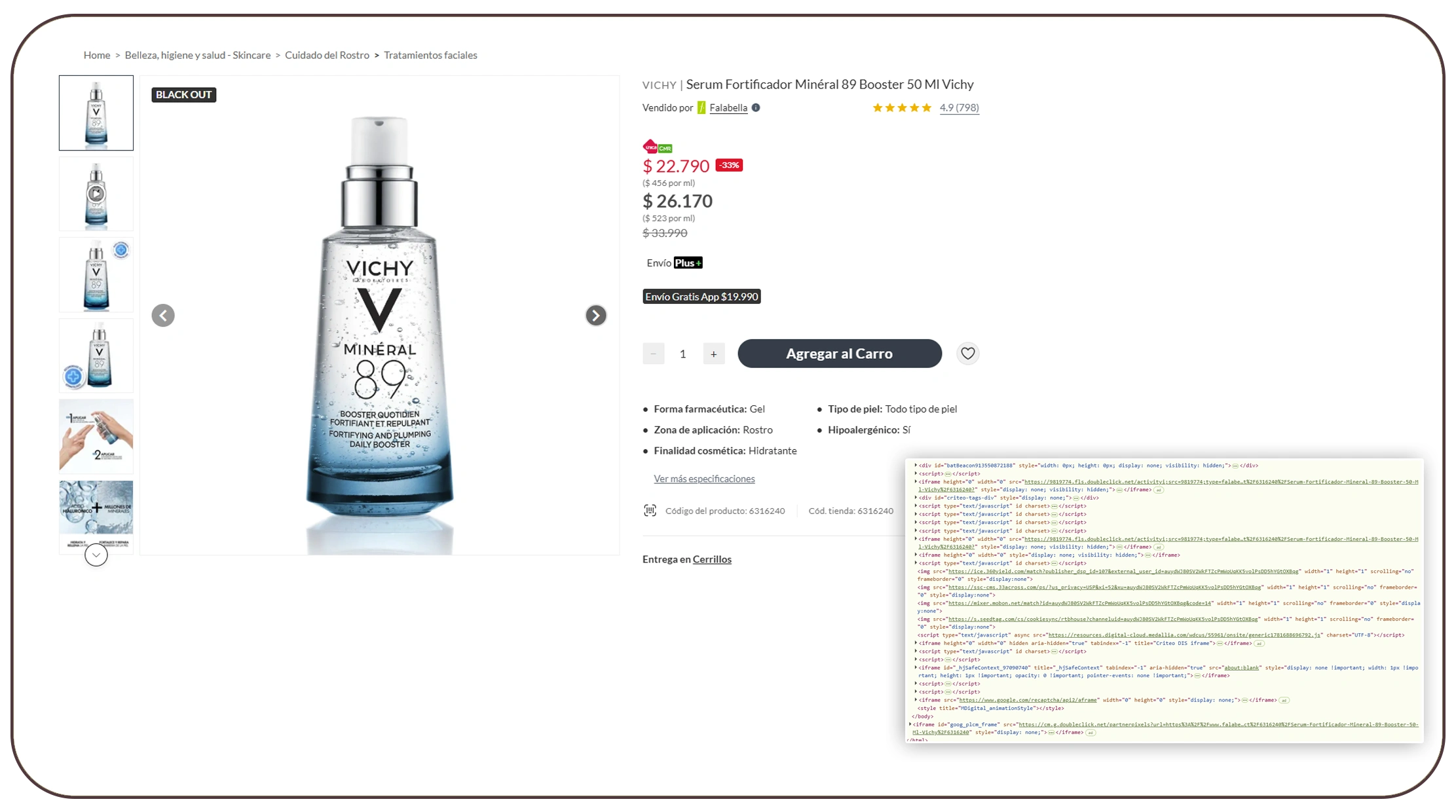
Many retailers focus only on prices, but SKU-level intelligence provides a much deeper understanding of marketplace performance. Every Stock Keeping Unit (SKU) represents a unique product variation with its own pricing, inventory status, specifications, and promotional activity.
Using Falabella SKU data collection using API, businesses can monitor product-level changes across thousands of SKUs without manual intervention. This enables accurate assortment planning, inventory optimization, and competitor benchmarking.
SKU-level monitoring supports several critical business functions:
- Detect price changes by individual product
- Monitor stock availability
- Compare product variants
- Track new product launches
- Identify discontinued items
- Analyze promotional effectiveness
- Measure assortment expansion
- Support demand forecasting
SKU Intelligence Trends (2020-2026)
| Metric | 2020 | 2022 | 2024 | 2026* |
|---|---|---|---|---|
| Average SKUs Tracked per Retailer | 18,000 | 65,000 | 210,000 | 600,000 |
| Inventory Accuracy | 81% | 88% | 94% | 98% |
| Promotion Detection Speed | 24 Hours | 6 Hours | 1 Hour | Real-Time |
| Dynamic Pricing Adoption | 32% | 47% | 68% | 84% |
*Projected industry estimates.
SKU-level visibility also helps procurement and merchandising teams understand which products consistently remain in stock, which items experience frequent shortages, and how competitors adjust pricing across different brands and categories.
Retail executives use historical SKU datasets to evaluate seasonal demand, measure campaign performance, and forecast future inventory requirements. Marketing teams can identify high-performing products, while pricing analysts gain accurate benchmarks for optimizing promotional strategies.
As marketplaces continue expanding between 2020 and 2026, SKU-level intelligence has evolved from a competitive advantage into a business necessity. Organizations equipped with automated SKU monitoring are better positioned to respond quickly to market shifts, improve operational efficiency, and deliver better customer experiences through informed pricing and inventory decisions.
How Can Comprehensive Retail Datasets Drive Better Business Decisions?

Raw product information becomes significantly more valuable when it is organized into structured datasets. Retailers, brands, and analytics providers depend on unified data to compare products, identify pricing trends, evaluate promotions, and forecast demand across multiple categories.
An E-Commerce Dataset combines product attributes, prices, inventory status, seller details, customer ratings, reviews, and promotional information into a centralized repository. This allows decision-makers to analyze historical and real-time marketplace performance without manually compiling data from thousands of listings.
Benefits of Structured Retail Datasets
- Build competitive pricing dashboards
- Track historical pricing trends
- Compare multiple brands
- Analyze seasonal demand
- Monitor inventory fluctuations
- Evaluate promotional campaigns
- Improve assortment planning
- Support AI and predictive analytics
Well-structured datasets can also be integrated into CRM, ERP, business intelligence platforms, and machine learning models for advanced forecasting and recommendation systems.
Retail Dataset Growth (2020-2026)
| Year | Average Dataset Size | Products Covered | Businesses Using Retail Datasets |
|---|---|---|---|
| 2020 | 50 GB | 120,000 | 35% |
| 2021 | 95 GB | 220,000 | 42% |
| 2022 | 180 GB | 420,000 | 51% |
| 2023 | 320 GB | 700,000 | 61% |
| 2024 | 520 GB | 1.2 Million | 70% |
| 2025 | 780 GB | 1.8 Million | 77% |
| 2026* | 1.1 TB | 2.5 Million+ | 84% |
*Projected industry estimates.
Historical datasets provide valuable insights into long-term pricing behavior and customer demand. Analysts can identify recurring seasonal patterns, compare category performance, and evaluate the effectiveness of pricing strategies over several years.
For marketplace sellers, structured retail datasets simplify competitor benchmarking and product performance analysis. For enterprise retailers, they support strategic planning, expansion decisions, and revenue optimization by transforming raw marketplace information into actionable business intelligence.
What Makes API-Based Data Collection the Future of Retail Intelligence?
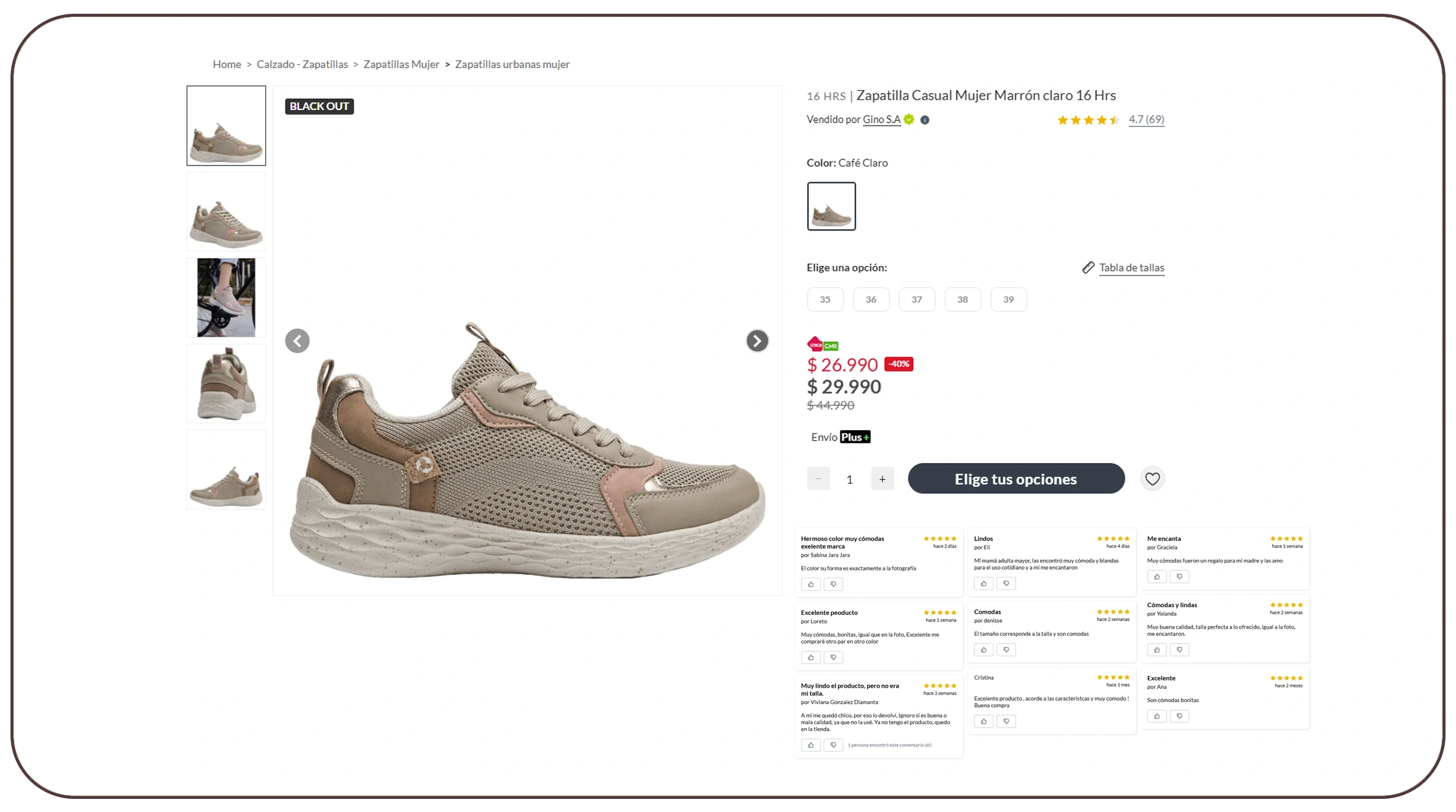
Retail competition now moves faster than ever. Prices change multiple times each day, inventory fluctuates continuously, and promotional campaigns launch without warning. Businesses need automated systems capable of collecting fresh information around the clock.
An E-Commerce Data Scraping API enables continuous extraction of marketplace data while minimizing manual effort. Instead of relying on periodic reports, organizations receive live updates that support pricing optimization, competitor tracking, and operational planning.
API-driven data collection offers several advantages:
- Continuous product monitoring
- High-volume data extraction
- Faster competitive intelligence
- Automated inventory tracking
- Historical data archiving
- Scalable enterprise integration
- Better forecasting accuracy
- Reduced operational costs
Business Impact of API Automation (2020-2026)
| Metric | 2020 | 2022 | 2024 | 2026* |
|---|---|---|---|---|
| Retailers Using API Automation | 31% | 48% | 69% | 86% |
| Average Daily Product Updates | 90,000 | 350,000 | 1 Million | 3 Million+ |
| Manual Reporting Time Saved | 25% | 43% | 61% | 78% |
| Decision-Making Speed Improvement | 18% | 36% | 55% | 72% |
*Projected industry estimates.
Common Enterprise Applications
- Dynamic pricing engines
- Marketplace intelligence platforms
- Price comparison websites
- Product recommendation systems
- Category performance analytics
- Inventory forecasting
- Promotional monitoring
- Competitive benchmarking
As digital commerce continues expanding through 2026, automated API-based data collection has become a foundational technology for modern retail organizations. Businesses that continuously monitor marketplace activity can react faster to competitor actions, improve customer experiences, optimize pricing strategies, and identify emerging opportunities before they become industry trends.
Instead of spending valuable resources on manual data collection, organizations can focus on interpreting insights and making strategic decisions powered by accurate, real-time marketplace intelligence.
Why Choose Real Data API?
Modern retailers need more than basic data extraction—they need reliable, scalable, and real-time intelligence to stay ahead in a highly competitive marketplace. Real Data API delivers enterprise-grade Web Scraping API solutions that automate product data collection, helping businesses monitor pricing, inventory, product availability, promotions, ratings, and seller performance with exceptional accuracy.
Whether you want to scrape Falabella product data via API for competitive pricing, assortment optimization, or market research, Real Data API provides structured datasets that seamlessly integrate with BI dashboards, ERP systems, CRM platforms, and machine learning models. The platform is designed to support businesses of all sizes, from startups building price comparison tools to global retailers managing millions of product records.
Why Businesses Trust Real Data API
- Real-time product and pricing updates
- Scalable API for millions of product records
- Structured JSON and CSV data formats
- High data accuracy and consistency
- Automated inventory and promotion tracking
- Easy integration with analytics platforms
- Secure and enterprise-ready infrastructure
- Customizable data extraction schedules
- Historical data collection for trend analysis
- Dedicated technical support
By automating marketplace intelligence, businesses reduce manual effort, improve pricing decisions, and gain faster access to actionable insights. Real Data API empowers organizations to make informed decisions based on continuously updated product information, helping them respond quickly to changing market conditions and customer demand.
Conclusion
Retail success increasingly depends on timely, accurate, and comprehensive marketplace intelligence. Businesses that scrape Falabella product data via API can automate the collection of product prices, inventory availability, promotions, ratings, seller information, and SKU-level details without the limitations of manual monitoring.
Throughout this guide, we've explored how automated APIs help organizations improve competitive pricing strategies, optimize product assortments, monitor inventory changes, and build powerful analytics platforms using structured eCommerce datasets. From historical trend analysis to real-time pricing intelligence, API-driven data collection enables retailers and brands to make faster, more confident decisions in an increasingly dynamic digital marketplace.
As eCommerce continues to grow across Latin America, organizations that invest in automated product intelligence will be better equipped to identify emerging trends, respond to competitor actions, and deliver superior customer experiences. Accurate marketplace data is no longer just an operational advantage—it is a strategic asset that drives sustainable business growth.
Ready to transform your retail intelligence? Contact Real Data API today to automate your marketplace monitoring, unlock real-time insights, and gain a competitive edge with reliable, scalable product data solutions!
Latest posts

How Myntra Fashion Dataset Solves Fashion Intelligence Challenges Across Products, Prices, Brands, and Fashion Market Trends?
How Hyatt Travel Dataset Helps Businesses Track Hotels, Room Prices, Amenities, Locations, and Travel Trends?

How Louis Vuitton Fashion Dataset Enables Better Analysis of Luxury Products, Prices, Brands, and Fashion Trends?
How Blinkit Grocery Dataset Enables Smarter Analysis of Products, Prices, Availability, and Quick-Commerce Trends?







.png)



