Introduction
In today’s highly competitive food industry, restaurants must rely on data-driven strategies to stay ahead. With the rapid growth of online food delivery platforms in Japan, businesses now have access to vast amounts of valuable data that can drive smarter decisions. By leveraging advanced techniques to scrape Japan food delivery platform data for restaurant analytics, companies can gain deeper insights into customer behavior, pricing strategies, and market trends.
A robust Food Data Scraping API enables automated data collection from multiple delivery platforms, ensuring accurate and real-time information. This helps restaurants monitor competitor performance, identify popular menu items, and optimize pricing strategies effectively. As consumer preferences evolve rapidly, businesses that utilize data analytics can adapt faster and achieve better results. In this blog, we explore how leveraging food delivery data can help restaurants gain up to 40% better insights, improve operational efficiency, and drive sustainable growth in Japan’s dynamic food market.
Decoding Competitive Landscape for Smarter Positioning
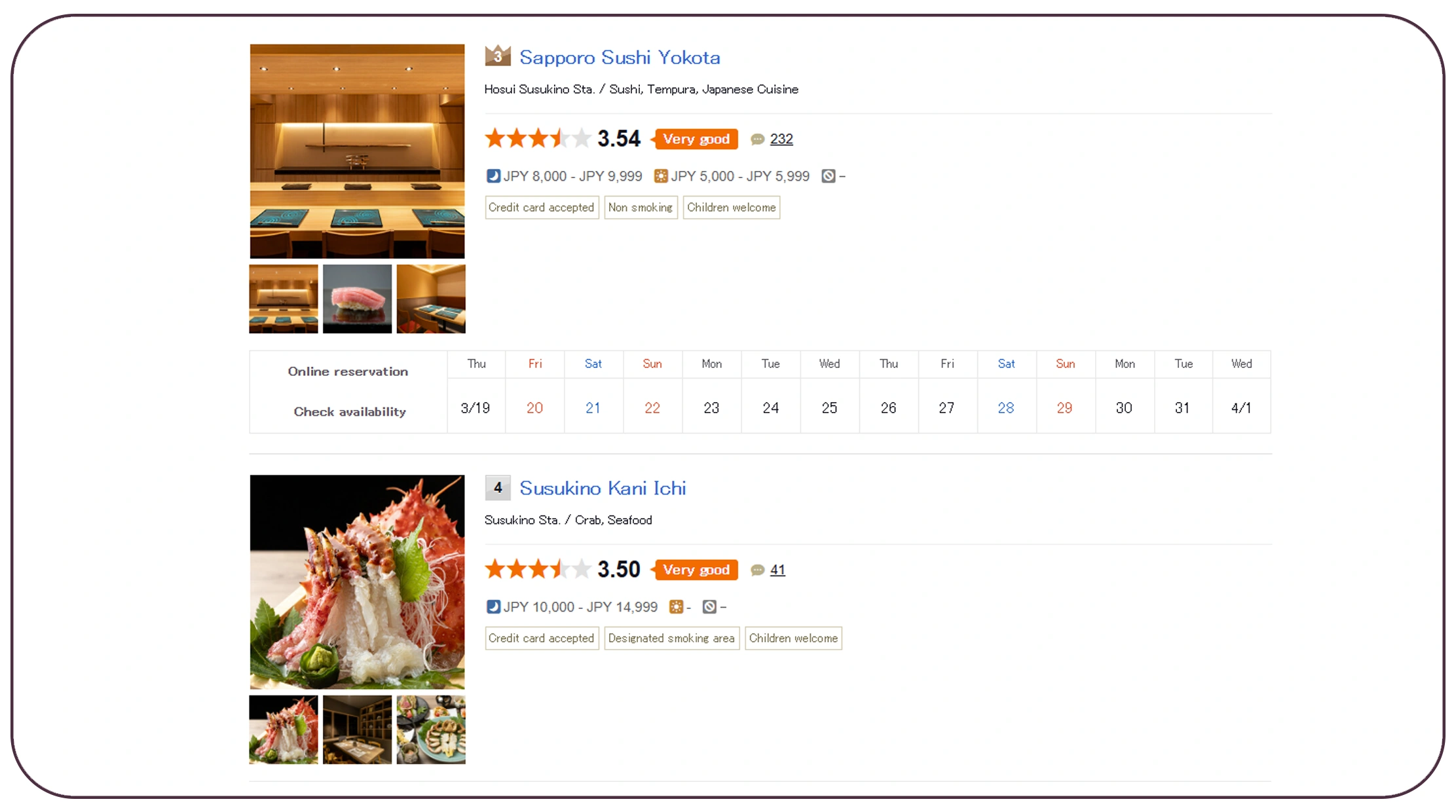
Understanding competitors is essential for gaining a strategic advantage in Japan’s food delivery ecosystem. By using tools that enable web scraping Japan restaurant competitor analysis data, businesses can monitor competitor menus, pricing, customer reviews, and promotional strategies. This data provides a comprehensive view of the competitive landscape and helps identify gaps and opportunities.
Between 2020 and 2026, the number of food delivery platforms and restaurants in Japan has grown significantly, increasing competition.
| Year | Active Restaurants | Avg Orders/Day | Competition Growth (%) |
|---|---|---|---|
| 2020 | 450,000 | 1.2M | 10% |
| 2021 | 480,000 | 1.5M | 15% |
| 2022 | 520,000 | 1.9M | 20% |
| 2023 | 580,000 | 2.3M | 25% |
| 2024 | 640,000 | 2.8M | 30% |
| 2025 | 700,000 | 3.2M | 35% |
| 2026 | 760,000 | 3.8M | 40% |
By analyzing competitor data, restaurants can refine pricing strategies, introduce competitive offers, and improve menu positioning. This leads to better customer acquisition and retention. Additionally, identifying competitor strengths and weaknesses allows businesses to differentiate themselves effectively in a crowded market.
Unlocking Market Trends Through Data Intelligence
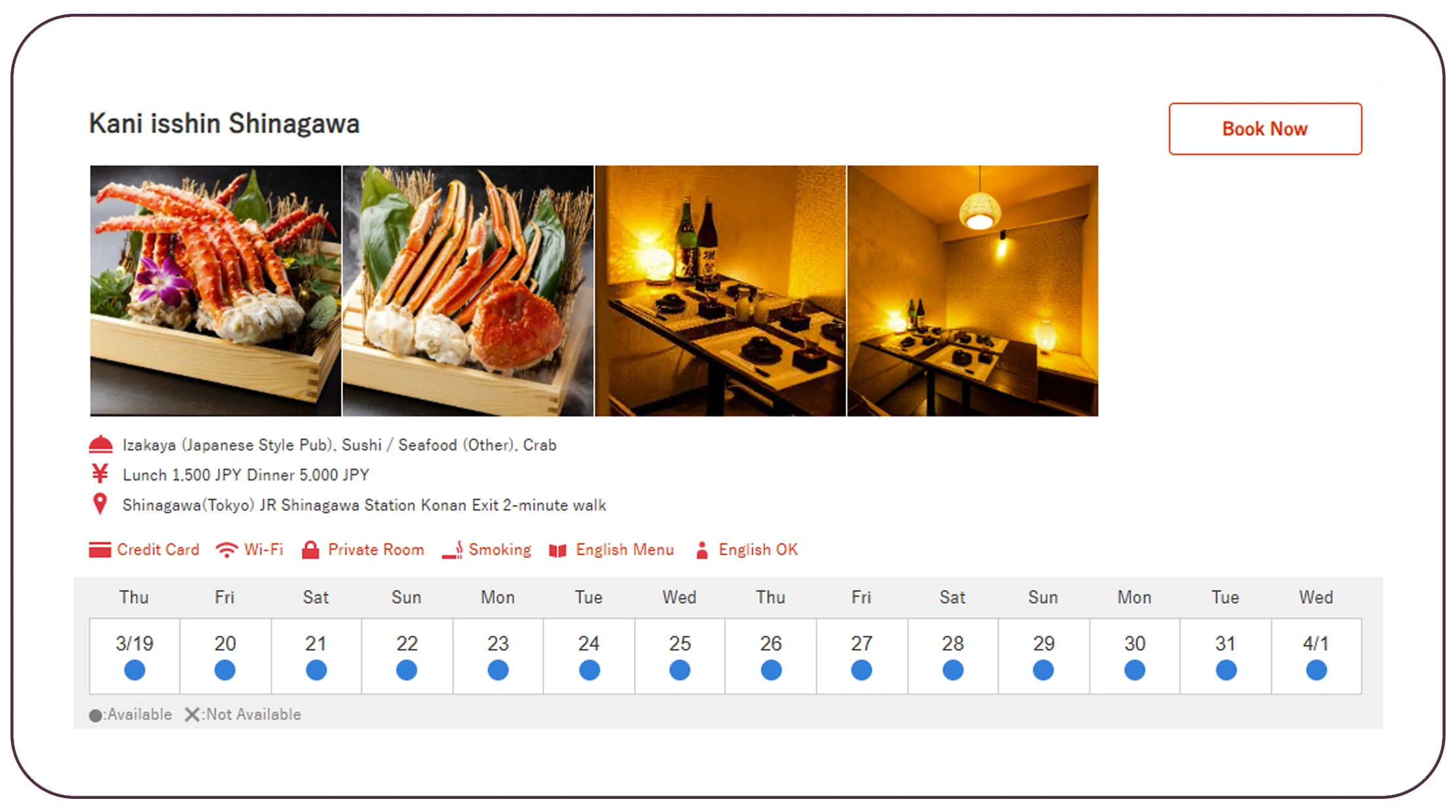
The Japanese food delivery market is driven by evolving consumer preferences, seasonal demand, and digital adoption. With Food delivery data extraction for Japanese market insights, businesses can track these changes and adapt accordingly.
Consumer demand has shifted toward convenience, healthier options, and premium experiences. Data collected from delivery platforms helps identify trending cuisines, popular dishes, and peak ordering times.
| Year | Market Size (USD Billion) | Online Orders Growth (%) |
|---|---|---|
| 2020 | 20 | 25% |
| 2021 | 24 | 30% |
| 2022 | 29 | 35% |
| 2023 | 34 | 40% |
| 2024 | 39 | 45% |
| 2025 | 44 | 50% |
| 2026 | 50 | 55% |
These insights allow restaurants to align their offerings with customer preferences. For example, introducing trending menu items or adjusting portion sizes based on demand can significantly boost sales. Data-driven decision-making ensures that businesses stay relevant and competitive in a rapidly evolving market.
Improving Pricing Strategies with Data Insights
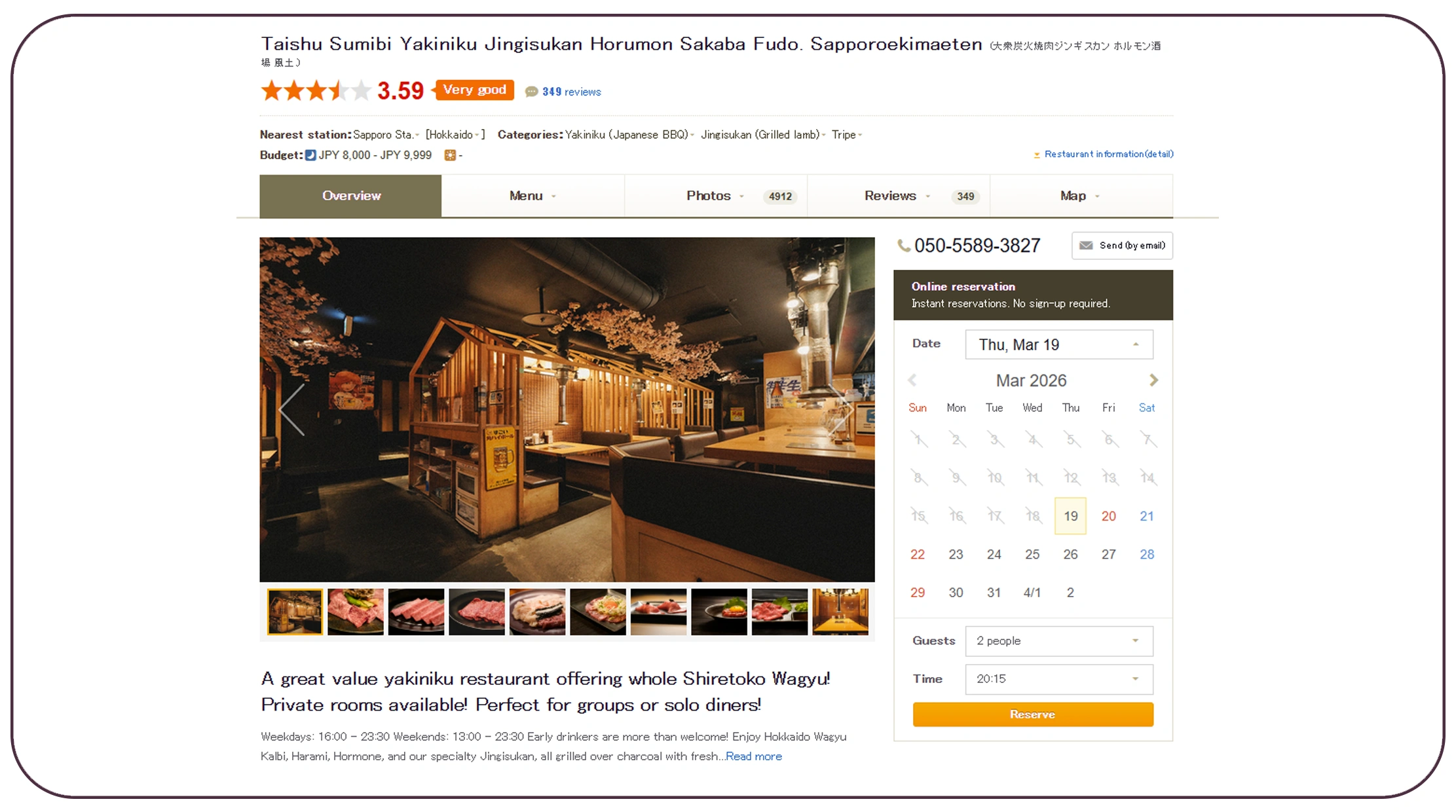
Pricing plays a crucial role in determining a restaurant’s success on food delivery platforms. By leveraging tools to Extract Japan restaurant pricing strategy insights, businesses can analyze competitor pricing and customer willingness to pay.
From 2020 to 2026, average meal prices have increased due to rising costs and demand.
| Year | Avg Meal Price (USD) | Price Growth (%) |
|---|---|---|
| 2020 | 8.5 | 5% |
| 2021 | 9.0 | 6% |
| 2022 | 9.8 | 8% |
| 2023 | 10.5 | 10% |
| 2024 | 11.2 | 12% |
| 2025 | 12.0 | 14% |
| 2026 | 12.8 | 16% |
By analyzing pricing data, restaurants can implement dynamic pricing strategies, offer targeted discounts, and maximize profitability. Understanding price sensitivity helps businesses strike the right balance between affordability and revenue generation. This approach ensures long-term sustainability and growth.
Leveraging Real-Time Data for Instant Decisions
In a fast-paced market, real-time insights are essential for staying competitive. A real-time Japan food delivery pricing monitoring data system allows businesses to track pricing changes, demand fluctuations, and competitor activities instantly.
| Time Slot | Avg Order Volume | Avg Price (USD) |
|---|---|---|
| Morning | 0.8M | 10.5 |
| Afternoon | 1.2M | 11.0 |
| Evening | 1.8M | 12.2 |
Real-time data enables restaurants to adjust prices dynamically, optimize delivery times, and manage inventory efficiently. For example, increasing prices during peak hours or offering discounts during slow periods can improve revenue and order volume.
Additionally, real-time monitoring enhances customer experience by ensuring accurate pricing and availability. Businesses can respond quickly to market changes, reducing the risk of lost opportunities and improving overall performance.
Building a Scalable Data Foundation for Growth
To handle large volumes of food delivery data, businesses need a structured and scalable system. A comprehensive Food Dataset provides a centralized repository for storing and analyzing data.
| Year | Data Volume (TB) |
|---|---|
| 2020 | 2 |
| 2021 | 4 |
| 2022 | 7 |
| 2023 | 10 |
| 2024 | 14 |
| 2025 | 18 |
| 2026 | 22 |
With a well-organized dataset, businesses can perform advanced analytics, including predictive modeling and customer segmentation. This helps in forecasting demand, optimizing operations, and improving decision-making.
A scalable data infrastructure ensures that businesses can handle increasing data volumes without compromising performance. It also enables seamless integration with analytics tools, providing deeper insights into market trends and customer behavior.
Enhancing Efficiency Through Continuous Monitoring
Continuous monitoring is critical for maintaining competitiveness in the food delivery market. By implementing Price Monitoring, businesses can track changes in pricing, promotions, and demand patterns across platforms.
| Metric | Without Monitoring | With Monitoring |
|---|---|---|
| Pricing Accuracy | 70% | 95% |
| Revenue Growth | 10% | 30% |
| Customer Retention | 60% | 85% |
Price monitoring helps businesses identify opportunities for optimization and respond quickly to market changes. For example, adjusting prices based on competitor actions or demand fluctuations can significantly improve profitability.
Additionally, continuous monitoring ensures consistency in pricing and service quality, enhancing customer trust and loyalty. This proactive approach allows restaurants to stay ahead of competitors and achieve long-term success.
Why Choose Real Data API?
- Advanced Data Extraction Capabilities
Our Web Scraping API ensures accurate and real-time data collection from multiple food delivery platforms. - Comprehensive Market Insights
We help businesses scrape Japan food delivery platform data for restaurant analytics to gain actionable insights. - Scalable and Reliable Solutions
Designed to handle large datasets efficiently, ensuring seamless performance. - Customizable Analytics Tools
Tailored solutions to meet specific business requirements and objectives.
Conclusion
In the rapidly evolving food delivery industry, data-driven strategies are essential for success. By leveraging advanced tools to scrape Japan food delivery platform data for restaurant analytics, businesses can gain deeper insights into customer behavior, pricing trends, and market dynamics. From competitor analysis to real-time monitoring, data analytics empowers restaurants to make informed decisions and achieve better results.
Ready to gain 40% better restaurant insights? Partner with Real Data API today and transform your business with powerful data-driven solutions!
Latest posts
How To Solve Product Data Tracking Challenges At Scale with Costco Web Data Scraper For Product Information
Truthsocial Data Scraping For Real-Time Social Media Insights

Zara Web Data Scraper For Fashion Trend Analysis - How Retailers Overcome Fast-Changing Fashion Demand & Inventory Challenges
How Real Estate Web Scraping Using Bayut API Solves Rental Pricing and Property Tracking Problems?







.png)