Introduction
Fashion retailers operate in an environment where consumer preferences can change rapidly. A style that performs strongly in one season can lose momentum quickly as shoppers move toward new colors, silhouettes, materials, and price points. This creates a major business challenge: retailers need reliable market intelligence to understand what is changing and adjust product, pricing, and inventory strategies before opportunities disappear.
A Zara web data scraper for fashion trend analysis can help retailers collect structured information about products, categories, prices, colors, sizes, availability, and other publicly available attributes. When this information is collected consistently, businesses can compare assortment changes, identify emerging product patterns, monitor competitors, and improve demand planning.
For fashion businesses, Zara Fashion Datasets can become a valuable input for competitive research, assortment planning, trend identification, pricing analysis, and inventory intelligence. Real Data API provides scalable data collection solutions that help businesses transform web information into structured datasets and actionable market insights.
Building a Stronger Competitive Research Framework
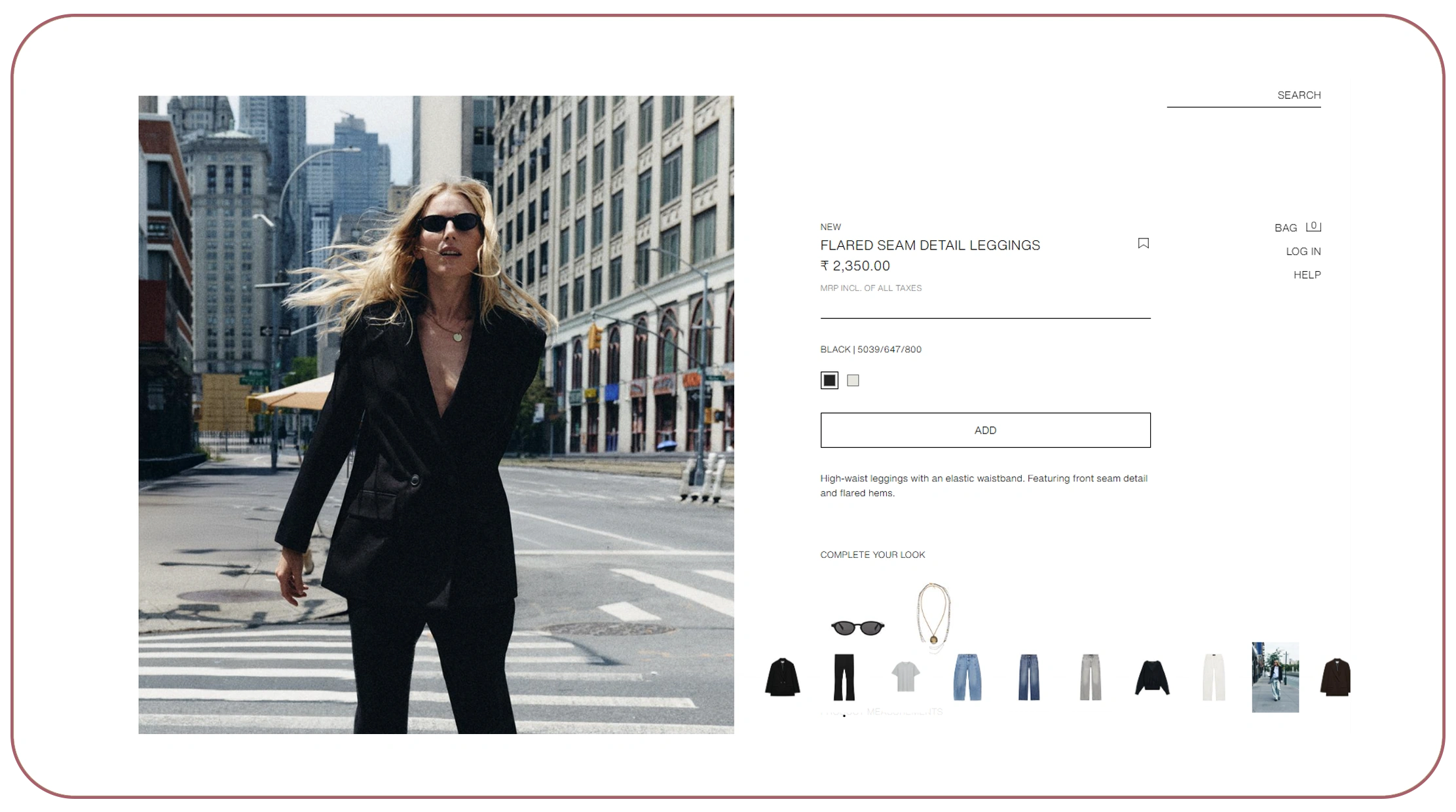
Fashion competition is no longer limited to comparing seasonal collections. Retailers need to understand how frequently competitors introduce products, change prices, update categories, and adjust availability. Zara product data extraction for competitive research can help businesses collect product-level information and organize it into a format suitable for benchmarking.
The value comes from monitoring patterns rather than individual products. Retailers can compare category breadth, price ranges, product attributes, colors, materials, and assortment changes. By analyzing these signals over time, businesses can identify where competitors are increasing or reducing focus.
| Year | Competitive Data Monitoring Priority | Business Focus |
|---|---|---|
| 2020 | Product availability | Digital retail visibility |
| 2021 | Product assortment | Category expansion |
| 2022 | Pricing | Competitive benchmarking |
| 2023 | Product attributes | Trend identification |
| 2024 | Assortment movement | Demand planning |
| 2025 | Real-time changes | Faster decision-making |
| 2026 | Predictive intelligence | Trend and inventory optimization |
The table represents a strategic progression rather than reported Zara performance figures. In practice, retailers can use collected product information to develop their own year-over-year benchmarks.
For example, if a competitor consistently introduces a particular color family across several categories, retailers can investigate whether the trend is isolated or becoming widespread. Similarly, tracking price movements can reveal whether a competitor is pursuing premium positioning, promotional pricing, or broader price segmentation.
This approach helps solve a common business problem: making competitive decisions based on incomplete or outdated information. Structured data provides a more consistent foundation for assortment planning and strategic research.
Turning Product Information into Market Intelligence
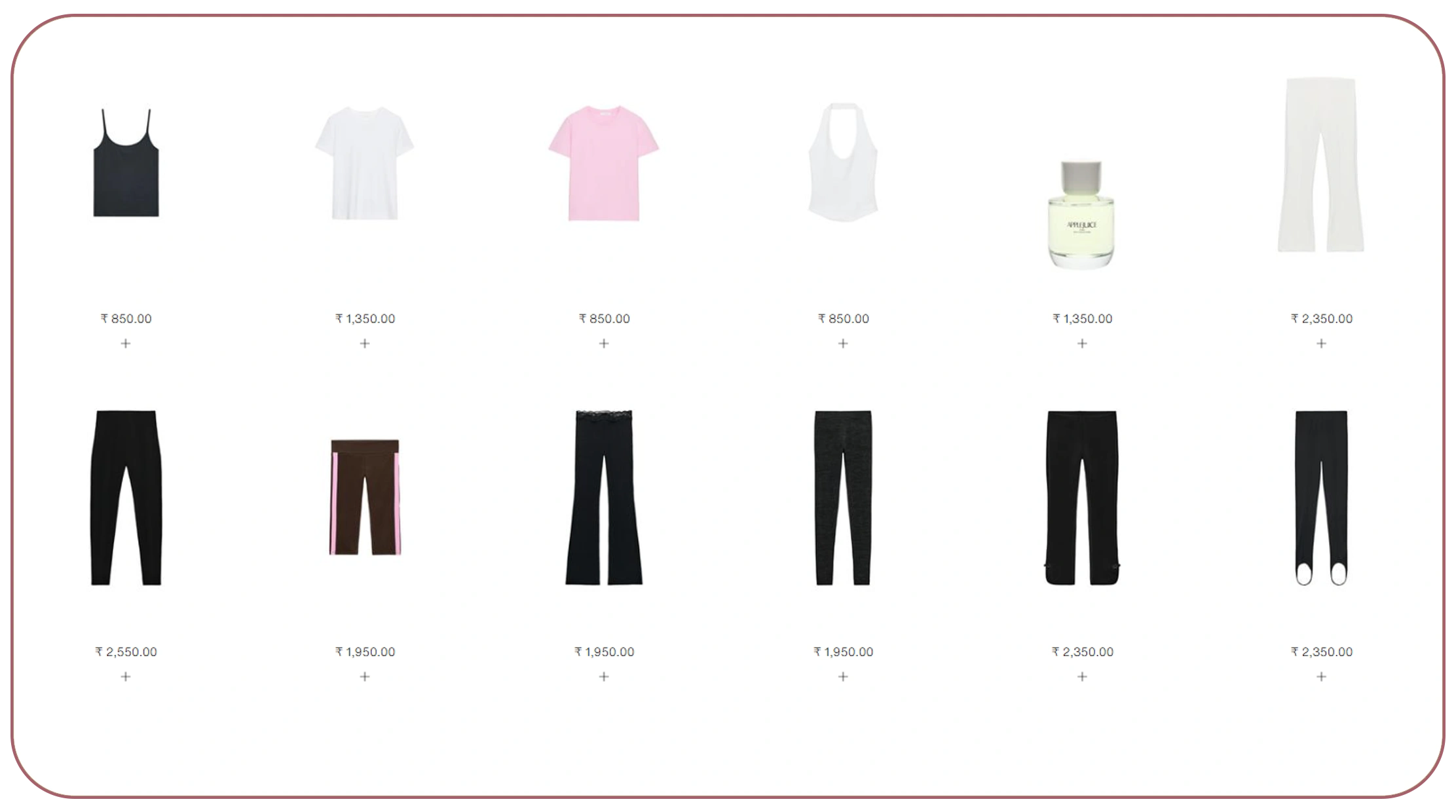
Collecting fashion product information is only the beginning. The real value appears when raw product records are transformed into business intelligence. extract Zara product information for market intelligence enables retailers to study the relationship between products, pricing, availability, categories, and emerging consumer preferences.
A structured dataset can help answer questions such as which categories are expanding, which price ranges are becoming more prominent, which colors appear more frequently, and how quickly products move in and out of an assortment.
| Year | Market Intelligence Focus | Potential Business Application |
|---|---|---|
| 2020 | Digital assortment | Online merchandising |
| 2021 | Category expansion | Product planning |
| 2022 | Price comparison | Pricing strategy |
| 2023 | Style attributes | Trend research |
| 2024 | Product movement | Assortment optimization |
| 2025 | Availability signals | Inventory planning |
| 2026 | Predictive analysis | Demand forecasting |
These are strategic benchmark categories, not claims about Zara's actual yearly results.
Market intelligence becomes particularly valuable when retailers combine multiple attributes. A product's price alone may not reveal much, but price combined with color, material, category, availability, and product positioning can provide a more meaningful market signal.
For instance, if a certain style repeatedly appears across multiple product categories while remaining available at different price levels, retailers can investigate its potential commercial relevance. Similarly, a sudden increase in products featuring a specific design characteristic may indicate a developing trend.
This process allows retailers to move from reactive decisions toward proactive planning. Instead of waiting for sales data to confirm a trend, businesses can monitor marketplace signals earlier and use them to guide product development, merchandising, and inventory strategies.
Creating Scalable Data Access for Fashion Teams
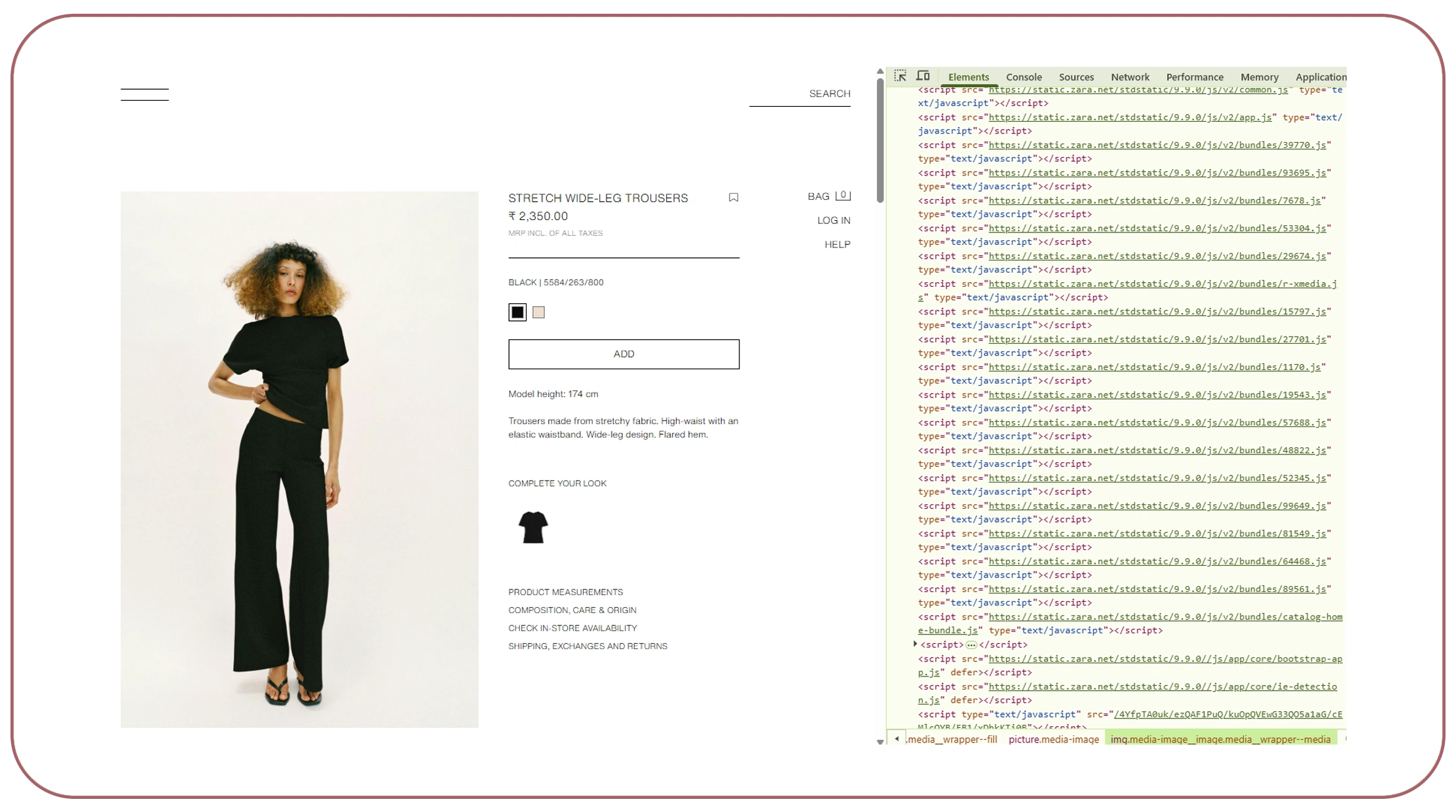
Fashion companies often need data for multiple purposes at the same time. Product teams may need assortment information, pricing teams may require price histories, marketing teams may analyze product positioning, and analysts may need data for forecasting models. A centralized data solution can make these workflows more efficient.
A Zara data extraction API for fashion businesses can provide structured access to product information without requiring teams to repeatedly conduct manual research. Depending on project requirements, data fields can include product names, categories, prices, colors, sizes, materials, product descriptions, availability, and other publicly available attributes.
| Year | Data Infrastructure Priority | Expected Operational Benefit |
|---|---|---|
| 2020 | Basic extraction | Faster research |
| 2021 | Structured datasets | Easier analysis |
| 2022 | Automated workflows | Lower manual effort |
| 2023 | API-based delivery | Faster data access |
| 2024 | Recurring collection | Updated intelligence |
| 2025 | Multi-source integration | Broader market view |
| 2026 | AI-ready datasets | Advanced analytics |
These figures describe the evolution of data requirements rather than Zara-specific performance statistics.
The API approach becomes especially useful when fashion companies need recurring data. Instead of creating a new research project every time a team needs updated information, an automated workflow can provide data according to predefined requirements.
This can also improve collaboration between departments. Product teams can work from the same structured records as analysts and strategy teams. Historical datasets can be retained to identify assortment changes, price movements, and product lifecycle patterns.
For Real Data API customers, the goal is not simply to collect large quantities of information. The objective is to create usable datasets that fit existing analytical workflows and help businesses solve specific problems such as competitive monitoring, trend detection, pricing intelligence, and inventory planning.
Moving from Periodic Research to Faster Market Monitoring

Fashion trends can change faster than traditional research cycles. Monthly or quarterly market reviews may not provide sufficient visibility when products, prices, and availability can change frequently. real-time Zara fashion data scraping can help retailers establish a more responsive monitoring process.
Real-time or near-real-time collection should be understood according to the technical requirements of a particular project. The objective is to reduce the delay between marketplace changes and business awareness.
| Year | Monitoring Model | Strategic Opportunity |
|---|---|---|
| 2020 | Periodic collection | Basic market research |
| 2021 | Weekly monitoring | Assortment tracking |
| 2022 | Frequent collection | Price monitoring |
| 2023 | Automated monitoring | Faster competitive insights |
| 2024 | Near-real-time workflows | Inventory intelligence |
| 2025 | Event-based monitoring | Rapid response |
| 2026 | Automated intelligence | Predictive decision support |
The table represents a conceptual evolution of monitoring strategies.
A faster monitoring process can help retailers identify newly introduced products, price changes, disappearing products, and changes in category assortment. These signals can then be combined with internal sales and inventory data to create a stronger planning framework.
For example, if a competitor rapidly expands a category while introducing products within a particular price range, a retailer can investigate whether its own assortment adequately addresses the same consumer demand. Similarly, monitoring product availability can provide clues about assortment turnover and potential demand pressure.
The key benefit is speed. When businesses receive structured information sooner, they have more time to evaluate the signal and decide whether action is necessary. This is particularly important for fast-fashion businesses where product lifecycles can be short and inventory decisions have significant commercial consequences.
Combining Product and Customer Feedback Signals
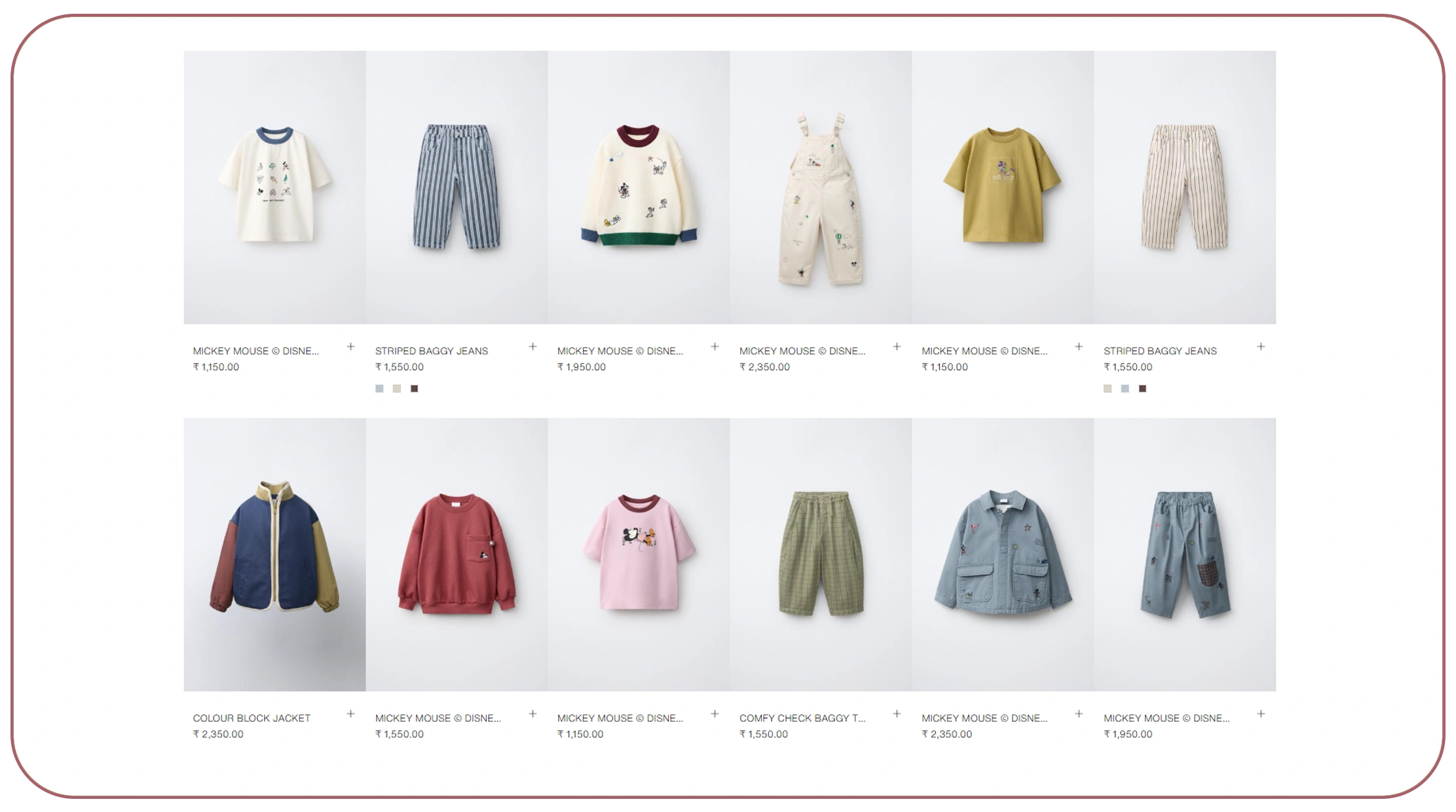
Product information explains what retailers are offering, while customer feedback can provide insight into how shoppers respond to those offerings. Combining both sources creates a more complete view of market behavior.
Zara Product and Review Datasets can support analysis that connects product attributes with customer reactions where review information is publicly available and legally collectible. Businesses can examine ratings, review themes, product characteristics, prices, and category information together.
| Year | Product & Review Intelligence | Potential Insight |
|---|---|---|
| 2020 | Product catalog analysis | Assortment visibility |
| 2021 | Rating analysis | Customer satisfaction |
| 2022 | Review themes | Product feedback |
| 2023 | Attribute comparison | Product preference |
| 2024 | Sentiment monitoring | Consumer perception |
| 2025 | Product-feedback correlation | Merchandising intelligence |
| 2026 | AI-assisted analysis | Predictive product insights |
These are analytical use-case benchmarks, not reported Zara review statistics.
For example, a retailer could compare frequently mentioned product characteristics against product availability and pricing. If certain attributes consistently generate positive feedback, they may become useful signals for product development or assortment planning.
Similarly, negative feedback can help businesses identify potential product quality or positioning issues. When review data is analyzed at scale, recurring themes can be easier to identify than when teams examine reviews individually.
This type of intelligence can also support marketing decisions. Brands can understand which product attributes customers discuss most frequently and use that knowledge to improve product descriptions, merchandising content, and promotional messaging.
The combination of product and customer data ultimately helps retailers answer a more important question: not only what is available in the market, but what consumers appear to value about those products.
Building an Integrated Fashion Intelligence Ecosystem

The future of fashion intelligence is moving toward integrated data environments where product, pricing, availability, and trend signals can be analyzed together. A Zara API, Zara web data scraper for fashion trend analysis can contribute to this ecosystem by providing structured marketplace information that businesses can combine with internal and external datasets.
| Year | Intelligence Capability | Business Outcome |
|---|---|---|
| 2020 | Product tracking | Better catalog visibility |
| 2021 | Price tracking | Competitive awareness |
| 2022 | Assortment analysis | Improved product planning |
| 2023 | Trend monitoring | Faster trend identification |
| 2024 | Availability analysis | Better inventory visibility |
| 2025 | Multi-source intelligence | Comprehensive market view |
| 2026 | Predictive analytics | More proactive decisions |
The figures represent a conceptual maturity framework rather than Zara's actual yearly data.
An integrated system can help fashion businesses connect external market signals with internal performance. For example, a retailer could compare competitor assortment changes with its own sales performance and inventory levels. If a particular product category is expanding externally while internal demand is also increasing, the combined signal may justify additional research or inventory action.
Historical datasets are equally important. A single snapshot provides limited context, while multiple data points collected over time can reveal trends, seasonality, and product lifecycle patterns.
This is where an API-driven approach can become especially valuable. Structured data can feed dashboards, analytics platforms, machine learning workflows, and business intelligence systems. Fashion businesses can therefore move beyond manually reviewing competitor websites and instead develop repeatable intelligence processes.
The ultimate objective is better decision-making. Data cannot guarantee that a trend will succeed, but it can provide stronger evidence for decisions involving product development, pricing, merchandising, and inventory allocation.
Why Choose Real Data API?
Real Data API helps businesses turn publicly available web information into structured datasets designed for specific analytical needs. Our solutions are built for organizations that require scalable data collection, recurring monitoring, and customized outputs.
Retailers Scrape Fashion Inventory Data with Zara API, Zara web data scraper for fashion trend analysis to strengthen visibility into competitor products, pricing, availability, and assortment changes.
The key advantage is customization. Fashion businesses can define the products, categories, attributes, collection frequency, and output format that align with their business objectives. Instead of receiving generic information, teams can build datasets around specific use cases such as trend forecasting, competitive benchmarking, assortment planning, price monitoring, or inventory intelligence.
Real Data API also supports structured workflows that can be integrated into analytical systems. This allows businesses to move data from collection to analysis more efficiently. Recurring extraction can help maintain updated datasets, while historical records provide a foundation for identifying changes over time.
For retailers facing fast-changing fashion demand, timely information can improve decision speed and reduce reliance on manual competitor research. Real Data API provides the technology and flexibility required to build a scalable fashion intelligence workflow.
Conclusion
Fashion retailers need to make decisions faster as consumer preferences, product assortments, pricing, and inventory conditions continue to change. A structured Zara web data scraper for fashion trend analysis can help businesses monitor these market signals and transform them into actionable intelligence.
From competitive research and price monitoring to assortment analysis, customer feedback, and inventory intelligence, structured fashion data can support multiple stages of the retail decision-making process. Historical collection also enables businesses to identify patterns instead of relying on isolated observations.
Real Data API helps retailers create customized data pipelines aligned with their specific business objectives, providing structured information that can support analytics, dashboards, forecasting, and strategic planning.
Need reliable fashion market intelligence? Contact Real Data API to build a customized fashion data collection solution for your business!
Latest posts
Zara Web Data Scraper For Fashion Trend Analysis - How Retailers Overcome Fast-Changing Fashion Demand & Inventory Challenges
How Real Estate Web Scraping Using Bayut API Solves Rental Pricing and Property Tracking Problems?
How Trendyol Data Collection for Ecommerce Market Research Solves Assortment, Pricing, and Market Intelligence Challenges?
How Gemini Scraper For Real-Time Data Extraction Enables Faster Market Intelligence, Monitoring, and Competitive Analysis






.png)