Introduction
In today’s highly competitive retail environment, staying ahead requires more than just quality products—it demands accurate, real-time insights into competitor pricing and market trends. Businesses must continuously monitor pricing fluctuations, promotional strategies, and consumer demand to remain competitive. This is where Scrape New Zealand retailers competitor price monitoring data becomes essential. By leveraging a robust Web Scraping API, retailers can automate data collection from multiple eCommerce platforms, ensuring they always have up-to-date pricing intelligence. These insights empower businesses to make data-driven decisions, optimize pricing strategies, and enhance profitability. As digital commerce continues to grow, companies that adopt advanced data extraction technologies gain a significant advantage in understanding market dynamics and responding proactively to changes.
Understanding Pricing Patterns Across Online Retail

Retailers need deep insights into pricing behavior to stay competitive. By using extract product pricing data from New Zealand eCommerce websites, businesses can gather structured datasets that reveal pricing trends, seasonal variations, and competitor positioning.
Between 2020 and 2026, New Zealand’s eCommerce sector has grown rapidly, with online retail sales increasing by over 45%. Price fluctuations across platforms can vary between 10% and 25%, significantly impacting customer decisions.
Key insights include:
- Online retail sales increased from NZD 6 billion in 2020 to NZD 9.5 billion in 2026
- Seasonal pricing changes impact product prices by 12–20%
- Competitor price differences average 10–25%
| Year | eCommerce Sales (NZD Bn) | Price Variation (%) |
|---|---|---|
| 2020 | 6.0 | 10% |
| 2022 | 7.2 | 15% |
| 2024 | 8.5 | 20% |
| 2026 | 9.5 | 25% |
These insights help retailers align pricing strategies with market demand and competitor behavior.
Improving Competitive Benchmarking Strategies
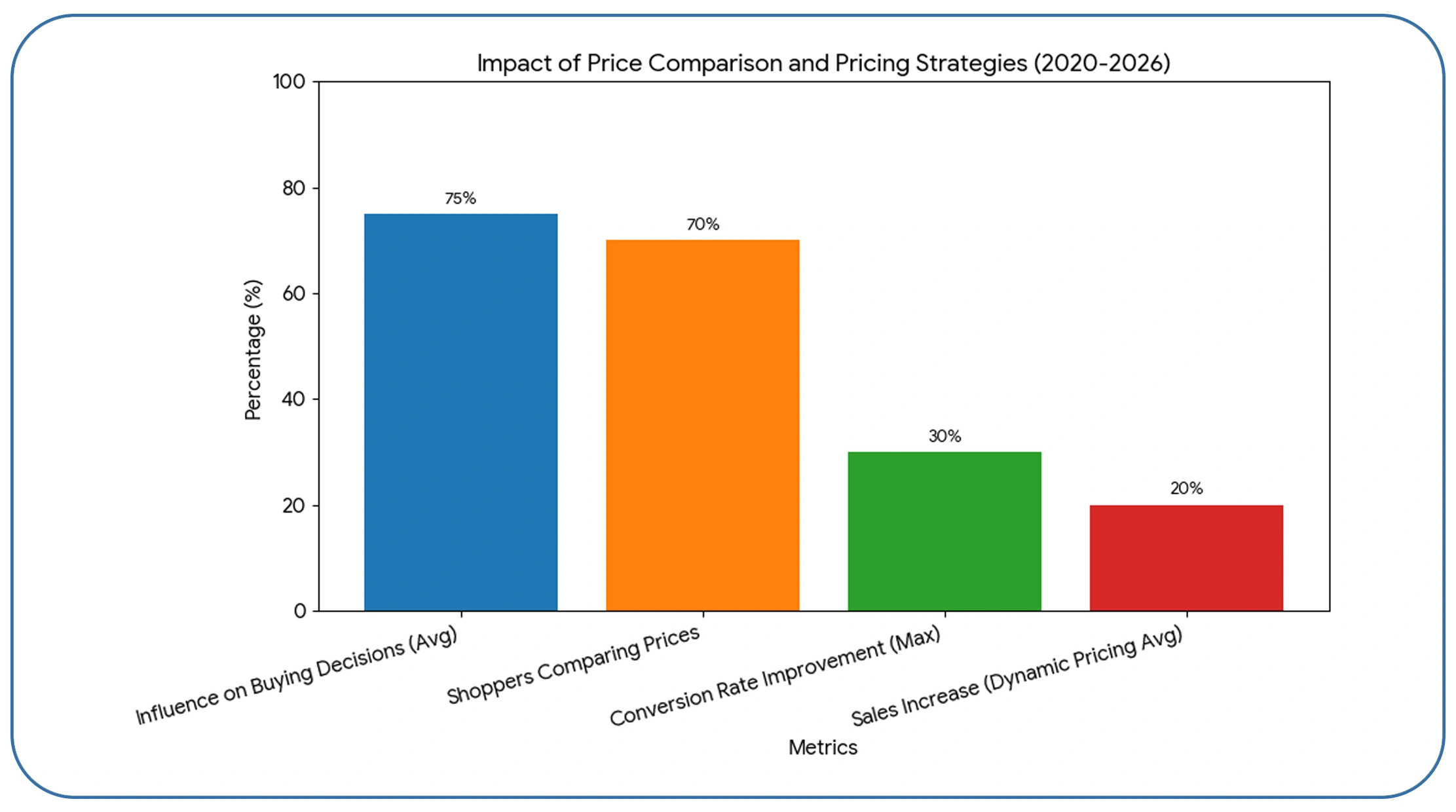
To remain competitive, businesses must continuously compare their prices with competitors. By leveraging Web Scraping New Zealand online stores data for product price comparison, retailers can benchmark pricing across multiple platforms.
From 2020 to 2026, over 70% of online shoppers compare prices before making a purchase. Businesses using automated price comparison tools improved conversion rates by up to 30%.
Key observations:
- Price comparison influences 70–80% of buying decisions
- Competitive pricing improves conversion rates by 20–30%
- Dynamic pricing strategies increase sales by 15–25%
| Year | Price Comparison Usage (%) | Conversion Improvement (%) |
|---|---|---|
| 2020 | 65% | 20% |
| 2022 | 70% | 25% |
| 2024 | 75% | 28% |
| 2026 | 80% | 30% |
This enables businesses to position themselves effectively in the market.
Leveraging Real-Time Data for Pricing Decisions
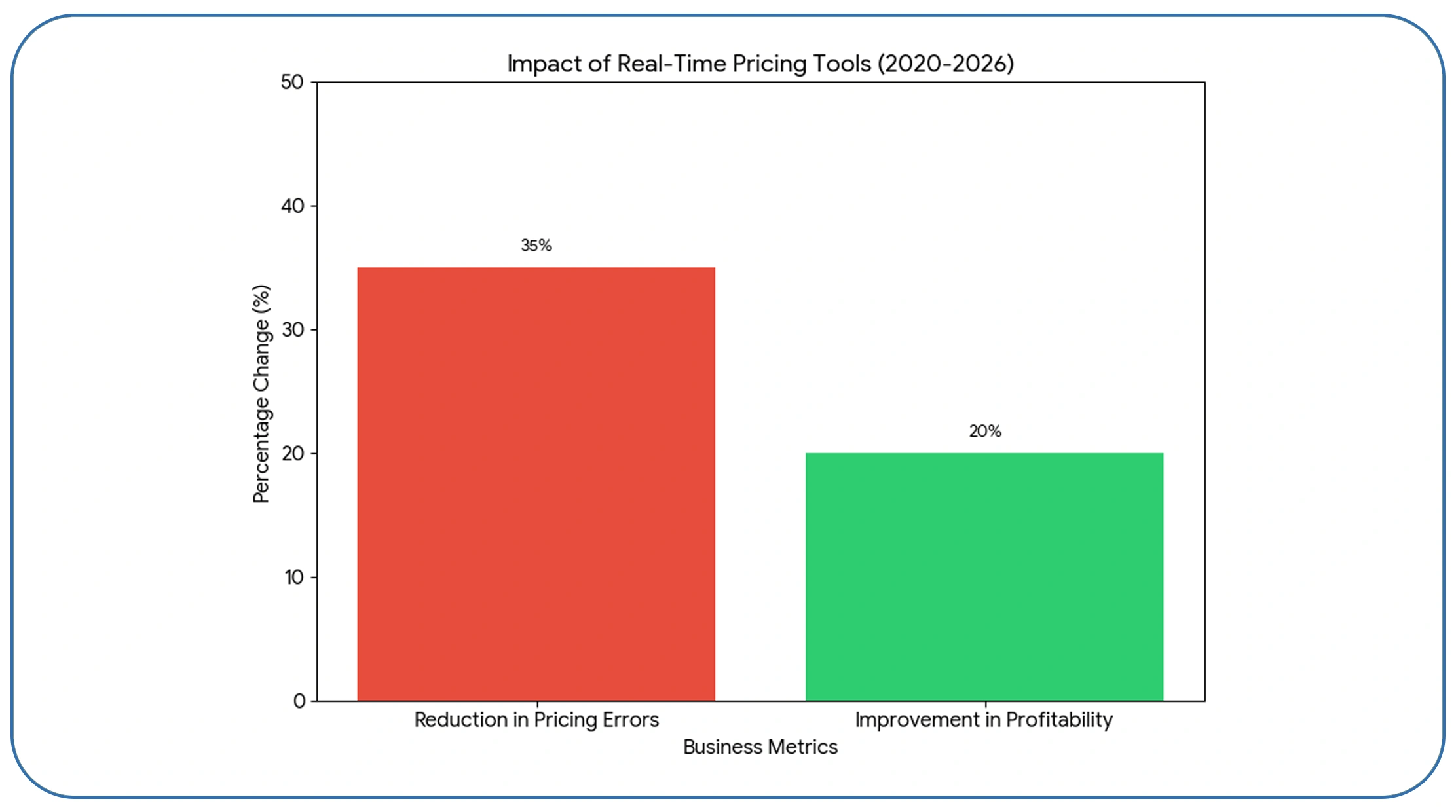
Real-time insights are critical for dynamic pricing strategies. By implementing a Real-time New Zealand competitor pricing Data scraper, businesses can monitor competitor prices instantly and respond to changes.
Between 2020 and 2026, companies using real-time pricing tools reduced pricing errors by 35% and improved profitability by 20%.
Key benefits include:
- Instant alerts for competitor price changes
- Automated pricing adjustments
- Improved customer trust through consistent pricing
| Year | Real-Time Adoption (%) | Profitability Increase (%) |
|---|---|---|
| 2020 | 20% | 10% |
| 2022 | 35% | 15% |
| 2024 | 50% | 18% |
| 2026 | 65% | 20% |
These capabilities allow retailers to stay agile in a rapidly changing market.
Tracking Discounts and Promotional Strategies
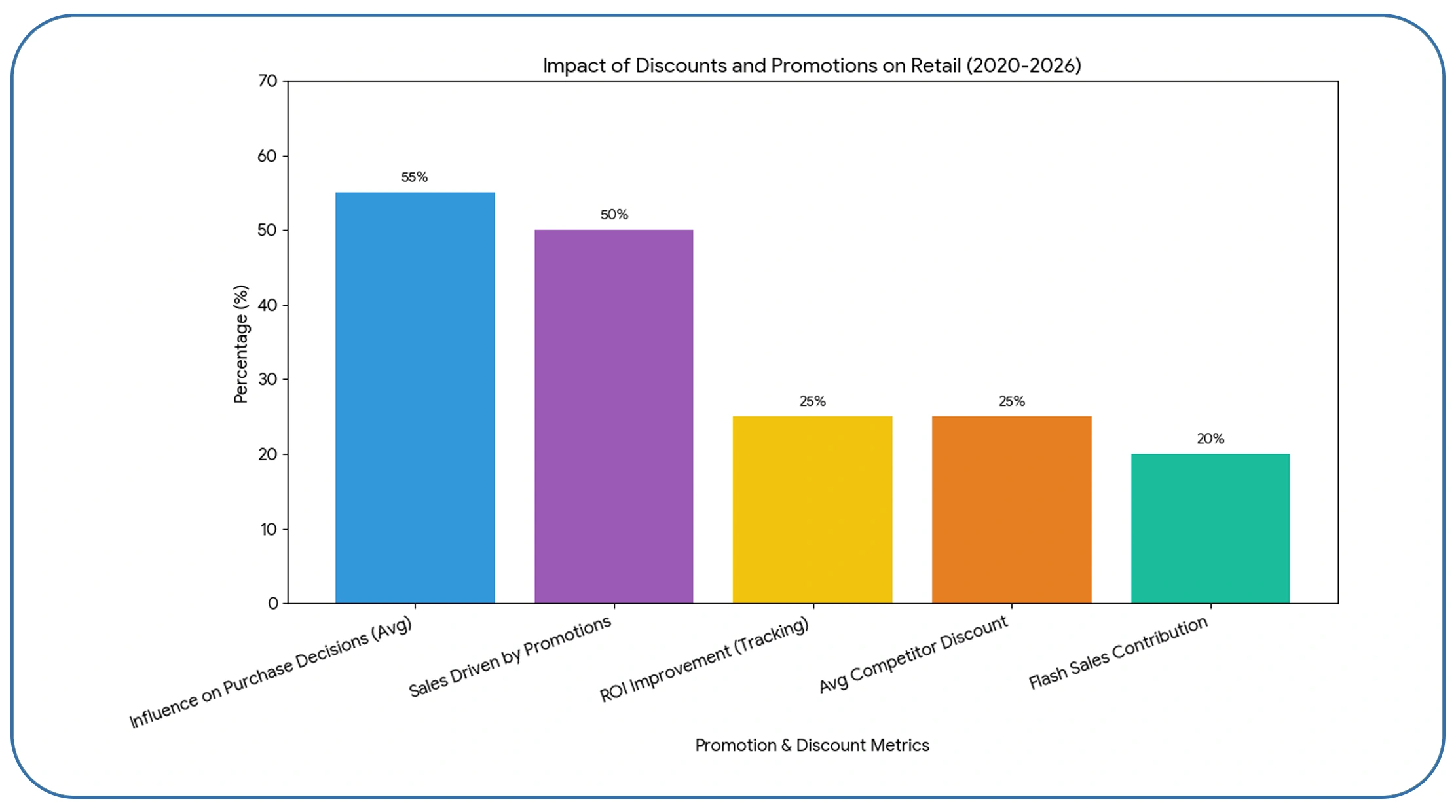
Discounts and promotions significantly influence customer purchasing behavior. By Extracting Retailers competitor discounts and offers New Zealand, businesses can monitor promotional strategies and adjust their pricing accordingly.
From 2020 to 2026, promotional campaigns have driven up to 50% of online retail sales. Retailers who tracked competitor discounts improved their promotional ROI by 25%.
Key insights include:
- Discounts influence 50–60% of purchase decisions
- Flash sales contribute to 20% of total sales
- Competitor discounts vary between 15–35%
| Year | Discount Impact (%) | Promotional ROI (%) |
|---|---|---|
| 2020 | 50% | 15% |
| 2022 | 55% | 20% |
| 2024 | 58% | 22% |
| 2026 | 60% | 25% |
This helps businesses design more effective promotional strategies.
Scaling Data Collection for Business Growth

As data requirements increase, businesses need scalable solutions. By leveraging Web Scraping Services, retailers can collect large volumes of pricing data efficiently and accurately.
Between 2020 and 2026, businesses using scalable scraping solutions improved operational efficiency by 30% and reduced data collection time by 25%.
Key advantages include:
- Automated large-scale data extraction
- Faster processing and analysis
- Improved decision-making capabilities
| Year | Efficiency Improvement (%) | Time Reduction (%) |
|---|---|---|
| 2020 | 10% | 8% |
| 2022 | 18% | 15% |
| 2024 | 25% | 20% |
| 2026 | 30% | 25% |
This ensures businesses can handle growing data demands effectively.
Building a Data-Driven Pricing Strategy
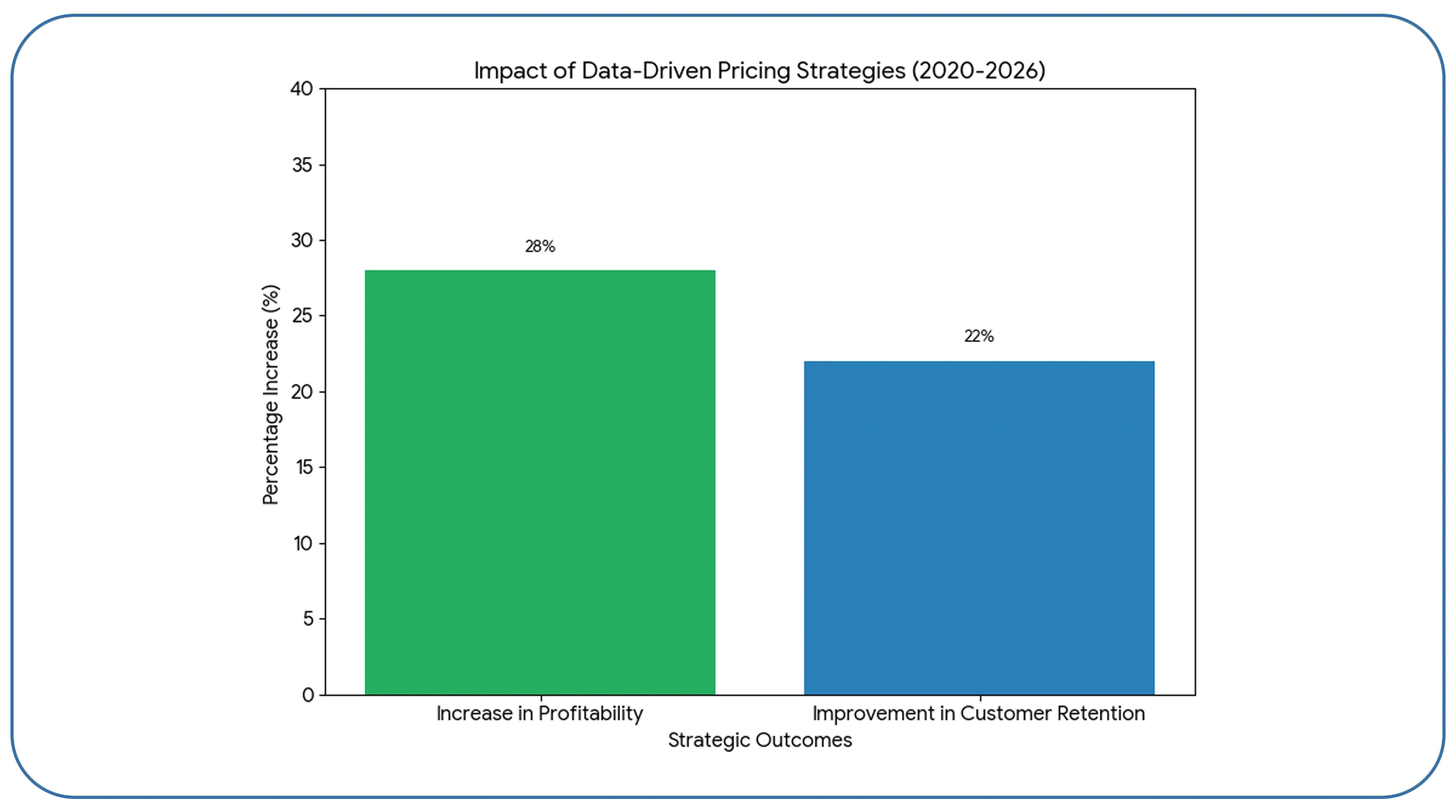
A strong pricing strategy relies on accurate insights and analytics. With Price Monitoring, businesses can combine real-time data, historical trends, and competitor analysis to optimize pricing decisions.
From 2020 to 2026, companies adopting data-driven pricing strategies saw a 28% increase in profitability and a 22% improvement in customer retention.
Strategic outcomes include:
- Data-driven pricing decisions
- Improved competitiveness
- Enhanced customer loyalty
| Year | Profitability Growth (%) | Customer Retention (%) |
|---|---|---|
| 2020 | 12% | 60% |
| 2022 | 18% | 65% |
| 2024 | 24% | 70% |
| 2026 | 28% | 75% |
This holistic approach ensures long-term success in the retail industry.
Enhancing Demand Forecasting with Data Insights

Accurate demand forecasting is essential for retailers aiming to optimize inventory and pricing strategies. By leveraging Scrape New Zealand retailers competitor price monitoring data, businesses can analyze historical and real-time pricing patterns to predict future demand trends more effectively. When combined with Price Monitoring, these insights enable retailers to align stock levels with expected demand, reducing both overstocking and stockouts.
Between 2020 and 2026, retailers using data-driven forecasting models improved demand prediction accuracy by up to 25% and reduced inventory costs by 18%. Access to real-time competitor pricing data also allows businesses to anticipate market shifts and adjust their pricing strategies proactively.
Key forecasting benefits:
- Improved demand prediction accuracy
- Reduced inventory holding costs
- Better alignment of pricing with demand trends
| Year | Forecast Accuracy (%) | Inventory Cost Reduction (%) | Demand Variability (%) |
|---|---|---|---|
| 2020 | 65% | 8% | 20% |
| 2022 | 72% | 12% | 18% |
| 2024 | 80% | 15% | 15% |
| 2026 | 90% | 18% | 12% |
These insights empower retailers to make smarter decisions, ensuring optimal stock levels and improved profitability.
Strengthening Competitive Advantage with Advanced Analytics
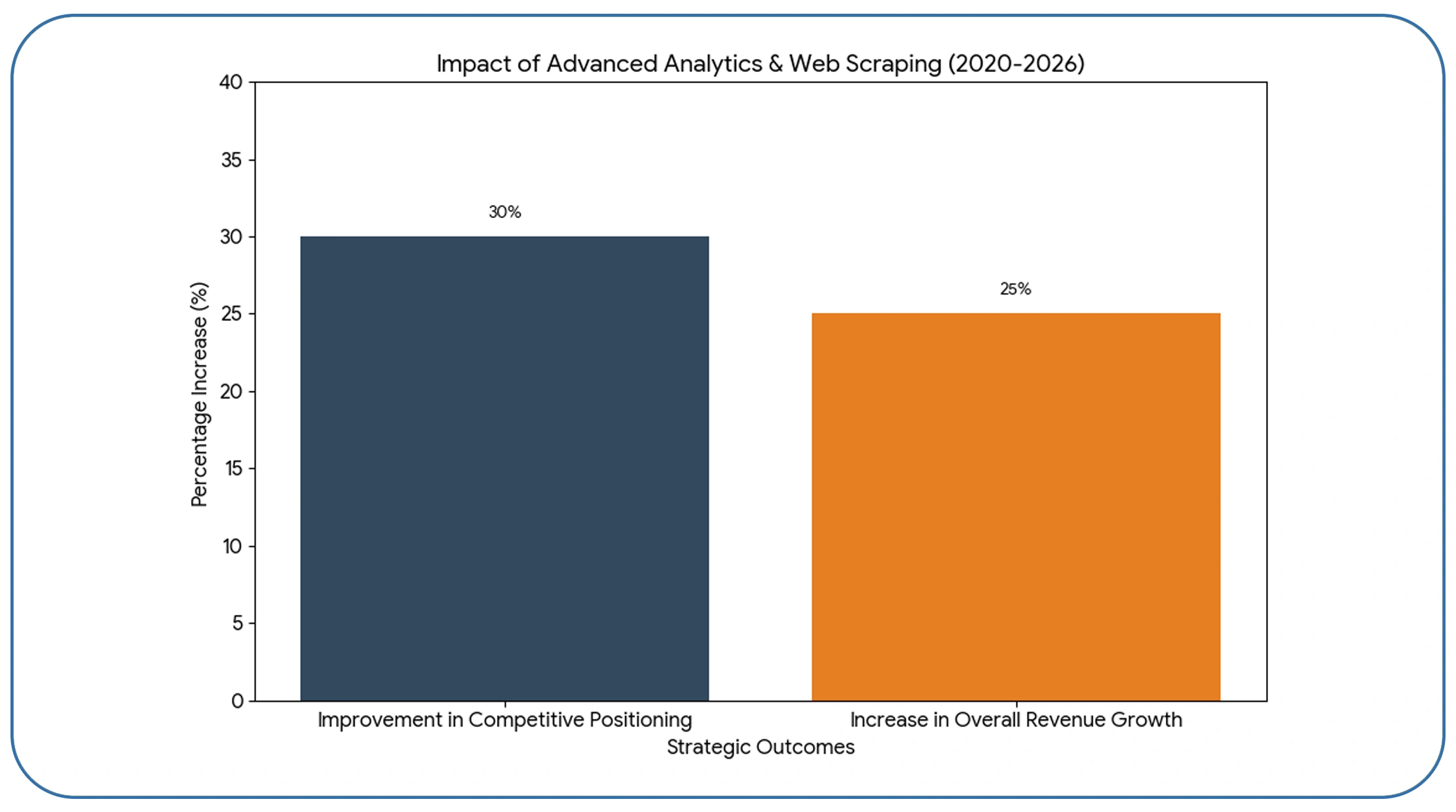
In a crowded retail market, gaining a competitive edge requires more than just tracking prices—it demands advanced analytics and actionable insights. By utilizing Web Scraping Services alongside Web Scraping Datasets, businesses can transform raw competitor pricing data into meaningful intelligence that drives strategic decisions.
From 2020 to 2026, companies leveraging advanced analytics reported a 30% improvement in competitive positioning and a 25% increase in overall revenue growth. These tools enable retailers to identify pricing gaps, analyze competitor behavior, and implement dynamic pricing strategies that maximize margins.
Key strategic advantages:
- Identification of underpriced and overpriced products
- Enhanced promotional planning
- Improved market responsiveness
| Year | Competitive Advantage (%) | Revenue Growth (%) | Pricing Optimization (%) |
|---|---|---|---|
| 2020 | 12% | 10% | 15% |
| 2022 | 18% | 15% | 20% |
| 2024 | 24% | 20% | 25% |
| 2026 | 30% | 25% | 30% |
By leveraging these insights, retailers can stay ahead of competitors, optimize pricing strategies, and achieve sustainable growth in a dynamic marketplace.
Why Choose Real Data API?
Real Data API offers advanced solutions for collecting and analyzing retail data at scale. With access to comprehensive Web Scraping Datasets and expertise in Scrape New Zealand retailers competitor price monitoring data, businesses can gain real-time insights into pricing trends and competitor strategies. The platform ensures accurate, reliable, and scalable data delivery, enabling retailers to make informed decisions quickly. By leveraging cutting-edge technology, Real Data API helps businesses optimize pricing, improve operational efficiency, and achieve sustainable growth in a competitive market.
Conclusion
In a rapidly evolving retail landscape, data-driven strategies are essential for staying competitive and maximizing profitability. By leveraging Scrape New Zealand retailers competitor price monitoring data, businesses can gain real-time insights, monitor competitors, and optimize pricing strategies effectively. These capabilities enable retailers to respond quickly to market changes, improve customer satisfaction, and drive revenue growth.
Ready to transform your retail pricing strategy with real-time insights? Partner with Real Data API today and unlock the power of intelligent data for sustainable business growth!
Latest posts
How Ixigo API Helps Businesses Solve Flight, Train, Hotel, Travel, and Pricing Data Challenges
How to Extract Restaurants, Menus, Prices, Ratings, and Business Data for Market Insights
How Brands Track Restaurant, Menu, Pricing, Rating, and Delivery Data for Competitive Intelligence

How Retailers Track Fashion Products, Prices, Brands, and Category Data for Competitive Intelligence Using AJIO API






.png)