Introduction
The retail industry is becoming increasingly data-driven, with businesses relying on real-time market insights to optimize pricing, inventory, promotions, and product assortment. As consumer expectations continue to evolve, retailers must monitor competitor activities, identify emerging trends, and respond quickly to changing demand. Manual market research is no longer sufficient for managing thousands of products across multiple online marketplaces and retail platforms. Automated web scraping has become an essential solution for collecting accurate, structured, and up-to-date product information at scale.
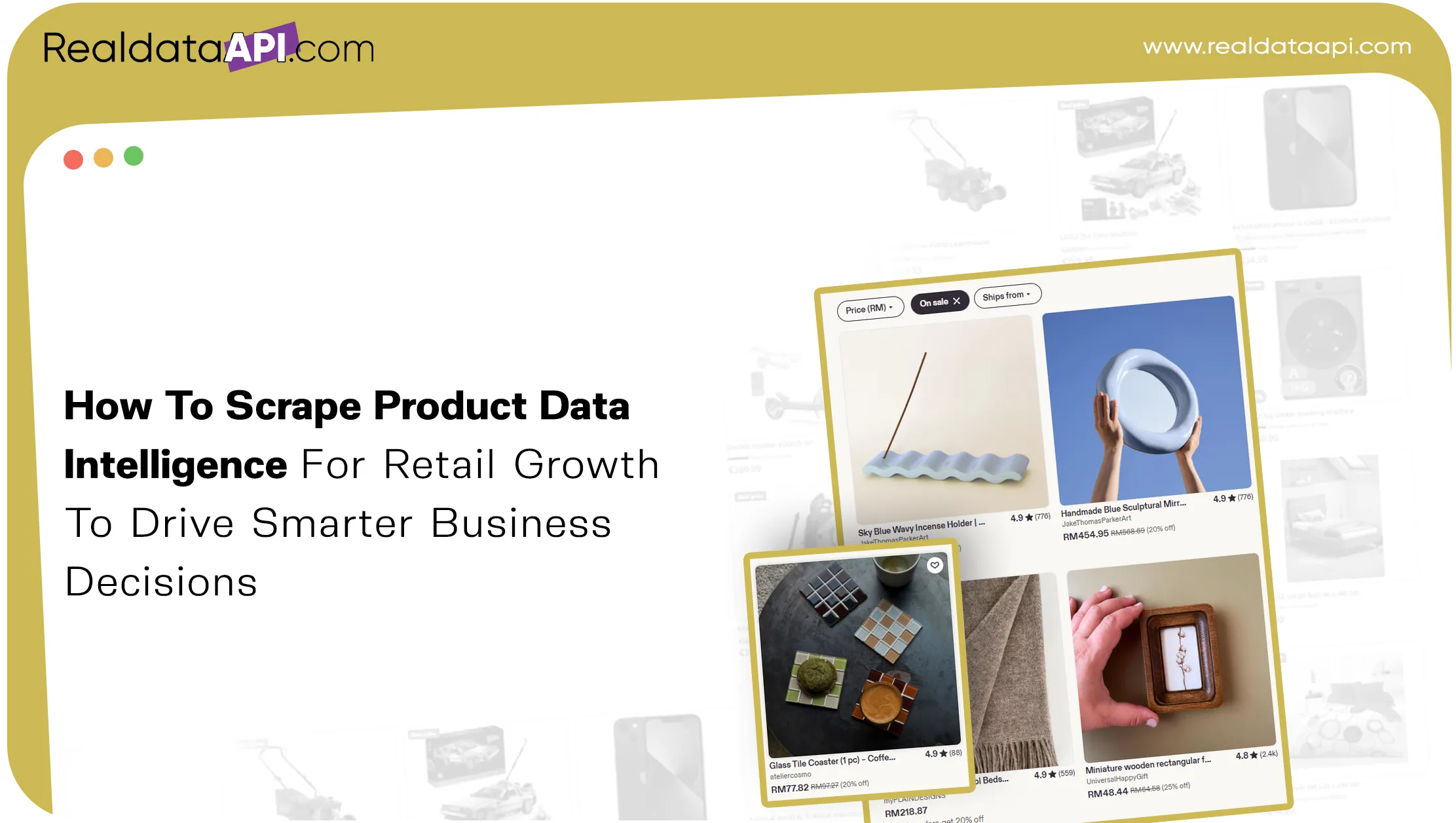
Businesses now scrape Product data intelligence for retail growth to gather valuable insights into competitor pricing, product availability, customer reviews, discount strategies, inventory levels, and assortment changes. These insights help retailers improve merchandising, increase operational efficiency, and make faster business decisions based on reliable market data.
Modern enterprises also leverage Real-Time Retail Market Monitoring Solutions to automate data collection and integrate live retail intelligence into pricing engines, business intelligence platforms, CRM systems, and AI-powered analytics tools. By transforming raw product information into actionable insights, organizations can strengthen competitive positioning, improve customer satisfaction, and drive sustainable retail growth.
Strengthening Competitive Advantage Through Better Product Visibility

Retail success depends on understanding competitor product strategies in real time. Businesses that continuously monitor pricing, product assortment, availability, promotions, and customer engagement gain valuable insights that support smarter merchandising and pricing decisions. Since eCommerce platforms update product information frequently, automated data collection has become essential for maintaining market visibility.
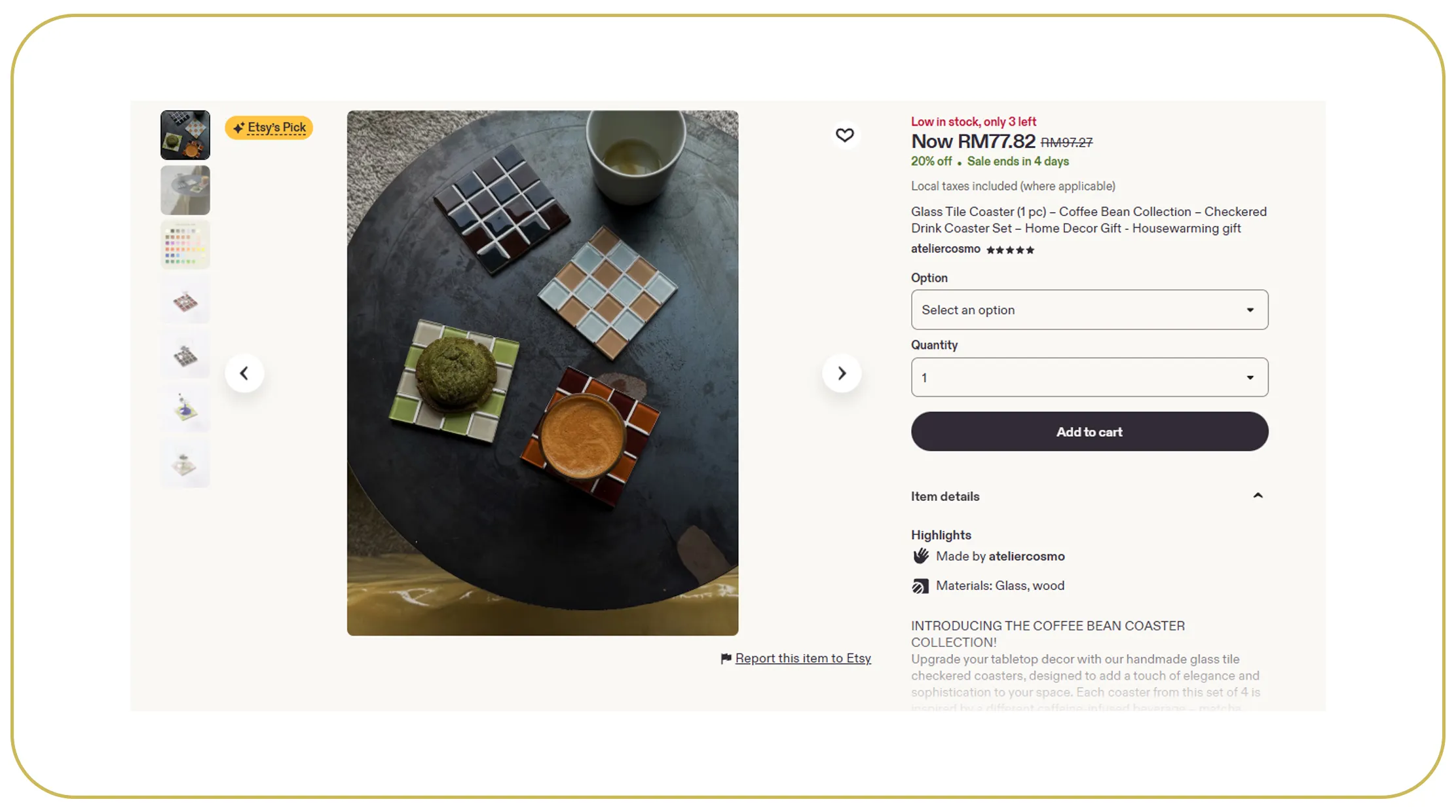
Using Competitor product data collection for retail businesses , organizations can automatically gather product titles, descriptions, specifications, pricing, discounts, stock availability, customer ratings, seller information, and category placement across multiple online retailers. This structured information enables retailers to compare competing products, identify pricing gaps, monitor promotional campaigns, and optimize inventory strategies.
Retailers use these insights to improve assortment planning, launch competitive promotions, and respond quickly to market changes. Brands analyze competitor catalogs to identify product innovation opportunities, while distributors monitor stock availability and regional pricing differences to improve supply chain planning.
Historical product datasets also support long-term strategic planning by revealing pricing trends, seasonal demand fluctuations, and competitor expansion patterns. Integrated with AI-powered analytics, these datasets help businesses forecast consumer demand, optimize pricing strategies, and improve profitability.
Automated competitor product monitoring significantly reduces manual research while improving decision accuracy, allowing organizations to stay ahead in an increasingly competitive retail landscape.
Key Benefits
- Monitor competitor product catalogs
- Track pricing changes automatically
- Compare promotional campaigns
- Analyze inventory availability
- Improve assortment planning
- Support pricing optimization
- Forecast market demand
- Reduce manual monitoring
Competitor Product Intelligence Trends (2020–2026)
| Year | Products Monitored (Index) | Automated Data Collection (%) | Pricing Accuracy (%) | Retail Decision Efficiency (%) |
|---|---|---|---|---|
| 2020 | 100 | 24 | 87 | 60 |
| 2021 | 118 | 33 | 90 | 67 |
| 2022 | 139 | 44 | 92 | 74 |
| 2023 | 161 | 56 | 95 | 82 |
| 2024 | 184 | 68 | 97 | 89 |
| 2025* | 208 | 79 | 98 | 94 |
| 2026* | 233 | 88 | 99 | 97 |
Projected industry estimates.
Unlocking Smarter Decisions with Intelligent Automation
Retail businesses generate enormous volumes of product information every day, making manual competitor analysis both time-consuming and inefficient. Artificial intelligence combined with automated web scraping allows organizations to collect, process, and analyze product data continuously while identifying meaningful trends that support better business decisions.
With AI-powered competitor product data extraction , retailers can automatically capture product listings, specifications, pricing updates, promotional offers, inventory status, images, customer ratings, and seller performance across multiple marketplaces. AI algorithms then classify, normalize, and analyze this information to identify pricing anomalies, product assortment gaps, demand shifts, and emerging competitive threats.
Retail brands use AI-driven insights to optimize dynamic pricing, improve promotional planning, and identify high-performing products. Category managers monitor competitor assortment strategies, while marketing teams evaluate campaign effectiveness using real-time product intelligence. Supply chain teams also benefit by predicting stock shortages and responding proactively to changes in inventory availability.
Advanced dashboards visualize market trends, competitor movements, and pricing changes through interactive reports and automated alerts. Organizations no longer need to manually review thousands of product pages because AI continuously monitors retail ecosystems and delivers actionable intelligence directly to decision-makers.
By combining artificial intelligence with automated data extraction, retailers gain faster access to reliable market insights that improve operational efficiency, strengthen competitive positioning, and accelerate long-term business growth.
Business Advantages
- Automate product monitoring
- Detect pricing changes instantly
- Analyze competitor assortments
- Improve inventory forecasting
- Enable dynamic pricing
- Support AI-powered analytics
- Enhance promotional planning
- Strengthen competitive intelligence
AI Retail Analytics Statistics (2020–2026)
| Year | AI-Based Product Monitoring (%) | Retail AI Adoption (%) | Market Insight Accuracy (%) | Operational Efficiency Improvement (%) |
|---|---|---|---|---|
| 2020 | 22 | 19 | 86 | 28 |
| 2021 | 30 | 27 | 89 | 37 |
| 2022 | 40 | 38 | 92 | 48 |
| 2023 | 52 | 50 | 95 | 60 |
| 2024 | 64 | 62 | 97 | 71 |
| 2025* | 76 | 74 | 98 | 81 |
| 2026* | 87 | 85 | 99 | 89 |
Projected industry estimates.
Turning Live Market Signals into Business Growth
Modern retail success depends on having immediate visibility into competitor activities, pricing movements, inventory changes, and customer preferences. Static reports and periodic market research are no longer sufficient in an environment where prices and product availability can change multiple times each day. Businesses need automated intelligence that delivers continuous updates to support agile decision-making.
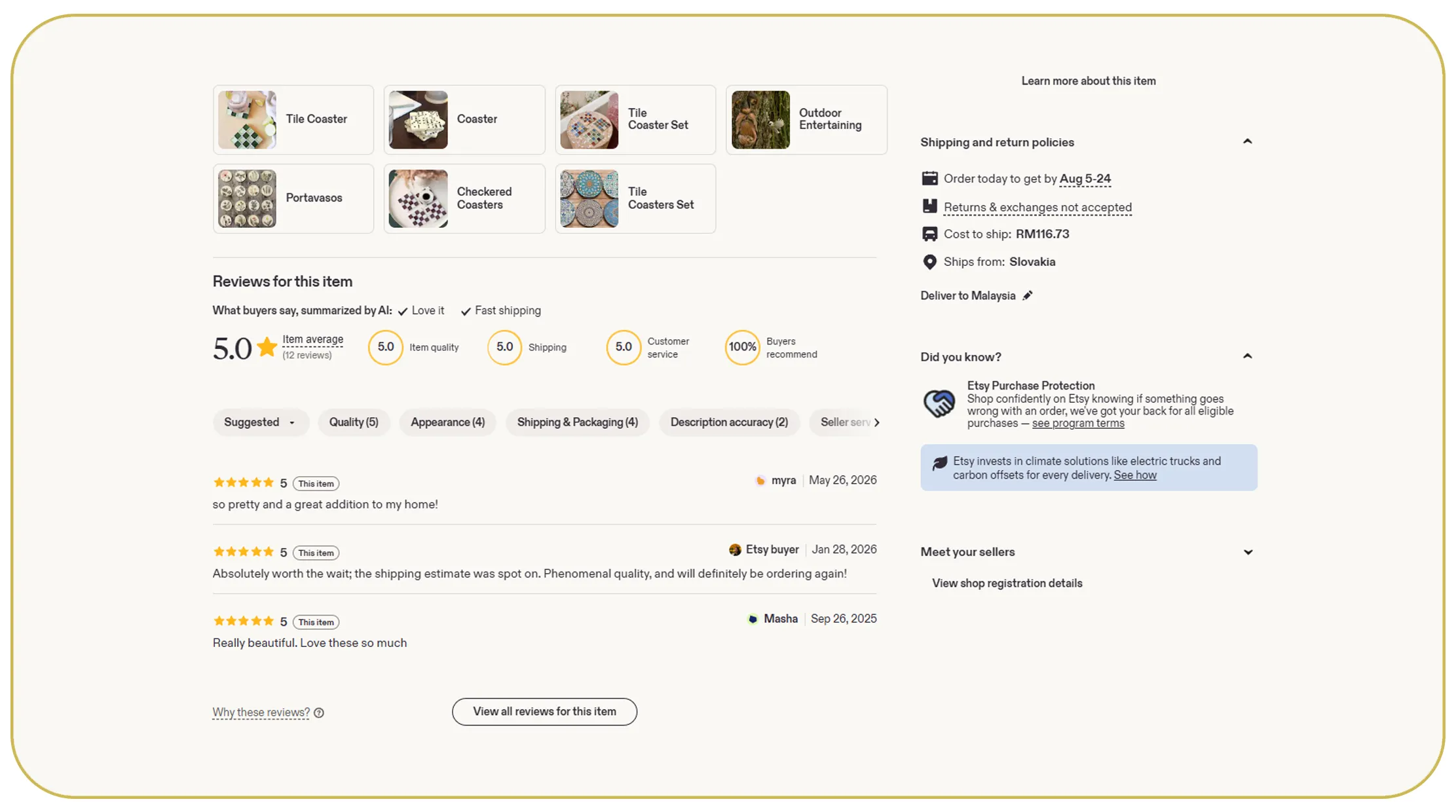
With Real-time competitor product data intelligence , organizations can monitor live pricing, promotional offers, product launches, stock availability, customer ratings, and assortment changes across multiple online retailers. Businesses also scrape Product data intelligence for retail growth to transform these continuously updated datasets into actionable insights that improve merchandising strategies, optimize dynamic pricing, and strengthen competitive positioning.
Retailers leverage real-time monitoring to detect competitor price drops, identify newly launched products, evaluate promotional effectiveness, and respond immediately to changing market conditions. Brands use these insights to optimize product portfolios, while category managers improve assortment planning based on live competitive intelligence.
Advanced AI-powered dashboards consolidate thousands of product updates into interactive reports and automated alerts. Decision-makers receive instant notifications whenever significant pricing or inventory changes occur, enabling proactive business responses rather than reactive adjustments.
By continuously monitoring competitor product data, organizations improve operational efficiency, increase pricing accuracy, and create more responsive retail strategies that drive sustainable revenue growth.
Key Benefits
- Track live competitor pricing
- Monitor product launches
- Detect inventory changes
- Analyze promotional campaigns
- Improve pricing strategies
- Strengthen assortment planning
- Enable automated alerts
- Support faster decisions
Real-Time Retail Intelligence Trends (2020–2026)
| Year | Businesses Using Real-Time Intelligence (%) | Live Product Monitoring (%) | Pricing Optimization Accuracy (%) | Retail Response Speed (%) |
|---|---|---|---|---|
| 2020 | 24 | 22 | 69 | 58 |
| 2021 | 32 | 30 | 75 | 65 |
| 2022 | 42 | 40 | 81 | 73 |
| 2023 | 54 | 52 | 87 | 81 |
| 2024 | 66 | 64 | 92 | 88 |
| 2025* | 78 | 76 | 96 | 93 |
| 2026* | 88 | 86 | 99 | 97 |
Projected industry estimates.
Converting Retail Data into Actionable Market Intelligence
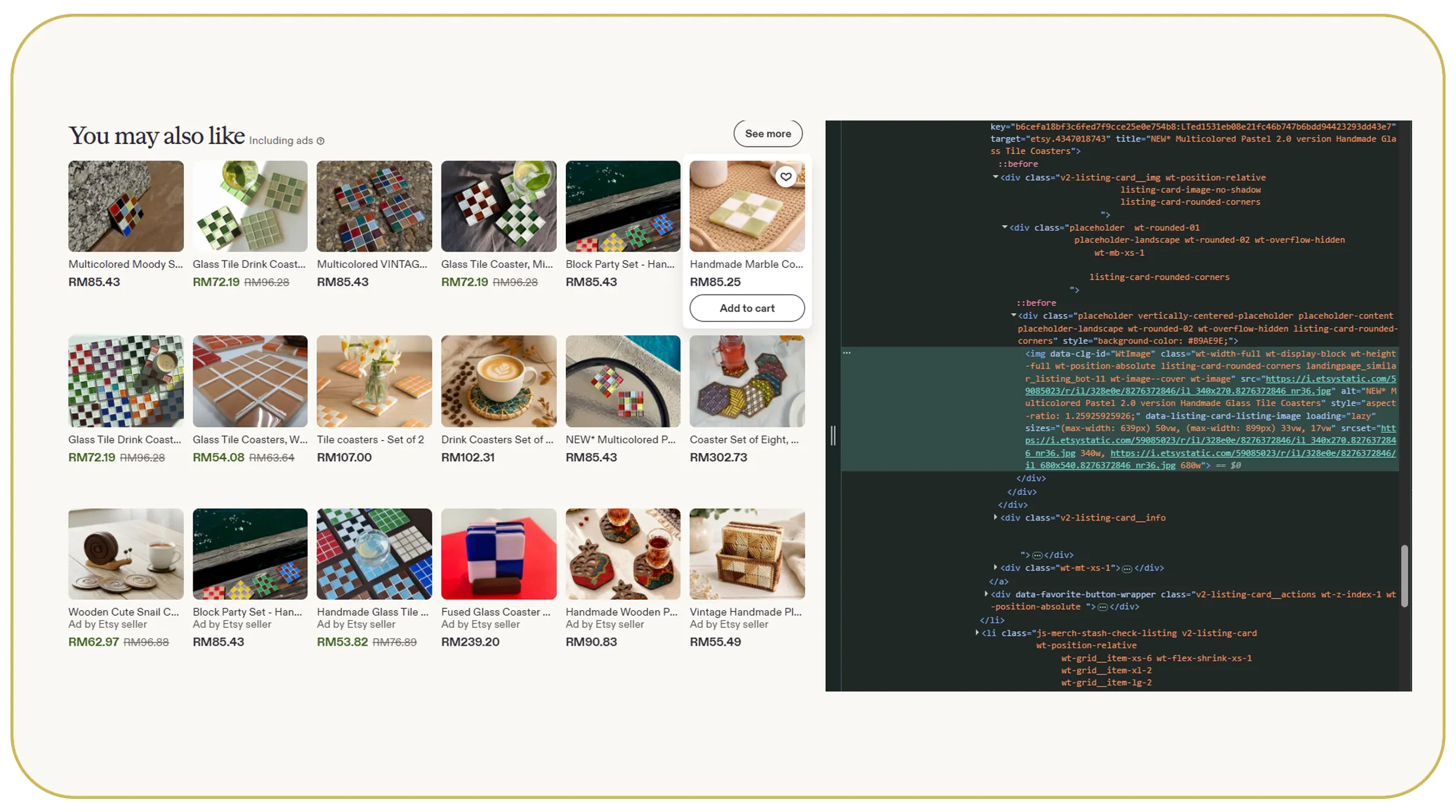
Retail businesses collect enormous volumes of product information every day, but its true value lies in transforming raw data into meaningful insights. Automated product scraping enables organizations to analyze pricing trends, customer behavior, product performance, inventory availability, and competitor strategies in one centralized intelligence platform.
Using Retail market intelligence using product data scraping , businesses gain comprehensive visibility into market dynamics across online marketplaces, brand websites, grocery platforms, and retail portals. Developers of pricing engines, category managers, marketing teams, and retail analysts rely on these insights to identify demand shifts, evaluate promotional effectiveness, and optimize product positioning.
Historical product datasets help organizations understand seasonal buying behavior, pricing fluctuations, and long-term market trends. AI-powered analytics further enhance decision-making by forecasting consumer demand, recommending optimal pricing strategies, and identifying high-performing product categories.
Retail intelligence dashboards provide executives with interactive reports covering competitor pricing, product availability, inventory changes, customer ratings, and promotional activity. Automated alerts notify stakeholders whenever significant market events occur, enabling rapid responses to competitive changes.
Organizations that leverage structured retail intelligence improve operational efficiency, reduce research costs, and gain a measurable advantage in an increasingly competitive marketplace.
Business Advantages
- Analyze pricing trends
- Monitor product performance
- Track customer preferences
- Compare competitor strategies
- Improve merchandising
- Forecast market demand
- Support AI-driven analytics
- Enable data-driven planning
Retail Intelligence Statistics (2020–2026)
| Year | Retail Intelligence Adoption (%) | AI Analytics Usage (%) | Business Decision Accuracy (%) | Revenue Growth Impact (%) |
|---|---|---|---|---|
| 2020 | 23 | 18 | 68 | 24 |
| 2021 | 31 | 27 | 74 | 31 |
| 2022 | 41 | 38 | 80 | 40 |
| 2023 | 53 | 50 | 86 | 51 |
| 2024 | 65 | 62 | 91 | 63 |
| 2025* | 77 | 74 | 95 | 74 |
| 2026* | 87 | 85 | 98 | 84 |
Projected industry estimates.
Identifying Growth Opportunities Through Location Intelligence
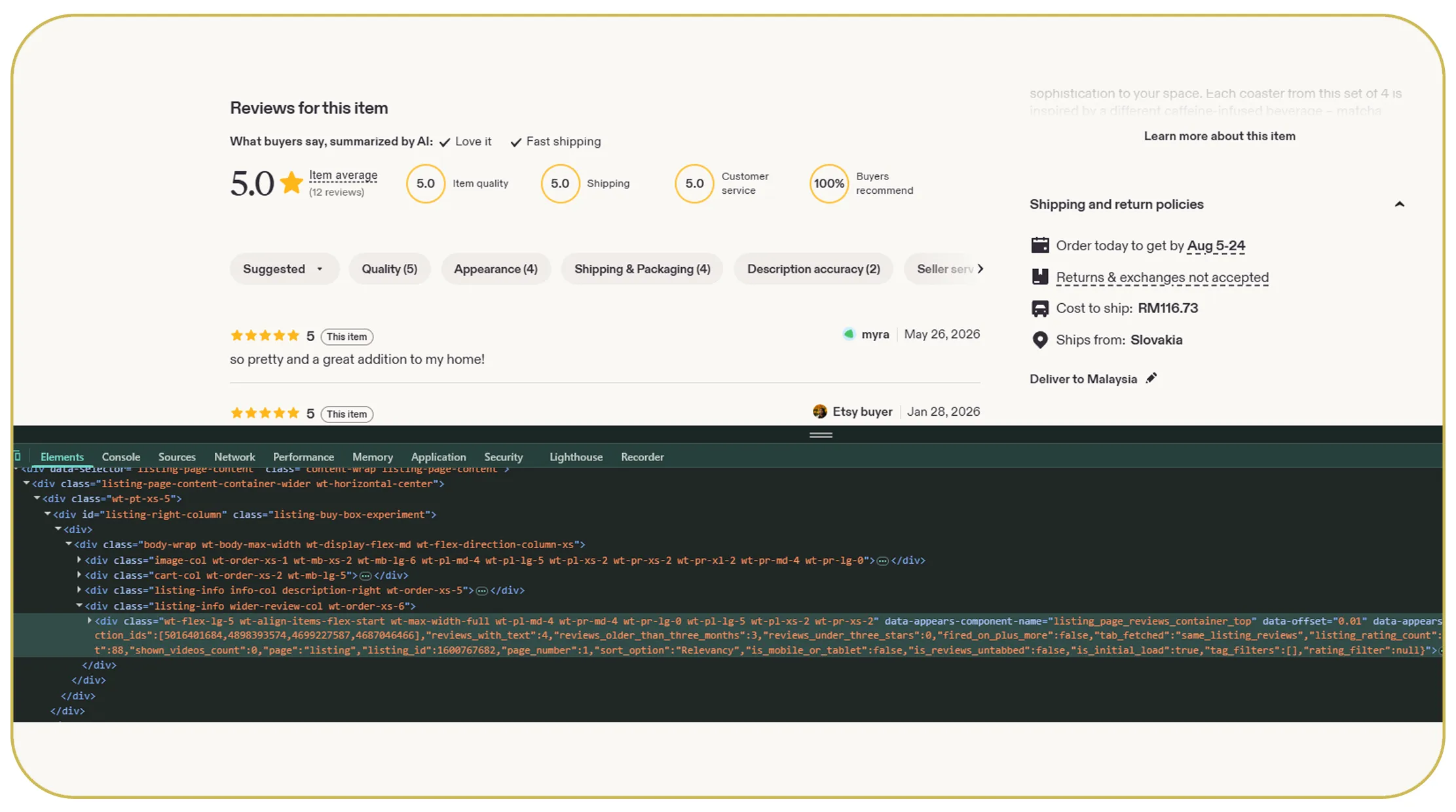
Store expansion and market penetration require more than demographic research alone. Retailers need location-specific intelligence that combines product demand, competitor presence, pricing behavior, and regional consumer preferences to identify profitable expansion opportunities. Automated data collection enables organizations to build comprehensive location intelligence strategies supported by verified market data.
With Scrape Data For Retail Store Location Intelligence , businesses can evaluate regional product availability, competitor store coverage, pricing differences, customer demand patterns, and promotional activity across cities and neighborhoods. This information helps retailers determine optimal store locations, improve inventory allocation, and prioritize expansion into underserved markets.
Location intelligence also supports franchise planning, distribution optimization, and supply chain improvements. Retailers identify areas with strong product demand but limited competitor presence, while brands optimize regional product assortments based on local buying behavior. Historical location datasets further reveal seasonal demand fluctuations and long-term market growth patterns.
Integrated with GIS mapping platforms and business intelligence dashboards, location-based product data enables executives to visualize regional opportunities and make evidence-based expansion decisions. Automated reporting significantly reduces research time while improving planning accuracy and operational efficiency.
Key Benefits
- Identify high-demand markets
- Analyze regional pricing
- Monitor competitor coverage
- Improve store planning
- Optimize inventory allocation
- Support expansion strategies
- Enhance supply chain planning
- Enable geographic analytics
Retail Location Intelligence Trends (2020–2026)
| Year | Retailers Using Location Intelligence (%) | Automated Regional Monitoring (%) | Expansion Planning Accuracy (%) | Market Coverage Improvement (%) |
|---|---|---|---|---|
| 2020 | 21 | 19 | 67 | 56 |
| 2021 | 29 | 28 | 73 | 63 |
| 2022 | 39 | 39 | 79 | 71 |
| 2023 | 51 | 51 | 85 | 79 |
| 2024 | 63 | 63 | 90 | 86 |
| 2025* | 75 | 75 | 95 | 92 |
| 2026* | 86 | 86 | 98 | 97 |
Projected industry estimates.
Optimizing Digital Shelf Performance with Actionable Product Intelligence
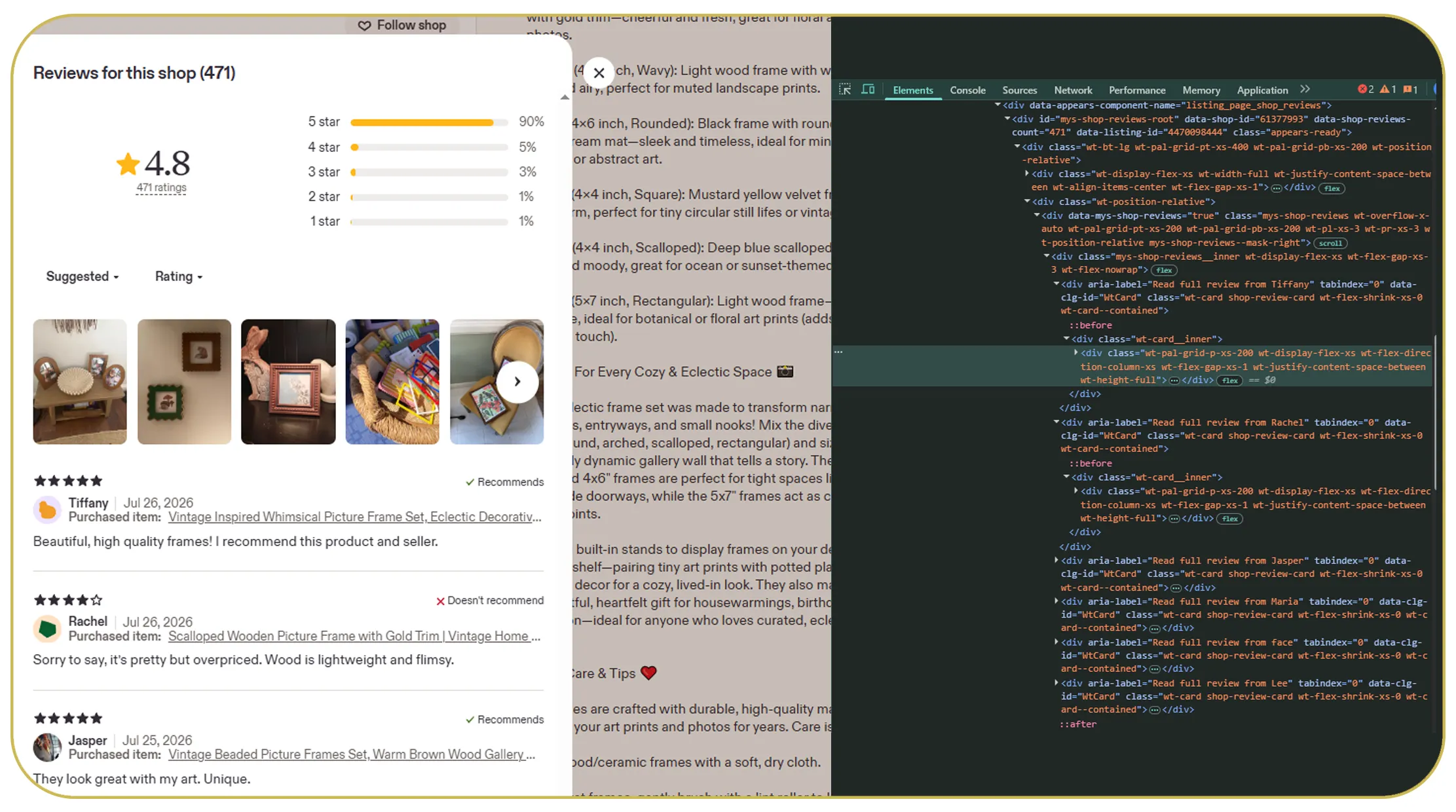
As consumers increasingly rely on online channels for purchasing decisions, the digital shelf has become one of the most important competitive battlegrounds for retailers and brands. Product visibility, pricing consistency, availability, content quality, customer ratings, and promotional placement directly influence purchasing behavior. Businesses that continuously monitor these metrics gain valuable insights that help improve online performance and increase revenue.
Using Scrape Digital Shelf Data For Retail Analytics , organizations can automatically collect information on product rankings, search visibility, pricing, stock availability, product descriptions, images, promotional banners, customer reviews, ratings, and seller performance across multiple eCommerce platforms. This structured data enables brands to evaluate digital shelf effectiveness and identify areas for optimization.
Retailers use these insights to improve product discoverability, maintain pricing consistency, optimize promotional campaigns, and ensure inventory availability across online marketplaces. Marketing teams analyze digital shelf performance to measure campaign impact, while category managers benchmark competitor product positioning and assortment strategies.
Historical digital shelf data also supports predictive analytics by identifying seasonal trends, emerging consumer preferences, and long-term category performance. Interactive dashboards provide executives with real-time visibility into marketplace activity, enabling rapid responses to competitor actions and changing customer behavior.
By automating digital shelf monitoring, organizations improve operational efficiency, strengthen customer engagement, and build sustainable competitive advantages in the evolving retail ecosystem.
Key Business Benefits
- Monitor product visibility
- Track search rankings
- Compare online pricing
- Analyze customer reviews
- Evaluate promotional effectiveness
- Improve assortment planning
- Optimize digital merchandising
- Strengthen retail analytics
Digital Shelf Analytics Trends (2020–2026)
| Year | Digital Shelf Monitoring (%) | Retail Analytics Adoption (%) | Product Visibility Improvement (%) | Sales Performance Impact (%) |
|---|---|---|---|---|
| 2020 | 23 | 20 | 68 | 26 |
| 2021 | 31 | 29 | 74 | 34 |
| 2022 | 42 | 40 | 80 | 44 |
| 2023 | 54 | 52 | 86 | 55 |
| 2024 | 66 | 64 | 91 | 66 |
| 2025* | 78 | 76 | 95 | 77 |
| 2026* | 88 | 86 | 98 | 86 |
Projected industry estimates.
Why Choose Real Data API?
Real Data API empowers retailers, brands, manufacturers, eCommerce businesses, and market research firms with scalable web scraping and enterprise-grade data intelligence solutions. Our advanced infrastructure automates the extraction of product information from online marketplaces, retailer websites, grocery platforms, and brand portals, providing businesses with accurate, real-time market intelligence.
Our solutions collect structured data including product pricing, inventory availability, specifications, promotions, digital shelf metrics, customer ratings, seller performance, and assortment information. This data is delivered through secure APIs, cloud platforms, customized dashboards, or enterprise-ready datasets that integrate seamlessly with CRM systems, ERP software, pricing engines, AI platforms, and business intelligence tools.
Businesses looking to Scrape Competitor Data For Retail Expansion Planning rely on Real Data API to identify emerging markets, benchmark competitors, optimize pricing strategies, and evaluate regional retail opportunities. Organizations also scrape Product data intelligence for retail growth to gain continuous visibility into competitor activities, improve merchandising decisions, and build sustainable growth strategies powered by reliable market intelligence.
Why Businesses Trust Real Data API
- Enterprise-grade web scraping infrastructure
- Real-time product monitoring
- AI-ready structured datasets
- Secure API integration
- Historical and live retail data
- Marketplace and retailer coverage
- Custom analytics dashboards
- High data accuracy and validation
- Scalable cloud-based solutions
- Dedicated enterprise support
Conclusion
Retail success increasingly depends on access to accurate, timely, and actionable product intelligence. As pricing changes, inventory updates, promotions, and customer preferences evolve rapidly, organizations require automated solutions that provide continuous visibility into competitor activities and market dynamics.
By leveraging advanced web scraping technologies, retailers can monitor competitor pricing, analyze product assortments, evaluate digital shelf performance, identify expansion opportunities, and optimize merchandising strategies using structured data. AI-powered analytics further transform this information into predictive insights that improve forecasting, pricing optimization, inventory management, and strategic planning.
Organizations that scrape Product data intelligence for retail growth gain a measurable competitive advantage by replacing manual research with automated, real-time intelligence. This enables faster decision-making, increased operational efficiency, improved customer experiences, and stronger long-term business performance.
Ready to unlock powerful retail insights? Contact Real Data API today to automate product data collection, strengthen competitive intelligence, and accelerate retail growth with accurate, real-time market data solutions!
Latest posts
How to Automate Properati Data Collection Using API for Smarter Real Estate Analytics

How to Scrape Rent.com Apartment Listings via API to Track Rental Prices, Availability & Market Trends?
How to Build Gaming Applications with PlayStation 4 Games API to Deliver Real-Time Game Data and Better User Experiences?
How Real Estate Investment Heat Maps Data Scraping via RERA Helps Investors Identify High-Growth Markets






.png)