Introduction
The fastest way to identify high-growth retail markets is to Scrape competitor Data for retail expansion planning. Competitor intelligence reveals where rivals are expanding, how they price products, what assortments they offer, and which regions generate the highest demand. This helps retailers make smarter location decisions and reduce expansion risks.
Industry Insight: Retail analytics firms estimate that businesses using competitor intelligence and market data are up to 35% more likely to select profitable expansion locations than companies relying solely on internal sales data.
Modern retailers increasingly use an E-Commerce Data Scraping API to collect structured market intelligence from websites, marketplaces, and regional retail platforms. This data provides visibility into local demand, competitor presence, pricing trends, and growth opportunities.
Who should read this guide?
Target Audience: Retail executives, expansion managers, market intelligence teams, franchise operators, category managers, and e-commerce strategists.
Pain Point Solved: Difficulty identifying profitable markets, understanding local competition, and minimizing risks associated with retail expansion.
How can retailers discover profitable markets before competitors?
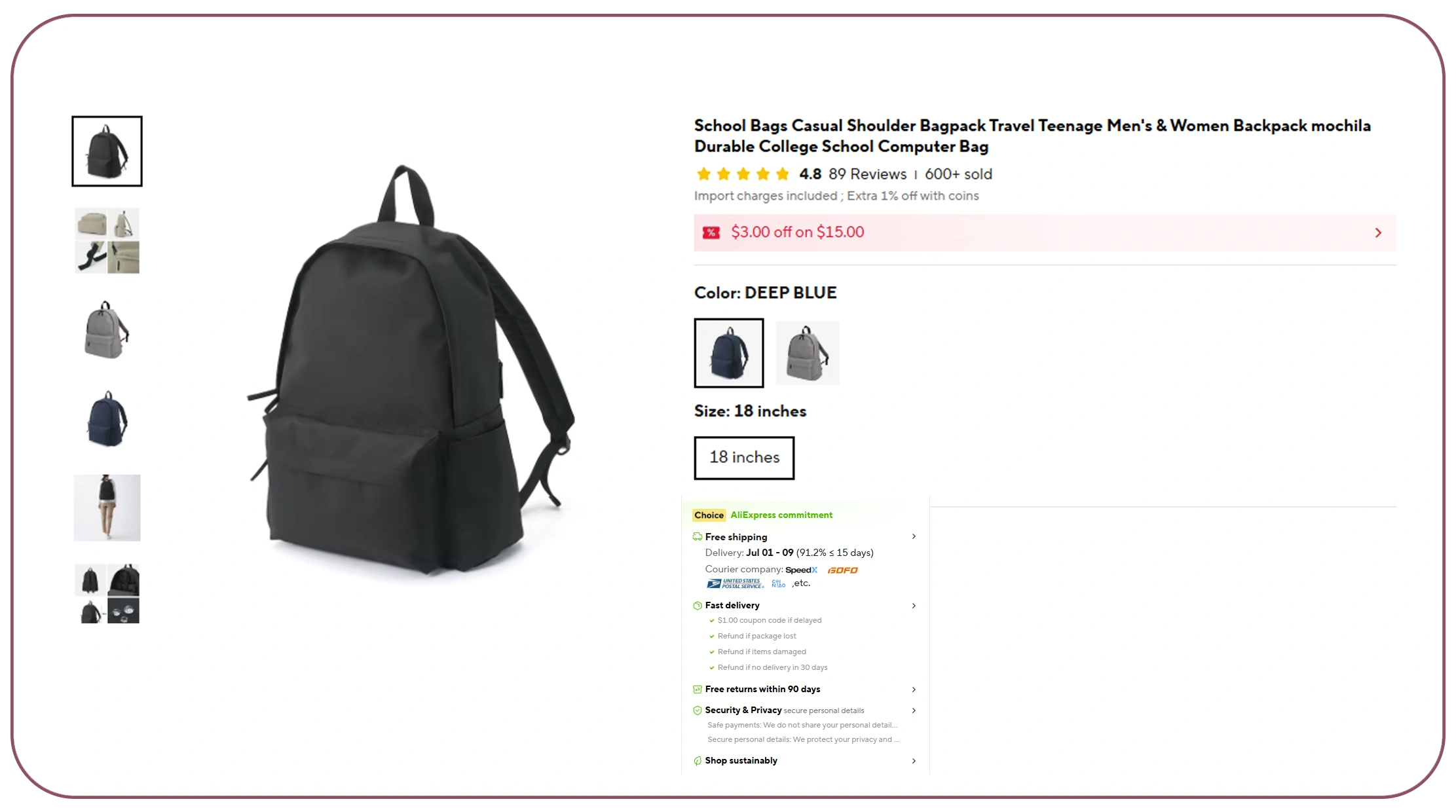
Retail expansion requires accurate market intelligence. Companies that move into high-growth regions early often gain a significant competitive advantage.
Using web scraping retail market data for expansion analysis, Scrape competitor Data for retail expansion planning, retailers can evaluate regional demand patterns and competitor activity before investing.
Key data collected:
- Competitor store counts
- Product assortment depth
- Pricing strategies
- Regional promotions
- Market saturation levels
Market Intelligence Adoption (2020–2026)
| Year | Retailers Using Expansion Analytics |
|---|---|
| 2020 | 28% |
| 2021 | 35% |
| 2022 | 43% |
| 2023 | 51% |
| 2024 | 59% |
| 2025 | 66% |
| 2026 | 74% |
Benefits:
- Identify underserved regions
- Reduce expansion risks
- Improve site selection
- Accelerate market entry
- Increase revenue potential
Companies that understand competitor footprints can identify opportunities before markets become saturated.
How do location insights improve expansion decisions?
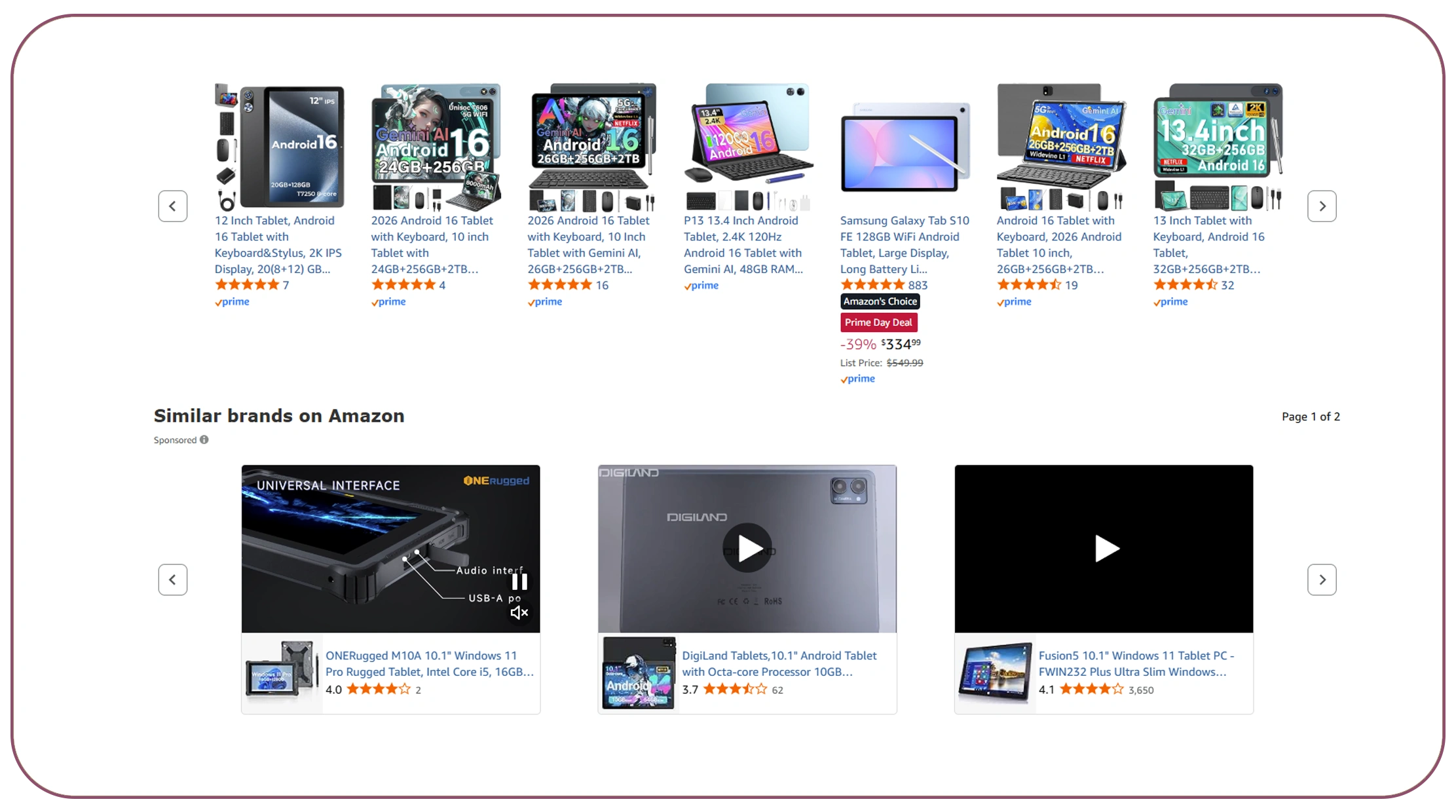
Location intelligence is one of the most valuable forms of retail data. Understanding where competitors operate helps retailers determine where demand exists and where opportunities remain untapped.
A retail store location data scraper across region enables businesses to collect location-specific information at scale.
Key insights gathered:
- Competitor store density
- Regional market penetration
- Expansion patterns
- Consumer accessibility
- Geographic coverage gaps
Location Intelligence Trends (2020–2026)
| Metric | 2020 | 2026 |
|---|---|---|
| Retailers Using GIS Analytics | 22% | 68% |
| Store Location Modeling | 19% | 63% |
| Expansion Data Automation | 25% | 71% |
Strategic advantages:
- Better site selection
- Reduced operational risks
- Enhanced market coverage
- Improved customer reach
Location-based intelligence allows businesses to prioritize regions with the strongest growth potential.
How can real-time market intelligence support growth strategies?
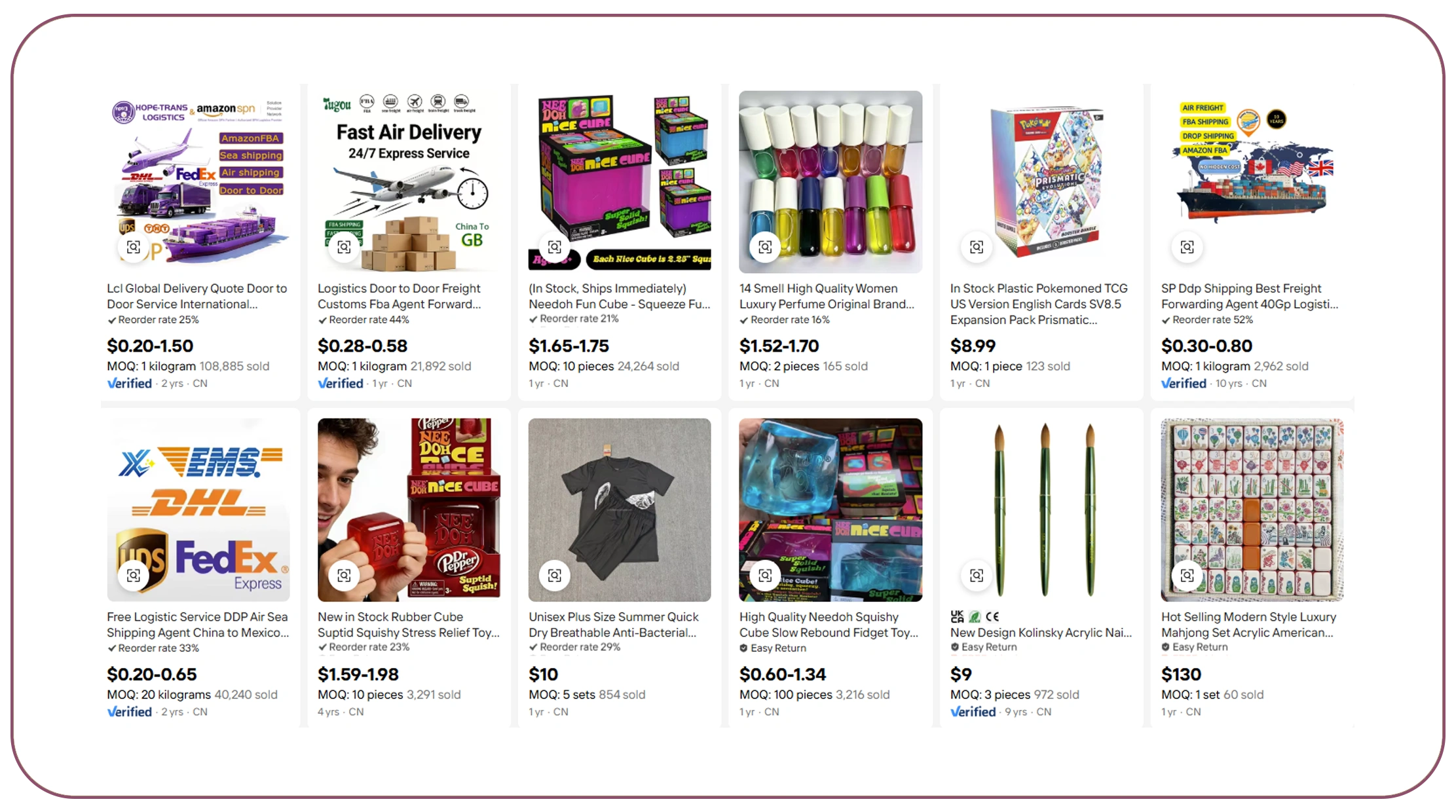
Retail markets evolve rapidly. Consumer preferences, pricing strategies, and competitor activities change continuously.
To remain competitive, businesses must extract real-time retail market data and monitor developments as they happen.
Critical data points:
- Product availability
- Demand fluctuations
- Competitor promotions
- Inventory movements
- Category performance
Real-Time Analytics Benefits
| Capability | Impact |
|---|---|
| Faster Decisions | Improved responsiveness |
| Live Monitoring | Better market visibility |
| Trend Detection | Earlier opportunity identification |
| Inventory Optimization | Reduced stock issues |
Why it matters:
- Identify emerging markets faster
- Respond quickly to competitive threats
- Improve expansion timing
- Support strategic planning
Organizations using real-time intelligence consistently outperform businesses relying on historical reporting.
What are the most valuable applications of ecommerce scraping?

Retailers use competitor intelligence across multiple business functions. These use cases extend beyond expansion planning and support broader strategic decision-making.
One of the most popular categories is Top Ecommerce Scraping API Use Cases focused on market monitoring and growth optimization.
Common applications:
- Competitor pricing analysis
- Product assortment monitoring
- Inventory tracking
- Promotional intelligence
- Market expansion research
Ecommerce Intelligence Growth (2020–2026)
| Application | Adoption Growth |
|---|---|
| Pricing Intelligence | 185% |
| Market Analysis | 172% |
| Inventory Monitoring | 164% |
| Competitor Tracking | 198% |
Business outcomes:
- Better forecasting
- Improved planning
- Faster market response
- Stronger competitive positioning
Retailers increasingly view ecommerce data collection as a core strategic capability.
How does structured data improve expansion planning?

Expansion decisions require large volumes of reliable information. Businesses need structured datasets that can be analyzed quickly and accurately.
Using an E-Commerce Dataset, Scrape competitor Data for retail expansion planning, organizations can transform raw market information into actionable insights.
Dataset components:
- Product pricing
- Store locations
- Inventory levels
- Consumer ratings
- Competitive benchmarks
Dataset Usage Trends (2020–2026)
| Year | Retail Dataset Usage |
|---|---|
| 2020 | 31% |
| 2021 | 39% |
| 2022 | 47% |
| 2023 | 56% |
| 2024 | 63% |
| 2025 | 70% |
| 2026 | 77% |
Key advantages:
- Consistent reporting
- Better forecasting
- Improved analytics
- Scalable decision-making
Structured datasets allow retailers to evaluate expansion opportunities with greater confidence.
How does pricing intelligence reveal high-growth opportunities?
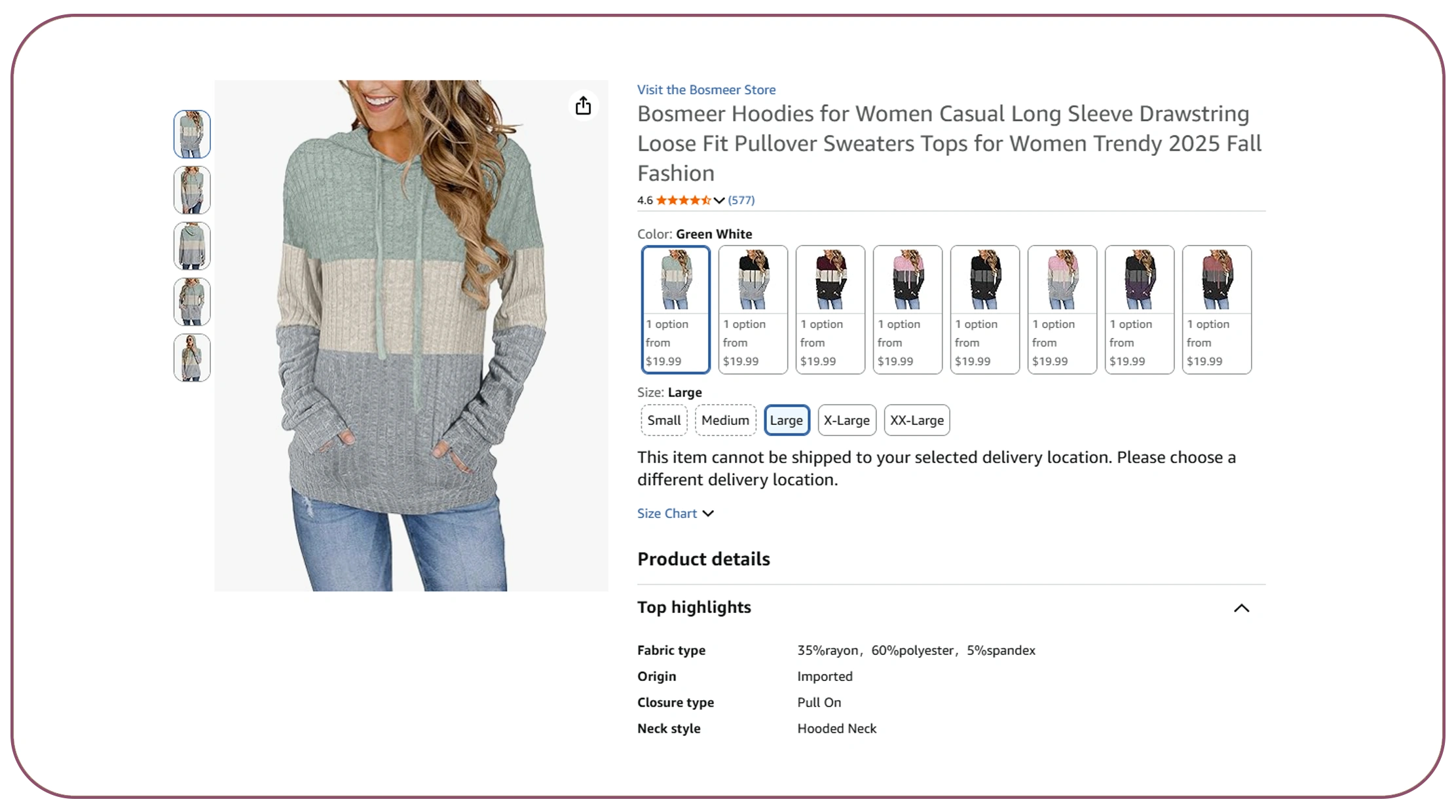
Pricing data often reveals hidden market opportunities. Regions with stable demand and favorable pricing conditions can offer stronger profitability.
Modern retailers use Real-Time Retail Pricing Intelligence API Solutions to track competitor pricing and market trends continuously.
Pricing intelligence helps businesses:
- Compare regional pricing
- Detect promotional activity
- Identify premium markets
- Monitor competitor strategies
Pricing Analytics Impact (2020–2026)
| Metric | Improvement |
|---|---|
| Pricing Accuracy | +37% |
| Margin Optimization | +29% |
| Competitive Response Speed | +41% |
| Market Visibility | +35% |
Key outcomes:
- Better pricing strategies
- Improved profitability
- Faster market entry decisions
- Enhanced competitive positioning
Pricing intelligence provides a powerful lens into local market conditions and consumer demand.
Why Choose Real Data API?
Successful expansion depends on accurate, timely, and scalable market intelligence. Real Data API provides retailers with the tools needed to Scrape competitor Data for retail expansion planning efficiently.
Key Features
- Real-time competitor monitoring
- Market intelligence datasets
- Location-based analytics
- Pricing intelligence tracking
- Structured API outputs
- Multi-source data collection
Why retailers choose Real Data API:
✔ High-quality structured data
✔ Scalable collection infrastructure
✔ Real-time updates
✔
Easy integration with analytics platforms
✔ Reliable market intelligence coverage
Real Data API helps businesses transform raw competitor data into strategic expansion opportunities.
Conclusion
Retail expansion is no longer driven by intuition alone. Businesses that leverage competitor intelligence can identify emerging markets, evaluate regional demand, monitor pricing trends, and select profitable locations with greater confidence.
By using structured data solutions to Scrape competitor Data for retail expansion planning, retailers gain the insights needed to reduce risks and accelerate growth.
As competition intensifies between 2020 and 2026, data-driven expansion strategies will become increasingly important for long-term success.
Ready to uncover high-growth retail opportunities? Contact Real Data API today and discover how competitor intelligence can power smarter expansion planning and sustainable business growth!
Latest posts
How Scrape Xiaohongshu Product Trends in Real Time Solves Product Discovery and Competitor Monitoring Challenges?
How to Scrape Taobao Product Data to Solve Pricing, Inventory, and Competitor Monitoring Challenges?
How to Extract grocery product listings Data from SPAR to Build Accurate Grocery Intelligence and Competitive Market Insights?
Scrape Douyin follower growth and engagement data to track influencer performance and trends






.png)



