Introduction
Want to build reliable grocery intelligence from SPAR? The fastest and most scalable solution is to Extract grocery product listings Data from SPAR using a modern Spar Grocery Scraping API. Businesses can automatically collect product names, prices, categories, promotions, availability, and packaging details to power pricing intelligence, assortment analysis, competitor monitoring, and retail analytics. Automated data extraction eliminates manual work, improves data accuracy, and enables faster business decisions.
Industry Insight: According to industry estimates, global retail analytics spending continues to grow at over 15% CAGR, while more than 70% of retailers now rely on real-time product and pricing intelligence to optimize merchandising and customer engagement. Continuous grocery data collection has become essential for competitive decision-making.
This guide is designed for retail intelligence companies, eCommerce businesses, grocery aggregators, pricing analysts, FMCG brands, market researchers, and data solution providers looking to solve the challenge of collecting accurate grocery product information at scale. Instead of manually browsing thousands of products, businesses can automate data collection and receive structured datasets that support pricing optimization, inventory tracking, competitor benchmarking, and demand forecasting.
How Can Retailers Build Smarter Product Intelligence Across Thousands of Grocery Items?
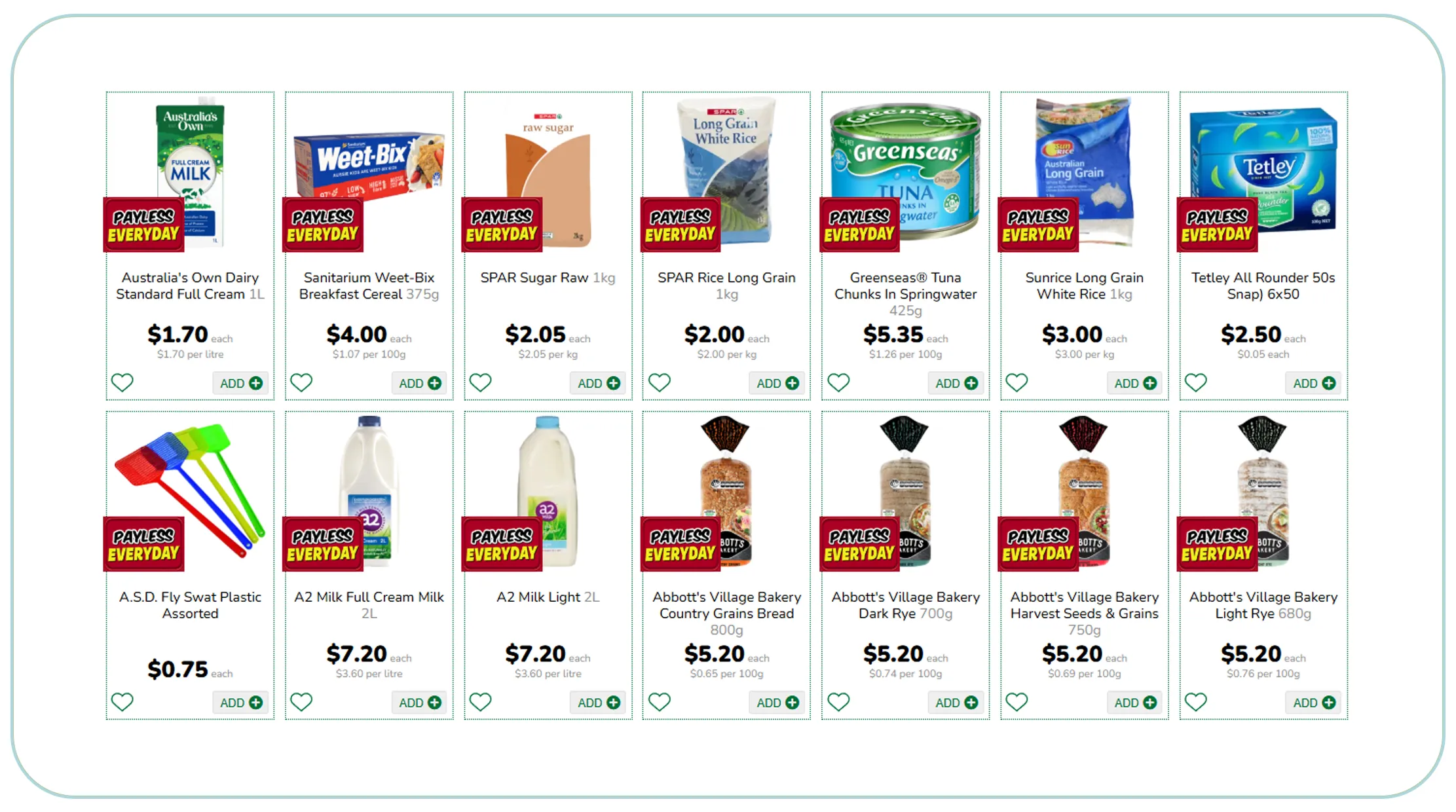
Retail businesses operate in an environment where prices, promotions, product availability, and assortments change daily. Monitoring these updates manually is almost impossible when thousands of SKUs exist across hundreds of categories. Modern automation enables businesses to collect structured product information continuously, making competitive intelligence more accurate and actionable.
One of the most effective methods is Web Scraping SPAR product catalog data, allowing organizations to gather comprehensive product information directly from online grocery listings. This includes product titles, brands, package sizes, nutritional information, promotional discounts, stock status, images, and category hierarchies.
Businesses can leverage this information to:
- Compare competitor pricing
- Track promotional campaigns
- Monitor new product launches
- Identify assortment gaps
- Improve category management
- Optimize dynamic pricing
- Support retail forecasting
Grocery Retail Analytics Growth (2020-2026)
| Year | Retail Analytics Adoption | Grocery Data Automation |
|---|---|---|
| 2020 | 42% | 35% |
| 2021 | 48% | 41% |
| 2022 | 55% | 50% |
| 2023 | 63% | 58% |
| 2024 | 71% | 66% |
| 2025* | 77% | 73% |
| 2026* | 84% | 81% |
*Projected industry estimates.
Organizations also benefit from automated catalog monitoring because structured product datasets eliminate inconsistent manual entry. Data scientists, category managers, and pricing teams receive standardized information ready for analytics platforms and BI dashboards. As grocery competition intensifies, companies using automated product intelligence can react to market changes significantly faster than organizations relying on manual research.
Why Is Continuous Product Catalog Monitoring Important for Competitive Advantage?
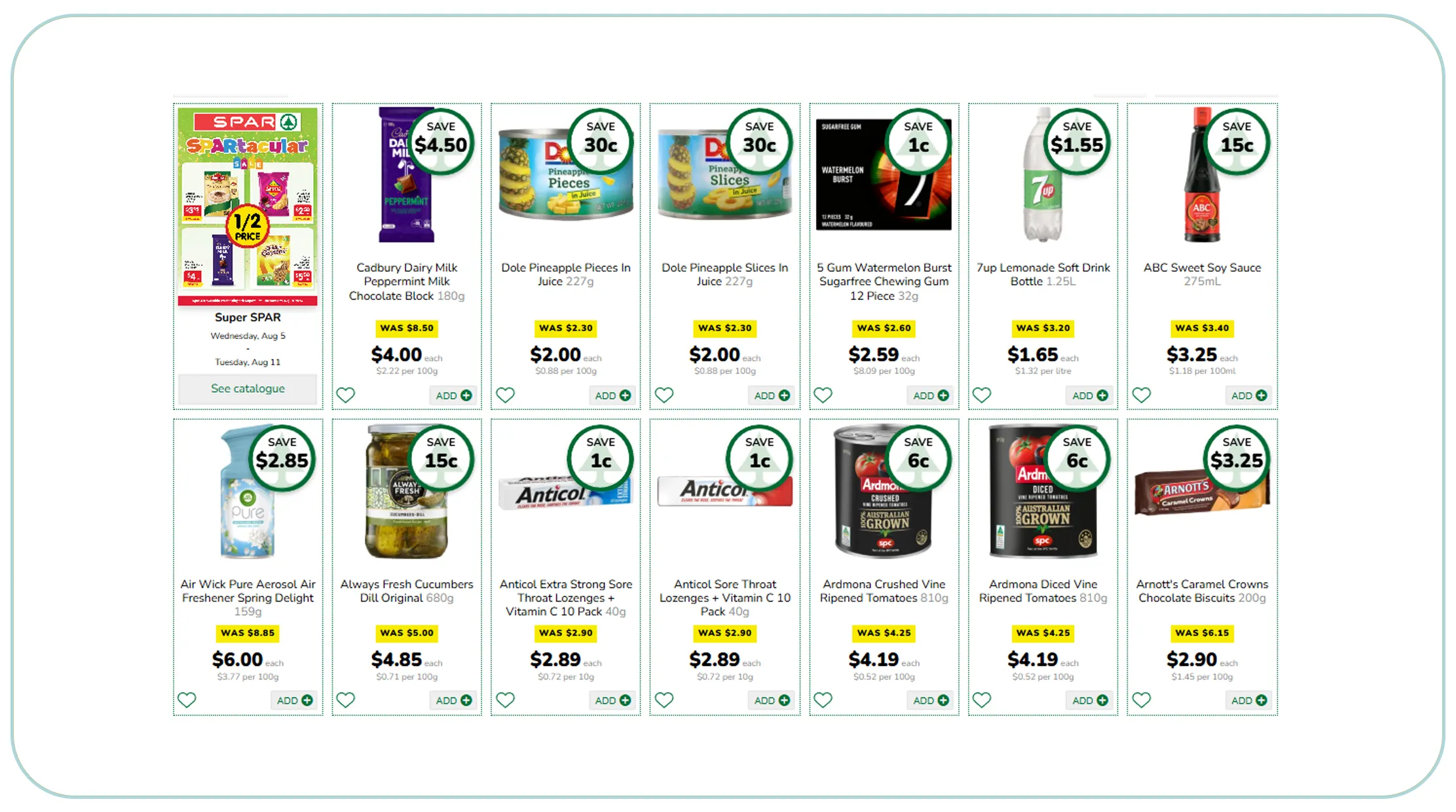
Consumers expect competitive prices, accurate product availability, and updated online catalogs. Grocery businesses therefore need continuous visibility into competitor product portfolios. Instead of performing occasional checks, successful retailers build automated monitoring systems that deliver fresh data every day.
Using Grocery product catalog extraction from SPAR enables organizations to monitor thousands of products without human intervention. Automated extraction captures pricing changes, discontinued products, newly introduced items, package-size variations, seasonal promotions, and category updates that influence purchasing decisions.
Continuous monitoring helps organizations answer important business questions:
- Which products experienced price increases?
- Which brands launched new SKUs?
- Which categories receive the most promotions?
- Which private-label products are expanding?
- Which items frequently become unavailable?
- How do competitors adjust pricing during holidays?
Sample Competitive Intelligence Metrics (2020-2026)
| Metric | 2020 | 2022 | 2024 | 2026* |
|---|---|---|---|---|
| Average Products Monitored | 12,000 | 28,000 | 54,000 | 95,000 |
| Daily Price Updates | 8% | 16% | 24% | 35% |
| Promotion Tracking Accuracy | 82% | 89% | 95% | 98% |
| Automated Data Coverage | 45% | 63% | 79% | 92% |
*Projected values.
Continuous grocery catalog intelligence supports multiple departments simultaneously. Pricing teams optimize promotions. Marketing teams analyze product launches. Procurement teams identify assortment opportunities. Supply-chain managers monitor product availability trends. Executive leadership receives real-time dashboards for strategic planning.
Instead of reacting after competitors change prices or launch new products, organizations equipped with automated grocery intelligence can anticipate market shifts, respond faster, and make informed business decisions backed by accurate product data.
Can Businesses Track Product Changes and Promotions in Real Time?
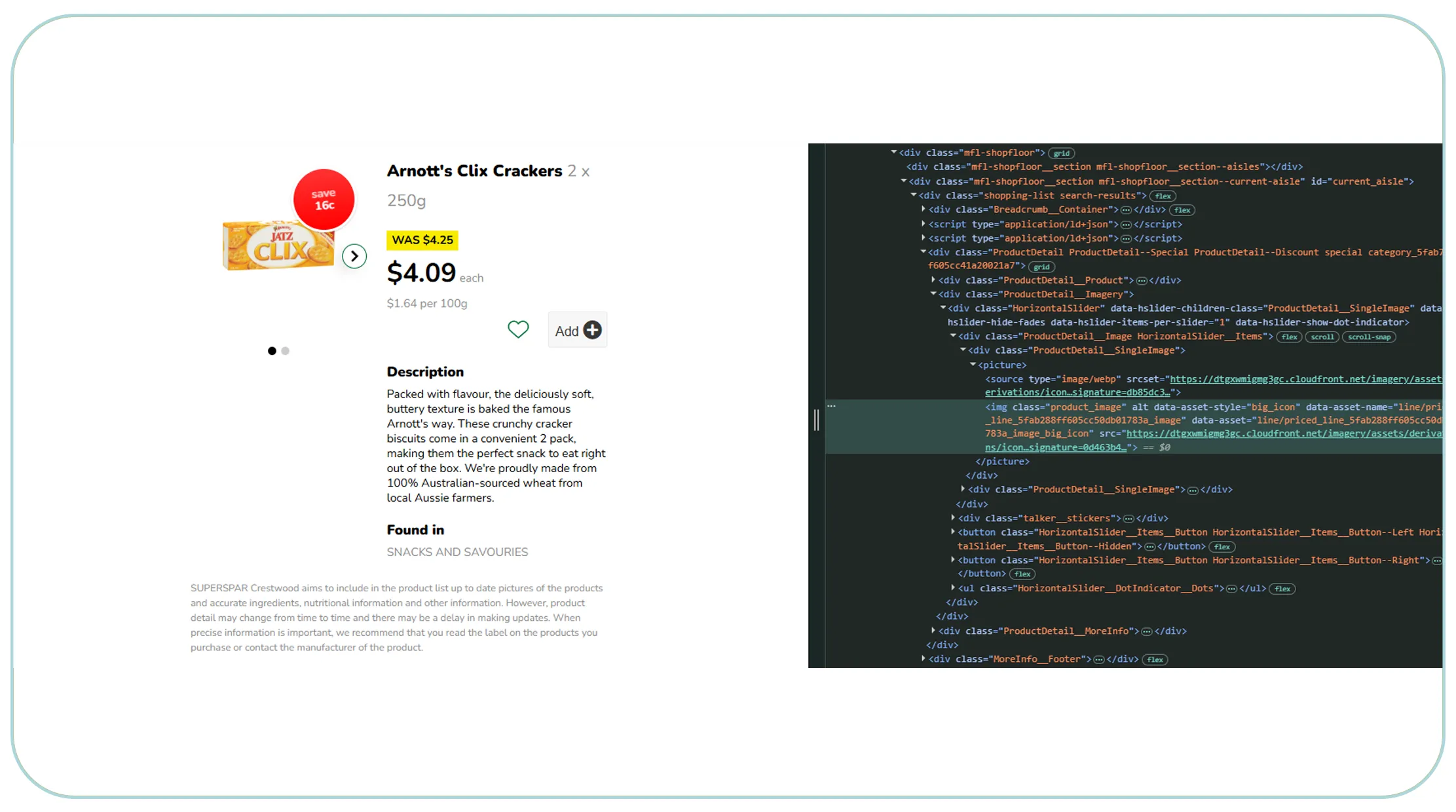
Retail markets change every day. Product prices fluctuate, promotional offers appear and disappear, and new grocery items are added regularly. Without automated monitoring, businesses risk making decisions based on outdated information. Real-time catalog tracking helps organizations stay informed and react quickly to market changes.
Using SPAR Grocery catalog monitoring, businesses can continuously observe changes across thousands of products. Automated monitoring captures price updates, discount campaigns, stock availability, new product launches, discontinued items, and category modifications without requiring manual effort. This enables retailers, brands, and analytics firms to build reliable competitive intelligence systems.
Real-time monitoring supports several business objectives:
- Detect daily and weekly price fluctuations.
- Track limited-time promotional campaigns.
- Monitor product availability across categories.
- Identify newly launched grocery products.
- Analyze seasonal assortment changes.
- Compare private-label and branded product performance.
- Improve pricing and merchandising strategies.
Organizations also use automated monitoring to understand customer buying trends. By comparing historical product data with current listings, businesses can identify which products gain popularity during festive seasons, holidays, or promotional events.
Grocery Catalog Monitoring Trends (2020-2026)
| Year | Products Monitored Daily | Average Daily Price Changes | Promotional Campaigns Tracked |
|---|---|---|---|
| 2020 | 10,500 | 6% | 520 |
| 2021 | 16,800 | 8% | 740 |
| 2022 | 24,600 | 11% | 980 |
| 2023 | 38,900 | 15% | 1,340 |
| 2024 | 57,500 | 18% | 1,760 |
| 2025* | 74,800 | 21% | 2,150 |
| 2026* | 95,300 | 25% | 2,640 |
*Projected industry estimates.
Automated catalog monitoring also reduces reporting delays. Instead of waiting for weekly or monthly reports, decision-makers receive fresh data daily. This improves forecasting accuracy, pricing optimization, supplier negotiations, and promotional planning. As grocery retail becomes increasingly competitive, continuous product monitoring has become an essential capability for businesses seeking sustainable growth.
How Does Structured Grocery Data Improve Business Intelligence?
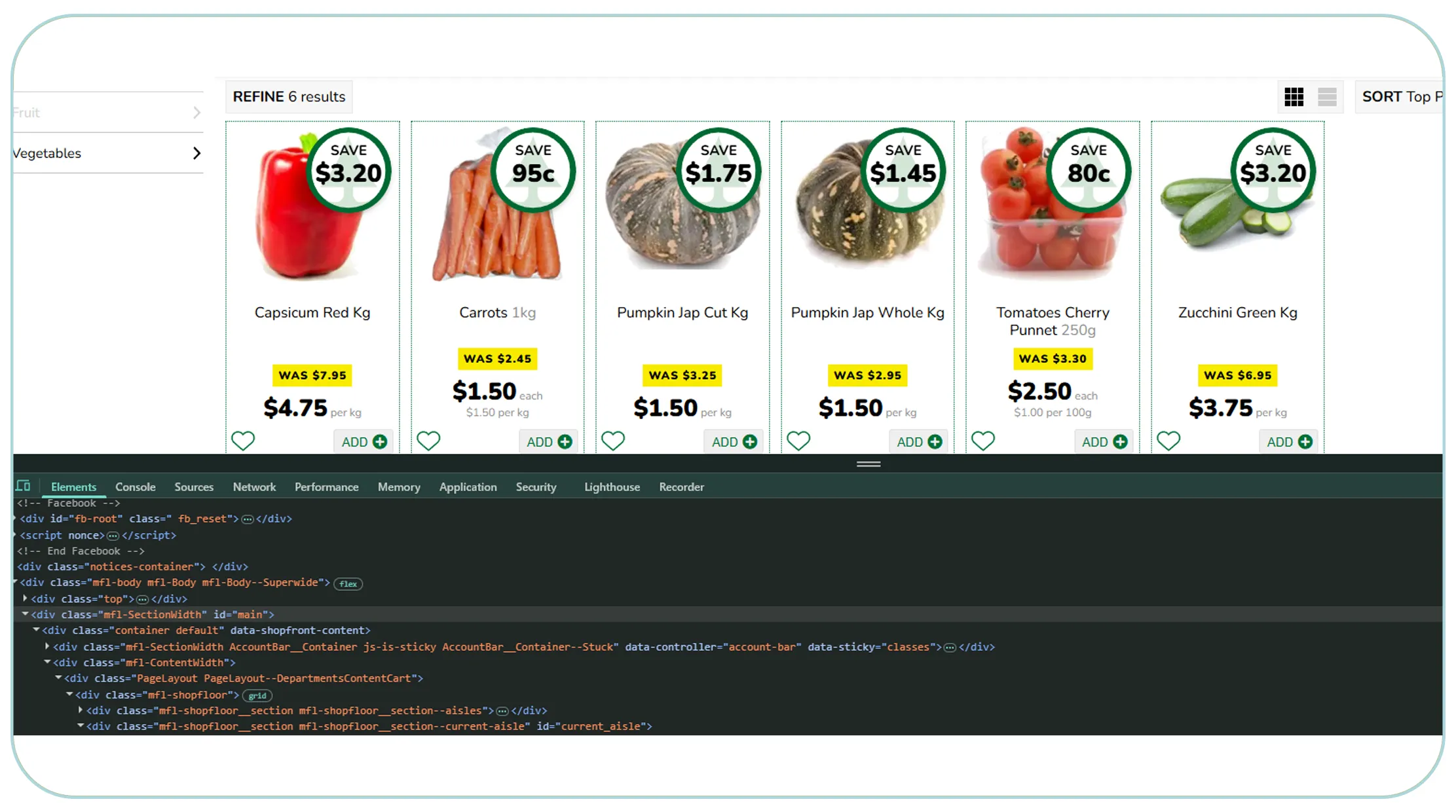
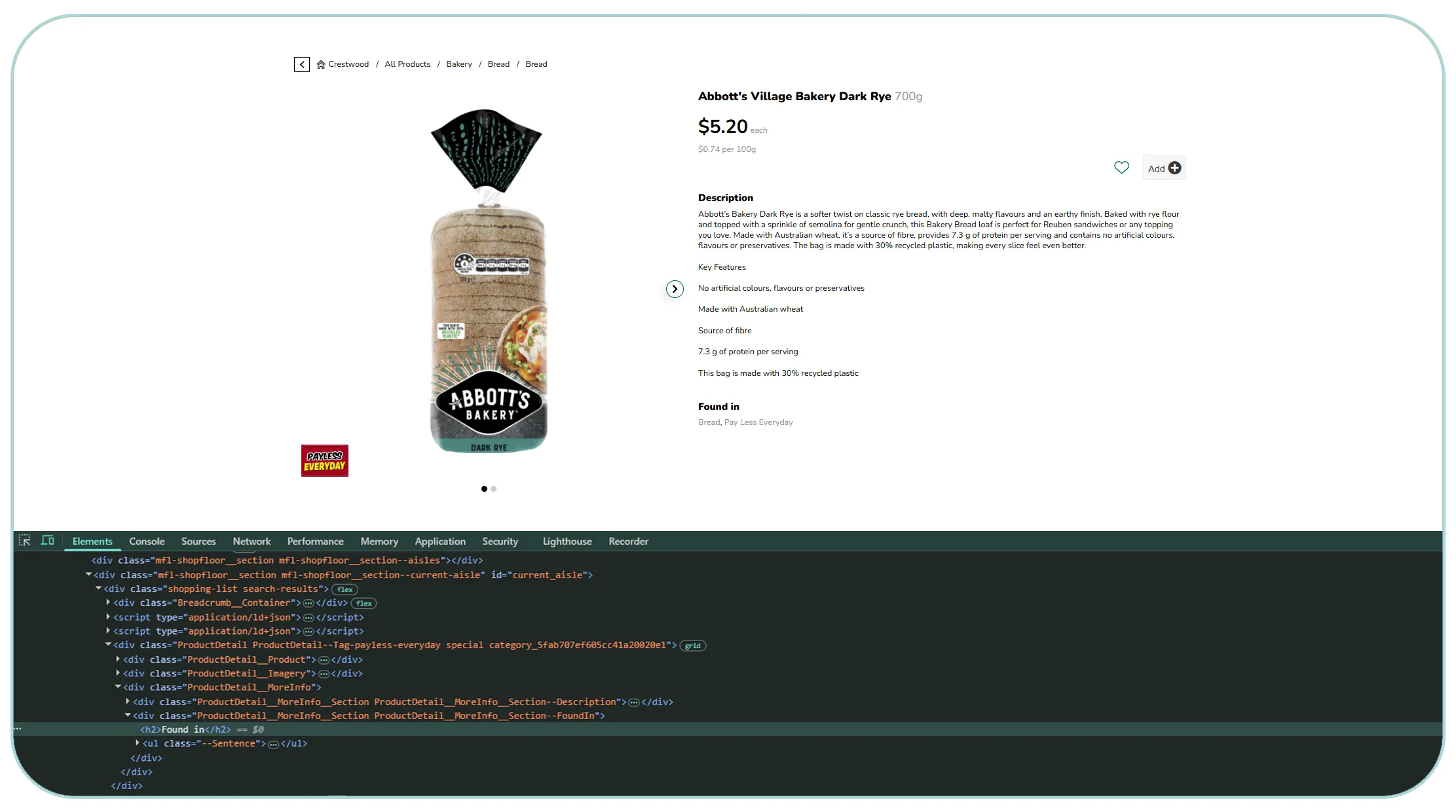
Raw retail information often contains inconsistencies that make analysis difficult. Different product names, category formats, packaging descriptions, and pricing structures can create challenges for analysts. A structured Grocery Dataset transforms scattered product information into organized, standardized records that are ready for business intelligence and analytics.
A high-quality grocery dataset typically includes:
- Product name
- Brand
- SKU or product identifier
- Category and subcategory
- Selling price
- Promotional price
- Package size
- Product description
- Availability status
- Product image URL
- Product page URL
- Date collected
Structured datasets allow businesses to integrate grocery information directly into dashboards, machine learning models, forecasting systems, and enterprise reporting platforms.
Benefits of Structured Grocery Data
- Faster competitive analysis.
- Better pricing comparisons.
- Accurate demand forecasting.
- Improved category management.
- Reliable historical trend analysis.
- Simplified reporting and visualization.
Sample Grocery Data Growth (2020-2026)
| Year | Records Collected | Categories Covered | Data Accuracy |
|---|---|---|---|
| 2020 | 1.2 Million | 110 | 90% |
| 2021 | 1.8 Million | 128 | 92% |
| 2022 | 2.7 Million | 146 | 94% |
| 2023 | 4.1 Million | 168 | 96% |
| 2024 | 5.8 Million | 185 | 97% |
| 2025* | 7.4 Million | 205 | 98% |
| 2026* | 9.1 Million | 225 | 99% |
*Projected industry estimates.
Well-structured grocery data supports more than reporting. It enables predictive analytics, recommendation engines, assortment optimization, pricing simulations, and AI-powered retail solutions. Companies can identify long-term pricing trends, understand customer preferences, evaluate category performance, and benchmark competitors with greater confidence.
As organizations increasingly rely on data-driven decision-making, maintaining accurate and standardized grocery datasets becomes a strategic advantage. Businesses that organize and analyze their product data effectively can respond faster to market shifts, improve operational efficiency, and uncover new opportunities for revenue growth.
How Can APIs Simplify Large-Scale Grocery Data Collection?
As grocery retailers expand their online catalogs, collecting accurate product information manually becomes slow, expensive, and difficult to maintain. Businesses need scalable solutions that automatically retrieve updated product information while minimizing operational effort. Modern APIs make this process faster, more reliable, and easier to integrate into existing business systems.
A Grocery Data Scraping API automates the extraction of grocery product information from online stores and delivers structured datasets in formats such as JSON, CSV, or Excel. Instead of building and maintaining complex scraping infrastructure, businesses can connect directly to an API and receive fresh product data on a scheduled basis.
An automated API solution helps organizations:
- Collect millions of product records efficiently.
- Monitor daily price and promotion updates.
- Track inventory and stock availability.
- Capture product descriptions and specifications.
- Integrate data into BI tools and analytics platforms.
- Reduce manual data collection costs.
- Improve reporting accuracy.
API-based data collection also supports enterprise automation. Pricing teams can receive daily updates, inventory planners can monitor product availability, and market researchers can analyze competitor catalogs without interrupting business operations.
Grocery API Adoption Trends (2020-2026)
| Year | Businesses Using APIs | Average Daily API Requests | Automated Data Coverage |
|---|---|---|---|
| 2020 | 34% | 80,000 | 42% |
| 2021 | 41% | 125,000 | 50% |
| 2022 | 52% | 210,000 | 61% |
| 2023 | 64% | 340,000 | 73% |
| 2024 | 74% | 520,000 | 82% |
| 2025* | 82% | 760,000 | 90% |
| 2026* | 89% | 1.1 Million | 96% |
*Projected industry estimates.
Organizations adopting API-driven grocery intelligence benefit from consistent, high-quality datasets that can be updated daily or even hourly. This improves operational efficiency while enabling faster business decisions based on current market information rather than outdated reports.
What Are the Most Valuable Business Applications of Grocery Intelligence?
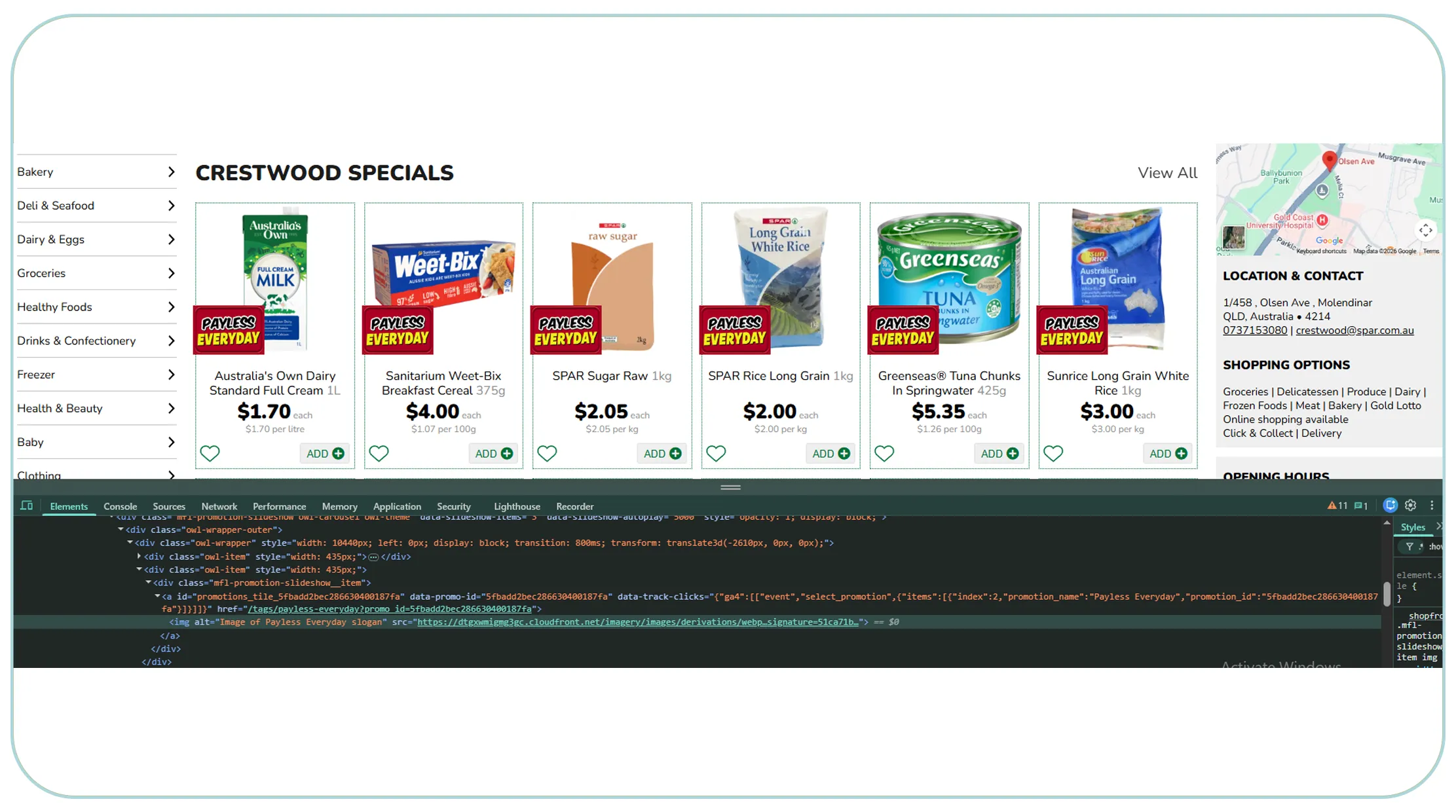
Grocery product data supports far more than price comparison. Businesses across retail, manufacturing, FMCG, consulting, and technology use automated data collection to improve strategic planning and operational performance. By leveraging Top Grocery Scraping API Use Cases, organizations can transform raw product information into actionable business insights.
Some of the most common use cases include:
- Competitive Price Intelligence: Compare prices across retailers to identify pricing opportunities and market positioning.
- Promotion Analysis: Monitor discounts, bundle offers, and seasonal campaigns to evaluate promotional effectiveness.
- Product Assortment Optimization: Identify gaps in product offerings and benchmark category depth against competitors.
- Inventory Monitoring: Track stock availability to understand demand patterns and reduce lost sales opportunities.
- Market Research: Analyze emerging grocery trends, consumer preferences, and category growth.
- Private Label Benchmarking: Compare private-label products with national brands to refine assortment strategies.
- Demand Forecasting: Use historical product and pricing data to improve forecasting models and inventory planning.
- Business Intelligence Dashboards: Feed structured grocery data into reporting tools for executive decision-making.
Grocery Data Business Impact (2020-2026)
| Year | Companies Using Grocery Intelligence | Pricing Accuracy Improvement | Forecast Accuracy Improvement |
|---|---|---|---|
| 2020 | 38% | 12% | 10% |
| 2021 | 46% | 16% | 14% |
| 2022 | 55% | 20% | 18% |
| 2023 | 66% | 25% | 23% |
| 2024 | 74% | 30% | 27% |
| 2025* | 82% | 34% | 31% |
| 2026* | 90% | 39% | 36% |
*Projected industry estimates.
Organizations that invest in grocery intelligence gain a stronger understanding of changing market conditions. They can respond quickly to competitor actions, optimize pricing strategies, improve merchandising decisions, and deliver better customer experiences. As digital grocery retail continues to evolve, automated grocery data collection is becoming a key driver of innovation and long-term competitive advantage.
Why Choose Real Data API?
Choosing the right data partner is essential for building accurate grocery intelligence and making confident business decisions. At Real Data API, we help retailers, FMCG brands, market research firms, pricing analysts, and eCommerce businesses automate large-scale grocery data collection with speed, reliability, and flexibility. Whether you want to monitor prices, analyze competitors, or optimize product assortments, our solutions deliver structured datasets that are ready for analytics and reporting.
With our expertise, businesses can Extract grocery product listings Data from SPAR efficiently while minimizing manual effort and ensuring consistent data quality. Our scalable infrastructure supports high-frequency data collection, making it easy to track product updates, promotional campaigns, availability changes, and category performance in real time.
Why Businesses Trust Real Data API
- Scalable grocery data extraction for thousands of products.
- Real-time monitoring of prices, promotions, and inventory.
- High-quality structured datasets in JSON, CSV, or Excel.
- Easy API integration with existing BI and analytics platforms.
- Reliable data delivery with scheduled updates.
- Custom data collection tailored to your business needs.
- Secure and scalable solutions for enterprise requirements.
- Dedicated technical support for seamless implementation.
Our solutions enable businesses to transform raw grocery product information into actionable insights that support smarter pricing strategies, competitive benchmarking, demand forecasting, and market research. By automating grocery data collection, organizations save valuable time, reduce operational costs, and gain the visibility needed to stay ahead in a rapidly changing retail landscape.
Conclusion
Building accurate grocery intelligence requires access to timely, structured, and reliable product data. Businesses that Extract grocery product listings Data from SPAR can monitor pricing trends, analyze competitor assortments, track promotional campaigns, evaluate product availability, and improve strategic decision-making with confidence. Automated grocery data collection not only eliminates manual processes but also provides the foundation for advanced analytics, forecasting, and retail optimization.
As online grocery competition continues to grow, organizations that leverage automated data extraction will be better equipped to respond to market changes, enhance customer experiences, and uncover new business opportunities. From retailers and FMCG brands to market research firms and technology providers, high-quality grocery datasets have become a critical asset for sustainable growth.
Ready to transform your grocery data strategy? Contact Real Data API today to automate SPAR grocery data extraction and gain real-time retail intelligence that drives smarter decisions and long-term competitive success!
Latest posts
E-commerce data scraper for inventory analysis 2027 - Real-Time Stock Tracking and Demand Forecasting

How Meesho API data extraction for product research Helps E-Commerce Brands Improve Product Selection and Market Intelligence?
How AliExpress API integration for automated data collection Streamlines Product Monitoring, Price Tracking, and Seller Intelligence
How H&M data scraping for fashion retail analytics Enhances Stock Monitoring, Apparel Pricing, and Product Category Insights







.png)