
Introduction
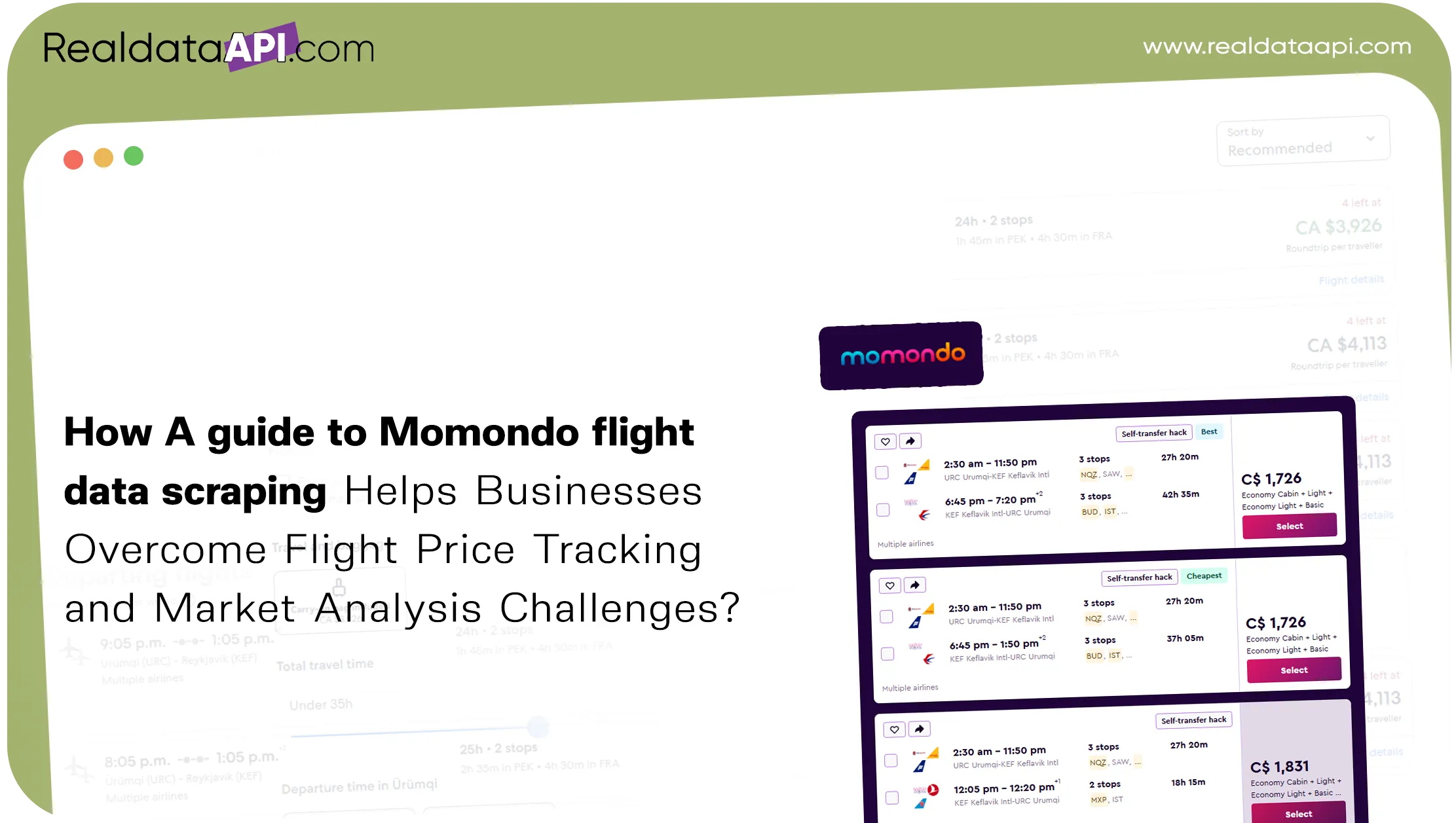
Businesses can improve flight price tracking and travel market analysis by using automated data extraction from Momondo. The fastest approach is A guide to Momondo flight data scraping, supported by a reliable Momondo Data Scraping API. It enables companies to collect real-time airfare, airline schedules, routes, travel deals, and availability data for smarter pricing, competitor analysis, and business intelligence.
Industry Insight: According to industry estimates, the global travel analytics market is expected to grow at a CAGR of over 12% through 2026. More than 75% of online travel agencies (OTAs) now rely on automated pricing intelligence to monitor fare changes and improve booking strategies.
The travel industry changes every minute. Airline fares fluctuate based on demand, seasonality, competition, and seat availability. For travel agencies, OTAs, aviation analysts, market researchers, fare comparison platforms, and business intelligence teams, manually tracking thousands of flights across multiple airlines is no longer practical.
This guide is designed for travel technology companies, online travel agencies, airlines, market researchers, pricing analysts, and travel startups looking to solve the challenge of collecting accurate flight pricing and travel market intelligence. Automated flight data extraction provides structured datasets that help businesses monitor airfare trends, analyze competitors, forecast demand, optimize pricing strategies, and deliver better customer experiences.
By implementing automated travel data collection, organizations can reduce manual effort, improve data accuracy, and make faster decisions backed by real-time insights.
How Can Businesses Gain Better Visibility into Airline Routes and Market Trends?
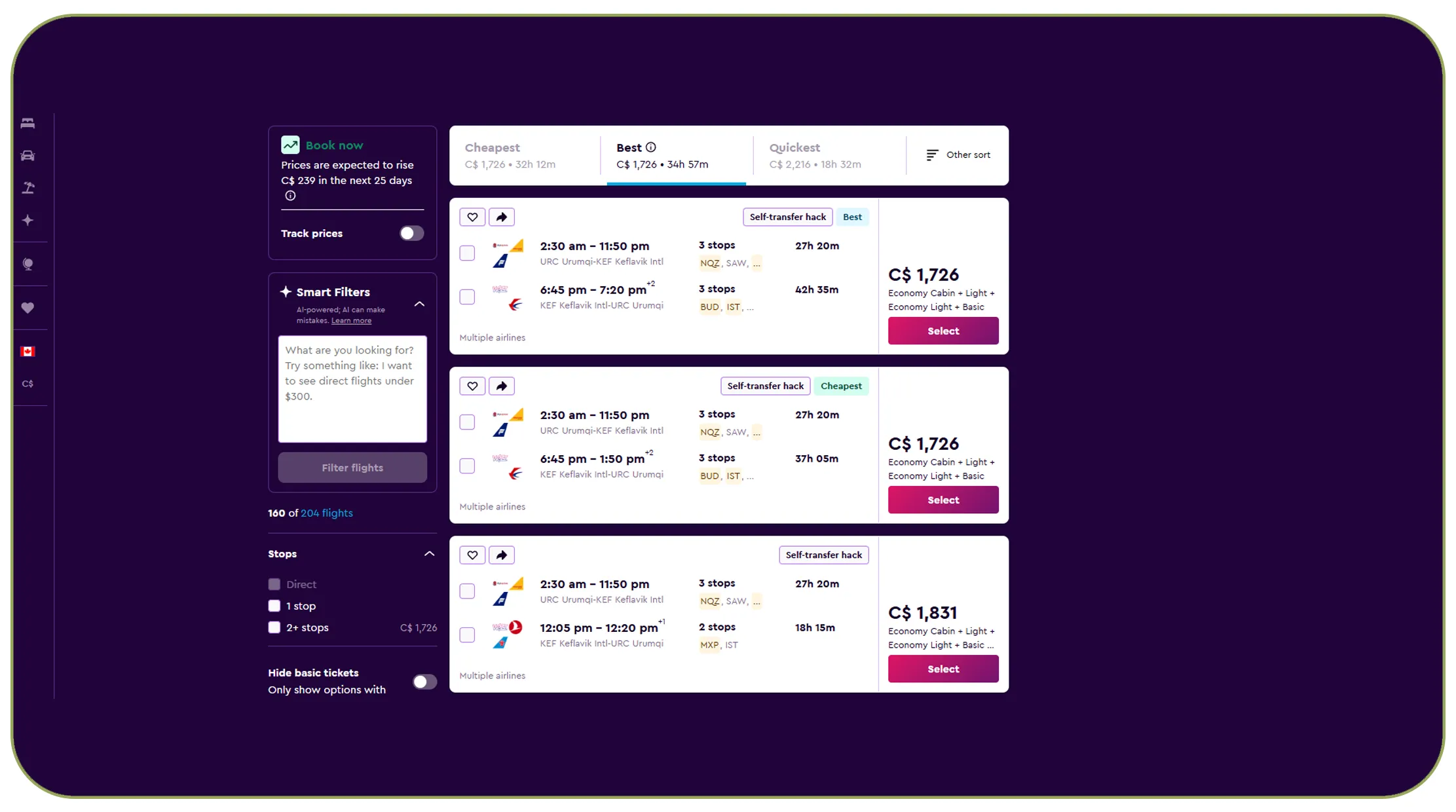
Understanding airline routes is essential for travel businesses seeking a competitive advantage. Route availability, airline frequency, stopovers, and destination popularity influence customer demand and pricing strategies. Monitoring this information manually across thousands of daily flights is time-consuming and often inaccurate.
Using flight route data intelligence using Momondo data, businesses can automatically collect detailed information about airline routes, departure and arrival airports, travel duration, airline operators, layovers, and flight frequency. This structured intelligence enables organizations to identify market opportunities and optimize travel offerings.
Travel companies can use route intelligence to:
- Monitor newly launched airline routes.
- Analyze high-demand travel corridors.
- Compare airline coverage across destinations.
- Identify underserved markets.
- Evaluate seasonal travel trends.
- Support route expansion strategies.
- Improve travel recommendation engines.
For travel aggregators and OTAs, automated route monitoring also enhances customer search experiences. By analyzing route availability in real time, platforms can recommend better travel options while improving booking conversion rates.
Airline Route Intelligence Growth (2020-2026)
| Year | Routes Monitored | Airlines Covered | Daily Route Updates |
|---|---|---|---|
| 2020 | 48,000 | 180 | 95,000 |
| 2021 | 61,500 | 205 | 128,000 |
| 2022 | 76,400 | 230 | 168,000 |
| 2023 | 92,800 | 255 | 221,000 |
| 2024 | 108,500 | 280 | 285,000 |
| 2025* | 124,700 | 305 | 351,000 |
| 2026* | 141,200 | 330 | 426,000 |
*Projected industry estimates.
Automated route intelligence also supports strategic planning. Airlines can evaluate competitor expansion, travel startups can discover emerging destinations, and market researchers can identify changing passenger preferences. Historical route data further enables long-term trend analysis, helping businesses anticipate market shifts instead of simply reacting to them.
As international travel continues to recover and expand, organizations equipped with automated route intelligence are better positioned to make data-driven decisions, improve operational planning, and strengthen their competitive position.
How Do Online Travel Agencies Stay Ahead in a Competitive Marketplace?
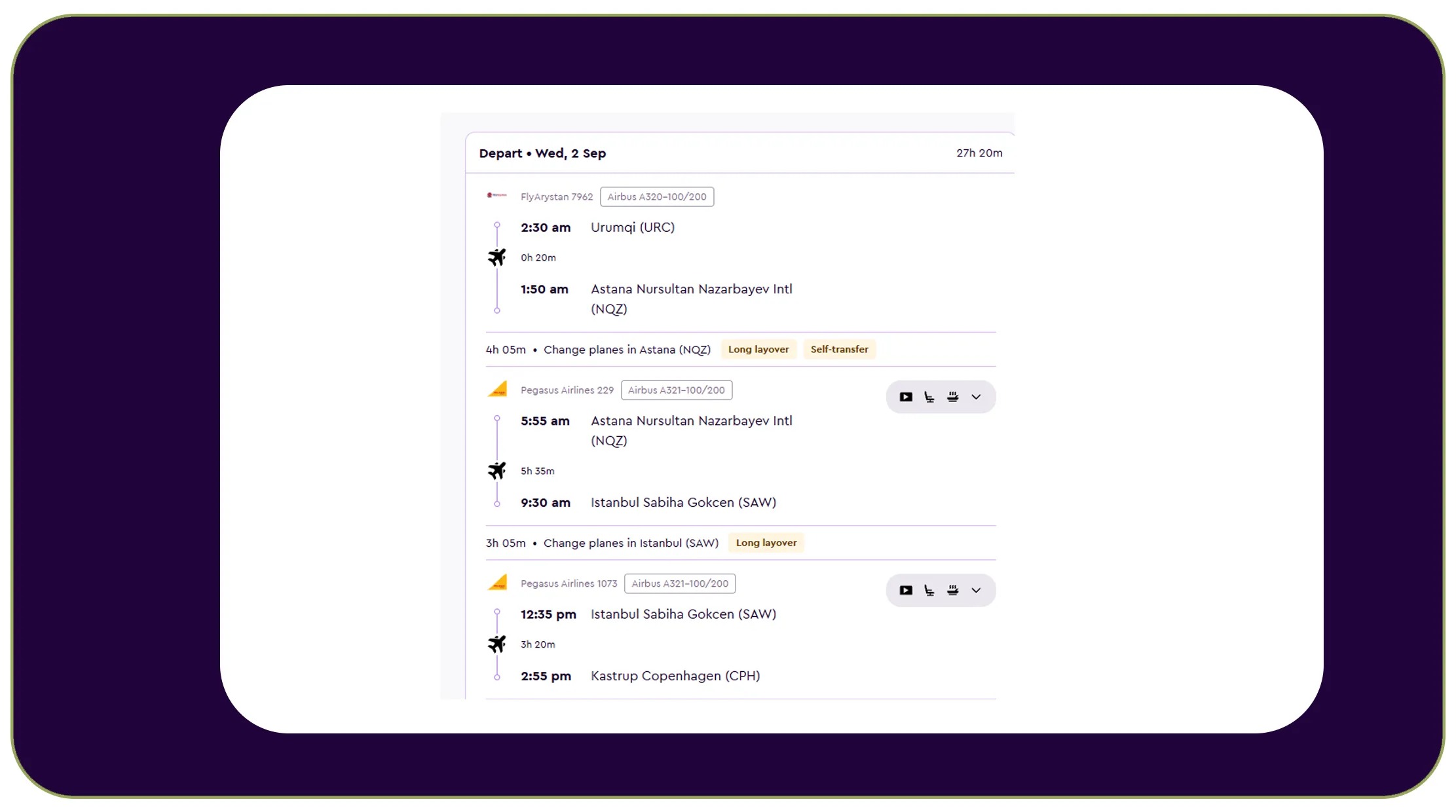
Online travel agencies operate in one of the most competitive digital industries. Prices change rapidly, promotional offers appear throughout the day, and new travel packages are introduced continuously. Businesses need accurate and timely market intelligence to remain competitive and attract travelers.
Using a Momondo OTA market data scraper, companies can automatically gather valuable information from online travel listings, including airline fares, hotel combinations, travel packages, booking availability, cancellation policies, baggage information, and promotional discounts. This provides decision-makers with a complete view of the competitive travel landscape.
Automated OTA market monitoring helps businesses:
- Compare airfare across competing platforms.
- Track promotional campaigns in real time.
- Monitor airline partnerships and code-share offerings.
- Analyze destination popularity.
- Identify seasonal pricing trends.
- Benchmark travel package competitiveness.
- Improve pricing and merchandising strategies.
Continuous market monitoring also allows organizations to understand customer preferences more effectively. Historical booking trends and pricing movements reveal which destinations perform best during holidays, weekends, business travel periods, and seasonal peaks.
OTA Market Intelligence Trends (2020-2026)
| Year | OTAs Monitored | Average Daily Fare Updates | Promotional Offers Tracked |
|---|---|---|---|
| 2020 | 35 | 180,000 | 1,200 |
| 2021 | 42 | 245,000 | 1,650 |
| 2022 | 51 | 330,000 | 2,150 |
| 2023 | 63 | 445,000 | 2,780 |
| 2024 | 75 | 585,000 | 3,460 |
| 2025* | 88 | 735,000 | 4,250 |
| 2026* | 102 | 920,000 | 5,180 |
*Projected industry estimates.
Businesses that monitor OTA marketplaces continuously gain a significant competitive advantage. Pricing teams can adjust fares more quickly, marketing departments can respond to competitor promotions, and travel platforms can improve search results using current market data. Instead of relying on outdated reports, organizations receive fresh insights that support faster decisions and better customer experiences in an increasingly dynamic travel industry.
How Can Businesses Monitor Flight Prices More Effectively?
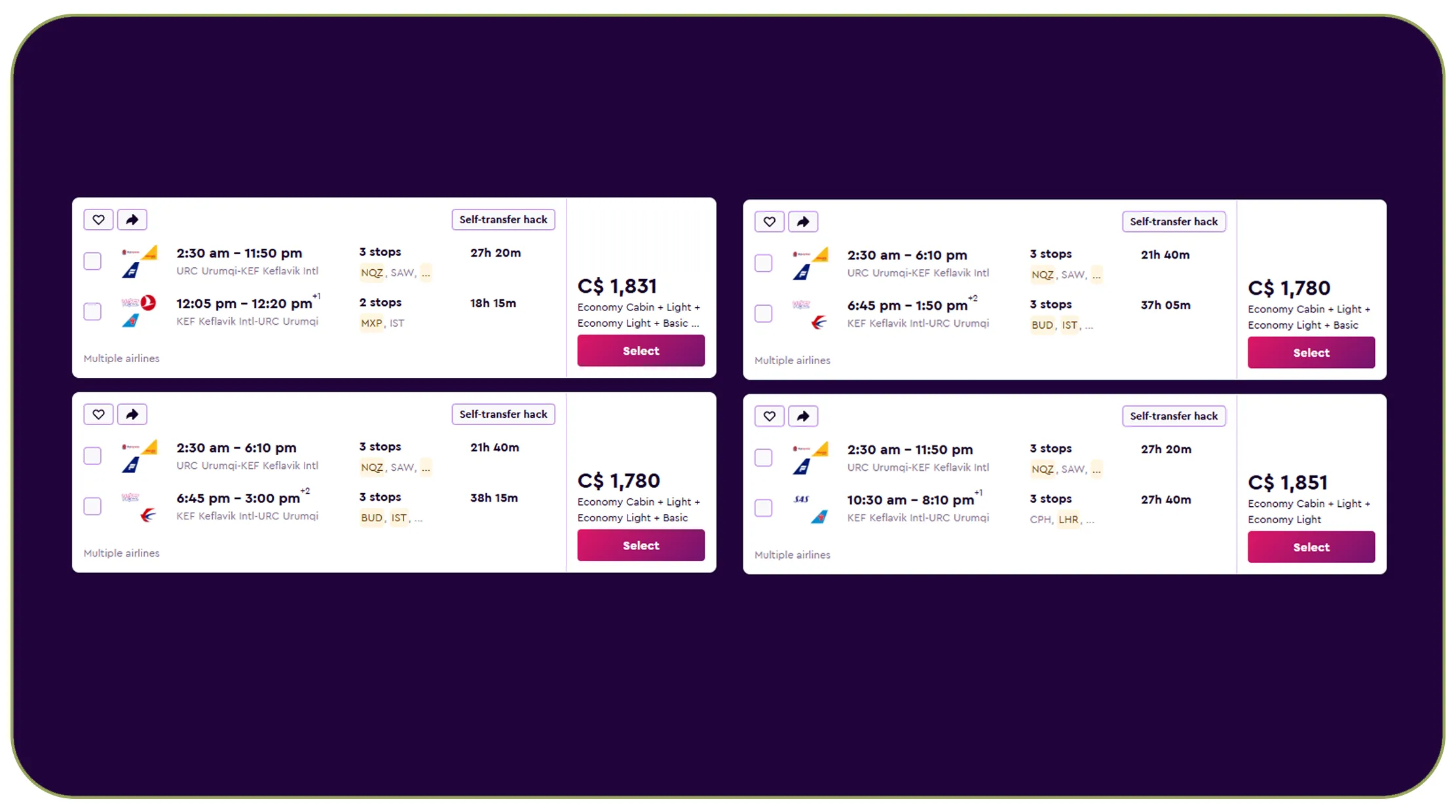
Flight prices change constantly due to demand, booking windows, fuel costs, competition, holidays, and airline pricing strategies. Manual monitoring is no longer practical for businesses managing thousands of routes across multiple airlines. Automated airfare tracking provides continuous visibility into fare movements and helps organizations make informed pricing decisions.
Using scrape airline ticket prices using Momondo data, businesses can automatically collect real-time airfare information, including ticket prices, fare classes, airline names, departure and arrival times, baggage policies, travel duration, refund options, and seat availability. This structured information enables travel companies to identify pricing trends and respond quickly to market changes.
Automated fare tracking supports several business objectives:
- Monitor daily airfare fluctuations.
- Compare competitor pricing across airlines.
- Identify seasonal fare trends.
- Track promotional and discounted ticket prices.
- Analyze pricing by route and travel class.
- Improve dynamic pricing strategies.
- Enhance customer-facing fare comparison tools.
Historical fare data also helps organizations forecast pricing behavior. Businesses can identify recurring travel patterns, estimate future airfare trends, and optimize promotional campaigns based on historical demand.
Flight Price Monitoring Trends (2020-2026)
| Year | Flights Tracked Daily | Average Fare Changes | Price Alerts Generated |
|---|---|---|---|
| 2020 | 185,000 | 8% | 28,000 |
| 2021 | 245,000 | 10% | 39,500 |
| 2022 | 335,000 | 13% | 54,200 |
| 2023 | 455,000 | 16% | 72,800 |
| 2024 | 590,000 | 19% | 94,300 |
| 2025* | 745,000 | 22% | 121,000 |
| 2026* | 910,000 | 25% | 152,500 |
*Projected industry estimates.
Automated airfare monitoring reduces reporting delays and provides businesses with fresh pricing intelligence throughout the day. OTAs, travel startups, airlines, and analytics firms can react faster to competitor pricing changes, improve revenue management, and offer travelers the most competitive fares available.
How Does Structured Travel Data Improve Market Intelligence?
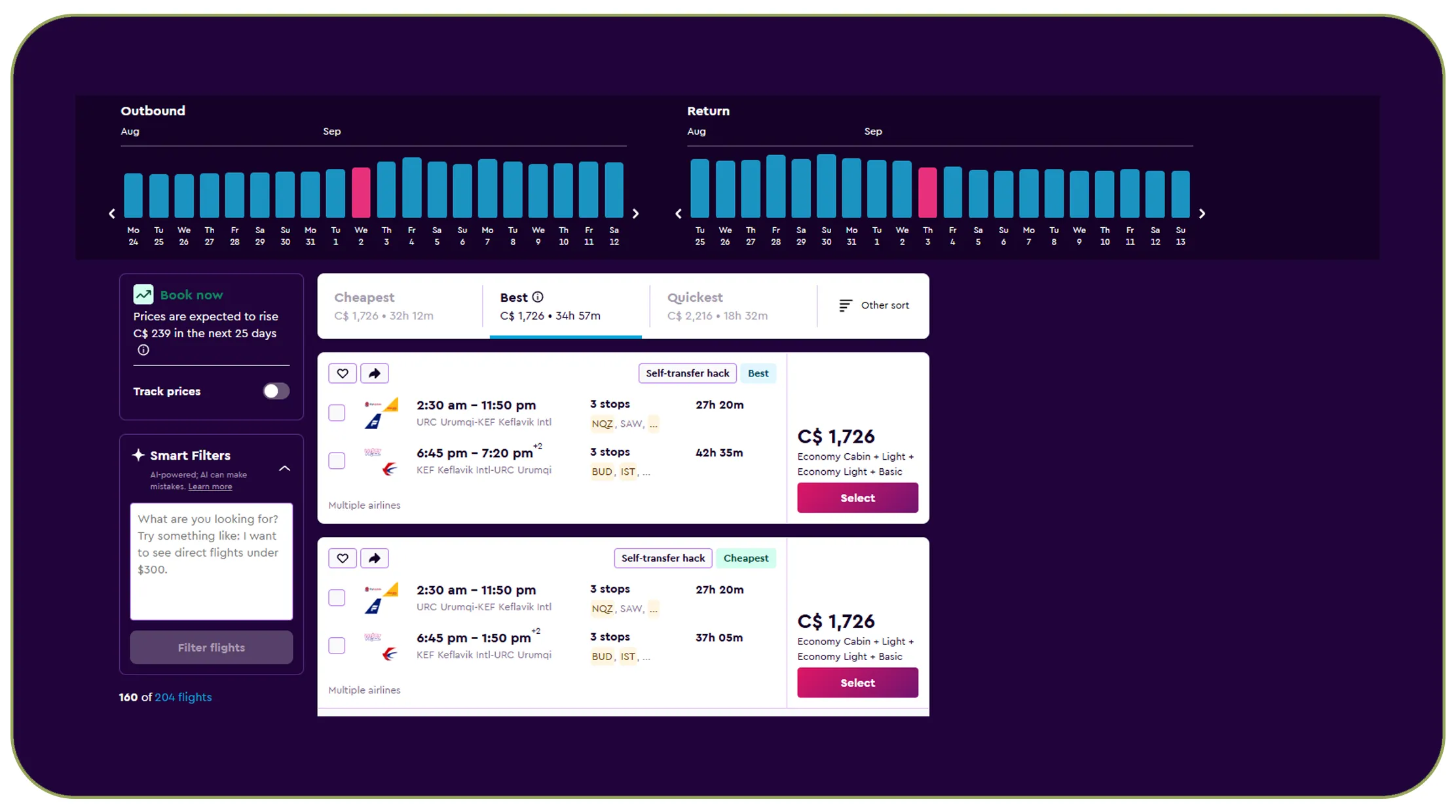
Travel businesses collect large volumes of information every day. Without proper organization, this data becomes difficult to analyze and use effectively. A structured Momondo Travel Dataset converts raw travel information into standardized records that support reporting, forecasting, and business intelligence.
A comprehensive travel dataset typically includes:
- Airline name
- Flight number
- Departure airport
- Arrival airport
- Departure and arrival times
- Ticket price
- Currency
- Travel class
- Stops and layovers
- Flight duration
- Seat availability
- Baggage information
- Booking URL
- Date and time collected
Organized datasets help businesses integrate travel information into analytics platforms, dashboards, machine learning models, and revenue management systems.
Benefits of Structured Travel Data
- Faster competitive benchmarking.
- Better airfare comparisons.
- Improved demand forecasting.
- Accurate route performance analysis.
- Reliable historical trend reporting.
- Enhanced customer recommendations.
- Easier integration with business intelligence tools.
Travel Data Growth (2020-2026)
| Year | Records Collected | Airlines Covered | Data Accuracy |
|---|---|---|---|
| 2020 | 42 Million | 185 | 91% |
| 2021 | 58 Million | 210 | 93% |
| 2022 | 79 Million | 235 | 95% |
| 2023 | 104 Million | 265 | 96% |
| 2024 | 132 Million | 295 | 97% |
| 2025* | 165 Million | 320 | 98% |
| 2026* | 205 Million | 345 | 99% |
*Projected industry estimates.
Structured travel datasets enable more than basic reporting. They power AI-driven fare prediction, personalized travel recommendations, dynamic pricing engines, customer behavior analysis, and route optimization. Businesses can also evaluate long-term travel demand, identify emerging destinations, and measure airline performance with greater confidence.
As digital travel continues to evolve, maintaining high-quality travel datasets has become a strategic advantage. Organizations that organize and analyze travel data effectively can improve operational efficiency, strengthen pricing strategies, and deliver better experiences for travelers while staying ahead of market competition.
How Can Travel APIs Simplify Large-Scale Data Collection?
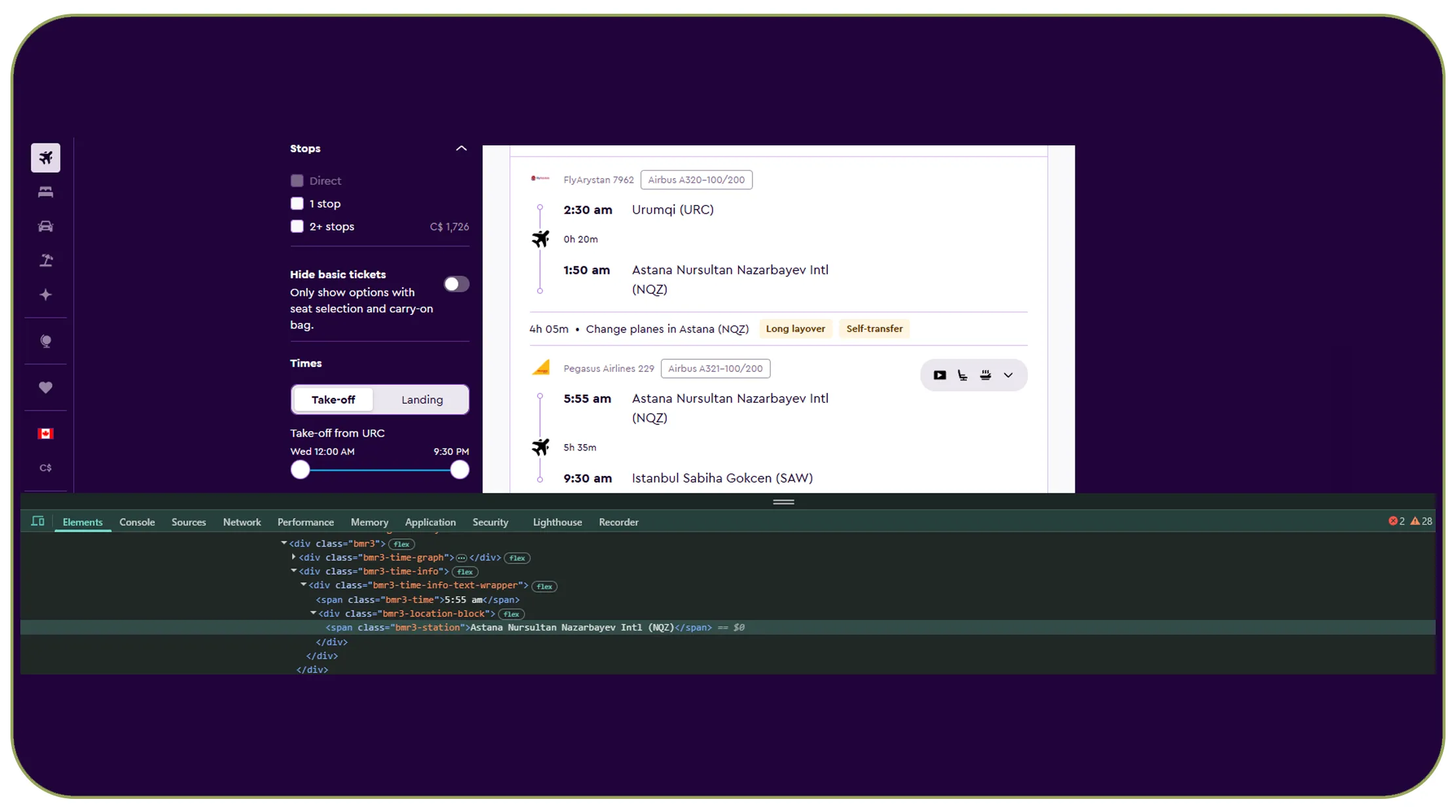
Modern travel businesses need access to accurate and continuously updated information. Flight schedules, airfare, airline availability, and travel deals change throughout the day. Manual collection cannot keep pace with these frequent updates. Automated APIs provide a scalable way to collect, process, and deliver travel data for analytics and business operations.
A Travel Data Scraping API enables businesses to automatically extract flight information from travel platforms and integrate structured datasets into their internal systems. Instead of building complex scraping infrastructure, organizations can use an API to receive real-time travel data in formats such as JSON, CSV, or XML.
An automated API solution helps businesses:
- Collect millions of flight records efficiently.
- Monitor airfare changes in real time.
- Track airline schedules and route updates.
- Capture travel promotions and special offers.
- Integrate data into BI platforms and analytics dashboards.
- Reduce manual research and operational costs.
- Improve reporting speed and accuracy.
Travel APIs also improve workflow automation. Revenue management teams receive updated fare information, marketing teams monitor travel promotions, and pricing analysts evaluate competitor strategies without manual intervention.
Travel API Adoption Trends (2020-2026)
| Year | Businesses Using APIs | Daily API Requests | Automated Travel Data Coverage |
|---|---|---|---|
| 2020 | 39% | 320,000 | 45% |
| 2021 | 47% | 465,000 | 54% |
| 2022 | 58% | 670,000 | 65% |
| 2023 | 69% | 910,000 | 76% |
| 2024 | 78% | 1.25 Million | 85% |
| 2025* | 86% | 1.68 Million | 92% |
| 2026* | 93% | 2.15 Million | 97% |
*Projected industry estimates.
API-driven travel intelligence provides businesses with reliable, structured, and frequently updated information that supports dynamic pricing, demand forecasting, competitive analysis, and strategic planning. As travel marketplaces become increasingly competitive, automated APIs are becoming a critical component of modern travel technology.
How Are Businesses Using Travel Intelligence to Gain a Competitive Advantage?
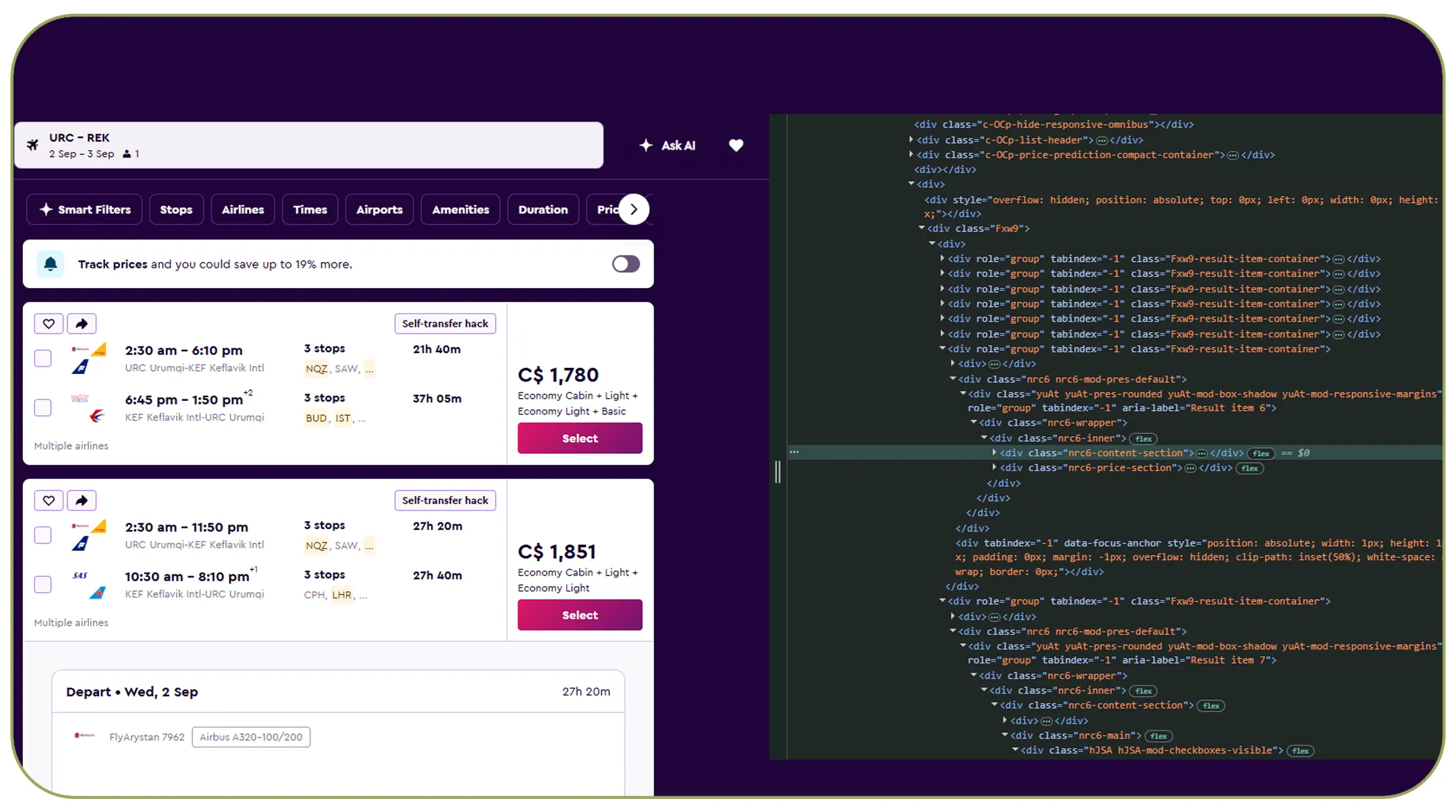
Travel companies rely on accurate data to improve customer experiences and optimize business performance. From airlines and online travel agencies to travel startups and market research firms, automated travel intelligence has become essential for making informed decisions. By leveraging Top Travel Scraping API Use Cases, organizations can transform raw travel information into valuable business insights.
Some of the most common applications include:
- Airfare Price Monitoring: Compare airline ticket prices across multiple travel platforms.
- Competitor Analysis: Track pricing strategies, promotions, and route offerings from competing OTAs.
- Travel Demand Forecasting: Analyze seasonal booking patterns and traveler preferences.
- Route Performance Analysis: Evaluate popular destinations and identify emerging travel corridors.
- Travel Market Research: Monitor industry trends and customer behavior.
- Revenue Management: Support dynamic pricing models using real-time airfare data.
- Customer Experience Optimization: Deliver personalized travel recommendations based on current pricing and availability.
- Business Intelligence Dashboards: Integrate travel datasets into reporting platforms for executive decision-making.
Business Impact of Travel Intelligence (2020-2026)
| Year | Companies Using Travel Intelligence | Pricing Accuracy Improvement | Forecast Accuracy Improvement |
|---|---|---|---|
| 2020 | 41% | 13% | 11% |
| 2021 | 49% | 17% | 15% |
| 2022 | 59% | 22% | 20% |
| 2023 | 70% | 27% | 25% |
| 2024 | 79% | 32% | 29% |
| 2025* | 87% | 37% | 34% |
| 2026* | 94% | 42% | 39% |
*Projected industry estimates.
Businesses that invest in travel intelligence gain faster access to market insights, improve pricing decisions, and strengthen their competitive position. Automated travel data collection enables organizations to react quickly to airfare changes, optimize marketing campaigns, identify profitable routes, and deliver more relevant travel options to customers. As the travel industry continues to evolve, leveraging comprehensive travel intelligence will remain a key factor in achieving sustainable growth and long-term success.
Why Choose Real Data API?
Selecting the right data partner is critical for businesses that depend on timely and accurate travel intelligence. Real Data API provides scalable travel data extraction solutions that help airlines, online travel agencies (OTAs), travel technology companies, market researchers, pricing analysts, and business intelligence teams automate flight data collection with confidence.
With A guide to Momondo flight data scraping, businesses can collect structured information on airline fares, flight schedules, routes, availability, travel duration, baggage policies, and promotional offers without manual effort. Our solutions are designed to deliver reliable, high-quality datasets that integrate seamlessly into analytics platforms, revenue management systems, and business intelligence dashboards.
Why Businesses Choose Real Data API
- Scalable flight data extraction from leading travel platforms.
- Real-time monitoring of airfare, schedules, and availability.
- High-quality structured datasets in JSON, CSV, or Excel formats.
- Easy API integration with existing analytics and BI systems.
- Automated data delivery with customizable schedules.
- Reliable support for competitor price monitoring.
- Secure, scalable infrastructure for enterprise data collection.
- Dedicated technical assistance for smooth implementation.
By automating travel data collection, businesses reduce operational costs, eliminate manual research, and gain continuous access to actionable travel intelligence. Whether your goal is competitor benchmarking, fare prediction, route analysis, or market research, Real Data API provides dependable solutions that support faster and smarter business decisions.
Conclusion
The travel industry moves quickly, making real-time data essential for accurate pricing, competitive analysis, and market forecasting. Businesses following A guide to Momondo flight data scraping can automate the collection of flight fares, airline schedules, route information, travel availability, and promotional offers to build reliable travel intelligence. This structured data empowers organizations to optimize pricing strategies, improve demand forecasting, monitor competitors, and deliver better customer experiences.
As airlines, OTAs, and travel technology companies continue to compete in a fast-changing marketplace, automated travel data extraction provides the visibility needed to stay ahead. High-quality travel datasets support strategic planning, enhance operational efficiency, and uncover new growth opportunities through data-driven decision-making.
Ready to transform your travel intelligence strategy? Contact Real Data API today to automate Momondo flight data extraction and gain real-time travel insights that power smarter pricing, stronger competitive analysis, and long-term business growth!
Latest posts
How Smiles API Enables Real-Time Food, Grocery, Restaurant, Product, and Delivery Data Intelligence
How BigBasket API Helps Businesses Extract Grocery Products, Prices, Offers, and Availability Data

How Restaurant, Menu, Price, Rating, and Delivery Data Helps Businesses Track Food Delivery Markets

How Businesses Solve Restaurant Market Intelligence Challenges with Rating, Review, and Location Data






.png)