Introduction
Businesses can optimize retail expansion and site selection by using scrape data for retail store location intelligence to analyze competitor footprints, customer demand, store density, geographic trends, and pricing patterns. This data-driven approach reduces expansion risks and helps retailers identify high-potential locations faster and more accurately.
According to industry estimates, more than 75% of large retail chains now use location intelligence and analytics platforms to support store expansion decisions. Retailers that leverage real-time location data are significantly more likely to identify profitable markets and improve return on investment from new store openings.
Modern retailers operate in a highly competitive environment where choosing the wrong location can lead to revenue loss, operational inefficiencies, and reduced market penetration. Traditional site selection methods often rely on historical assumptions and manual research, which can miss emerging opportunities. By combining web scraping, geospatial analytics, and Real-Time Retail Pricing Intelligence API Solutions, organizations can collect accurate market intelligence from multiple sources and convert it into actionable business insights. This enables retailers, franchise operators, commercial real estate teams, and expansion strategists to make smarter decisions while minimizing uncertainty.
How Can Businesses Gather Accurate Store-Level Insights Across Markets?
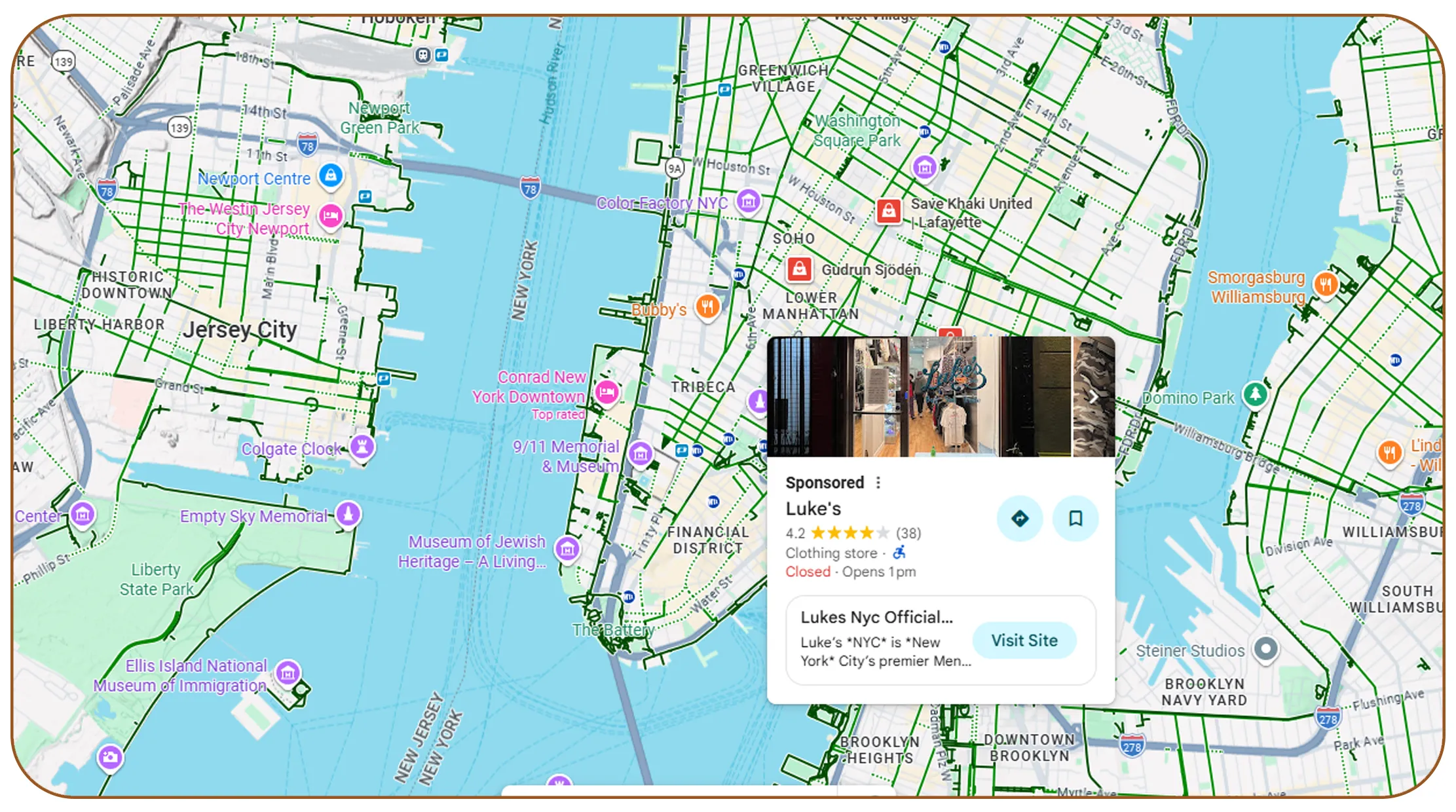
One of the biggest challenges in retail expansion is obtaining accurate store-level intelligence across multiple geographic regions. Retailers need information about store locations, competitor footprints, operating hours, customer density, nearby businesses, and local demand trends.
Using extract store-level data using retail APIs, organizations can automate the collection of structured retail information from multiple digital sources. APIs provide access to detailed store information that can be continuously updated without requiring manual research.
Store-Level Data Intelligence Adoption (2020–2026)
| Year | Businesses Using Store-Level Analytics (%) |
|---|---|
| 2020 | 31 |
| 2021 | 38 |
| 2022 | 46 |
| 2023 | 54 |
| 2024 | 63 |
| 2025 | 72 |
| 2026 | 81 |
Key insights collected include:
- Store addresses and coordinates
- Competitor store density
- Business operating hours
- Regional demographic indicators
- Market saturation levels
Store-level intelligence helps retailers evaluate existing market coverage and identify underserved areas. Instead of relying on assumptions, decision-makers can assess actual market conditions before committing resources. This level of visibility improves expansion planning, supports franchise development, and reduces the risk associated with entering new regions. As competition intensifies between 2020 and 2026, businesses that continuously monitor location intelligence data gain a stronger advantage in identifying profitable growth opportunities.
How Does Location Intelligence Improve Retail Expansion Decisions?
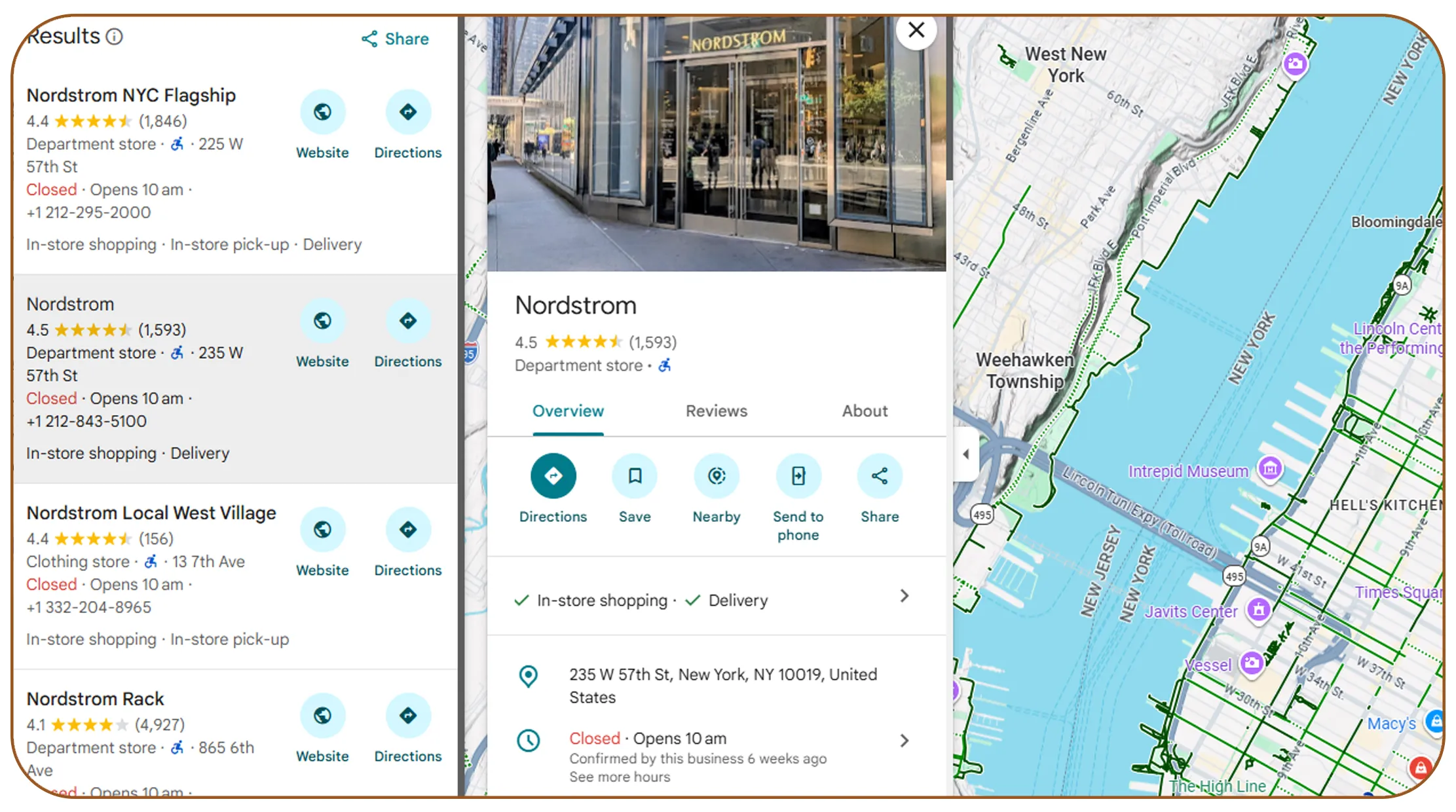
Retail expansion requires more than simply identifying available real estate. Successful retailers analyze surrounding demographics, competitor presence, purchasing behavior, traffic patterns, and market demand before selecting locations.
Through retail store location intelligence through data APIs, businesses can combine multiple datasets into a comprehensive location intelligence framework. These insights help organizations understand which areas offer the highest potential for long-term success.
Location Intelligence Utilization Growth (2020–2026)
| Year | Retailers Using Location Intelligence (%) |
|---|---|
| 2020 | 33 |
| 2021 | 40 |
| 2022 | 48 |
| 2023 | 57 |
| 2024 | 66 |
| 2025 | 75 |
| 2026 | 84 |
Benefits include:
- Better site selection accuracy
- Reduced expansion risks
- Improved market penetration
- Enhanced customer accessibility
- Stronger long-term profitability
Location intelligence helps retailers compare multiple markets simultaneously. Businesses can evaluate whether a region is saturated with competitors or represents an underserved opportunity. These insights also support territory planning and expansion prioritization. By leveraging data-driven intelligence, retailers can make objective decisions rather than relying solely on intuition. This approach improves expansion outcomes while supporting sustainable growth across both urban and suburban markets.
How Can Pricing Data Strengthen Site Selection Strategies?
Pricing intelligence plays a critical role in retail location planning. Consumer purchasing behavior often varies across geographic regions due to differences in income levels, local competition, and market demand.
Using retail pricing intelligence by store location using APIs, businesses can compare pricing trends across different regions and evaluate how local market conditions influence profitability.
Retail Pricing Intelligence Adoption (2020–2026)
| Year | Retailers Using Regional Pricing Analytics (%) |
|---|---|
| 2020 | 29 |
| 2021 | 36 |
| 2022 | 44 |
| 2023 | 53 |
| 2024 | 62 |
| 2025 | 71 |
| 2026 | 80 |
Key advantages include:
- Competitive pricing analysis
- Regional demand assessment
- Margin optimization
- Promotion benchmarking
- Market-specific pricing strategies
For example, two locations may have similar population sizes but significantly different pricing environments. One area may support premium pricing due to limited competition, while another may require aggressive discounting. Retailers that understand these dynamics can make more informed expansion decisions.
Pricing intelligence also enables organizations to forecast potential revenue opportunities before opening new stores. By analyzing competitor pricing and consumer demand, businesses gain a clearer understanding of market attractiveness. This reduces uncertainty and helps maximize profitability from future store investments.
Why Is Automated Data Collection Essential for Location Intelligence?
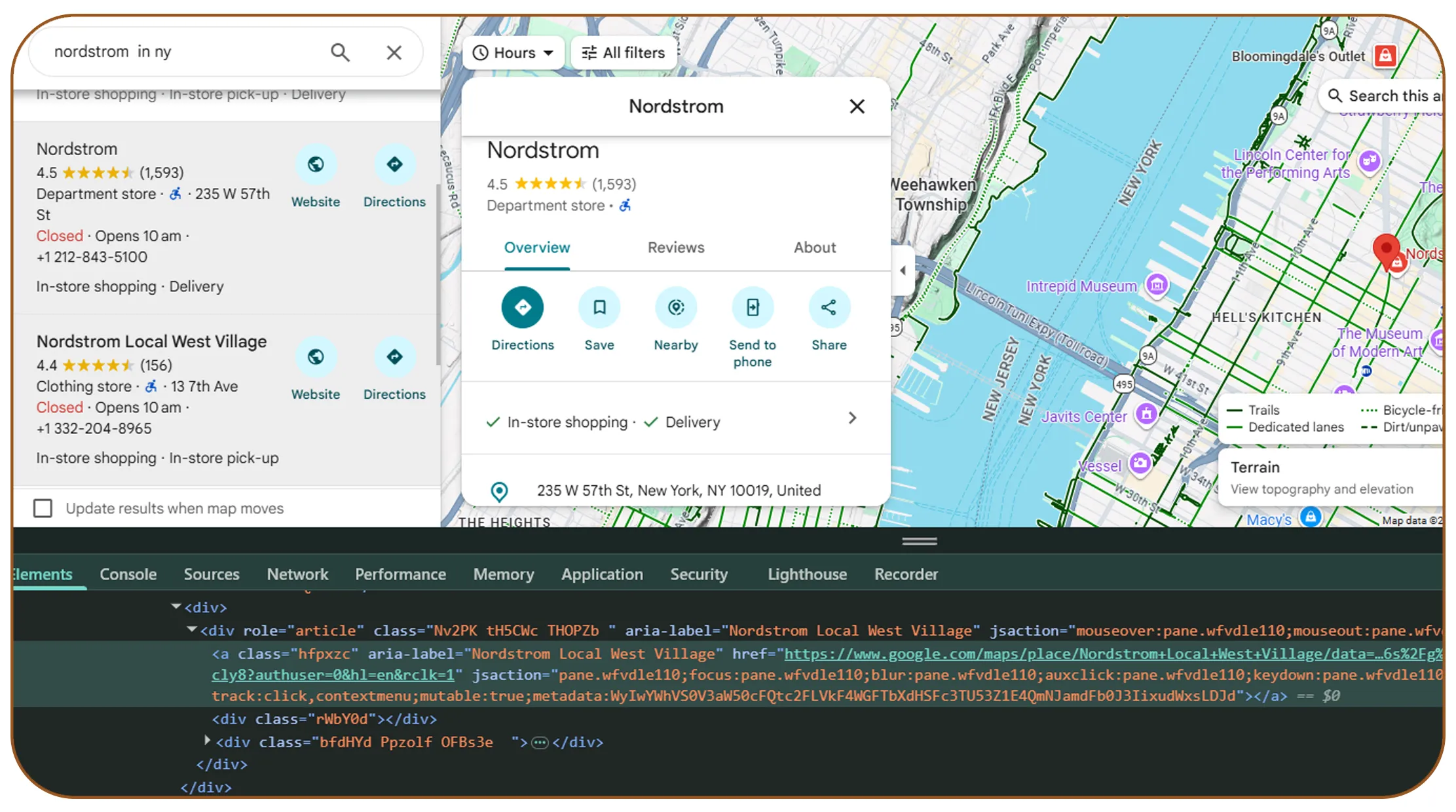
Manual research methods are no longer sufficient for modern retail expansion. Markets evolve rapidly, and location-related information changes frequently. Businesses need scalable systems that can continuously monitor and update location intelligence datasets.
Through Web Scraping retail data APIs for store-level data intelligence, organizations can automate the collection of competitor locations, pricing information, store attributes, customer reviews, and regional market indicators.
Automated Retail Data Collection Growth (2020–2026)
| Year | Retailers Using Automated Data Collection (%) |
|---|---|
| 2020 | 35 |
| 2021 | 42 |
| 2022 | 50 |
| 2023 | 59 |
| 2024 | 68 |
| 2025 | 77 |
| 2026 | 86 |
Major benefits include:
- Real-time market monitoring
- Improved data accuracy
- Reduced manual effort
- Faster reporting cycles
- Scalable intelligence gathering
Automation enables businesses to monitor thousands of locations simultaneously. This capability is especially important for enterprise retailers managing large expansion pipelines. Automated intelligence systems also improve responsiveness by identifying market changes as they occur.
As retail networks continue to expand, organizations that rely on automated data collection gain a significant competitive advantage. They can react faster to opportunities and make more informed decisions based on current market conditions.
What Business Opportunities Can Ecommerce Scraping APIs Unlock?
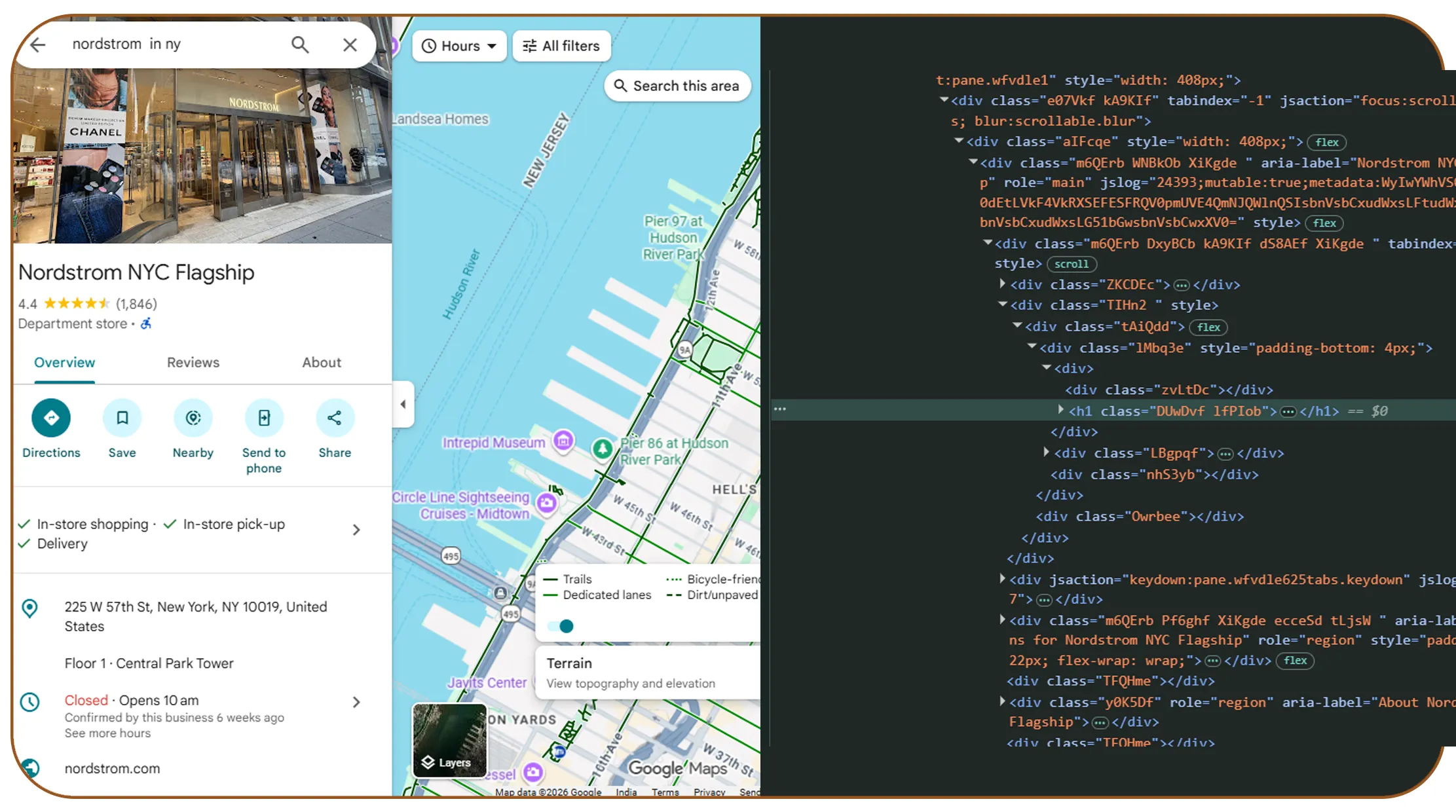
Ecommerce data provides valuable insights into consumer demand, product availability, and competitive activity. Retailers increasingly use ecommerce intelligence to complement physical store location strategies.
The Top Ecommerce Scraping API Use Cases extend far beyond product monitoring. Businesses use ecommerce data to identify demand hotspots, understand regional preferences, and evaluate market potential.
Ecommerce Intelligence Adoption (2020–2026)
| Year | Companies Using Ecommerce Data for Expansion (%) |
|---|---|
| 2020 | 27 |
| 2021 | 35 |
| 2022 | 43 |
| 2023 | 52 |
| 2024 | 61 |
| 2025 | 71 |
| 2026 | 81 |
Common use cases include:
- Demand forecasting
- Competitor analysis
- Product availability tracking
- Consumer trend monitoring
- Market expansion planning
Retailers can compare online demand patterns with physical store performance to identify regions where new locations may succeed. Ecommerce insights also help businesses understand seasonal demand fluctuations and customer preferences.
By combining ecommerce intelligence with geospatial analytics, retailers gain a holistic view of market opportunities. This integrated approach supports smarter expansion decisions and improves overall business performance.
How Do Large Datasets Improve Market Opportunity Identification?
Modern retail expansion strategies depend on large-scale data analysis. Organizations must process information from multiple sources to identify meaningful patterns and opportunities.
Using E-Commerce Dataset, businesses can combine consumer demand trends, pricing information, competitor activity, and geographic intelligence to support expansion planning. When organizations scrape data for retail store location intelligence, they gain access to comprehensive datasets that provide deeper visibility into market conditions.
Retail Dataset Utilization Growth (2020–2026)
| Year | Businesses Using Large Retail Datasets (%) |
|---|---|
| 2020 | 30 |
| 2021 | 38 |
| 2022 | 46 |
| 2023 | 55 |
| 2024 | 64 |
| 2025 | 73 |
| 2026 | 83 |
Benefits include:
- Improved forecasting accuracy
- Better expansion prioritization
- Enhanced market segmentation
- Stronger competitive analysis
- Data-driven investment planning
Large datasets reveal hidden patterns that may not be visible through traditional analysis methods. Businesses can identify emerging markets, understand demographic shifts, and evaluate long-term growth opportunities.
As retail competition continues increasing, access to comprehensive datasets becomes a critical strategic asset. Organizations that leverage advanced analytics gain a clearer understanding of where to invest and how to maximize returns from expansion initiatives.
Why Choose Real Data API?
Real Data API helps businesses transform raw retail data into actionable location intelligence. Our solutions are designed for retailers, franchise operators, real estate analysts, and market researchers seeking reliable insights for expansion planning.
By leveraging Store Location Data, organizations gain access to accurate information about competitor footprints, market saturation, geographic trends, and regional demand indicators. Combined with scrape data for retail store location intelligence, our APIs provide real-time visibility into the factors that influence successful site selection.
Key advantages include:
- Real-time retail intelligence
- Automated data collection
- Enterprise-scale infrastructure
- High-frequency updates
- Geographic market analysis
- Competitor benchmarking
- Expansion opportunity mapping
- Custom analytics solutions
Real Data API empowers businesses to make faster, smarter, and more confident expansion decisions using trusted market intelligence.
Conclusion
Retail expansion success depends on accurate market intelligence, competitive visibility, and data-driven decision-making. Organizations that scrape data for retail store location intelligence gain deeper insights into competitor footprints, customer demand patterns, pricing dynamics, and geographic opportunities.
By combining web scraping, APIs, location analytics, and retail intelligence solutions, businesses can optimize site selection, reduce expansion risks, and improve long-term profitability. As data adoption continues to grow through 2026, organizations that invest in automated intelligence systems will be better positioned to identify profitable markets and outperform competitors.
Ready to transform retail expansion with real-time location intelligence? Partner with Real Data API today and unlock data-driven site selection strategies that accelerate growth and maximize market success!
Latest posts
How real-time food data scraping services Help Food Brands Track Products, Prices, and Market Trends
Why Sainsbury's grocery data web scraper Is Essential for Smarter Grocery Pricing and Product Intelligence
How Talabat Scraper Helps Brands Monitor Talabat Listings, Discounts, Reviews, and Availability at Scale
How Twitter Scraper Enables Faster Social Media Data Collection for Trend, Competitor, Audience Intelligence, and Social Media Data Collection






.png)



