
Introduction
The global fashion ecommerce market has experienced unprecedented growth over the past decade, driven by evolving consumer preferences, mobile commerce, and digital-first shopping experiences. As Japan's leading online fashion marketplace, ZOZOTOWN hosts thousands of domestic and international brands, making it a valuable source of market intelligence for retailers, manufacturers, and analytics firms. Organizations that scrape product data from ZOZOTOWN gain access to real-time information on product pricing, discounts, inventory availability, brand assortments, customer engagement, and seasonal collections, enabling smarter merchandising and competitive decision-making.
Using a reliable ZOZOTOWN Scraping API , businesses can automate large-scale data collection without manual intervention. Structured datasets support competitive benchmarking, price optimization, trend forecasting, assortment planning, and consumer behavior analysis. By continuously monitoring marketplace activity, brands can quickly identify pricing shifts, emerging fashion trends, bestselling products, and promotional campaigns. This research report explores how automated data extraction from ZOZOTOWN empowers businesses with actionable insights to strengthen pricing strategies, enhance brand performance, and better understand evolving consumer demand in Japan's highly competitive fashion ecommerce landscape.
Monitoring Fashion Marketplace Activity in Real Time
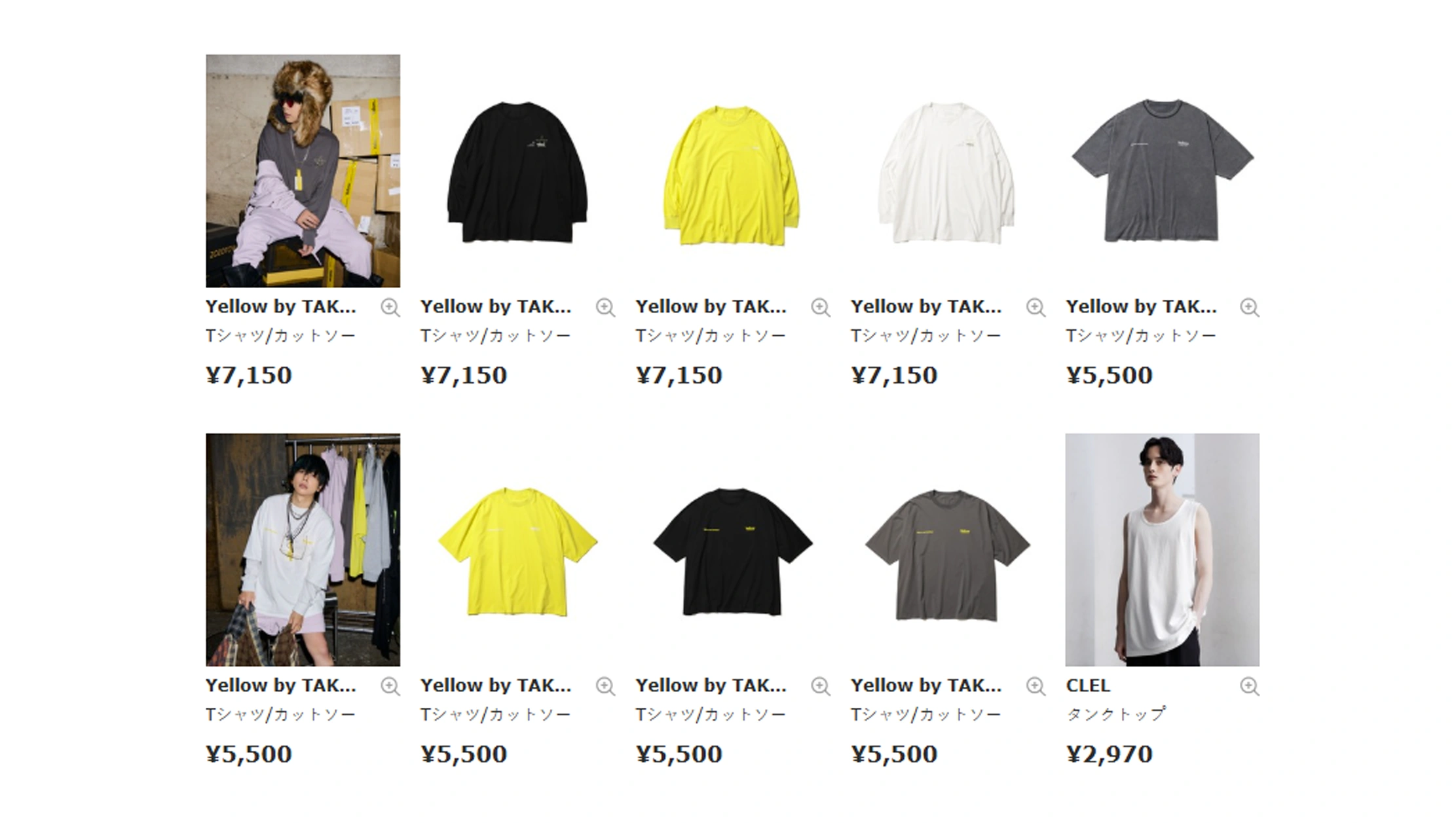
The fashion industry evolves rapidly, with new collections, limited-edition launches, flash sales, and seasonal promotions occurring throughout the year. Businesses require continuous marketplace visibility to react quickly to changing customer demand and competitive movements. Web Scraping apparel product data from ZOZOTOWN enables organizations to monitor thousands of product listings, inventory changes, pricing updates, and promotional campaigns in real time.
Retailers use live marketplace intelligence to optimize pricing strategies, identify fast-selling products, and improve inventory allocation. Fashion brands monitor competitors' assortments, while ecommerce analysts evaluate emerging styles and seasonal purchasing behavior. Continuous data collection minimizes manual research while ensuring businesses receive accurate and timely information for strategic planning.
Historical marketplace data further enhances forecasting by identifying recurring seasonal trends, enabling retailers to prepare for high-demand shopping periods. Combining real-time monitoring with historical insights provides a comprehensive understanding of product performance across multiple fashion categories.
Marketplace Activity Statistics (2020–2026)
| Year | Products Monitored (Millions) | Daily Listing Updates | Fashion Brands Tracked | Data Accuracy |
|---|---|---|---|---|
| 2020 | 2.9 | 145,000 | 6,800 | 94.3% |
| 2021 | 3.8 | 192,000 | 7,900 | 95.4% |
| 2022 | 5.2 | 274,000 | 9,500 | 96.2% |
| 2023 | 7.0 | 386,000 | 11,700 | 97.1% |
| 2024 | 9.3 | 528,000 | 14,200 | 98.0% |
| 2025* | 11.8 | 698,000 | 16,800 | 98.6% |
| 2026* | 14.7 | 885,000 | 19,600 | 99.1% |
*Projected values.
The marketplace demonstrates remarkable growth between 2020 and 2026. Products monitored are projected to increase by more than 400%, while daily listing updates exceed 885,000. The number of fashion brands tracked nearly triples, reflecting expanding marketplace diversity. Higher data accuracy supports faster decision-making, enabling businesses to respond quickly to pricing changes, inventory fluctuations, and emerging fashion opportunities while maintaining competitive positioning.
Creating Comprehensive Digital Fashion Inventories
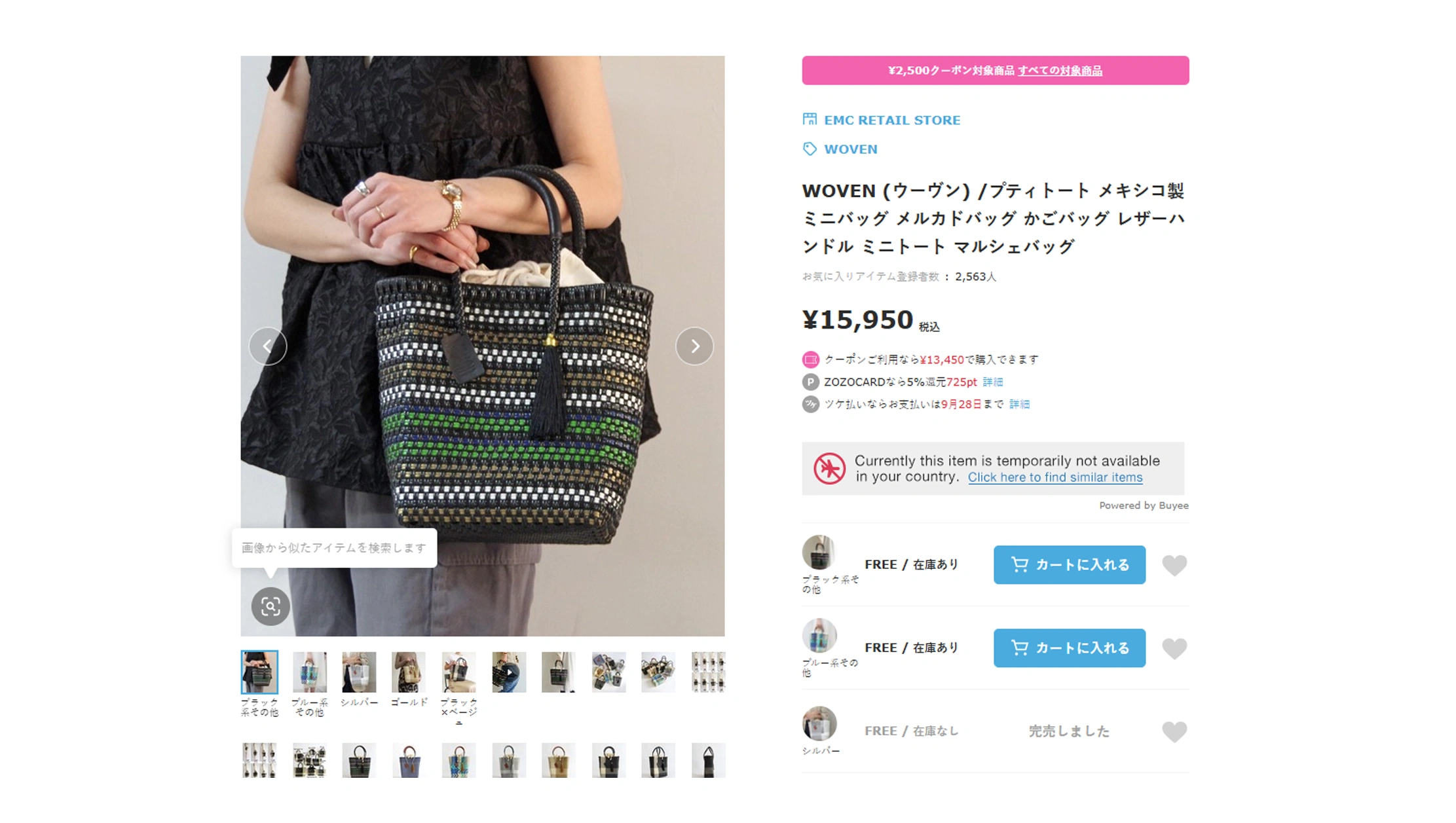
Fashion retailers manage thousands of products spanning apparel, footwear, accessories, beauty, and lifestyle collections. Maintaining visibility into this rapidly changing catalog is essential for effective merchandising and assortment optimization. A ZOZOTOWN fashion catalog data scraper enables businesses to automate the collection of detailed product information, including titles, categories, specifications, colors, sizes, pricing, seller information, and availability.
Comprehensive catalog intelligence helps retailers evaluate assortment breadth, compare competing brands, and identify gaps within specific product segments. Product managers can analyze collection launches, seasonal transitions, and category expansions while ensuring their own assortments remain competitive.
Automated catalog monitoring also reduces operational costs by eliminating repetitive manual research. Structured datasets integrate seamlessly with business intelligence platforms, allowing merchandising teams to visualize catalog performance and optimize procurement decisions. Historical catalog analysis further supports forecasting by revealing long-term assortment trends across the fashion marketplace.
Fashion Catalog Growth (2020–2026)
| Year | Catalog Listings (Millions) | Categories Covered | New Products Added Monthly | Active Brands |
|---|---|---|---|---|
| 2020 | 3.4 | 42 | 54,000 | 6,900 |
| 2021 | 4.7 | 47 | 72,000 | 8,100 |
| 2022 | 6.5 | 53 | 96,000 | 9,900 |
| 2023 | 8.8 | 60 | 126,000 | 12,300 |
| 2024 | 11.4 | 68 | 165,000 | 14,900 |
| 2025* | 14.2 | 74 | 208,000 | 17,500 |
| 2026* | 17.6 | 81 | 252,000 | 20,400 |
*Projected values.
Catalog expansion highlights the growing complexity of online fashion retail. Product listings are projected to exceed 17 million by 2026, while active brands surpass 20,000. The continuous addition of new products demonstrates the need for automated catalog monitoring solutions that help businesses efficiently manage expanding assortments and maintain comprehensive marketplace visibility.
Strengthening Competitive Pricing Intelligence
Pricing remains one of the most influential factors affecting purchasing decisions in fashion ecommerce. Consumers compare products across multiple brands before completing purchases, making continuous pricing analysis essential for retailers seeking to maximize sales while protecting profitability. Organizations Extract ZOZOTOWN clothing prices to monitor competitor pricing, promotional campaigns, discount frequency, and seasonal markdown strategies.
Automated pricing intelligence enables businesses to identify premium pricing opportunities, respond to competitor discounts, and optimize promotional calendars. Historical price tracking also reveals long-term pricing cycles, helping analysts predict future promotional periods and evaluate the effectiveness of seasonal sales events.
Manufacturers use pricing insights to monitor reseller compliance, while retailers benchmark pricing against competing brands within similar product categories. These datasets improve strategic decision-making by delivering accurate pricing intelligence at scale, reducing manual effort and increasing responsiveness to changing market conditions.
Fashion Pricing Intelligence (2020–2026)
| Year | Products Compared | Monthly Price Changes | Promotional Listings | Average Discount |
|---|---|---|---|---|
| 2020 | 380,000 | 6 | 16% | 11% |
| 2021 | 510,000 | 8 | 21% | 13% |
| 2022 | 690,000 | 10 | 26% | 15% |
| 2023 | 920,000 | 13 | 32% | 18% |
| 2024 | 1.22 Million | 16 | 37% | 20% |
| 2025* | 1.56 Million | 19 | 42% | 22% |
| 2026* | 1.94 Million | 22 | 47% | 25% |
*Projected values.
Pricing competition has intensified significantly across Japan's fashion ecommerce market. Between 2020 and 2026, monitored products are projected to grow more than fivefold, while promotional listings increase from 16% to 47%. Rising discount activity highlights the importance of continuous pricing intelligence, enabling businesses to react faster, optimize promotional strategies, and maintain healthy profit margins in an increasingly competitive retail environment.
Decoding Brand Portfolios for Strategic Growth
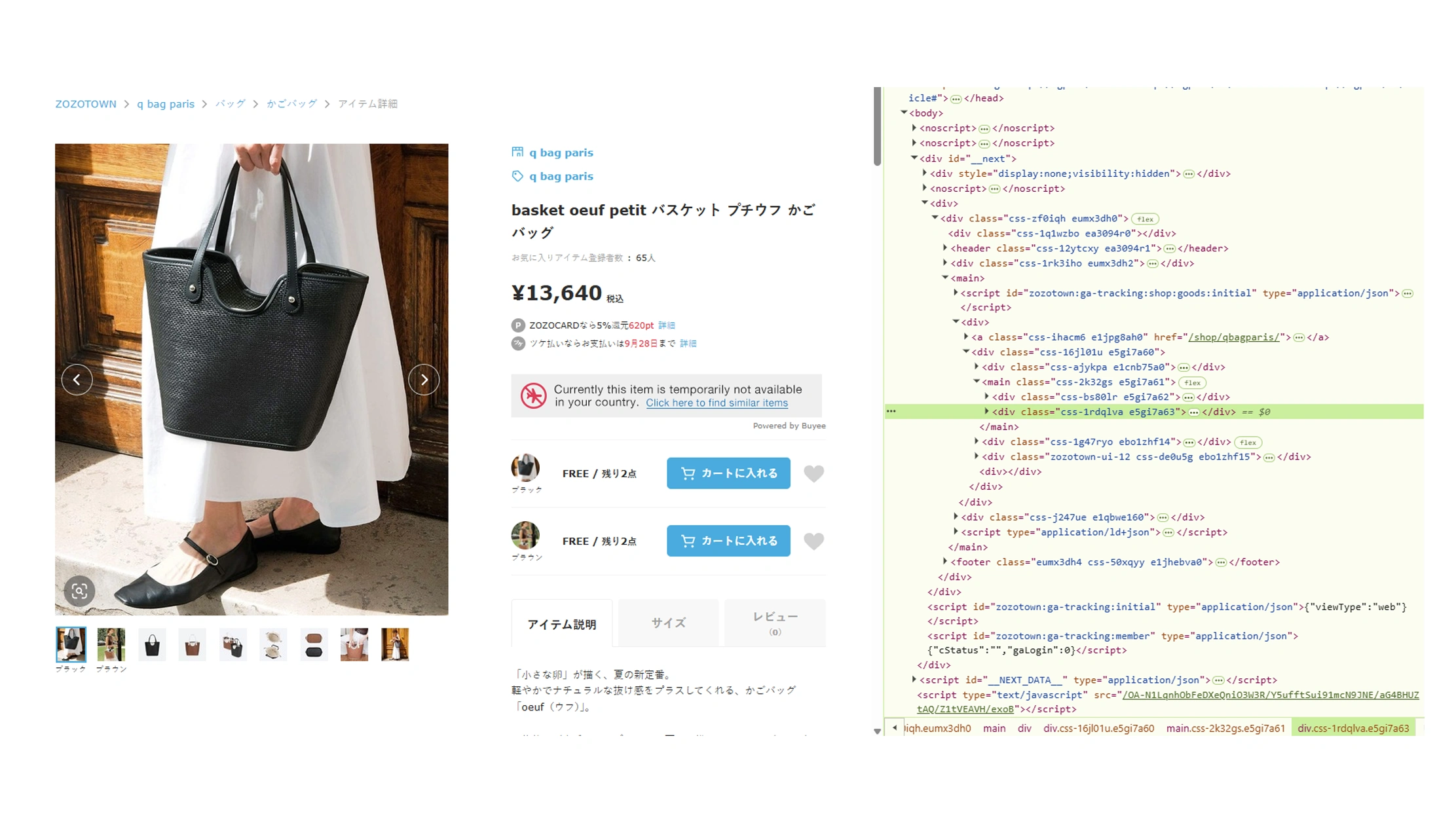
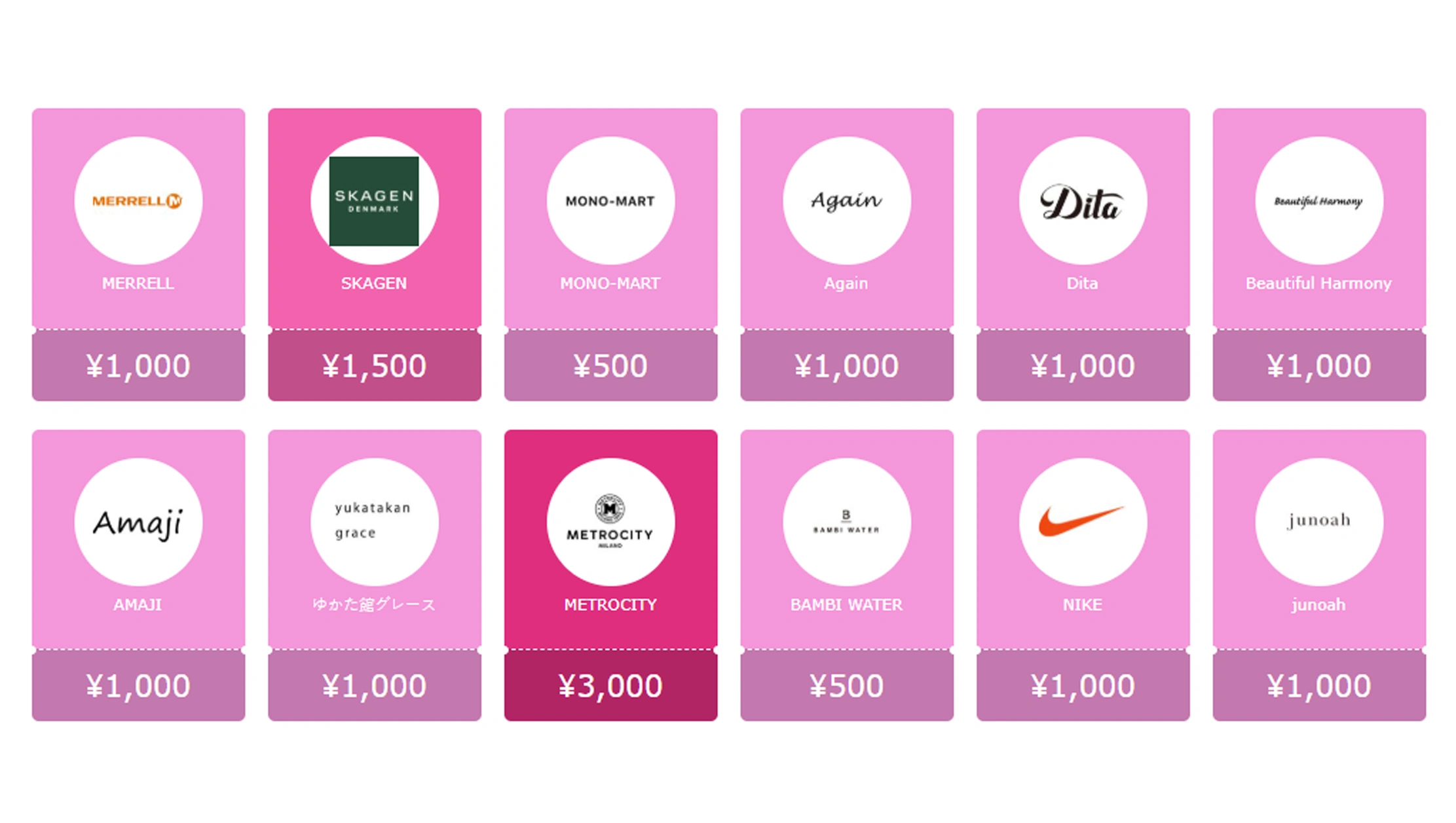
A successful fashion business requires more than monitoring individual products—it demands visibility into the complete brand ecosystem. Fashion brands catalog scraping via ZOZOTOWN API enables retailers, manufacturers, and market analysts to track brand portfolios, new arrivals, pricing consistency, assortment diversity, and seasonal launches across thousands of fashion labels available on the marketplace.
Brand-level intelligence allows businesses to benchmark product breadth, identify premium and value-oriented positioning, and monitor collection refresh cycles. Retailers can compare competing brands based on inventory depth, promotional frequency, and customer engagement while identifying underserved product categories. This information supports better assortment planning and supplier negotiations.
Long-term brand analytics also reveal emerging fashion labels gaining popularity among consumers. Businesses can evaluate market penetration, pricing evolution, and product availability trends to refine merchandising strategies. API-driven brand catalog monitoring ensures structured, accurate, and continuously updated datasets that integrate seamlessly with business intelligence systems for advanced reporting and forecasting.
Brand Portfolio Analytics (2020–2026)
| Year | Brands Tracked | Active SKUs (Millions) | New Collections Added | Brand Coverage |
|---|---|---|---|---|
| 2020 | 6,500 | 2.8 | 4,800 | 90% |
| 2021 | 7,700 | 3.9 | 6,200 | 92% |
| 2022 | 9,400 | 5.5 | 8,100 | 94% |
| 2023 | 11,600 | 7.3 | 10,500 | 96% |
| 2024 | 14,100 | 9.6 | 13,800 | 97% |
| 2025* | 16,900 | 12.2 | 17,600 | 98% |
| 2026* | 20,100 | 15.3 | 21,900 | 99% |
*Projected values.
The statistics illustrate significant marketplace expansion between 2020 and 2026. Brand coverage is projected to reach 99%, while tracked SKUs exceed 15 million. The increasing number of new collections demonstrates rapid innovation across fashion categories, making automated brand portfolio monitoring essential for competitive market analysis.
Building High-Quality Data Assets for Advanced Analytics

Modern ecommerce analytics depend on structured, comprehensive datasets capable of supporting forecasting, machine learning, pricing intelligence, and inventory optimization. An E-Commerce Dataset consolidates product attributes, pricing history, inventory availability, seller information, ratings, category classifications, and promotional activity into a unified resource for enterprise decision-making.
Comprehensive datasets enable businesses to analyze consumer purchasing behavior, identify pricing patterns, monitor assortment changes, and evaluate seasonal demand fluctuations. Data scientists use these datasets to build predictive models for demand forecasting, dynamic pricing, recommendation engines, and sales optimization.
Historical datasets also improve strategic planning by providing long-term visibility into market evolution. Integrating marketplace intelligence with internal sales and inventory data allows organizations to generate deeper business insights while improving operational efficiency across merchandising, procurement, and marketing functions.
Dataset Expansion Statistics (2020–2026)
| Year | Total Records (Millions) | Product Attributes | Historical Coverage (Years) | Analytics Accuracy |
|---|---|---|---|---|
| 2020 | 135 | 30 | 2 | 91.0% |
| 2021 | 210 | 36 | 3 | 92.8% |
| 2022 | 315 | 43 | 4 | 94.5% |
| 2023 | 455 | 51 | 5 | 96.0% |
| 2024 | 630 | 59 | 6 | 97.3% |
| 2025* | 845 | 67 | 7 | 98.2% |
| 2026* | 1,090 | 75 | 8 | 99.0% |
*Projected values.
The quality and scale of ecommerce datasets continue improving each year. By 2026, total records are projected to exceed one billion with nearly 99% analytical accuracy. Rich historical coverage enables organizations to build more reliable predictive models, optimize pricing strategies, and gain deeper visibility into long-term market behavior.
Understanding Emerging Consumer Style Preferences
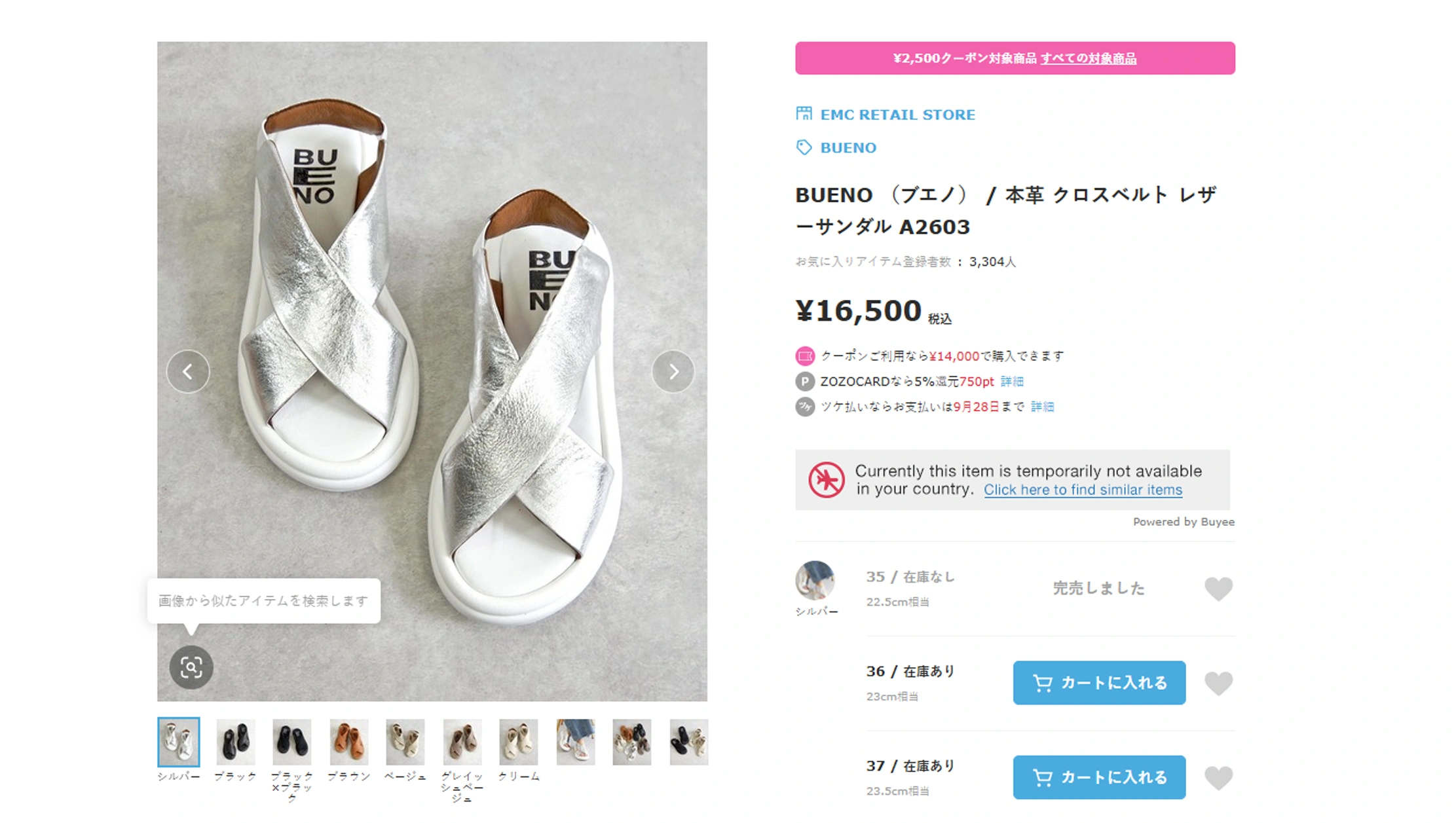
Consumer preferences evolve rapidly as fashion trends shift across seasons, influencers, and regional markets. Businesses that Extract ZOZOTOWN Fashion Trends Data in Japan gain valuable insights into bestselling styles, color preferences, seasonal demand, designer collaborations, and category-specific purchasing behavior.
Trend intelligence helps fashion brands launch products aligned with consumer expectations while enabling retailers to optimize inventory allocation before demand peaks. Marketing teams use trend data to design targeted campaigns, and buying teams prioritize fast-growing product segments with higher sales potential.
Analyzing historical trend data alongside pricing, reviews, and product availability also improves forecasting accuracy. Businesses can detect emerging fashion movements months before they become mainstream, reducing inventory risks and strengthening competitive positioning in Japan's dynamic apparel market.
Fashion Trend Insights (2020–2026)
| Year | Trending Products | Seasonal Collections | Consumer Engagement | Trend Prediction Accuracy |
|---|---|---|---|---|
| 2020 | 160,000 | 520 | 68% | 82% |
| 2021 | 225,000 | 690 | 71% | 85% |
| 2022 | 315,000 | 890 | 75% | 88% |
| 2023 | 445,000 | 1,140 | 80% | 91% |
| 2024 | 610,000 | 1,430 | 84% | 94% |
| 2025* | 790,000 | 1,760 | 87% | 96% |
| 2026* | 980,000 | 2,120 | 90% | 98% |
*Projected values.
Trend analytics demonstrate accelerating consumer engagement throughout the study period. Trending products increase more than sixfold between 2020 and 2026, while prediction accuracy approaches 98%. These insights enable brands and retailers to anticipate market shifts earlier, improve product planning, and maximize sales opportunities through proactive merchandising strategies.
Real Data API empowers retailers, brands, technology providers, and Market Research organizations with enterprise-grade ecommerce intelligence solutions. Whether your business needs to scrape product data from ZOZOTOWN for competitive analysis, assortment monitoring, pricing optimization, or trend forecasting, our scalable platform delivers structured, accurate, and real-time datasets.
Key advantages include:
- Enterprise-ready API with high-speed data delivery.
- Real-time monitoring of pricing, inventory, and promotions.
- Comprehensive fashion product, seller, and brand intelligence.
- Historical datasets for forecasting and predictive analytics.
- Automated validation ensuring high data accuracy.
- Scalable infrastructure supporting millions of SKUs.
- Easy integration with BI tools, CRM platforms, ERP systems, and data warehouses.
- Customizable extraction solutions designed for retailers, brands, and analytics companies.
Real Data API transforms complex ecommerce marketplace information into actionable intelligence, helping businesses improve pricing strategies, strengthen merchandising decisions, and stay ahead in the competitive online fashion industry.
Conclusion
As Japan's fashion ecommerce ecosystem continues to expand, businesses require reliable marketplace intelligence to monitor pricing, analyze brand performance, understand consumer preferences, and anticipate emerging trends. The ability to scrape product data from ZOZOTOWN enables organizations to access structured, real-time datasets that support smarter pricing strategies, optimized assortments, demand forecasting, and data-driven decision-making. By leveraging automated ecommerce intelligence, retailers, brands, and analysts can improve operational efficiency, respond quickly to market changes, and build sustainable competitive advantages in an increasingly dynamic digital marketplace.
Ready to transform ZOZOTOWN marketplace data into actionable business intelligence? Contact Real Data API today and unlock scalable, real-time ecommerce insights that drive smarter decisions and accelerate business growth!
Latest posts

How to Track Global Anime Viewing Trends via Crunchyroll Data Scraping for Smarter Audience Insights?
How to Scrape streaming content trends using HBO Max data for Smarter Content Strategy?

Traveloka Data Scraping For Travel Price Intelligence - How To Monitor Price Changes, Discounts, And Travel Demand
How Bolt Food Data Scraping for Food Delivery Market Trends Helps Businesses Overcome Delivery Market Intelligence Challenges?






.png)



