Introduction
Businesses today use automated data collection tools to monitor restaurant pricing, menu updates, discounts, and customer preferences across food delivery platforms. Companies that scrape Swiggy and Zomato menu data for local restaurants gain real-time visibility into competitor strategies, helping them optimize pricing, identify trends, and improve market positioning.
India's online food delivery market is projected to surpass $25 billion by 2026. Industry reports indicate that over 65% of restaurant operators regularly adjust menu prices based on competitor activity and market demand.
For restaurant chains, food-tech startups, aggregators, market researchers, and cloud kitchen operators, one major challenge is tracking thousands of menu changes across multiple locations. Modern solutions such as POS System API Integration for Swiggy and Zomato help businesses automate menu synchronization and gain accurate intelligence from food delivery platforms.
This guide explains how organizations use menu scraping and delivery platform data to make smarter business decisions between 2020 and 2026.
Why Do Restaurant Chains Need Continuous Market Visibility?
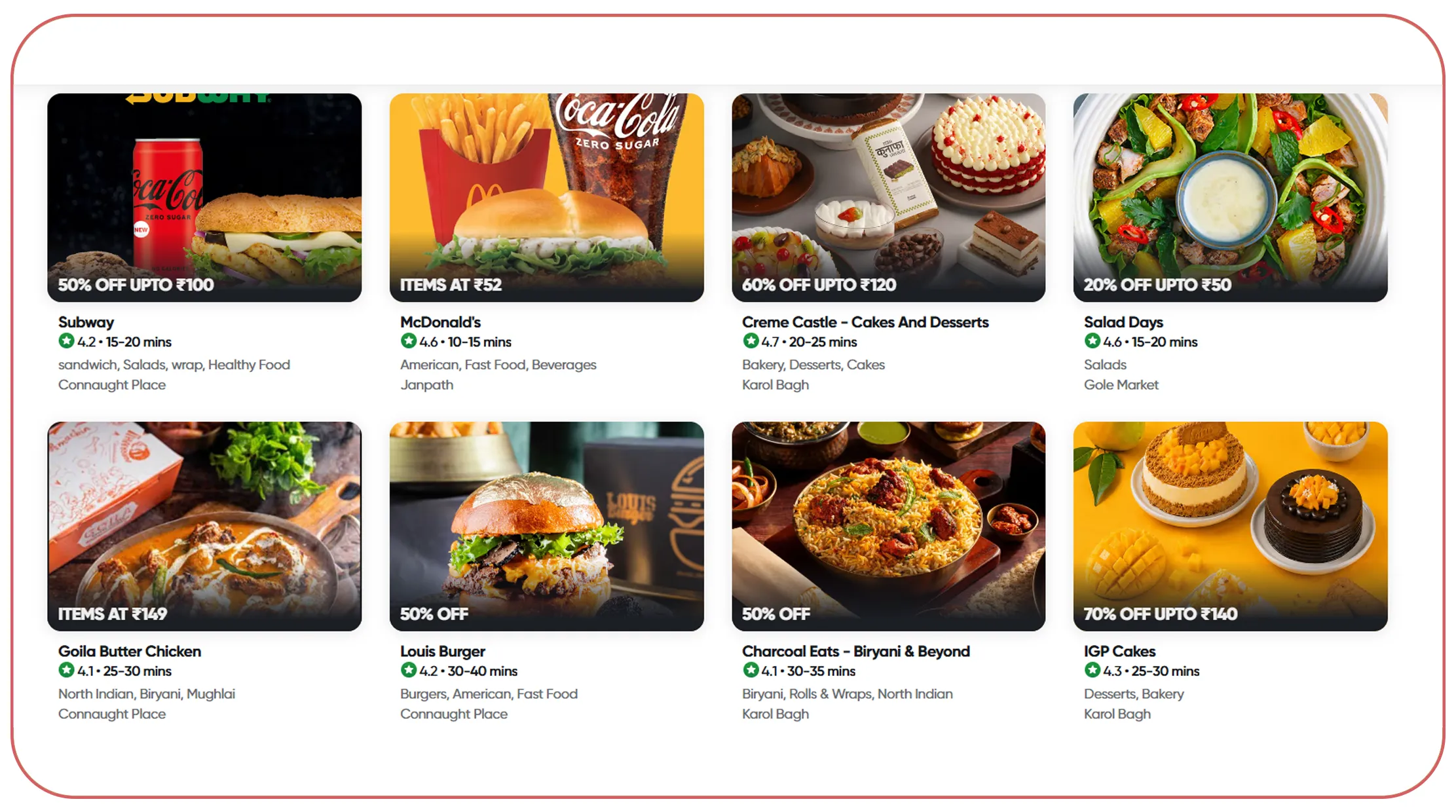
Restaurant operators compete in highly dynamic markets. Prices, promotions, and menu items change daily. Without real-time visibility, businesses risk losing customers and revenue opportunities.
One of the most effective solutions is Swiggy and Zomato menu data scraping for restaurant chains. This process enables businesses to collect structured menu information from delivery platforms and compare it against their own offerings.
Key Benefits:
- Track competitor menu prices
- Monitor discounts and combo offers
- Analyze regional pricing strategies
- Compare category performance
- Identify emerging food trends
Industry Growth Trends
| Year | Restaurant Chains Using Menu Analytics | Average Monthly Menu Changes |
|---|---|---|
| 2020 | 24% | 5 |
| 2021 | 31% | 7 |
| 2022 | 39% | 9 |
| 2023 | 48% | 11 |
| 2024 | 57% | 13 |
| 2025 | 66% | 15 |
| 2026 | 74% | 18 |
Restaurant chains often manage hundreds of locations. Manual monitoring becomes impossible at scale. Automated menu intelligence provides centralized access to pricing data, helping decision-makers react quickly to competitive changes.
This visibility supports pricing consistency and improves market responsiveness. Businesses can identify profitable opportunities before competitors gain an advantage.
How Can Restaurant Brands Turn Menu Data into Business Intelligence?
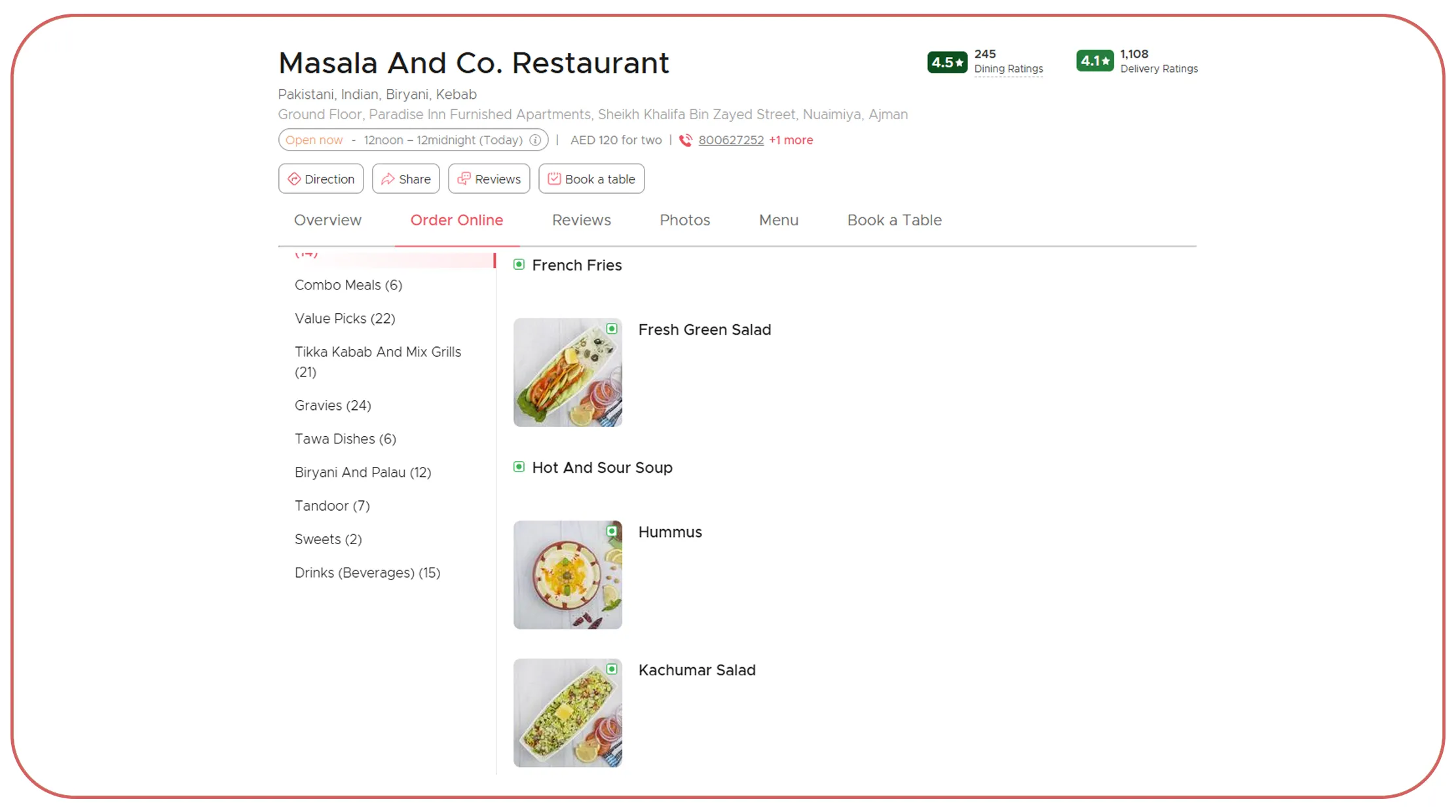
Data alone does not create value. Businesses must transform collected information into actionable insights.
This is where Food delivery menu data intelligence for restaurant brands becomes essential. By analyzing menu information across multiple delivery platforms, companies gain deeper understanding of consumer behavior and market dynamics.
Valuable Insights Generated:
- Popular menu categories
- Competitive pricing benchmarks
- Seasonal demand shifts
- Regional cuisine preferences
- Promotion effectiveness
Restaurant Intelligence Adoption
| Year | Brands Using Menu Intelligence Platforms |
|---|---|
| 2020 | 27% |
| 2021 | 34% |
| 2022 | 42% |
| 2023 | 51% |
| 2024 | 60% |
| 2025 | 68% |
| 2026 | 77% |
For example, a restaurant chain may discover that premium burger prices increased by 12% in metro cities while remaining stable in smaller markets. Such findings help optimize pricing strategies across different locations.
Data intelligence also enables leadership teams to identify product gaps and benchmark performance against top competitors. This improves decision-making and strengthens market positioning.
As food delivery competition intensifies, restaurant brands increasingly depend on data-driven strategies rather than intuition alone.
What Market Signals Can Businesses Discover from Menu Trends?
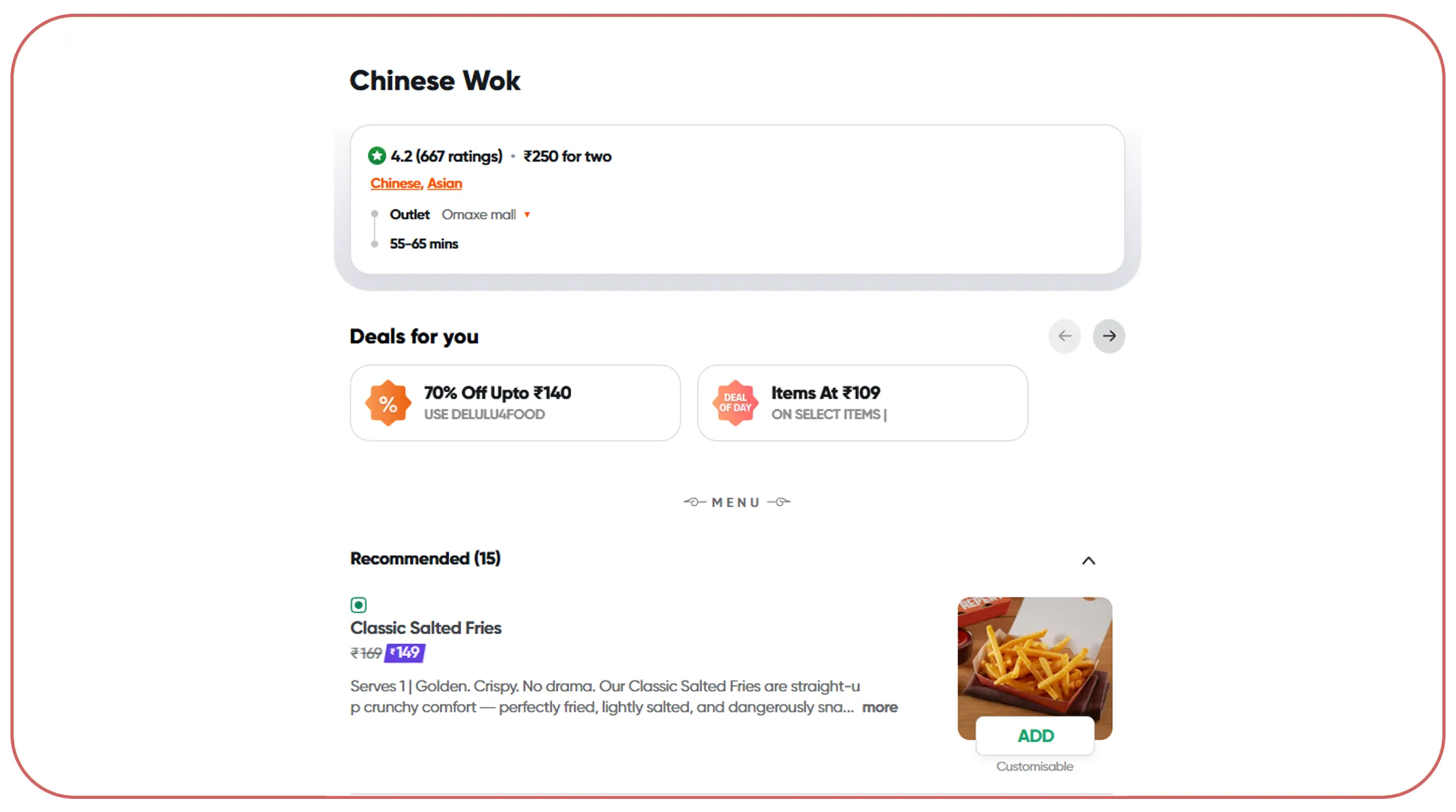
Consumer preferences evolve continuously. New cuisines emerge. Promotions change. Menu categories rise and fall in popularity.
Analyzing Swiggy and Zomato Menu Trends helps businesses identify these shifts before they become mainstream.
Important Trend Indicators:
- Category expansion
- New menu launches
- Price fluctuations
- Seasonal promotions
- Regional food preferences
Menu Trend Growth Data
| Year | New Menu Categories Introduced |
|---|---|
| 2020 | 120 |
| 2021 | 155 |
| 2022 | 190 |
| 2023 | 235 |
| 2024 | 280 |
| 2025 | 335 |
| 2026 | 400 |
Restaurant operators can observe which products gain popularity across different markets. If a specific cuisine category experiences rapid growth in one city, brands can adapt their menus accordingly.
Trend monitoring also supports product innovation. Businesses can test new offerings based on proven market demand rather than assumptions.
The ability to identify trends early creates a competitive advantage and helps companies stay aligned with evolving customer expectations.
How Do Delivery APIs Support Restaurant Technology Ecosystems?
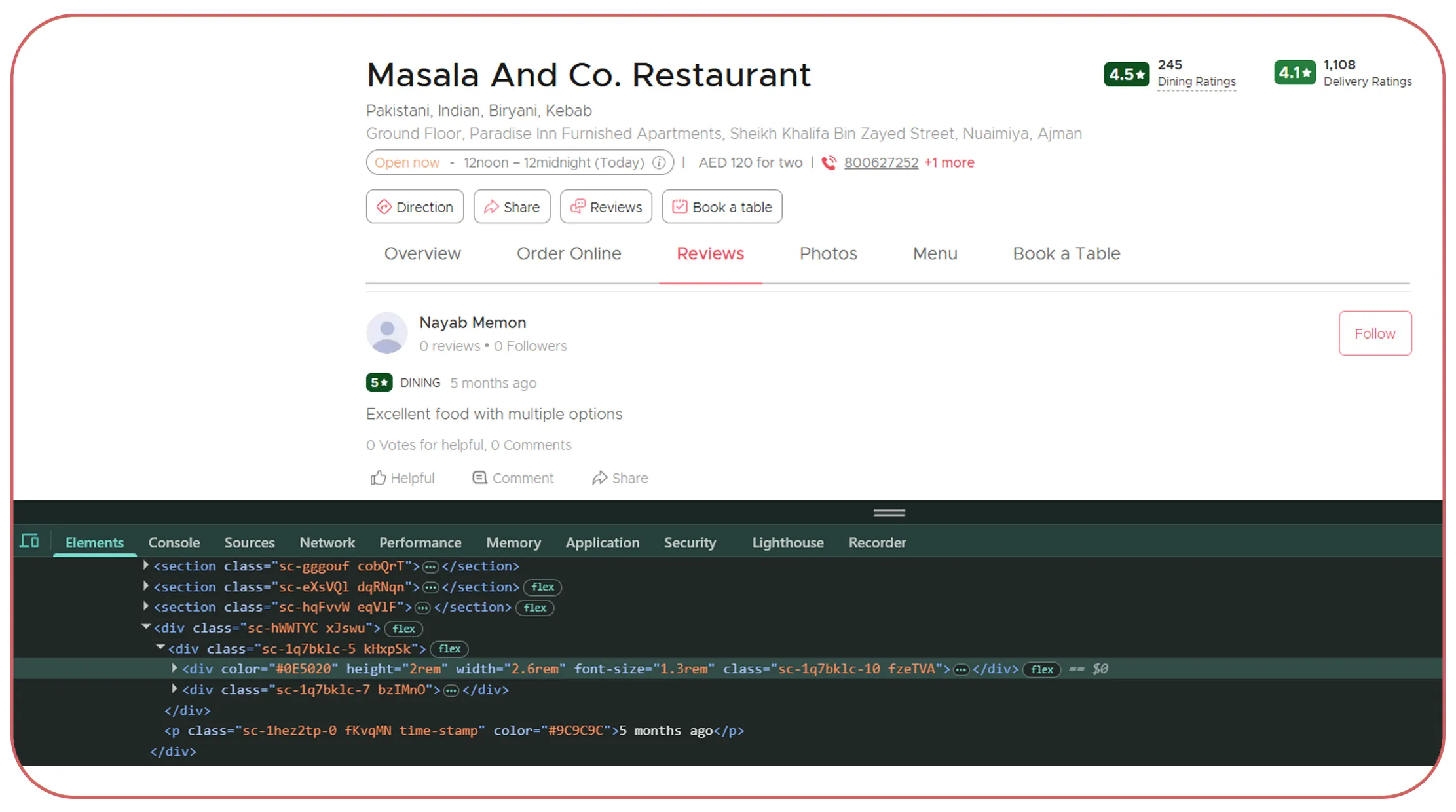
Restaurant businesses increasingly rely on connected technology systems. Delivery APIs play a critical role in integrating menu management, order processing, inventory updates, and customer engagement platforms.
One important component is the Swiggy Delivery API, which allows businesses to automate operational workflows and improve efficiency across multiple restaurant locations.
Key Benefits of API Integration:
- Real-time order synchronization
- Automated menu updates
- Faster inventory management
- Improved customer experience
- Centralized reporting and analytics
API Adoption Trends
| Year | Restaurants Using Delivery APIs |
|---|---|
| 2020 | 22% |
| 2021 | 30% |
| 2022 | 39% |
| 2023 | 49% |
| 2024 | 58% |
| 2025 | 67% |
| 2026 | 76% |
As delivery volumes continue to increase, businesses need scalable systems that reduce manual intervention. API-driven infrastructures help restaurant operators maintain pricing consistency while ensuring menus remain updated across all delivery platforms.
For multi-location restaurant chains, delivery APIs create operational efficiency by eliminating duplicate work and reducing data errors. Managers gain access to real-time information that supports better business decisions.
The growing reliance on delivery APIs demonstrates how technology has become a critical part of modern restaurant operations. Businesses that invest in integrated systems are better positioned to adapt to changing customer demands and market conditions.
How Can Zomato Data Reveal Competitive Opportunities?
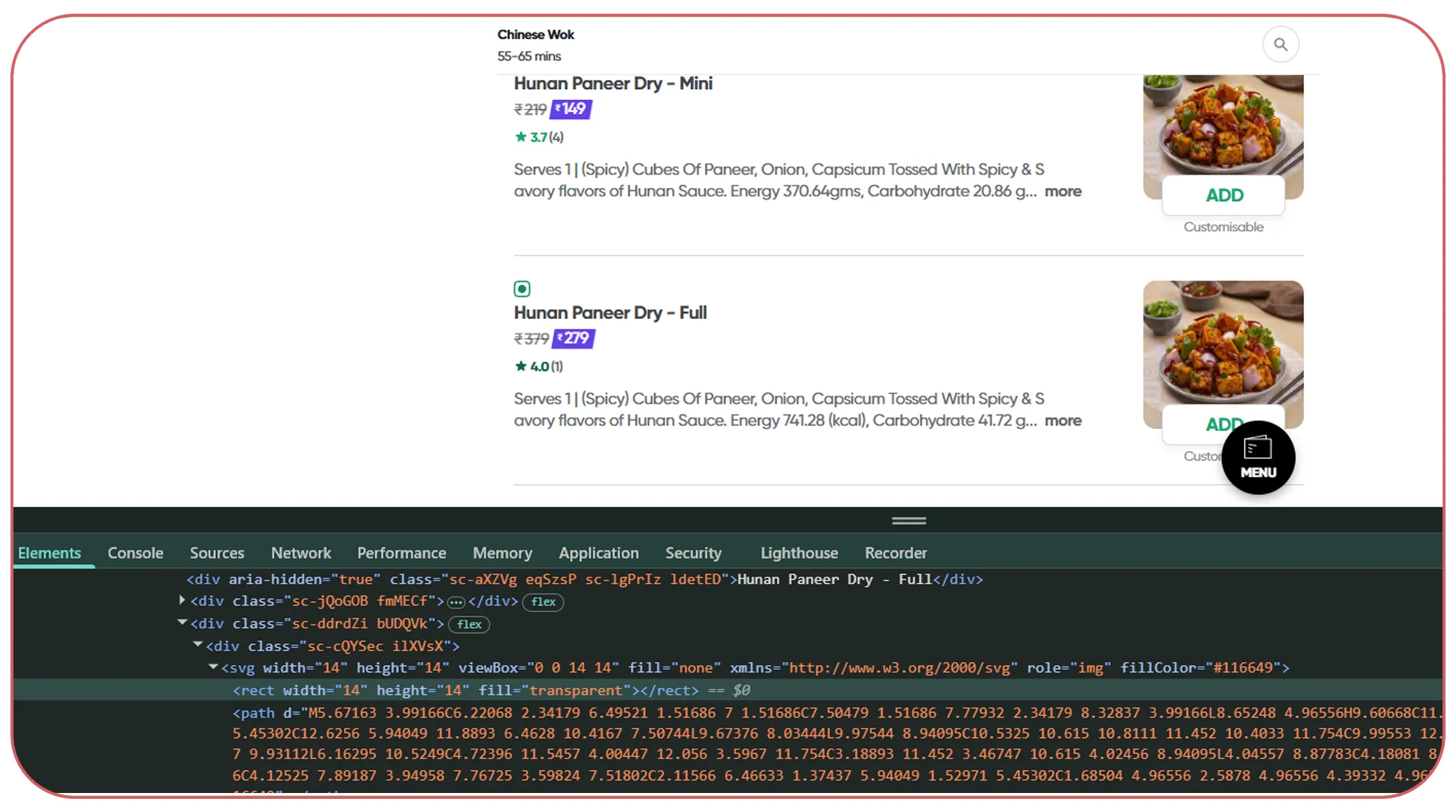
Competitive analysis requires detailed and accurate marketplace information. Restaurant operators often use structured datasets to evaluate market positioning, benchmark pricing, and monitor customer preferences.
Through Web Scraping Zomato Dataset solutions, businesses can collect valuable information such as menu pricing, ratings, reviews, cuisine categories, restaurant rankings, and promotional activities.
Data Points Commonly Collected:
- Restaurant names
- Menu categories
- Item prices
- Customer ratings
- Delivery fees
- Discount offers
- Location information
Dataset Utilization Trends
| Year | Businesses Using Marketplace Datasets |
|---|---|
| 2020 | 19% |
| 2021 | 26% |
| 2022 | 35% |
| 2023 | 45% |
| 2024 | 56% |
| 2025 | 67% |
| 2026 | 78% |
These datasets help restaurant brands identify underserved markets and understand competitor strategies. For example, operators may discover pricing gaps within specific cuisine segments or uncover regions where demand exceeds supply.
Large restaurant groups also use marketplace datasets to evaluate expansion opportunities. Data-driven location planning reduces risk and improves investment decisions.
As the food delivery ecosystem expands, access to reliable restaurant datasets becomes increasingly valuable for long-term growth and strategic planning.
How Does Automated Data Collection Improve Competitive Monitoring?
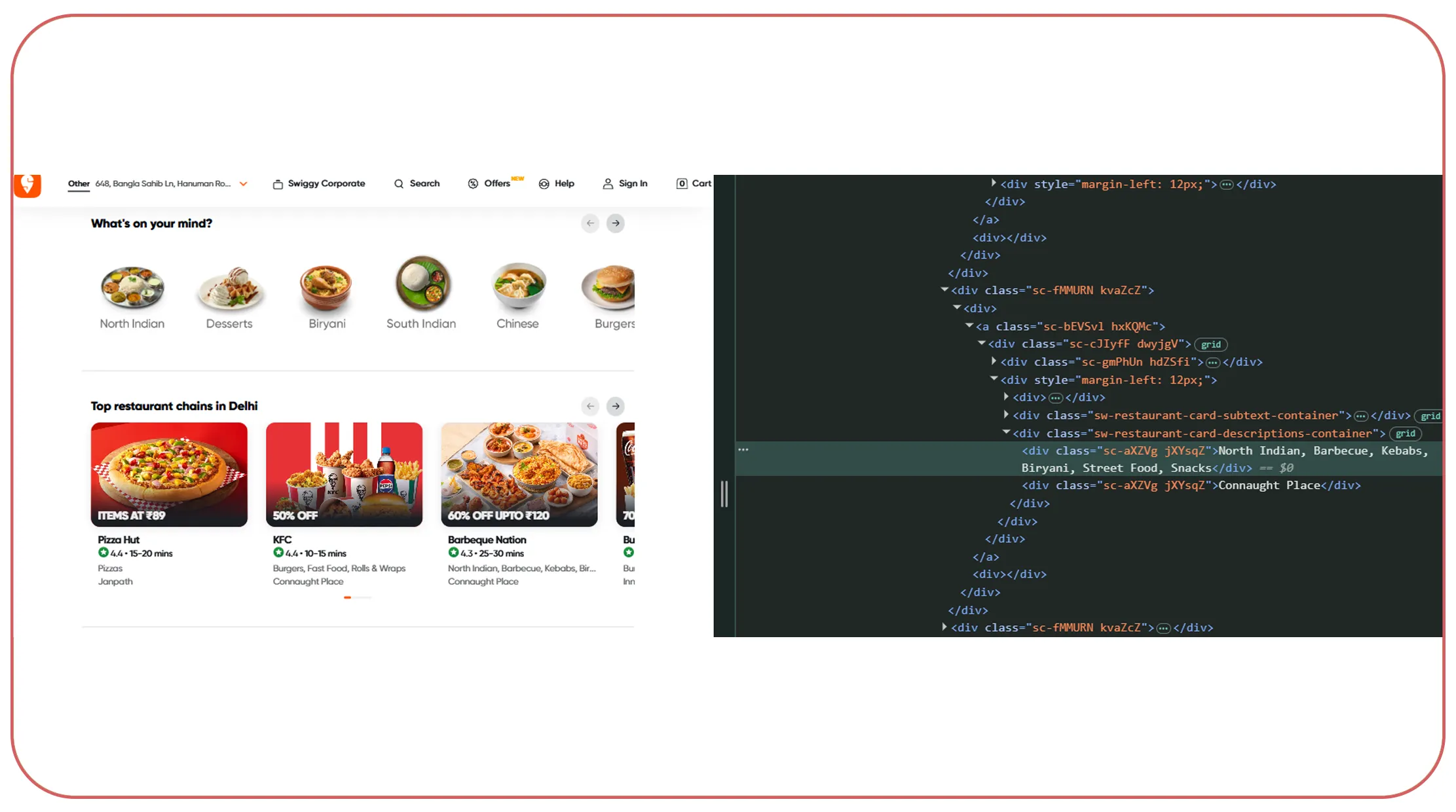
Tracking thousands of menu items manually is time-consuming and inefficient. Automated data extraction tools solve this challenge by continuously monitoring delivery platforms.
A Swiggy Scraper enables businesses to collect menu information, pricing updates, restaurant listings, and promotional campaigns at scale.
Advantages of Automation:
- Continuous monitoring
- Faster data collection
- Higher accuracy
- Reduced labor costs
- Scalable market analysis
Automation Growth Statistics
| Year | Businesses Using Automated Data Collection |
|---|---|
| 2020 | 25% |
| 2021 | 33% |
| 2022 | 42% |
| 2023 | 52% |
| 2024 | 63% |
| 2025 | 73% |
| 2026 | 82% |
Restaurant chains often monitor competitors across dozens of cities. Automation enables teams to collect large volumes of data without requiring extensive manual effort.
The collected information can be integrated into dashboards, analytics platforms, and forecasting models. This allows decision-makers to identify trends, compare competitor performance, and adjust pricing strategies more effectively.
As restaurant competition becomes increasingly data-driven, automated collection tools provide the speed and accuracy needed to maintain a competitive advantage.
Why Choose Real Data API?
Businesses need reliable, scalable, and accurate solutions to scrape Swiggy and Zomato menu data for local restaurants and transform marketplace information into actionable intelligence.
Real Data API delivers enterprise-grade food delivery data solutions designed for restaurant chains, food-tech companies, aggregators, consultants, market researchers, and analytics providers.
With Real Data API, businesses gain access to accurate restaurant intelligence that drives smarter pricing decisions, operational efficiency, and long-term growth.
Conclusion
Food delivery platforms have become critical sources of competitive intelligence for modern restaurant businesses. Organizations that scrape Swiggy and Zomato menu data for local restaurants can track pricing strategies, identify emerging trends, benchmark competitor performance, and improve decision-making through data-driven insights.
From menu optimization and market research to forecasting and restaurant expansion planning, food delivery data plays a central role in helping businesses remain competitive between 2020 and 2026. Companies that leverage automation, analytics, and API-powered data solutions gain greater visibility into rapidly changing market conditions and customer preferences.
Ready to unlock real-time restaurant intelligence? Contact Real Data API today to access scalable food delivery data solutions and stay ahead of the competition with actionable market insights!
Latest posts
How Scrape Xiaohongshu Product Trends in Real Time Solves Product Discovery and Competitor Monitoring Challenges?
How to Scrape Taobao Product Data to Solve Pricing, Inventory, and Competitor Monitoring Challenges?
How to Extract grocery product listings Data from SPAR to Build Accurate Grocery Intelligence and Competitive Market Insights?
Scrape Douyin follower growth and engagement data to track influencer performance and trends






.png)