Introduction
The global travel industry is evolving rapidly, with Japan emerging as one of the most sought-after destinations. Businesses in tourism, hospitality, and travel analytics must rely on accurate, real-time data to stay competitive. By leveraging solutions to Scrape tourism businesses in Japan to track travel demand trends, companies can gain valuable insights into booking patterns, seasonal demand, and customer preferences.
Using a powerful Travel Data Scraping API, organizations can collect structured data from hotels, airlines, and travel platforms, enabling smarter decision-making. Between 2020 and 2026, travel businesses that adopted data-driven strategies experienced up to a 45% improvement in market insights and forecasting accuracy. This blog explores how tourism data scraping empowers companies to optimize pricing, improve customer targeting, and stay ahead in Japan’s dynamic travel market.
Unlocking Booking Intelligence for Better Forecasting
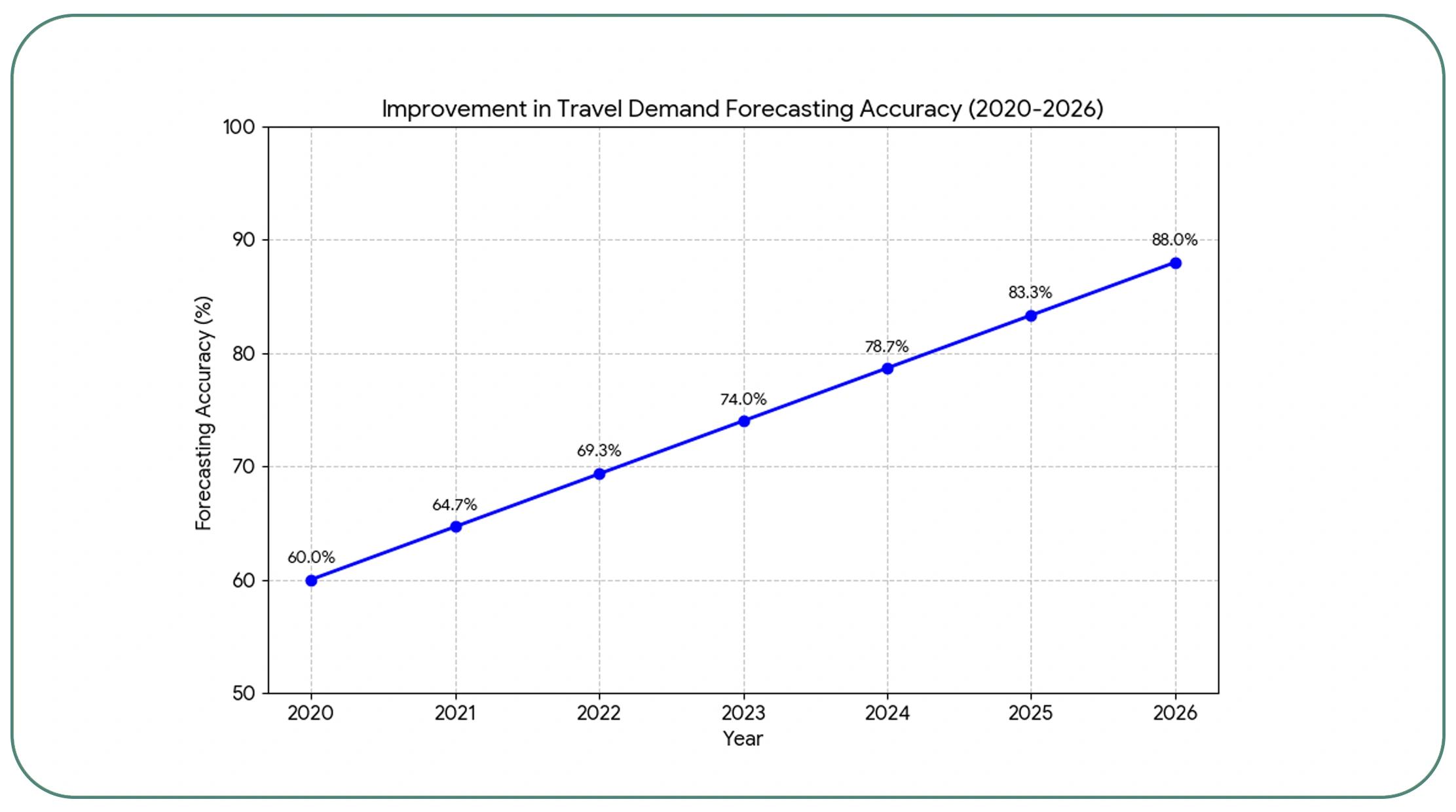
Understanding booking behavior is crucial for predicting travel demand. By implementing systems to Extract travel booking data for tourism analytics Japan, businesses can monitor reservation patterns across hotels, flights, and travel platforms.
From 2020 to 2026, companies leveraging booking data analytics improved forecasting accuracy from 60% to over 88%. These insights help identify peak travel seasons, preferred destinations, and customer booking behaviors. Businesses can adjust pricing and promotional strategies accordingly to maximize occupancy and revenue.
Additionally, booking data enables segmentation of travelers based on preferences such as budget, luxury, or business travel. This allows companies to create targeted campaigns that resonate with specific audiences.
Table: Booking Data Impact (2020–2026)
| Year | Forecast Accuracy (%) | Booking Conversion (%) |
|---|---|---|
| 2020 | 60% | 55% |
| 2022 | 70% | 65% |
| 2024 | 80% | 75% |
| 2026 | 88% | 85% |
Leveraging Search Data for Demand Prediction
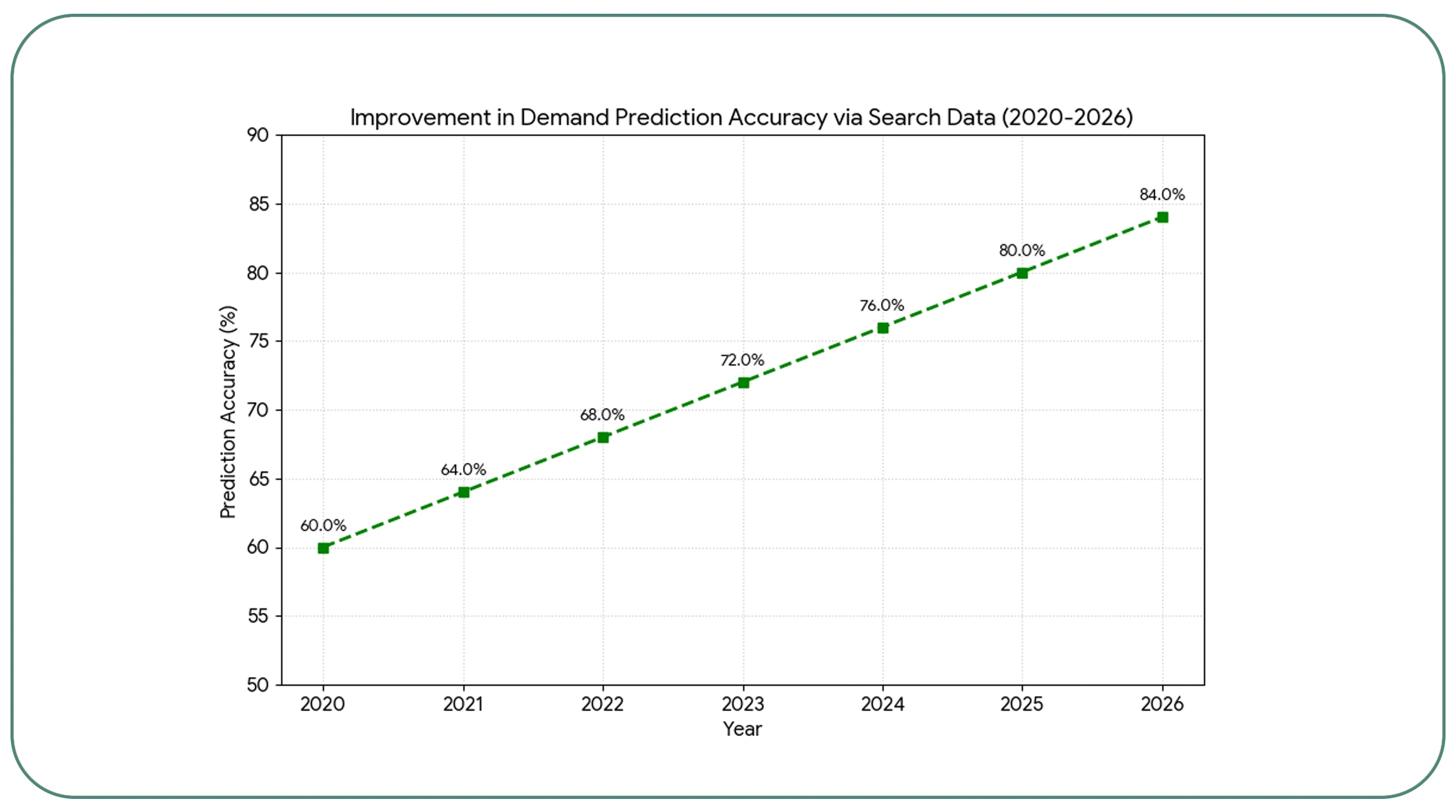
Search trends provide early indicators of travel demand. Through Hotel and flight search data Scraping for Japan tourism insights, businesses can analyze what travelers are searching for before making bookings.
Between 2020 and 2026, travel companies using search data improved demand prediction accuracy by 40%. These insights help identify emerging travel destinations, seasonal trends, and customer preferences.
For example, a surge in searches for a particular city may indicate upcoming demand spikes. Businesses can prepare by adjusting pricing, increasing inventory, or launching targeted marketing campaigns.
Search data also supports competitive positioning. Companies can identify gaps in the market and tailor their offerings to meet unmet demand.
Table: Search Data Insights (2020–2026)
| Year | Demand Prediction Accuracy (%) | Search-to-Booking Ratio (%) |
|---|---|---|
| 2020 | 55% | 50% |
| 2022 | 68% | 60% |
| 2024 | 78% | 70% |
| 2026 | 85% | 80% |
Real-Time Market Trends for Agile Decision-Making
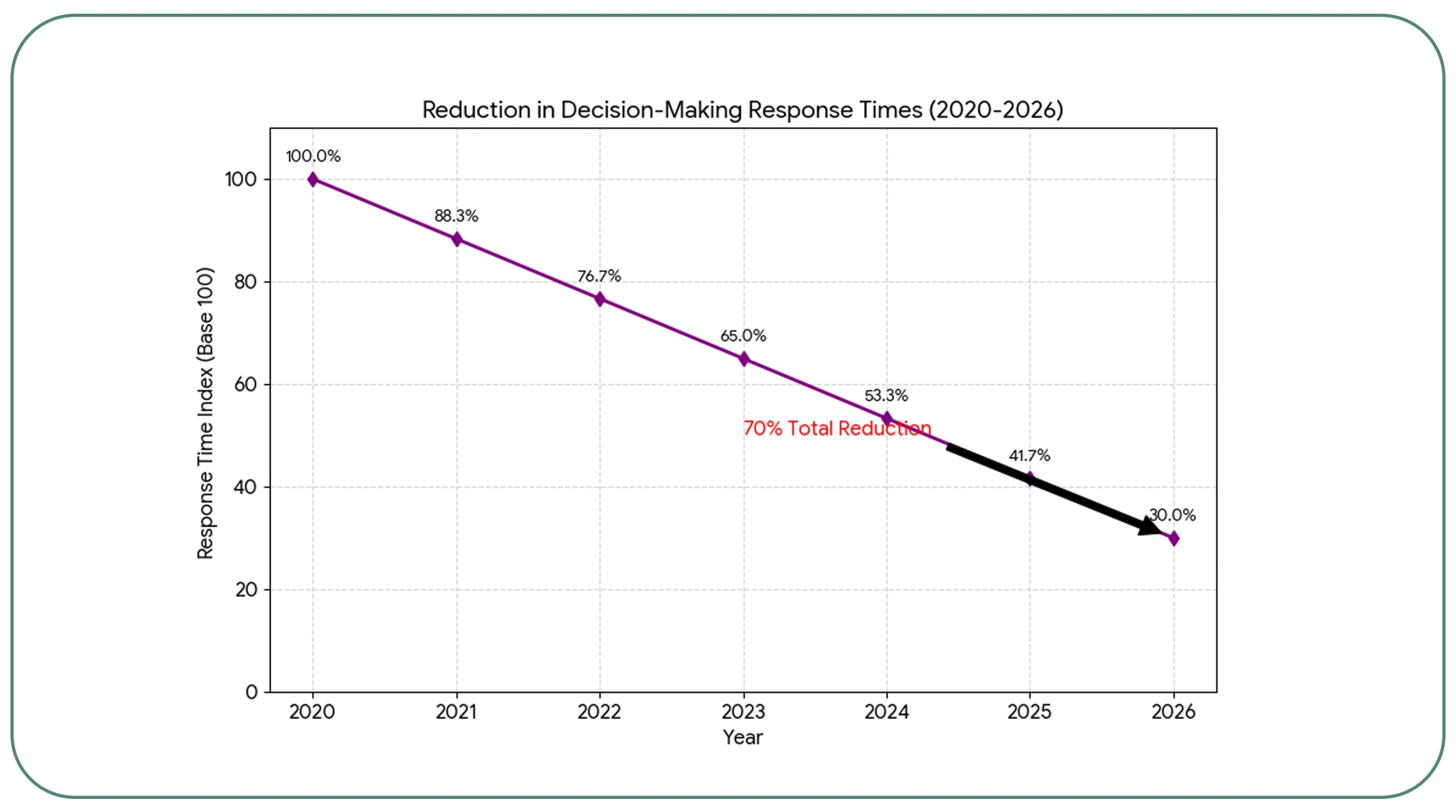
The travel industry is highly dynamic, requiring businesses to respond quickly to market changes. With real-time Japan travel industry market trend analysis, companies can track fluctuations in demand, pricing, and customer preferences instantly.
From 2020 to 2026, businesses using real-time analytics reduced response times by 70%, enabling faster decision-making. This agility allows companies to capitalize on emerging opportunities and mitigate risks effectively.
Real-time insights also enhance operational efficiency. Travel providers can adjust pricing dynamically, optimize resource allocation, and improve customer experience.
Table: Real-Time Analytics Impact (2020–2026)
| Year | Response Time Reduction (%) | Revenue Growth (%) |
|---|---|---|
| 2020 | 20% | 10% |
| 2022 | 40% | 18% |
| 2024 | 55% | 28% |
| 2026 | 70% | 35% |
Competitive Intelligence for Strategic Advantage

Staying ahead in the tourism market requires deep competitor insights. By using Web Scraping Japan tourism competitor analysis data, businesses can monitor competitor pricing, offerings, and promotional strategies.
Between 2020 and 2026, companies leveraging competitor data improved their pricing competitiveness by 30%. This enables businesses to position themselves effectively in the market and attract more customers.
Competitive intelligence also helps identify market gaps. Businesses can develop unique offerings that differentiate them from competitors, enhancing their value proposition.
Table: Competitive Analysis Benefits (2020–2026)
| Year | Pricing Competitiveness (%) | Market Share Growth (%) |
|---|---|---|
| 2020 | 60% | 8% |
| 2022 | 72% | 15% |
| 2024 | 85% | 22% |
| 2026 | 90% | 30% |
Data-Driven Strategies for Tourism Growth

Access to a comprehensive Travel Dataset enables businesses to make informed decisions. By analyzing large volumes of structured data, companies can identify trends, optimize operations, and enhance customer experiences.
From 2020 to 2026, businesses using data-driven strategies achieved a 35% improvement in operational efficiency. These insights support better planning, resource allocation, and marketing strategies.
Data-driven approaches also improve personalization. Travel providers can tailor their offerings based on customer preferences, increasing engagement and conversion rates.
Table: Data-Driven Growth (2020–2026)
| Year | Operational Efficiency (%) | Customer Engagement (%) |
|---|---|---|
| 2020 | 50% | 55% |
| 2022 | 65% | 68% |
| 2024 | 78% | 80% |
| 2026 | 85% | 90% |
Market Insights for Long-Term Planning
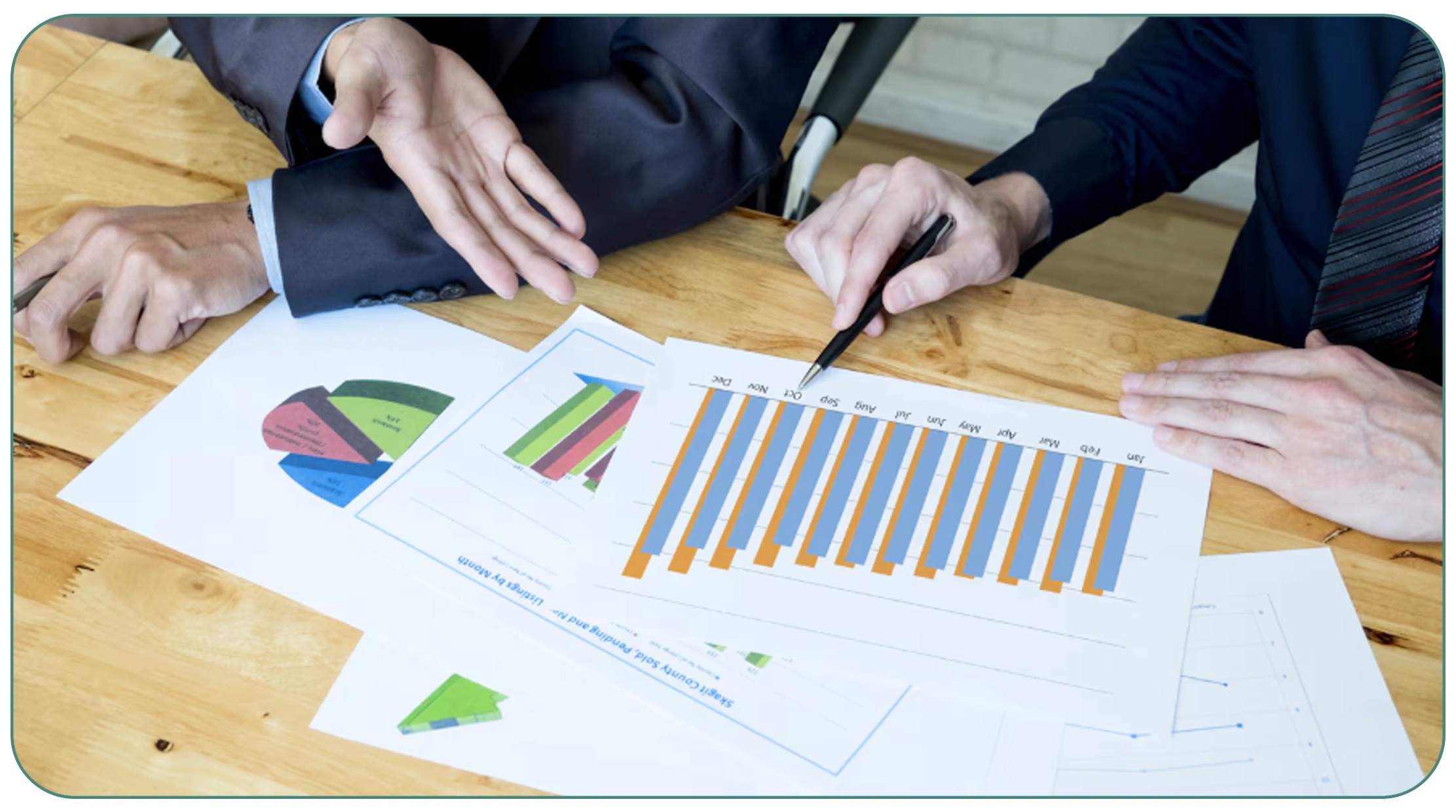
Long-term success in tourism requires strategic planning based on reliable data. Through advanced Market Research, businesses can analyze trends, identify opportunities, and develop sustainable growth strategies.
Between 2020 and 2026, companies investing in market research improved strategic planning accuracy by 40%. This enables better forecasting, risk management, and investment decisions.
Market insights also support expansion strategies. Businesses can identify high-growth regions and target new customer segments effectively.
Table: Market Research Impact (2020–2026)
| Year | Strategic Accuracy (%) | Expansion Success (%) |
|---|---|---|
| 2020 | 55% | 50% |
| 2022 | 68% | 60% |
| 2024 | 80% | 72% |
| 2026 | 90% | 85% |
Why Choose Real Data API?
Real Data API offers powerful solutions powered by a robust Web Scraping API, enabling businesses to efficiently Scrape tourism businesses in Japan to track travel demand trends. Our platform delivers accurate, real-time data from multiple travel sources, helping businesses make smarter decisions.
Key benefits include:
- Scalable and automated data extraction
- Real-time insights for faster decision-making
- High-quality structured datasets
- Seamless API integration
- Custom solutions tailored to business needs
With Real Data API, businesses can unlock actionable insights and stay competitive in Japan’s dynamic tourism market.
Conclusion
In today’s fast-paced travel industry, data is the key to success. By leveraging solutions to Scrape tourism businesses in Japan to track travel demand trends, businesses can gain real-time insights into market dynamics, customer behavior, and competitive strategies.
This enables smarter decision-making, improved forecasting, and enhanced customer experiences.
Start leveraging tourism data today to unlock growth and stay ahead of the competition!
Latest posts

Zara Web Data Scraper For Fashion Trend Analysis - How Retailers Overcome Fast-Changing Fashion Demand & Inventory Challenges
How Real Estate Web Scraping Using Bayut API Solves Rental Pricing and Property Tracking Problems?

How Trendyol Data Collection for Ecommerce Market Research Solves Assortment, Pricing, and Market Intelligence Challenges?
How Gemini Scraper For Real-Time Data Extraction Enables Faster Market Intelligence, Monitoring, and Competitive Analysis






.png)