.gif)
.png)


Introduction
Modern businesses increasingly rely on automated web data collection to power ecommerce analytics, competitor monitoring, pricing intelligence, inventory tracking, and market research operations. However, websites now deploy advanced anti-bot technologies that restrict automated access and disrupt large-scale scraping workflows.
To overcome these challenges, companies aim to scrape websites without getting blocked by anti-bot systems using scalable automation strategies and intelligent extraction infrastructures. Businesses leveraging advanced automation frameworks and Generative AI technologies can improve scraping efficiency while maintaining uninterrupted access to publicly available ecommerce data.
Anti-bot systems commonly use IP blocking, rate limiting, behavioral analysis, CAPTCHA challenges, browser fingerprint detection, and session tracking to identify automated traffic. Without adaptive scraping strategies, businesses often face incomplete datasets, operational delays, and reduced analytics accuracy.
Between 2020 and 2026, the rapid growth of ecommerce intelligence and automated market analysis has significantly increased the adoption of resilient web scraping architectures capable of handling anti-bot protections at scale.
Why Intelligent Traffic Management Matters
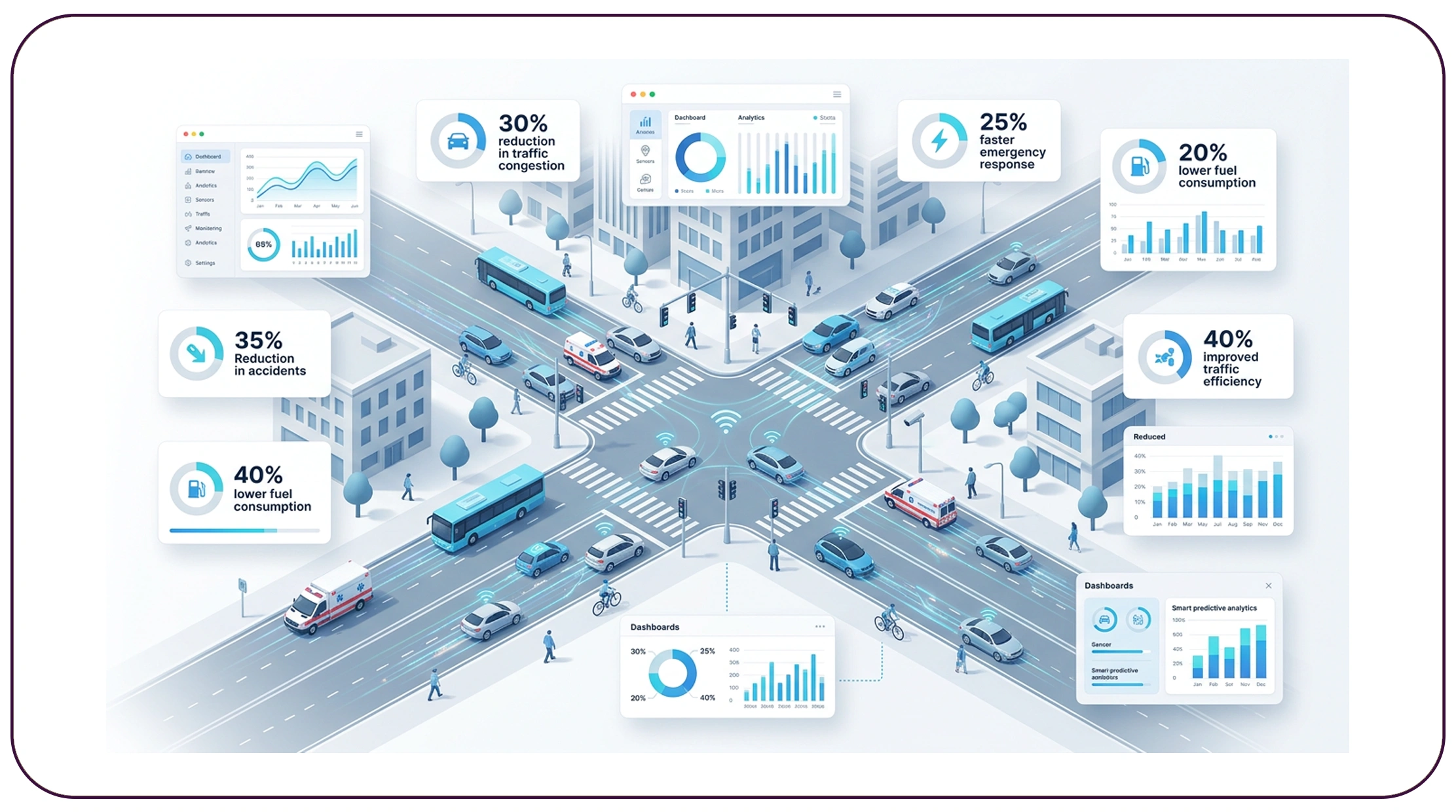
Websites increasingly monitor incoming traffic patterns to detect unusual request behavior and prevent automated scraping activity. Businesses need advanced traffic distribution strategies that mimic natural browsing behavior while maintaining scalable data extraction performance.
Organizations increasingly rely on proxy rotation and browser fingerprint strategies for scraping to distribute requests across multiple identities and reduce detection risks. These systems improve operational stability while enabling continuous ecommerce intelligence collection.
Key Components of Intelligent Traffic Management
- Rotating IP infrastructure
- Browser fingerprint management
- User-agent diversification
- Geographic request distribution
- Session-aware request handling
Anti-Bot Evasion Adoption Trends (2020–2026)
| Year | Businesses Using Proxy Rotation | Detection Reduction | Scraping Stability Improvement |
|---|---|---|---|
| 2020 | 24% | 18% | 16% |
| 2021 | 33% | 26% | 24% |
| 2022 | 45% | 35% | 32% |
| 2023 | 58% | 44% | 41% |
| 2024 | 70% | 53% | 50% |
| 2025 | 82% | 62% | 59% |
| 2026 | 92% | 71% | 68% |
Advanced traffic management frameworks help businesses maintain reliable data extraction while reducing operational disruptions.
Why Adaptive Request Handling Improves Success Rates

Modern websites use dynamic request monitoring systems that identify excessive traffic volumes and unusual browsing patterns. Businesses require adaptive scraping workflows that control request frequency intelligently.
Companies increasingly focus on handling rate limits and CAPTCHA challenges in web scraping to improve extraction reliability and reduce interruptions caused by automated defense systems. Adaptive automation workflows can manage request timing and challenge resolution more efficiently.
Common Anti-Bot Protection Mechanisms
- Request rate limiting
- CAPTCHA verification systems
- Browser behavior analysis
- IP reputation scoring
- JavaScript validation layers
Request Optimization Statistics (2020–2026)
| Year | Businesses Using Adaptive Request Systems | CAPTCHA Reduction | Successful Request Rates |
|---|---|---|---|
| 2020 | 22% | 17% | 58% |
| 2021 | 31% | 25% | 65% |
| 2022 | 43% | 34% | 73% |
| 2023 | 56% | 43% | 80% |
| 2024 | 68% | 52% | 86% |
| 2025 | 80% | 61% | 92% |
| 2026 | 91% | 70% | 97% |
Adaptive request optimization improves extraction efficiency while helping businesses maintain uninterrupted analytics workflows.
How Session Management Supports Long-Term Automation

Many websites track visitor behavior through cookies, authentication tokens, and session identifiers. Without proper session management, scraping systems may lose continuity or trigger anti-bot protections more frequently.
Businesses increasingly use strategies to manage sessions and cookies in automated scraping systems to maintain browsing consistency and reduce abnormal traffic behavior. Proper session handling enables automation systems to simulate legitimate browsing activity more effectively.
Benefits of Session Management
- Improved browsing continuity
- Reduced authentication failures
- Better request consistency
- Lower detection rates
- Enhanced extraction reliability
Session Management Growth Trends
| Year | Businesses Using Session Automation | Operational Stability | Scraping Continuity |
|---|---|---|---|
| 2020 | 21% | 55% | 52% |
| 2021 | 30% | 62% | 59% |
| 2022 | 42% | 70% | 67% |
| 2023 | 55% | 77% | 75% |
| 2024 | 67% | 83% | 82% |
| 2025 | 80% | 89% | 88% |
| 2026 | 91% | 95% | 94% |
Session-aware automation frameworks improve scalability while enabling more reliable ecommerce intelligence collection.
Why Distributed Infrastructure Reduces Detection Risks

Centralized scraping systems often generate repetitive traffic patterns that are easier for anti-bot technologies to detect. Distributed scraping architectures improve scalability and operational resilience.
Organizations increasingly Build distributed web scraping systems without detection by leveraging cloud-based infrastructure, distributed crawlers, rotating proxies, and decentralized request orchestration systems. Distributed frameworks reduce operational bottlenecks while improving extraction success rates.
Features of Distributed Scraping Systems
- Multi-node request orchestration
- Geographic traffic distribution
- Parallel extraction workflows
- High-volume crawling scalability
- Real-time monitoring systems
Distributed Infrastructure Adoption Statistics
| Year | Businesses Using Distributed Scraping Systems | Detection Avoidance Improvement | Operational Scalability |
|---|---|---|---|
| 2020 | 23% | 18% | 16% |
| 2021 | 32% | 26% | 24% |
| 2022 | 44% | 35% | 32% |
| 2023 | 57% | 44% | 41% |
| 2024 | 69% | 53% | 50% |
| 2025 | 81% | 62% | 59% |
| 2026 | 91% | 71% | 68% |
Distributed architectures improve operational reliability while supporting enterprise-scale data extraction workflows.
How Automation Technologies Improve Data Extraction

Modern enterprises increasingly combine intelligent automation with scalable scraping systems to improve operational efficiency and reduce manual intervention in data collection processes.
Businesses leveraging Robotic Process Automation can automate repetitive scraping workflows, data validation tasks, and structured analytics pipelines more efficiently. Automation technologies simplify ecommerce intelligence operations while improving processing speed and scalability.
Benefits of Automation-Driven Scraping
- Faster data processing
- Reduced operational workload
- Improved extraction consistency
- Automated validation workflows
- Better scalability for analytics systems
Automation Adoption Trends
| Year | Businesses Using Automation Frameworks | Workflow Efficiency | Data Processing Accuracy |
|---|---|---|---|
| 2020 | 24% | 58% | 54% |
| 2021 | 33% | 65% | 61% |
| 2022 | 45% | 73% | 69% |
| 2023 | 58% | 80% | 77% |
| 2024 | 70% | 86% | 83% |
| 2025 | 82% | 92% | 89% |
| 2026 | 92% | 97% | 95% |
Automation technologies improve scraping reliability while supporting faster and more scalable ecommerce analytics workflows.
Why APIs Simplify Scalable Web Automation

Modern businesses require scalable interfaces capable of managing complex extraction workflows across thousands of websites simultaneously. APIs simplify automation infrastructure while improving operational efficiency.
Organizations increasingly implement a Web Scraping API to automate request orchestration, proxy management, session handling, and structured data extraction across ecommerce platforms. APIs centralize automation workflows while reducing infrastructure complexity.
Key Benefits of Web Scraping APIs
- Centralized extraction management
- Scalable automation support
- Real-time data processing
- Simplified infrastructure integration
- Improved operational monitoring
API Adoption Growth Statistics
| Year | Businesses Using APIs | Extraction Efficiency Improvement | Infrastructure Scalability |
|---|---|---|---|
| 2020 | 22% | 18% | 15% |
| 2021 | 31% | 26% | 23% |
| 2022 | 43% | 35% | 31% |
| 2023 | 56% | 44% | 40% |
| 2024 | 68% | 53% | 49% |
| 2025 | 80% | 62% | 58% |
| 2026 | 91% | 71% | 67% |
API-driven automation helps businesses scale ecommerce intelligence operations while improving reliability and efficiency.
Why Choose Real Data API?
Real Data API delivers enterprise-grade automation infrastructure designed for resilient ecommerce intelligence collection and scalable web automation. Businesses seeking advanced Web Scraping Services can automate data extraction workflows while minimizing disruptions caused by anti-bot systems.
Organizations aiming to scrape websites without getting blocked by anti-bot systems can leverage Real Data API for intelligent traffic management, distributed crawling, session automation, CAPTCHA handling, and real-time extraction monitoring.
Key Features of Real Data API
- Advanced proxy rotation infrastructure
- Intelligent request orchestration
- Distributed crawling systems
- CAPTCHA handling support
- Real-time monitoring dashboards
- Enterprise-scale automation APIs
- Scalable ecommerce intelligence workflows
Real Data API helps businesses transform complex web data collection challenges into scalable and reliable automation systems for long-term analytics growth.
Conclusion
As ecommerce intelligence and automated analytics continue expanding, businesses increasingly require scalable scraping infrastructures capable of handling advanced anti-bot protections efficiently. Organizations that scrape websites without getting blocked by anti-bot systems can improve data reliability, operational continuity, and analytics scalability significantly.
Advanced automation strategies such as distributed crawling, intelligent traffic management, adaptive request handling, and session-aware scraping help businesses maintain uninterrupted access to valuable ecommerce intelligence. Real Data API provides enterprise-grade automation solutions that support resilient, scalable, and high-performance web scraping operations for long-term business growth.
Contact Real Data API today to build scalable web automation systems that overcome anti-bot challenges and unlock uninterrupted ecommerce intelligence collection at enterprise scale!
Latest posts
Keeta scraper for monitoring food marketplace trends - Identify Discount Changes and Emerging Customer Demand
How to build a structured Nike product dataset for Product Intelligence and Retail Analytics

Allegro scraper for competitor price monitoring – How to Track Product Prices and Stay Ahead of Competitors

Ocado API data collection services for retailers - Track Competitor Prices and Deals







.png)



