TL;DR
- TikTok Social Media Dataset helps businesses organize content, creator, hashtag, video, trend, and engagement information for structured market analysis.
- TikTok Mobile App Scraping can support recurring collection of publicly accessible platform information, helping brands monitor fast-changing content patterns and audience interactions.
- From 2020–2026, TikTok evolved from a rapidly growing short-video platform into an important source of behavioral, content, and competitive intelligence for brands, agencies, researchers, and media teams.
Introduction
The rapid expansion of short-form video has changed how brands discover trends, communicate with audiences, and measure digital attention. TikTok has become an important source of public-facing content signals, including videos, hashtags, creators, captions, engagement indicators, sounds, categories, and trend movements. A structured TikTok Social Media Dataset enables organizations to convert large volumes of platform information into organized records that can be analyzed across creators, categories, markets, and time periods.
At the same time, TikTok Mobile App Scraping involves collecting publicly available information from mobile-oriented experiences where permitted and technically feasible. Instead of relying only on manually observed trends, organizations can use structured datasets to identify recurring content themes, monitor engagement changes, compare creators, and study the lifecycle of hashtags and topics.
The importance of this data has increased as TikTok's global reach and content ecosystem have expanded. DataReportal reported that TikTok's advertising tools indicated a potential advertising audience of 1.59 billion users aged 18+ in January 2025, while emphasizing that advertising reach should not be treated as equivalent to total active users. TikTok itself described more than 170 million U.S. users as part of its global community in 2024. These differences between platform, advertising, and third-party measurements also demonstrate why structured and carefully validated datasets are valuable for research.
Mapping the Data Behind Short-Form Video
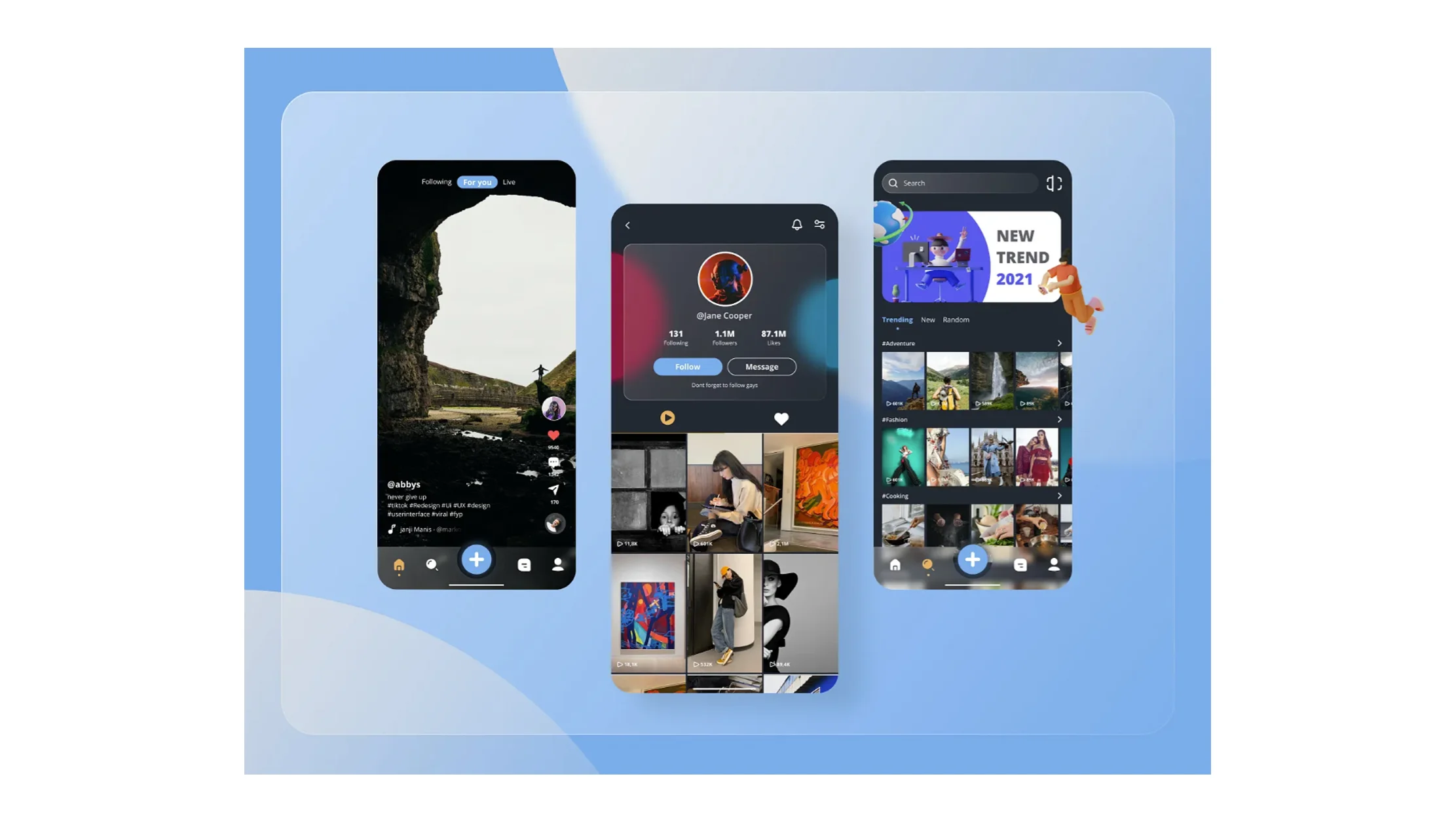
Organizations increasingly need structured TikTok social media data to understand what content attracts attention and how trends move across audiences. Publicly accessible information can include video URLs, captions, hashtags, creators, posting dates, view counts, likes, comments, shares, sounds, categories, and other available metadata. With web scraping, these records can be collected at scale and transformed into consistent datasets for analysis.
A TikTok Social Media Dataset can be organized around individual videos, creators, hashtags, keywords, categories, or geographic markets. This structure makes it easier to conduct longitudinal research instead of relying on isolated screenshots or manually collected observations.
| Data Element | Research Application |
|---|---|
| Video metadata | Content classification and trend tracking |
| Hashtags | Topic discovery and campaign analysis |
| Creator information | Influencer and creator research |
| Views and likes | Content-performance measurement |
| Comments | Audience-response analysis |
| Posting dates | Trend lifecycle analysis |
| Sounds | Emerging format and content discovery |
| Categories | Market and topic segmentation |
2020–2026 Development
From 2020 through 2021, TikTok's growth accelerated as short-form video became a mainstream digital content format. Data published by third-party research organizations placed TikTok among the fastest-growing major social platforms during this period. By 2022, organizations were increasingly examining creator activity, hashtags, sounds, and engagement signals as part of digital research programs.
During 2023, the platform's role expanded beyond entertainment as brands, publishers, creators, and retailers used short-form video for product discovery, education, community building, and marketing. TikTok reported 150 million U.S. users in 2023, while its own 2024 year-end communication described a billion-strong global community.
In 2024, trend monitoring became increasingly important because popular formats could emerge and spread rapidly. TikTok highlighted creators, cultural movements, businesses, artists, and trends in its Year on TikTok review.
In 2025, DataReportal reported TikTok's advertising tools showing 1.59 billion users in its global advertising audience aged 18+ in January, while cautioning that advertising reach is not the same as total active users. By 2026, third-party measurements continued to show differences between advertising reach and actual platform use. DataReportal's 2026 mid-year update reported that TikTok's planning tools indicated more than 2 billion adult users could potentially be reached by ads, while Similarweb data showed a roughly 10% decline in active use of TikTok's mobile apps between September 2025 and February 2026. These differences reinforce the need for source-aware, consistently collected datasets rather than relying on a single platform metric.
Measuring Audience Response Across Content
Engagement is one of the most valuable dimensions of social-media research because content visibility alone does not explain audience response. TikTok engagement data can include likes, comments, shares, views, posting frequency, and other publicly observable indicators, depending on availability.
For organizations without the infrastructure to build and maintain their own collection systems, collection services can provide structured extraction, normalization, validation, and delivery. This approach allows teams to focus on analysis instead of manually gathering information from thousands or millions of records.
| Engagement Metric | Potential Business Use |
|---|---|
| Views | Reach and visibility analysis |
| Likes | Positive interaction measurement |
| Comments | Audience discussion analysis |
| Shares | Content amplification analysis |
| Posting frequency | Creator activity monitoring |
| Engagement-to-view | Comparative performance |
2020–2026 Development
Between 2020 and 2021, engagement measurement became particularly important as brands experimented with short-form video. Views, likes, and comments offered basic indicators of audience response, but organizations increasingly recognized that individual metrics needed to be considered together.
In 2022, creator-led marketing expanded, making engagement comparisons useful for identifying creators and content formats generating consistent audience activity. During 2023, businesses increasingly combined engagement metrics with product categories, campaign themes, hashtags, and creator attributes.
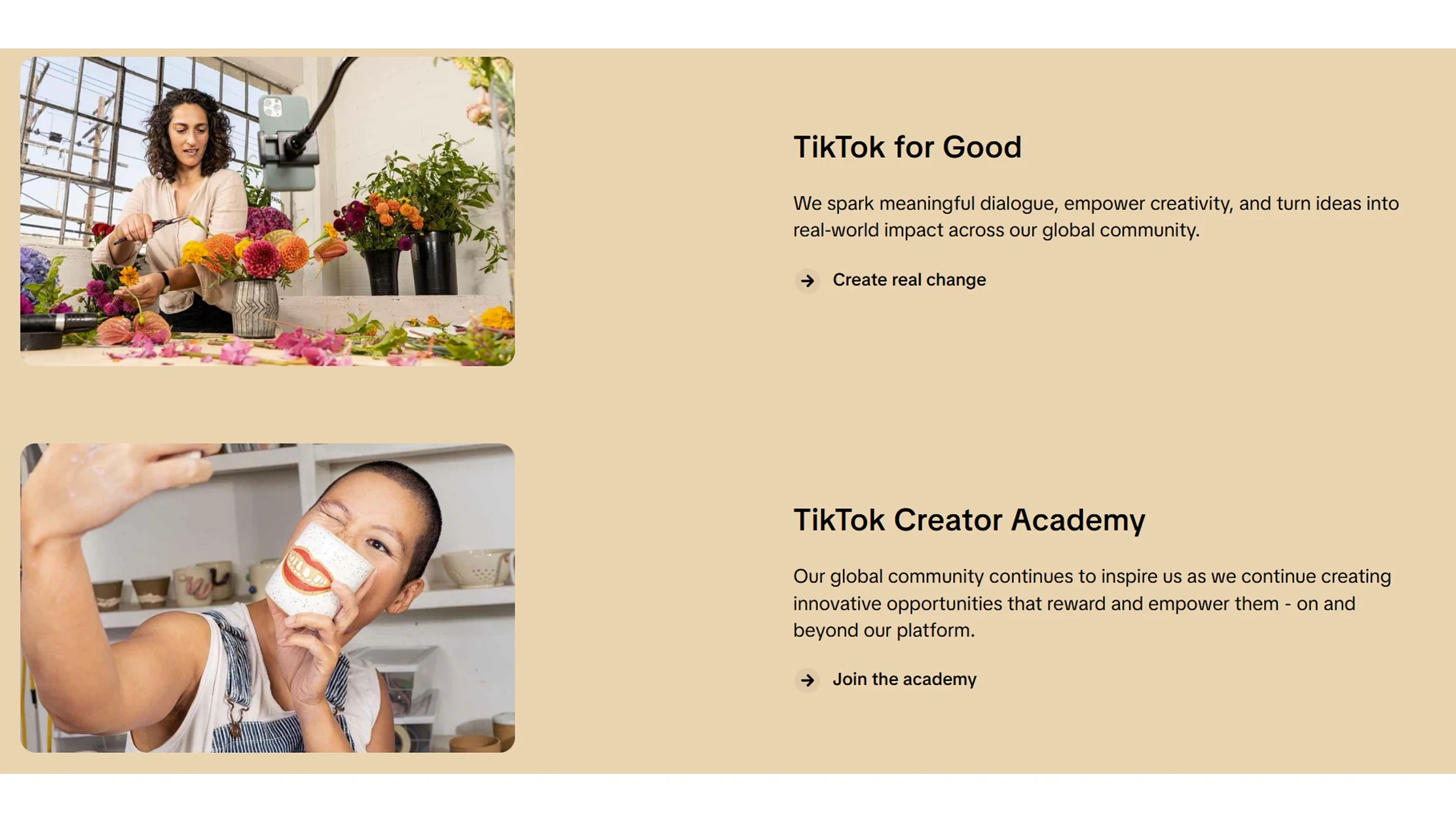
In 2024, TikTok continued emphasizing creator tools and new content formats. The company introduced its Creator Academy to help creators understand platform offerings, content strategy, trends, and monetization resources. This development reflected the increasing sophistication of the creator ecosystem.
In 2025, engagement research increasingly incorporated audience segmentation, content classification, and time-series monitoring. Instead of asking which video received the most views, analysts could examine how content themes performed over multiple weeks or months.
By 2026, engagement analysis had become more data-intensive. Teams could compare engagement patterns across categories, creators, markets, posting periods, and content formats. Historical datasets also allowed businesses to identify whether a sudden engagement increase represented a lasting trend or a short-lived viral event.
Turning Fast-Moving Activity Into Usable Intelligence
2020–2026 Development
In 2020, rapid viral cycles demonstrated how quickly short-form content could move from niche communities into mainstream attention. During 2021, brands began developing more systematic approaches to identifying popular formats rather than reacting to individual viral posts.
By 2022, trend intelligence became increasingly connected with creator marketing and campaign planning. Organizations could examine historical hashtags, content categories, and engagement patterns to improve their understanding of what drove audience participation.
During 2023 and 2024, trend monitoring expanded into areas such as product discovery, entertainment, food, fashion, travel, education, and lifestyle. TikTok's Year on TikTok 2024 highlighted the platform's role in discovering ideas, supporting creators, and shaping cultural conversations.
In 2025, the scale of TikTok's reported advertising audience demonstrated why automated monitoring could be useful for large research programs. DataReportal's January 2025 analysis estimated 1.59 billion users in TikTok's advertising audience aged 18+, while noting important methodological limitations.
By 2026, differences between advertising-reach estimates and third-party app-use measurements had become particularly relevant to researchers. DataReportal's 2026 mid-year analysis explicitly recommended comparing multiple data sources when assessing platform reach. For businesses, this means real-time collection should be paired with validation, historical baselines, and clear definitions of each metric.
Turn fast-moving TikTok activity into structured, analysis-ready intelligence with reliable data collection and monitoring.
Get Insights Now!Connecting Structured Data With Business Applications
A TikTok social media insights API can provide a practical connection between collected platform information and business intelligence environments. API-based delivery can help organizations integrate structured records into dashboards, analytics platforms, databases, research workflows, or internal applications.
The objective is not simply to collect more records. It is to make the information accessible in a consistent format so analysts can combine social-media signals with other business datasets.
| API Data Layer | Possible Application |
|---|---|
| Video metadata | Content research |
| Creator records | Influencer analysis |
| Hashtags | Trend monitoring |
| Engagement metrics | Performance analysis |
| Historical records | Time-series comparisons |
| Categories | Market segmentation |
| Structured JSON/CSV | Data integration |
2020–2026 Development
In 2020 and 2021, social-media research was often performed using platform dashboards, manual exports, spreadsheets, or individual analytics tools. As the volume of content increased, these approaches became harder to scale.
During 2022, organizations increasingly looked for automated ways to connect social-media information with broader marketing and analytics workflows. Structured APIs offered an alternative to repeatedly downloading and manually transforming data.
In 2023, businesses expanded their use of social intelligence for creator discovery, campaign measurement, competitor monitoring, and content planning. API-based workflows helped reduce repetitive data preparation.
In 2024, social-media datasets increasingly became part of larger data ecosystems. Organizations could combine content information with CRM data, product data, search trends, advertising information, and customer research.
In 2025, data quality became increasingly important because platform metrics could differ according to methodology, audience definitions, and reporting systems. DataReportal's TikTok analysis highlighted the distinction between advertising audience figures and total active users.
By 2026, API-oriented delivery could support more continuous data pipelines. Instead of treating social-media information as a one-time research project, businesses could integrate recurring data feeds into dashboards and analytical systems. The resulting workflow can support trend detection, creator research, competitive monitoring, and longitudinal analysis while maintaining consistent schemas and validation rules.
Building Historical Records for Long-Term Analysis
A structured TikTok Social Media Dataset becomes significantly more valuable when it is maintained over time. Historical records allow organizations to compare current activity with previous periods, measure changes in content popularity, and identify recurring seasonal patterns.
Longitudinal data can also help separate temporary viral events from sustained shifts in audience interests. This is particularly important because TikTok trends can change rapidly.
| Historical Dimension | Long-Term Research Value |
|---|---|
| Daily video activity | Content-volume trends |
| Weekly engagement | Performance comparison |
| Monthly hashtags | Topic evolution |
| Creator growth | Influencer tracking |
| Category activity | Market changes |
| View trends | Content lifecycle |
| Comment themes | Audience-response research |
2020–2026 Development
The 2020–2021 period established short-form video as a major component of digital culture and accelerated interest in creator-led communication. Businesses began collecting basic information around videos, hashtags, creators, and engagement.
In 2022, longitudinal datasets became more useful as brands wanted to compare creators and content themes across longer periods. Instead of looking at a single campaign, analysts could examine repeated content behavior.
During 2023, historical social data increasingly supported competitive intelligence. Brands could compare posting frequency, engagement patterns, category participation, and creator activity.
In 2024, trend analysis became more sophisticated as cultural moments, entertainment releases, products, and creator movements could be tracked through multiple content signals. TikTok's own year-end review emphasized how creators, businesses, artists, and cultural moments contributed to the platform's ecosystem.
In 2025, audience measurement required greater methodological awareness. DataReportal's research demonstrated that TikTok advertising-reach figures could differ from estimates of actual platform use, making historical source consistency essential.
By 2026, historical datasets could support more advanced analytical models, including time-series comparisons, category forecasting, creator lifecycle studies, and content-performance benchmarking. Businesses can use these records to understand not only what is trending today but also how content themes evolve across months and years.
Scaling Collection for Continuous Research
A Tiktok Scraper can be configured as part of a broader data pipeline for collecting publicly accessible information at recurring intervals, subject to applicable platform rules, technical restrictions, and legal requirements. The resulting TikTok Social Media Dataset can then be cleaned, standardized, deduplicated, validated, and delivered for analysis.
Scaling is particularly useful when research involves multiple creators, hashtags, categories, markets, or time periods.
| Scaling Requirement | Expected Benefit |
|---|---|
| Automated collection | Reduced manual work |
| Scheduled extraction | Consistent monitoring |
| Data normalization | Comparable records |
| Deduplication | Cleaner datasets |
| Validation | Improved reliability |
| Historical storage | Longitudinal analysis |
| API delivery | Easier integration |
2020–2026 Development
From 2020 to 2021, many businesses approached TikTok research manually because the volume and scope of commercial monitoring programs were still developing. As adoption expanded, the number of creators, videos, hashtags, and engagement signals that organizations wanted to track increased substantially.
In 2022, automated collection became more relevant for teams managing multiple research categories. Structured workflows reduced repetitive tasks and made recurring monitoring possible.
During 2023, scalable collection supported larger creator and competitor studies. Businesses could define target lists and collect comparable records at regular intervals.
In 2024, data pipelines increasingly incorporated validation and normalization because raw social-media records can contain inconsistent formats, changing identifiers, duplicates, and incomplete fields.
In 2025, the growing complexity of TikTok audience measurement highlighted the importance of maintaining clear source definitions. Researchers needed to distinguish platform-reported advertising audiences from other measures of active use.
By 2026, continuous data collection could support more advanced research workflows, including automated dashboards, historical benchmarking, creator discovery, category monitoring, and trend alerts. However, scalable collection should always account for applicable terms of service, privacy obligations, intellectual-property considerations, rate limitations, and other legal or technical requirements. The goal is a repeatable and responsible pipeline that produces consistent, research-ready information rather than simply maximizing collection volume.
Why Choose Real Data API?
Businesses need more than raw records when conducting large-scale social-media research. A dependable data workflow should combine collection, normalization, validation, structured delivery, and ongoing support.
Real Data API can help organizations build scalable data workflows around publicly accessible social-media information while adapting outputs to specific research requirements.
Key benefits can include:
- Structured and standardized datasets
- Recurring data collection workflows
- Historical data support
- Flexible data delivery formats
- Data cleaning and normalization
- Duplicate handling and validation
- Scalable collection architecture
- Research-oriented data organization
- Support for analytics and dashboard integration
For organizations studying short-form video ecosystems, a TikTok Video Data Scraper can support systematic video-level research, while a TikTok Social Media Dataset can provide a broader foundation for content, creator, hashtag, and engagement analysis.
Conclusion
TikTok has developed into a major source of content and behavioral signals for researchers, marketers, agencies, media organizations, and businesses. From the rapid growth of short-form video in 2020–2021 to increasingly sophisticated data and analytics workflows in 2025–2026, the need for structured social-media intelligence has continued to evolve.
A reliable TikTok Social Media Dataset can help organizations move beyond individual viral posts and build a consistent view of content, creators, engagement, hashtags, categories, and trends over time.
Connect with Real Data API to build a scalable, structured, and analysis-ready TikTok data workflow for your research and social-media intelligence needs!
FAQs
What is a TikTok Social Media Dataset?
A TikTok Social Media Dataset is a structured collection of publicly accessible TikTok information such as videos, creators, hashtags, captions, timestamps, and available engagement metrics for analysis.
How does TikTok Mobile App Scraping work?
TikTok Mobile App Scraping involves collecting publicly accessible information from mobile-oriented platform experiences and organizing the extracted records into structured datasets, subject to applicable restrictions.
Why use TikTok social media data web scraping?
TikTok social media data web scraping can help researchers collect large volumes of publicly accessible content information systematically instead of depending entirely on manual observation or individual records.
What are TikTok engagement data collection services?
TikTok engagement data collection services can automate the gathering and organization of available views, likes, comments, shares, and related content-performance indicators for comparative research.
What is real-time TikTok social media data used for?
Real-time TikTok social media data can support trend monitoring, creator research, campaign observation, content discovery, and rapid identification of emerging topics when timely information is important.
Latest posts
How Twitter Scraper Enables Faster Social Media Data Collection for Trend, Competitor, Audience Intelligence, and Social Media Data Collection

How Trip.com travel dataset Helps Brands Track Hotel Prices, Reviews, Availability, and Competitor Trends
How Reddit Scraper Solutions Collect Public Data for Market Research and Competitive Analysis

How Wildberries Product Scraper Helps Track Prices, Sellers, and Product Availability







.png)