.gif)
.png)
Introduction
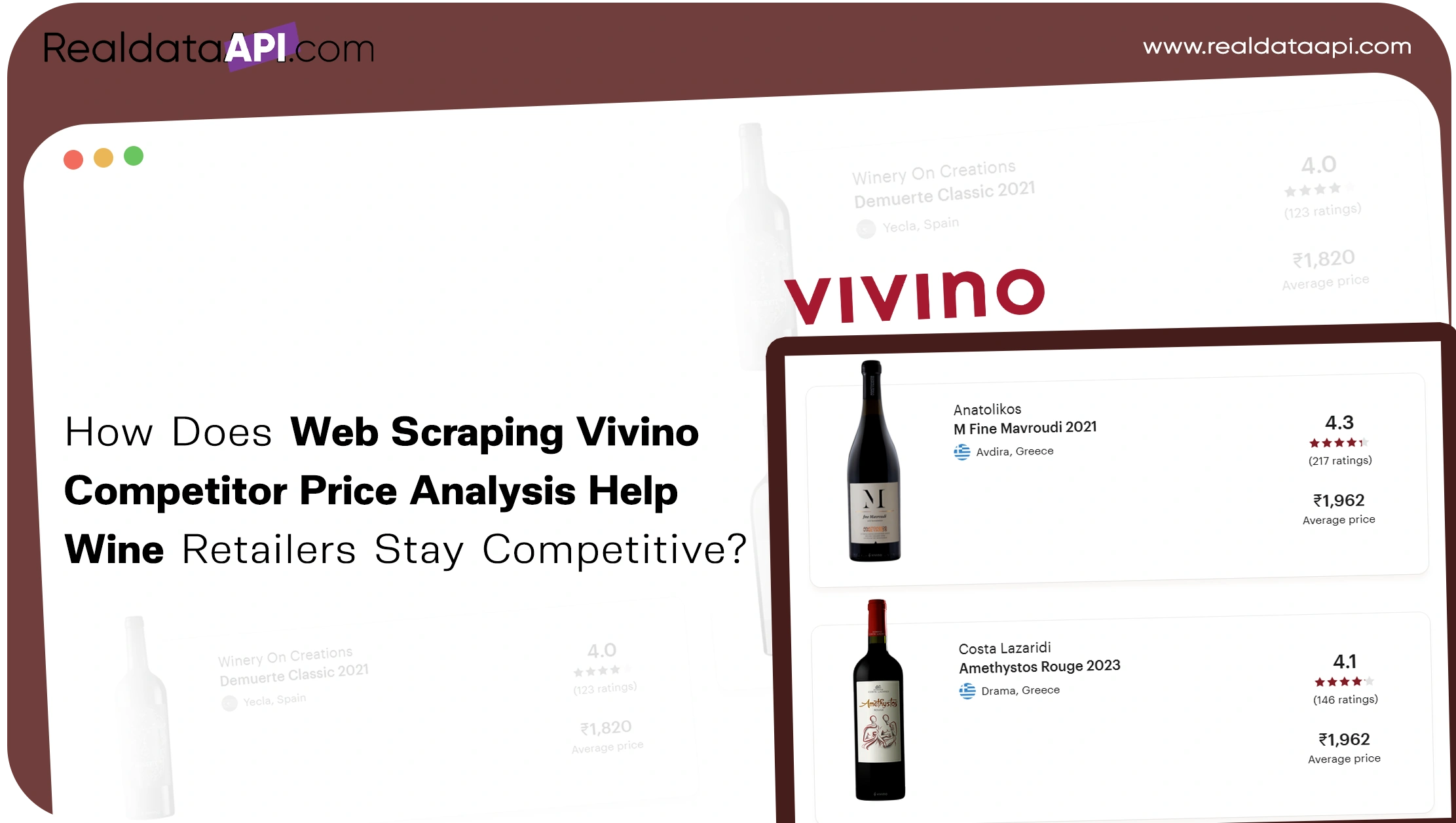
As competition intensifies, wineries, distributors, retailers, and market researchers require reliable pricing intelligence to remain competitive. Web Scraping Vivino competitor price analysis enables businesses to collect structured market data and liquor datasets and understand how products are positioned across competing merchants.
Organizations that scrape wine prices from Vivino gain access to valuable information about thousands of wine labels, including pricing, merchant listings, customer ratings, bottle sizes, and availability. When combined with Real-time Vivino wine price monitoring, this data helps businesses respond quickly to market changes, optimize pricing strategies, identify promotional opportunities, and improve profitability through informed decision-making.
Why Vivino Is Valuable for Competitor Analysis?
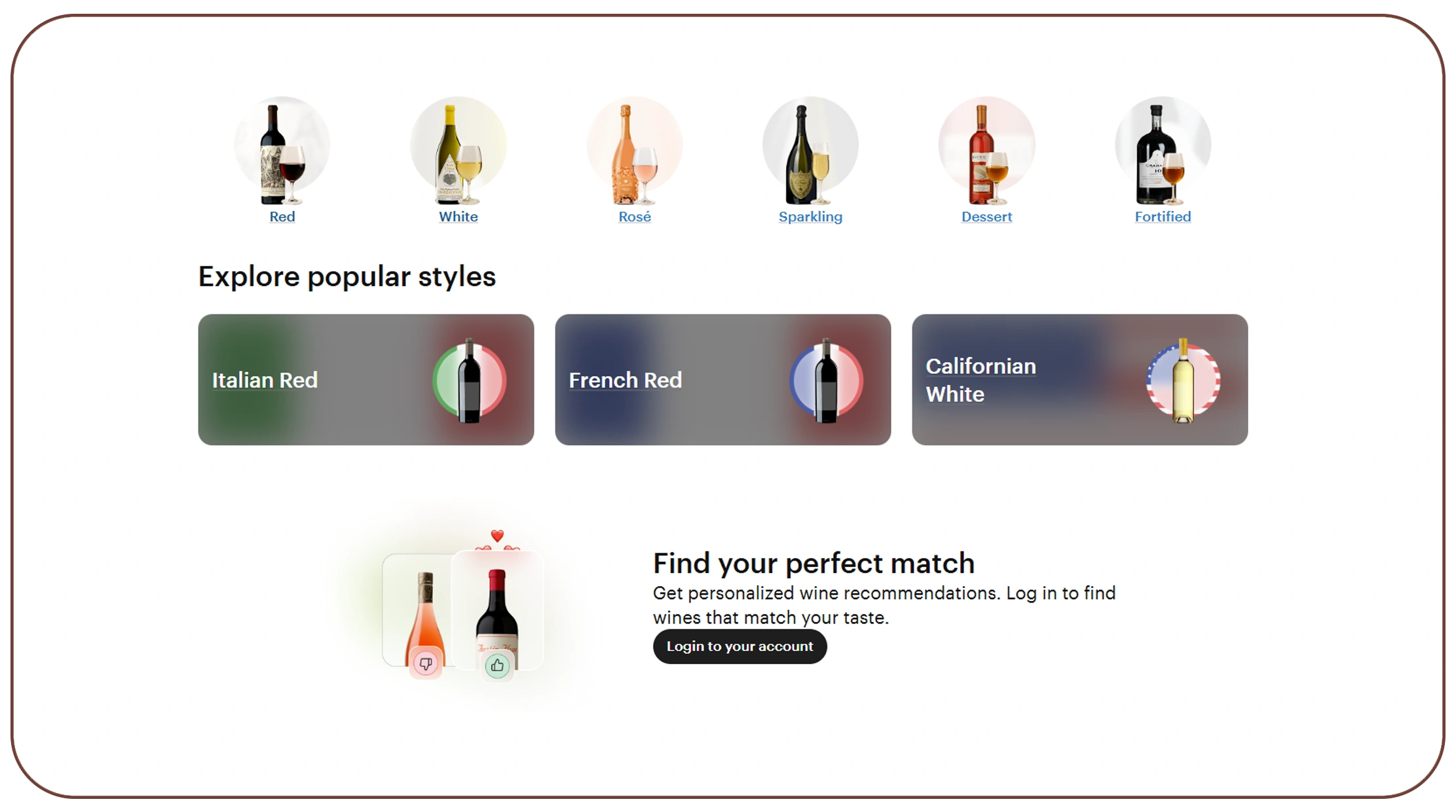
Vivino is one of the world's largest online wine communities, bringing together millions of consumers and retailers on a single platform. Rather than representing one retailer, Vivino aggregates wine listings from multiple merchants, allowing users to compare prices and reviews for the same product.
This makes Vivino an excellent source for competitive intelligence. Businesses can monitor how identical wines are priced across different sellers without manually visiting dozens of wine retail websites. The platform also provides valuable product information such as winery, vintage, region, grape variety, ratings, review counts, and availability, making it ideal for comprehensive market analysis.
Why Businesses Need Competitor Price Monitoring?
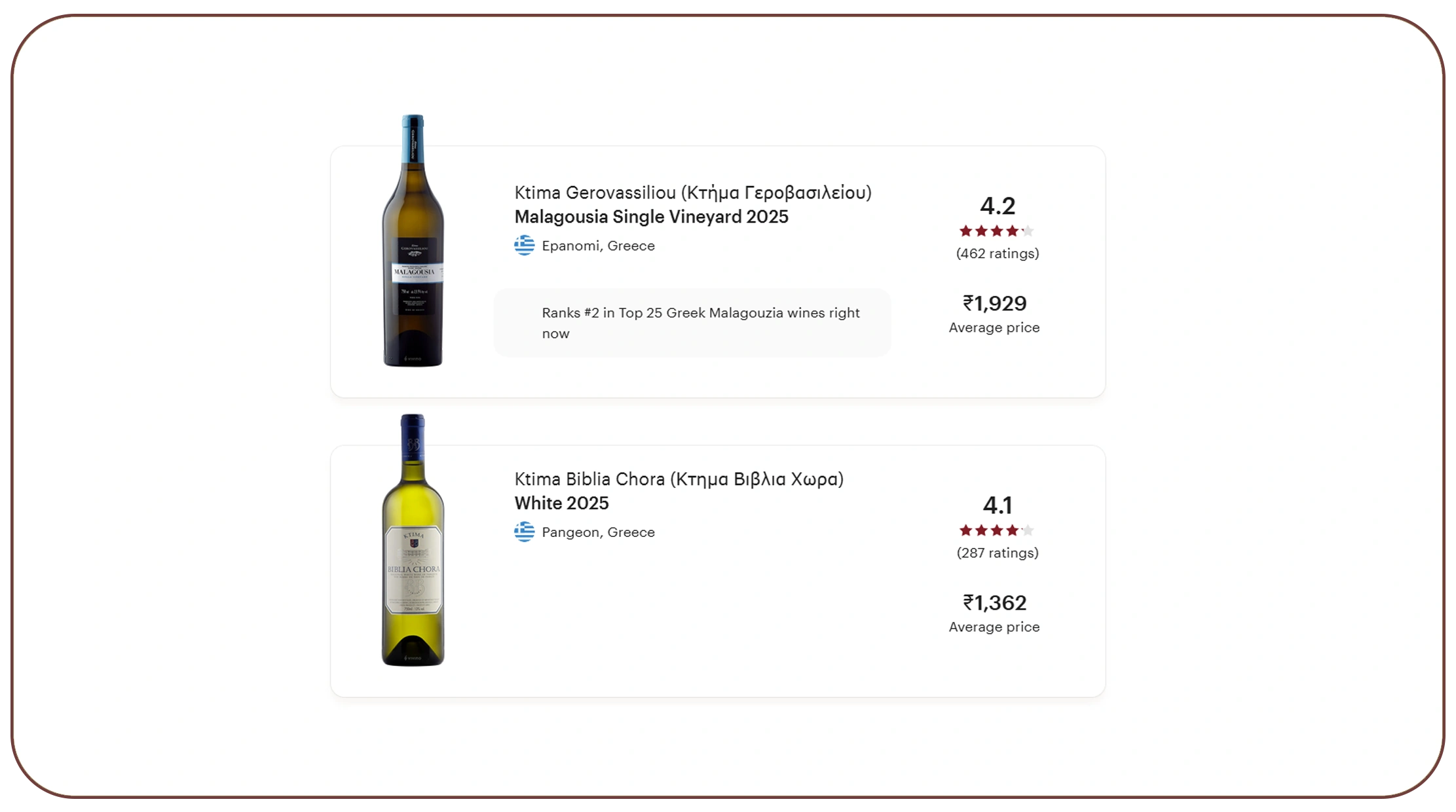
Wine pricing changes frequently due to seasonal demand, promotional campaigns, inventory levels, import costs, exchange rates, and consumer preferences. Businesses relying on manual research often miss pricing changes that directly affect sales performance and profit margins.
Continuous competitor monitoring allows organizations to benchmark their prices against market averages, detect promotional campaigns, evaluate regional pricing differences, identify premium positioning, improve procurement decisions, and support dynamic pricing models. Instead of reacting after competitors adjust prices, businesses can proactively optimize pricing strategies based on real-time market intelligence.
Sample Vivino Competitor Price Analysis
The following table illustrates how competitor pricing data collected from Vivino can be compared with leading online wine retailers to identify pricing opportunities.
| Wine | Vintage | Vivino Avg. Price (USD) | Wine.com | Total Wine & More | K&L Wine Merchants | Lowest Price | Highest Price | Price Difference | Market Insight |
|---|---|---|---|---|---|---|---|---|---|
| Château Margaux | 2018 | 645.00 | 639.00 | 659.00 | 648.00 | 639.00 | 659.00 | 20.00 | Stable premium pricing |
| Opus One | 2019 | 429.00 | 419.00 | 438.00 | 425.00 | 419.00 | 438.00 | 19.00 | Strong retailer competition |
| Penfolds Grange | 2017 | 795.00 | 785.00 | 810.00 | 799.00 | 785.00 | 810.00 | 25.00 | Consistent luxury pricing |
| Dom Pérignon Brut | 2015 | 268.00 | 259.00 | 275.00 | 271.00 | 259.00 | 275.00 | 16.00 | Promotion-driven pricing |
| Sassicaia | 2020 | 318.00 | 312.00 | 325.00 | 321.00 | 312.00 | 325.00 | 13.00 | Moderate regional variation |
| Whispering Angel Rosé | 2023 | 24.50 | 22.99 | 25.49 | 24.99 | 22.99 | 25.49 | 2.50 | Seasonal discounts common |
| Kim Crawford Sauvignon Blanc | 2024 | 18.20 | 17.49 | 18.99 | 18.59 | 17.49 | 18.99 | 1.50 | High-volume price competition |
| La Crema Chardonnay | 2023 | 22.80 | 21.95 | 23.49 | 22.99 | 21.95 | 23.49 | 1.54 | Frequent retail promotions |
The comparison clearly shows pricing consistency for premium wines while highlighting larger competitive differences in everyday wine categories. Such insights help businesses identify products requiring price adjustments and evaluate competitor promotional strategies.
Key Data Collected for Pricing Intelligence
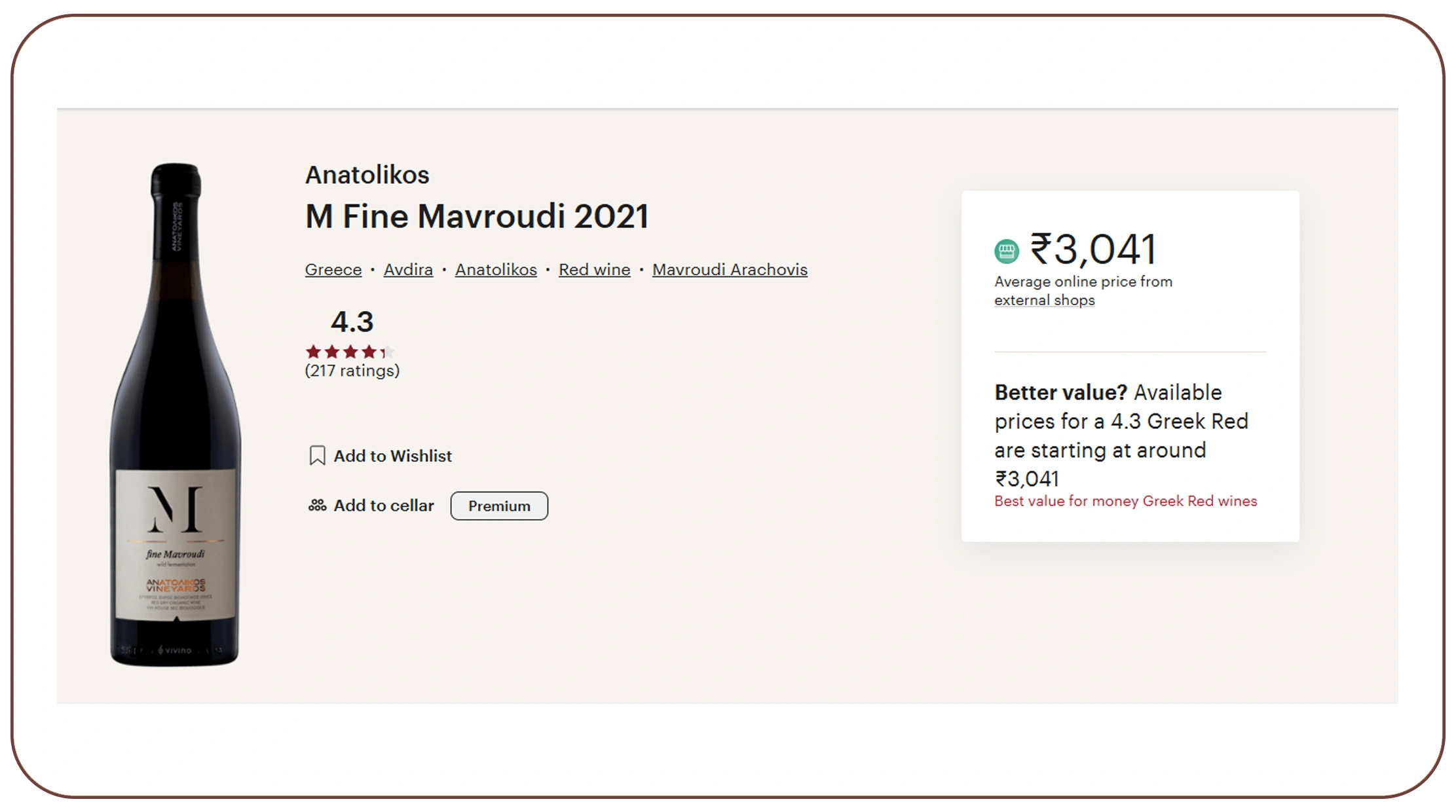
Effective competitor analysis involves collecting much more than current selling prices. Professional data extraction captures comprehensive product attributes that improve comparison accuracy across retailers.
Important data fields include wine name, winery, vintage, grape variety, bottle size, country of origin, wine region, alcohol percentage, customer ratings, review counts, merchant names, current price, discount price, availability status, currency, promotional information, shipping availability, and product URLs.
Once standardized, these attributes enable businesses to accurately compare identical products even when merchants use different naming conventions or product descriptions.
Benefits of Automated Wine Data Collection
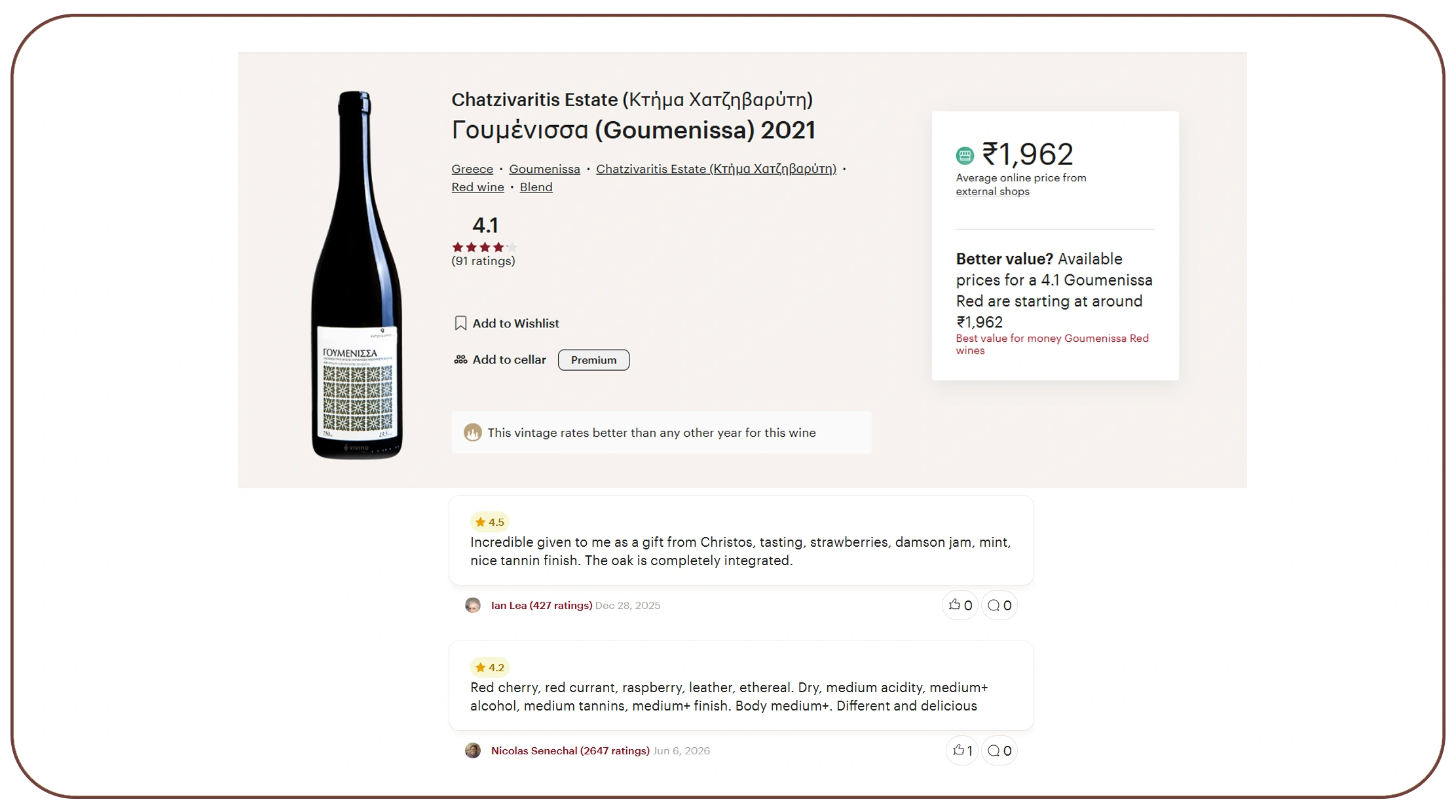
Manual competitor research is time-consuming and difficult to scale. Businesses monitoring hundreds or thousands of products require automated data collection to maintain accurate pricing intelligence.
Bulk Vivino wine price data extraction enables retailers and market researchers to collect large volumes of structured pricing information efficiently. Automated extraction reduces operational costs, improves data accuracy, and provides continuous market visibility.
Retailers can identify underpriced products before competitors react, distributors can monitor pricing consistency across sales channels, wineries can evaluate market positioning, and analysts can generate detailed reports covering pricing trends, regional demand, and promotional behavior.
Dynamic Pricing Through Continuous Monitoring
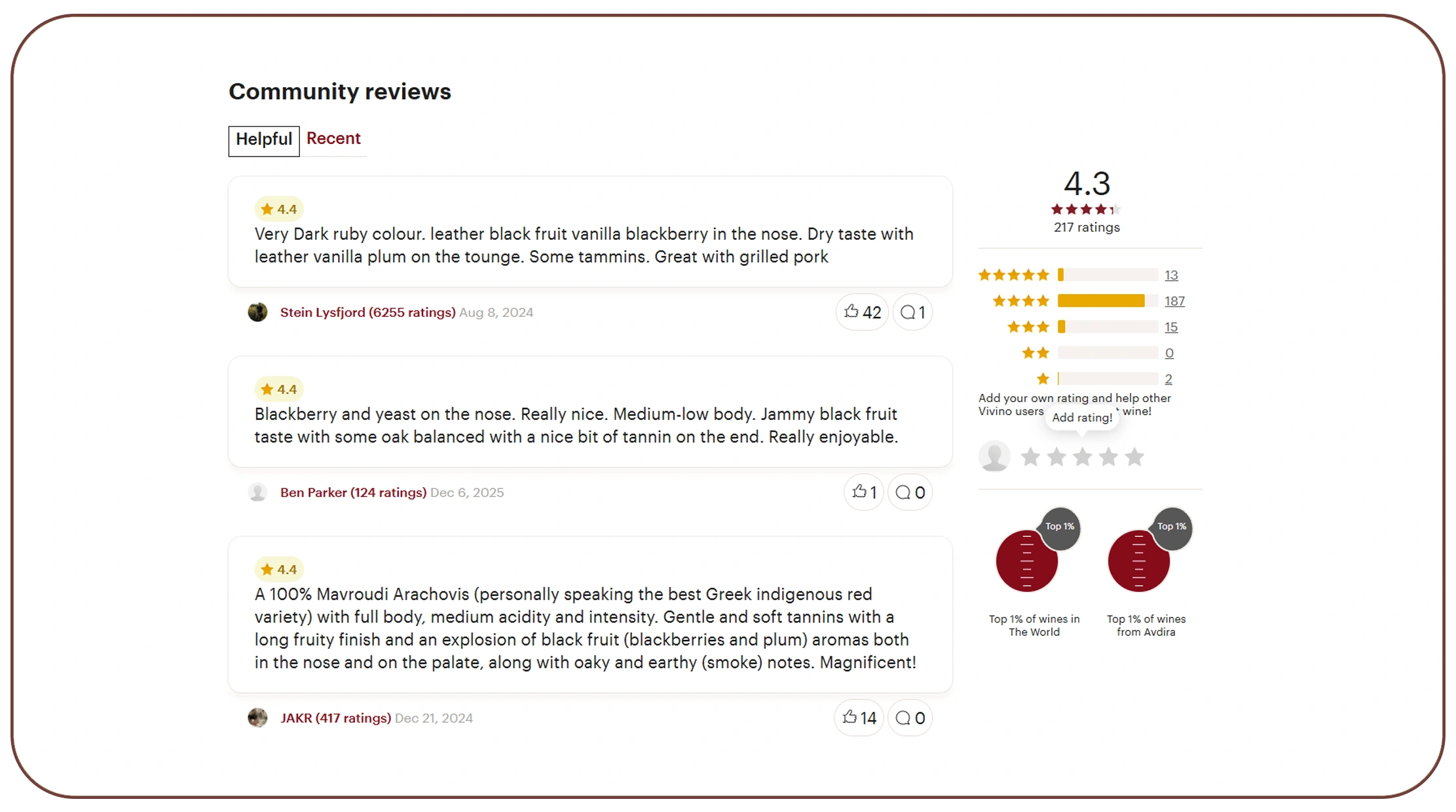
Modern wine retailers increasingly rely on dynamic pricing systems that respond to market conditions in real time. Continuous monitoring of competitor prices allows businesses to adjust prices based on demand, inventory, promotions, and competitor activity rather than relying on static pricing models.
Historical pricing data further strengthens decision-making by revealing seasonal trends, recurring promotions, and long-term market movements. Businesses can evaluate the effectiveness of previous pricing strategies and forecast future pricing behavior with greater confidence.
Enterprise Integration and Data Quality
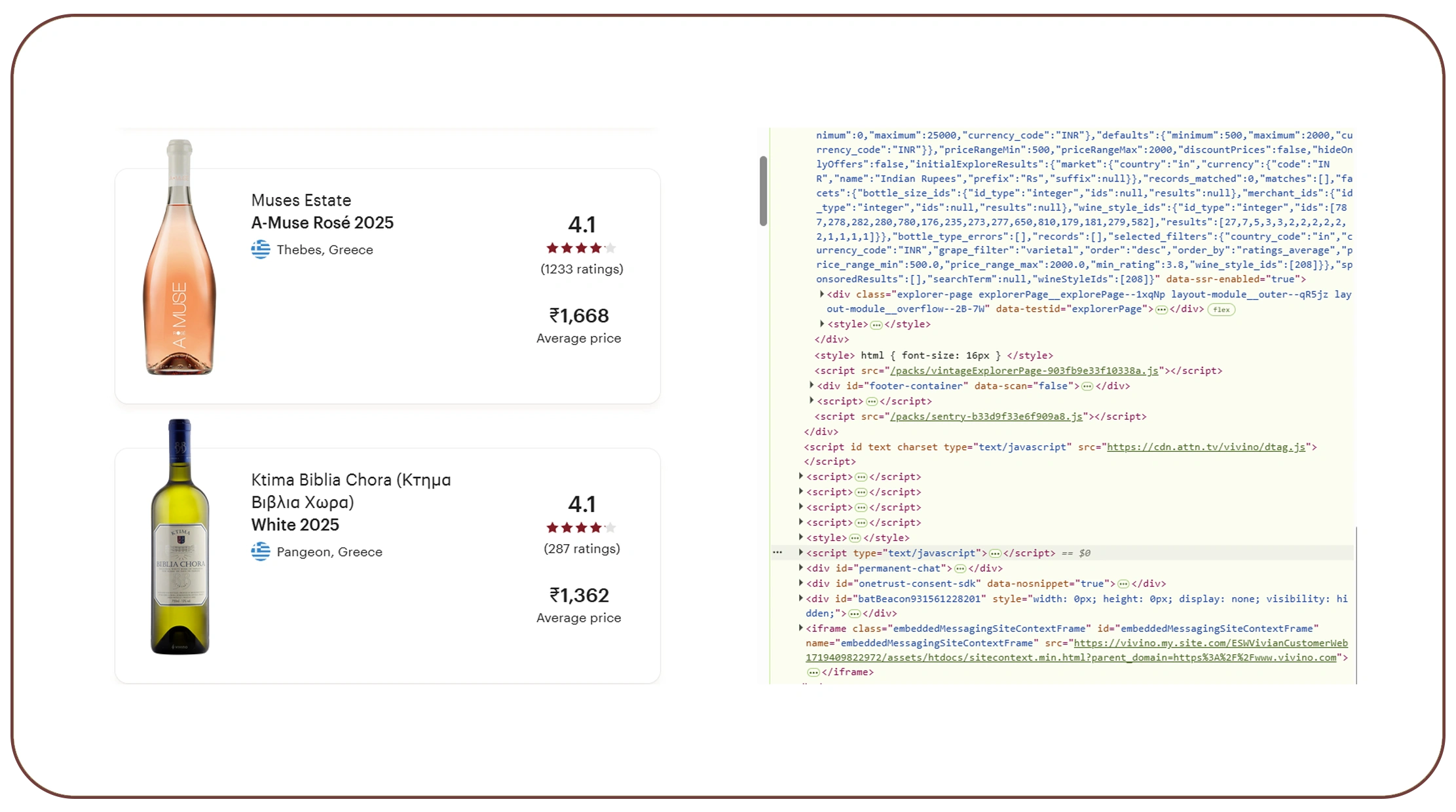
Large organizations often integrate pricing intelligence into business intelligence platforms, ERP systems, inventory software, and forecasting tools. A Vivino API, where available through authorized integrations or enterprise workflows, can simplify structured data delivery and improve reporting efficiency.
To ensure accurate analysis, collected data undergoes validation, duplicate removal, currency conversion, bottle-size normalization, and product matching. High-quality standardized datasets produce more reliable pricing comparisons and support better strategic decisions.
Industry Applications of Vivino Competitor Price Analysis
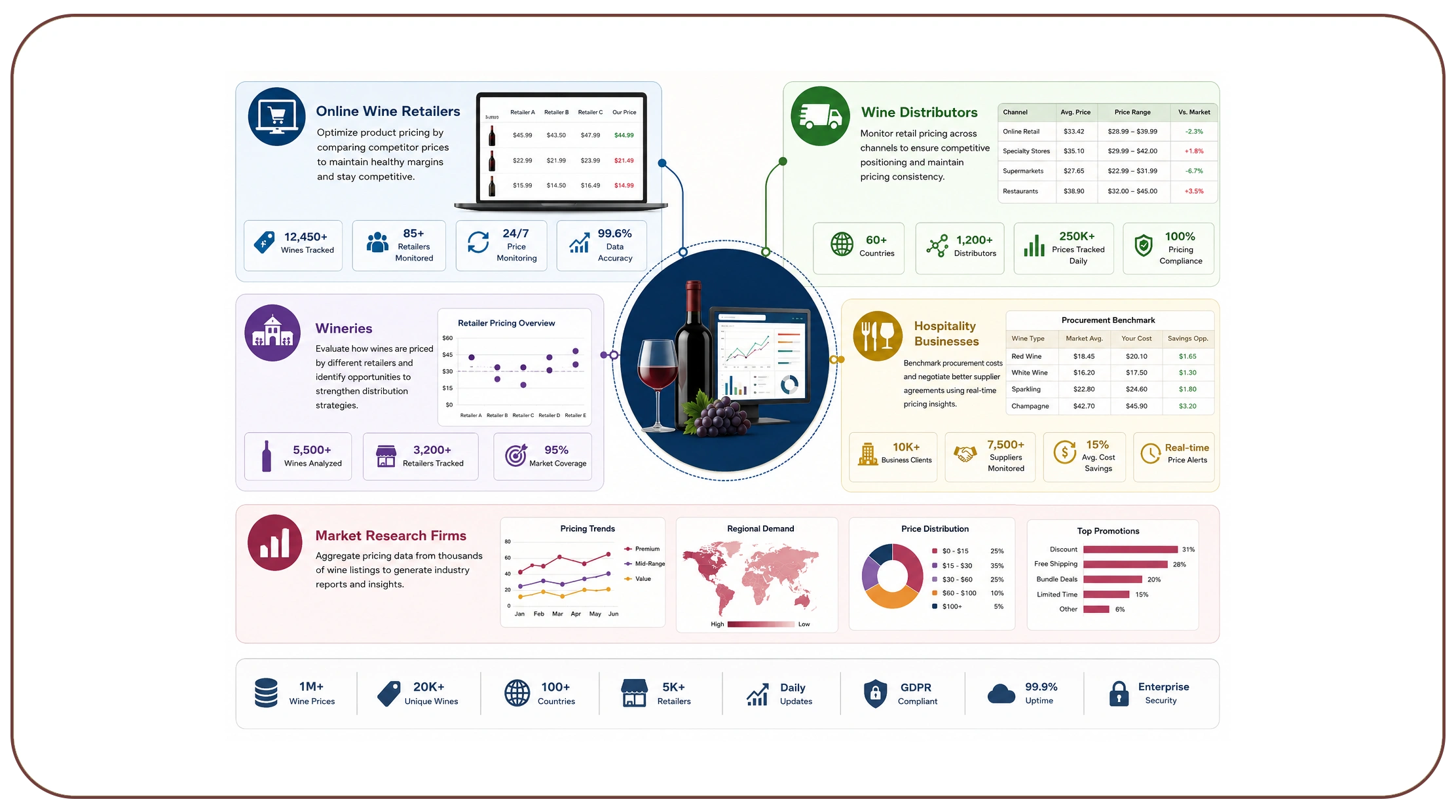
Wine pricing intelligence supports a broad range of business functions across the global wine industry. Online wine retailers use competitor pricing data to optimize product pricing while maintaining healthy profit margins. By continuously comparing their catalog against competing merchants, retailers can quickly identify products that are overpriced or underpriced relative to the market.
Wine distributors benefit by monitoring retail pricing across different sales channels, ensuring that products remain competitively positioned while maintaining pricing consistency. Wineries use pricing intelligence to evaluate how their brands are represented by different retailers and identify opportunities to strengthen distribution strategies.
Restaurants, hotels, wine bars, and hospitality businesses also use competitor pricing data to benchmark procurement costs and negotiate better supplier agreements. Market research firms aggregate pricing information from thousands of wine listings to generate industry reports covering premium wine trends, consumer preferences, regional demand, and promotional activities.
AI and Predictive Analytics for Wine Pricing

Artificial intelligence has transformed traditional competitor analysis into predictive market intelligence. Rather than simply reporting current prices, AI-powered analytics evaluate historical trends, seasonal demand, inventory changes, customer preferences, and competitor behavior to forecast future pricing movements.
Machine learning models can identify products that are likely to experience price increases, detect unusual discount activity, estimate demand fluctuations, and recommend optimal pricing strategies. These predictive insights help businesses respond proactively to changing market conditions instead of reacting after competitors have already adjusted their prices.
AI also enables anomaly detection, highlighting unexpected pricing changes that may indicate flash sales, stock shortages, or aggressive promotional campaigns. This allows retailers to protect market share while maximizing profitability.
The Value of Historical Pricing Data
Historical pricing datasets provide insights that cannot be obtained from current prices alone. By maintaining several months or years of pricing history, businesses can evaluate seasonal demand patterns, identify recurring promotional cycles, analyze vintage appreciation, and forecast future market trends.
Long-term analysis also helps organizations understand pricing volatility, optimize procurement timing, and negotiate supplier contracts more effectively. Premium wines often demonstrate steady appreciation, while everyday wines experience more frequent promotional pricing. Historical data enables businesses to recognize these patterns and incorporate them into strategic planning.
Unlocking Insights with the Vivino Liquor Dataset
A comprehensive Vivino Liquor Dataset serves as the foundation for advanced analytics and competitive intelligence. Beyond price comparison, it enables businesses to study relationships between customer ratings, wine regions, vintages, grape varieties, merchant performance, and pricing behavior.
Organizations can analyze price elasticity, identify premiumization trends, compare regional demand, evaluate merchant competitiveness, measure promotional effectiveness, and understand how customer reviews influence pricing. These insights help businesses refine marketing strategies, optimize inventory, and improve overall commercial performance.
Future of Wine Pricing Intelligence
As the wine industry continues to embrace digital transformation, automated pricing intelligence will become even more critical. Businesses that continuously monitor competitor pricing will be better equipped to respond to market changes, launch effective promotional campaigns, and maintain competitive positioning.
Future pricing platforms will combine automation, artificial intelligence, predictive analytics, and cloud-based reporting to deliver faster and more accurate market insights. Organizations capable of processing large volumes of structured pricing data will gain a significant competitive advantage through improved pricing accuracy, better inventory management, and enhanced customer satisfaction.
How Real Data API Can Help You?
Our data scraping solutions deliver accurate, structured, and scalable wine market intelligence from platforms like Vivino and other leading retailers. Our APIs automate large-scale data collection, ensuring businesses receive up-to-date pricing, product, and competitor insights in real time. The extracted data integrates seamlessly with analytics platforms, helping organizations improve pricing strategies, monitor competitors, optimize inventory, and make faster, data-driven business decisions.
- Automate large-scale extraction of wine prices, ratings, merchant listings, availability, and product details with reliable, scheduled data delivery.
- Track competitor pricing in real time to identify promotions, pricing gaps, regional variations, and emerging market trends.
- Receive clean, structured datasets in JSON, CSV, Excel, or API formats for seamless integration with BI, ERP, and pricing systems.
- Scale data collection across multiple wine marketplaces with customizable APIs, high-frequency updates, and enterprise-grade support for advanced analytics.
Conclusion
The online wine market has become increasingly transparent, making competitor pricing intelligence an essential component of successful retail strategy. Automated Vivino competitor analysis enables businesses to collect accurate pricing information, monitor merchant activity, benchmark products, and identify emerging market opportunities with far greater efficiency than manual research.
From retailers and distributors to wineries and market research firms, structured pricing intelligence supports smarter decision-making across every stage of the wine supply chain. Enterprise-grade Liquor Data Scraping API solutions further streamline the collection of large-scale pricing and product information, enabling seamless integration with analytics platforms and business intelligence systems. When combined with a high-quality Liquor Dataset, organizations can build powerful pricing models, improve forecasting accuracy, optimize promotional strategies, and strengthen their competitive position in the rapidly evolving global wine marketplace.
Ready to transform your wine market intelligence? Partner with Real Data API to access accurate, real-time Vivino pricing data and stay ahead of the competition.
Latest posts
Keeta scraper for monitoring food marketplace trends - Identify Discount Changes and Emerging Customer Demand
How to build a structured Nike product dataset for Product Intelligence and Retail Analytics
Allegro scraper for competitor price monitoring – How to Track Product Prices and Stay Ahead of Competitors
Ocado API data collection services for retailers - Track Competitor Prices and Deals





.png)