Introduction
Travel companies can predict passenger demand more accurately by analyzing cruise schedules, route popularity, destination trends, and seasonal travel patterns. cruise itinerary data analytics for travel insights helps businesses transform itinerary information into forecasting models that improve planning, marketing, and operational decisions.
Industry Insight: Industry estimates indicate that travel companies using itinerary analytics and predictive forecasting can improve demand prediction accuracy by 25–40%. Between 2020 and 2026, the cruise industry's digital transformation accelerated investment in route intelligence and passenger behavior analytics.
For travel agencies, cruise operators, tourism analysts, destination marketers, and hospitality businesses facing demand uncertainty, itinerary intelligence provides a strategic advantage. By leveraging a Travel Data Scraping API, organizations gain access to structured travel data that supports smarter forecasting and more informed business decisions.
As cruise tourism continues to expand globally, companies that utilize itinerary analytics can anticipate demand shifts, improve customer experiences, and optimize resource allocation more effectively.
What Can Cruise Itinerary Data Reveal About Future Travel Demand?
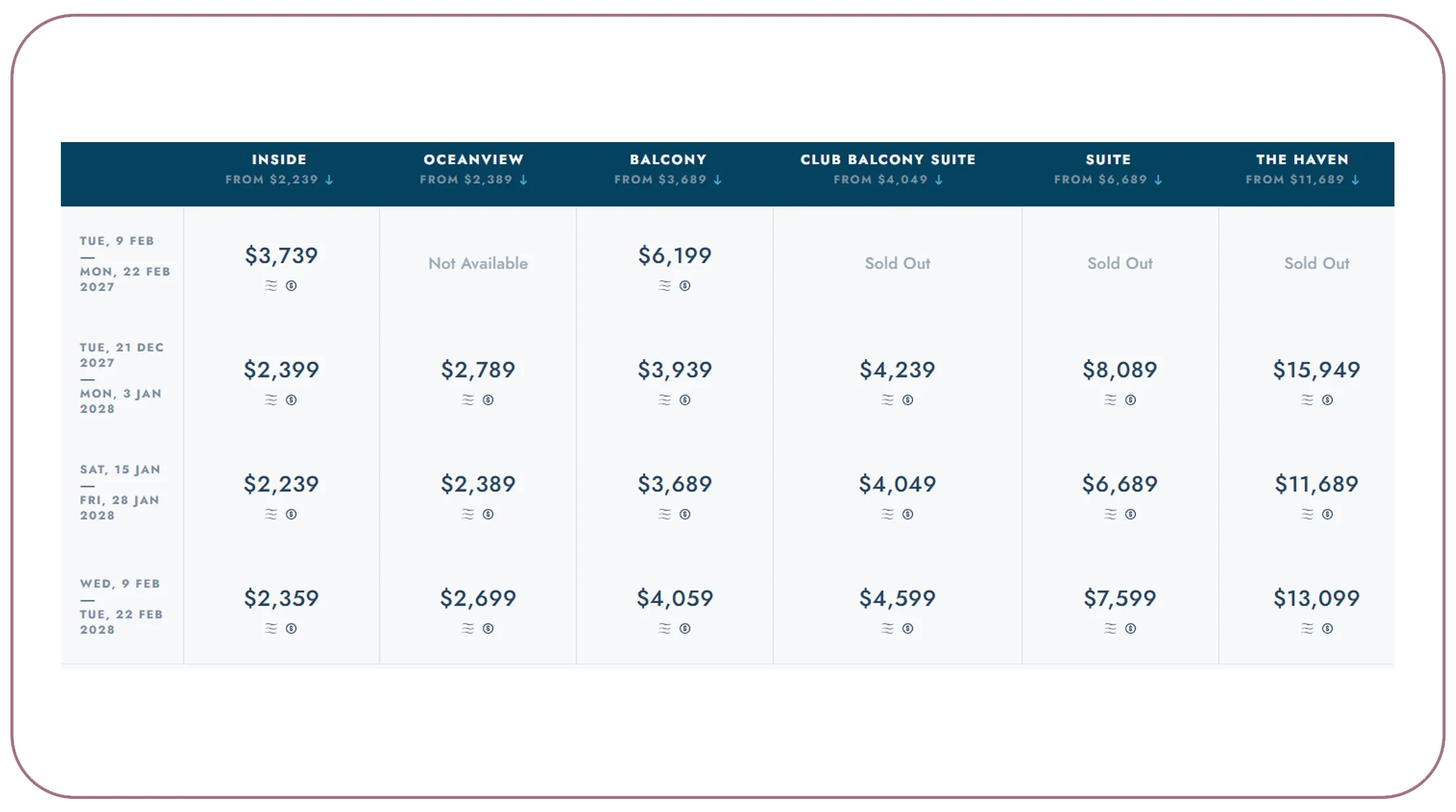
Travel demand patterns are often hidden within cruise schedules, destination frequency, and route popularity. By analyzing these indicators, companies can forecast future traveler interest more accurately.
Businesses can scrape cruise itinerary data for travel analytics to uncover booking trends, seasonal preferences, and destination demand fluctuations.
Among the Top Travel Scraping API Use Cases, itinerary monitoring remains one of the most valuable because it provides direct insight into traveler movement patterns and market opportunities.
Key Demand Signals Found in Cruise Data
- Port visit frequency
- Destination popularity
- Seasonal route changes
- Cruise duration preferences
- Regional travel trends
Cruise Data Analytics Adoption (2020–2026)
| Year | Companies Using Cruise Analytics (%) | Forecast Accuracy Improvement (%) |
|---|---|---|
| 2020 | 28 | 12 |
| 2021 | 35 | 15 |
| 2022 | 43 | 19 |
| 2023 | 52 | 23 |
| 2024 | 61 | 28 |
| 2025 | 70 | 34 |
| 2026 | 79 | 40 |
These insights help businesses align marketing campaigns and operational strategies with anticipated traveler demand.
How Do Cruise Schedules Improve Forecasting Accuracy?
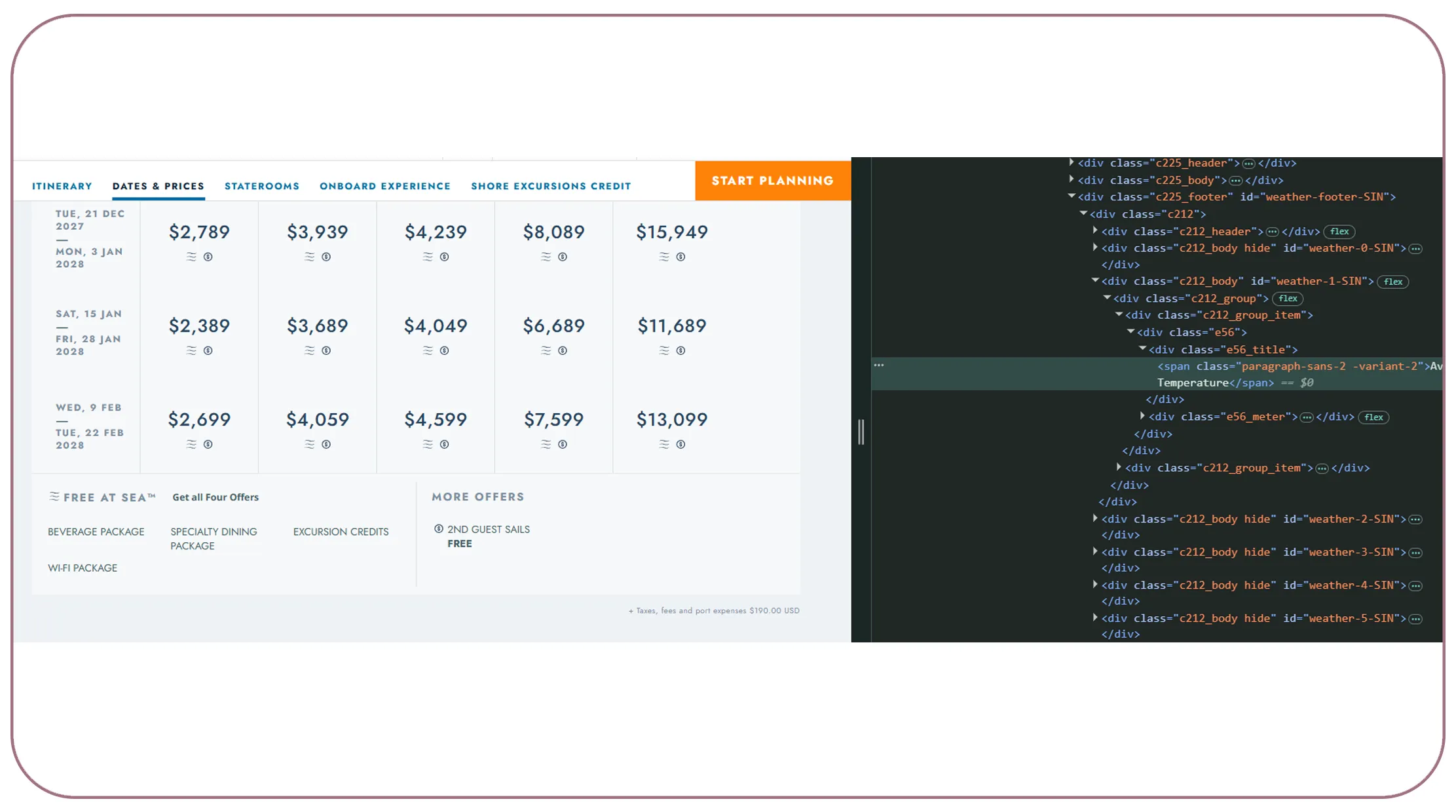
Passenger demand forecasting depends heavily on understanding future travel supply. Cruise schedules provide an early indication of market activity and expected passenger movement.
Organizations can extract cruise schedule and itinerary datasets to analyze route frequency, deployment patterns, and seasonal capacity changes.
Why Cruise Schedules Matter
Cruise schedules reveal:
- Planned destination visits
- Ship deployment strategies
- Seasonal route expansions
- High-demand travel periods
- Emerging tourism markets
Demand Forecasting Benefits
- Better capacity planning
- Improved marketing timing
- Enhanced destination forecasting
- Stronger pricing strategies
- Reduced operational uncertainty
Schedule Intelligence Growth (2020–2026)
| Year | Travel Companies Using Schedule Analytics (%) |
|---|---|
| 2020 | 25 |
| 2021 | 32 |
| 2022 | 40 |
| 2023 | 49 |
| 2024 | 58 |
| 2025 | 68 |
| 2026 | 77 |
When travel businesses understand future cruise deployment patterns, they can prepare for changes in passenger demand well before peak travel seasons arrive.
How Does Web Scraping Support Passenger Demand Predictions?
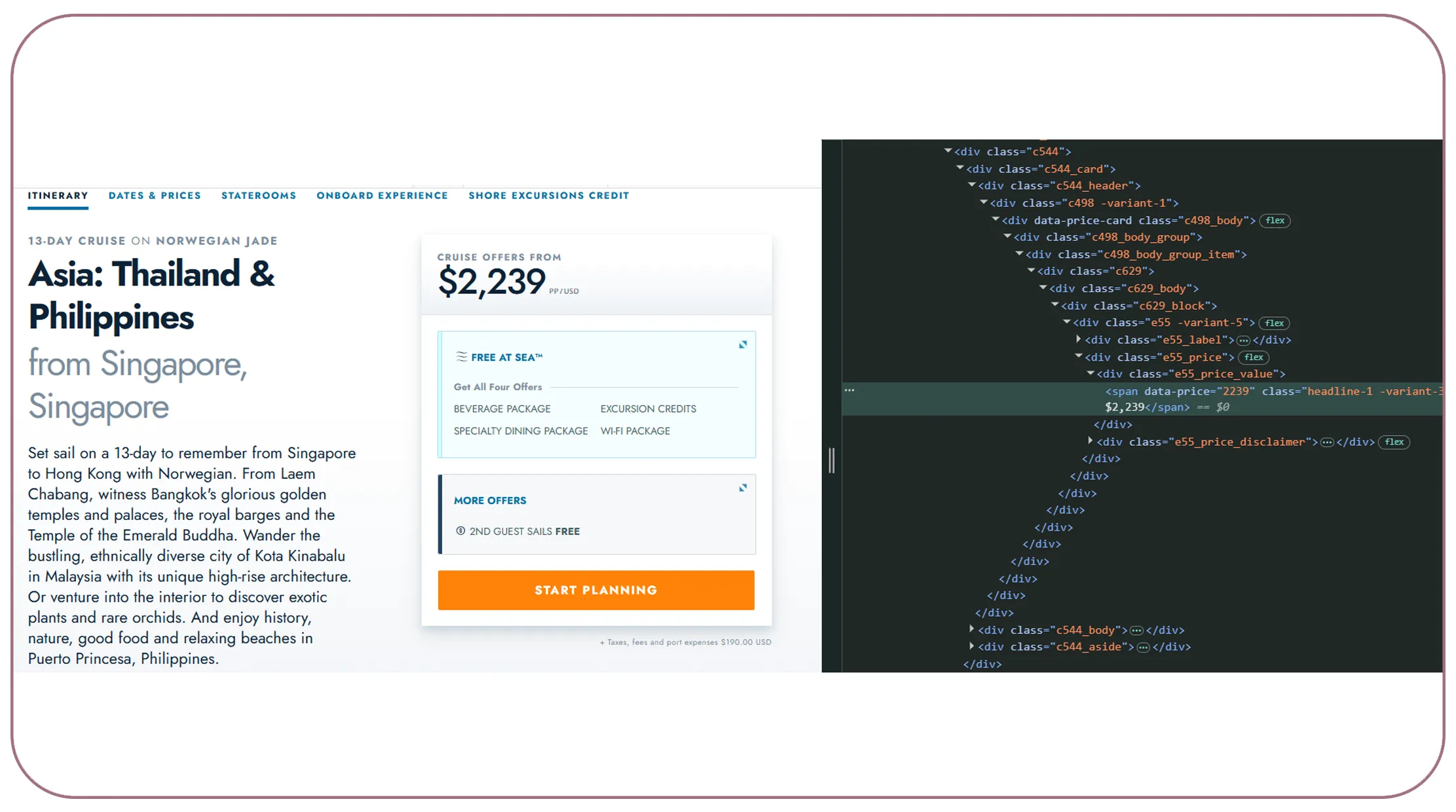
Travel markets change rapidly. Manual research often cannot keep pace with new route announcements and itinerary updates.
Using web scraping cruise travel itinerary data, businesses can automate data collection and maintain continuous visibility into travel market developments.
Data Sources Commonly Monitored
- Cruise line websites
- Travel booking platforms
- Destination portals
- Tourism boards
- Travel marketplaces
Advantages of Automated Data Collection
- Real-time updates
- Scalable monitoring
- Faster insights
- Reduced manual effort
- Improved forecasting precision
Travel Intelligence Automation Trends
| Year | Automated Travel Data Collection Adoption (%) |
|---|---|
| 2020 | 30 |
| 2021 | 37 |
| 2022 | 45 |
| 2023 | 54 |
| 2024 | 63 |
| 2025 | 72 |
| 2026 | 81 |
Automated itinerary monitoring allows businesses to identify travel demand trends earlier and make proactive strategic decisions.
How Can Route Intelligence Reveal Emerging Market Opportunities?
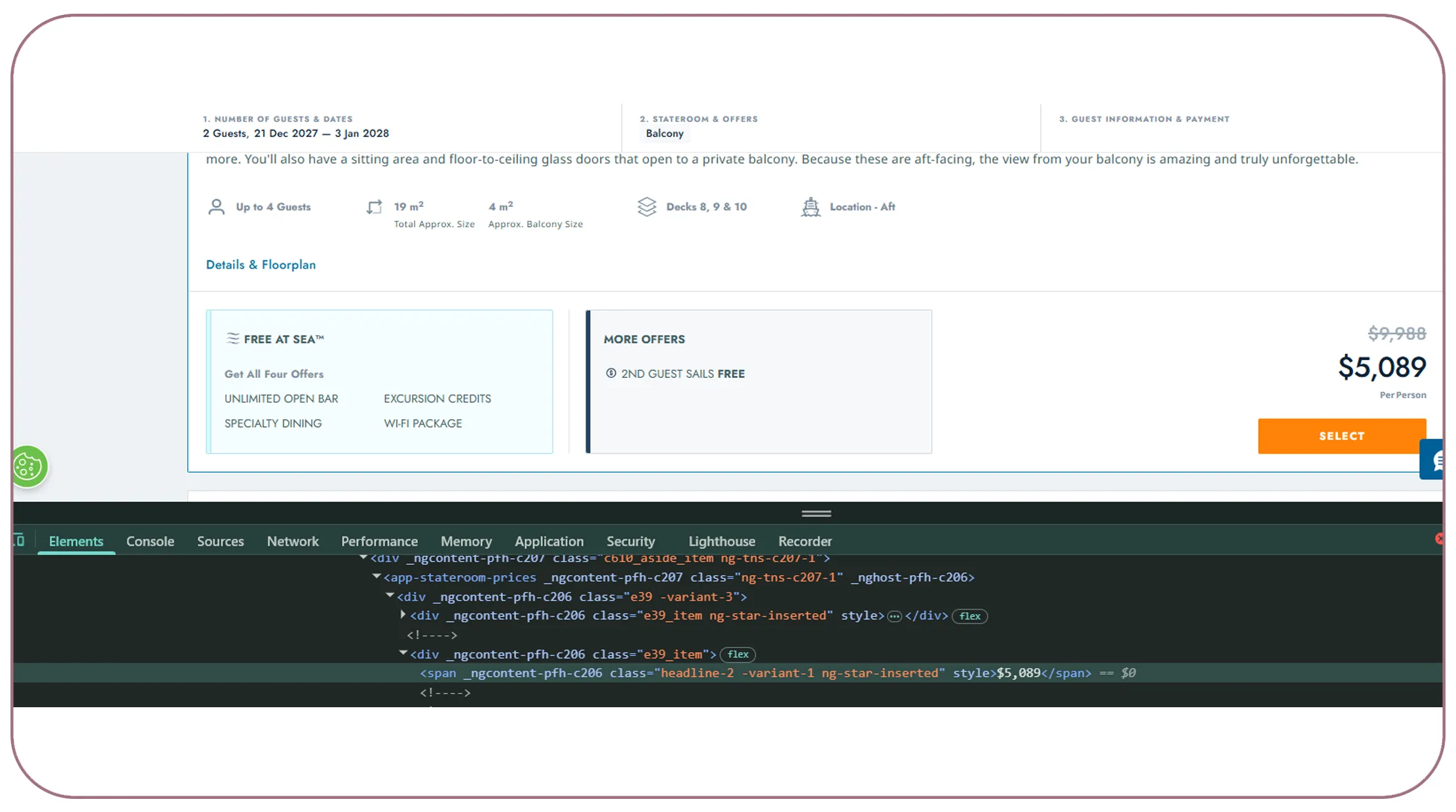
Cruise routes provide valuable information about evolving traveler interests and destination popularity.
Through Mano Maritime cruise route data scraping, analysts can evaluate route patterns, destination frequency, and market expansion strategies.
Key Insights from Route Analysis
- New destination launches
- Growing regional demand
- Seasonal route adjustments
- Competitive market activity
- Passenger traffic patterns
Route-Based Demand Indicators
| Indicator | Demand Forecast Value |
|---|---|
| Increased Port Visits | High |
| Route Expansion | High |
| Seasonal Frequency Growth | Medium-High |
| New Market Entry | High |
| Ship Capacity Increase | High |
Travel companies can identify destinations gaining popularity and allocate resources accordingly.
This intelligence supports strategic planning, tourism partnerships, and targeted marketing initiatives.
Why Is Route Intelligence Becoming Essential for Travel Businesses?
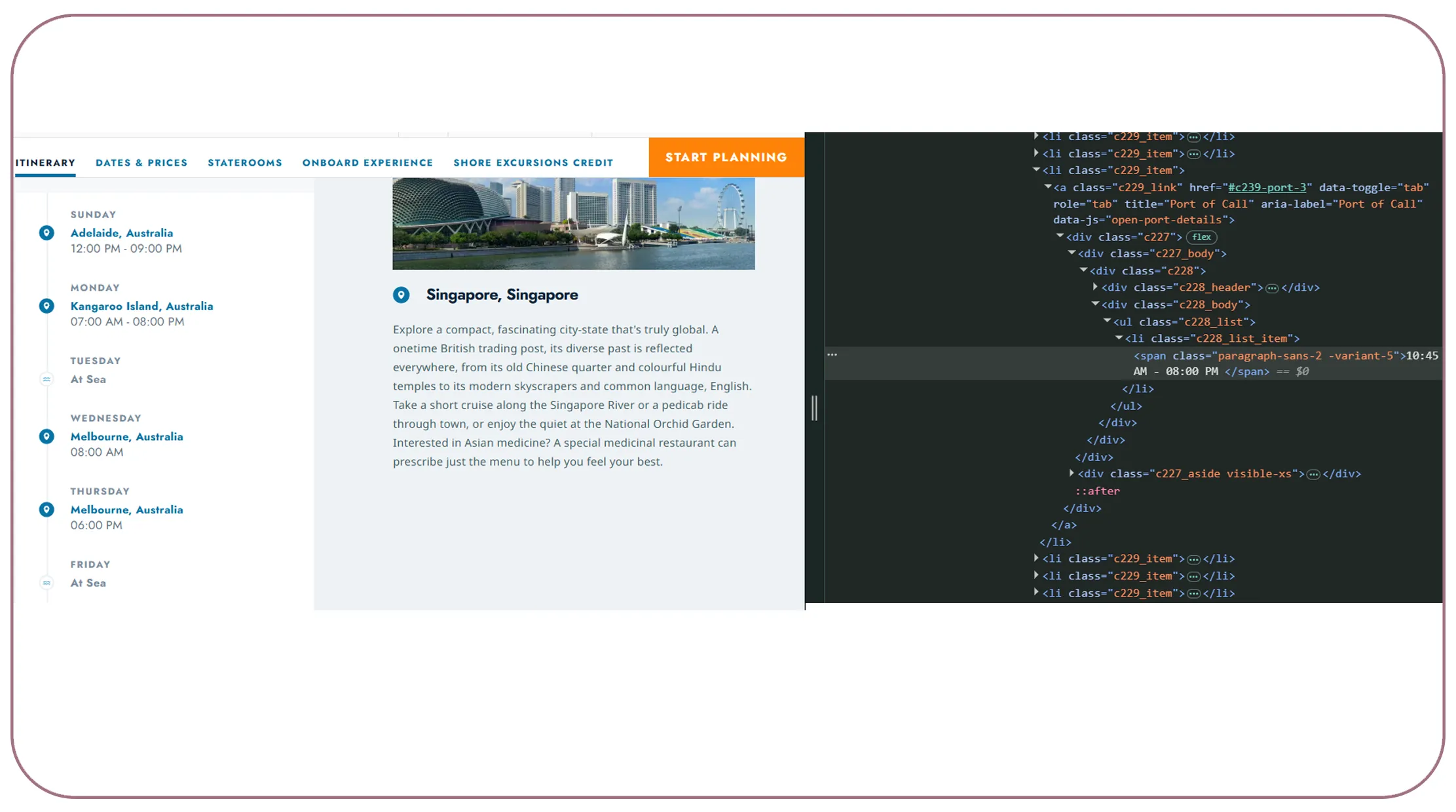
Travel companies increasingly rely on Cruise Route & Schedule Data Intelligence to understand how passenger flows evolve over time.
Analyzing cruise route data enables organizations to forecast destination demand, identify tourism opportunities, and optimize travel offerings.
Applications of Route Intelligence
- Tourism forecasting
- Destination marketing
- Hospitality planning
- Travel package development
- Market expansion analysis
Industry Adoption Growth (2020–2026)
| Year | Organizations Using Route Intelligence (%) |
|---|---|
| 2020 | 27 |
| 2021 | 34 |
| 2022 | 42 |
| 2023 | 51 |
| 2024 | 60 |
| 2025 | 69 |
| 2026 | 78 |
Business Benefits
- Better demand forecasting
- Improved operational planning
- Enhanced traveler targeting
- Greater market visibility
- Increased revenue opportunities
Route intelligence transforms raw travel data into actionable insights that improve forecasting confidence.
How Can Destination-Level Analysis Improve Strategic Planning?
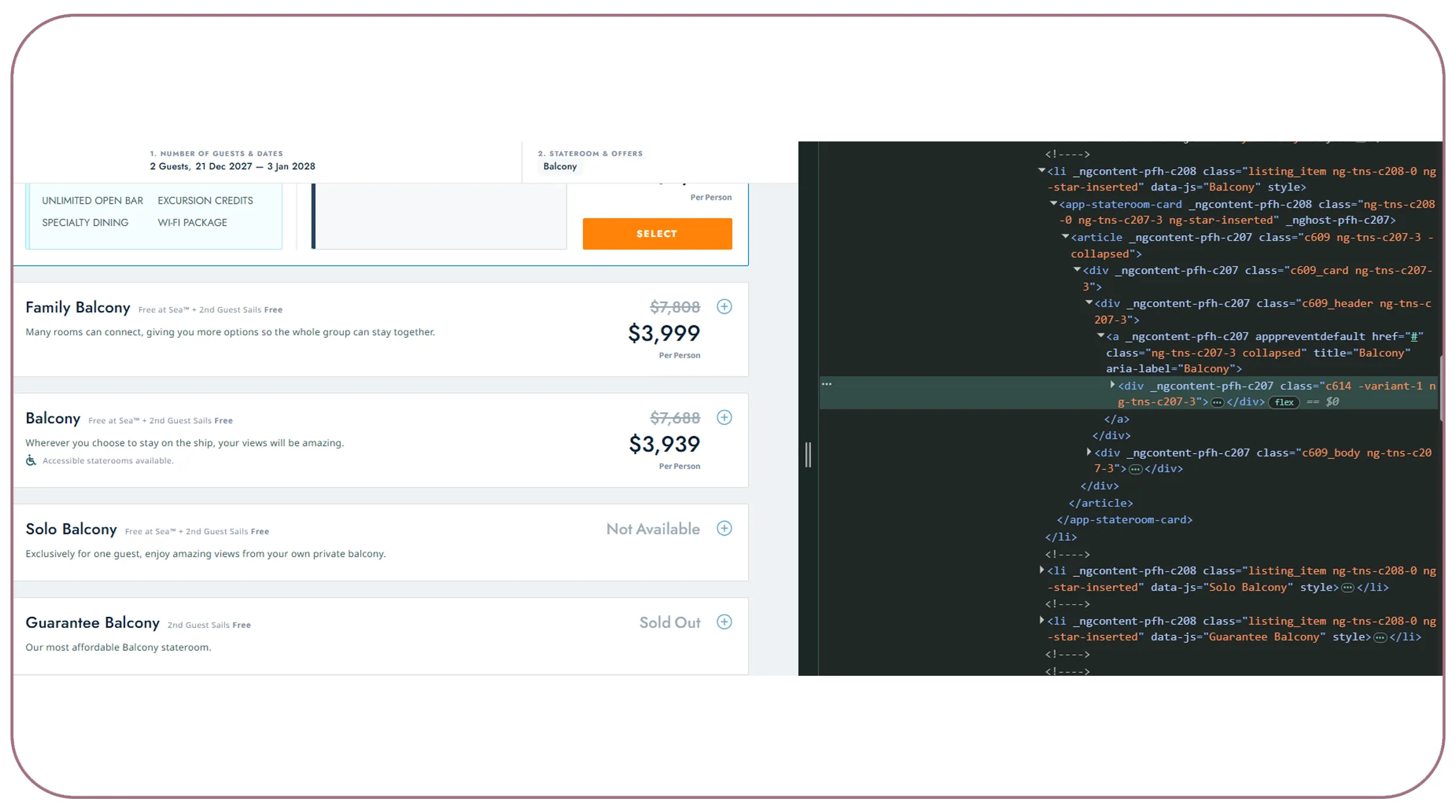
Destination-specific insights are critical for travel companies seeking to anticipate demand fluctuations and traveler preferences.
Through Marella cruise itinerary data extraction, organizations can analyze route popularity, destination frequency, and itinerary evolution across multiple travel seasons.
Key Areas of Analysis
- Destination popularity trends
- Seasonal demand variations
- Passenger movement patterns
- Regional tourism growth
- Route performance evaluation
Destination Analytics Trends (2020–2026)
| Year | Companies Using Destination Analytics (%) |
|---|---|
| 2020 | 29 |
| 2021 | 36 |
| 2022 | 44 |
| 2023 | 53 |
| 2024 | 62 |
| 2025 | 71 |
| 2026 | 80 |
These insights help travel businesses improve package offerings, destination marketing strategies, and long-term growth planning.
By understanding where travelers are most likely to go, companies can allocate resources more effectively and improve customer experiences.
Why Choose Real Data API?
Travel companies need reliable, scalable, and accurate data solutions to forecast passenger demand successfully.
Real Data API provides comprehensive travel intelligence powered by advanced Travel Dataset solutions and cruise itinerary data analytics for travel insights.
What Makes Real Data API Different?
- Real-time itinerary monitoring
- Automated travel data extraction
- Global cruise route coverage
- Scalable data infrastructure
- Custom travel intelligence solutions
- Advanced analytics integration
- Enterprise-grade reliability
Business Outcomes
- Improved forecasting accuracy
- Better destination planning
- Enhanced tourism intelligence
- Faster strategic decision-making
- Increased market visibility
Real Data API helps travel organizations transform itinerary information into meaningful business intelligence that supports growth and operational efficiency.
Conclusion
Passenger demand forecasting is becoming increasingly data-driven. Businesses that invest in cruise itinerary data analytics for travel insights gain a deeper understanding of traveler behavior, destination trends, and route performance.
Between 2020 and 2026, cruise itinerary intelligence evolved into a valuable resource for travel forecasting, operational planning, and tourism development. Companies that leverage itinerary analytics can improve forecasting accuracy, enhance customer experiences, and uncover new growth opportunities.
For organizations focused on Market Research, itinerary intelligence provides a powerful foundation for understanding travel demand and making smarter strategic decisions. The value of cruise itinerary data analytics for travel insights will continue to grow as travel markets become more dynamic and data-driven.
Ready to unlock powerful travel intelligence and predict passenger demand with confidence? Contact Real Data API today for customized cruise itinerary analytics and data-driven travel insights!
Latest posts
How Scrape Xiaohongshu Product Trends in Real Time Solves Product Discovery and Competitor Monitoring Challenges?

How to Scrape Taobao Product Data to Solve Pricing, Inventory, and Competitor Monitoring Challenges?
How to Extract grocery product listings Data from SPAR to Build Accurate Grocery Intelligence and Competitive Market Insights?

Scrape Douyin follower growth and engagement data to track influencer performance and trends







.png)