.gif)
.gif)
Introduction
Two of the fastest-moving commerce channels in the United States sit at opposite ends of the shopping journey. Walmart Marketplace brings third-party sellers to one of the country's largest retail audiences, where shoppers arrive with intent and compare prices. TikTok Shop turns short videos and live streams into a store, where discovery and impulse drive sales. For sourcing agents, brands, agencies, logistics firms and analysts, the sellers on these platforms are a valuable group to understand. Walmart and TikTok Shop seller data scraping creates a structured view of who sells what, at what price and how well.
This guide explains what seller and product data can be collected, how scraping is done on each platform, what is unique about each and how the data is used. For a broader view of marketplace-level datasets, see our marketplace seller data scraping solutions covering Walmart, TikTok Shop, Etsy and Amazon.
Why Seller Data Matters
Product data tells you what is on sale. Seller data tells you who is behind it. Understanding sellers lets you:
- Build prospect lists for services such as logistics, payments, photography, software and financing
- Identify fast-growing sellers and trending brands
- Find suppliers or white-label partners
- Benchmark competitors' catalogue size, pricing and ratings
- Measure how concentrated a category is among a few large sellers
- Detect counterfeit or unauthorised sellers for a brand
Walmart Marketplace: What To Expect
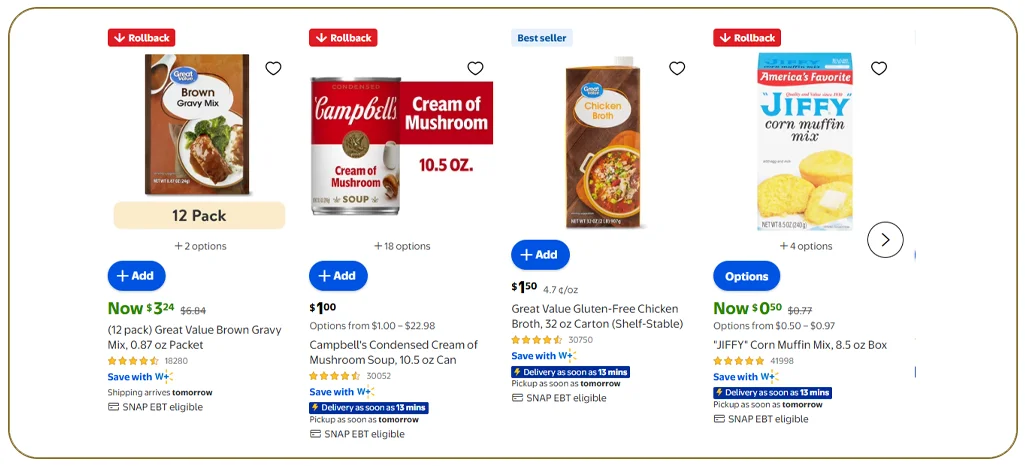
On Walmart, products can be sold by Walmart itself or by third-party sellers. A product page often shows a main offer, with other sellers listed in an additional offers section. Seller profiles show the seller's name, rating, and sometimes details about policies and returns.
Typical data includes:
- Seller name and seller ID
- Seller rating and review information where shown
- Fulfilment type: fulfilled by Walmart or fulfilled by the seller
- Product listings by seller, with price, shipping, availability and delivery date
- Item details such as category, brand, model and specifications
- Product ratings, review counts and badges such as best seller or pro seller
TikTok Shop: What To Expect
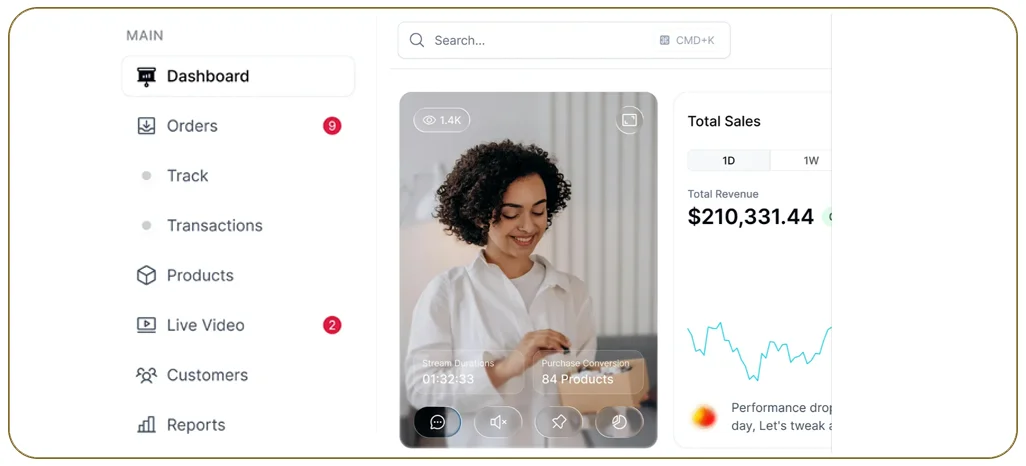
TikTok Shop is built around shop pages, product listings, short videos and live streams. Public information includes: Businesses looking for deeper social-commerce signals can also use our TikTok Shop data scraping approach to track product listings, trends and seller activity.
- Shop name, shop rating and follower count
- Product listings with price, sale price, sold counts and ratings
- Product categories, images and descriptions
- Shipping details and estimated delivery
- Links between products and videos or creators, where shown
- Review counts and review summaries
Because TikTok Shop displays sold counts, it provides one of the clearer public signals of product demand among social commerce platforms.
Data Fields In A Combined Seller Database
- Platform, seller or shop name and ID
- Seller location where shown
- Seller rating and review count, followers or admirers
- Number of listings and main categories
- Fulfilment model
- Top products, with price, ratings and sold counts where visible
- Price range and average price
- Shipping speed and cost indicators
- First-seen date and last-seen date for tracking activity
- Source URLs and collection timestamp
How Seller Scraping Works
- Define the scope. Choose categories or keywords, such as kitchen gadgets, pet supplies, beauty tools or home organisation.
- Collect product listings. Page through search or category results on each platform, capturing product and seller or shop references.
- Collect seller pages. Open each seller or shop page to capture profile and listing information.
- Enumerate seller listings. Collect all or a sample of each seller's products to measure catalogue size and price positions.
- Normalise seller identities. The same business may appear on both platforms under similar names. Match by name, brand, logo and product overlap with confidence scoring.
- Score and segment. Segment sellers by size, rating, category and growth.
- Track over time. Repeat collection to see new sellers, growth in listings and changes in rating or sold counts.
- Deliver. Provide a seller database, a product database and trend reports.
Metrics And Segments You Can Build
- Seller size: number of listings, sold counts, followers
- Seller quality: rating, review count and badges
- Growth rate: change in listings or sold counts over weeks
- Category concentration: share of sales or listings held by the top sellers
- Price positioning: average price versus category median
- Cross-platform presence: sellers active on both Walmart and TikTok Shop
Technical Challenges
- Strong anti-bot protection: both platforms limit automated traffic, so collection needs pacing, rotation and monitoring. TikTok Shop is especially app-centric, which can make web-based collection harder.
- Dynamic and personalised content: listings, prices and sold counts load through scripts and can vary by location and session.
- Limited seller detail: public pages may show only part of a seller's information, so records will not be equally complete.
- Entity matching: the same seller may use different names across platforms.
- Fast-changing inventory: TikTok Shop listings and prices can change quickly with campaigns and live events.
- Data protection: sellers can be individuals. Collect only business information that is publicly displayed and be careful with any data that could identify a private person.
Use Cases
- Service providers: logistics, fulfilment, payments, insurance and software companies can build targeted prospect lists.
- Sourcing and white-label buyers: find established sellers and manufacturers for partnerships.
- Brands: detect unauthorised sellers and monitor price compliance.
- Product researchers: find trending products and seller niches on TikTok Shop and compare with Walmart pricing.
- Agencies and consultants: produce marketplace landscape reports for clients.
- Investors: track the rise of social commerce sellers and category leaders.
Example: A Fulfilment Company Building A Prospect List
A US fulfilment company wants to reach growing sellers with limited logistics capacity. It scrapes TikTok Shop and Walmart sellers in home and kitchen, scoring them on listing growth and sold counts. Sellers with rapidly rising sales and slower delivery estimates are flagged as the best prospects. The sales team contacts them through public business channels and offers fulfilment support.
Example: Comparing A Product Across Both Platforms
A small-appliance brand compares how a type of blender is priced on Walmart and TikTok Shop. The data shows that TikTok Shop sellers use lower entry prices and bundle offers, while Walmart sellers compete on delivery speed and ratings. The brand uses the insight to plan different bundles and pricing on each platform. This type of cross-platform comparison is particularly useful for price monitoring when prices and promotions change frequently.
Sample Output
A seller row may contain: platform, seller ID, seller name, location, rating, review count, followers, number of listings, main categories, average price, price range, fulfilment type, top product titles, top product sold counts, first-seen date, last-seen date, shop URL and timestamp. A product table lists each product with its seller ID, price, rating, sold count and URL.
Data Quality Checks
- Remove duplicate sellers and merge cross-platform matches carefully
- Check that ratings and counts are numeric and within range
- Compare seller counts by category with previous runs
- Flag inactive shops with no recent listings
- Sample manually against live pages
Delivery And Refresh
Data can be delivered as CSV, Excel or JSON via API, or loaded into a CRM or data warehouse. Weekly collection is common for seller discovery and growth tracking, while daily collection fits product price and sold-count monitoring. For teams combining multiple marketplace sources, e-commerce data scraping can help standardize product and seller datasets for downstream analysis.
Responsible Data Collection
Collect only business information that the platforms show publicly, avoid personal data of individuals, keep request volumes reasonable and follow platform terms and applicable laws, including privacy and marketing rules in the US. Get legal advice before contacting sellers at scale.
Why Choose Real Data API For Seller Data Scraping
Real Data API builds scrapers for Walmart and TikTok Shop, matches sellers across platforms and produces segmented seller databases. A pilot for one category helps you validate the fields and coverage before a broader rollout.
Conclusion
Walmart and TikTok Shop seller data scraping turns two very different marketplaces into a single, structured view of US sellers. With careful matching, segmentation and tracking over time, you can find prospects, partners and competitors, and understand where e-commerce is moving.
Need marketplace seller data? Real Data API can deliver a pilot for your category.
FAQs
Can you get seller contact details?
Only business information that is publicly displayed. Many platforms do not show direct contact details, so those fields may be limited.
Can you measure sales?
TikTok Shop shows sold counts on many products, and Walmart shows ratings and review counts. These are indicators, not exact sales.
Can you track new sellers entering a category?
Yes. Scheduled collection records first-seen dates for sellers and products.
Do you match sellers across Walmart and TikTok Shop?
Yes, using name, brand and product overlap, with a confidence score for each match.
How often should the data be refreshed?
Weekly for discovery and growth, daily for pricing and sold counts.
Latest posts

mobile.de Scraping: Country-Wide Vehicle Listing Data for Germany
Walmart & TikTok Shop Seller Data Scraping for the USA
Amazon Industrial & Scientific Category Data Extraction (USA)
Used Car Buying Prices from Turo, Priceline & Kayak for Multiple Locations


.png)


