Introduction
In today’s fast-evolving dairy industry, price volatility and demand fluctuations make it challenging for businesses to maintain profitability and operational efficiency. Companies need accurate, real-time insights to make informed decisions and stay competitive. This is where extracting milk price data from New Zealand markets becomes essential, as it provides reliable, up-to-date pricing intelligence from one of the world’s leading dairy exporters. By leveraging a powerful Web Scraping API, businesses can automate data collection, monitor price changes, and forecast demand with greater accuracy. These data-driven capabilities enable stakeholders to respond quickly to market dynamics, optimize pricing strategies, and improve supply chain planning. As global dairy consumption continues to rise, adopting advanced data extraction solutions is no longer optional—it is a strategic necessity for sustainable growth and competitive advantage.
Understanding Market Dynamics Through Data Collection
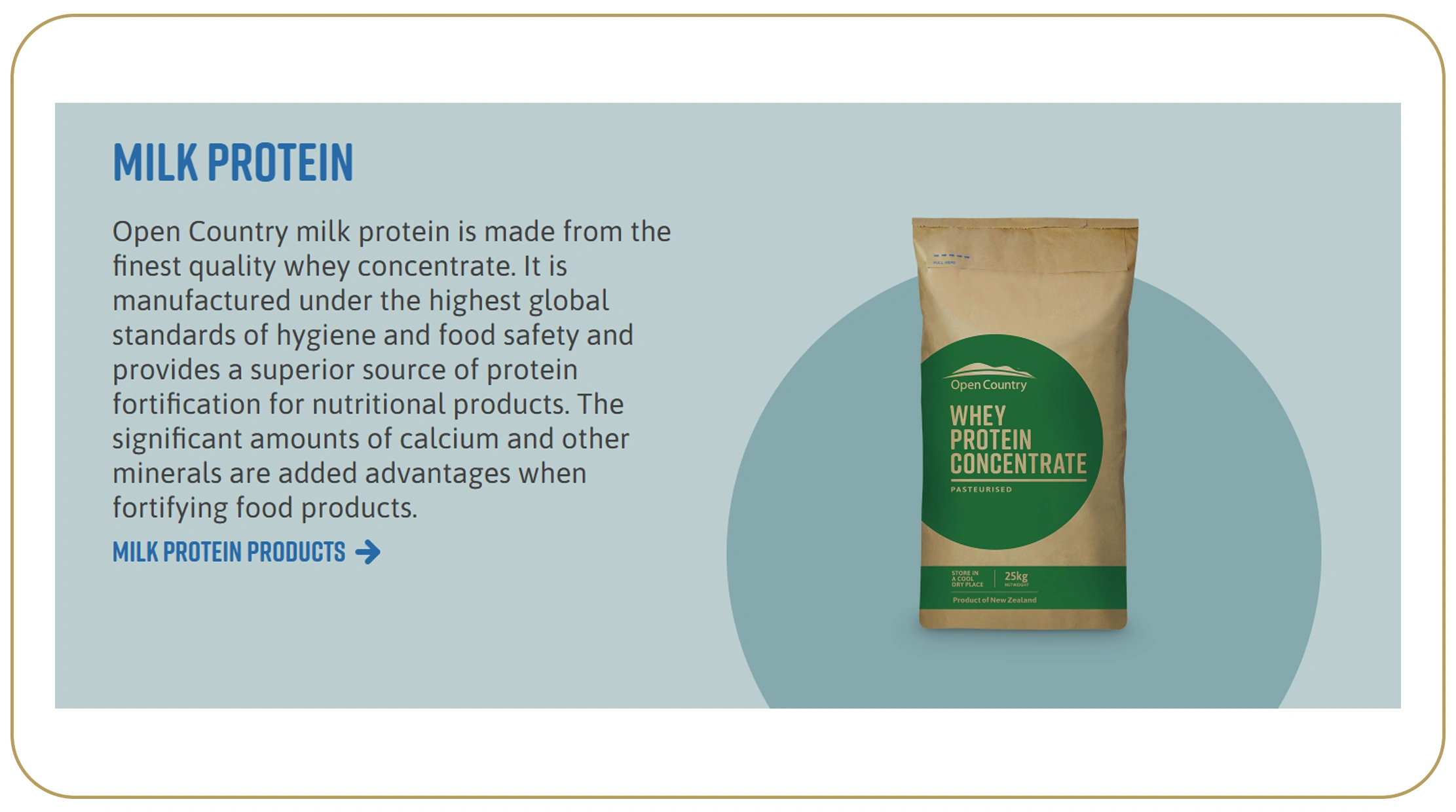
Gaining visibility into dairy market trends is crucial for businesses aiming to stay ahead of price fluctuations. By leveraging scrape dairy commodity prices for New Zealand market insights, organizations can collect structured data that highlights pricing patterns, seasonal changes, and global demand shifts.
Between 2020 and 2026, New Zealand’s dairy exports have grown steadily, contributing significantly to global supply. Milk price volatility has ranged between 12% and 28%, largely influenced by weather conditions, global demand, and trade policies.
Key insights include:
- Dairy export value increased by over 30% from 2020 to 2026
- Seasonal supply variations impact milk prices by 10–20%
- Global demand fluctuations influence pricing by up to 25%
| Year | Dairy Export Value ($Bn) | Price Volatility (%) |
|---|---|---|
| 2020 | 18 | 12% |
| 2022 | 21 | 18% |
| 2024 | 24 | 22% |
| 2026 | 27 | 28% |
These insights allow businesses to align procurement and pricing strategies with market realities.
Tracking Export Pricing Trends Across Global Markets
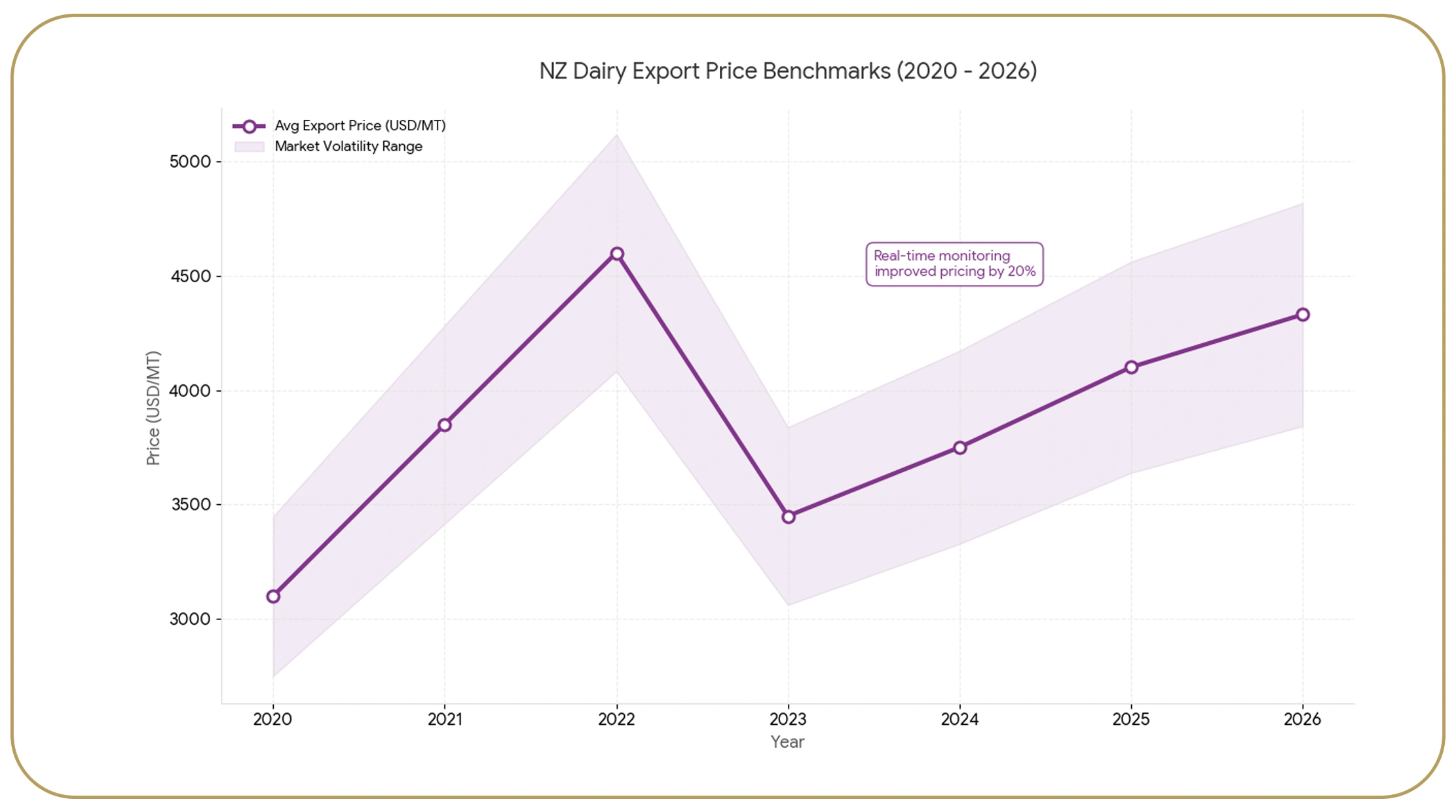
Export pricing plays a critical role in shaping domestic and international dairy markets. With web scraping New Zealand dairy export prices, businesses can monitor global pricing benchmarks and understand how international trade influences local milk prices.
From 2020 to 2026, export prices have seen fluctuations due to changing global demand, supply chain disruptions, and currency variations. Companies that tracked export data in real time improved pricing decisions by 20%.
Key observations:
- Export price variations range between 15–30% annually
- Asia-Pacific markets account for over 40% of demand
- Supply chain disruptions increased price volatility by 18%
| Year | Avg Export Price ($/Ton) | Demand Growth (%) |
|---|---|---|
| 2020 | 3,200 | 10% |
| 2022 | 3,600 | 14% |
| 2024 | 4,000 | 18% |
| 2026 | 4,500 | 22% |
Monitoring export prices helps businesses stay competitive in global markets and adjust strategies proactively.
Enhancing Data Accuracy with Automated Extraction Tools
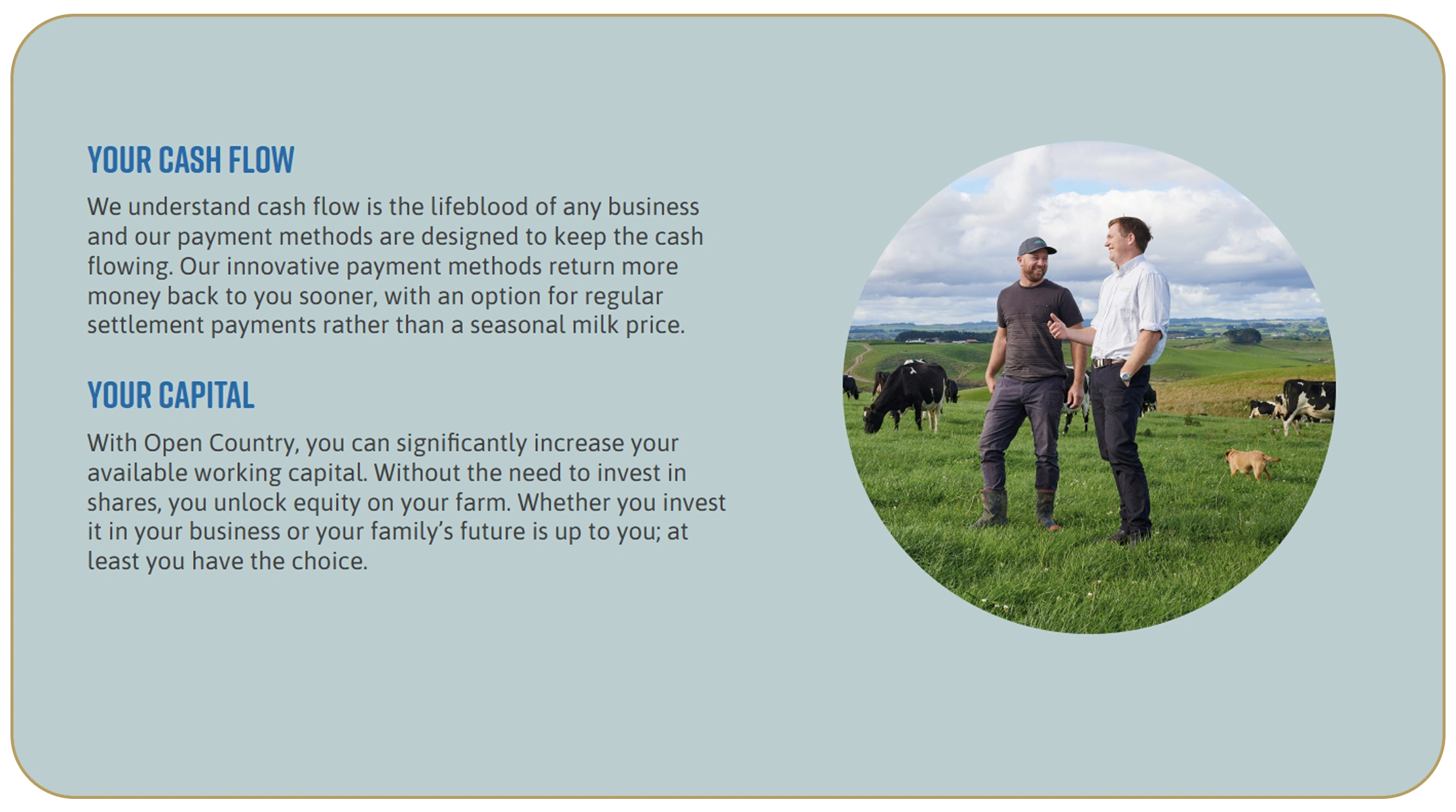
Accurate data is the foundation of effective decision-making. By using a New Zealand dairy commodities milk price data scraper, businesses can automate the collection of milk pricing data and eliminate manual errors.
Between 2020 and 2026, companies adopting automated scraping tools improved data accuracy by up to 35% and reduced manual effort by 40%. These improvements enable faster and more reliable decision-making.
Key benefits include:
- Real-time access to accurate pricing data
- Reduced dependency on manual data entry
- Improved forecasting and analytics capabilities
| Year | Data Accuracy (%) | Manual Effort Reduction (%) |
|---|---|---|
| 2020 | 70% | 15% |
| 2022 | 78% | 25% |
| 2024 | 85% | 32% |
| 2026 | 92% | 40% |
This ensures businesses have reliable data to support pricing and forecasting decisions.
Leveraging Global Price Benchmarks for Strategy
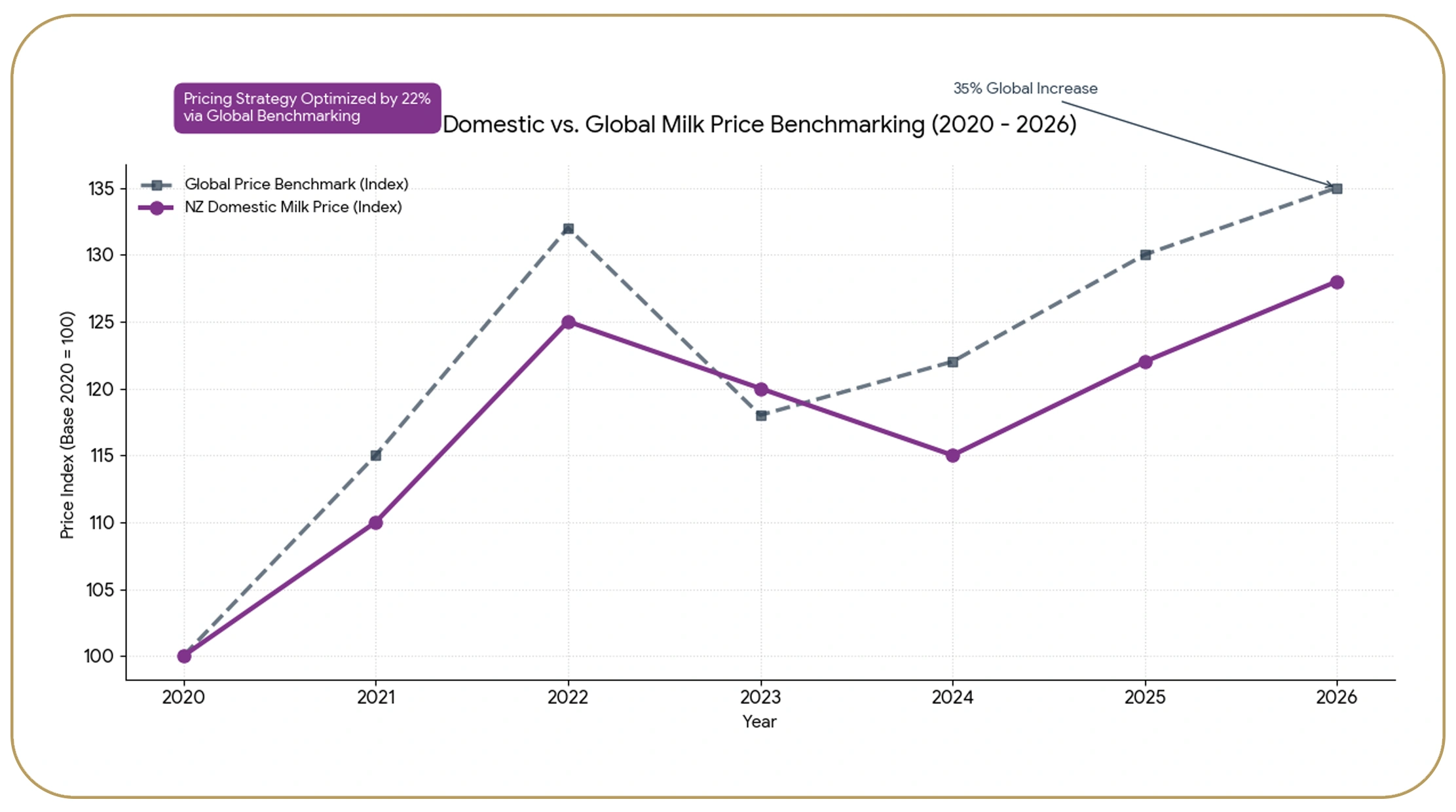
Global pricing benchmarks provide valuable context for local pricing decisions. With New Zealand global milk price data extraction, businesses can compare domestic prices with international trends and identify opportunities for optimization.
From 2020 to 2026, global milk prices have increased by nearly 35%, driven by rising demand and supply constraints. Companies leveraging global benchmarks improved pricing strategies by 22%.
Key advantages include:
- Better alignment with international pricing trends
- Identification of arbitrage opportunities
- Enhanced competitiveness in export markets
| Year | Global Milk Price Index | Price Growth (%) |
|---|---|---|
| 2020 | 100 | — |
| 2022 | 115 | 15% |
| 2024 | 128 | 28% |
| 2026 | 135 | 35% |
These insights help businesses make informed pricing decisions and maximize profitability.
Scaling Operations with Advanced Data Solutions

As data requirements grow, businesses need scalable solutions to manage large datasets efficiently. By leveraging Web Scraping Services, companies can collect and process vast amounts of dairy pricing data across multiple sources.
Between 2020 and 2026, organizations using scalable data solutions improved operational efficiency by 30% and reduced data processing time by 25%.
Key outcomes include:
- Faster data collection and processing
- Improved scalability for large datasets
- Enhanced decision-making capabilities
| Year | Efficiency Improvement (%) | Processing Time Reduction (%) |
|---|---|---|
| 2020 | 10% | 8% |
| 2022 | 18% | 15% |
| 2024 | 24% | 20% |
| 2026 | 30% | 25% |
This enables businesses to handle growing data needs effectively.
Driving Innovation with API-Driven Insights
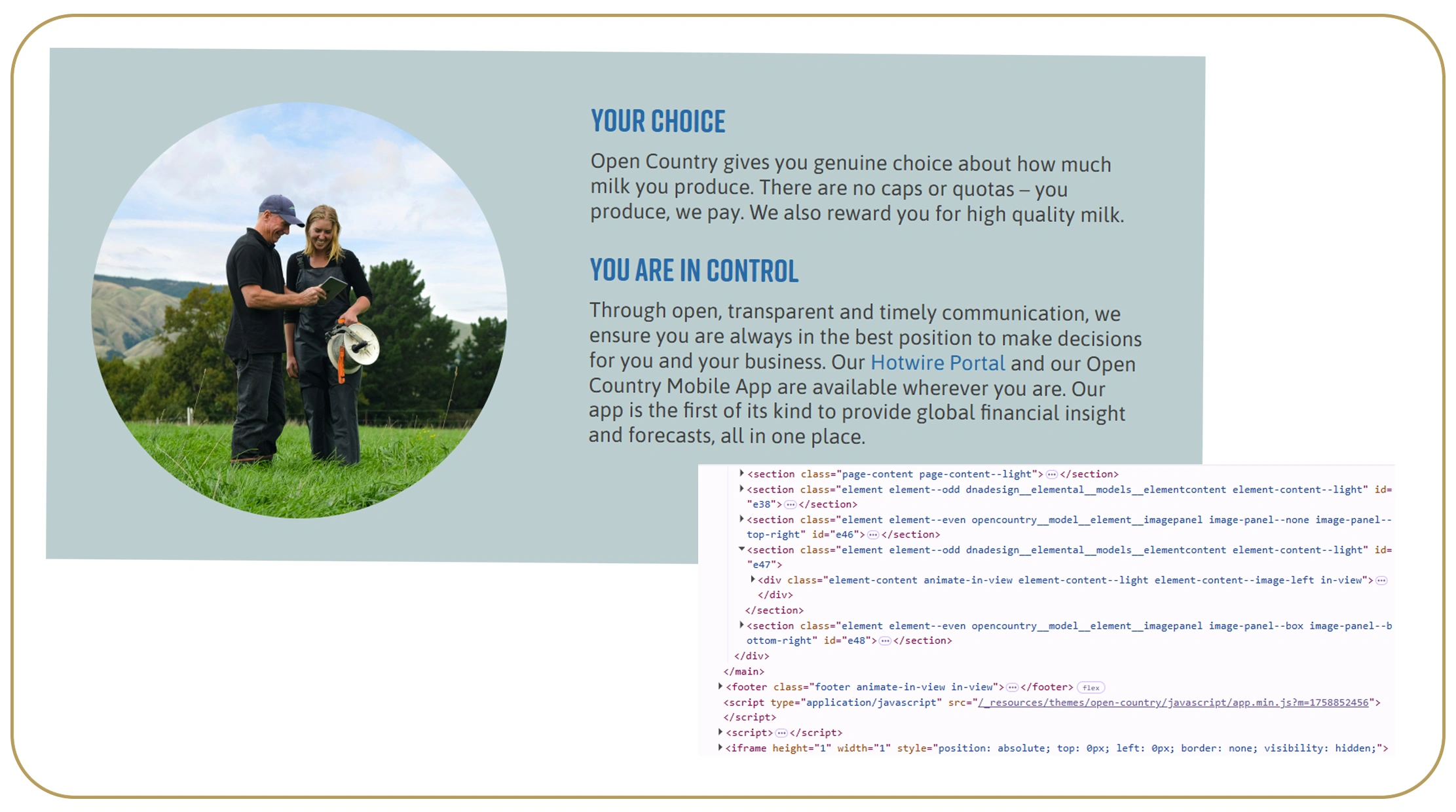
Modern businesses require seamless integration of data into their systems. With a Food Data Scraping API, organizations can access real-time dairy pricing data and integrate it directly into analytics platforms.
From 2020 to 2026, API-driven data solutions have improved decision-making speed by 35% and increased forecasting accuracy by 25%.
Key benefits include:
- Seamless integration with business systems
- Real-time data access for instant insights
- Improved forecasting and analytics
| Year | Decision Speed Improvement (%) | Forecast Accuracy (%) |
|---|---|---|
| 2020 | 12% | 65% |
| 2022 | 20% | 72% |
| 2024 | 28% | 80% |
| 2026 | 35% | 90% |
These capabilities empower businesses to stay agile and competitive in a dynamic market.
Why Choose Real Data API?
Real Data API provides advanced data extraction solutions tailored to the dairy and food industries. With access to a comprehensive Food Dataset and expertise in extracting milk price data from New Zealand markets, the platform enables businesses to collect accurate, real-time data for better decision-making. Its scalable infrastructure ensures seamless data delivery, while advanced analytics capabilities help organizations monitor pricing trends, forecast demand, and optimize strategies. By choosing Real Data API, businesses can gain a competitive edge, improve operational efficiency, and unlock new growth opportunities in the global dairy market.
Conclusion
In an increasingly data-driven world, leveraging accurate and real-time insights is essential for success in the dairy industry. By extracting milk price data from New Zealand markets, businesses can monitor price fluctuations, forecast demand, and make informed decisions with greater precision. These insights not only enhance pricing strategies but also improve overall operational efficiency and profitability.
Ready to unlock real-time dairy insights and boost your forecasting accuracy? Partner with Real Data API today and transform your data into actionable growth strategies!
Latest posts
E-commerce data scraper for inventory analysis 2027 - Real-Time Stock Tracking and Demand Forecasting

How Meesho API data extraction for product research Helps E-Commerce Brands Improve Product Selection and Market Intelligence?

How AliExpress API integration for automated data collection Streamlines Product Monitoring, Price Tracking, and Seller Intelligence

How H&M data scraping for fashion retail analytics Enhances Stock Monitoring, Apparel Pricing, and Product Category Insights







.png)