
Introduction
The food delivery industry has evolved into one of the fastest-growing segments of the digital economy. With increasing consumer reliance on online ordering platforms, restaurants, cloud kitchens, aggregators, and food brands are seeking advanced analytics to understand customer behavior, pricing trends, demand fluctuations, and delivery performance. Food Delivery Intelligence for Menu Pricing, Demand & ETA Analytics has emerged as a critical solution for businesses looking to optimize operations and improve profitability.
By leveraging a powerful Food Data Scraping API, organizations can collect real-time information on menu prices, food availability, delivery times, restaurant rankings, customer preferences, and promotional activities across multiple food delivery platforms. This intelligence enables businesses to make informed decisions, enhance customer experiences, and stay competitive in an increasingly crowded marketplace.
As the food delivery ecosystem continues to expand globally, data-driven strategies are becoming essential for forecasting demand, refining pricing models, and improving service efficiency. This blog explores how food delivery intelligence empowers businesses with actionable insights that drive growth and operational excellence.
Understanding Market Dynamics Through Data-Driven Visibility
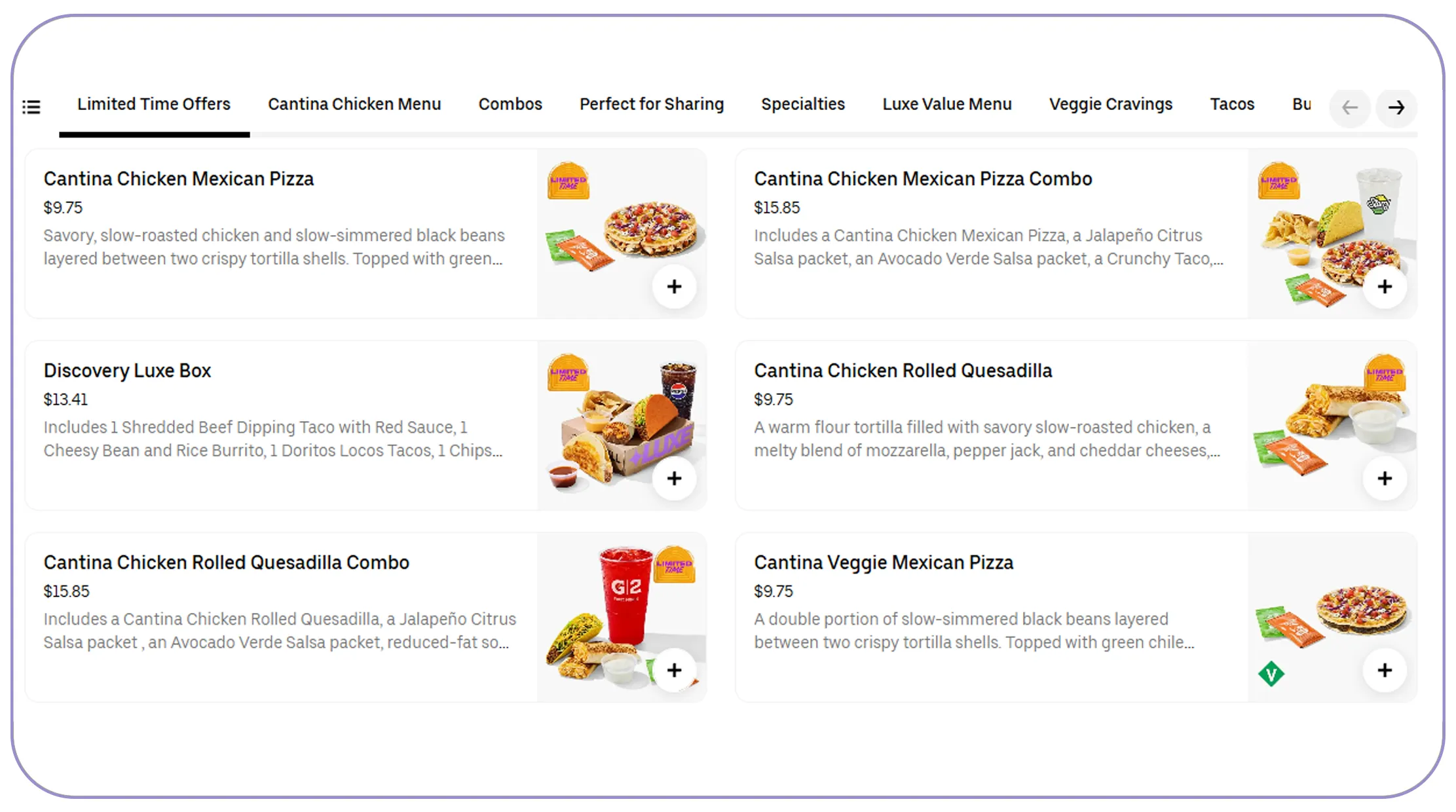
The food delivery landscape is highly dynamic, with pricing, customer demand, and delivery performance changing constantly. Businesses can leverage food delivery data intelligence services to gain visibility into key market trends and operational metrics.
Food Delivery Market Growth (2020-2026)
| Year | Online Orders Growth (%) | Market Intelligence Adoption (%) |
|---|---|---|
| 2020 | 18 | 28 |
| 2021 | 26 | 35 |
| 2022 | 34 | 44 |
| 2023 | 42 | 53 |
| 2024 | 49 | 62 |
| 2025* | 55 | 71 |
| 2026* | 61 | 79 |
*Projected Data
Data intelligence services help businesses monitor market expansion, identify high-performing regions, and understand consumer preferences. Restaurants can evaluate category-level demand, track competitor performance, and identify emerging food trends before they become mainstream.
Access to real-time intelligence allows operators to make proactive decisions regarding inventory planning, staffing, and marketing campaigns. Food delivery platforms can also use market data to improve customer targeting and optimize platform performance.
As competition intensifies, organizations that embrace data intelligence gain the ability to react quickly to market changes while maintaining operational efficiency. This capability creates significant advantages in customer acquisition, retention, and profitability.
Optimizing Revenue Through Pricing Intelligence
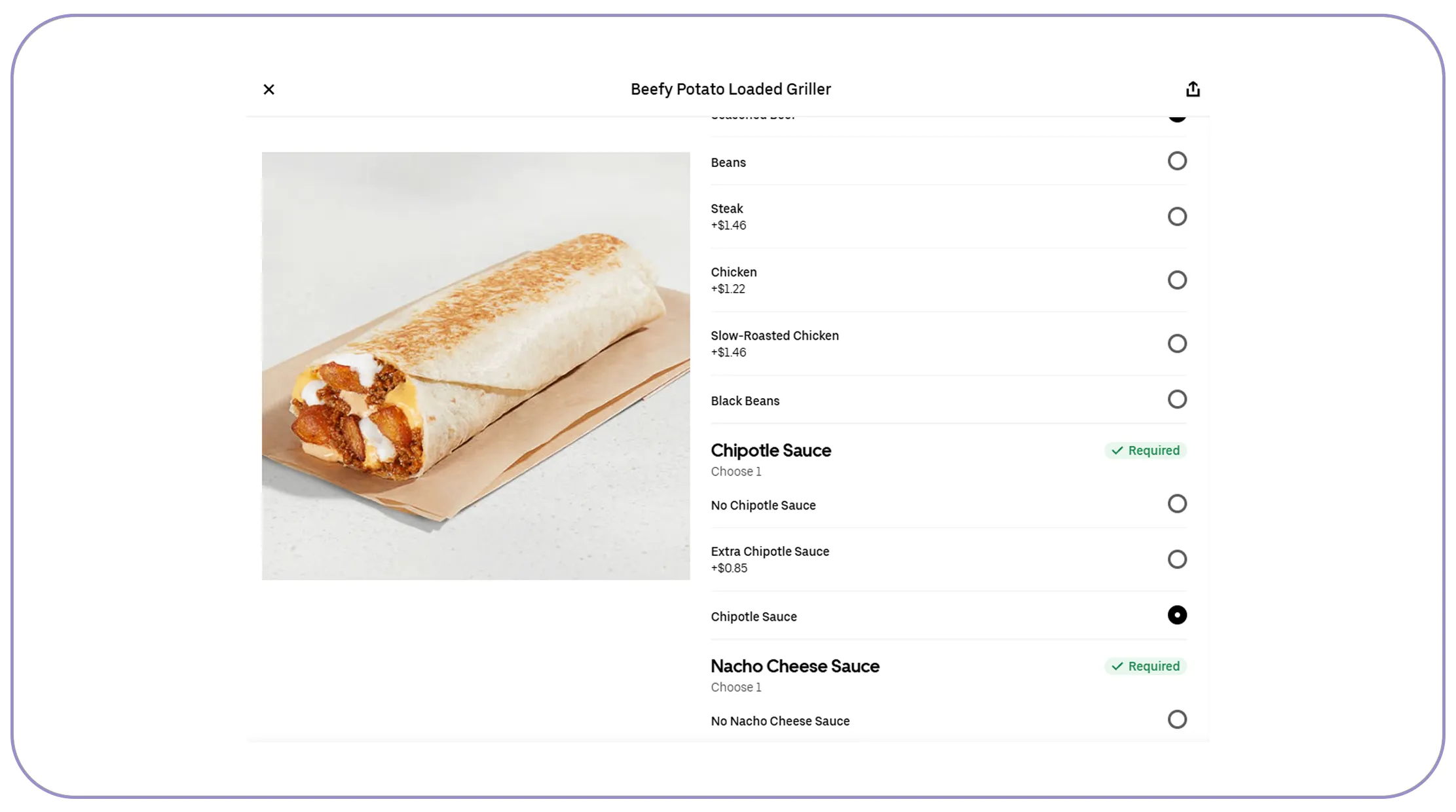
Pricing remains one of the most influential factors affecting customer purchasing decisions. Businesses can Scrape menu pricing trends across food delivery apps to monitor competitor pricing strategies, promotional campaigns, and price fluctuations across multiple locations.
Menu Pricing Trends (2020-2026)
| Year | Average Menu Price Increase (%) | Promotional Activity Growth (%) |
|---|---|---|
| 2020 | 3.2 | 12 |
| 2021 | 4.5 | 18 |
| 2022 | 5.8 | 25 |
| 2023 | 7.1 | 31 |
| 2024 | 8.4 | 37 |
| 2025* | 9.2 | 42 |
| 2026* | 10.1 | 48 |
*Projected Data
Pricing intelligence enables restaurants and aggregators to evaluate market competitiveness while protecting profit margins. Continuous monitoring helps identify pricing opportunities based on customer demand, geography, and competitor activity.
Restaurants can analyze price variations across cuisine categories and optimize pricing strategies accordingly. Dynamic pricing models powered by real-time data also improve responsiveness to seasonal demand and promotional events.
With comprehensive pricing intelligence, businesses can maintain a competitive edge while ensuring sustainable revenue growth and enhanced customer satisfaction.
Predicting Customer Demand with Behavioral Analytics
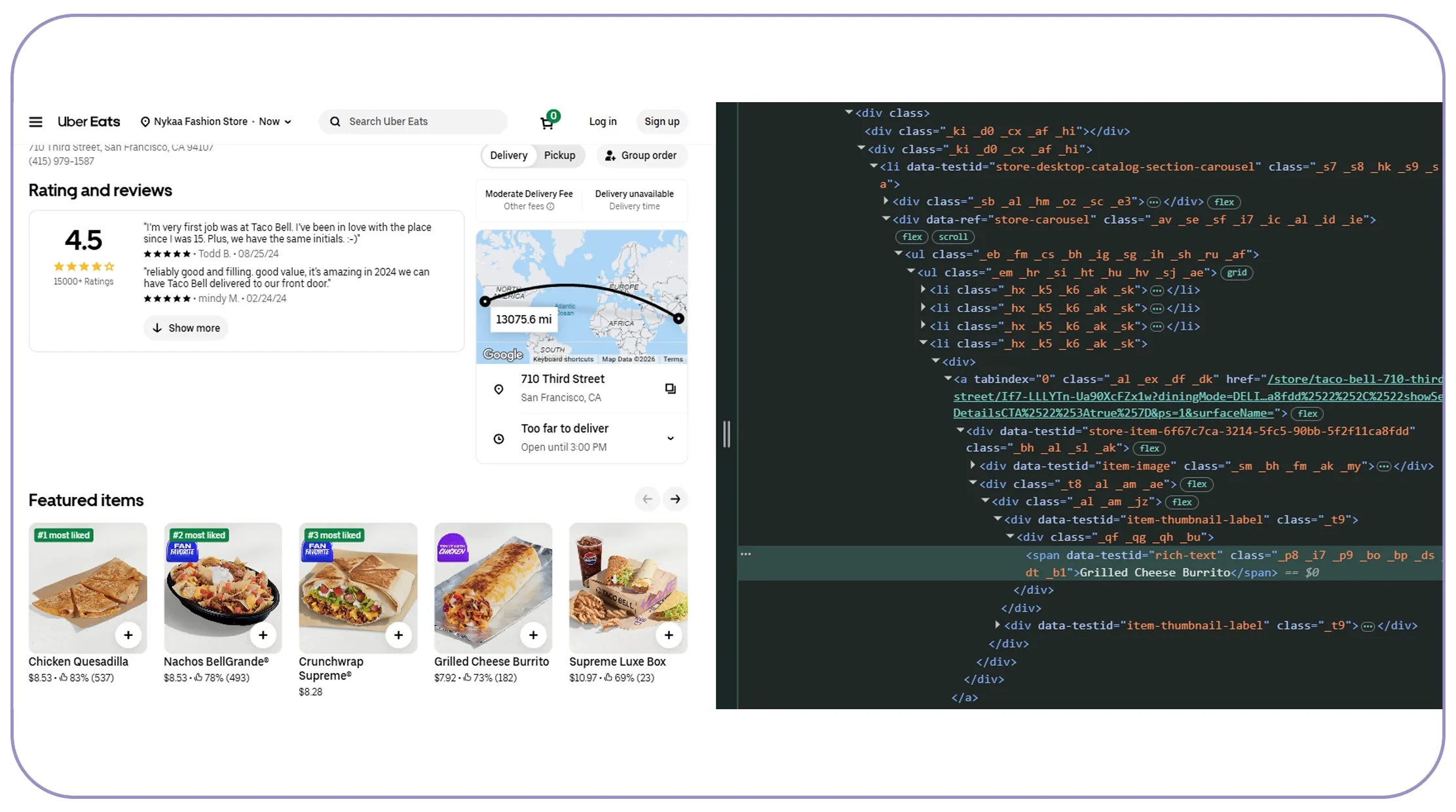
Consumer demand patterns provide valuable insights into ordering behavior and purchasing preferences. Through web scraping food delivery order trend analysis, businesses can identify demand peaks, popular food categories, and regional consumption trends.
Demand Analytics Trends (2020-2026)
| Year | Order Volume Growth (%) | Predictive Accuracy (%) |
|---|---|---|
| 2020 | 15 | 68 |
| 2021 | 22 | 73 |
| 2022 | 31 | 78 |
| 2023 | 39 | 84 |
| 2024 | 46 | 88 |
| 2025* | 52 | 92 |
| 2026* | 58 | 95 |
*Projected Data
Demand forecasting enables businesses to optimize staffing, inventory procurement, and kitchen operations. Restaurants can prepare for peak periods more effectively while minimizing waste and operational inefficiencies.
Behavioral analytics also helps identify emerging food preferences and seasonal demand patterns. Businesses can use these insights to launch targeted promotions and expand menu offerings that align with customer interests.
Predictive demand intelligence strengthens operational planning and supports long-term growth by ensuring resources are allocated efficiently across the delivery ecosystem.
Building a Reliable Foundation for Analytics
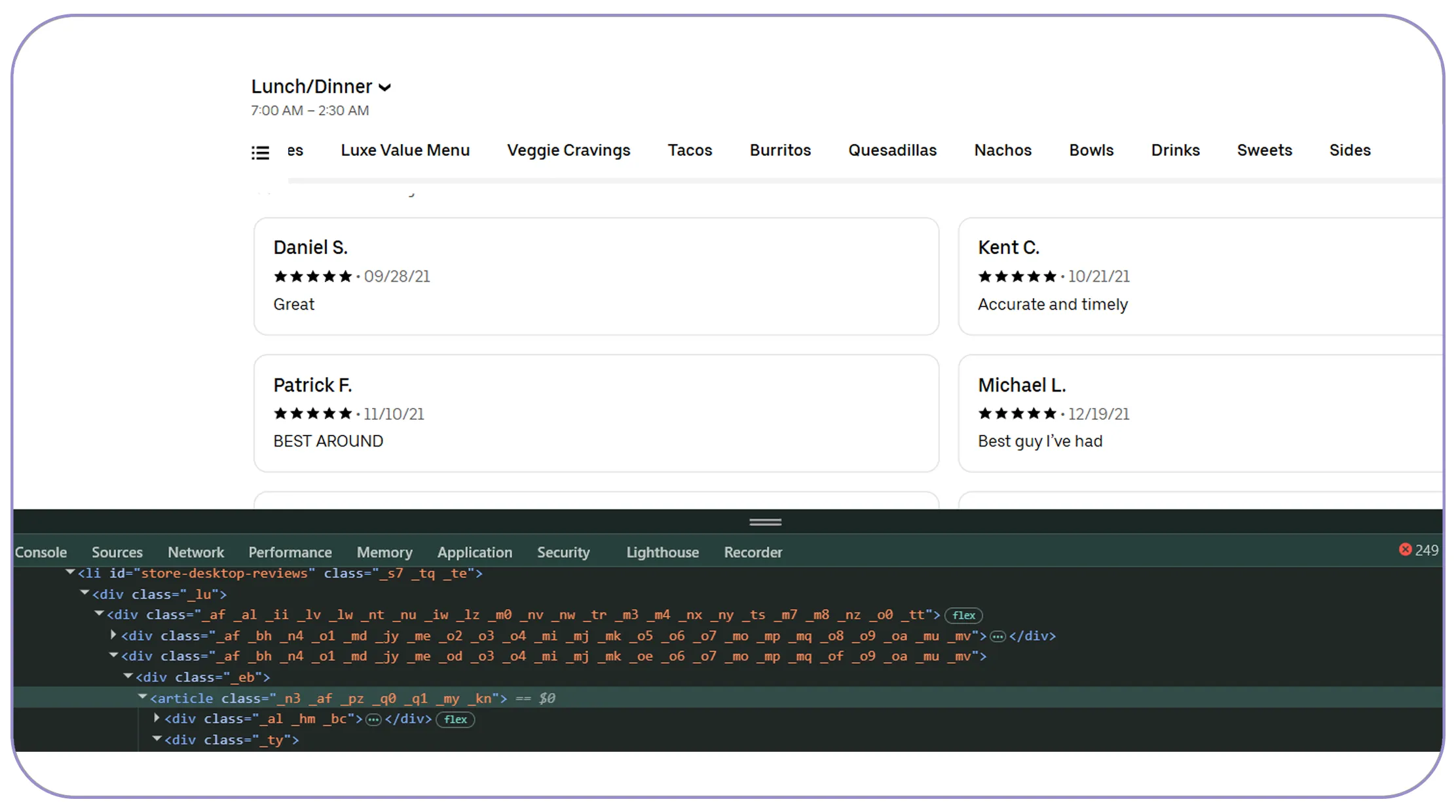
High-quality data serves as the backbone of every successful analytics initiative. A comprehensive Food Dataset provides structured information related to menu items, pricing, restaurant details, customer ratings, delivery times, and order trends.
Dataset Growth Metrics (2020-2026)
| Year | Records Processed (Millions) | Data Accuracy (%) |
|---|---|---|
| 2020 | 120 | 87 |
| 2021 | 175 | 89 |
| 2022 | 245 | 91 |
| 2023 | 330 | 93 |
| 2024 | 430 | 95 |
| 2025* | 550 | 97 |
| 2026* | 700 | 98 |
*Projected Data
Structured datasets enable organizations to perform deeper analysis and generate meaningful insights across multiple business functions. Restaurants can evaluate customer satisfaction trends, while aggregators can benchmark performance across regions.
Comprehensive data repositories improve forecasting models and support strategic decision-making. Businesses can identify operational bottlenecks, analyze menu performance, and evaluate customer loyalty metrics with greater accuracy.
Reliable datasets are essential for creating scalable analytics platforms capable of supporting business growth and innovation.
Transforming Data into Actionable Business Intelligence
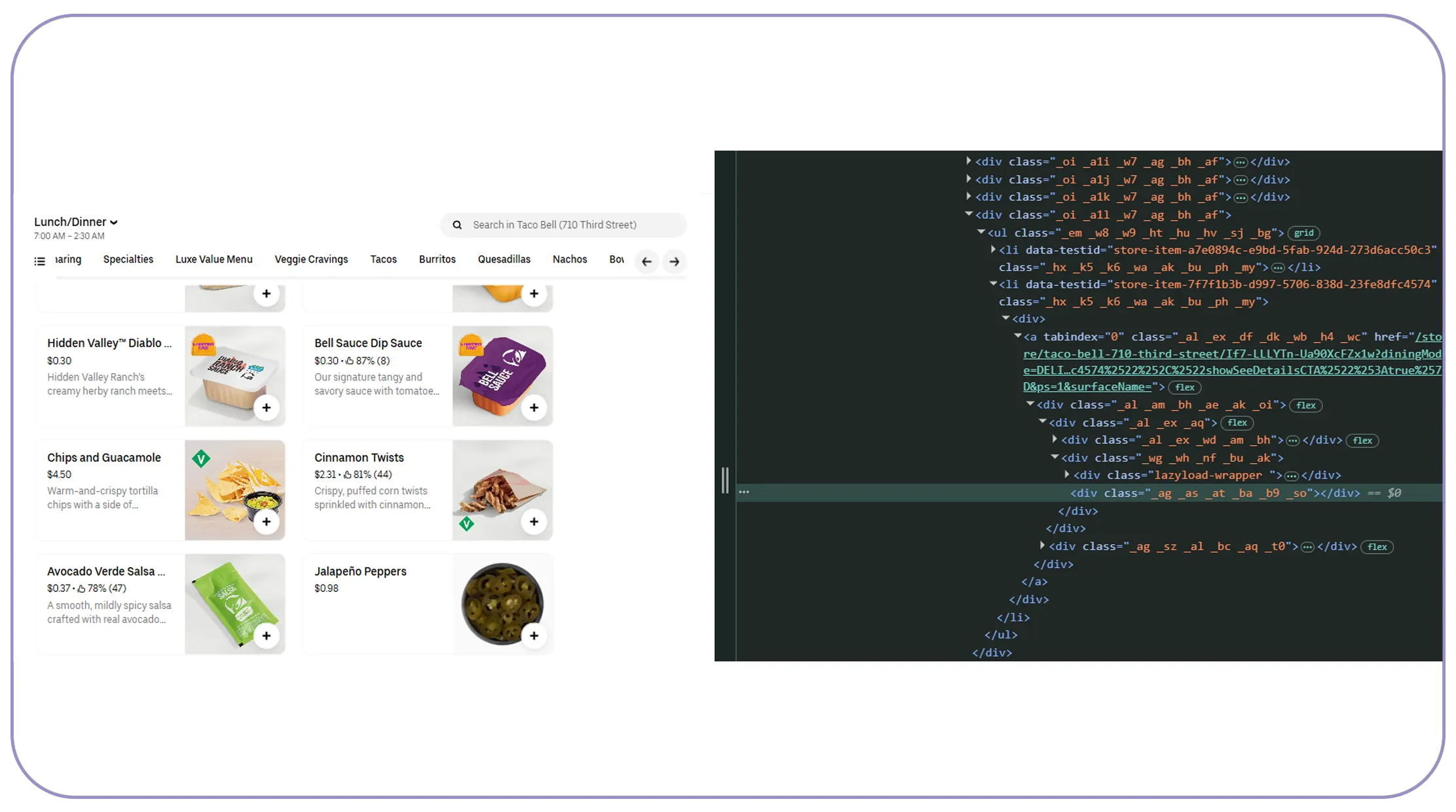
Raw data becomes significantly more valuable when transformed into intuitive visualizations and performance metrics. A modern Food Delivery Dashboard enables stakeholders to monitor KPIs, delivery performance, pricing changes, and customer demand in real time.
Dashboard Adoption Trends (2020-2026)
| Year | Dashboard Utilization (%) | Decision-Making Speed Improvement (%) |
|---|---|---|
| 2020 | 29 | 18 |
| 2021 | 38 | 24 |
| 2022 | 49 | 31 |
| 2023 | 61 | 39 |
| 2024 | 72 | 46 |
| 2025* | 81 | 53 |
| 2026* | 88 | 59 |
*Projected Data
Dashboards provide centralized visibility into operational performance and market conditions. Decision-makers can access real-time metrics related to orders, delivery times, customer ratings, and revenue performance.
Interactive dashboards also support comparative analysis across locations, cuisine categories, and customer segments. This visibility improves responsiveness and enhances overall business agility.
By consolidating critical metrics into a single interface, organizations can accelerate decision-making and improve operational outcomes across the food delivery ecosystem.
Enhancing Restaurant Performance Through Advanced Analytics
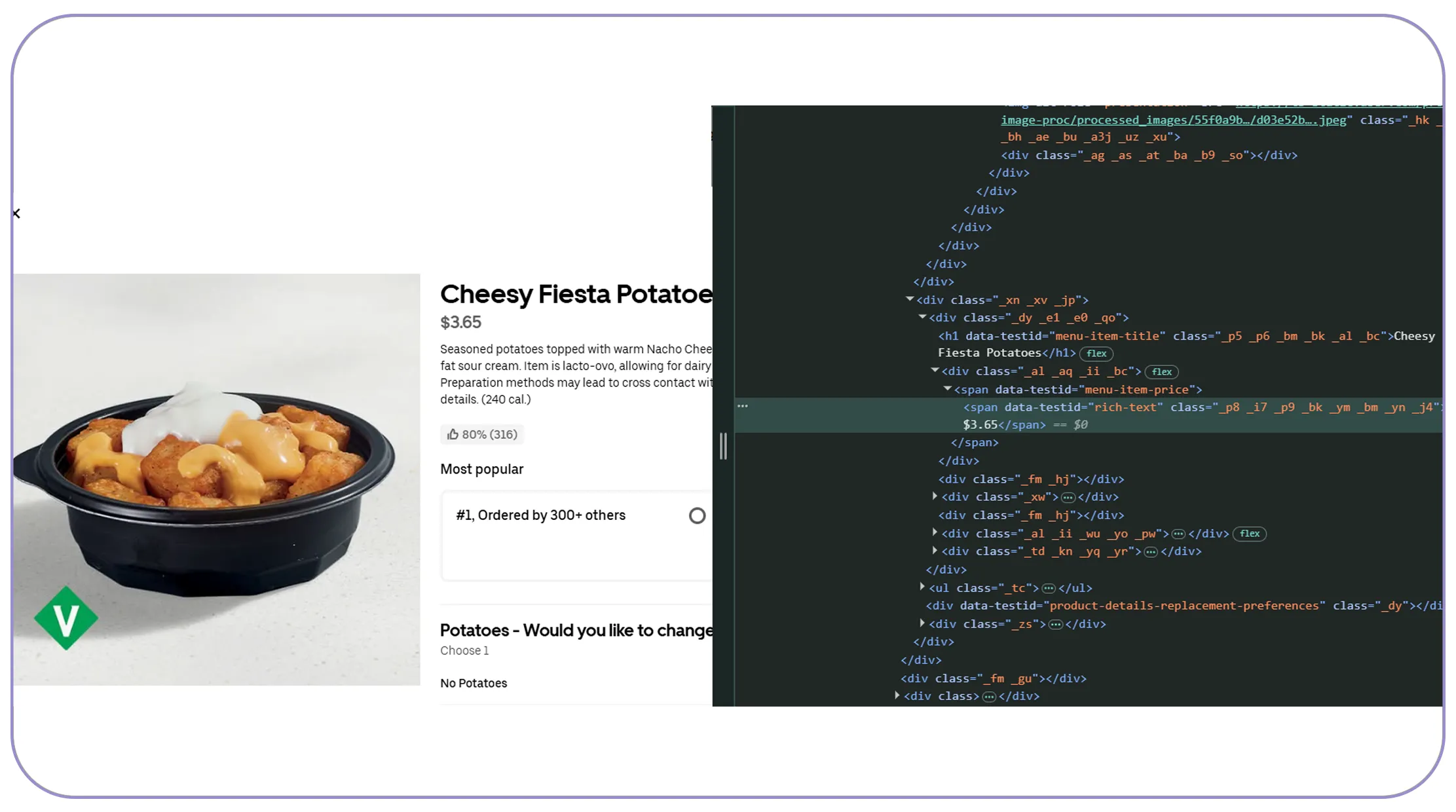
Restaurants increasingly rely on analytics to improve customer experiences and maximize profitability. Through Food Delivery Data API Scraping for Restaurant Analytics, businesses can access detailed insights into menu performance, order patterns, customer behavior, and delivery efficiency.
Restaurant Analytics Adoption (2020-2026)
| Year | Analytics Adoption (%) | Revenue Optimization Improvement (%) |
|---|---|---|
| 2020 | 26 | 14 |
| 2021 | 35 | 19 |
| 2022 | 46 | 26 |
| 2023 | 58 | 34 |
| 2024 | 69 | 42 |
| 2025* | 78 | 49 |
| 2026* | 86 | 56 |
*Projected Data
Restaurant analytics empowers operators to understand what drives customer engagement and purchasing behavior. Businesses can identify top-performing menu items, evaluate promotional effectiveness, and optimize delivery operations.
Analytics also supports inventory planning and labor allocation, helping restaurants improve efficiency while reducing costs. By leveraging detailed operational insights, businesses can strengthen customer satisfaction and increase profitability.
As data-driven decision-making becomes increasingly important, restaurant analytics will continue to play a critical role in shaping competitive strategies and operational excellence.
Why Choose Real Data API?
Real Data API delivers comprehensive food delivery intelligence solutions that help restaurants, food brands, and aggregators transform raw data into actionable insights. Businesses seeking Food Delivery Intelligence for Menu Pricing, Demand & ETA Analytics can leverage scalable data extraction and analytics capabilities designed for modern food delivery ecosystems.
Real Data API offers:
- Real-time menu pricing monitoring
- Demand forecasting and trend analysis
- Delivery performance tracking
- Restaurant benchmarking intelligence
- Comprehensive food datasets
- Dashboard integration support
- Automated API-driven data collection
- Advanced analytics and reporting
These capabilities enable organizations to improve operational efficiency, optimize pricing strategies, and enhance customer experiences through reliable and actionable food delivery intelligence.
Conclusion
The future of food delivery depends on the ability to understand customer behavior, monitor pricing trends, predict demand, and optimize delivery performance. Food Delivery Intelligence for Menu Pricing, Demand & ETA Analytics provides the foundation for data-driven decision-making across restaurants, aggregators, and food brands.
By leveraging advanced analytics, real-time monitoring, and scalable data solutions, businesses can identify growth opportunities, improve profitability, and deliver exceptional customer experiences. Organizations that invest in food delivery intelligence today will be better positioned to compete and thrive in an increasingly dynamic marketplace.
Ready to unlock actionable food delivery insights and accelerate business growth? Contact Real Data API today for customized food delivery intelligence, analytics solutions, and real-time data services tailored to your business needs!
Latest posts
How Scrape Xiaohongshu Product Trends in Real Time Solves Product Discovery and Competitor Monitoring Challenges?
How to Scrape Taobao Product Data to Solve Pricing, Inventory, and Competitor Monitoring Challenges?
How to Extract grocery product listings Data from SPAR to Build Accurate Grocery Intelligence and Competitive Market Insights?
Scrape Douyin follower growth and engagement data to track influencer performance and trends







.png)



