Introduction
Restaurants today rely heavily on delivery platforms to attract customers and increase sales. The fastest-growing restaurant brands use data analytics to understand customer behavior, pricing trends, delivery patterns, and competitor strategies. Food Delivery Data API Scraping for Restaurant Analytics helps restaurants collect actionable insights from delivery apps and online food platforms in real time.
According to Statista, the online food delivery market is expected to exceed $1.85 trillion globally by 2029. Restaurants that leverage analytics and automation gain a major advantage in pricing optimization, menu planning, and customer retention.
Businesses use Food Data Scraping API solutions to gather restaurant listings, menu information, ratings, reviews, delivery times, and regional demand trends. This data helps restaurant chains, food startups, cloud kitchens, aggregators, and market researchers improve profitability and operational efficiency.
This guide explains how food delivery data scraping supports restaurant analytics, improves decision-making, and drives business growth between 2020 and 2026.
How Can Restaurants Gain Competitive Insights from Delivery Platforms?
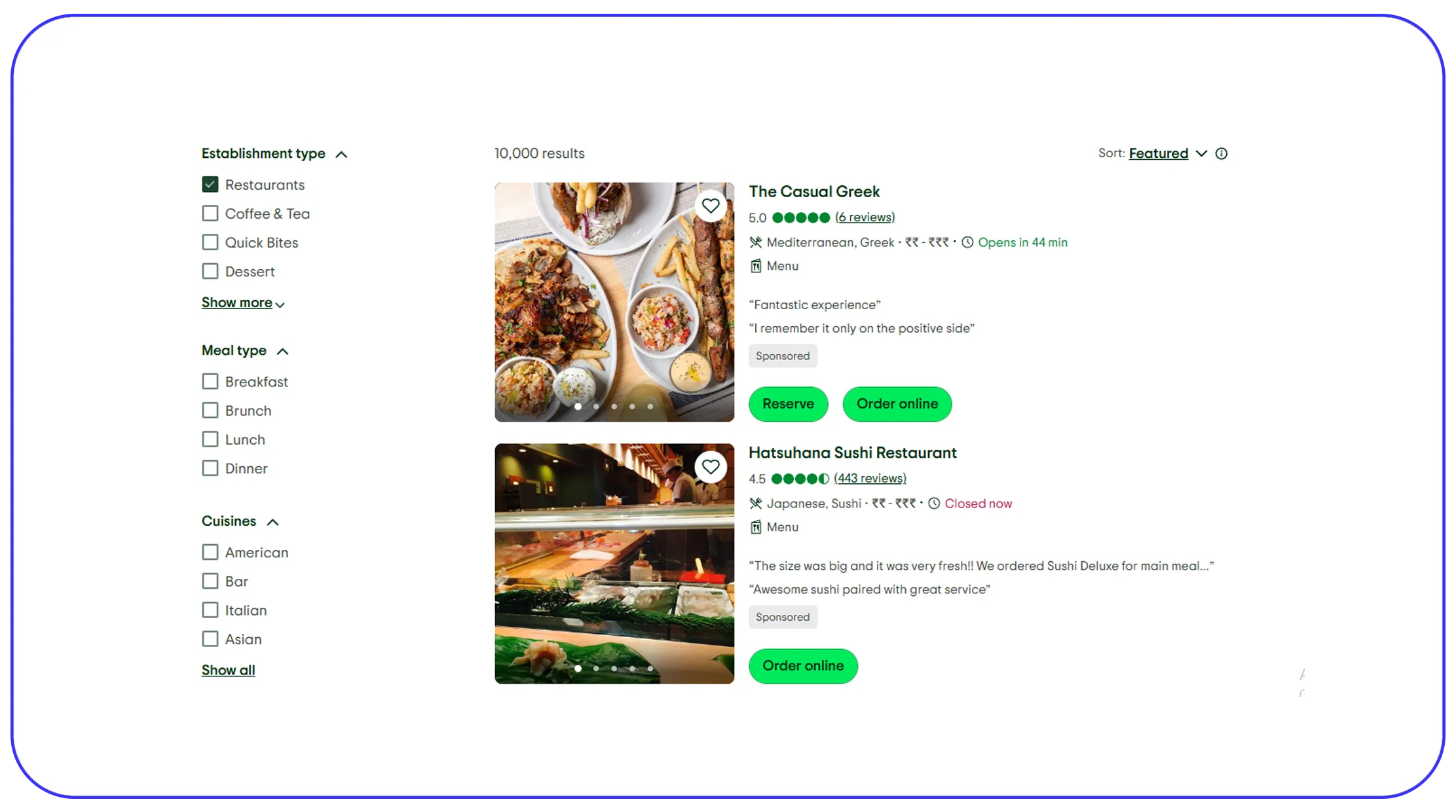
Restaurants use delivery analytics to monitor market trends, identify profitable menu items, and optimize pricing strategies. Data-driven decisions improve revenue and customer satisfaction.
Why Market Intelligence Matters
The food delivery industry became highly competitive after 2020. Restaurants now need real-time competitor intelligence to survive in crowded marketplaces.
Best Food Delivery Data API for Restaurant Analytics solutions help businesses track:
- Competitor pricing changes
- Menu additions and removals
- Delivery availability
- Peak ordering hours
- Customer demand trends
- Promotional campaign performance
Industry Growth Statistics (2020–2026)
| Year | Global Online Food Delivery Revenue |
|---|---|
| 2020 | $107 Billion |
| 2021 | $151 Billion |
| 2022 | $221 Billion |
| 2023 | $289 Billion |
| 2024 | $340 Billion |
| 2025 | $410 Billion |
| 2026 | $475 Billion |
Benefits for Restaurants
Restaurants can use analytics to:
- Launch trending menu items faster
- Improve customer targeting
- Reduce operational inefficiencies
- Predict local demand
- Optimize staffing schedules
Cloud kitchens especially benefit from delivery intelligence because they rely completely on online ordering data. Businesses using delivery analytics often improve operational efficiency by 25% to 40%.
What Role Does Real-Time API Data Play in Restaurant Profitability?
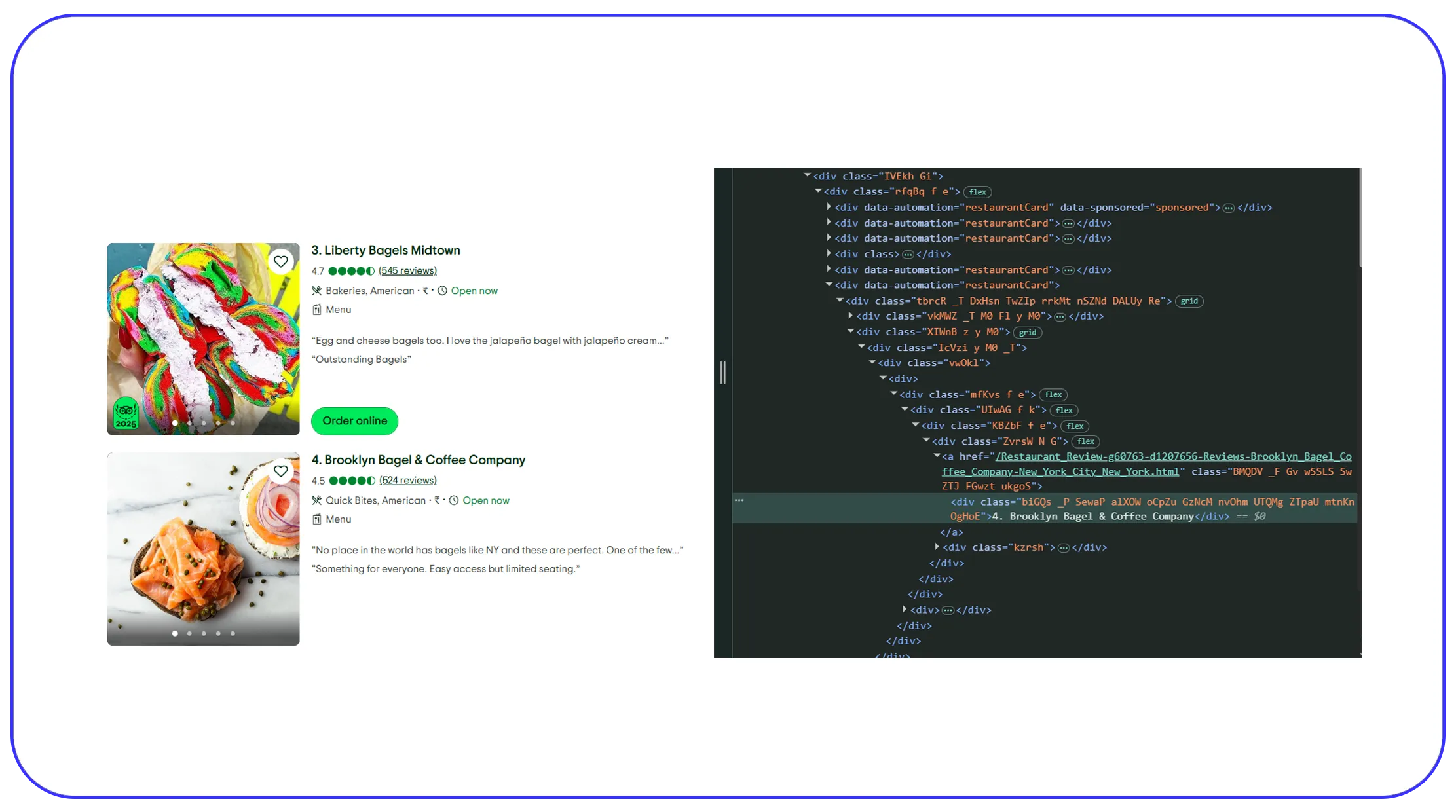
Real-time data allows restaurants to make faster business decisions. It improves customer engagement and increases profit margins.
Importance of Instant Analytics
Restaurants constantly change prices, promotions, and menus. Access to live market data allows operators to respond quickly to customer preferences.
Companies leverage best food delivery data for restaurant analytics Via API solutions to monitor:
- Dynamic pricing updates
- Regional food trends
- Delivery demand spikes
- Popular cuisines
- Discount performance
Revenue Optimization Trends
| Metric | Average Improvement Using API Analytics |
|---|---|
| Customer Retention | 32% |
| Pricing Accuracy | 28% |
| Delivery Efficiency | 35% |
| Order Conversion Rates | 24% |
| Marketing ROI | 41% |
How APIs Improve Business Decisions
Real-time analytics support:
- Faster menu optimization
- Improved inventory planning
- Smarter pricing decisions
- Better marketing segmentation
- Localized customer targeting
Restaurant brands using API-powered intelligence gain a stronger competitive position in high-demand urban markets.
How Does Delivery Data Support Market Research and Expansion?
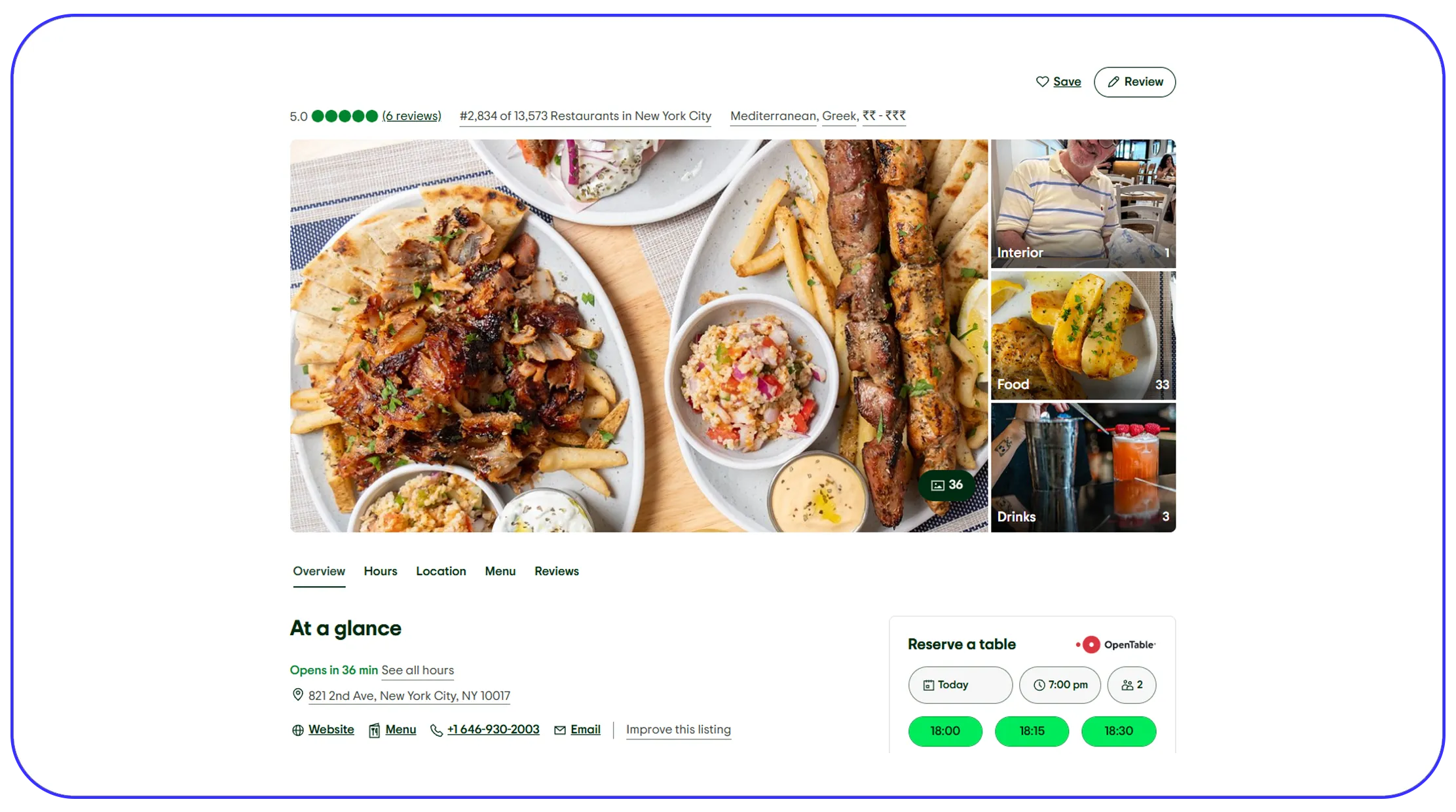
Market research helps restaurants understand customer demand before entering new markets. Data analytics minimizes business risk and improves expansion planning.
Expanding with Data Intelligence
Restaurant operators use Extracting Food Delivery Data for Market Research techniques to identify:
- High-demand neighborhoods
- Popular cuisines by region
- Average order value trends
- Seasonal ordering behavior
- Consumer spending patterns
Regional Demand Insights (2020–2026)
| Region | Fastest Growing Cuisine Category |
|---|---|
| North America | Healthy Meals |
| Europe | Vegan Food |
| Asia-Pacific | Quick Service Meals |
| Middle East | Premium Burgers |
| Latin America | Local Street Food |
Key Advantages of Market Research
Restaurants can:
- Launch in profitable locations
- Reduce expansion failure rates
- Understand customer demographics
- Track emerging food trends
- Analyze competitor saturation
Food delivery platforms generate massive volumes of customer behavior data daily. Advanced analytics transform that data into practical business insights for growth-focused restaurant brands.
Why Is Menu and Pricing Intelligence Essential for Restaurants?
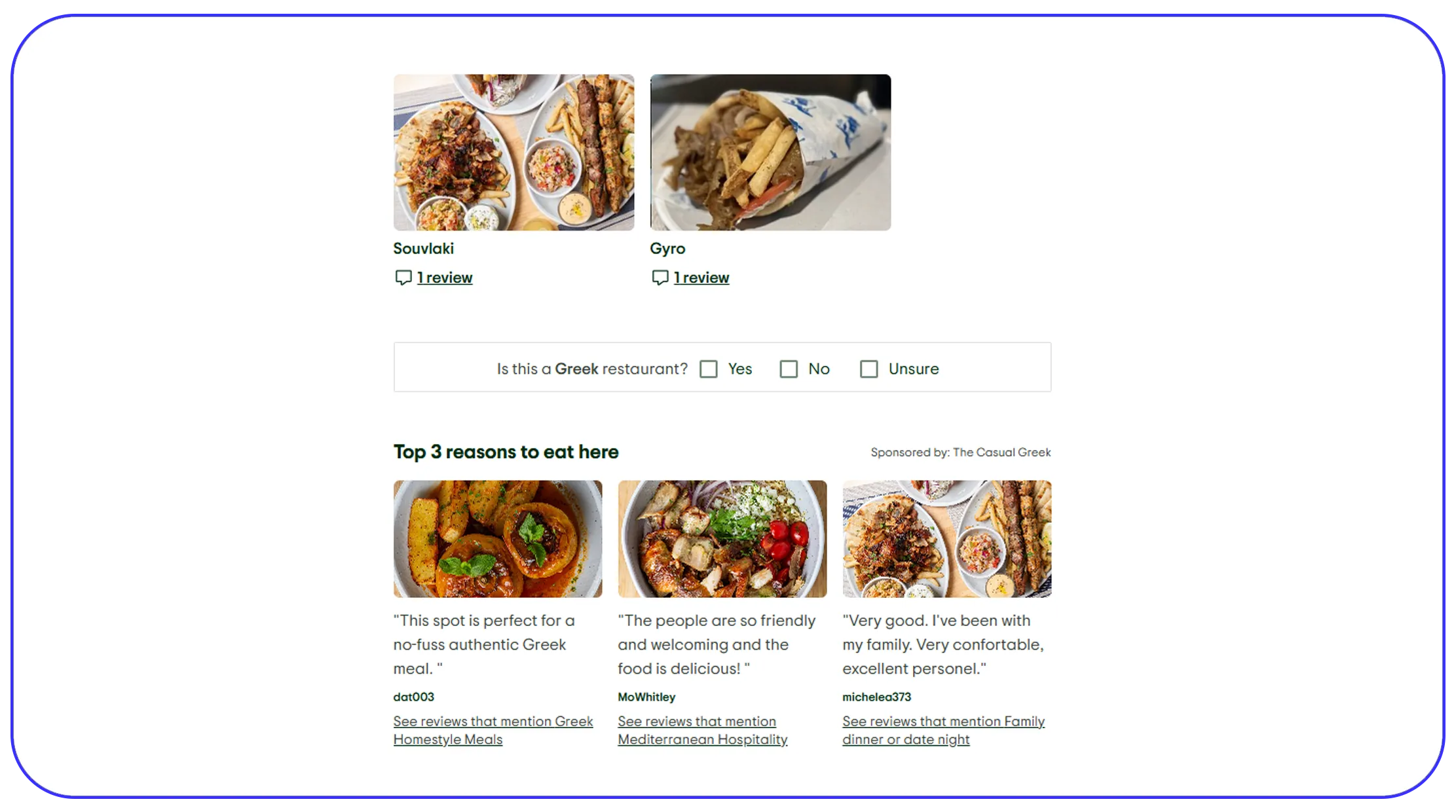
Menu pricing directly affects customer conversion rates and profitability. Restaurants must continuously adapt pricing strategies based on competitor activity and demand.
Understanding Dynamic Menu Trends
Modern restaurants use food delivery menu and pricing data API tools to monitor:
- Item-level pricing
- Combo offers
- Regional pricing differences
- Delivery charges
- Promotional discounts
Pricing Analytics Data
| Year | Average Delivery Menu Price Increase |
|---|---|
| 2020 | 3% |
| 2021 | 5% |
| 2022 | 8% |
| 2023 | 11% |
| 2024 | 13% |
| 2025 | 15% |
| 2026 | 17% |
How Menu Analytics Helps Restaurants
Restaurants can:
- Identify high-margin dishes
- Optimize bundle pricing
- Remove low-performing items
- Adjust pricing based on competitors
- Improve profitability per order
AI-powered pricing intelligence also helps brands predict customer sensitivity to discounts and promotions. Restaurants using pricing analytics often see higher repeat order rates and improved customer lifetime value.
How Can Customer Reviews Improve Restaurant Performance?
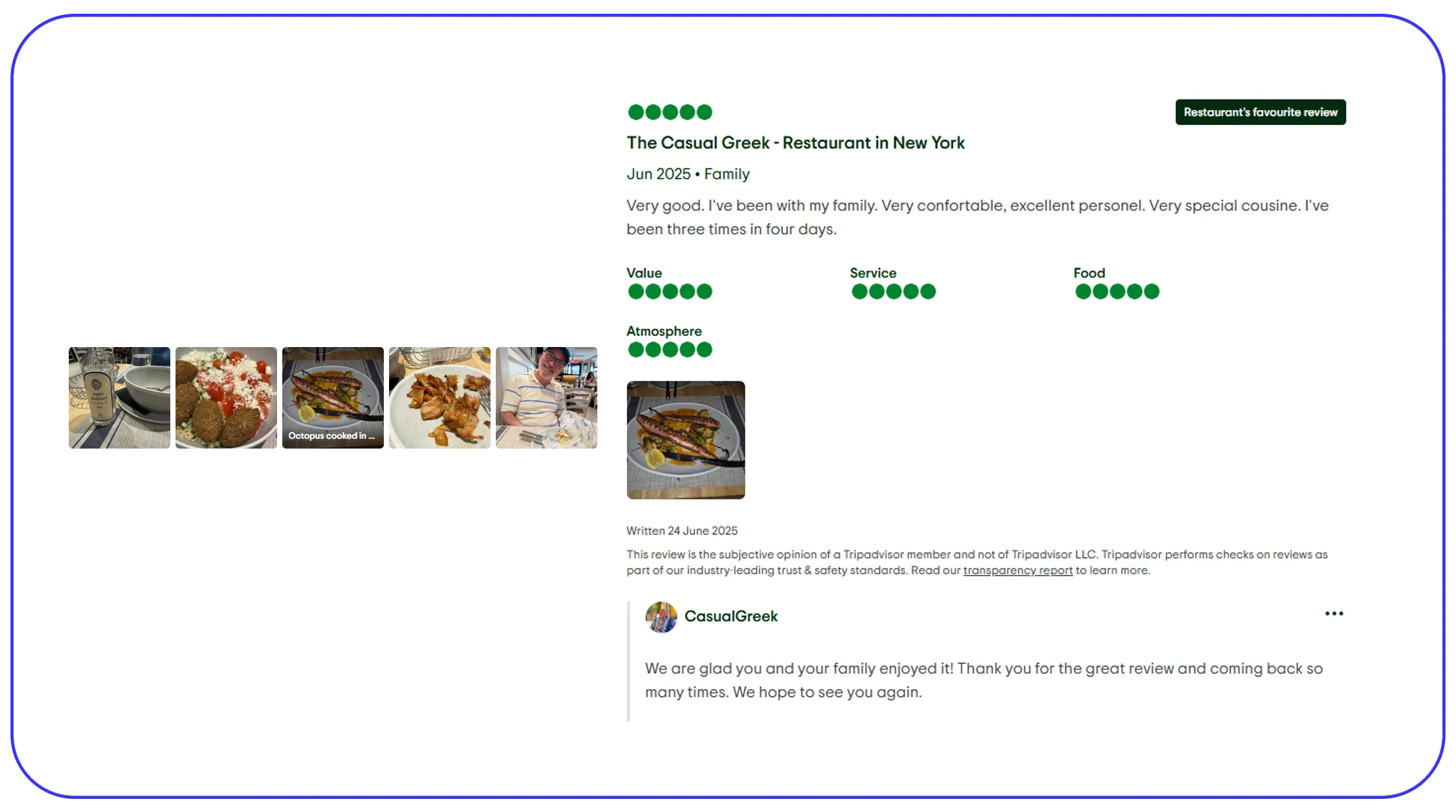
Customer reviews influence restaurant visibility and buyer decisions. Positive ratings increase trust and drive higher conversions.
Importance of Review Analytics
Businesses use restaurant review and ratings API scraping solutions to monitor:
- Customer sentiment
- Service quality feedback
- Delivery complaints
- Food quality trends
- Brand reputation
Consumer Behavior Statistics
| Consumer Behavior | Percentage |
|---|---|
| Customers Reading Reviews Before Ordering | 94% |
| Customers Avoiding Low-Rated Restaurants | 82% |
| Customers Influenced by Ratings | 88% |
| Customers Trusting Online Reviews | 91% |
Benefits of Review Intelligence
Restaurants can:
- Improve customer satisfaction
- Detect recurring issues
- Respond to negative feedback faster
- Identify top-performing outlets
- Enhance brand reputation
Review analytics also help restaurant chains benchmark performance across locations and delivery platforms.
Why Is Structured Restaurant Data Important for Future Growth?
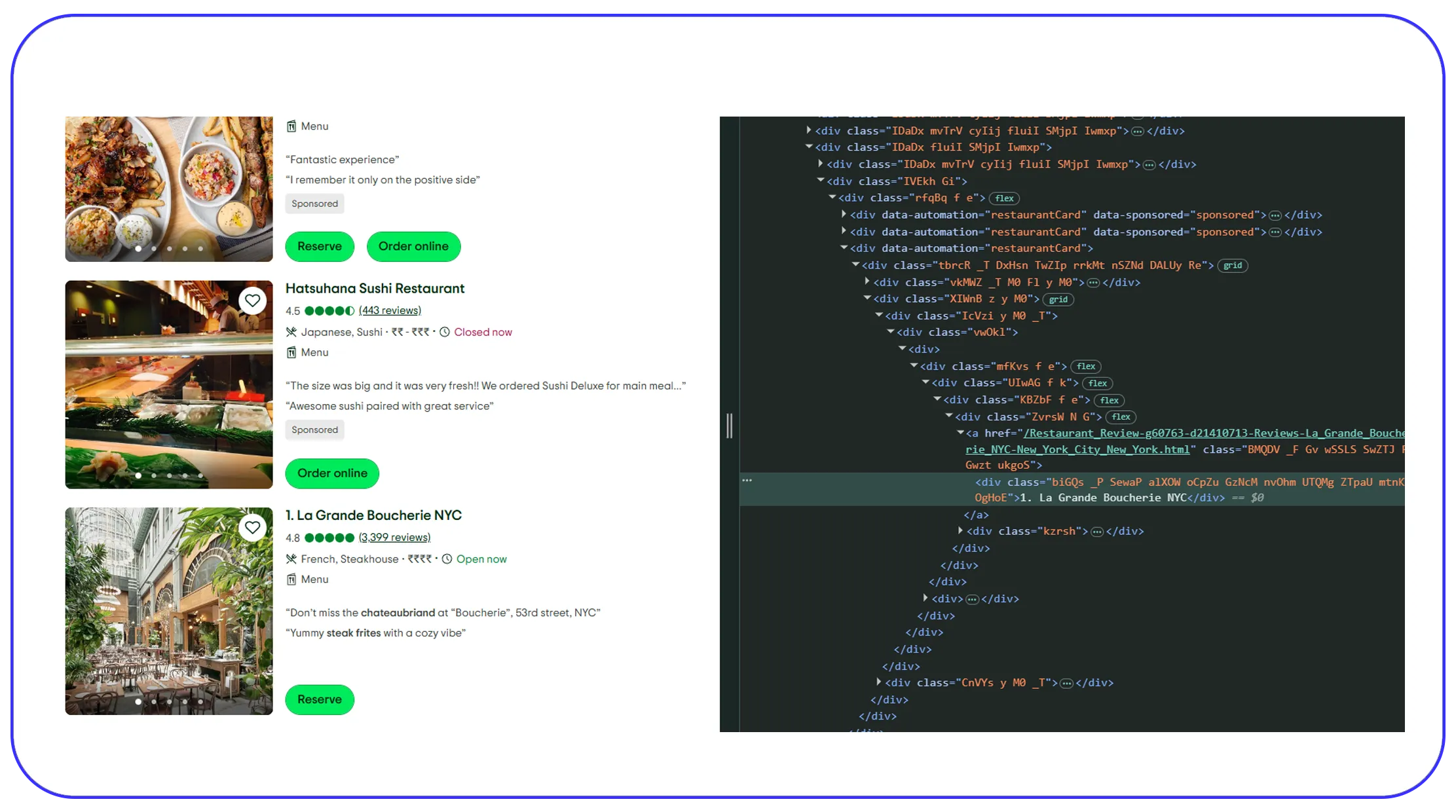
Structured datasets help restaurants improve automation, forecasting, and business intelligence strategies.
The Power of Organized Food Data
Restaurants use Food Dataset solutions to build:
- Predictive analytics models
- Demand forecasting systems
- AI recommendation engines
- Customer segmentation tools
- Operational dashboards
Restaurant Data Usage Trends (2020–2026)
| Use Case | Adoption Growth |
|---|---|
| AI Menu Recommendations | 42% |
| Predictive Pricing Models | 38% |
| Customer Analytics Platforms | 49% |
| Delivery Forecasting Systems | 45% |
| Automated Inventory Systems | 34% |
Why Structured Data Matters
Businesses gain:
- Faster reporting capabilities
- Better forecasting accuracy
- Scalable analytics systems
- Improved operational automation
- Enhanced strategic planning
Large restaurant chains increasingly rely on structured datasets to support long-term digital transformation initiatives.
Why Choose Real Data API?
Real Data API delivers scalable, accurate, and customizable restaurant intelligence solutions for businesses worldwide.
Our platform supports:
- Real-time restaurant analytics
- Multi-platform data extraction
- Delivery app monitoring
- Pricing intelligence
- Review and ratings analysis
- Market research automation
Businesses choose Real Data API because we provide reliable Top Food Scraping API Use Cases across food delivery ecosystems. Our solutions support startups, restaurant chains, aggregators, investors, and analytics firms looking to scale with Food Delivery Data API Scraping for Restaurant Analytics capabilities.
Key Advantages
- High-speed API integration
- Large-scale data extraction
- Custom dashboard support
- Structured JSON and CSV output
- Accurate geo-targeted datasets
- Enterprise-grade scalability
Real Data API helps businesses transform food delivery data into measurable growth opportunities.
Conclusion
The online food delivery industry continues to evolve rapidly between 2020 and 2026. Restaurants that rely on analytics gain stronger market positioning, improved customer engagement, and higher profitability. Businesses leveraging Web Scraping Services and Food Delivery Data API Scraping for Restaurant Analytics can optimize pricing, improve delivery operations, analyze customer behavior, and make smarter expansion decisions.
Ready to unlock powerful restaurant insights with scalable food delivery analytics? Contact Real Data API today to transform restaurant data into business growth!
Latest posts
How Ixigo API Helps Businesses Solve Flight, Train, Hotel, Travel, and Pricing Data Challenges
How to Extract Restaurants, Menus, Prices, Ratings, and Business Data for Market Insights
How Brands Track Restaurant, Menu, Pricing, Rating, and Delivery Data for Competitive Intelligence

How Retailers Track Fashion Products, Prices, Brands, and Category Data for Competitive Intelligence Using AJIO API






.png)



