
Introduction
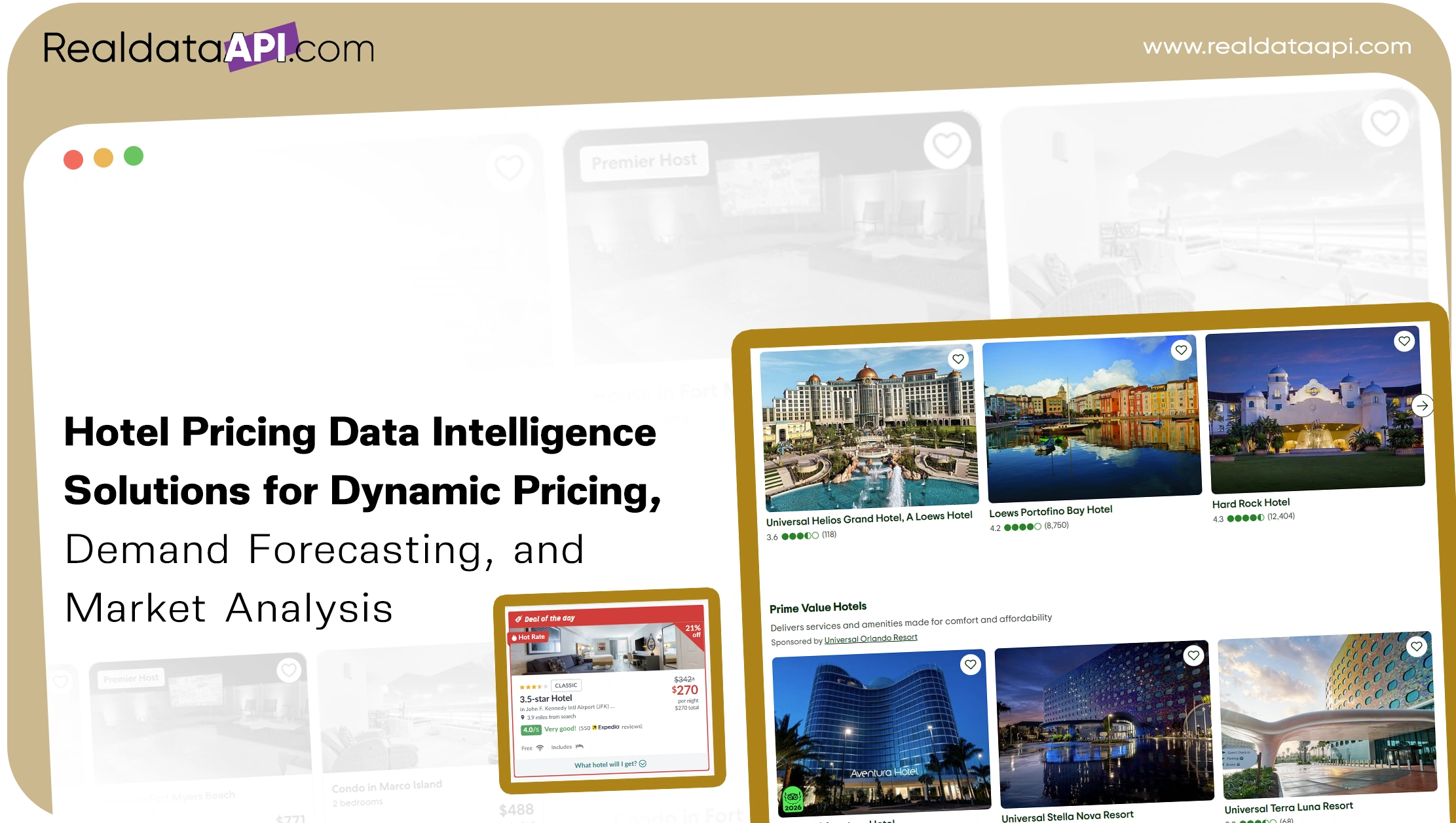
Hotels maximize revenue by using real-time pricing intelligence to adjust room rates, forecast demand, and analyze competitor pricing patterns. This ensures optimal occupancy, improved profitability, and better market positioning across all seasons.
Industry studies show that hotels using dynamic pricing strategies can increase revenue per available room (RevPAR) by up to 18–25% compared to static pricing models. With fluctuating demand driven by travel trends, events, and seasonal shifts, data-driven pricing is now essential.
For hoteliers, revenue managers, OTAs, hospitality analysts, and travel technology providers struggling with pricing volatility, hotel pricing data intelligence solutions provide a structured way to transform raw pricing data into actionable insights. When combined with a Travel Dataset, businesses gain full visibility into market behavior and competitor pricing movements.
How Do Hotels Use Market Data for Competitive Pricing Strategy?
Why is hotel price tracking important in hospitality markets?
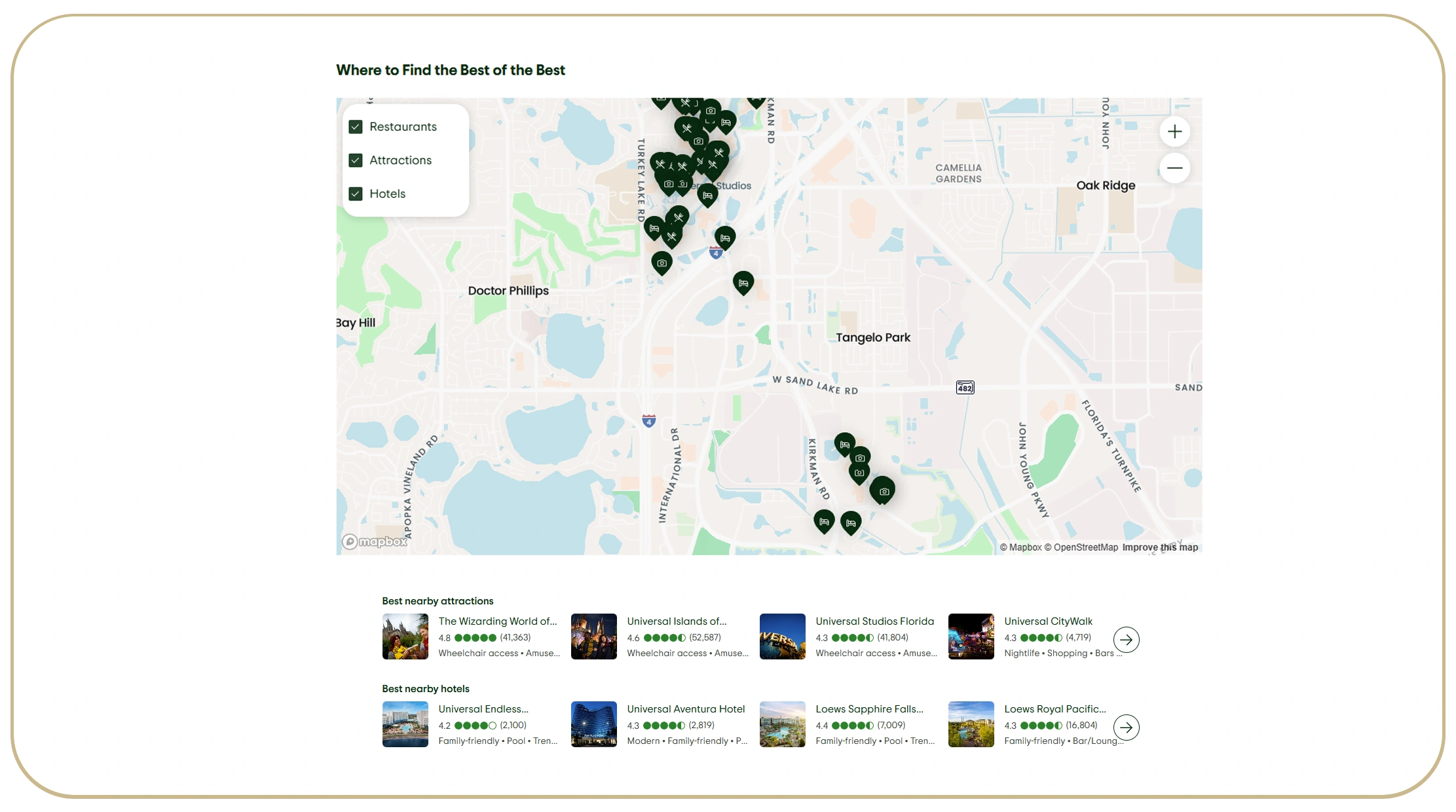
Hotels operate in a highly dynamic pricing environment where room rates change multiple times per day. Businesses increasingly rely on scrape hotel pricing data for hospitality market analysis to monitor competitor pricing, seasonal demand, and booking trends.
Key Benefits:
- Track competitor hotel rates in real time
- Identify demand fluctuations by region
- Optimize seasonal pricing strategies
- Improve occupancy rates
- Enhance revenue per room
Hotel Pricing Trend Growth (2020–2026)
| Year | Avg Daily Rate Change (%) |
|---|---|
| 2020 | -12% |
| 2021 | +5% |
| 2022 | +14% |
| 2023 | +18% |
| 2024 | +21% |
| 2025* | +24% |
| 2026* | +27% |
*Projected values
Hotels using structured market analysis can react faster to competitor pricing changes and demand surges. For example, during peak tourist seasons, hotels that adjust pricing dynamically can achieve higher occupancy without sacrificing profitability.
How Can Hotels Build Structured Pricing Intelligence Systems?
What is hotel rate intelligence and why does it matter?
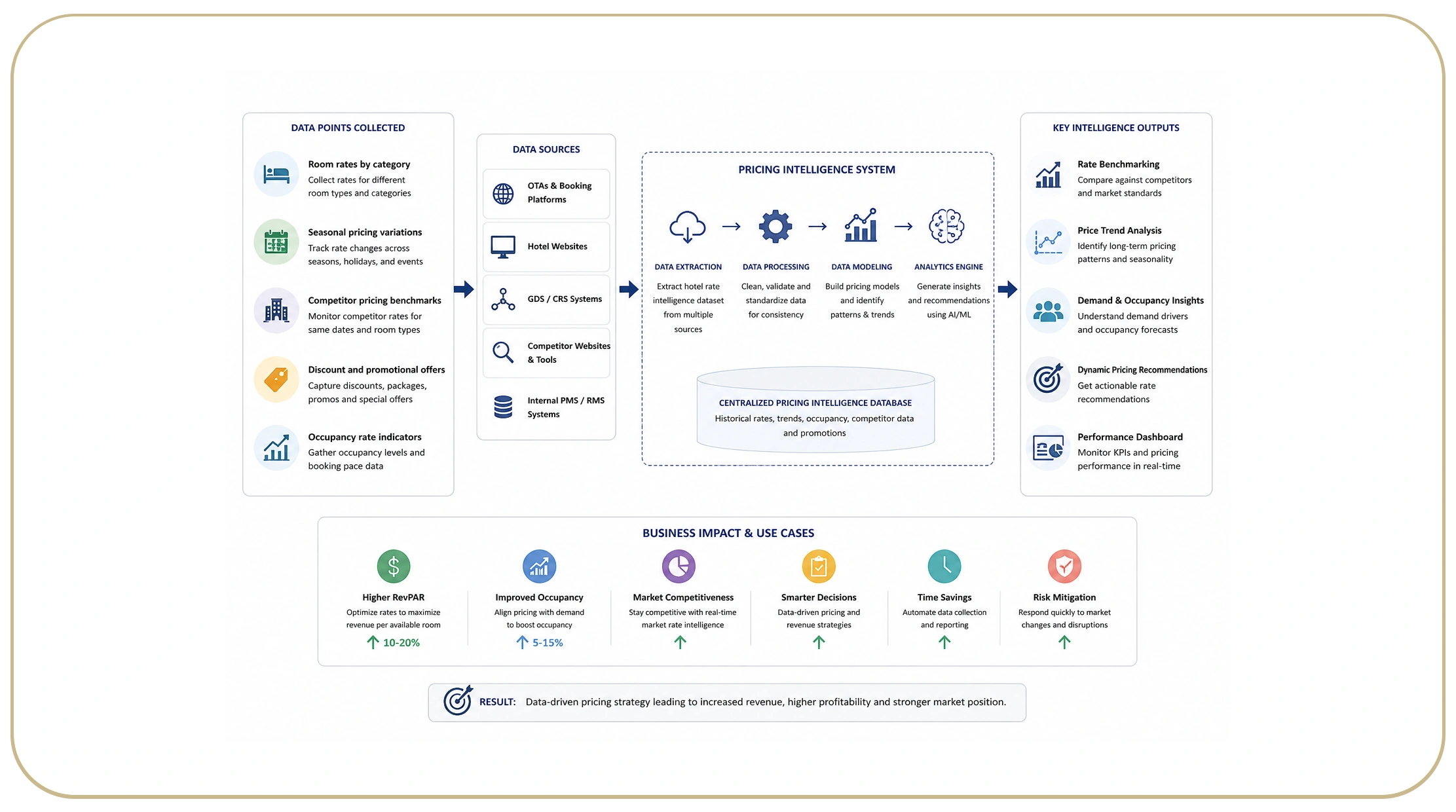
Structured pricing systems help hotels transform raw rate data into meaningful insights. Organizations often use extract hotel rate intelligence dataset solutions to build comprehensive pricing models.
Combined with hotel pricing data intelligence solutions, these datasets help revenue managers understand long-term pricing patterns.
Data Points Collected:
- Room rates by category
- Seasonal pricing variations
- Competitor pricing benchmarks
- Discount and promotional offers
- Occupancy rate indicators
Dataset Growth in Hospitality Analytics
| Year | Data Volume (TB/month) |
|---|---|
| 2020 | 80 |
| 2021 | 120 |
| 2022 | 190 |
| 2023 | 260 |
| 2024 | 340 |
| 2025* | 420 |
| 2026* | 510 |
*Projected values
Hotels using structured datasets can identify pricing inefficiencies and improve forecasting accuracy. This helps optimize both short-term pricing decisions and long-term revenue strategies.
How Does Real-Time Pricing Intelligence Improve Revenue Management?
Why is real-time hotel pricing critical today?
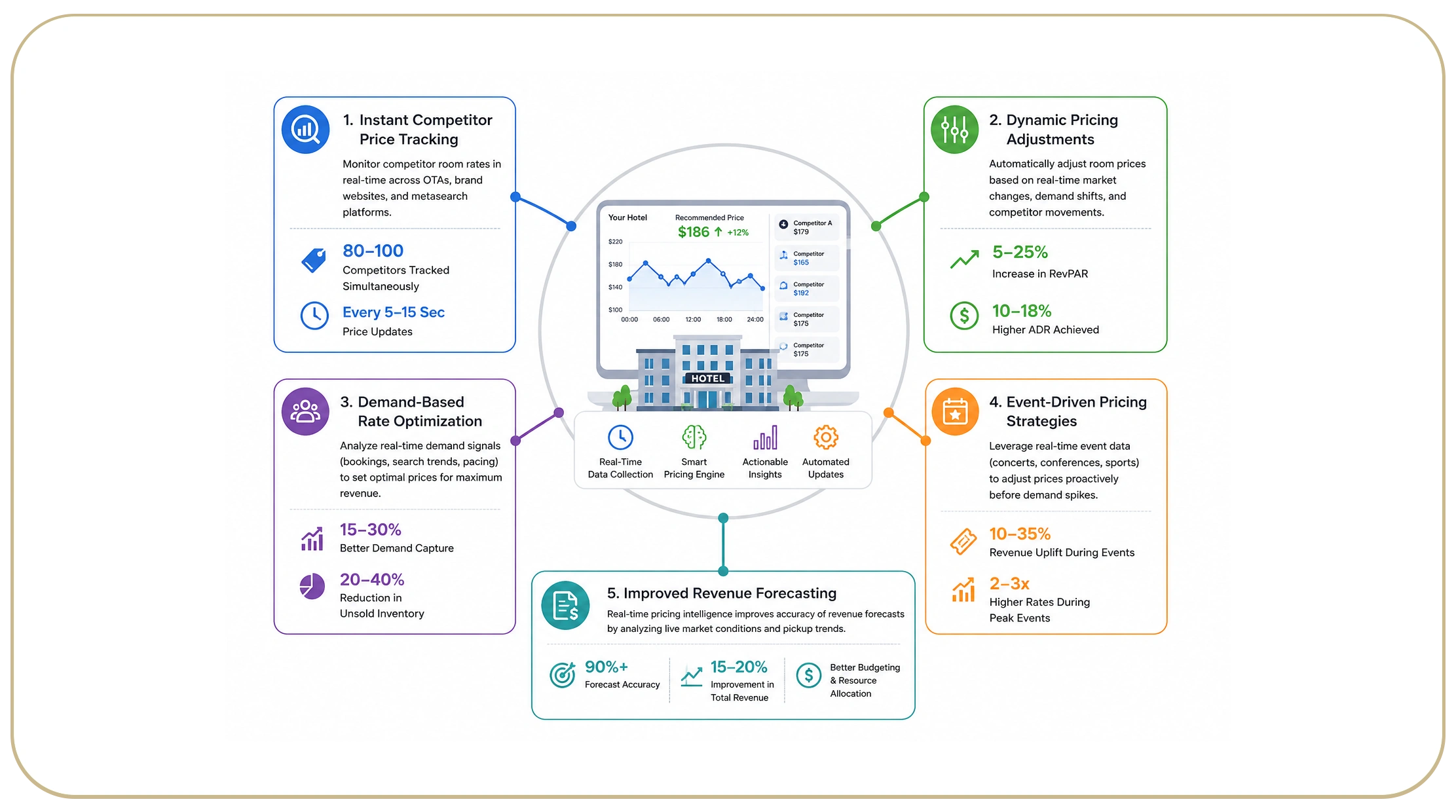
In the modern hospitality industry, room prices fluctuate based on demand, competitor activity, and external events. Businesses increasingly rely on real-time hotel pricing data intelligence to stay competitive.
Core Benefits:
- Instant competitor price tracking
- Dynamic pricing adjustments
- Demand-based rate optimization
- Event-driven pricing strategies
- Improved revenue forecasting
Real-Time Pricing Impact
| Metric | Without Real-Time Data | With Real-Time Data |
|---|---|---|
| Revenue Optimization | Moderate | High |
| Occupancy Rate | 65% | 82% |
| Pricing Accuracy | Low | High |
| Decision Speed | Slow | Fast |
Real-time intelligence ensures hotels do not miss revenue opportunities during high-demand periods such as festivals, conferences, and holiday seasons.
How Does Hotel Price Data Improve Travel Market Insights?
Why do travel companies analyze hotel pricing trends?
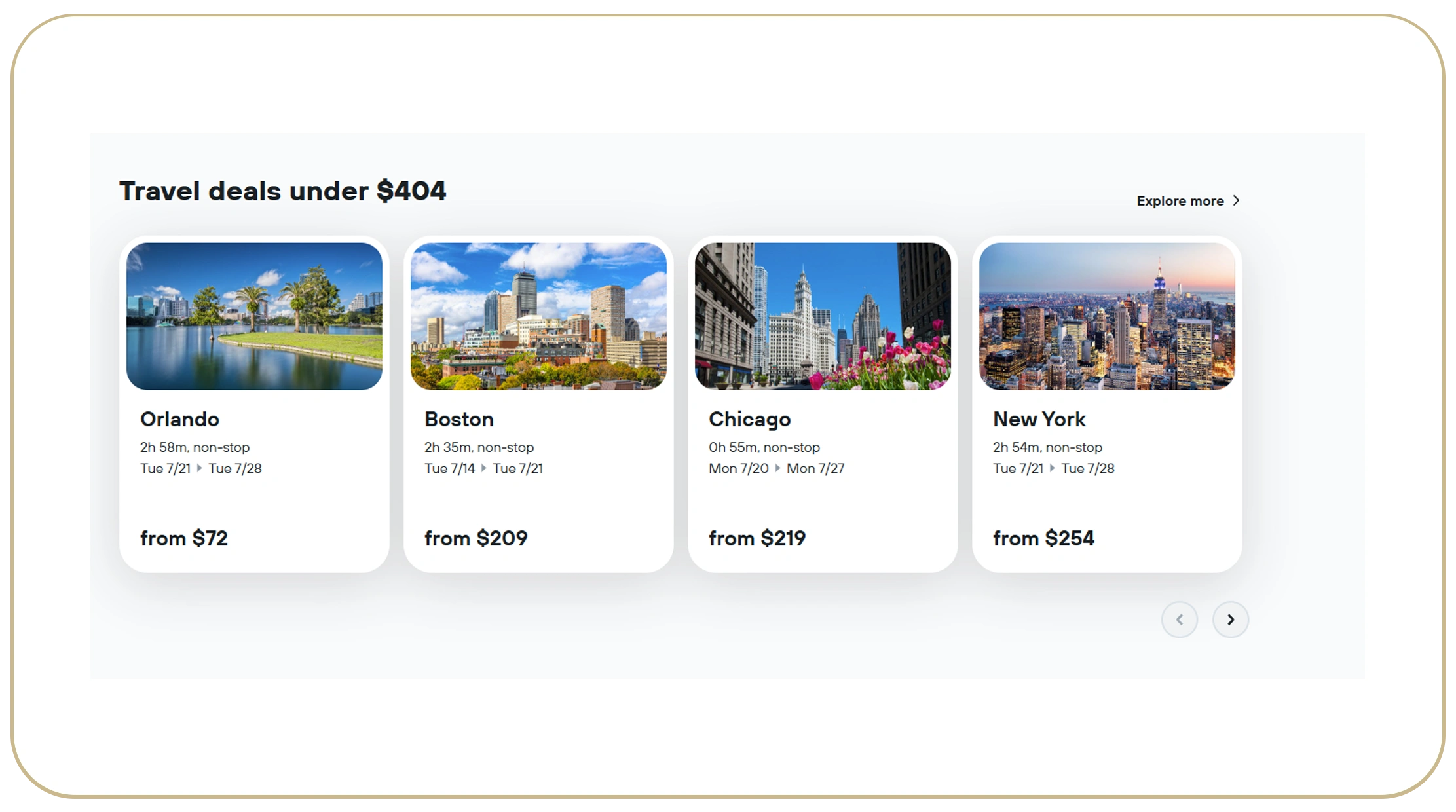
Travel platforms rely on pricing data to build competitive travel packages and optimize customer offers. They use hotel price data scraping for travel market insights to understand pricing fluctuations across destinations.
Key Applications:
- Destination demand analysis
- Hotel category benchmarking
- Seasonal pricing comparison
- Package optimization
- Customer affordability insights
Travel Market Growth Trends
| Year | Global Hotel Bookings (Billion) |
|---|---|
| 2020 | 0.9 |
| 2021 | 1.2 |
| 2022 | 1.8 |
| 2023 | 2.3 |
| 2024 | 2.8 |
| 2025* | 3.4 |
| 2026* | 4.0 |
*Projected values
Travel companies that analyze hotel pricing trends can design better packages and improve conversion rates. This ensures customers receive competitive pricing while businesses maximize revenue per booking.
What Are the Top Use Cases of Travel Scraping APIs?
How are APIs transforming hospitality intelligence?
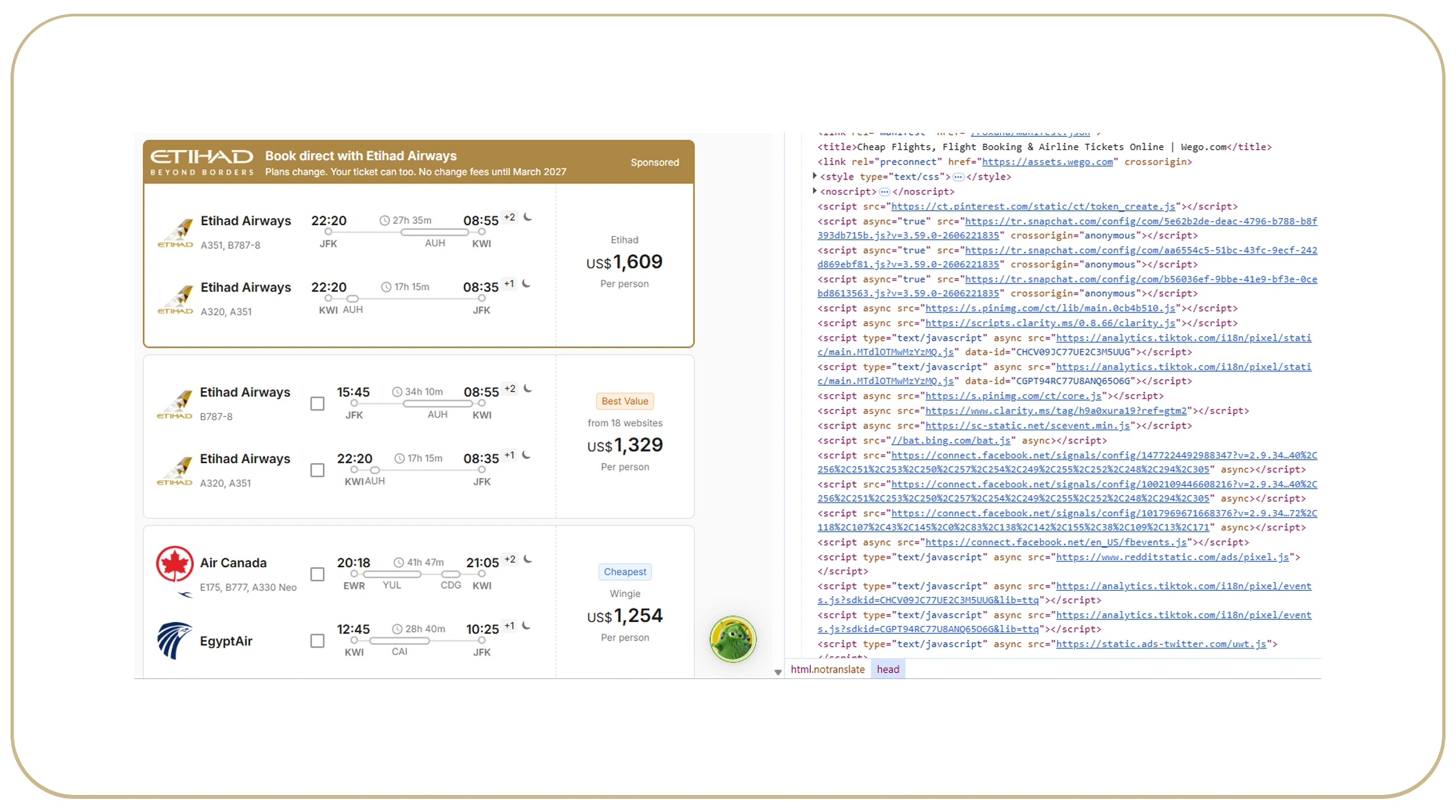
Modern hospitality businesses rely on APIs to automate data collection and analysis. The Top Travel Scraping API Use Cases include pricing optimization, competitor monitoring, and demand forecasting.
Common Use Cases:
- Hotel rate comparison engines
- Dynamic pricing systems
- Market demand forecasting
- Competitor benchmarking dashboards
- Revenue optimization tools
API Adoption in Hospitality
| Year | API Usage in Hotels |
|---|---|
| 2020 | 22% |
| 2021 | 31% |
| 2022 | 42% |
| 2023 | 55% |
| 2024 | 66% |
| 2025* | 74% |
| 2026* | 81% |
*Projected values
APIs reduce manual effort and enable real-time intelligence flow into pricing systems. This allows hotels to respond instantly to market changes and improve profitability.
How Does Travel Data Scraping Power Hotel Intelligence Platforms?
Why is scalable data infrastructure important?
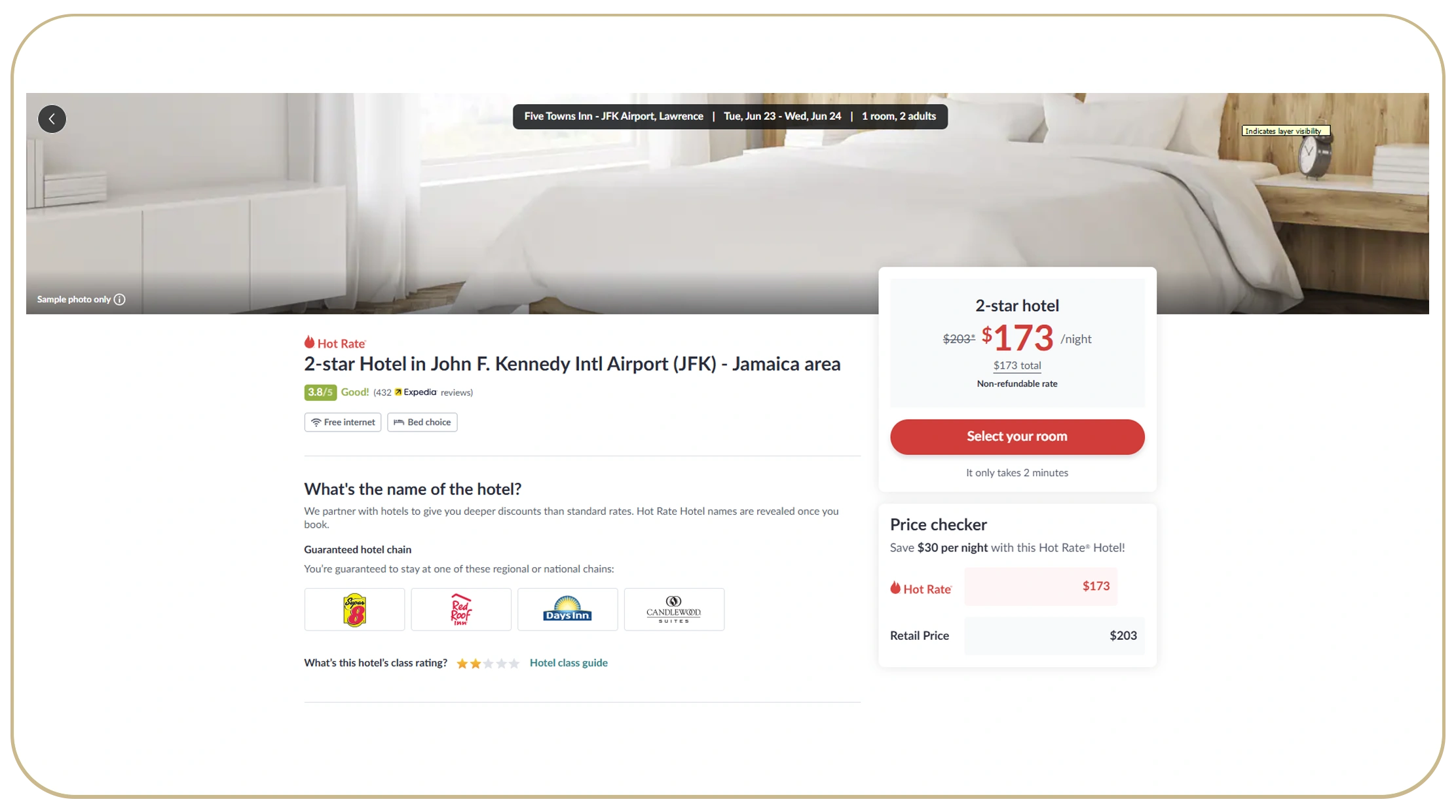
Hotels and travel platforms need large-scale data processing to manage pricing intelligence effectively. The Travel Data Scraping API supports structured data extraction at scale.
Combined with hotel pricing data intelligence solutions, this enables complete market visibility.
Platform Benefits:
- Automated data collection
- Real-time updates
- Scalable infrastructure
- Multi-market coverage
- Predictive analytics support
Data Growth in Hospitality Systems
| Year | Processed Data Records (Billions) |
|---|---|
| 2020 | 5 |
| 2021 | 8 |
| 2022 | 12 |
| 2023 | 18 |
| 2024 | 25 |
| 2025* | 33 |
| 2026* | 42 |
*Projected values
APIs enable seamless integration with revenue management systems, dashboards, and AI models. This improves decision-making speed and accuracy across hospitality operations.
Why Choose Real Data API?
Real Data API provides enterprise-grade hospitality intelligence solutions designed for hotels, OTAs, and travel platforms.
Using Travel Demand Forecasting Using OTA Data Extraction and hotel pricing data intelligence solutions, Real Data API helps businesses:
- Monitor competitor hotel pricing in real time
- Analyze demand patterns across regions
- Build dynamic pricing models
- Improve occupancy forecasting
- Optimize revenue management strategies
- Access structured travel datasets at scale
- Integrate intelligence into existing systems
Our platform enables hotels to convert raw pricing data into actionable business intelligence for smarter decision-making and stronger market positioning.
Conclusion
The hospitality industry is becoming increasingly data-driven, and pricing strategies must evolve accordingly. Businesses that adopt hotel pricing data intelligence solutions can optimize revenue, improve occupancy, and respond faster to market changes.
Ready to transform your hotel pricing strategy with real-time intelligence? Contact Real Data API today and unlock powerful data-driven hospitality insights!
Latest posts
How Mercado Libre API Helps Brands Overcome Product Monitoring, Pricing, and Market Visibility Challenges
How Shipt API for grocery data extraction Enables Real-Time Grocery Product, Pricing, and Inventory Intelligence
How real-time food data scraping services Help Food Brands Track Products, Prices, and Market Trends
Why Sainsbury's grocery data web scraper Is Essential for Smarter Grocery Pricing and Product Intelligence






.png)