

Introduction
The rapid expansion of online marketplaces has transformed the way sellers compete in the digital economy. Businesses today require accurate and real-time market intelligence to optimize pricing, monitor competitors, manage inventory, and identify trending products across platforms like Amazon, Walmart, Shopify, and eBay. Understanding how ecommerce data scraping helps marketplace sellers has become essential for brands aiming to improve operational efficiency and maximize profitability in highly competitive eCommerce environments.
Modern sellers increasingly rely on automated data extraction technologies powered by an advanced E-Commerce Data Scraping API to gather structured product information from multiple online marketplaces. These tools provide valuable insights into pricing fluctuations, product availability, customer reviews, seller rankings, and emerging market trends.
Between 2020 and 2026, global eCommerce competition has intensified significantly, increasing the need for automated analytics solutions that support faster decision-making and strategic planning. Ecommerce data scraping enables businesses to reduce manual research efforts, improve market visibility, and respond quickly to competitor activities while maintaining stronger customer engagement and sales performance.
Unlocking Marketplace Intelligence for Smarter Selling
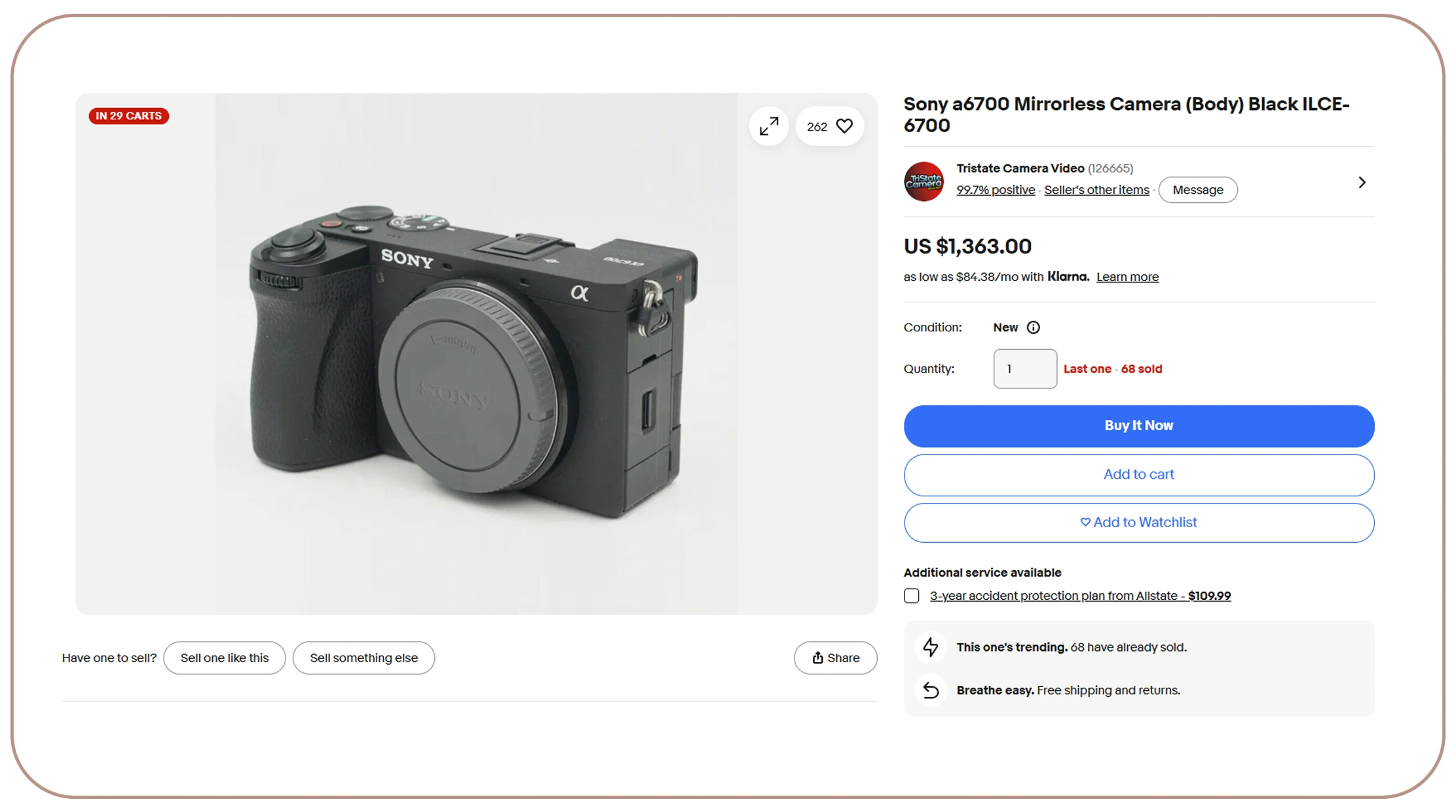
Online marketplaces generate enormous amounts of product and seller information daily. Businesses that fail to analyze this data effectively often struggle with inaccurate pricing, delayed product decisions, and weak competitive positioning. To address these challenges, companies now focus on extracting product and seller insights from ecommerce platforms to gain deeper visibility into marketplace activities and customer behavior.
Automated data scraping allows sellers to collect critical information such as seller rankings, product availability, customer reviews, shipping details, and category trends across multiple platforms. This intelligence helps marketplace sellers optimize product listings, improve customer targeting, and identify profitable opportunities before competitors react.
From 2020 to 2026, online seller competition has increased substantially as more businesses adopt digital-first retail strategies. Sellers using automated data intelligence tools can respond faster to market shifts and improve inventory planning with real-time visibility into competitor activities.
Growth in Marketplace Seller Analytics (2020-2026)
| Year | Global Marketplace Sellers | Businesses Using Data Intelligence |
|---|---|---|
| 2020 | 7 Million | 18% |
| 2021 | 8.5 Million | 24% |
| 2022 | 10 Million | 31% |
| 2023 | 12 Million | 39% |
| 2024 | 14 Million | 47% |
| 2025 | 16.5 Million | 55% |
| 2026 | 19 Million | 63% |
Marketplace intelligence enables businesses to improve operational efficiency and gain a sustainable competitive advantage in rapidly evolving eCommerce ecosystems.
Improving Competitive Pricing Strategies
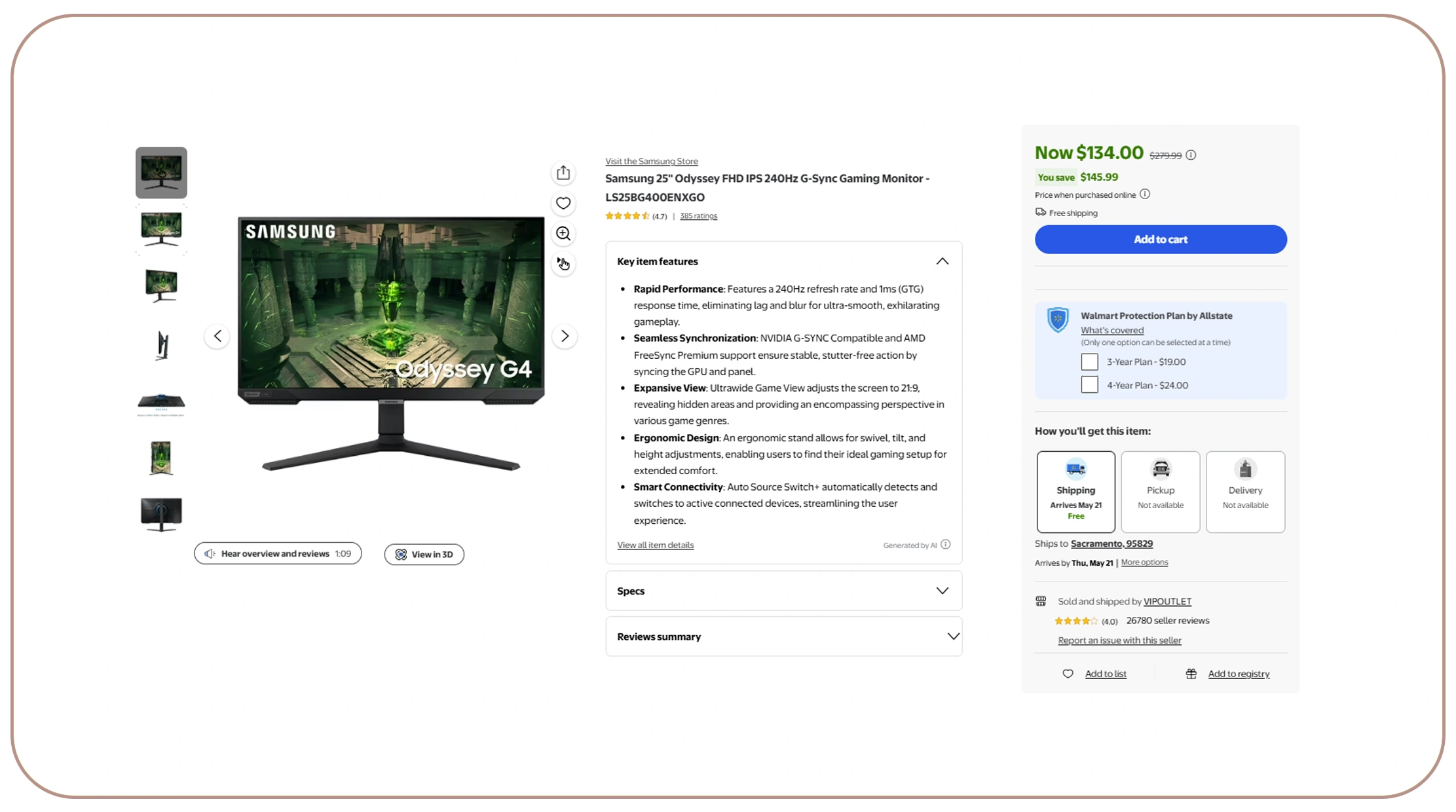
Pricing remains one of the most important factors influencing online purchasing decisions. Businesses now rely heavily on scraping competitor assortment and pricing data for online sellers to maintain competitiveness and improve revenue growth.
Automated scraping systems continuously monitor competitor product catalogs, discount campaigns, bundle offers, stock availability, and seasonal pricing changes. This enables marketplace sellers to optimize pricing strategies dynamically and respond instantly to competitor movements.
Between 2020 and 2026, the adoption of AI-driven pricing intelligence solutions increased rapidly due to rising customer expectations and aggressive marketplace competition. Sellers using competitor intelligence tools experienced improved pricing accuracy and stronger sales conversion rates.
Retailers can also analyze assortment gaps and identify high-demand products missing from competitor catalogs. These insights support smarter procurement strategies and improved category management decisions.
Competitive Pricing Intelligence Trends
| Year | Sellers Using Automated Pricing Tools | Revenue Impact |
|---|---|---|
| 2020 | 22% | 9% |
| 2021 | 29% | 11% |
| 2022 | 37% | 14% |
| 2023 | 45% | 17% |
| 2024 | 54% | 20% |
| 2025 | 63% | 23% |
| 2026 | 71% | 26% |
Real-time competitor monitoring empowers sellers to adapt quickly to pricing changes while improving profitability and customer retention rates.
Strengthening Inventory Visibility Across Channels
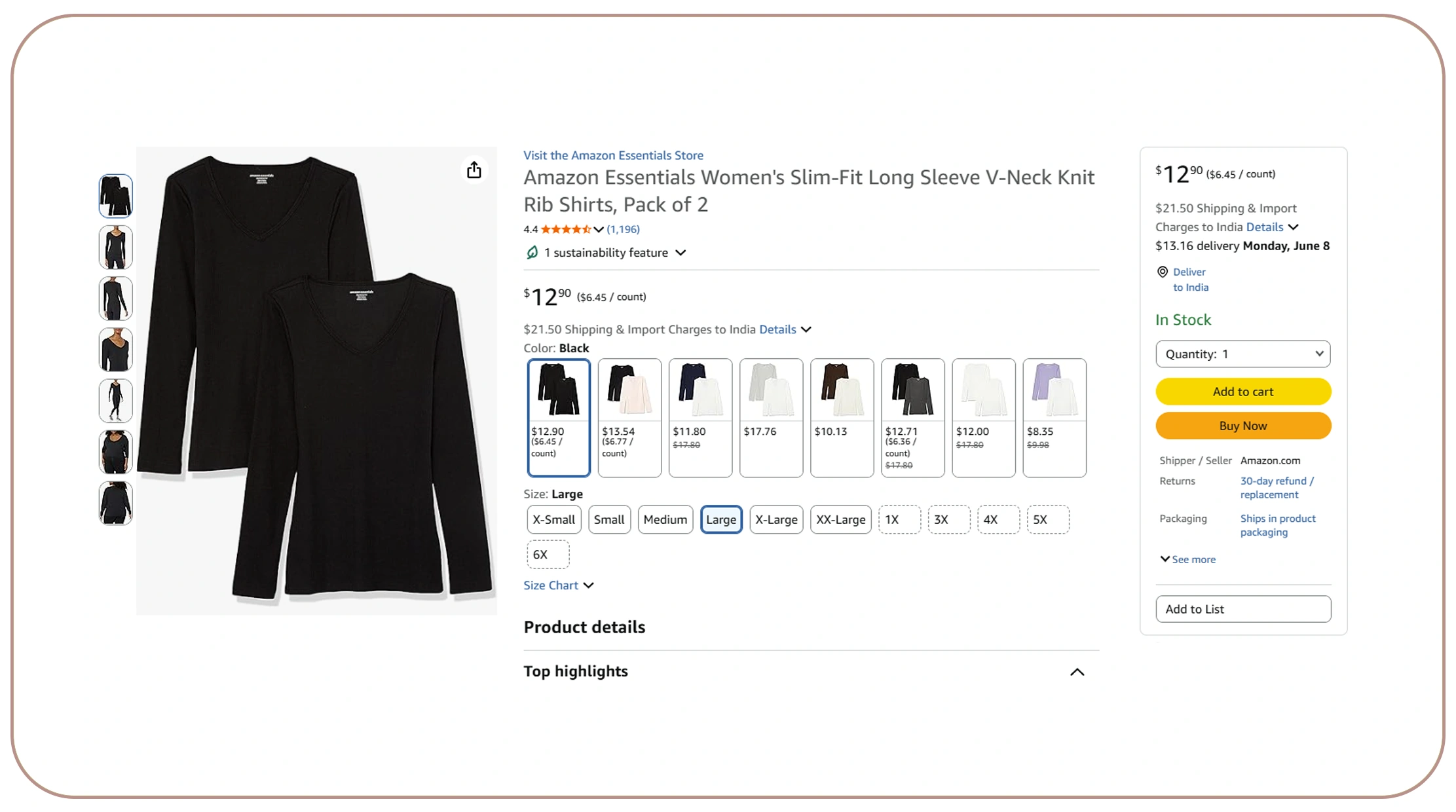
Inventory management remains a major operational challenge for online sellers, especially across multiple marketplaces. Businesses increasingly depend on E-commerce marketplace data extraction for pricing and inventory Analysis to improve stock visibility and reduce supply chain inefficiencies.
Automated marketplace extraction systems collect detailed inventory information, including stock levels, product availability, estimated delivery timelines, and category performance metrics. This enables businesses to forecast demand more accurately and prevent overstocking or stockout situations.
From 2020 to 2026, global eCommerce inventory complexity increased significantly due to expanding product assortments and multi-channel selling models. Sellers using automated inventory intelligence achieved stronger order fulfillment performance and improved customer satisfaction.
Inventory analytics also help businesses identify seasonal demand fluctuations and regional purchasing patterns, allowing better warehouse planning and procurement optimization.
Ecommerce Inventory Intelligence Growth
| Year | Companies Using Inventory Analytics | Inventory Accuracy Improvement |
|---|---|---|
| 2020 | 19% | 10% |
| 2021 | 26% | 13% |
| 2022 | 34% | 16% |
| 2023 | 43% | 19% |
| 2024 | 52% | 22% |
| 2025 | 61% | 25% |
| 2026 | 69% | 28% |
Advanced inventory intelligence allows sellers to streamline supply chain operations and improve customer experiences through better stock management.
Expanding Automation Capabilities Across Retail Operations
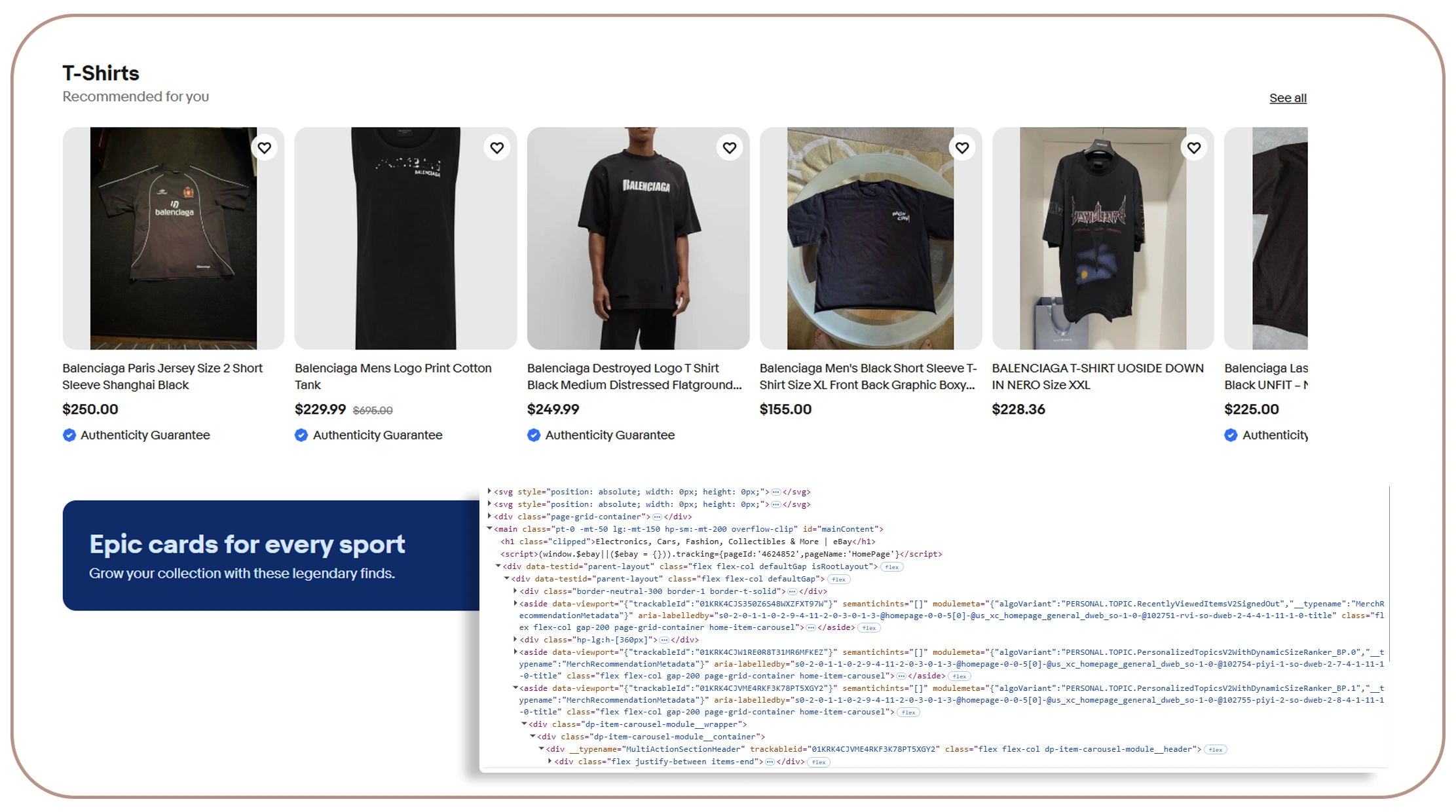
Modern eCommerce businesses increasingly rely on automation technologies to manage data-intensive operations efficiently. Understanding Top Ecommerce Scraping API Use Cases helps marketplace sellers implement scalable intelligence solutions that improve productivity and operational performance.
Scraping APIs support a wide range of business applications, including price monitoring, review analysis, product trend tracking, inventory forecasting, seller benchmarking, and customer sentiment analysis. Automated systems eliminate the need for time-consuming manual research while delivering structured data in real time.
Between 2020 and 2026, businesses investing in automation-driven retail intelligence experienced faster decision-making capabilities and improved operational agility. APIs also enable seamless integration with analytics dashboards, ERP platforms, and inventory management systems.
Automation helps sellers identify emerging product categories, track competitor promotions, and optimize marketing campaigns using accurate marketplace intelligence.
Ecommerce Automation Adoption Trends
| Year | Businesses Using Scraping APIs | Operational Efficiency Gains |
|---|---|---|
| 2020 | 25% | 11% |
| 2021 | 32% | 14% |
| 2022 | 40% | 17% |
| 2023 | 49% | 20% |
| 2024 | 58% | 21% |
| 2025 | 67% | 26% |
| 2026 | 75% | 30% |
Scalable automation infrastructure supports long-term business growth while improving marketplace competitiveness and operational efficiency.
Building Data-Driven Growth Strategies
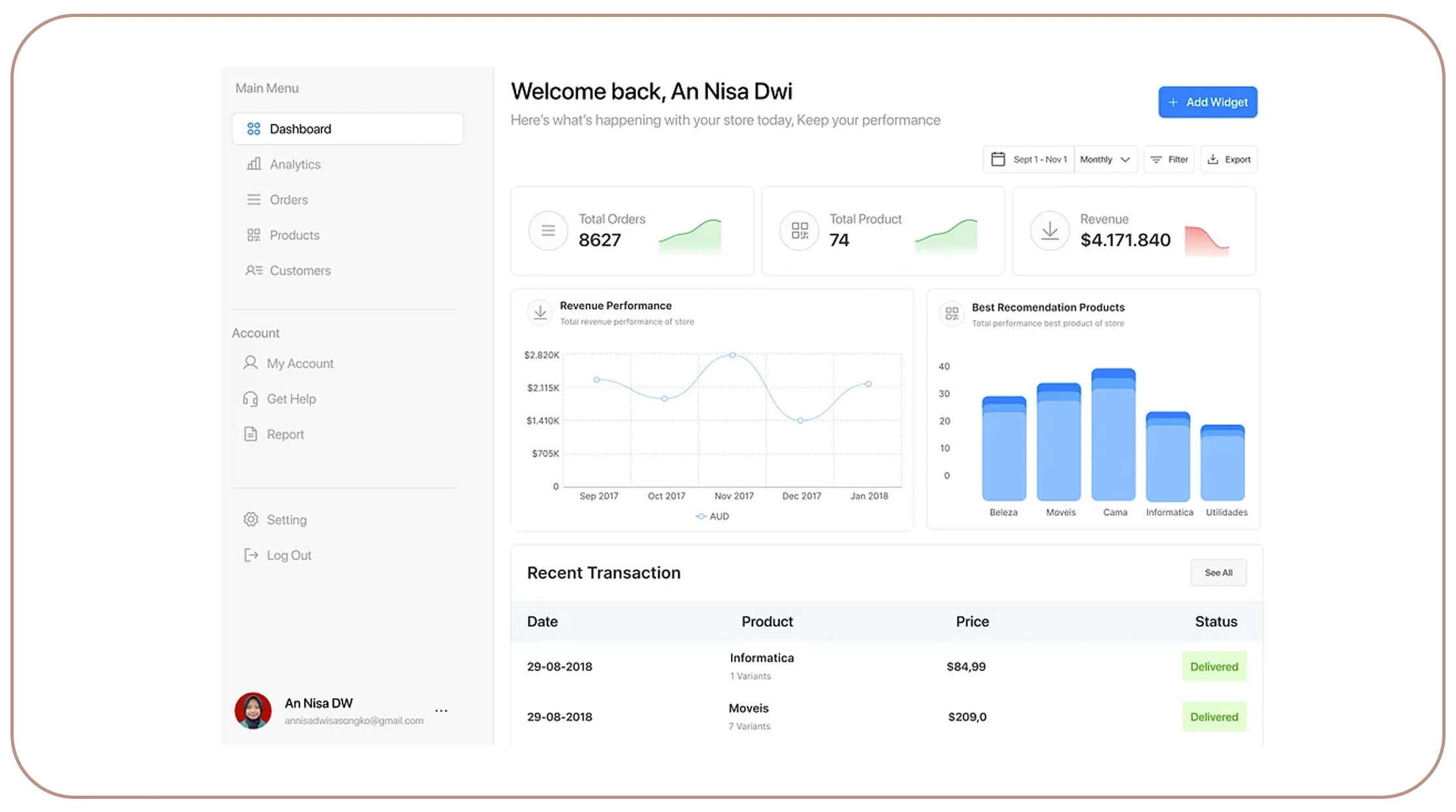
Data-driven decision-making has become essential for marketplace sellers seeking long-term growth and profitability. Businesses increasingly use structured E-Commerce Dataset solutions to analyze product trends, customer preferences, pricing patterns, and seller performance across digital marketplaces.
Comprehensive datasets help organizations evaluate category demand, identify high-performing products, and optimize assortment strategies. Sellers can also analyze customer reviews and ratings to improve product positioning and enhance user experiences.
From 2020 to 2026, organizations leveraging large-scale ecommerce datasets reported stronger forecasting accuracy and improved strategic planning capabilities. Data-driven insights help sellers allocate marketing budgets more effectively and improve customer acquisition strategies.
Advanced datasets also support AI-powered analytics models that predict future product trends and purchasing behaviors. This intelligence enables businesses to respond proactively to market opportunities while minimizing operational risks.
Ecommerce Dataset Utilization Trends
| Year | Companies Using Ecommerce Datasets | Sales Growth Improvement |
|---|---|---|
| 2020 | 20% | 8% |
| 2021 | 28% | 11% |
| 2022 | 36% | 14% |
| 2023 | 45% | 17% |
| 2024 | 55% | 20% |
| 2025 | 64% | 23% |
| 2026 | 73% | 27% |
Structured ecommerce intelligence enables businesses to build smarter growth strategies and improve long-term market positioning.
Scaling Marketplace Intelligence with Advanced Infrastructure

As ecommerce ecosystems continue to expand globally, businesses require scalable technologies capable of processing large volumes of marketplace information efficiently. Modern sellers increasingly depend on robust Web Scraping API solutions to automate real-time data collection and competitor tracking operations.
Web scraping APIs allow businesses to collect structured marketplace data quickly while ensuring speed, reliability, and operational flexibility. APIs support large-scale monitoring of products, seller activities, pricing updates, stock availability, and customer reviews across multiple online platforms.
Between 2020 and 2026, enterprises implementing scalable API-driven intelligence systems experienced significant improvements in data accuracy, decision-making speed, and operational scalability. Automated APIs also reduce infrastructure complexity and simplify integration with business intelligence platforms.
Marketplace sellers using scalable APIs gain better visibility into market dynamics while improving forecasting, procurement, and customer engagement strategies.
API-Driven Ecommerce Intelligence Growth
| Year | Businesses Using Web Scraping APIs | Productivity Improvement |
|---|---|---|
| 2020 | 23% | 9% |
| 2021 | 31% | 12% |
| 2022 | 39% | 15% |
| 2023 | 48% | 18% |
| 2024 | 57% | 21% |
| 2025 | 66% | 24% |
| 2026 | 74% | 28% |
Scalable API infrastructure empowers businesses to automate intelligence operations while supporting faster and more informed decision-making.
Why Choose Real Data API?
Real Data API delivers advanced ecommerce intelligence solutions designed to help businesses understand how ecommerce data scraping helps marketplace sellers improve pricing strategies, inventory visibility, competitor monitoring, and operational efficiency.
Our scalable infrastructure supports automated marketplace monitoring across Amazon, Walmart, Shopify, eBay, and other leading eCommerce platforms. We provide customized scraping solutions tailored to product analytics, pricing intelligence, inventory forecasting, and customer trend analysis requirements.
Key advantages include:
- Real-time competitor tracking and monitoring
- Advanced pricing intelligence solutions
- Scalable marketplace data extraction infrastructure
- Automated inventory and assortment analytics
- Custom ecommerce datasets and reporting tools
- Seamless API integration capabilities
- Enterprise-grade data accuracy and reliability
- Dedicated technical support and consulting services
Real Data API empowers marketplace sellers with actionable insights that drive smarter decisions, operational efficiency, and long-term business growth.
Conclusion
In the rapidly evolving digital commerce landscape, understanding how ecommerce data scraping helps marketplace sellers is critical for businesses seeking stronger market positioning and sustainable growth. Automated data intelligence enables sellers to track competitors, monitor pricing trends, optimize inventory, and identify profitable opportunities in real time.
With scalable analytics infrastructure and advanced automation technologies, businesses can reduce manual workloads, improve operational efficiency, and make faster strategic decisions based on accurate marketplace intelligence. Ecommerce data scraping also supports improved customer experiences, stronger forecasting accuracy, and more effective pricing strategies.
Real Data API provides enterprise-grade ecommerce intelligence solutions designed to help marketplace sellers unlock actionable insights and maintain a competitive edge in fast-moving online retail environments.
Ready to transform your marketplace intelligence strategy? Contact Real Data API today and discover how advanced ecommerce data scraping solutions can help your business grow faster and compete smarter.
Latest posts
How Ixigo API Helps Businesses Solve Flight, Train, Hotel, Travel, and Pricing Data Challenges

How to Extract Restaurants, Menus, Prices, Ratings, and Business Data for Market Insights
How Brands Track Restaurant, Menu, Pricing, Rating, and Delivery Data for Competitive Intelligence

How Retailers Track Fashion Products, Prices, Brands, and Category Data for Competitive Intelligence Using AJIO API






.png)