.gif)
.jpg)

Introduction
Sports-data businesses can improve market intelligence by continuously collecting structured information about fixtures, teams, competitions, bookmakers, odds, and market movements. Scrape Betting Odds from Oddsportal Website for sports intelligence provides a framework for organizing these changing signals into historical datasets that can support sports research, market monitoring, analytics, and automated intelligence workflows.
Odds comparison platforms can contain large volumes of event and market information. For businesses analyzing sports markets, manually monitoring this information is difficult because fixtures, odds, and market conditions can change frequently. A structured data pipeline can instead capture relevant observations at defined intervals and preserve historical records.
Real Data API can help businesses build data workflows around publicly accessible sports information, subject to the applicable website terms, access restrictions, and legal requirements. The resulting datasets can be used for market research, sports analytics, odds-movement analysis, performance research, and intelligence dashboards.
The key value is historical context. A single odds observation shows one point in time. Repeated observations can reveal movement, volatility, market differences, and changes surrounding sporting events.
How Can Sports Businesses Build Better Intelligence From Odds Data?
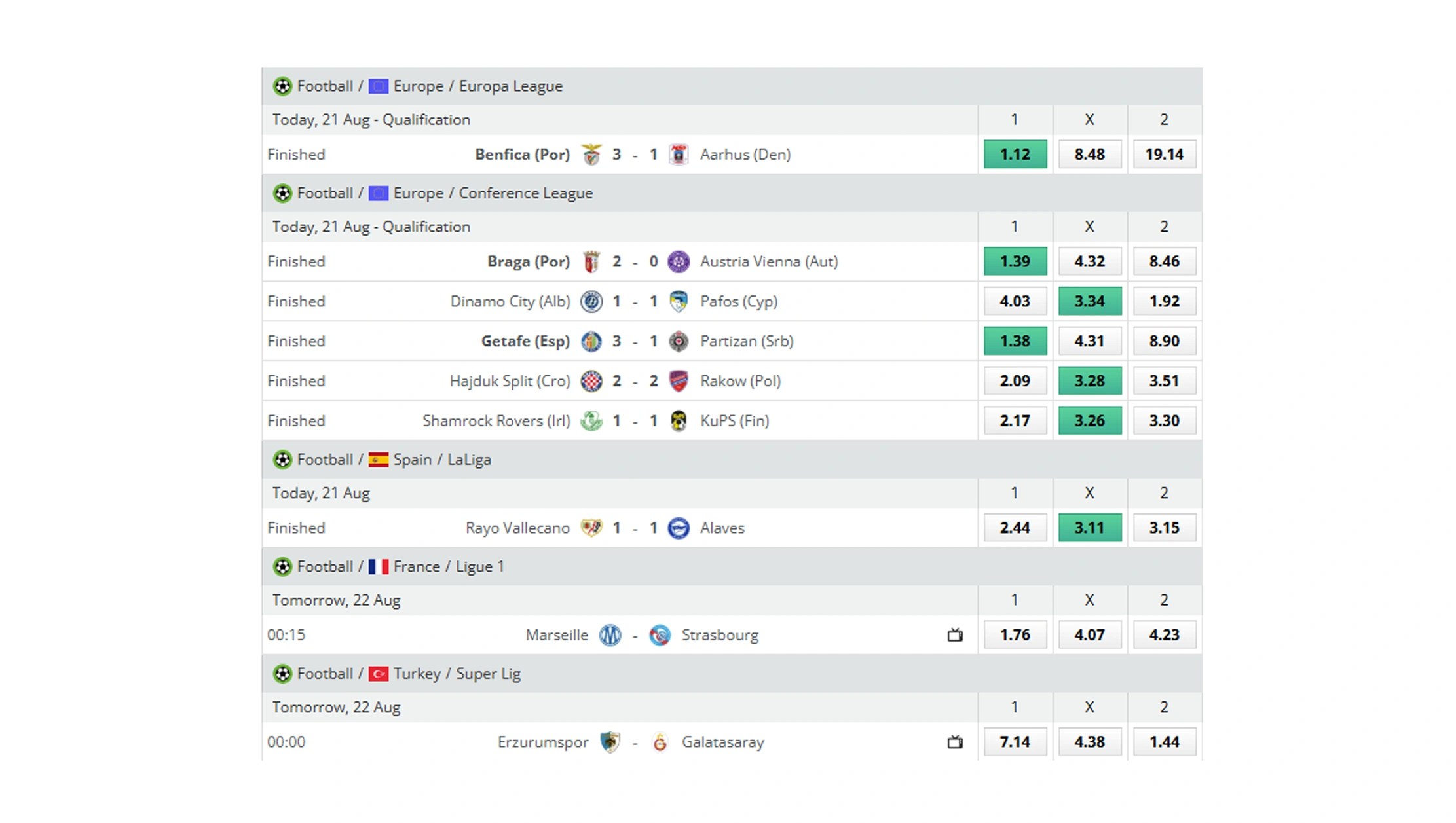
Businesses can scrape OddsPortal data for sports intelligence to create structured datasets around sporting events and market information. A well-designed dataset can include event names, leagues, participating teams, scheduled times, market categories, bookmaker information, odds observations, timestamps, and historical changes.
For sports-data companies, the advantage is the ability to compare information across multiple events and time periods. Instead of manually reviewing individual match pages, analysts can work from a centralized dataset and identify patterns across competitions.
For example, a sports research company may monitor odds movements before an event and compare those changes against historical matches. A data provider may track how frequently market values change during specific periods. A sports analytics team may combine market information with fixture and team datasets to build broader research models.
Real Data API Sports Intelligence Framework
The following figures are Real Data API index values, not actual OddsPortal statistics.
| Year | Sports Intelligence Index | Event Monitoring Index | Market Movement Index |
|---|---|---|---|
| 2020 | 100 | 100 | 100 |
| 2021 | 114 | 117 | 113 |
| 2022 | 131 | 136 | 129 |
| 2023 | 150 | 157 | 148 |
| 2024 | 172 | 181 | 169 |
| 2025 | 196 | 208 | 193 |
| 2026 | 224 | 238 | 219 |
The most useful datasets preserve timestamps. If the same event is observed multiple times, analysts can reconstruct how the market changed instead of relying on a final snapshot.
This can support dashboards, historical research, alert systems, and sports-market intelligence applications. The data can also be segmented by sport, competition, country, event type, or market category.
The goal is not simply to collect odds. It is to create a structured historical record that makes changing sports-market conditions easier to understand.
How Can Historical Betting Data Strengthen Sports Market Research?
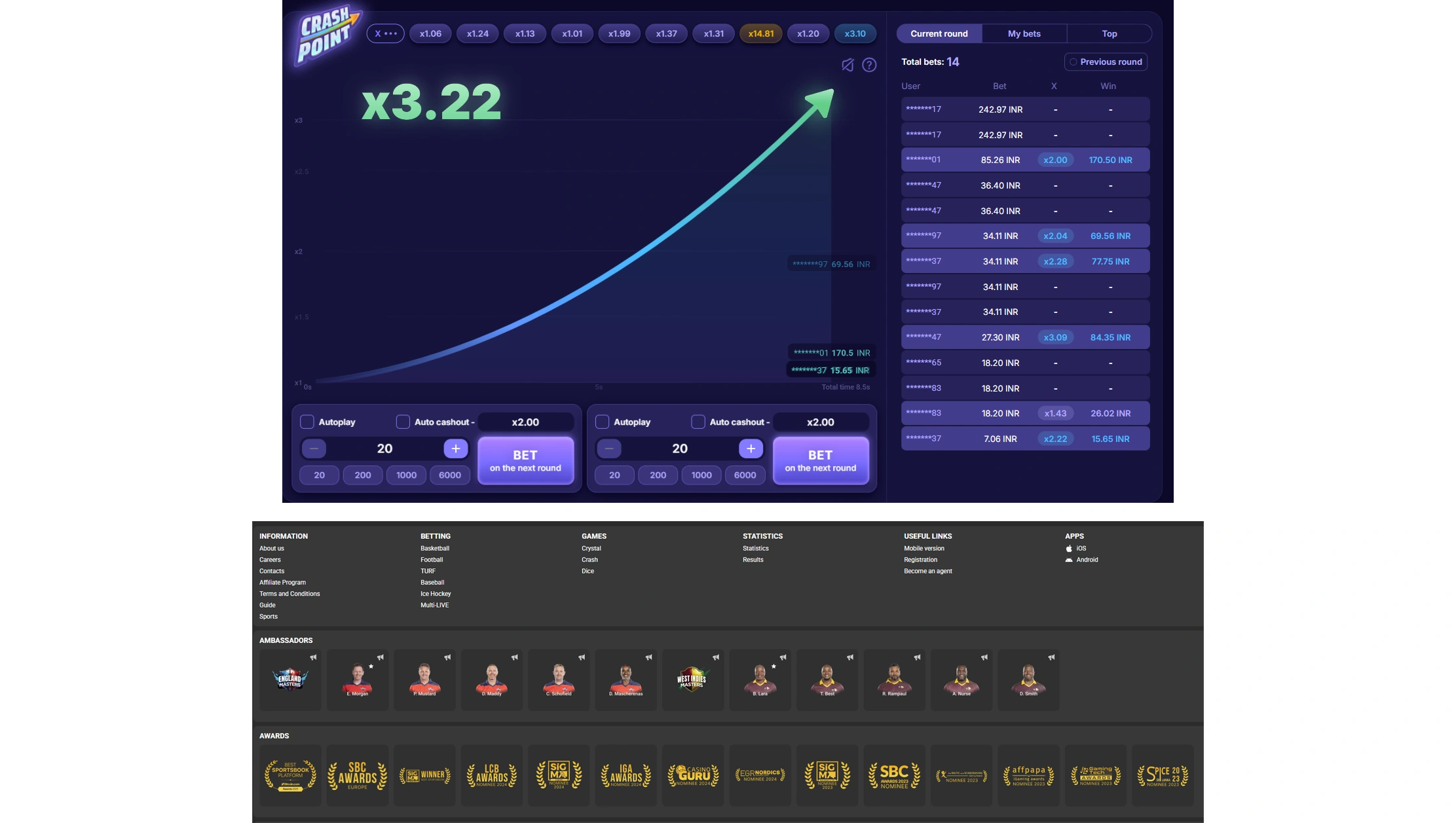
Businesses can extract OddsPortal betting data for sports market analysis to examine market behavior across events, competitions, and time periods.
A historical dataset can help analysts compare opening observations with later observations, measure the frequency of changes, and identify periods of higher market activity. This can be particularly useful for research teams studying sports-market dynamics.
Sports-market analysis should distinguish between raw observations and conclusions. An odds movement does not automatically explain why a market changed. Instead, it provides a signal that can be examined alongside event information, timing, competition, and other available datasets.
Real Data API Market Analysis Framework
The following values are analytical indexes, not verified OddsPortal market statistics.
| Year | Market Research Index | Historical Odds Index | Event Comparison Index |
|---|---|---|---|
| 2020 | 100 | 100 | 100 |
| 2021 | 112 | 115 | 114 |
| 2022 | 128 | 133 | 130 |
| 2023 | 146 | 153 | 148 |
| 2024 | 167 | 176 | 170 |
| 2025 | 190 | 201 | 194 |
| 2026 | 217 | 230 | 221 |
One practical application is market benchmarking. Analysts can group events by competition and compare market behavior across similar fixtures. Another is time-series research, where changes are measured at consistent intervals.
Sports-media companies can also use structured data to enrich research content. Data teams can provide historical market information to dashboards or editorial systems rather than requiring writers to manually locate individual records.
For data providers, structured collection can support customer-facing datasets. For research companies, it can improve reproducibility because the same fields and collection methodology can be applied repeatedly.
A strong sports-market dataset therefore needs consistency. Standardized team names, competition names, event timestamps, market categories, and bookmaker fields can make historical comparisons significantly easier.
How Can Structured Odds Data Support Sports Analytics?
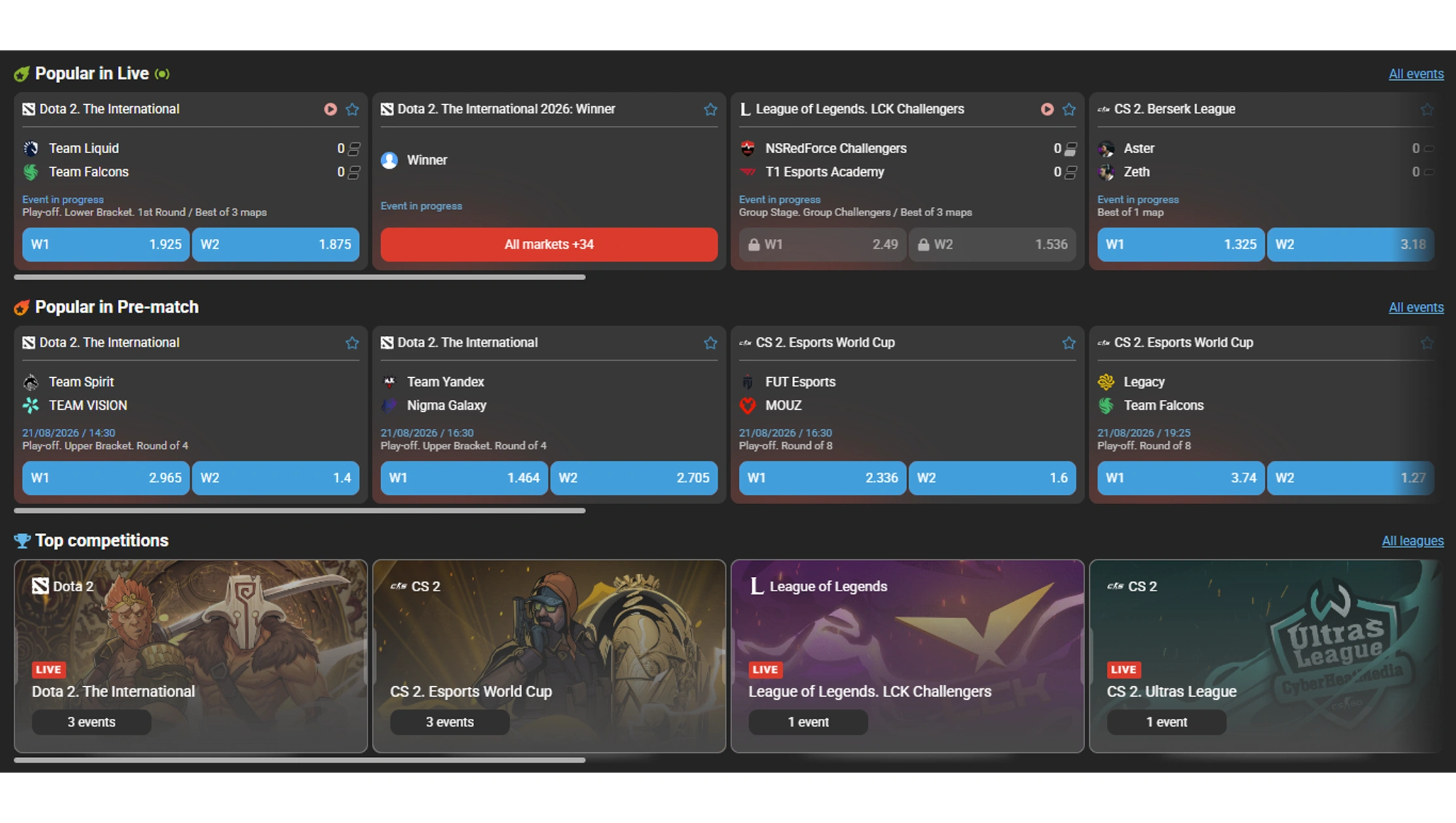
OddsPortal data scraping for sports analytics can help organizations connect market observations with broader sports datasets.
Sports analytics teams may already work with fixtures, scores, team performance, player statistics, league standings, and historical event information. Market data can provide another analytical dimension. When timestamps are preserved, analysts can examine how market conditions changed around important events.
The value is particularly strong when multiple data sources are normalized. Team names can vary across providers, while competition names may have different formats. A data-processing layer can standardize these fields before they enter analytical models.
Real Data API Sports Analytics Framework
The following is an Real Data API analytical framework, not verified OddsPortal data.
| Year | Sports Analytics Index | Historical Dataset Index | Data Integration Index |
|---|---|---|---|
| 2020 | 100 | 100 | 100 |
| 2021 | 116 | 119 | 115 |
| 2022 | 134 | 140 | 132 |
| 2023 | 153 | 164 | 151 |
| 2024 | 175 | 191 | 173 |
| 2025 | 199 | 221 | 198 |
| 2026 | 228 | 256 | 225 |
For example, an analyst could compare market observations with fixture timing or historical performance datasets. This does not establish causation, but it can support exploratory analysis and identify patterns worth investigating.
Sports analytics platforms can also use the data to create historical visualizations. A dashboard might show an event timeline, market observations, competition information, and other relevant variables.
Another benefit is reproducibility. When observations are stored with timestamps and source metadata, analysts can recreate the dataset used for a particular research project rather than depending on an ever-changing webpage.
For organizations working with large event volumes, automation can make this approach more practical. Data collection can be scheduled around event calendars and research priorities.
How Can Real-Time APIs Improve Sports Data Pipelines?
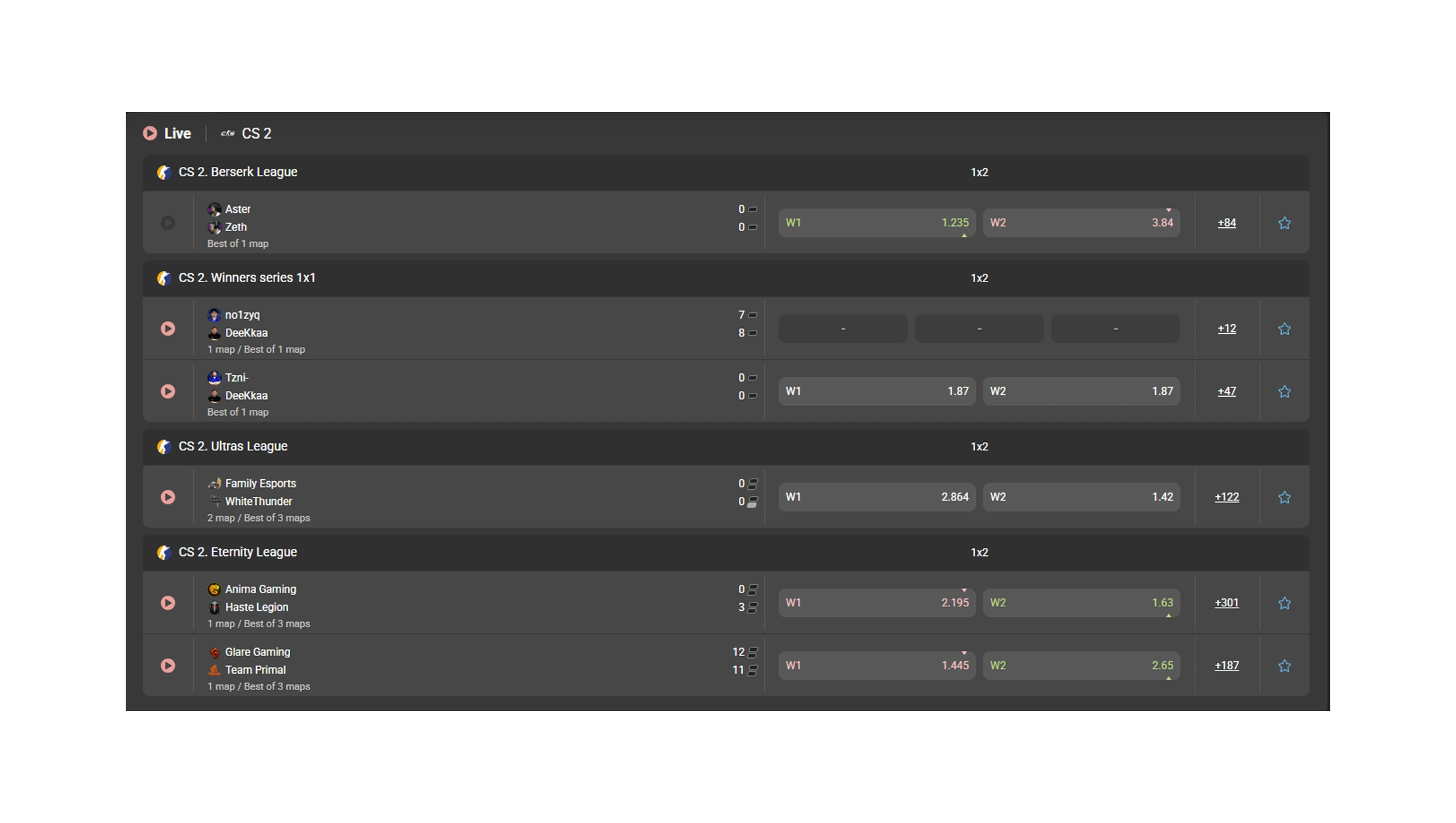
An OddsPortal API for real-time sports data extraction can provide an API-oriented architecture for collecting sports information and delivering it to databases, dashboards, analytical systems, or applications.
The main advantage of an API-based workflow is repeatability. Instead of manually collecting individual pages, a business can define the required data fields and collection schedule within a structured pipeline.
The exact availability and permitted use of any third-party API or website data depends on the provider, access method, subscription, and applicable terms. Businesses should therefore verify access permissions before implementing a production workflow.
Real Data API Real-Time Monitoring Framework
These are Real Data API analytical indexes, not actual OddsPortal statistics.
| Year | Real-Time Data Index | API Processing Index | Automated Monitoring Index |
|---|---|---|---|
| 2020 | 100 | 100 | 100 |
| 2021 | 117 | 120 | 116 |
| 2022 | 136 | 141 | 133 |
| 2023 | 156 | 165 | 152 |
| 2024 | 179 | 192 | 174 |
| 2025 | 204 | 223 | 199 |
| 2026 | 233 | 257 | 227 |
A scalable pipeline should include collection, validation, normalization, deduplication, storage, and delivery. Timestamps are especially important for real-time or near-real-time research because they establish when an observation was recorded.
Businesses can also create alert mechanisms. For example, a system may flag a significant change in an observed market value or notify analysts when a monitored event enters a specified time window.
The objective is to convert constantly changing online information into a stable analytical dataset.
How Can Web Scraping Services Support Sports Intelligence at Scale?
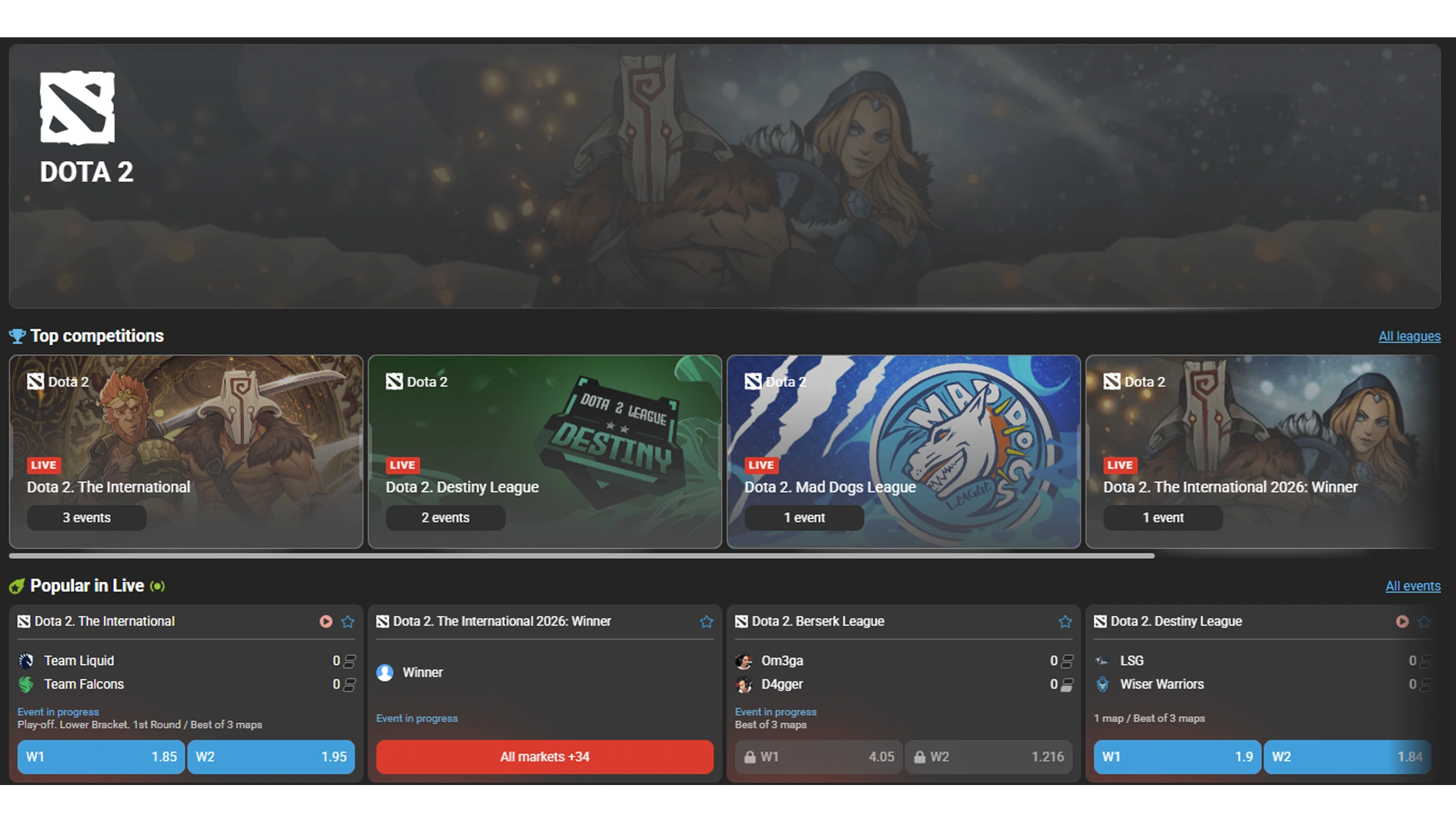
Web Scraping Services can provide the infrastructure needed to collect and process large volumes of publicly accessible web data according to a business's requirements and applicable source terms.
For sports intelligence teams, scalability is important because sports calendars can contain thousands of events across multiple competitions. Manual monitoring becomes increasingly inefficient as the number of events and data points increases.
A professional data workflow can automate recurring collection while applying consistent extraction and processing rules. This helps organizations maintain standardized datasets across different sports, leagues, and event types.
Real Data API Data Collection Framework
The following figures are Real Data API analytical indexes, not actual OddsPortal service statistics.
| Year | Web Data Collection Index | Event Coverage Index | Automated Processing Index |
|---|---|---|---|
| 2020 | 100 | 100 | 100 |
| 2021 | 115 | 118 | 116 |
| 2022 | 133 | 137 | 135 |
| 2023 | 152 | 158 | 154 |
| 2024 | 174 | 181 | 176 |
| 2025 | 198 | 207 | 201 |
| 2026 | 226 | 237 | 229 |
A scalable approach also needs error management. Websites can change page structures, data fields, or access behavior. Production workflows therefore benefit from validation rules, monitoring, logging, and exception handling.
Data quality is equally important. Duplicate events can distort counts, inconsistent naming can complicate comparisons, and missing timestamps can weaken historical analysis.
For sports-data companies, a structured collection service can therefore become a data layer between online sports information and downstream intelligence applications.
The emphasis should remain on responsible collection and compliance with applicable website terms, access controls, and legal requirements.
How Can Browser-Based Data Collection Support Dynamic Sports Information?
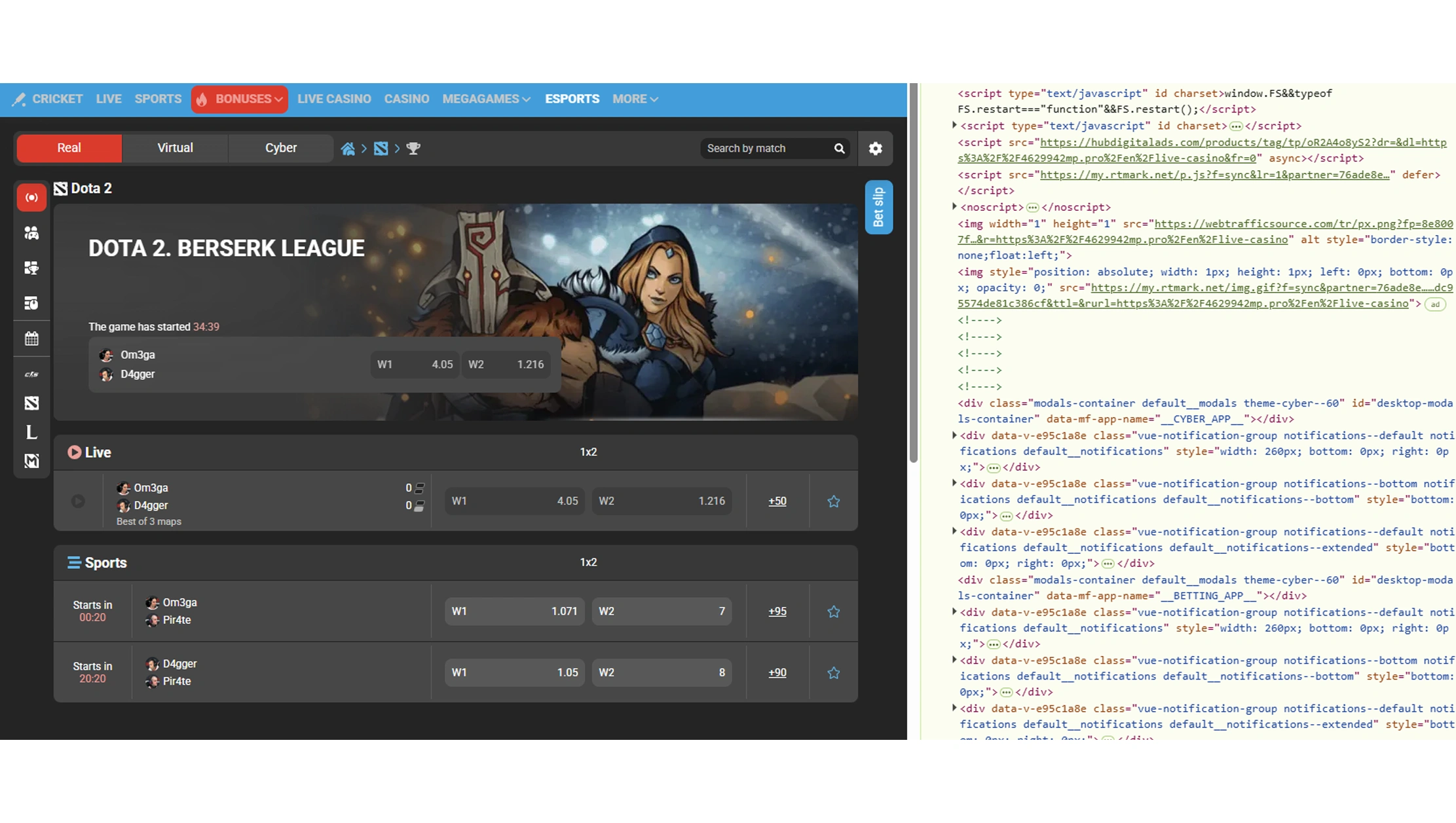
A Scraping Browser API can help data workflows interact with web environments where conventional requests may not be sufficient. Browser-based collection can be relevant when information depends on dynamic page rendering or client-side interactions.
For sports intelligence, this can matter because modern websites may dynamically load event information, market data, navigation elements, or other content. A browser-oriented workflow can be designed to retrieve the relevant publicly accessible information while maintaining appropriate technical controls.
Real Data API Browser Collection Framework
The following is an Real Data API analytical framework, not verified OddsPortal data.
| Year | Browser Collection Index | Dynamic Data Index | Processing Efficiency Index |
|---|---|---|---|
| 2020 | 100 | 100 | 100 |
| 2021 | 113 | 116 | 112 |
| 2022 | 129 | 134 | 128 |
| 2023 | 147 | 154 | 146 |
| 2024 | 168 | 177 | 166 |
| 2025 | 191 | 203 | 188 |
| 2026 | 218 | 232 | 213 |
Browser-based collection should not be viewed as a replacement for data engineering. It is one component of a larger architecture that includes extraction, validation, normalization, storage, and analysis.
For example, an event record could be collected through a browser environment, normalized into a standardized schema, stored with a timestamp, and then delivered to an analytics platform.
The resulting dataset can support historical research, event monitoring, market comparisons, and intelligence dashboards.
The most important consideration is reliability. Businesses should monitor collection failures and verify that changes in page structure have not affected the accuracy or completeness of the resulting dataset.
Why Choose Real Data API?
Real Data API can help organizations create structured data workflows for sports research, competitive intelligence, and market analysis. A successful implementation should focus on data quality, historical consistency, scalability, and downstream usability rather than raw collection volume.
Live Crawler Services can be useful for organizations that require recurring collection of changing web information. For sports intelligence teams, this can support scheduled event monitoring and historical data development.
real-time OddsPortal data extraction for sports intelligence can become more valuable when the collected observations are stored with timestamps and connected to additional sports datasets. This creates opportunities for trend analysis, event comparison, market research, and automated monitoring.
Real Data API can also help businesses build data pipelines that integrate with databases, dashboards, analytics platforms, and internal applications. A standardized dataset makes it easier for analysts and software systems to consume sports information consistently.
Businesses should define their required fields, collection frequency, sports coverage, historical requirements, and delivery format before developing the pipeline. They should also ensure that data collection complies with the relevant website terms, technical restrictions, and applicable laws.
The result can be a reusable sports-data infrastructure that turns continuously changing online information into structured intelligence.
Conclusion
real-time OddsPortal data extraction for sports intelligence can help businesses transform changing sports-market information into structured datasets for research, analytics, competitive intelligence, and monitoring.
The most important benefit is historical context. A single observation provides limited information, while timestamped observations collected repeatedly can reveal how market conditions change around events. When this information is combined with fixtures, teams, competitions, and other sports datasets, analysts can conduct deeper research.
Sports-data providers can use structured information to develop dashboards and datasets. Research teams can analyze historical market patterns. Media organizations can enrich sports intelligence workflows. Technology companies can integrate structured data into analytical applications.
The quality of the underlying pipeline determines the value of the final intelligence. Data should be timestamped, normalized, validated, deduplicated, and stored in a format suitable for future analysis. Automated monitoring can then identify meaningful changes without requiring analysts to manually inspect every event.
Real Data API can help businesses establish this type of structured data infrastructure while designing collection workflows around their specific research requirements and applicable source restrictions.
Partner with Real Data API to build scalable sports data workflows for market monitoring, analytics, research, and real-time intelligence!
Latest posts
Blinkit SKU Data Scraping: City-Wise & Dark-Store-Wise Multi-SKU Tracking
Walmart & Costco Grocery Category API: Pull Entire Departments in One Call
USA Grocery Category API: Product, Price & Availability by ZIP Code

How an Automated e-commerce web data scraper for businesses Prevents Stockout Errors and Competitor Pricing Gaps



.png)


