
Introduction
The global transportation ecosystem has become increasingly connected through digital platforms, enabling travelers, logistics providers, tourism companies, and mobility startups to make informed decisions using real-time travel intelligence. Businesses are rapidly adopting Transportation data analysis powered by Rome2Rio API to gain comprehensive visibility into multimodal transportation networks, including flights, trains, buses, ferries, rideshares, and driving routes. These insights support route optimization, travel cost analysis, customer experience enhancement, and strategic planning.
At the same time, Web Scraping Rome2Rio Data complements API-driven analytics by collecting publicly available travel information, route comparisons, transport operators, estimated durations, and pricing trends for large-scale market intelligence. Organizations can combine these datasets with internal business intelligence tools to forecast travel demand, monitor competitor offerings, optimize logistics, and improve tourism recommendations.
According to industry estimates, the global smart mobility market continues to expand rapidly as digital travel planning becomes standard across regions. Transportation APIs play a central role in helping travel businesses automate itinerary creation, improve pricing transparency, and deliver personalized travel experiences. By leveraging advanced transportation analytics, companies can identify emerging travel corridors, monitor seasonal fluctuations, and make evidence-based operational decisions.
This research report explores how Rome2Rio API data enables comprehensive transportation intelligence, discusses emerging industry trends, and highlights practical applications that help organizations build scalable, data-driven travel solutions.
Building Smarter Mobility Intelligence
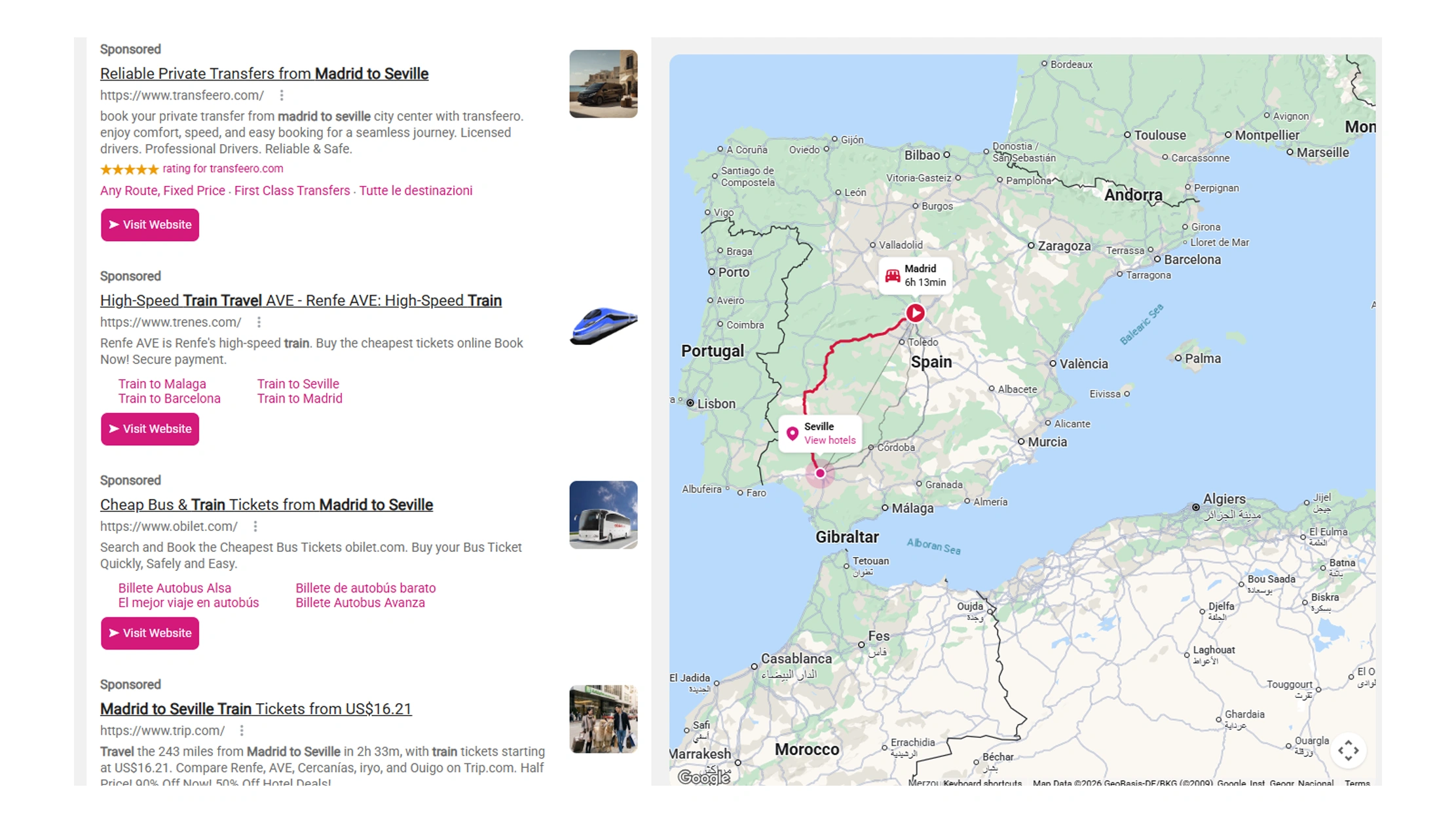
Modern transportation planning has shifted from static route recommendations to dynamic journey optimization supported by artificial intelligence, APIs, and real-time datasets. Organizations increasingly require integrated transportation intelligence capable of evaluating multiple travel modes simultaneously.
Businesses implementing Travel route optimization using Rome2Rio API can compare flights, trains, buses, ferries, taxis, and driving options within a single workflow. Instead of manually collecting transportation information from multiple providers, developers gain centralized access to comprehensive travel routes that improve planning efficiency.
Travel technology companies utilize these insights to:
- Compare multiple transportation options
- Estimate total travel duration
- Optimize travel costs
- Recommend faster journeys
- Improve customer satisfaction
- Build multimodal itinerary planners
- Analyze regional transportation accessibility
Transportation analytics also enable tourism boards and mobility companies to understand route popularity and identify underserved travel corridors. Historical transportation datasets help planners forecast seasonal demand while identifying infrastructure improvement opportunities.
Transportation Analytics Market Growth (2020-2026)
| Year | API-Based Travel Platforms (%) | Multimodal Journey Planning Adoption (%) | Mobility Analytics Investment (USD Billion) |
|---|---|---|---|
| 2020 | 32 | 28 | 8.9 |
| 2021 | 38 | 34 | 10.7 |
| 2022 | 45 | 42 | 12.9 |
| 2023 | 54 | 51 | 15.8 |
| 2024 | 63 | 60 | 18.6 |
| 2025* | 71 | 68 | 21.4 |
| 2026* | 78 | 76 | 24.9 |
*Projected estimates.
As transportation networks become increasingly interconnected, organizations investing in API-powered analytics gain greater visibility into travel behavior, operational performance, and regional mobility trends. These insights support more accurate decision-making across travel technology, logistics, and tourism sectors while enabling scalable digital mobility solutions.
Transforming Digital Journey Planning
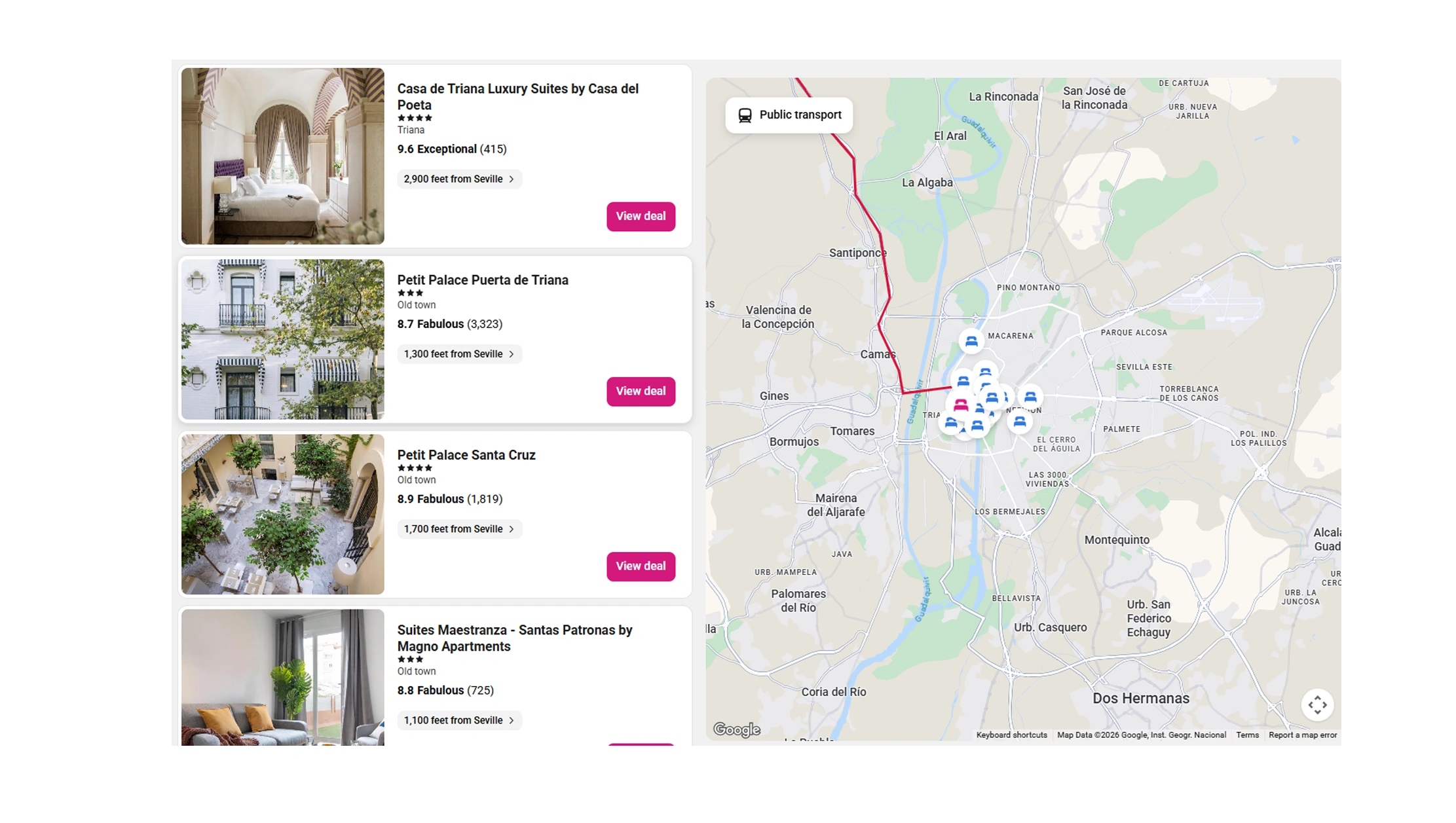
The evolution of digital travel platforms has created demand for intelligent systems capable of combining multiple transportation modes into seamless travel experiences. Consumers increasingly expect travel applications to provide complete route comparisons rather than isolated booking options.
Organizations that Scrape multimodal travel planning apps with Rome2Rio API gain access to rich transportation intelligence that supports journey planning, competitive benchmarking, and customer-centric service development. API-powered travel datasets allow businesses to evaluate transportation availability across cities, regions, and international destinations.
Major use cases include:
- End-to-end itinerary generation
- Airport connectivity analysis
- Regional transportation mapping
- Travel recommendation engines
- Smart tourism applications
- Cross-border mobility planning
- Destination accessibility studies
Travel platforms also analyze historical transportation data to understand evolving traveler preferences. Combining route availability with pricing patterns and estimated travel durations enables more accurate recommendation engines that improve conversion rates and user engagement.
Global Multimodal Transportation Trends (2020-2026)
| Year | Multimodal Travel Users (Million) | Digital Trip Planning Adoption (%) | API-Driven Travel Platforms (%) |
|---|---|---|---|
| 2020 | 620 | 36 | 27 |
| 2021 | 690 | 41 | 34 |
| 2022 | 770 | 48 | 42 |
| 2023 | 860 | 57 | 51 |
| 2024 | 950 | 65 | 59 |
| 2025* | 1,050 | 73 | 68 |
| 2026* | 1,170 | 81 | 76 |
*Projected estimates.
As multimodal transportation continues to expand globally, businesses benefit from integrating diverse travel datasets into unified analytics platforms. These capabilities enable organizations to identify high-demand routes, improve travel recommendations, optimize operational efficiency, and enhance customer satisfaction. API-driven transportation intelligence will remain a key competitive advantage for companies developing next-generation travel and mobility solutions.
Enabling Real-Time Transportation Intelligence

The transportation industry increasingly depends on live mobility data to improve operational efficiency, optimize journey recommendations, and respond quickly to changing travel conditions. Airlines, online travel agencies, logistics providers, tourism platforms, and mobility startups rely on continuously updated transportation datasets to enhance customer experiences and make informed business decisions. With Real-time transportation data scraping using Rome2Rio API, organizations can access comprehensive information about multiple transportation modes, including flights, trains, buses, ferries, and driving routes, within a unified ecosystem.
Real-time transportation intelligence enables businesses to monitor route availability, estimated travel durations, pricing fluctuations, service disruptions, and regional connectivity. By integrating this data into analytics platforms, organizations can automate itinerary generation, improve travel recommendations, and deliver dynamic routing solutions tailored to customer preferences.
Key business advantages include:
- Live route monitoring across transportation providers
- Dynamic itinerary recommendations
- Transportation network visualization
- Demand forecasting using historical and live data
- Regional accessibility analysis
- Smart city mobility planning
- Operational performance monitoring
These capabilities also support logistics companies by identifying faster transportation alternatives and reducing delivery delays. Tourism organizations can better understand traveler movement between destinations, while travel marketplaces gain the ability to recommend the most efficient travel combinations based on time, cost, and convenience.
Real-Time Transportation Analytics Growth (2020-2026)
| Year | Organizations Using Live Transportation Data (%) | API-Based Travel Analytics Adoption (%) | Smart Mobility Investment (USD Billion) |
|---|---|---|---|
| 2020 | 29 | 34 | 9.2 |
| 2021 | 36 | 41 | 11.3 |
| 2022 | 44 | 49 | 13.6 |
| 2023 | 53 | 58 | 16.4 |
| 2024 | 61 | 66 | 19.5 |
| 2025* | 69 | 73 | 22.7 |
| 2026* | 77 | 81 | 26.1 |
*Projected estimates.
Organizations investing in real-time transportation intelligence are better positioned to improve operational agility, enhance customer satisfaction, and optimize mobility services. As digital transportation ecosystems continue to evolve, real-time analytics will remain a critical component of data-driven travel platforms.
Automating Large-Scale Mobility Data Collection
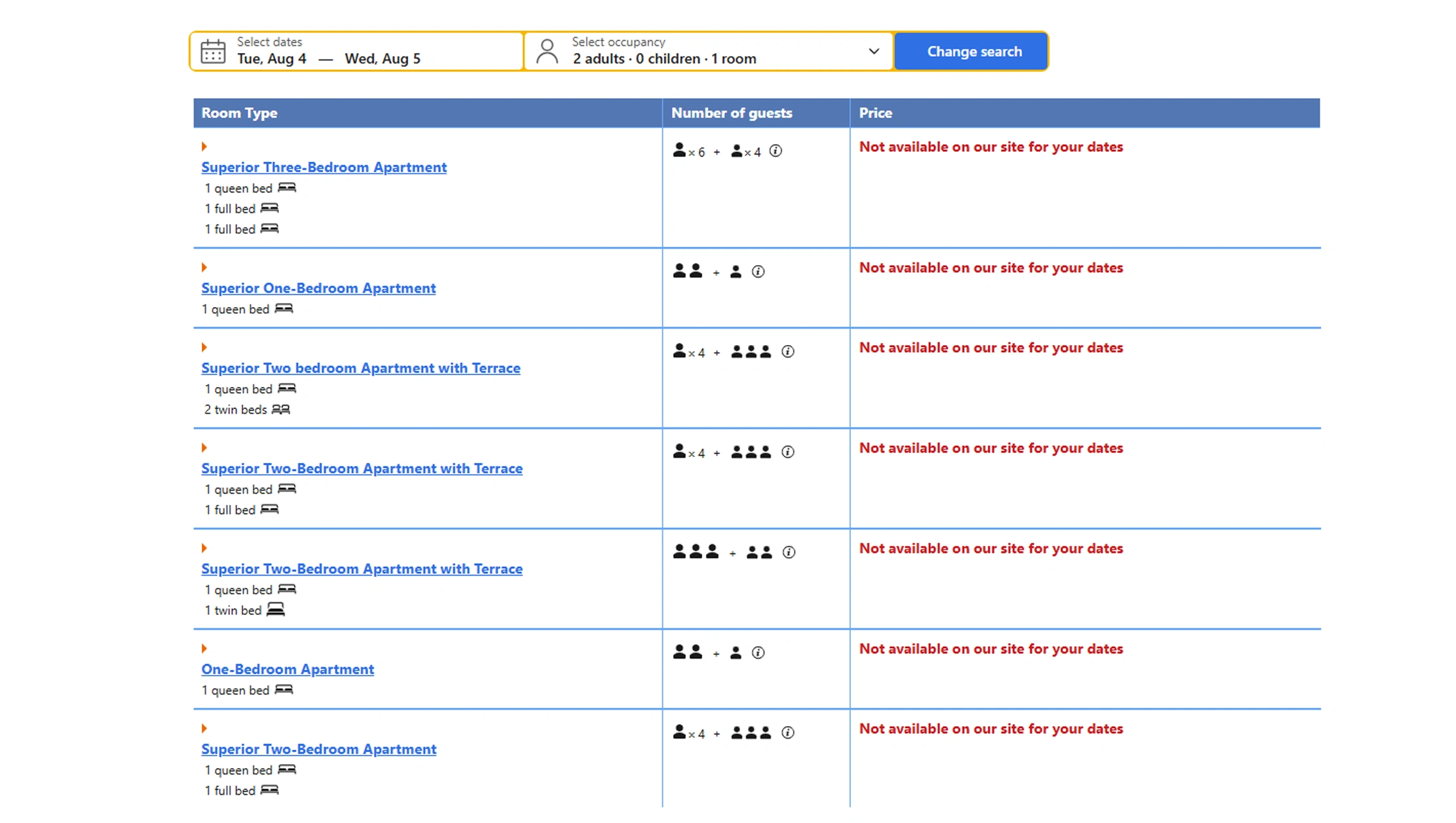
As transportation ecosystems become increasingly digital, organizations require scalable methods for collecting travel information from multiple providers. Automated transportation intelligence reduces manual effort while ensuring that businesses have consistent access to route, pricing, and connectivity data. A Rome2Rio Scraper enables organizations to gather structured transportation information for research, competitive analysis, and travel application development.
Automation supports travel businesses by consolidating transportation options into centralized databases for analytics and reporting. Companies can monitor changes in travel availability, identify emerging routes, and analyze transportation networks across different countries and regions.
Common applications include:
- Transportation route comparison
- Competitor benchmarking
- Regional travel accessibility studies
- Tourism market research
- Journey duration analysis
- Infrastructure planning
- Transportation demand forecasting
By integrating transportation datasets with business intelligence platforms, organizations gain deeper insights into customer behavior and mobility trends. Historical travel information also enables predictive modeling that helps businesses anticipate seasonal demand and optimize resource allocation.
Transportation Data Collection Trends (2020-2026)
| Year | Automated Data Collection Adoption (%) | Transportation Platforms Using APIs (%) | Global Travel Data Volume (Petabytes) |
|---|---|---|---|
| 2020 | 31 | 35 | 4.8 |
| 2021 | 39 | 43 | 5.9 |
| 2022 | 47 | 51 | 7.4 |
| 2023 | 56 | 60 | 9.2 |
| 2024 | 64 | 68 | 11.1 |
| 2025* | 72 | 75 | 13.4 |
| 2026* | 80 | 83 | 15.9 |
*Projected estimates.
Transportation data automation empowers businesses to transform large datasets into actionable intelligence. Organizations that adopt scalable data collection strategies can improve travel analytics, strengthen competitive positioning, and support smarter mobility planning across diverse markets.
Understanding Pricing Across Multimodal Networks

Pricing transparency has become one of the most influential factors in travel decision-making. Travelers increasingly compare transportation options across airlines, rail operators, buses, ferries, and rideshare services before selecting the most suitable journey. Businesses can leverage Multimodal Travel Price Scraping Via Rome2Rio API to analyze transportation pricing trends, compare regional travel costs, and improve pricing strategies.
Transportation price analytics provide valuable insights into seasonal fluctuations, route competitiveness, and traveler preferences. Online travel agencies can recommend cost-effective journeys, while tourism companies can evaluate destination affordability. Logistics providers also benefit from transportation pricing intelligence by identifying lower-cost routing alternatives without compromising delivery efficiency.
Important pricing analytics use cases include:
- Comparative fare analysis
- Seasonal travel demand monitoring
- Regional transportation affordability studies
- Budget travel recommendation engines
- Dynamic pricing research
- Transportation operator benchmarking
- Customer spending pattern analysis
Historical pricing data further supports long-term forecasting by identifying recurring market patterns. Businesses can use these insights to develop promotional strategies, optimize travel packages, and improve customer acquisition through competitive pricing recommendations.
Global Transportation Pricing Analytics (2020-2026)
| Year | Organizations Monitoring Travel Prices (%) | Dynamic Pricing Adoption (%) | Digital Travel Transactions (Billion) |
|---|---|---|---|
| 2020 | 33 | 29 | 1.6 |
| 2021 | 40 | 36 | 1.9 |
| 2022 | 48 | 44 | 2.3 |
| 2023 | 57 | 53 | 2.8 |
| 2024 | 65 | 61 | 3.3 |
| 2025* | 73 | 69 | 3.8 |
| 2026* | 81 | 77 | 4.4 |
*Projected estimates.
Comprehensive transportation pricing intelligence enables organizations to make informed decisions, improve travel recommendations, and develop competitive digital mobility solutions. As travelers continue to seek greater value and flexibility, pricing analytics will remain a vital element of transportation data strategy.
Creating Actionable Insights from Mobility Data
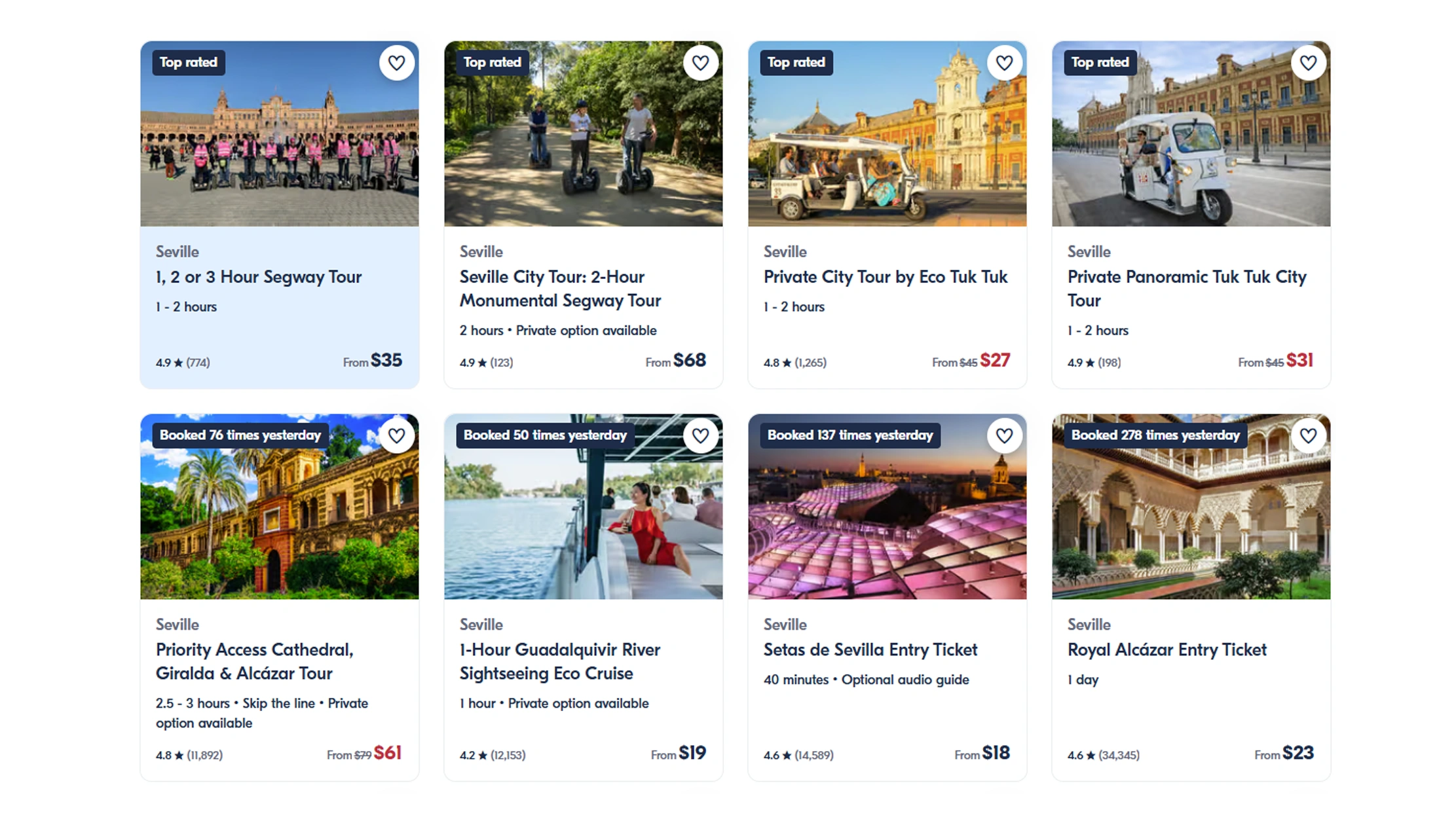
Transportation data has evolved into one of the most valuable assets for travel technology companies, tourism organizations, logistics providers, urban planners, and researchers. A well-structured Travel Dataset enables organizations to analyze travel demand, identify regional connectivity gaps, forecast transportation trends, and build intelligent mobility solutions. By consolidating multimodal transportation information into a unified dataset, businesses can improve decision-making and support long-term strategic planning.
Modern travel datasets include a wide variety of structured information, such as:
- Origin and destination locations
- Transportation modes
- Estimated travel durations
- Route alternatives
- Fare estimates
- Operator information
- Transit connections
- Geographic coverage
- Historical travel trends
- Accessibility metrics
When integrated with business intelligence platforms, these datasets help organizations discover travel patterns across cities, states, and countries. Tourism boards can identify popular destinations, while logistics companies optimize transportation routes based on historical performance and current demand.
Artificial intelligence and machine learning further enhance the value of transportation datasets by enabling predictive analytics. Businesses can forecast future travel demand, anticipate seasonal fluctuations, detect operational bottlenecks, and recommend optimized travel options. Government agencies can also leverage these datasets to improve infrastructure planning and public transportation services.
Global Transportation Dataset Adoption (2020-2026)
| Year | Organizations Using Travel Datasets (%) | AI-Based Transportation Analytics (%) | Mobility Intelligence Market (USD Billion) |
|---|---|---|---|
| 2020 | 34 | 22 | 10.4 |
| 2021 | 41 | 29 | 12.1 |
| 2022 | 49 | 37 | 14.5 |
| 2023 | 58 | 46 | 17.3 |
| 2024 | 66 | 55 | 20.6 |
| 2025* | 74 | 64 | 24.1 |
| 2026* | 82 | 73 | 28.4 |
*Projected estimates.
As organizations increasingly rely on mobility intelligence, comprehensive travel datasets become the foundation for innovation. Companies that invest in high-quality transportation data can improve operational efficiency, strengthen customer experiences, and develop next-generation travel applications that meet the evolving needs of global travelers.
Why Choose Real Data API?
Real Data API empowers businesses with scalable, accurate, and real-time transportation intelligence solutions that simplify data acquisition and analytics. Whether you are building a travel platform, developing a route optimization engine, conducting transportation research, or enhancing logistics operations, our APIs deliver structured and reliable mobility data designed for enterprise-scale applications.
With Transportation data analysis powered by Rome2Rio API, organizations can access valuable transportation insights across multiple travel modes while reducing manual data collection efforts. Our solutions support travel technology companies, tourism agencies, mobility startups, market researchers, and logistics providers with dependable datasets that accelerate innovation and improve business outcomes.
Real Data API offers:
- High-quality structured transportation data
- Scalable API integration
- Real-time and historical mobility intelligence
- Automated data collection workflows
- Enterprise-grade data delivery
- Flexible integration with BI and analytics platforms
- Reliable support for travel, tourism, and logistics applications
Our data solutions enable businesses to monitor transportation networks, optimize travel recommendations, analyze pricing trends, and generate actionable insights that drive strategic growth. By combining automation with advanced analytics, Real Data API helps organizations unlock the full potential of transportation intelligence.
Conclusion
Transportation ecosystems are becoming increasingly interconnected, creating new opportunities for organizations to leverage mobility intelligence for smarter decision-making. From route optimization and multimodal journey planning to transportation pricing analysis and demand forecasting, access to comprehensive travel data has become essential for building competitive digital travel solutions.
Businesses adopting Transportation data analysis powered by Rome2Rio API gain deeper visibility into transportation networks, enabling them to improve customer experiences, streamline logistics operations, enhance travel planning, and support data-driven business strategies. As digital mobility continues to evolve, transportation analytics will remain a critical driver of innovation across travel technology, tourism, smart cities, and logistics.
Organizations that invest in reliable transportation data today will be better prepared to respond to changing traveler expectations, emerging market trends, and future mobility challenges. By transforming transportation data into actionable intelligence, businesses can create more efficient, connected, and personalized travel experiences while maintaining a competitive advantage in the rapidly expanding mobility ecosystem.
Accelerate your transportation analytics with Real Data API. Contact us today to access reliable, scalable, and real-time mobility data solutions that empower smarter travel applications, optimize transportation planning, and unlock actionable business insights!
Latest posts

How to Track Global Anime Viewing Trends via Crunchyroll Data Scraping for Smarter Audience Insights?

How to Scrape streaming content trends using HBO Max data for Smarter Content Strategy?
Traveloka Data Scraping For Travel Price Intelligence - How To Monitor Price Changes, Discounts, And Travel Demand
How Bolt Food Data Scraping for Food Delivery Market Trends Helps Businesses Overcome Delivery Market Intelligence Challenges?






.png)