
Quick Summary
- Travel businesses face pricing inconsistencies, fluctuating airline fares, changing hotel rates, and fragmented competitor information. A Travel data scraping API for market intelligence helps organize travel information for better pricing analysis and competitive decisions.
- This report explores travel data collection, competitor monitoring, booking information, Travel Scraping API integration, and verified industry statistics from 2020–2026.
- It explains how structured travel datasets can support revenue management, market research, and pricing accuracy.
Introduction
Travel businesses operate in a highly competitive environment where airline fares, hotel room rates, availability, and booking conditions can change frequently. Comparing prices manually across multiple travel websites can create outdated reports, inconsistent comparisons, and missed competitive opportunities. A Travel data scraping API for market intelligence helps businesses collect, organize, and analyze permitted travel information to improve pricing visibility and market research.
Travel companies need more than isolated price observations. They require structured information covering flight routes, departure dates, hotel locations, room categories, cancellation conditions, taxes, fees, and availability. Comparing equivalent travel products is essential because two offers may have different baggage allowances, room facilities, refund policies, or booking conditions.
A Travel Scraping API can support this process by delivering collected information in structured formats that businesses can connect with analytics platforms, databases, and reporting systems. Depending on source access and integration capabilities, these systems can help travel agencies, online travel agencies (OTAs), hotel groups, and metasearch businesses monitor competitors and understand market movements.
This report examines how automated travel data collection can address inaccurate pricing information, fragmented competitor research, and limited visibility into changing travel market conditions.
How Can Travel Businesses Improve Pricing Accuracy Across Multiple Websites?
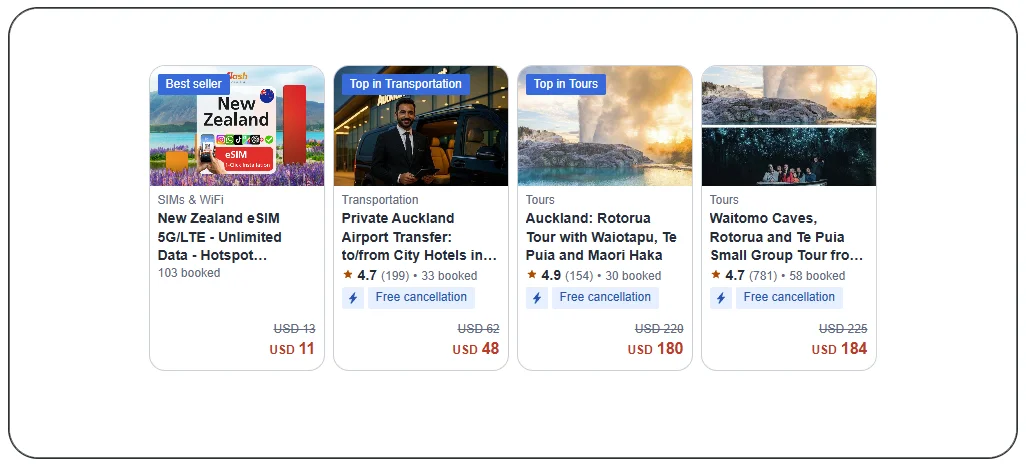
Travel businesses often compare flight and hotel prices across several booking platforms to understand competitor positioning. However, manually collecting this information can introduce inconsistencies. Prices may be recorded at different times, displayed in different currencies, or associated with different booking conditions.
A Travel website web data scraper can help collect permitted information from travel websites and organize it into standardized records. Businesses can use these records to compare equivalent routes, travel dates, accommodation types, and booking conditions.
For example, airline fare comparisons should account for departure dates, passenger counts, cabin classes, baggage allowances, and fare restrictions. Hotel comparisons should consider room types, occupancy, meal plans, cancellation policies, taxes, and additional fees. Comparing only the headline price can produce misleading conclusions.
A structured collection process should capture the following information:
- Airline name, origin, destination, and flight date.
- Departure and arrival times.
- Fare type, cabin class, and baggage information.
- Hotel name, location, room category, and occupancy.
- Displayed room price, taxes, and additional charges.
- Availability and booking conditions.
- Currency and collection timestamp.
A Travel data scraping API for market intelligence can help consolidate these observations into a common data structure, making comparisons easier for pricing analysts and revenue managers.
How has travel demand changed between 2020 and 2026?
The following figures demonstrate why travel businesses need reliable market information. The international arrival figures are reported by UN Tourism, while the 2026 figure represents a separate European accommodation-booking indicator from Eurostat.
| Year | Verified travel industry indicator | Reported result |
|---|---|---|
| 2020 | International tourist arrivals worldwide | 409 million |
| 2021 | International tourist arrivals worldwide | 462 million |
| 2022 | International tourist arrivals worldwide | 979 million |
| 2023 | International tourist arrivals worldwide | 1.3 billion |
| 2024 | International tourist arrivals worldwide | 1.465 billion |
| 2025 | International tourist arrivals worldwide | 1.523 billion |
| 2026 | EU online-platform accommodation guest nights, Q1 | 144.3 million |
Sources: UN Tourism January 2026 factsheet and Eurostat Q1 2026 report. These are different indicators; the 2026 accommodation figure is not directly comparable with international tourist arrivals. The 2025 arrivals figure is provisional.
These figures show the scale of travel recovery and continuing demand. They also highlight why historical comparisons matter. Travel companies should distinguish between seasonal changes, demand recovery, capacity constraints, and genuine competitor pricing adjustments.
For better accuracy, every collected observation should have a timestamp, source reference, currency, and clearly defined product attributes. This prevents analysts from comparing outdated or non-equivalent offers.
Why Do Travel Companies Need Better Competitor Monitoring?
Competitor monitoring helps travel businesses understand how other companies position their flights, hotel packages, and accommodation offerings. Without consistent market information, pricing teams may rely on incomplete observations or outdated spreadsheets.
Travel competitor data collection services can help businesses organize permitted competitor information across relevant travel websites and booking channels. This information can support market comparisons, pricing research, promotional analysis, and strategic planning.
For airline businesses, competitor research may involve comparing fares for identical origin-destination pairs and departure dates. For hotels, analysts may examine room rates, occupancy conditions, cancellation policies, and included facilities. Travel agencies can also compare package inclusions and service fees.
Which competitor indicators should businesses monitor?
| Competitor information | Why it matters |
|---|---|
| Airline base fares | Helps understand advertised fare positioning |
| Taxes and surcharges | Supports more accurate total-price comparisons |
| Hotel room rates | Helps evaluate accommodation pricing |
| Room availability | Identifies observable inventory changes |
| Cancellation conditions | Distinguishes flexible and non-refundable offers |
| Promotional discounts | Helps assess competitor campaigns |
| Flight schedules | Supports route-level competitive research |
| Package inclusions | Helps compare the actual value of travel offers |
IATA's full-year 2025 report recorded a 5.3% increase in global passenger demand, measured in revenue passenger kilometres (RPK), compared with 2024. Capacity increased by 5.2%, while the passenger load factor reached 83.6%.
These figures are relevant to competitive research because airline pricing operates within a changing demand and capacity environment. However, passenger demand growth does not automatically indicate that every airline increased its fares.
Businesses should combine competitor observations with route-level and date-level information. A fare comparison should match the same travel dates, passenger numbers, cabin classes, baggage entitlements, and fare conditions wherever possible.
For hotel comparisons, the same principle applies to room occupancy, accommodation category, meal inclusions, cancellation terms, and taxes.
Competitor monitoring should also distinguish between a temporary promotion and a sustained pricing strategy. Recording historical observations allows analysts to understand whether a competitor's displayed price is an isolated change or part of a broader pattern.
This approach helps travel businesses avoid reactive price adjustments based on incomplete information. It also gives management teams a stronger foundation for evaluating pricing decisions, promotional campaigns, and competitive positioning.
How Can Booking Information Help Travel Companies Identify Pricing Errors?
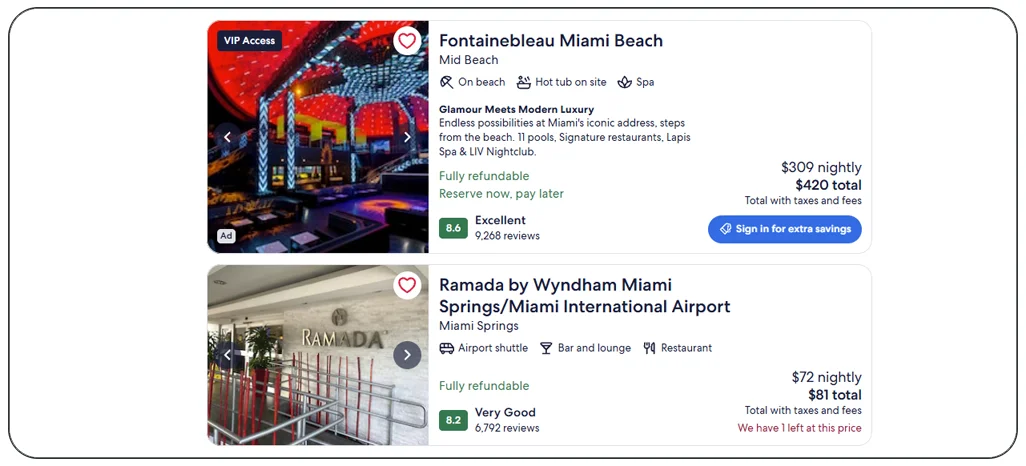
Travel booking information contains several attributes that influence the final amount paid by customers. A displayed airline fare or hotel room rate may not represent the complete booking cost. Taxes, service fees, baggage charges, room occupancy, cancellation conditions, and other inclusions can affect the final comparison.
A business that wants to Extract travel booking data should therefore collect more than headline prices. It should organize the information required to understand the actual conditions attached to each travel offer.
What booking information should be collected?
For flights, important fields include:
- Origin and destination airports.
- Departure and arrival dates and times.
- Airline and flight numbers.
- Cabin class and fare family.
- Passenger count.
- Baggage allowance.
- Fare amount, taxes, and additional charges.
- Refund and change conditions.
For hotels, useful fields include:
- Property name and destination.
- Check-in and check-out dates.
- Number of guests and rooms.
- Room type and occupancy.
- Nightly rate and total stay price.
- Taxes and additional fees.
- Meal plans and cancellation policies.
- Availability status.
A Travel data scraping API for market intelligence can help standardize these fields so analysts can compare offers more consistently.
Why did travel market conditions require better data visibility?
The pandemic created significant changes in international travel activity. UN Tourism reported approximately 409 million international tourist arrivals in 2020, compared with 1.465 billion in 2019. Arrivals then recovered to approximately 462 million in 2021 and 979 million in 2022.
The recovery continued in subsequent years.
International tourism recovery
Global international tourist arrivals, millions. 2025 is provisional.
*2025 provisional. Source: UN Tourism January 2026 factsheet.
pre-webunwto.s3.eu-west-1.amazonaws.com
The sharp decline and subsequent recovery demonstrate why historical travel observations need context. A pricing analyst examining a route or destination should account for changes in travel demand and the time period being studied.
Booking data can also reveal inconsistencies between headline prices and total costs. For example, a comparison that excludes baggage fees for one airline but includes them for another does not provide an equivalent fare comparison.
A practical validation process should check currency consistency, date accuracy, passenger counts, product matching, and fee inclusion. Missing information should be flagged instead of being treated as zero.
Looking to improve travel pricing accuracy and competitor visibility? Explore structured travel data solutions with Real Data API.
Get Insights Now!How Can Integrated Booking Information Support Travel Technology Platforms?
Travel businesses increasingly depend on connected systems to manage pricing research, booking information, customer experiences, and operational reporting. When information is collected from different sources, inconsistent formats can make it difficult to combine records or analyze market conditions.
A Travel booking data API can provide a structured delivery layer for permitted travel information. It allows applications to retrieve standardized records and use them in internal databases, dashboards, analytics platforms, and other business systems.
What are the advantages of structured integration?
Centralized information management: Businesses can bring flight, hotel, and booking observations into a common data environment instead of maintaining disconnected spreadsheets.
Consistent pricing comparisons: Standardized currency, travel dates, passenger details, room categories, and fee information make comparisons more reliable.
Historical analysis: Timestamped observations help pricing teams understand how displayed rates and availability change over time.
Improved reporting: Travel companies can connect structured information with business intelligence applications to prepare route comparisons, destination reports, and hotel pricing summaries.
Operational efficiency: Automated data delivery can reduce repetitive manual data entry and support more consistent research workflows.
Which technical components should businesses evaluate?
| Component | Business purpose |
|---|---|
| API endpoints | Retrieve relevant structured information |
| Authentication | Control authorized system access |
| Data schema | Maintain consistent field definitions |
| Timestamps | Establish when information was collected |
| Error handling | Identify failed or incomplete requests |
| Update schedules | Define collection and delivery frequency |
| Data validation | Identify missing and inconsistent records |
| Historical storage | Support trend and price-change analysis |
Businesses should also understand the difference between an independent data integration and an official supplier API. For example, Amadeus for Developers publishes documentation for flight and hotel-related APIs, including flight offers search and hotel search capabilities. These are examples of supplier-provided travel data services, not evidence that every third-party booking website permits unrestricted data extraction.
A suitable integration strategy should identify the original source, the permitted access method, the available data fields, and any restrictions on reuse.
For travel agencies and OTAs, the goal is to make information accessible without compromising consistency or traceability. A well-designed integration can help teams move from fragmented research records to structured reporting that supports commercial decisions.
How Does Automated Collection Improve Travel Market Research?
Travel market research requires information from multiple sources, destinations, routes, and booking periods. Manual collection can become difficult when analysts need to compare a large number of travel products or maintain historical records.
Travel Data Scraping refers to the process of collecting relevant information from accessible digital sources and converting it into structured datasets. When performed through permitted access methods, it can support research into airline pricing, accommodation rates, booking conditions, availability, and travel market trends.
A Travel data scraping API for market intelligence can connect the collection process with data processing and delivery systems, allowing businesses to use the resulting information in their research workflows.
What challenges can automated collection address?
Fragmented source information: Different travel websites may display similar information using different formats. Standardization helps make records easier to compare.
Frequent price changes: Travel prices can change between observations. Timestamped collection helps analysts distinguish current information from historical records.
Duplicate travel products: Similar flight or hotel offers may appear across multiple platforms. Matching identifiers and product attributes helps reduce duplicate comparisons.
Incomplete booking details: A displayed price may exclude taxes or other charges. Validation rules can flag missing pricing components.
Large-scale research requirements: Businesses monitoring multiple routes and destinations need consistent collection and storage processes.
What do accommodation booking trends reveal?
Eurostat provides useful evidence of the increasing importance of online accommodation platforms. Its data on short-stay guest nights booked through online platforms shows the following EU figures.
| Year | EU guest nights booked through online platforms |
|---|---|
| 2020 | 261 million |
| 2021 | 352 million |
| 2022 | 577 million |
| 2023 | 697 million |
| 2024 | 832 million |
| 2025 | 952 million |
| 2026 Q1 | 144.3 million |
Source: Eurostat. The 2020–2025 figures are annual data, while the 2026 figure covers only the first quarter. The 2026 figure is therefore not a full-year comparison. The 2025 series reflects three platforms reporting to Eurostat.
These figures demonstrate the growing scale of accommodation bookings through online platforms. They do not directly measure scraping activity or prove that all accommodation bookings occur through these channels.
For market researchers, the data provides a reason to study online accommodation pricing and availability more systematically. Businesses can use collected observations to compare destination-level prices, seasonal changes, room categories, and booking conditions.
A strong collection workflow should include source validation, product matching, duplicate detection, timestamp management, and regular quality checks. It should also respect website terms, applicable privacy rules, and access restrictions.
How Can Structured Market Information Improve Travel Business Decisions?
Travel businesses generate and consume different types of information across booking platforms, airlines, hotels, travel agencies, and destination management organizations. However, information becomes useful only when it is organized around specific business questions.
Travel Datasets can provide structured collections of flight information, hotel prices, availability observations, destination attributes, and competitor listings. Depending on the source and permitted fields, these datasets can support commercial research and analytical applications.
Which datasets are useful for travel businesses?
| Dataset category | Important information | Business application |
|---|---|---|
| Airline fare dataset | Routes, fares, cabin classes, travel dates | Fare comparison |
| Flight availability dataset | Flight schedules and availability observations | Route research |
| Hotel pricing dataset | Room rates, occupancy, taxes | Hotel benchmarking |
| Hotel availability dataset | Room categories and availability status | Inventory research |
| Competitor dataset | Comparable travel offers and promotions | Competitive analysis |
| Destination dataset | Location and accommodation information | Destination research |
| Historical pricing dataset | Timestamped price observations | Trend analysis |
| Booking conditions dataset | Refunds, baggage, and inclusions | Offer comparison |
How should businesses use these datasets?
For revenue management: Pricing teams can study historical price observations and competitor positioning to evaluate their pricing decisions.
For travel agencies: Agencies can examine comparable flight and hotel offers to understand how their available products are positioned.
For hotel groups: Accommodation businesses can study room rates, destination-level competition, and booking conditions.
For online travel platforms: OTAs can use structured information to support product comparison, search intelligence, and market research.
For market research companies: Analysts can examine long-term changes in travel demand, pricing, and accommodation availability.
The choice of dataset should depend on the research objective. A business studying airline fares needs route, travel date, passenger, and fare-condition information. A hotel group needs room category, occupancy, stay dates, and total-price information.
Data quality should remain a priority. Each record should include a source reference and observation timestamp where available. Analysts should also distinguish between advertised prices, final booking prices, and historical observations.
This makes the resulting information more useful for business intelligence and reduces the risk of making decisions based on incomplete or mismatched travel offers.
Why Choose Real Data API?
Travel businesses need dependable data collection and integration processes to understand changing market conditions. Real Data API focuses on the importance of structured information, consistent data delivery, and actionable market research.
The right data solution should support the following requirements:
- Relevant data coverage: Collect information aligned with the business's target destinations, routes, accommodation categories, and research objectives.
- Structured data delivery: Organize travel information into consistent fields for easier integration.
- Pricing intelligence: Support comparisons of displayed fares, room rates, and additional charges.
- Competitor research: Help businesses organize comparable travel offers from permitted sources.
- Data validation: Identify duplicate records, missing values, and inconsistent product attributes.
- Historical monitoring: Maintain timestamped observations for evaluating market changes.
- Flexible integration: Deliver information in formats suitable for databases, analytics tools, and reporting applications.
What business applications can these solutions support?
Travel Scraping API Use Cases include airline fare benchmarking, hotel price comparison, destination research, competitor offer monitoring, booking-condition analysis, and travel market trend assessment.
The value of these applications depends on the quality of the underlying information. Businesses should prioritize comparable products, reliable source attribution, clear collection schedules, and transparent data limitations.
A well-organized data solution can help travel agencies, hotel groups, OTAs, and market research teams reduce repetitive information collection and improve the consistency of their analysis.
For organizations evaluating new travel intelligence capabilities, Real Data API can help explore suitable data collection and integration requirements based on their business objectives.
Conclusion
Travel businesses need accurate, structured, and timely information to compete in an industry where airline fares, hotel rates, and booking conditions continue to change. Manual research and inconsistent competitor comparisons can make pricing decisions less reliable.
A Travel data scraping API for market intelligence can help businesses organize permitted travel information, monitor competitor offers, compare booking conditions, and analyze historical pricing trends. Combining flight information, hotel rates, availability observations, and competitor data creates a stronger foundation for market research and business intelligence.
For travel agencies, OTAs, airlines, hotel groups, and market research companies, structured data can improve pricing visibility and support more informed commercial strategies.
Ready to improve your travel market intelligence? Contact Real Data API to explore customized travel data collection, competitor monitoring, and structured dataset solutions for your business!
FAQs
1. How does a Travel data scraping API for market intelligence help travel businesses?
It collects and organizes permitted travel information, helping businesses compare fares, monitor competitors, analyze hotel prices, and make informed pricing decisions using structured market observations.
2. What information can businesses collect through a Travel Scraping API?
Businesses can collect flight schedules, airline fares, hotel rates, room availability, booking conditions, destination information, and competitor offers, depending on source permissions and accessibility.
3. Why use a Travel website web data scraper?
A scraper automates permitted information collection from accessible travel websites, helping businesses organize product details, compare prices, reduce repetitive research, and maintain historical observations.
4. How do Travel competitor data collection services improve pricing strategies?
They organize competitor fares, hotel rates, promotional offers, and booking conditions, helping travel companies evaluate market positioning and make more informed pricing decisions.
5. Can businesses Extract travel booking data for market research?
Yes. Real Data API can help businesses explore structured travel booking information for competitor comparisons, historical analysis, pricing research, and travel market intelligence.



.png)


