Introduction
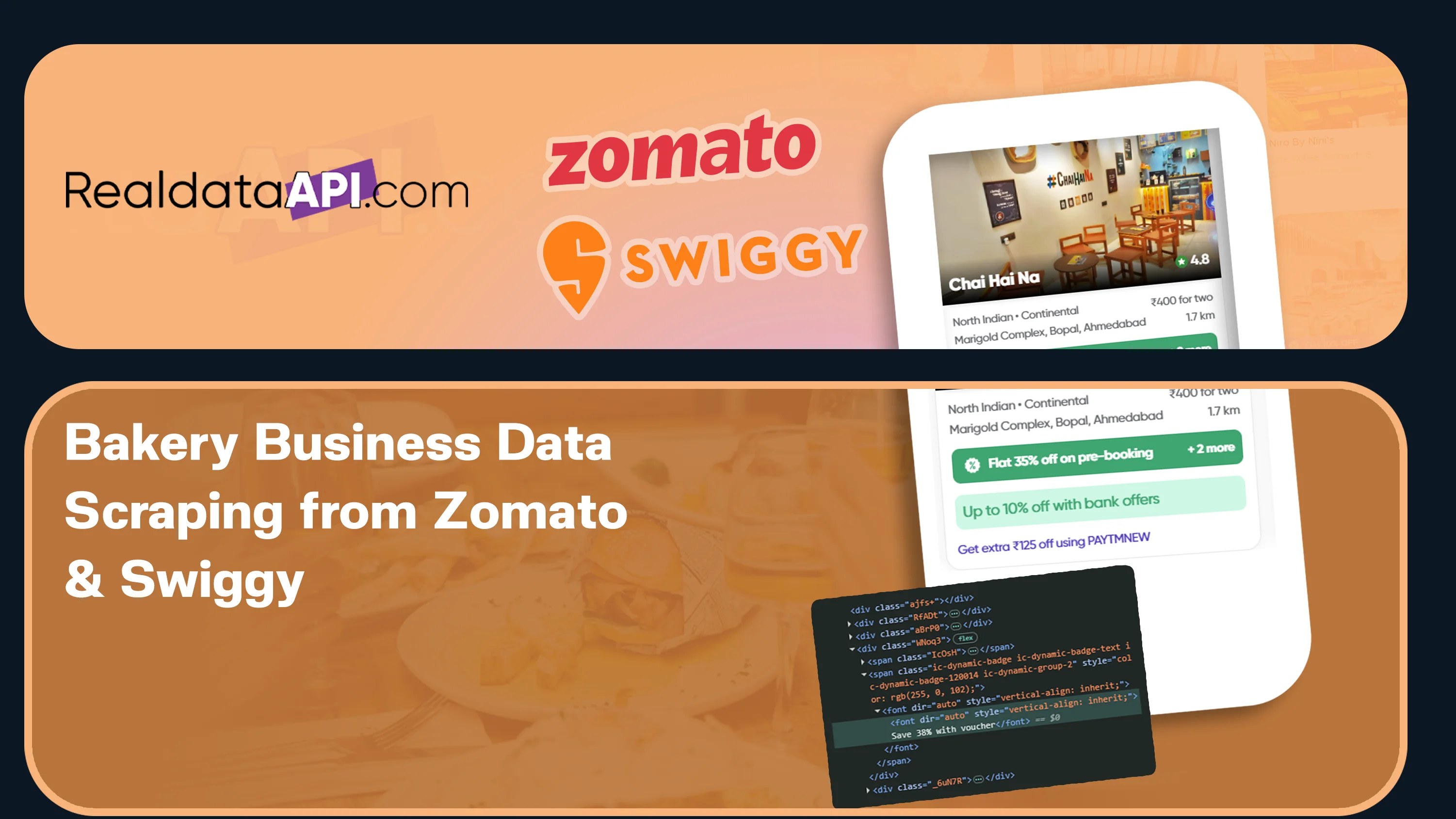
Bakeries are one of the most active and fragmented parts of the food business. A single city can have thousands of them: neighbourhood bakeries, premium patisseries, cake studios, home bakers who sell online and chains with dozens of outlets. For suppliers of flour, chocolate, cream, packaging and ovens, this is a large and valuable market. For analysts and franchise planners, it is a good window into local consumer taste. Yet there is no clean, current directory. This is where bakery data scraping from Zomato and Swiggy helps.
In this guide, we explain what data can be extracted for bakeries, how scraping is structured, what makes this category different from regular restaurants and how companies use the resulting dataset. For a broader overview of Zomato and Swiggy restaurant data scraping, including restaurant profiles, menus and offers, see the related guide.
Why Zomato And Swiggy For Bakery Data?
Both platforms list bakeries as a distinct category, and most serious bakeries and cake shops in Indian cities are present on one or both because delivery is now a large part of their sales. The platforms offer a detailed view of:
- Which bakeries exist in each locality
- How they position themselves, such as eggless, vegan, custom cakes or artisan breads
- How customers rate them
- Their price range and signature items
- Whether they deliver, offer dine-in or both
Compared with a plain map listing, these platforms show menu and rating context that helps you judge the size and quality of a bakery.
What Counts As A Bakery In The Data?
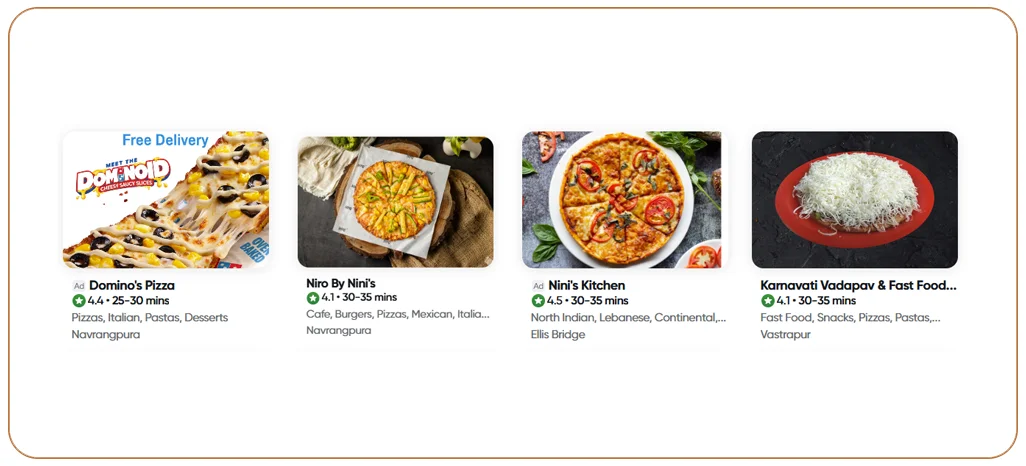
The bakery category is broader than it seems. A useful dataset typically includes:
- Traditional bakeries selling breads, buns, biscuits and puffs
- Cake shops and cake studios, including custom and celebration cakes
- Patisseries and dessert cafes
- Cloud bakeries that operate only for delivery
- Chain outlets such as large bakery brands
- Home-baker brands operating through delivery platforms
Each type has different needs and different purchasing patterns, so classification is part of the project.
Data Fields To Extract
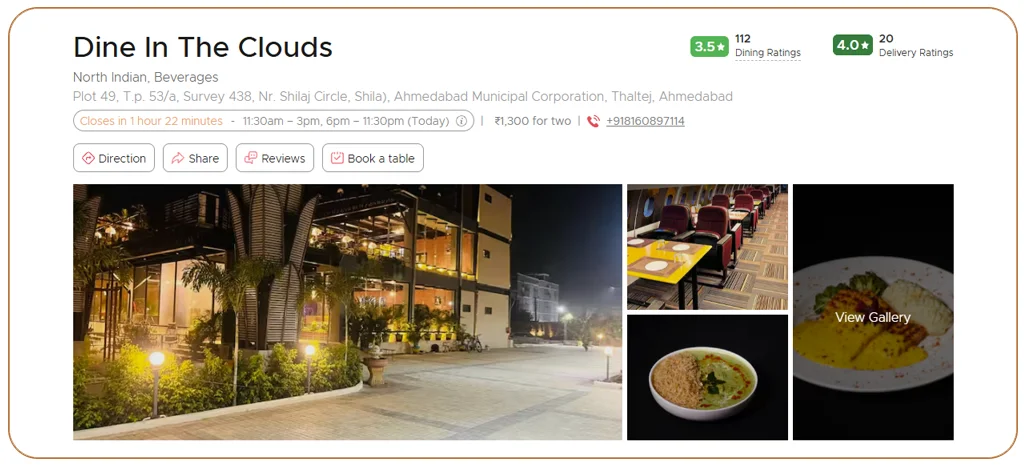
Business information: bakery name, brand name, outlet address, locality, city, pincode, coordinates, phone number where public, opening hours and dine-in or delivery flags.
Category and positioning: cuisine tags, bakery sub-type, eggless or vegan labels, and chain or independent status.
Ratings and popularity: rating, review count, and any popularity labels shown.
Menu data: item names, categories such as cakes, pastries, breads and cookies, sizes and weights, prices, veg tags and customisation options. For more detail on collecting and standardising restaurant and menu data across both platforms, see the complete guide.
Offers: discounts, free-delivery thresholds and bank offers.
How The Scraping Workflow Works
- Define the geography and categories. Choose cities, localities or pincodes, and decide whether to include cake shops, dessert cafes and cloud bakeries.
- Collect listings. For each platform and location, load the bakery category and page through all results, using multiple sort orders so no outlets are missed.
- Open each outlet page. Capture details, menu and offers.
- Classify the business type. Use keywords from the name and menu to separate bakeries, cake studios and dessert cafes.
- Standardise menus. Normalise item names and sizes, for example 500 g cake and half-kg cake.
- Match across platforms. Combine records for the same outlet on Zomato and Swiggy.
- Enrich if needed. Add Google Maps data for coordinates, phone and hours when required. For a focused approach to restaurant cuisine and address data, including location and outlet matching, see the related guide.
- Quality check and deliver. Remove duplicates and inactive outlets, then deliver.
What Makes Bakery Data Different?
- Customised products: cakes often have variable prices based on weight and customisation, so a single price per item is not enough. Capture price per weight option.
- Seasonality: festivals and celebrations drive sales spikes and special menus, so timing matters.
- Many tiny sellers: home bakers and small cloud bakeries open and close frequently, so datasets age quickly.
- Mixed categories: many bakeries also sell snacks, beverages and sandwiches, which complicates classification.
Technical Challenges
- Dynamic menus: items load as users scroll or expand sections.
- Location-sensitive results: the platforms show different bakeries for different delivery locations, so you need dense location sampling.
- Deduplication: chains with many outlets share names, and addresses need careful comparison.
- Rate limits and blocking: requests must be paced and distributed.
- Menu inconsistencies: sizes, flavours and pack descriptions are free text and need cleaning.
Use Cases
- Ingredient suppliers: build lead lists of bakeries by size, rating and type. Flour mills, chocolate makers and dairy suppliers can target by city. For broader prospecting across hotels, restaurants and bakeries, teams can also use hotel and restaurant supplier data to build a wider HoReCa lead database.
- Packaging companies: identify cake studios and cloud bakeries needing boxes, boards and labels.
- Equipment sellers: find newly opened bakeries that may need ovens, display counters and mixers.
- Franchise and brand teams: analyse competitor density, price points and menu strategies.
- Delivery and fintech providers: target bakeries without strong online presence.
- Market researchers: track trends such as eggless cakes, vegan bakery and healthy breads.
Example: A Packaging Company
A cake-box manufacturer wants customers in Hyderabad. It scrapes bakery listings from Zomato and Swiggy, filters to cake shops and cloud bakeries with more than 100 reviews and builds a ranked list with addresses and phone numbers from public listings. The sales team focuses on the top 300 outlets, while the marketing team studies which cake sizes are most common to design its product range.
Sample Output Columns
Unified ID, bakery name, brand, type, address, locality, city, pincode, latitude, longitude, phone, rating, review count, price band, delivery or dine-in flag, eggless flag, chain flag, top categories, average price of selected items, offer text, source platform, source URL and last-updated date.
Delivery Formats And Refresh
Bakery lists can be delivered as CSV or Excel, as an API or in your CRM format. Quarterly refresh is typical, while festival-season analysis might need weekly collection.
Responsible Scraping
Collect only business information that is publicly visible, avoid personal data of customers, keep request rates reasonable and follow platform terms and applicable laws.
Why Choose Real Data Api For Bakery Data Scraping
Real Data API builds location-aware scrapers for Zomato and Swiggy, classifies bakery types, standardises menus and merges platform records. We can run a pilot for one city to show coverage and quality before you commit to a larger rollout.
Conclusion
Bakery data scraping from Zomato and Swiggy gives suppliers, franchise planners and analysts a detailed, current view of a highly fragmented market. With careful classification, menu standardisation and cross-platform matching, the resulting dataset becomes a practical tool for sales, marketing and strategy.
Need bakery business data? Real Data API can build a pilot dataset for your city.
FAQs
Can I get only cake shops?
Yes. Classification rules and filters can limit the dataset to cake shops, patisseries or traditional bakeries.
Do you include home bakers?
Yes, if they are listed on the platforms. Many have limited details, so their records may be less complete.
Can you provide menu prices?
Yes. Menus can be extracted with item names, weights and prices.
How do you handle chains?
Chains are flagged, and outlets are linked to the parent brand where possible.
How often should the list be refreshed?
Quarterly for lead lists. Monthly or weekly for market studies in festival seasons.



.png)


