
Introduction
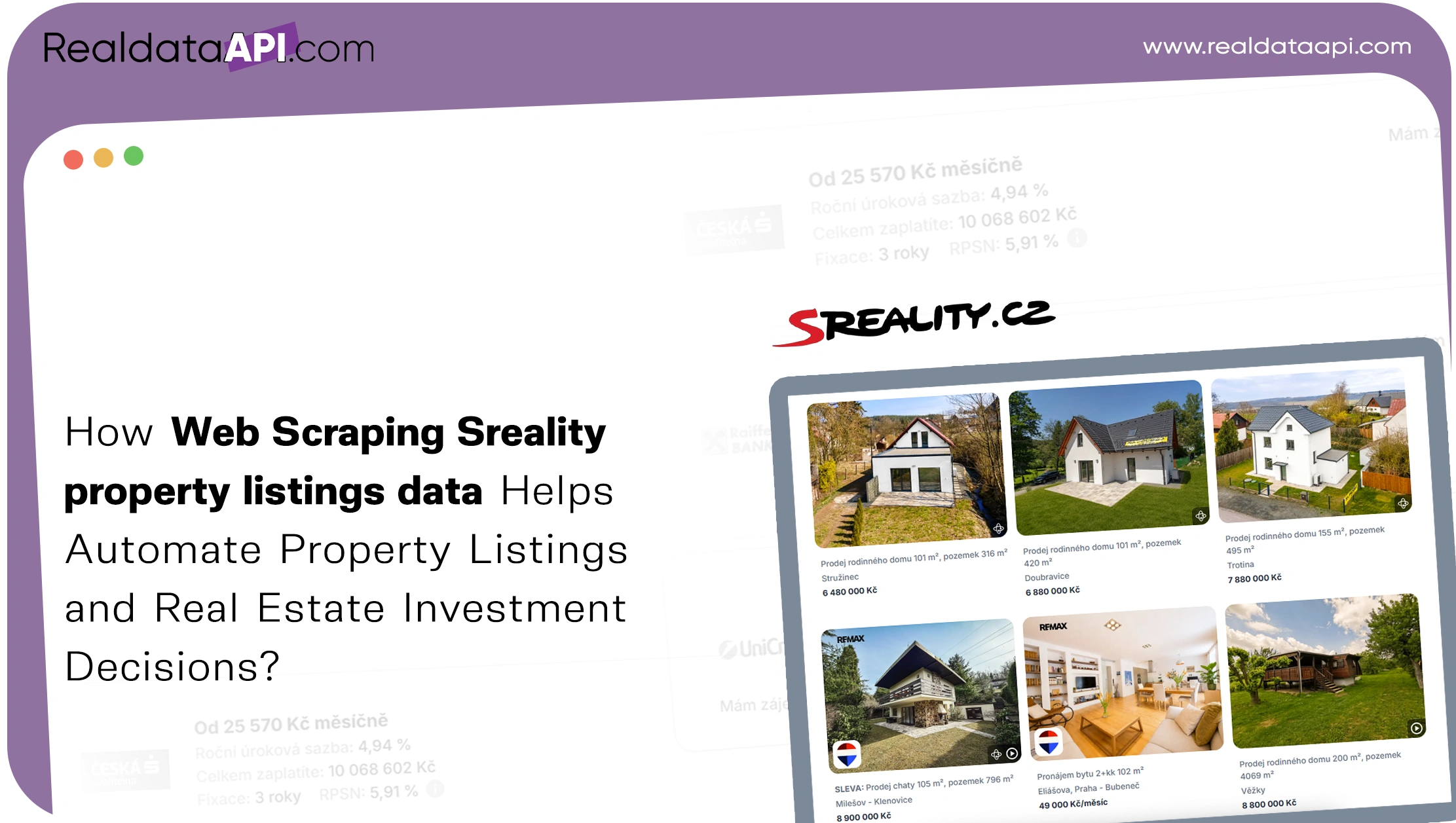
Real estate businesses can automate property research, monitor market trends, and improve investment decisions with Web Scraping Sreality property listings data. Automated data extraction provides real-time property listings, pricing, location insights, and market intelligence, helping investors, agencies, and PropTech companies make faster, data-driven decisions.
Industry Insight (2026): Industry reports estimate that over 75% of leading real estate analytics firms now rely on automated property data collection to improve pricing accuracy, investment analysis, and market forecasting. As digital property marketplaces continue to expand, real-time data has become a critical competitive advantage.
The real estate industry generates vast amounts of property information every day. Listings are updated frequently, prices fluctuate, properties are sold or rented, and new investment opportunities emerge continuously. Manually collecting this information is slow, expensive, and often results in outdated datasets. Automated property data extraction enables businesses to gather reliable market intelligence at scale.
Organizations can leverage Web Scraping Sreality property listings data to collect property listings, prices, property specifications, agent information, locations, availability, and historical market trends. Combined with Sreality Data Scraping API, businesses can build automated workflows that deliver structured datasets for property valuation, investment research, competitive analysis, and housing market intelligence.
This guide is designed for real estate agencies, property investors, PropTech companies, market research firms, developers, and data analytics teams looking to solve the challenge of manual property monitoring. You'll learn how automated Sreality data extraction improves operational efficiency, strengthens investment strategies, and supports smarter business decisions through accurate and timely property intelligence.
Why Is Real-Time Property Pricing Essential for Better Investment Decisions?
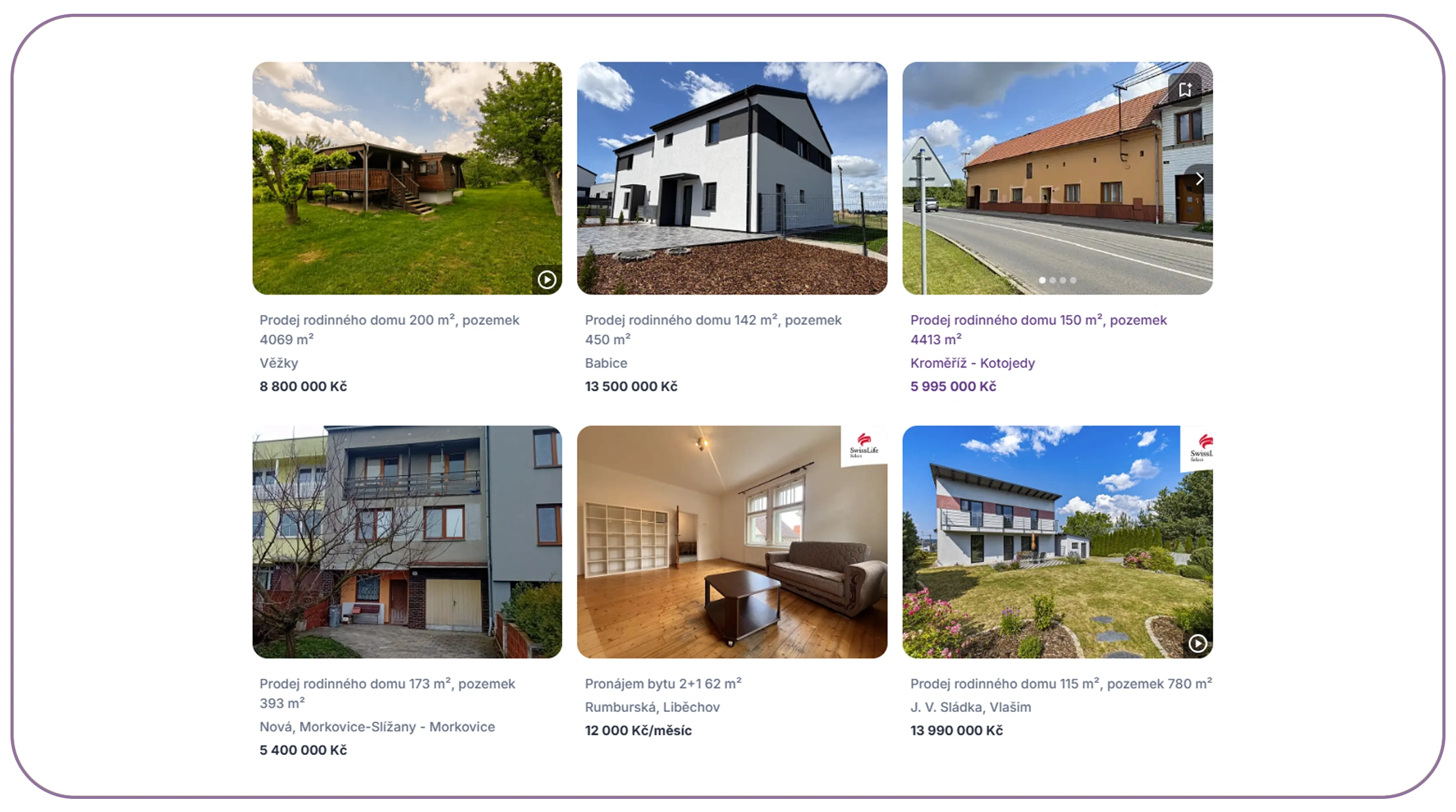
Property prices can change quickly due to market demand, economic conditions, seasonal trends, and new property listings. Investors and real estate professionals need current pricing information to evaluate opportunities accurately and respond faster than competitors. Manual monitoring often creates delays that can lead to missed investment opportunities.
Businesses can scrape Czech Sreality property prices in real time to collect continuously updated pricing information from publicly available property listings. Automated data collection ensures decision-makers have access to fresh market insights for pricing analysis, valuation models, and investment planning.
Benefits of Automated Property Price Monitoring
Organizations can monitor:
- Residential property prices
- Commercial property prices
- Rental rates
- Price reductions
- Newly listed properties
- Sold property trends
- Regional pricing differences
- Market demand indicators
This information supports better investment decisions while reducing manual research efforts.
Business Advantages
Automated pricing intelligence helps organizations:
- Compare regional property values.
- Detect market changes quickly.
- Improve investment analysis.
- Monitor competitor listings.
- Build pricing dashboards.
- Support predictive market forecasting.
These insights help businesses identify attractive investment opportunities before competitors react.
Housing Market Statistics (2020-2026)
| Year | Automated Property Monitoring Adoption | Average Digital Listing Growth |
|---|---|---|
| 2020 | 29% | 14% |
| 2021 | 36% | 18% |
| 2022 | 45% | 23% |
| 2023 | 55% | 29% |
| 2024 | 64% | 35% |
| 2025* | 72% | 41% |
| 2026* | 80% | 47% |
*Projected industry estimates.
As property marketplaces continue expanding, automated pricing intelligence enables organizations to monitor thousands of listings efficiently. Businesses can improve valuation accuracy, identify pricing opportunities, and make faster investment decisions using reliable, structured market data.
How Can Housing Market Intelligence Improve Real Estate Strategy?
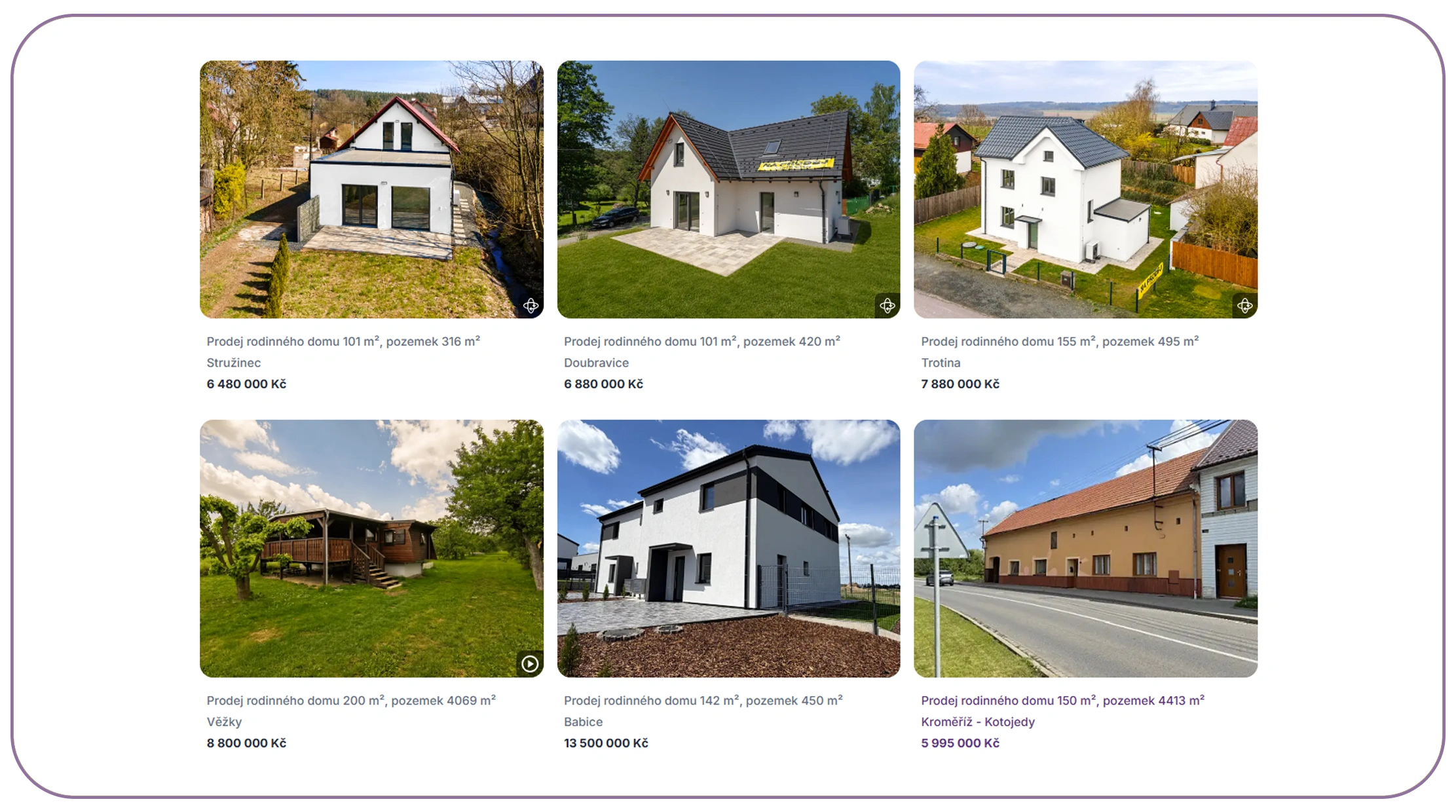
Successful real estate businesses rely on accurate housing market intelligence to understand supply, demand, pricing trends, and buyer preferences. Delayed or incomplete information limits strategic planning and reduces investment confidence. Automated data extraction provides continuous visibility into changing market conditions.
Using Housing market data intelligence using Sreality API, organizations can collect structured information about listings, property availability, neighborhood activity, seller behavior, and market movement. These insights support developers, investors, agencies, and financial institutions in making informed decisions.
Why Market Intelligence Matters
Organizations can analyze:
- Property availability
- Market supply and demand
- Regional housing trends
- Listing frequency
- Average selling prices
- Rental market activity
Access to current market intelligence enables faster responses to changing housing conditions.
Key Business Benefits
Businesses can:
- Improve investment planning.
- Monitor regional demand.
- Optimize pricing strategies.
- Evaluate market opportunities.
- Strengthen forecasting models.
- Support portfolio expansion.
These capabilities provide a competitive advantage by helping organizations identify profitable locations and emerging housing trends.
Typical Data Workflow
- Property data extraction.
- Data validation.
- Data normalization.
- Market analytics.
- Dashboard visualization.
- Business reporting.
Housing Intelligence Adoption (2020-2026)
| Year | Companies Using Housing Analytics | Forecast Accuracy Improvement |
|---|---|---|
| 2020 | 27% | 13% |
| 2021 | 35% | 17% |
| 2022 | 44% | 22% |
| 2023 | 53% | 28% |
| 2024 | 62% | 33% |
| 2025* | 71% | 39% |
| 2026* | 79% | 45% |
*Projected industry estimates.
As the Czech real estate market becomes increasingly data-driven, organizations that adopt automated housing intelligence gain better visibility into pricing dynamics, buyer demand, and investment opportunities. Reliable market insights help businesses reduce uncertainty, improve planning, and make confident real estate decisions backed by accurate and up-to-date property data.
How Can Market Trends Reveal Better Real Estate Investment Opportunities?

Understanding long-term housing trends is essential for successful real estate investment. Property prices, buyer demand, rental activity, and inventory levels change over time, making historical and current market analysis a valuable resource for investors, developers, financial institutions, and PropTech companies. Automated data collection allows businesses to monitor these changes continuously instead of relying on manual research.
Organizations can perform Czech Sreality housing market trend analysis by collecting structured property data, historical pricing, listing activity, regional demand, and property availability. These insights help businesses identify emerging investment hotspots, compare regional performance, and forecast future market movements with greater confidence.
Why Housing Trend Analysis Matters
Businesses can monitor:
- Historical property prices
- Monthly listing activity
- Regional demand
- Average rental values
- Property availability
- Market absorption rates
- Buyer preferences
- Seasonal trends
Monitoring these indicators enables organizations to make proactive investment decisions rather than reacting after market changes occur.
Key Business Benefits
Organizations can:
- Identify high-growth locations.
- Forecast future pricing trends.
- Improve investment timing.
- Reduce market risks.
- Support portfolio diversification.
- Enhance strategic planning.
Trend analysis also improves valuation models and strengthens long-term real estate planning.
Housing Trend Statistics (2020-2026)
| Year | Businesses Using Market Trend Analytics | Forecast Accuracy |
|---|---|---|
| 2020 | 31% | 65% |
| 2021 | 38% | 69% |
| 2022 | 46% | 73% |
| 2023 | 55% | 77% |
| 2024 | 64% | 82% |
| 2025* | 73% | 86% |
| 2026* | 81% | 90% |
*Projected industry estimates.
As property markets continue evolving, organizations that invest in automated trend analysis gain a stronger competitive advantage. Continuous access to historical and current market information supports smarter investment decisions, better risk management, and more accurate forecasting across residential and commercial real estate portfolios.
Why Is Structured Property Data Important for Modern Real Estate Analytics?

Real estate decisions are only as reliable as the data behind them. Disorganized information from multiple listing platforms often creates inconsistencies that slow analysis and increase operational costs. A well-structured Real Estate Dataset provides businesses with clean, standardized information that supports analytics, reporting, and investment planning.
A comprehensive property dataset combines listing information, pricing history, property specifications, location details, seller or agent information, amenities, availability, and historical market trends into a centralized database. This allows organizations to analyze the market efficiently while reducing manual data preparation.
What Does a Structured Dataset Include?
Businesses can collect:
- Property listings
- Sale and rental prices
- Property specifications
- Geographic location
- Agent information
- Property features
- Listing status
- Historical records
Having standardized information improves consistency across reporting systems and analytics platforms.
Business Advantages
Organizations benefit by:
- Improving property valuation.
- Accelerating market research.
- Simplifying reporting.
- Supporting AI and machine learning.
- Enhancing forecasting models.
- Reducing manual processing.
Structured datasets also integrate easily with CRM platforms, ERP software, business intelligence dashboards, and predictive analytics tools.
Real Estate Data Adoption (2020-2026)
| Year | Organizations Using Structured Property Data | Analytics Efficiency Improvement |
|---|---|---|
| 2020 | 33% | 17% |
| 2021 | 40% | 21% |
| 2022 | 48% | 26% |
| 2023 | 57% | 31% |
| 2024 | 66% | 36% |
| 2025* | 75% | 41% |
| 2026* | 83% | 47% |
*Projected industry estimates.
As digital property marketplaces continue expanding, structured datasets have become a critical foundation for modern real estate analytics. Organizations that invest in centralized property data improve reporting accuracy, streamline investment analysis, and make faster, evidence-based decisions across every stage of the real estate lifecycle.
How Can Real Estate Businesses Turn Property Data into Business Growth?
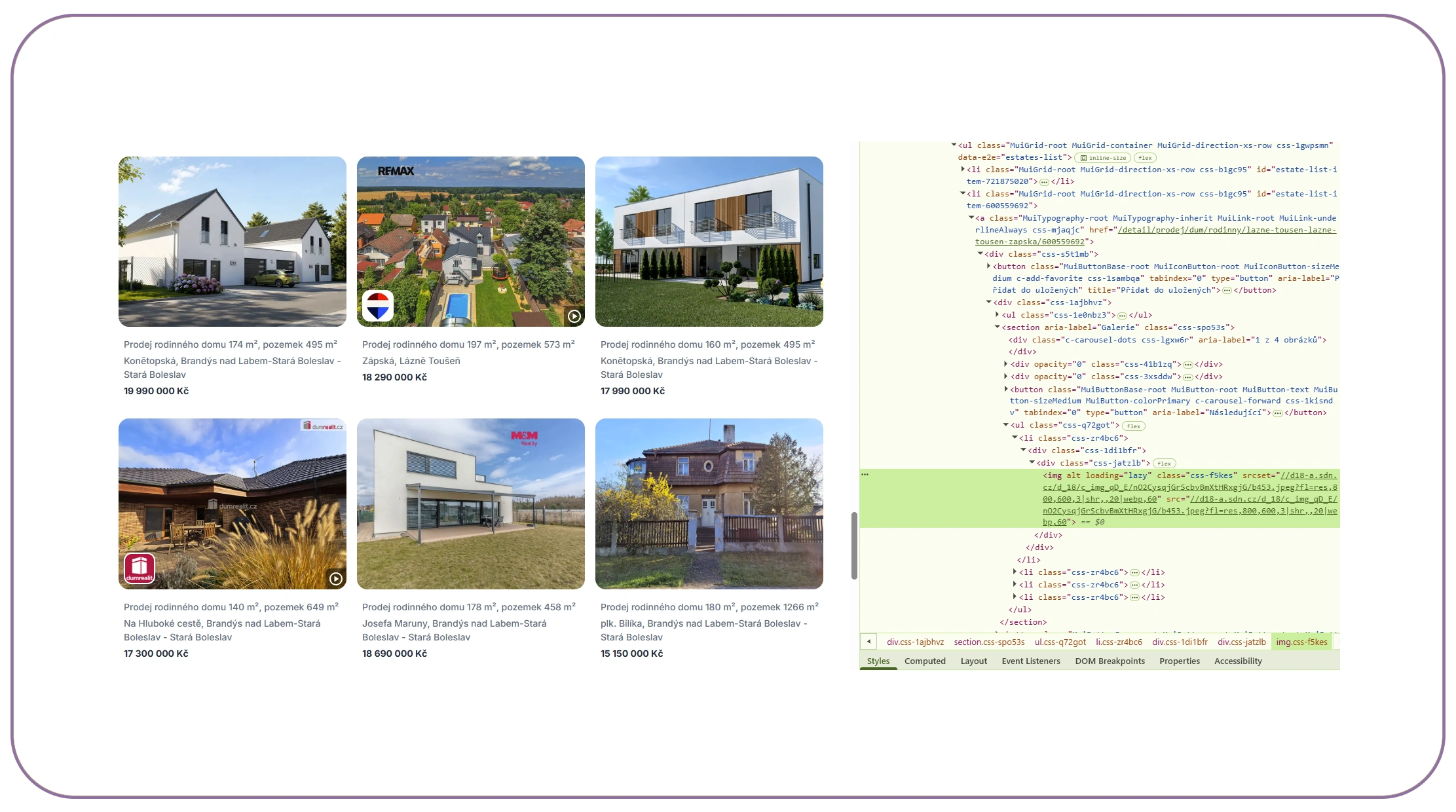
Real estate companies collect massive amounts of information every day, but raw data alone does not create value. Businesses must transform property listings, pricing, location details, and market trends into actionable intelligence. Automated solutions enable organizations to gather, process, and analyze property information efficiently while reducing manual effort.
One of the most effective ways to achieve this is by implementing Top Real Estate Scraping API Use Cases across business operations. These use cases help agencies, investors, developers, PropTech companies, financial institutions, and market researchers improve decision-making through reliable and structured property data.
Common Business Applications
Organizations use real estate data for:
- Property price monitoring
- Competitive market analysis
- Investment opportunity identification
- Rental market tracking
- Portfolio management
- Lead generation
- Market forecasting
- Property valuation
These applications help organizations make faster decisions while reducing the time spent on manual research.
Key Business Benefits
Companies can:
- Improve investment accuracy.
- Monitor competitors.
- Identify emerging markets.
- Optimize pricing strategies.
- Build predictive models.
- Enhance customer experiences.
Automated property intelligence also supports executive dashboards, AI-powered analytics, and long-term strategic planning.
Real Estate Technology Adoption (2020-2026)
| Year | Organizations Using Property Analytics | Business Efficiency Improvement |
|---|---|---|
| 2020 | 34% | 15% |
| 2021 | 41% | 19% |
| 2022 | 49% | 24% |
| 2023 | 58% | 30% |
| 2024 | 67% | 36% |
| 2025* | 75% | 41% |
| 2026* | 84% | 47% |
*Projected industry estimates.
As digital transformation continues across the real estate sector, automated property intelligence is becoming a strategic advantage. Businesses that integrate structured property data into daily operations improve decision-making, strengthen competitive positioning, and accelerate business growth.
Why Are APIs Becoming the Foundation of Modern Property Intelligence?
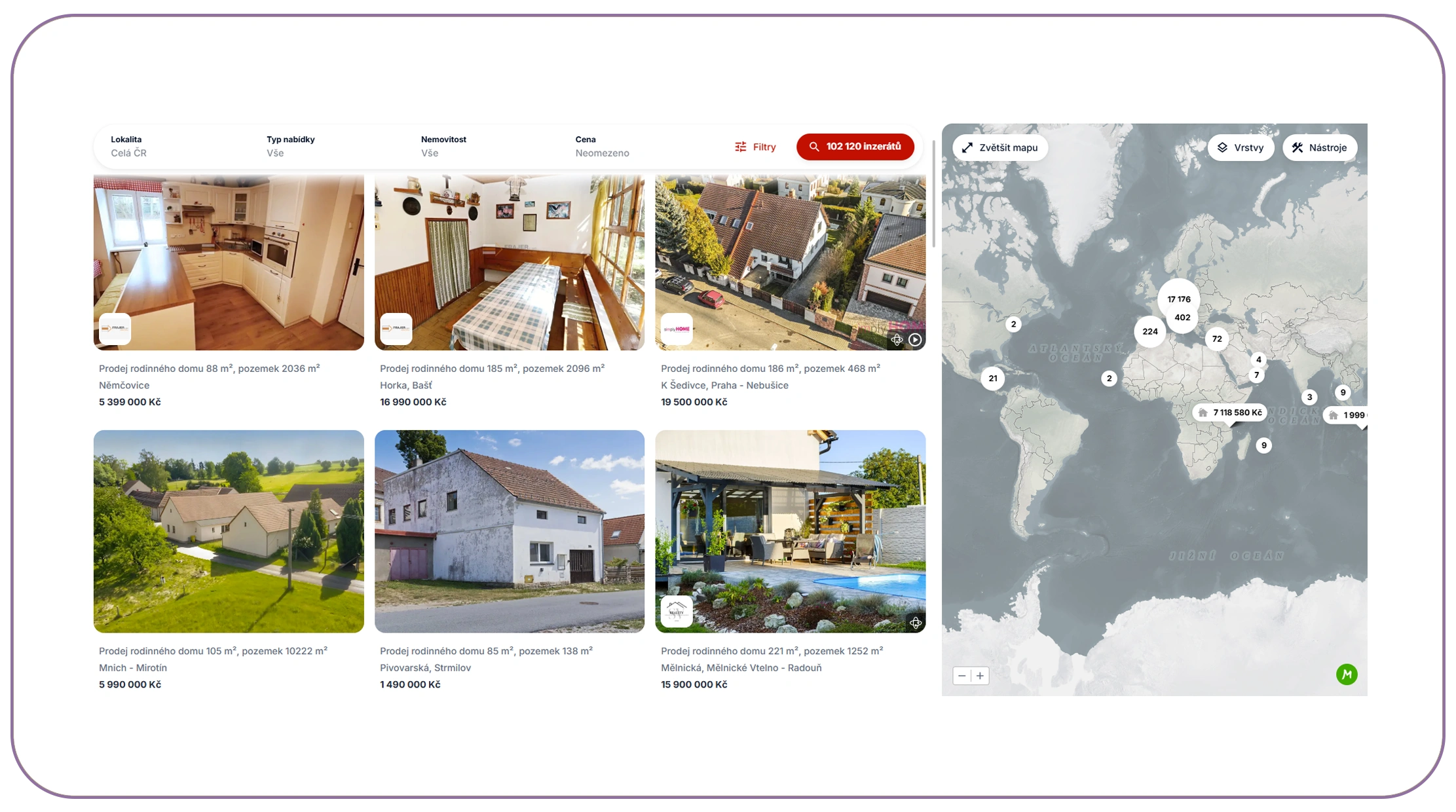
Modern real estate businesses require scalable, reliable, and continuously updated property information. Manual research cannot keep pace with changing listings, pricing updates, and market activity. API-driven solutions simplify this process by delivering structured property data that integrates directly into business applications and analytics platforms.
Organizations can leverage a Web Scraping Real Estate Data API to automate the collection of publicly available property listings, pricing, locations, amenities, agent information, and historical market trends. This enables teams to focus on analysis rather than repetitive data collection.
Advantages of API-Based Data Collection
Businesses can:
- Automate property monitoring
- Access standardized datasets
- Improve reporting accuracy
- Scale data collection
- Reduce operational costs
- Integrate with BI platforms
- Support AI and machine learning
- Enable faster decision-making
These capabilities provide a reliable foundation for market intelligence, investment analysis, and customer-facing applications.
Typical API Workflow
- Automated data extraction.
- Data validation.
- Standardization.
- Secure API delivery.
- Dashboard integration.
- Business analytics.
API-Driven Analytics Trends (2020-2026)
| Year | Businesses Using Real Estate APIs | Reporting Speed Improvement |
|---|---|---|
| 2020 | 30% | 16% |
| 2021 | 38% | 20% |
| 2022 | 47% | 25% |
| 2023 | 56% | 31% |
| 2024 | 65% | 36% |
| 2025* | 74% | 42% |
| 2026* | 82% | 48% |
*Projected industry estimates.
API-driven property intelligence enables organizations to automate repetitive processes while maintaining accurate and timely datasets. As the real estate industry becomes increasingly data-driven, scalable API solutions help businesses respond quickly to market changes and create better experiences for customers and stakeholders.
Why Choose Real Data API?
Real Data API delivers enterprise-grade property data extraction solutions designed to help organizations automate market intelligence, improve operational efficiency, and accelerate business growth. Whether you are a real estate agency, PropTech startup, investment firm, financial institution, or research organization, our customized solutions provide reliable access to structured property data.
Businesses can leverage Web Scraping Sreality property listings data through our scalable APIs and automated extraction services to collect property listings, pricing, location details, property specifications, agent information, availability, and historical market insights. Our solutions integrate seamlessly with business intelligence platforms, CRM systems, ERP software, analytics dashboards, and AI-driven applications.
Why Businesses Choose Real Data API
- Enterprise-scale data extraction
- Real-time and historical property datasets
- Accurate and structured data delivery
- Flexible API integration
- Automated data pipelines
- Custom scraping solutions
- Secure infrastructure
- Dedicated technical support
Our experienced team helps businesses eliminate manual property research, improve reporting accuracy, and transform marketplace information into valuable business intelligence that supports confident real estate decisions.
Conclusion
The real estate industry depends on timely, accurate, and structured information to support investment decisions, pricing strategies, and market analysis. Automated property data extraction enables organizations to replace manual research with scalable workflows that improve accuracy, reduce operational costs, and deliver real-time market intelligence. Businesses that utilize Web Scraping Sreality property listings data gain deeper visibility into property trends, pricing movements, listing activity, and investment opportunities.
As digital property marketplaces continue to expand, automated data collection will play an increasingly important role in helping organizations stay competitive. Reliable property intelligence empowers agencies, investors, developers, and PropTech companies to make faster, data-driven decisions while improving customer experiences and long-term business performance.
Ready to transform your real estate analytics? Contact Real Data API today to implement customized Sreality property data scraping and API solutions that deliver accurate, real-time market intelligence and help your business stay ahead of the competition!
Latest posts

How Foodpanda Food Dataset Helps Businesses Track Restaurants, Menus, Prices, Ratings, and Food Delivery Trends?

How IKEA E-commerce Dataset Helps Businesses Solve Product, Pricing, Category, and Retail Trend Challenges?
How Target e-commerce dataset Helps Brands Track Products, Prices, Availability, and Retail Market Trends for Smarter Insights?

How Dior fashion dataset Helps Brands Track Luxury Products, Prices, Collections, and Fashion Trends for Smarter Insights?







.png)



