
Introduction
In 2026, competitor monitoring across travel booking platforms has become essential for hotels, airlines, OTAs, travel aggregators, and revenue management teams seeking higher profitability and market share. Businesses that track competitor pricing, inventory, reviews, and promotional strategies can respond faster to market changes and improve booking performance.
According to industry estimates, online travel bookings are expected to exceed $1 trillion globally by 2026, with over 75% of travelers relying on digital channels for trip planning. This rapid digitalization has intensified competition across OTAs, hotel websites, airline portals, and metasearch engines.
For travel businesses, the primary pain point is maintaining competitive pricing while maximizing revenue. This is where Travel Data Scraping API solutions provide a significant advantage. By collecting real-time market intelligence from multiple booking platforms, businesses can optimize pricing, improve forecasting, and identify emerging trends before competitors do.
| Travel Industry Metric | 2020 | 2023 | 2026 (Projected) |
|---|---|---|---|
| Global Online Travel Bookings | $433B | $690B | $1.05T |
| OTA Market Share | 39% | 46% | 52% |
| Dynamic Pricing Adoption | 42% | 68% | 87% |
| Data-Driven Revenue Decisions | 48% | 71% | 90% |
How Can Businesses Gain Better Market Visibility?
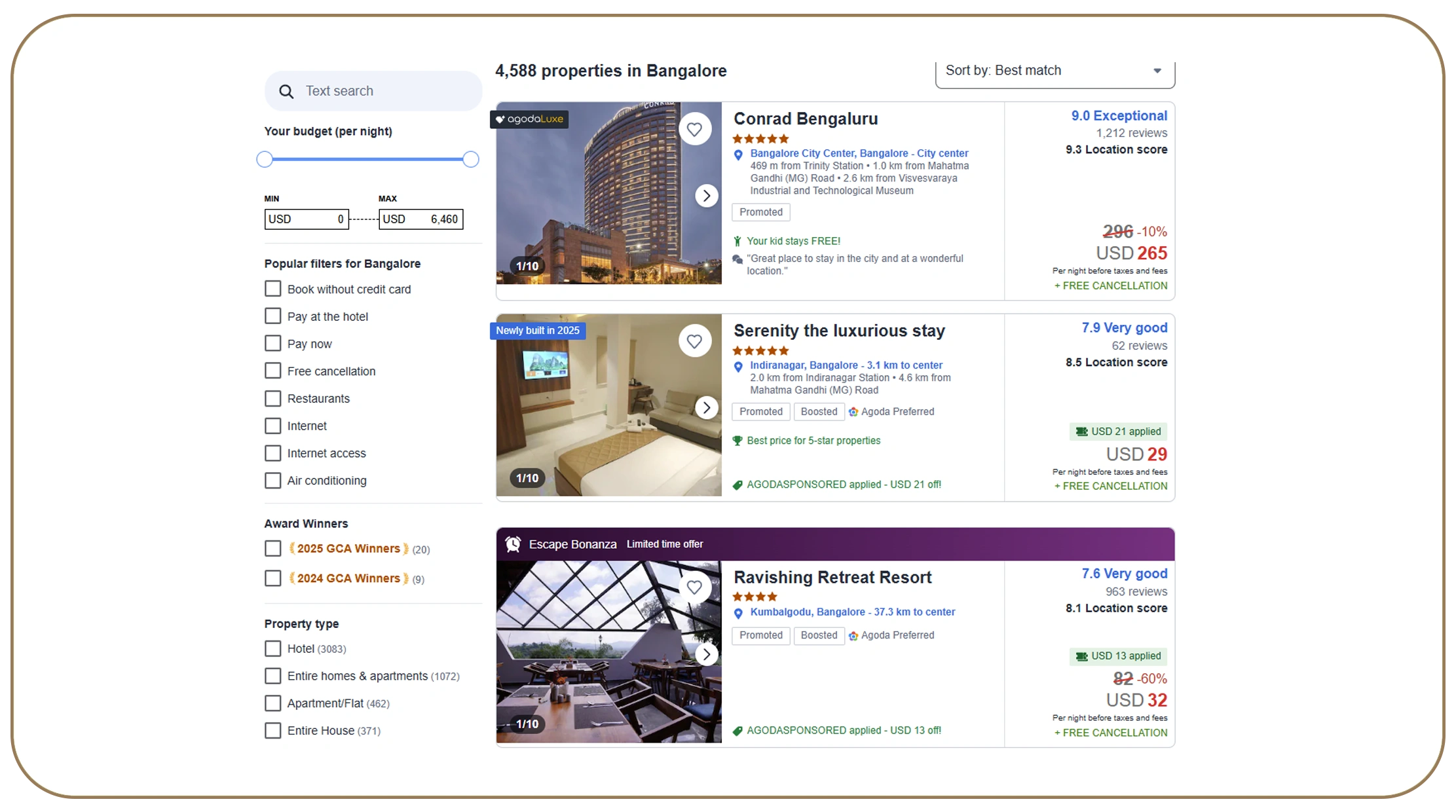
Travel companies need accurate market intelligence to make informed decisions. One of the most effective methods is to scrape competitor data across booking platforms and analyze how competitors position their offerings across multiple channels.
Between 2020 and 2026, travel businesses increasingly shifted toward automated monitoring systems. Hotels now compare room rates across dozens of OTAs multiple times daily, while airlines monitor route-specific pricing adjustments in real time.
When organizations gather competitor intelligence, they can identify:
- Pricing fluctuations
- Inventory shortages
- Promotional campaigns
- Customer sentiment changes
- Seasonal demand patterns
The value extends beyond pricing. Businesses gain visibility into market gaps and emerging opportunities. For example, if competitors increase prices during peak demand periods, companies can strategically adjust rates without losing competitiveness.
| Market Monitoring Indicator | 2020 | 2022 | 2024 | 2026 |
|---|---|---|---|---|
| Daily Price Checks | 15% | 38% | 62% | 85% |
| Automated Competitor Tracking | 18% | 45% | 69% | 88% |
| Revenue Optimization Adoption | 32% | 57% | 76% | 91% |
The growing reliance on automation demonstrates how travel brands increasingly depend on comprehensive market intelligence to maintain profitability and respond quickly to competitive pressures.
What Data Should Travel Companies Monitor?

The travel ecosystem generates enormous amounts of market data every day. Organizations that extract OTA competitor monitoring data for hotel and airline operations gain a clearer understanding of market dynamics.
Key data points include:
- Room rates
- Flight fares
- Seat availability
- Hotel occupancy signals
- Promotional offers
- Loyalty program incentives
- Customer ratings and reviews
Hotels can compare rates across Booking sites, metasearch platforms, and direct channels. Airlines can monitor route-specific fares and ancillary pricing strategies.
This intelligence supports better decision-making because travel demand changes rapidly. Competitor actions often influence booking behavior within hours.
| Data Category | Business Impact |
|---|---|
| Hotel Room Rates | Revenue Optimization |
| Flight Fares | Dynamic Pricing |
| Customer Reviews | Reputation Management |
| Promotions | Marketing Strategy |
| Inventory Availability | Demand Forecasting |
| Booking Trends | Capacity Planning |
From 2020 to 2026, organizations using automated competitor monitoring reported improved pricing responsiveness and stronger revenue management outcomes. Access to detailed market intelligence allows companies to anticipate changes instead of reacting after revenue opportunities have already passed.
Why Is Pricing Intelligence Critical for Growth?
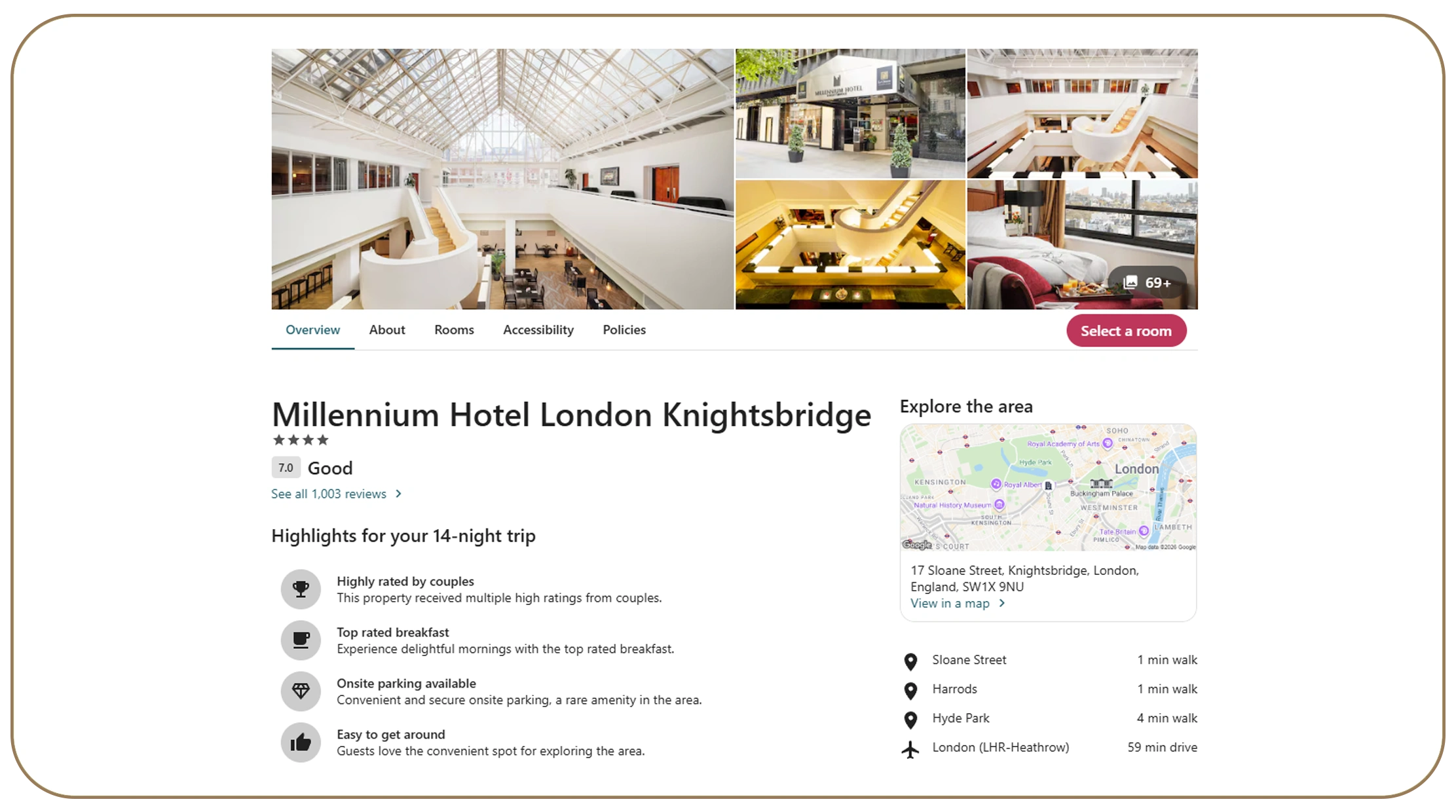
Pricing remains one of the most influential factors affecting travel booking decisions. Therefore, travel booking platform data scraping for pricing intelligence has become a strategic priority for travel brands.
Consumers compare prices across multiple websites before booking. A slight pricing mismatch can lead to lost bookings and reduced occupancy rates.
Pricing intelligence enables companies to:
- Track competitor pricing changes
- Identify discounting strategies
- Analyze seasonal fluctuations
- Monitor flash sales
- Optimize revenue management models
Industry research suggests that businesses using advanced pricing intelligence solutions can improve revenue performance by 5% to 15%.
| Pricing Intelligence Metric | 2020 | 2022 | 2024 | 2026 |
|---|---|---|---|---|
| Dynamic Pricing Usage | 42% | 58% | 74% | 87% |
| Real-Time Rate Monitoring | 21% | 44% | 67% | 89% |
| Revenue Lift from Analytics | 3% | 7% | 11% | 15% |
Modern pricing strategies depend heavily on data collection and analysis. Companies that continuously monitor pricing activity across the market can maintain competitive positioning while protecting margins.
As travel competition increases in 2026, pricing intelligence has become a foundational component of sustainable growth.
How Does Data Improve Strategic Decision-Making?
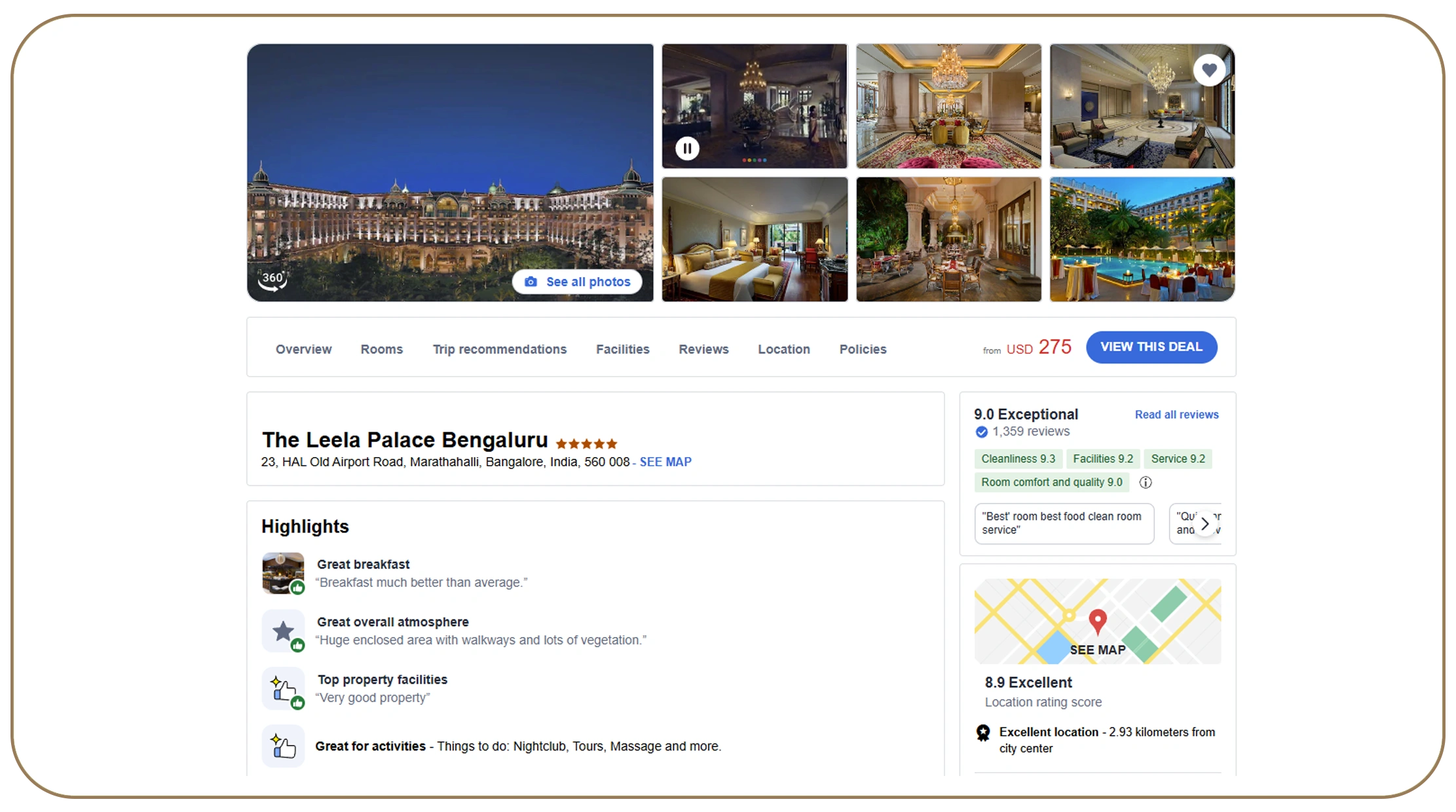
A robust Travel Dataset enables travel businesses to move beyond reactive decision-making. Through continuous competitor monitoring across travel booking platforms, organizations gain insights that support long-term strategic planning.
Travel executives rely on data to answer critical questions:
- Which destinations are gaining popularity?
- Where are competitors investing?
- Which promotional strategies perform best?
- How are customer preferences evolving?
Historical and real-time datasets reveal trends that may otherwise remain hidden. By combining competitor intelligence with booking trends, companies can better allocate marketing budgets and operational resources.
| Strategic Insight Area | Data Application |
|---|---|
| Destination Demand | Route Planning |
| Customer Preferences | Product Development |
| Competitive Positioning | Market Expansion |
| Revenue Forecasting | Budget Planning |
| Seasonal Trends | Inventory Allocation |
Between 2020 and 2026, travel organizations increasingly integrated data-driven planning into their operations. This shift reduced uncertainty and improved decision-making accuracy.
Organizations leveraging comprehensive travel datasets consistently demonstrate stronger adaptability during market fluctuations, making data a critical asset for sustainable growth.
How Can Businesses Track Market Pricing More Effectively?
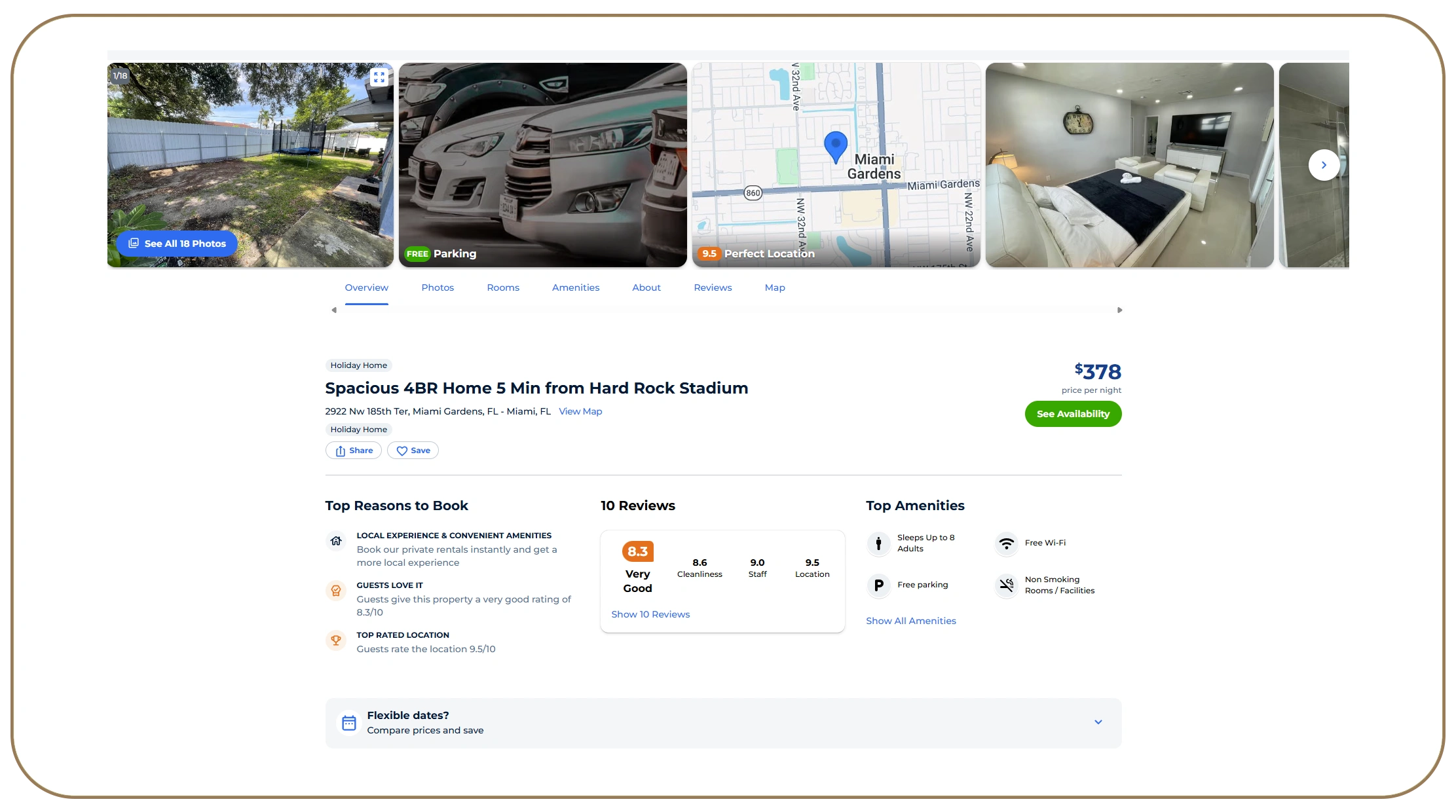
Companies increasingly Track OTA Competitor Prices Using Web Scraping technologies to gain real-time visibility into changing market conditions. Effective competitor monitoring across travel booking platforms allows businesses to identify pricing opportunities immediately.
Traditional manual monitoring methods are no longer sufficient. Thousands of pricing changes occur daily across hotels, airlines, vacation rentals, and travel packages.
Automated monitoring delivers:
- Faster competitive insights
- Accurate pricing benchmarks
- Continuous market coverage
- Reduced manual workload
- Improved revenue optimization
| Pricing Monitoring Outcome | 2020 | 2023 | 2026 |
|---|---|---|---|
| Manual Tracking Usage | 72% | 39% | 15% |
| Automated Monitoring Usage | 28% | 61% | 85% |
| Pricing Response Speed | 24 Hours | 6 Hours | Real-Time |
| Revenue Optimization Efficiency | 41% | 68% | 89% |
Travel brands that continuously monitor market pricing can respond to competitor actions before market share erosion occurs. This capability becomes increasingly important as consumers gain access to more booking options and comparison tools.
In highly competitive markets, real-time pricing intelligence often determines whether businesses maximize revenue or lose bookings to competitors.
How Does Competitor Intelligence Support Demand Forecasting?
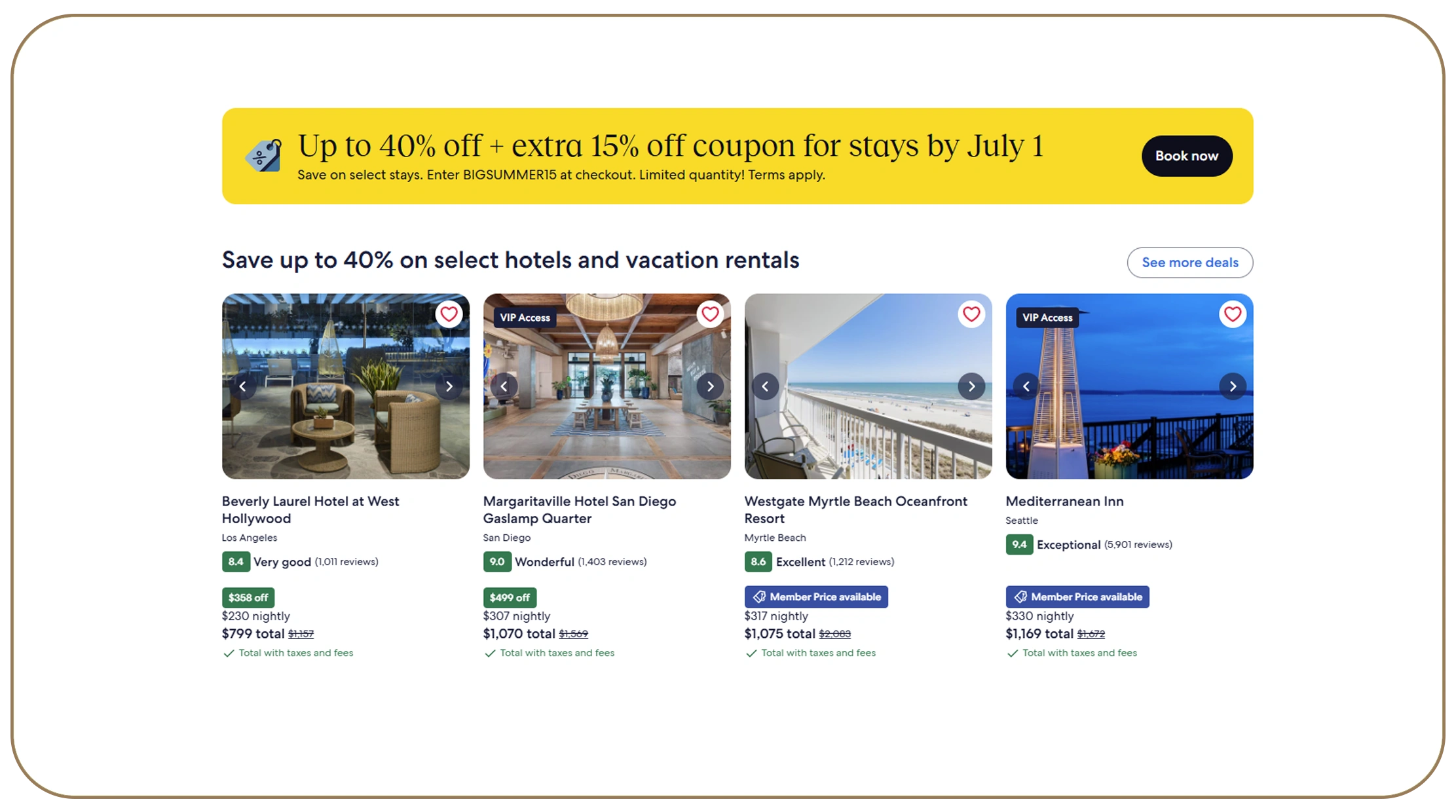
Accurate forecasting remains a major challenge for travel companies. Travel Demand Forecasting Using OTA Data Extraction provides valuable insights that improve prediction accuracy.
Forecasting models become more reliable when they incorporate competitor behavior alongside historical booking trends. OTA data reveals demand signals before they appear in internal booking systems.
Key forecasting benefits include:
- Early demand detection
- Capacity optimization
- Improved staffing decisions
- Better inventory management
- Enhanced revenue forecasting
| Forecasting Accuracy Metric | 2020 | 2022 | 2024 | 2026 |
|---|---|---|---|---|
| Traditional Forecast Accuracy | 62% | 65% | 67% | 69% |
| Data-Driven Forecast Accuracy | 71% | 78% | 84% | 91% |
| Revenue Forecast Confidence | 58% | 72% | 83% | 92% |
As travel demand becomes increasingly volatile, forecasting accuracy directly impacts profitability. Businesses that integrate OTA intelligence into forecasting models can better anticipate market changes and adjust strategies accordingly.
The result is improved operational efficiency, stronger customer experiences, and higher revenue performance.
Why Choose Real Data API?
Real Data API empowers travel businesses with reliable, scalable, and real-time data extraction capabilities designed specifically for modern travel intelligence needs.
Through advanced data collection solutions, organizations can perform competitor monitoring across travel booking platforms with greater speed and accuracy.
Key benefits include:
- Real-time travel data extraction
- Multi-platform OTA monitoring
- Hotel and airline intelligence gathering
- Dynamic pricing analysis
- Scalable API infrastructure
- High data accuracy
- Customizable datasets
- Enterprise-grade reliability
Whether your goal is pricing optimization, revenue management, demand forecasting, or competitive benchmarking, Real Data API provides the intelligence required to make smarter business decisions in today's data-driven travel environment.
Conclusion
The travel industry in 2026 is increasingly defined by data-driven competition. Organizations that embrace competitor monitoring across travel booking platforms gain critical visibility into pricing, inventory, customer sentiment, and market trends. These insights enable smarter pricing decisions, more accurate forecasting, stronger revenue performance, and sustainable competitive advantages.
Ready to transform travel intelligence into business growth? Contact Real Data API today and discover how real-time travel data solutions can help you outperform competitors and maximize revenue!
Latest posts

How Levi's Fashion Dataset Improves Fashion Intelligence Across Products, Prices, Categories, and Denim Market Trends?

How Myntra Fashion Dataset Solves Fashion Intelligence Challenges Across Products, Prices, Brands, and Fashion Market Trends?
How Hyatt Travel Dataset Helps Businesses Track Hotels, Room Prices, Amenities, Locations, and Travel Trends?

How Louis Vuitton Fashion Dataset Enables Better Analysis of Luxury Products, Prices, Brands, and Fashion Trends?






.png)



