
Introduction
Dubai is a city of micro-markets. Business Bay is a dense business and residential district filled with office towers, apartments and a high concentration of cafes and quick-service restaurants. Hessa Street has a different customer mix and a different competitive set. A restaurant planning a new outlet, a cloud kitchen choosing a location or a food brand benchmarking its prices needs to know exactly what menus look like within a few kilometres, not across the whole city. This is what hyperlocal restaurant menu intelligence offers.
For broader restaurant and menu collection, Real Data API's Food Data Scraping API can support structured menu, pricing, rating and delivery-data workflows.
Below we explain how menu intelligence for specific Dubai localities is built from delivery platform data, which fields matter, how competitor sets are defined and how the insights are used.
What Is Restaurant Menu Intelligence?
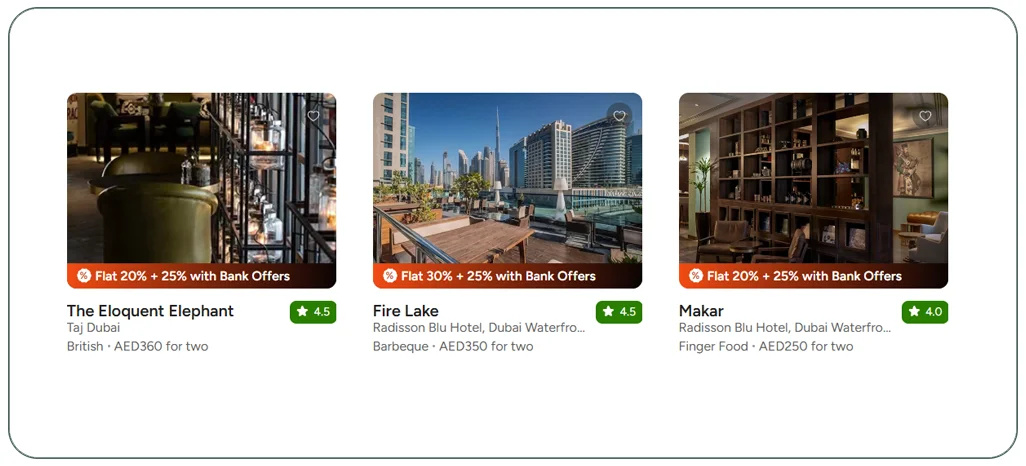
Menu intelligence means collecting, cleaning and analysing menu data from many restaurants to understand pricing, assortment, positioning and trends. For a locality, it answers questions such as:
- Who are my direct competitors within the delivery radius?
- What is the median price of a chicken burger, a shawarma or a flat white in this area?
- Which cuisines are crowded, and which are under-represented?
- How do delivery fees, service charges and minimum orders vary?
- Which dishes are labelled bestsellers, and what do they cost?
- How aggressive are discounts in this area?
Why Locality-Level Analysis Matters
A citywide average price hides large differences. A coffee in a business district near offices can cost significantly more than the same coffee in a residential neighbourhood. Delivery apps also define competition by delivery radius. A restaurant in Business Bay competes with others that deliver to the same addresses, not with every restaurant in Dubai. Locality-level scraping reproduces what customers in that area actually see.
Defining The Locality And Delivery Points
For each target locality, define several delivery addresses spread across the area, such as major towers, residential clusters and commercial blocks. Delivery platforms show restaurants based on the address, so using multiple points ensures you capture all restaurants that serve any part of the area. For Business Bay, you might use addresses around the canal, the main towers and the surrounding streets. For Hessa Street, you might use addresses along the street and in nearby residential communities.
A locality can also be enriched with Google Maps business data scraping to identify restaurants, categories and nearby competitor locations before delivery-platform matching.
Data Fields Collected
Restaurant data: name, brand, cuisine tags, rating, review count, delivery time, delivery fee, service fee, minimum order, price band, opening hours and whether the outlet is a chain.
Menu data: categories, item names and descriptions, prices, discounted prices, veg or non-veg tags where applicable, bestseller labels, variants, add-ons and combo deals.
Offers: discounts, free-delivery thresholds, card offers and platform vouchers.
Context: delivery address used, platform, timestamp and rank in listing.
How The Locality Scraping Works
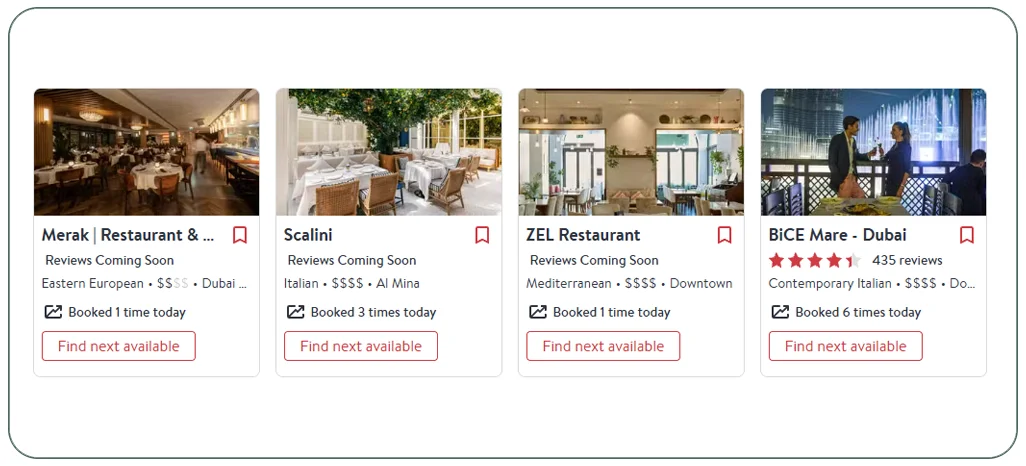
- Choose platforms. Dubai has several delivery apps, and the same restaurant may appear on more than one. For UAE-focused collection, a Talabat restaurant data scraper can be used when Talabat is one of the target delivery platforms.
- Set delivery addresses. For each locality, define a set of representative addresses.
- Collect restaurants serving each address. Capture the full listing, including all categories and sort options.
- Merge into a locality restaurant list. De-duplicate restaurants that appear for several addresses.
- Collect menus. Open each restaurant and capture the full menu, variants and add-ons.
- Standardise menus. Map categories and normalise dish names and sizes.
- Match across platforms. Link the same restaurant on different apps and compare prices.
- Analyse and deliver. Provide the data and, if requested, summary reports on price levels, competitors and gaps.
Cleaning Menus For Comparison
Menu comparison needs standard dish families. For example, group chicken shawarma wrap, shawarma sandwich and chicken shawarma roll into one family, then compare the price of the standard size. Similarly, standardise coffee drinks by size and type. Capture portion sizes and variant prices separately, and record whether prices include VAT and service charges as displayed.
Technical Challenges
- Address-based results: the restaurants shown change with the address, so you need multiple addresses and good de-duplication.
- Dynamic menus: menus load as users scroll or expand sections. For dynamic pages and scalable extraction workflows, a Web Scraping API can help automate structured collection across complex web pages.
- Frequent changes: menu prices, items and offers change often.
- Anti-bot controls: delivery apps limit automated access, so collection must be controlled.
- Multi-language content: menus may include English and Arabic, and cuisine labels vary.
- Cloud kitchens and virtual brands: the same kitchen may run several brands, which complicates counting competitors.
Use Cases
- Restaurant groups planning a new outlet: assess competitor density, price levels and menu gaps in Business Bay or Hessa Street before signing a lease.
- Cloud kitchens: choose cuisines and price points that fit local demand.
- Existing restaurants: benchmark prices and discounts against nearby competitors and adjust menus.
- Food and beverage suppliers: identify restaurants in a target area for B2B sales.
- Franchise and real estate teams: support site-selection decisions with competitor data.
- Consultants and investors: analyse micro-market dynamics for clients.
Example: Planning A Healthy-Bowl Concept
A restaurateur plans a healthy-bowl restaurant in Business Bay. Menu intelligence for the area shows many burger and shawarma outlets but few specialised bowl concepts, and shows the price range of existing healthy meals. It also reveals typical delivery fees and discount levels. The restaurateur sets a price point slightly above the median of existing healthy options and chooses a menu size that matches the area's demand.
Example: A Coffee Chain Comparing Two Districts
A coffee chain compares its prices in Business Bay with a nearby residential district. The data shows that competitors in Business Bay charge more for the same drinks during office hours and run fewer discounts, while the residential district shows more combo offers. The chain adjusts its menu pricing and promotional plans for each location.
Sample Output Structure
A clean delivery includes a restaurant table (ID, name, brand, cuisine, rating, delivery fee, service fee, minimum order, locality), a menu item table (restaurant ID, category, dish family, item name, price, discounted price, tags, bestseller flag), a variants and add-ons table and an offers table. Each carries the platform, delivery address and timestamp.
For projects that need a reusable historical data layer, food datasets provide a broader reference point for restaurant, menu and pricing datasets.
Delivery And Refresh
Menus can be delivered as CSV, Excel or JSON via API. A monthly refresh is common for menus, and weekly or daily collection can be used to track discounts and prices for a selected set of competitors.
Responsible Data Collection
Collect only public information, avoid personal data, keep request rates reasonable and respect platform terms. Menu images and descriptions may be protected by copyright, so review usage rights before republishing.
For a wider overview of managed collection approaches, see Real Data API's web scraping services.
Why Choose Real Data API For Dubai Menu Intelligence
Real Data API builds address-based scrapers for Dubai delivery platforms, standardises menus and delivers clean competitor datasets for the localities you choose. A pilot for one locality shows you data quality and insights before you expand to others.
Conclusion
Restaurant menu intelligence for Dubai localities like Business Bay and Hessa Street gives operators and investors a precise view of local competition, pricing and gaps. With address-based collection, standardised menus and clear competitor sets, data replaces guesswork in location, menu and pricing decisions.
Need Dubai restaurant menu data? Real Data API can deliver a pilot for your locality.
FAQs
Can you cover other Dubai areas such as Marina, JLT or Downtown?
Yes. Any locality can be defined using delivery addresses.
How many delivery addresses are needed for a locality?
Typically 5 to 15 addresses give good coverage, depending on the size of the area.
Can you compare prices between Dubai delivery apps?
Yes. Restaurants are matched across apps, and prices are compared item by item.
Do prices include VAT?
Prices are collected as displayed. Whether VAT is included depends on how the platform shows them, and the data notes this where possible.
Can you track competitor menu changes over time?
Yes. Scheduled collection builds a history of new items, removals and price changes.
Latest posts
Uber Eats & Deliveroo Restaurant Data Scraping for the UK
Yemeksepeti Restaurant Data API for Turkey: Multi-City Coverage
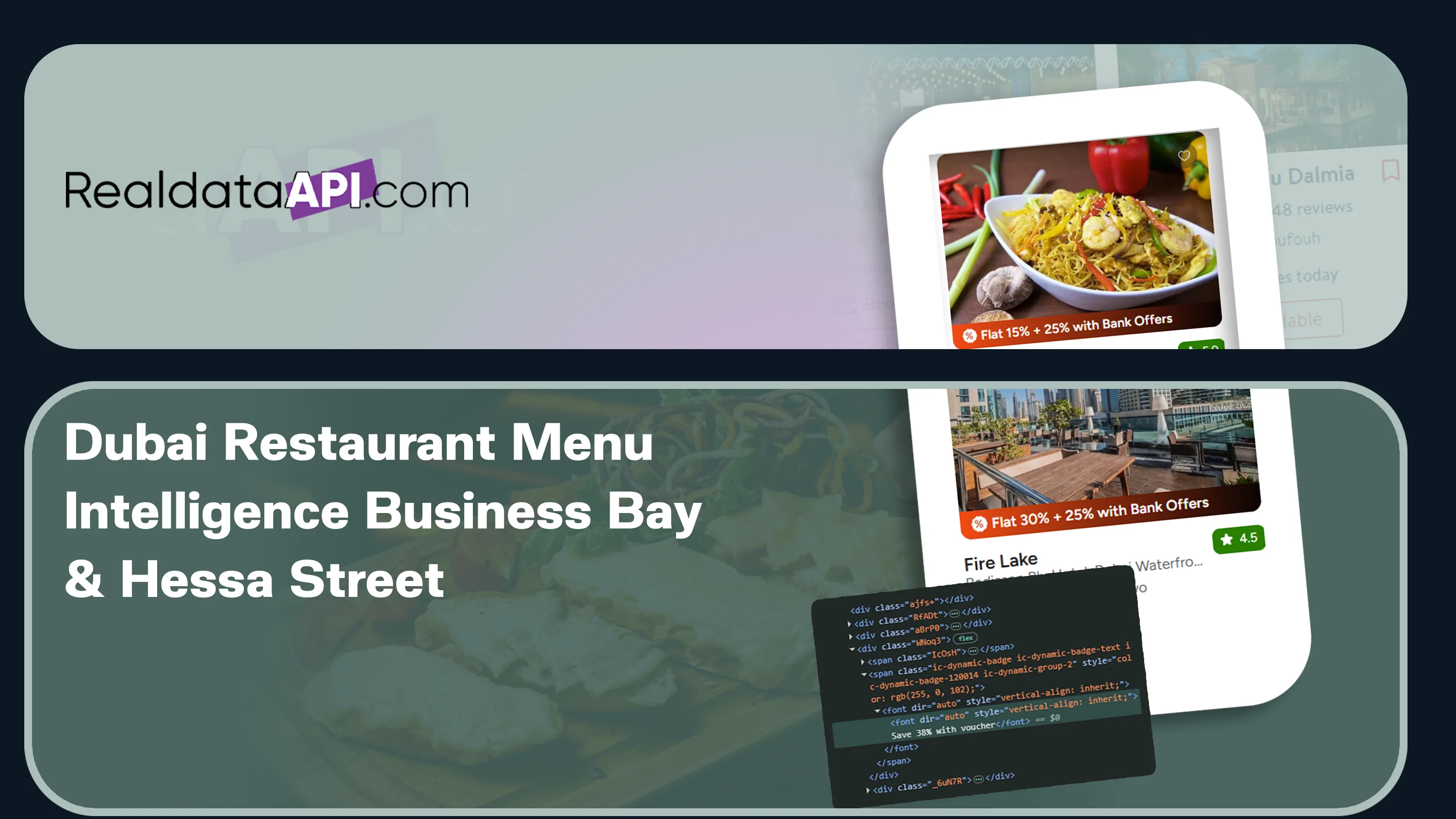
Dubai Restaurant Menu Intelligence: Business Bay & Hessa Street
How a Travel data scraping API for market intelligence Helps Travel Businesses Solve Inaccurate Pricing and Competitor Tracking Challenges



.png)


