
Introduction
Turkey has a large and dynamic food delivery market, and Yemeksepeti is one of its best-known platforms. From Istanbul and Ankara to Izmir, Bursa and Antalya, millions of customers order from restaurants listed on the app. For international food brands considering Turkey, local chains benchmarking competitors, delivery start-ups and market researchers, Yemeksepeti is the key data source for Turkish restaurant and menu information. A Yemeksepeti restaurant data API delivers this data in a structured form across multiple cities.
For a dedicated platform solution, see the Yemeksepeti Food Data Scraping API for restaurant, menu, pricing, review and delivery data.
This guide describes how Yemeksepeti scraping works, what data is available, how to handle Turkish language and currency, what challenges to expect and how clients use the data.
The broader Food Data Scraping API approach can also support structured restaurant and menu collection across multiple food-delivery platforms.
Why Yemeksepeti Data Matters
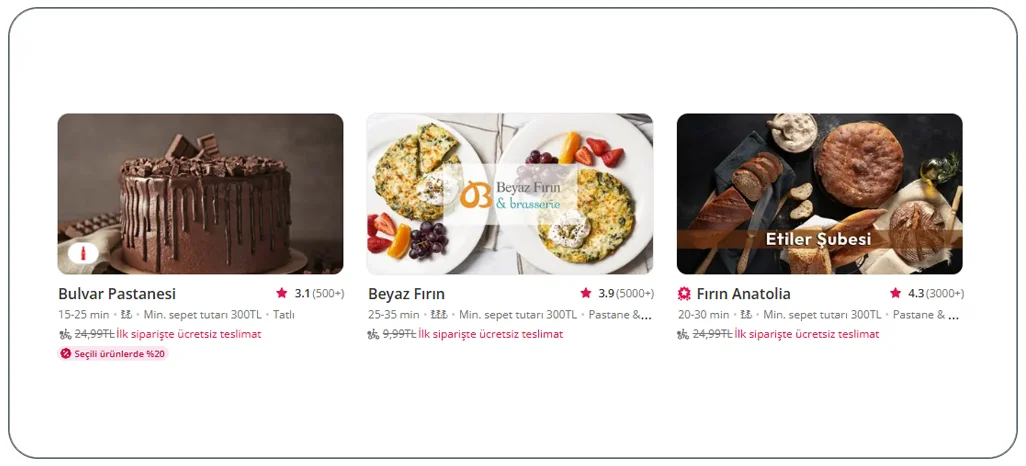
The Turkish market has features that make local data essential:
- A wide range of cuisines, from kebab and pide to burgers, desserts and international food
- Strong regional variation in menus and prices
- High price sensitivity and heavy use of discounts, particularly during periods of inflation
- A large number of independent restaurants alongside national chains
- Rapid menu and price changes
As prices change quickly, up-to-date data is far more valuable than one-off snapshots.
Data Available From Restaurant Pages
Restaurant information: name, brand, cuisine categories, rating, review count, delivery time, minimum order amount, delivery fee, opening hours, address or district and payment methods shown.
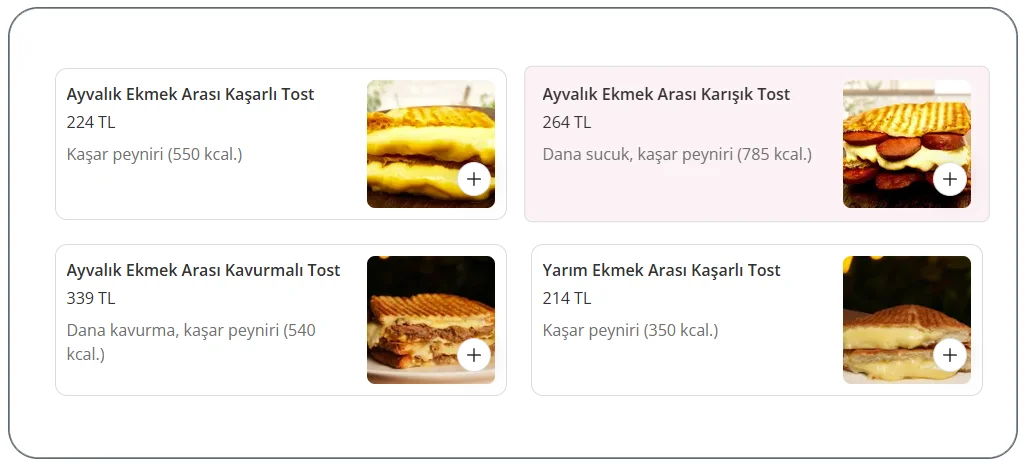
Menu information: categories, item names and descriptions, prices, discounted prices, options and extras, portion sizes and images.
Offers: discounts, campaign labels, free-delivery thresholds and platform promotions.
Review information: overall rating and, in some projects, sub-ratings such as speed, service and taste, plus review counts. Review text can be included if the project requires it, with careful attention to volume and usage rights.
Context: city, district, delivery address used, timestamp and listing position.
Multi-City Coverage
A multi-city project follows the same logic as other delivery platforms, adapted to Turkish geography:
- Cities: typically start with Istanbul, Ankara and Izmir, then add Bursa, Antalya, Adana, Konya and others.
- Districts: inside each city, collect by district. Istanbul alone has dozens of districts on both the European and Asian sides, each with its own restaurant mix.
- Delivery points: use several addresses per district so that restaurants serving only parts of it are captured.
For projects comparing several food-delivery platforms, food delivery data scraping can provide a common framework for restaurant, menu, fee and offer analysis.
How Scraping And API Delivery Work
- Define cities and districts. Choose the scope, and list representative delivery addresses per district.
- Set the location. Select city and district, as a customer would.
- Collect restaurant lists. Load all restaurants, scrolling to the end and using filters and categories to ensure complete coverage.
- Merge duplicates. Restaurants serve several districts, so merge into a master list.
- Collect menus. Open each restaurant to capture menus, options and offers.
- Standardise. Convert prices to numeric values in Turkish lira, map categories and normalise item names.
- Collect review summaries if required.
- Expose through an API or files. Provide endpoints, for example to list restaurants by city and district, retrieve a restaurant's menu or download updates since a given date.
Handling Turkish Language And Formats
Turkish uses special characters such as ç, ğ, ı, ö, ş and ü. Data must be stored in a Unicode encoding, and care is needed with searching and matching, since for example the dotted and dotless i are separate letters. Prices use a decimal comma in Turkish formats, which must be converted to a standard numeric format. Many clients also want an English translation of categories and dish names. A translation layer can map common Turkish dish names to English, while keeping the original text.
API Design For Multi-City Data
A practical Yemeksepeti data API might include:
- Restaurants endpoint: filter by city, district, cuisine, rating and minimum order
- Menu endpoint: return the full menu for a restaurant ID
- Changes endpoint: return restaurants and items that changed since a timestamp
- Offers endpoint: return current promotions by city
- Bulk export: deliver complete city datasets as files for analysts
Pagination, stable IDs and consistent field names make integration easy.
Technical Challenges
- Anti-bot protection: the platform limits automated traffic, so collection must be paced and monitored.
- Location structure: districts and addresses must be handled carefully, since results depend on them. Location-based restaurant discovery can also be enriched with Google Maps business data scraping to identify businesses and locations before matching them with delivery-platform records.
- Dynamic content: menus load through scripts and mobile endpoints and change often.
- Price volatility: prices change often, so data freshness policies are important.
- Language and encoding: Turkish characters and number formats require careful processing.
- Scale: a multi-city project can reach very large numbers of restaurants and menu items.
Use Cases
- International food and beverage brands: assess the market before entering Turkey, including competitor menus and prices.
- Local chains: benchmark prices and promotions against competitors in each city.
- Delivery and logistics start-ups: understand restaurant density and fee levels.
- Investors and consultants: analyse market size, price trends and platform dynamics.
- Suppliers: target restaurants by cuisine and city.
- Researchers: study price changes during inflationary periods.
For deeper market-trend work, Yemeksepeti food delivery trends data can complement the restaurant-level dataset with historical pricing and category analysis.
Example: A Coffee And Dessert Brand Entering Turkey
An international coffee and dessert brand wants to enter Istanbul and Ankara. It collects Yemeksepeti data for relevant categories across major districts, comparing the price of coffee drinks, desserts and combos, along with delivery fees and typical discounts. The analysis shows price bands in each district and highlights the most competitive areas. The brand uses it to set launch prices and pick pilot districts.
Example: Tracking Price Changes
A research team collects menu prices for a basket of common dishes weekly across five cities. It measures how quickly prices change and how this differs by city and restaurant type. The resulting index helps explain pricing behaviour in the delivery market.
Sample Output
Rows may include: city, district, restaurant ID, restaurant name, brand, cuisine, rating, review count, delivery fee, minimum order, delivery time, category, item name (Turkish), item name (English), description, price in TRY, discounted price, option group, option name, option price, offer text, source URL and timestamp.
Delivery And Refresh
A monthly refresh suits market studies, while price tracking is better weekly or daily. Data can be delivered by API, files in cloud storage or direct database loads.
Responsible Data Collection
Collect only public business information, avoid personal data and follow platform terms and applicable laws, including those that apply to data processing in Turkey. Obtain legal advice for sensitive uses.
Why Choose Real Data API For Yemeksepeti Data
Real Data API builds multi-city scrapers for Yemeksepeti, handles Turkish language and number formats and delivers clean data through an API or files. We can run a pilot in one or two cities to show the data quality before scaling.
Conclusion
A Yemeksepeti restaurant data API gives food brands, investors and researchers a structured, multi-city view of the Turkish delivery market. With district-level coverage, Turkish language handling and stable API delivery, the data supports decisions on market entry, pricing and competition.
Need Yemeksepeti data for Turkey? Real Data API can deliver a pilot for your cities and cuisines.
FAQs
Which cities can you cover?
Any city where Yemeksepeti operates. Most projects start with Istanbul, Ankara and Izmir.
Do you provide English translations?
Yes. Original Turkish text is kept, and an English translation can be added for categories and dish names.
Can you include review data?
Rating summaries are standard. Review text is possible, subject to volume and usage rights.
Can I get only changes since the last run?
Yes. A changes endpoint or file delivers new, updated and removed items.
How is pricing shown?
Prices are converted to numeric values in Turkish lira, with the original text retained.
Latest posts
Uber Eats & Deliveroo Restaurant Data Scraping for the UK
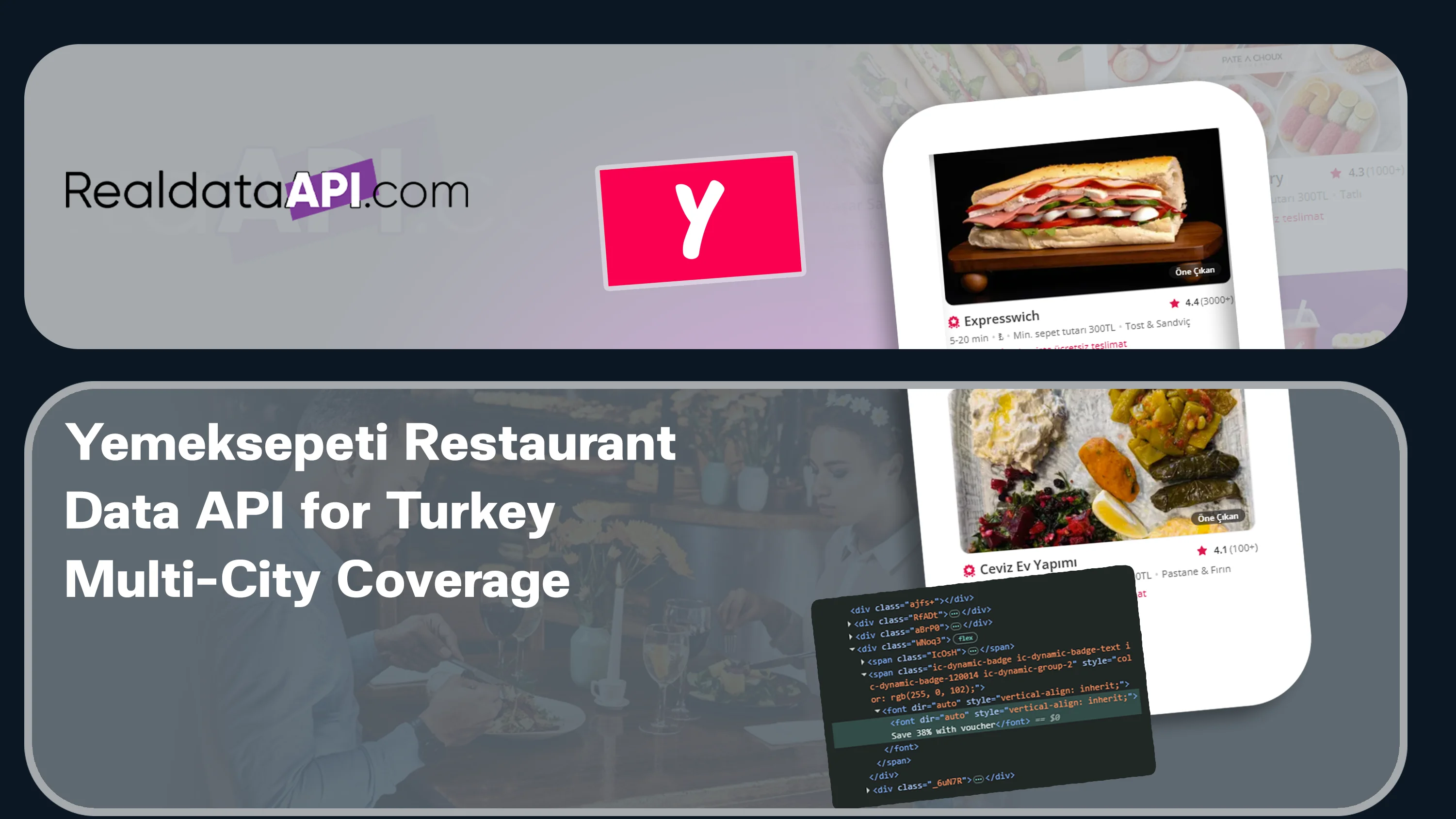
Yemeksepeti Restaurant Data API for Turkey: Multi-City Coverage
Dubai Restaurant Menu Intelligence: Business Bay & Hessa Street

How a Travel data scraping API for market intelligence Helps Travel Businesses Solve Inaccurate Pricing and Competitor Tracking Challenges



.png)


