Introduction
Restaurants, cloud kitchens, and food delivery platforms struggle to predict customer demand accurately. Sudden spikes in orders, seasonal changes, weather conditions, and customer preferences create operational challenges. food delivery demand forecasting using web scraping and AI helps businesses solve these problems by collecting real-time market data and analyzing patterns with artificial intelligence.
According to Statista, the global online food delivery market is expected to cross $1.85 trillion by 2029. Businesses that use AI-driven forecasting can reduce food waste by up to 30% and improve delivery efficiency by nearly 25%.
Modern food delivery businesses need accurate forecasting to:
- Optimize inventory management
- Reduce delivery delays
- Improve customer satisfaction
- Predict peak ordering hours
- Monitor competitor pricing
Real-time data collection and AI-powered analytics now allow businesses to make smarter operational decisions. Tools like Food Data Scraping API help companies gather structured delivery platform data quickly and efficiently.
Why Is Demand Forecasting Important for Food Delivery Businesses?
Food delivery businesses operate in a highly competitive and fast-changing market. Customer preferences shift rapidly based on pricing, promotions, weather, and local events. Accurate forecasting helps businesses avoid operational disruptions.
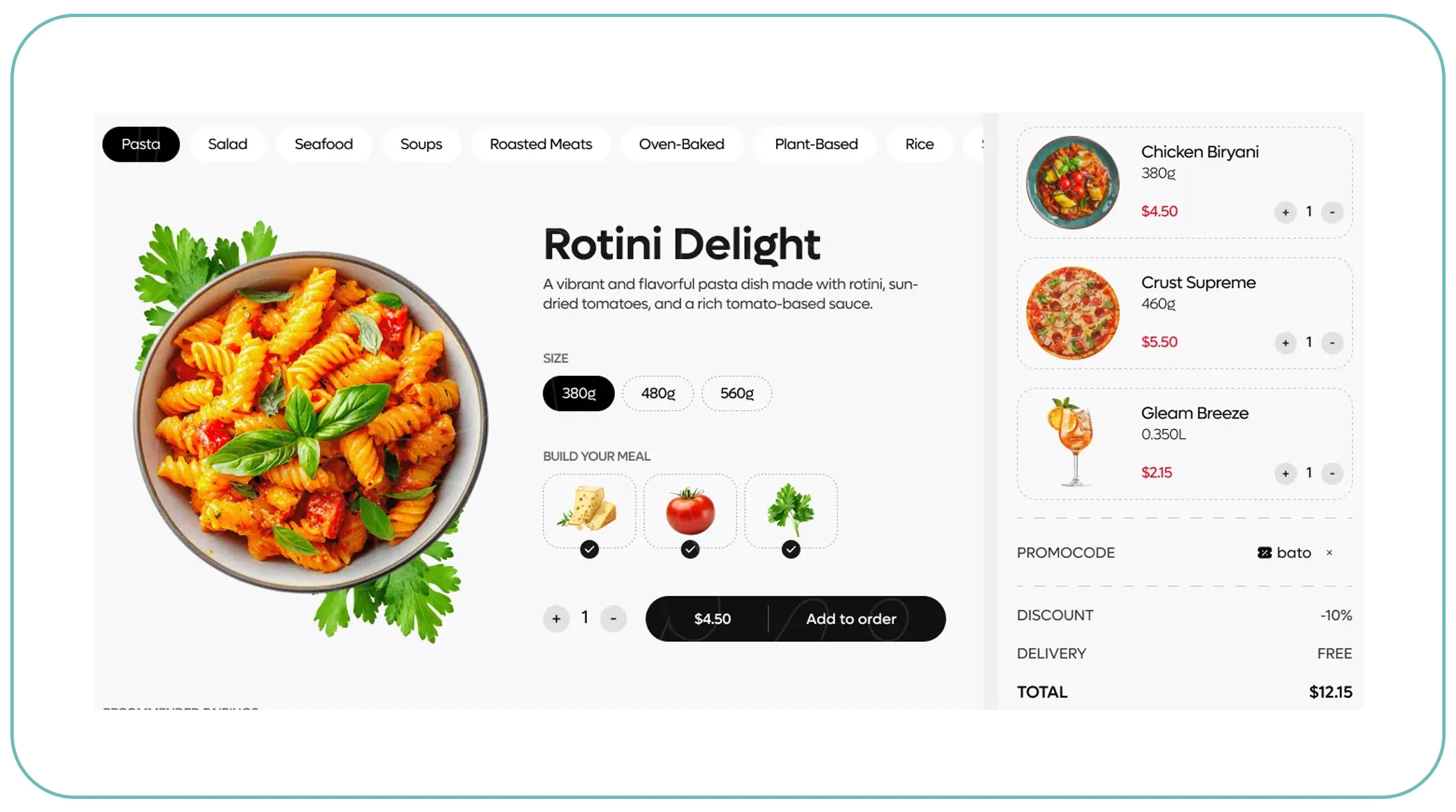
The use of AI-powered food delivery demand analysis using data scraping allows businesses to collect restaurant listings, pricing trends, customer ratings, menu updates, and order volumes from multiple delivery platforms. AI models then analyze this information to forecast demand patterns.
Food Delivery Market Growth Statistics
| Year | Global Food Delivery Revenue |
|---|---|
| 2020 | $136 Billion |
| 2021 | $151 Billion |
| 2022 | $221 Billion |
| 2023 | $280 Billion |
| 2024 | $320 Billion |
| 2025 | $365 Billion |
| 2026 | $410 Billion (Projected) |
Businesses that implement AI forecasting solutions can improve staffing decisions, reduce inventory shortages, increase order fulfillment speed, and enhance customer retention.
For example, restaurants can prepare inventory before peak dinner hours based on predicted demand. Delivery companies can allocate drivers more efficiently during busy periods.
Web scraping technology continuously gathers fresh data from food delivery platforms. AI converts that raw information into actionable insights. This combination improves forecasting accuracy and business efficiency.
How Can Market Intelligence Improve Food Delivery Forecasting?
Businesses need more than internal sales data to understand market demand. Competitor pricing, customer reviews, discounts, and regional food trends also influence customer ordering behavior.
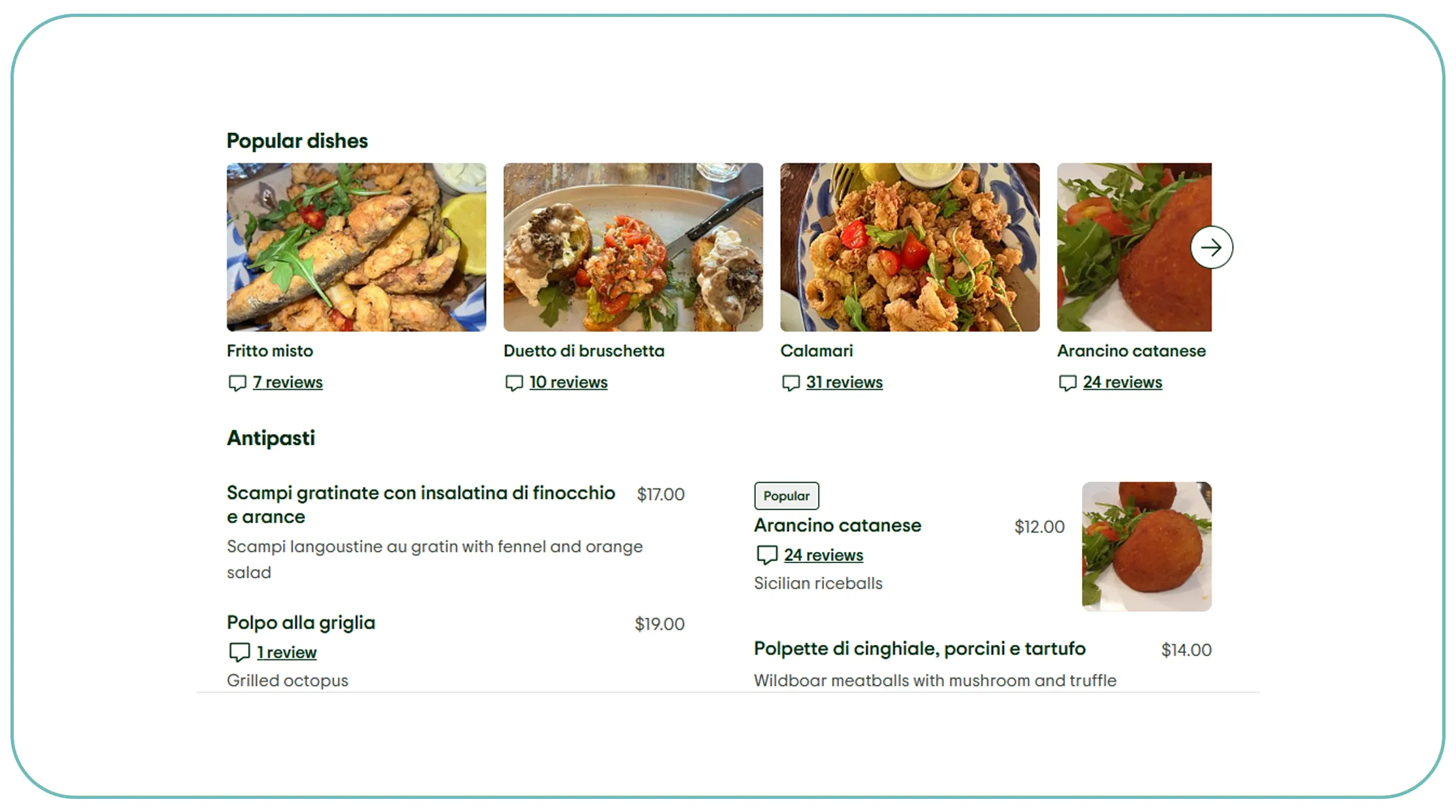
Using food delivery market intelligence using scraped data, companies can track competitor pricing changes, popular cuisines by location, customer review trends, seasonal ordering patterns, and delivery time performance.
Market Intelligence Insights (2020-2026)
| Metric | 2020 | 2023 | 2026 Projected |
|---|---|---|---|
| Mobile Food Orders | 45% | 63% | 78% |
| AI Forecast Adoption | 18% | 39% | 61% |
| Personalized Recommendations | 22% | 47% | 70% |
Food delivery businesses that monitor competitor activities gain a strong operational advantage. AI systems process scraped data from multiple sources and identify hidden demand patterns. These insights help restaurants improve menu planning and promotional campaigns.
For example:
- AI detects increasing demand for healthy food.
- Restaurants adjust inventory accordingly.
- Delivery apps promote healthy meal options.
- Businesses improve conversion rates.
How Does AI Understand Customer Ordering Behavior?
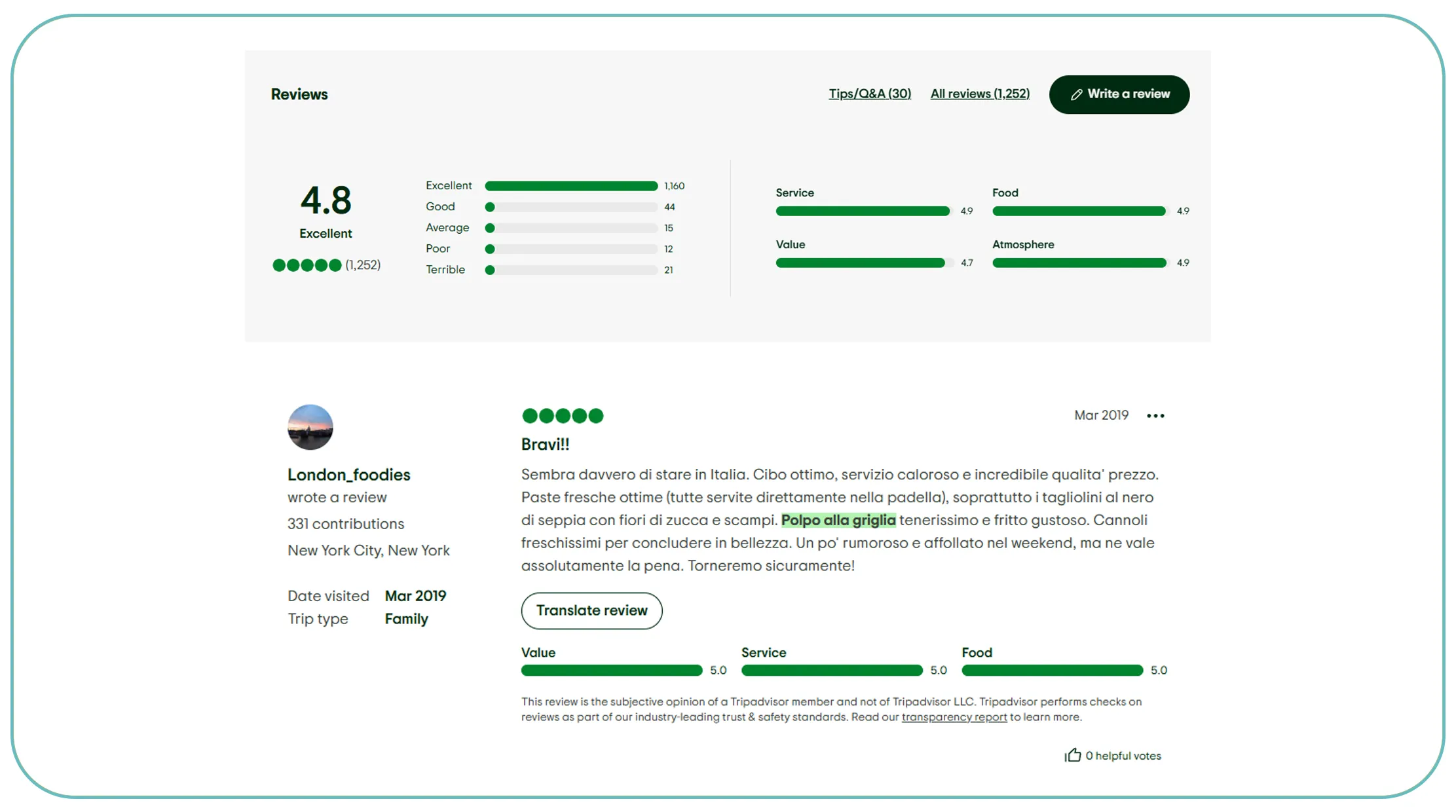
Customer ordering behavior changes constantly. Factors like weather, weekends, sports events, and promotions directly impact food delivery demand.
Businesses can Scrape consumer food ordering behavior analysis with AI to understand preferred ordering times, popular meal categories, repeat customer behavior, spending habits, and location-based ordering trends.
Customer Behavior Trends
| Year | Average Weekly Food Orders Per User |
|---|---|
| 2020 | 2.1 |
| 2021 | 2.6 |
| 2022 | 3.0 |
| 2023 | 3.4 |
| 2024 | 3.8 |
| 2025 | 4.2 |
| 2026 | 4.6 |
AI algorithms analyze customer activity collected through web scraping. This helps delivery platforms create predictive models that estimate future order demand.
Businesses can use these insights to launch targeted promotions, improve delivery staffing, reduce delivery delays, and personalize recommendations.
What Makes Predictive Analytics More Accurate?
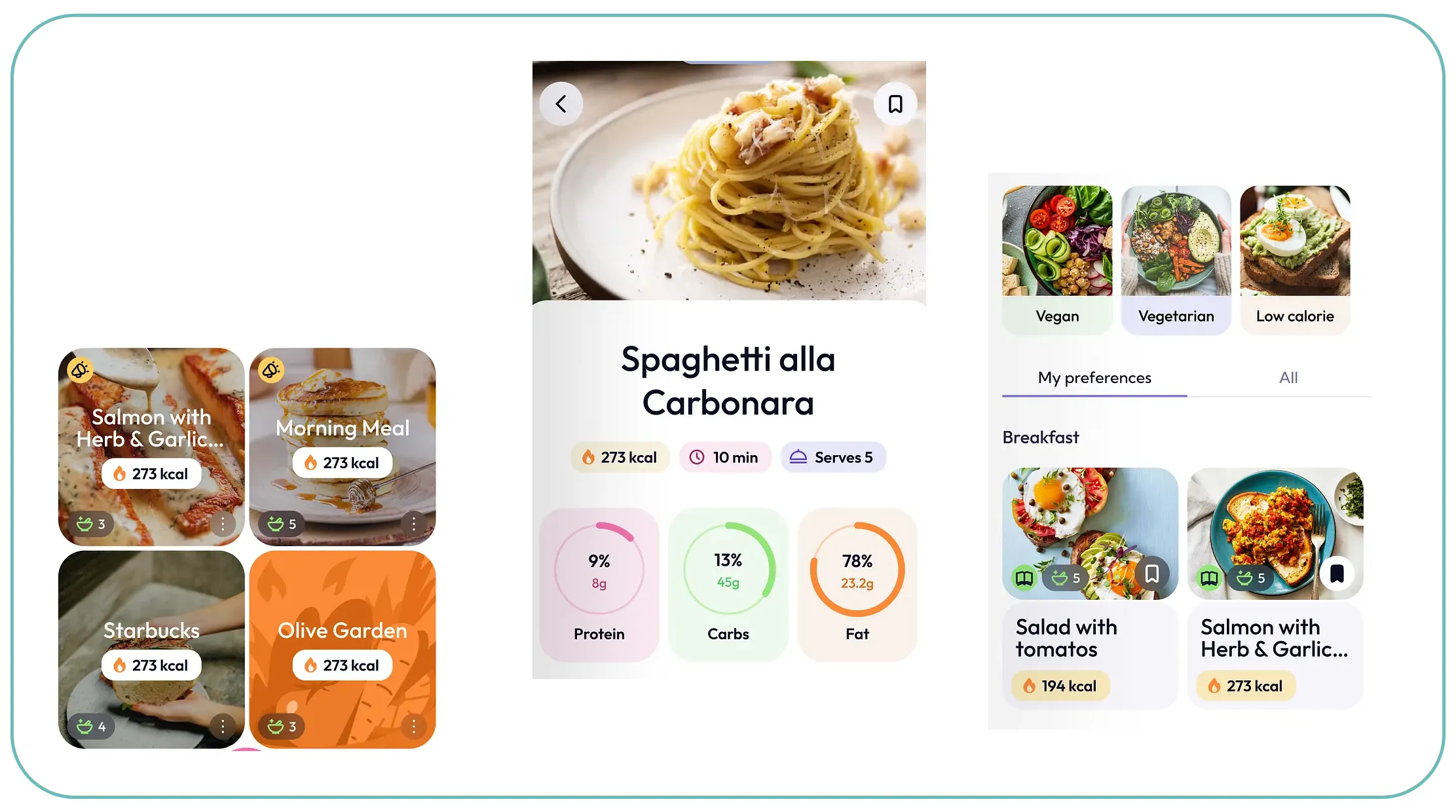
Traditional forecasting methods rely heavily on historical sales data. However, historical data alone cannot predict sudden market changes. Real-time data collection improves forecasting accuracy significantly.
Modern businesses now use Web Scraping Food delivery demand prediction strategies to collect live data from food delivery apps, restaurant menus, social media trends, customer reviews, and pricing updates.
AI Forecasting Accuracy Improvements
| Forecasting Method | Accuracy Rate |
|---|---|
| Traditional Analytics | 62% |
| Historical Sales Models | 71% |
| AI + Web Scraping Models | 89% |
Web scraping continuously feeds AI systems with updated market information. Key benefits include faster demand predictions, better inventory management, reduced food waste, and improved delivery operations.
Why Is Structured Data Essential for Forecasting?
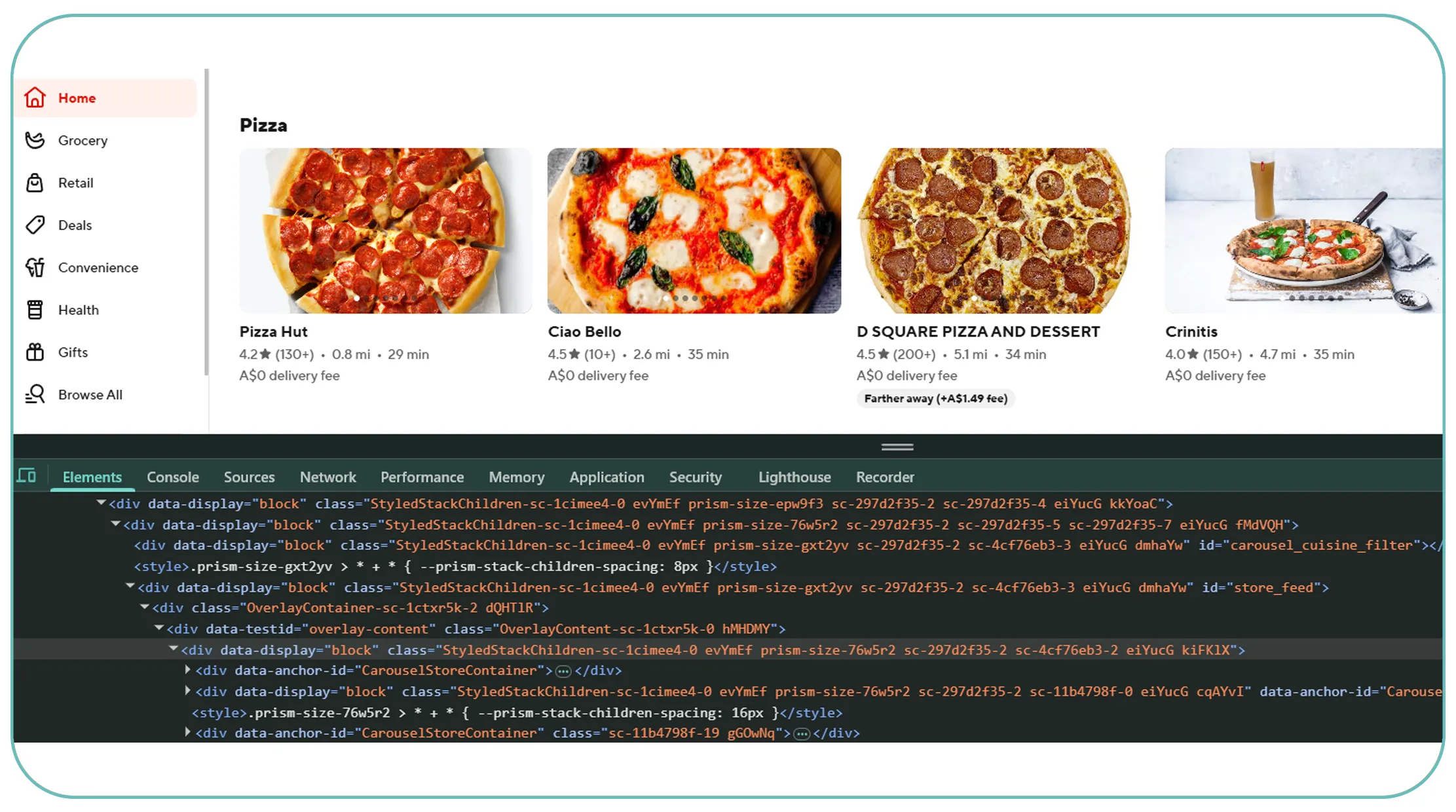
Forecasting systems depend heavily on data quality. Poor or incomplete datasets reduce prediction accuracy. Businesses need structured and reliable information for effective AI analysis.
A comprehensive Food Dataset includes restaurant information, menu pricing, customer ratings, delivery times, geographic demand patterns, and order frequency.
Food Delivery Data Volume Growth
| Year | Estimated Daily Data Points Collected |
|---|---|
| 2020 | 5 Million |
| 2021 | 8 Million |
| 2022 | 12 Million |
| 2023 | 18 Million |
| 2024 | 25 Million |
| 2025 | 33 Million |
| 2026 | 42 Million |
Structured datasets help AI systems detect market trends faster, improve recommendation engines, predict delivery demand accurately, and identify high-performing restaurant categories.
How Do Dashboards Improve Business Decision-Making?
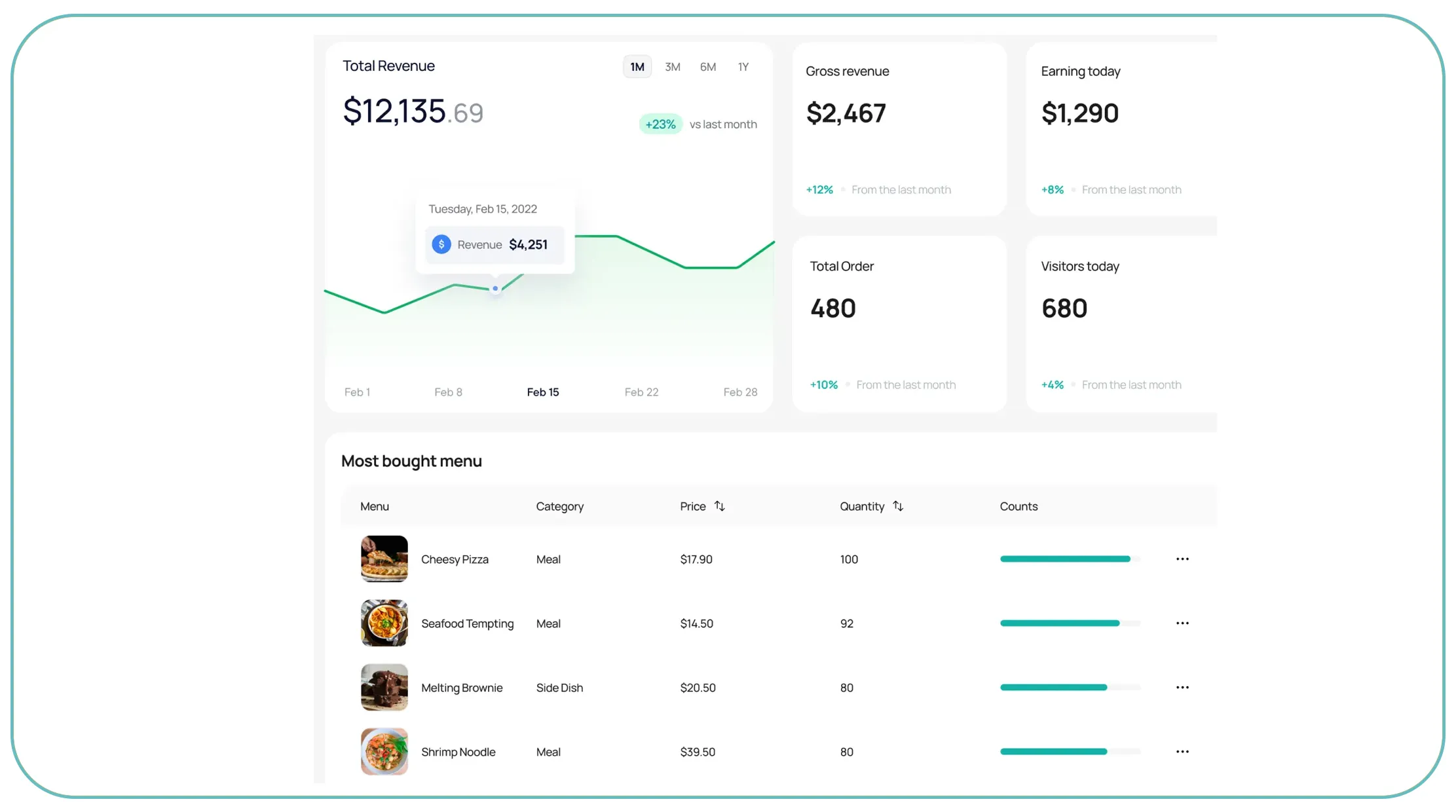
Forecasting data becomes more useful when businesses can visualize insights clearly. Real-time dashboards help decision-makers monitor operational performance instantly.
A modern Food Delivery Dashboard displays live order trends, delivery performance, customer satisfaction metrics, revenue analytics, and regional demand forecasts.
Dashboard Adoption Trends
| Year | Businesses Using Real-Time Dashboards |
|---|---|
| 2020 | 24% |
| 2021 | 33% |
| 2022 | 46% |
| 2023 | 58% |
| 2024 | 67% |
| 2025 | 74% |
| 2026 | 82% |
Dashboards simplify complex forecasting data into visual reports. Benefits include faster decision-making, improved operational visibility, better customer experience, and increased revenue optimization.
Why Choose Real Data API?
Real Data API provides scalable and accurate data extraction solutions for food delivery businesses. Companies can collect real-time restaurant, menu, pricing, review, and delivery data from major food delivery platforms efficiently.
Businesses using Food Delivery Data API Scraping for Restaurant Analytics gain access to reliable structured datasets that support forecasting, competitive intelligence, and customer behavior analysis.
Real Data API helps businesses collect real-time delivery platform data, monitor competitors automatically, improve AI forecasting models, scale data collection efficiently, and enhance operational decision-making.
The platform also supports food delivery demand forecasting using web scraping and AI by delivering accurate and continuously updated data streams.
Key advantages:
- High-quality structured datasets
- Fast API integration
- Scalable data infrastructure
- Reliable data extraction
- Advanced analytics support
Businesses can improve demand forecasting accuracy while reducing operational costs through automated data collection.
Conclusion
The food delivery industry continues to grow rapidly, making accurate forecasting more important than ever. Businesses that adopt food delivery demand forecasting using web scraping and AI gain a significant competitive advantage through smarter decision-making, improved operational efficiency, and better customer experiences.
AI-powered forecasting combined with web scraping helps businesses predict demand patterns, optimize inventory, reduce delivery delays, and improve profitability.
Ready to transform your food delivery analytics strategy? Contact Real Data API today and unlock real-time data solutions for smarter forecasting and business growth!
Latest posts
How Ixigo API Helps Businesses Solve Flight, Train, Hotel, Travel, and Pricing Data Challenges
How to Extract Restaurants, Menus, Prices, Ratings, and Business Data for Market Insights
How Brands Track Restaurant, Menu, Pricing, Rating, and Delivery Data for Competitive Intelligence

How Retailers Track Fashion Products, Prices, Brands, and Category Data for Competitive Intelligence Using AJIO API






.png)