
Introduction
Food aggregators analyze delivery fee patterns to optimize pricing strategies, balance demand, and improve profit margins. Understanding How food aggregators analyze delivery fee trends helps platforms, restaurant partners, logistics teams, and market analysts make smarter decisions about pricing, promotions, and delivery operations.
Industry Insight: The global food delivery market is projected to surpass $1.8 trillion by 2026, and over 65% of pricing decisions are now influenced by delivery charges, distance-based fees, and demand surges.
For restaurant platforms, cloud kitchens, and aggregator networks, managing delivery pricing is a major operational challenge. Modern systems like Restaurant Platform Development Using Food Delivery APIs help businesses collect, analyze, and optimize delivery fee data across regions in real time.
This blog explains how aggregators analyze delivery fee trends between 2020 and 2026 to improve profitability, customer retention, and operational efficiency.
How Do Aggregators Turn Delivery Fee Data Into Business Intelligence?
Delivery fees directly impact customer behavior and order volume. Even small changes can significantly affect conversion rates.
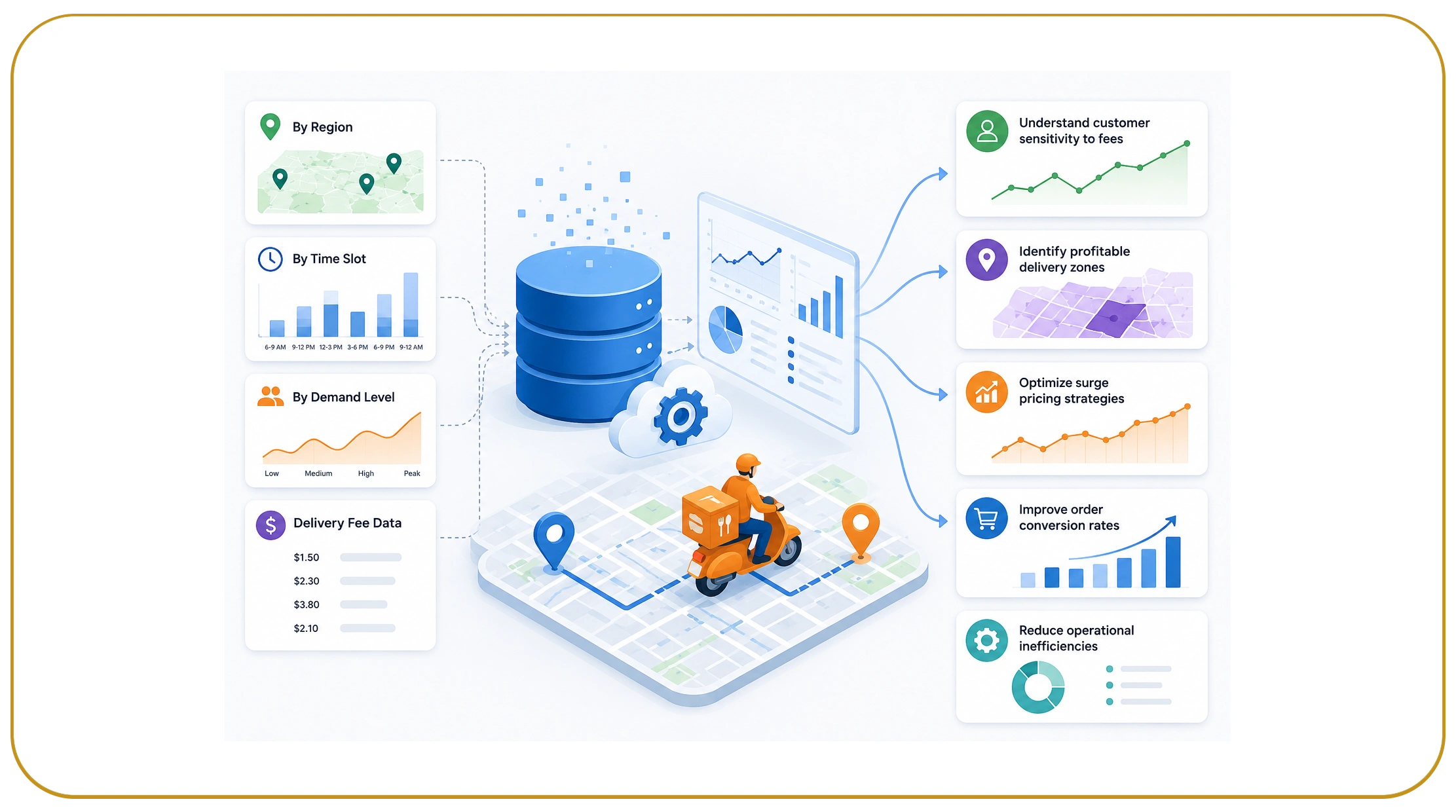
One major approach is Delivery Fee data Intelligence for Food Aggregators, which helps businesses analyze pricing structures across regions, time slots, and demand levels.
Key Benefits:
- Understand customer sensitivity to fees
- Identify profitable delivery zones
- Optimize surge pricing strategies
- Improve order conversion rates
- Reduce operational inefficiencies
Delivery Intelligence Adoption (2020–2026)
| Year | Aggregators Using Fee Intelligence |
|---|---|
| 2020 | 24% |
| 2021 | 32% |
| 2022 | 41% |
| 2023 | 52% |
| 2024 | 62% |
| 2025 | 72% |
| 2026 | 83% |
For example, a food delivery platform may notice lower order volumes in high-fee zones. Adjusting pricing strategies based on this insight can increase conversions.
Aggregators also use fee intelligence to balance profitability and demand. High-demand zones may tolerate higher fees, while low-demand regions require discounts or optimized pricing.
Data-driven insights ensure better financial performance and improved customer satisfaction.
How Can Regional Delivery Fee Analysis Improve Pricing Strategy?
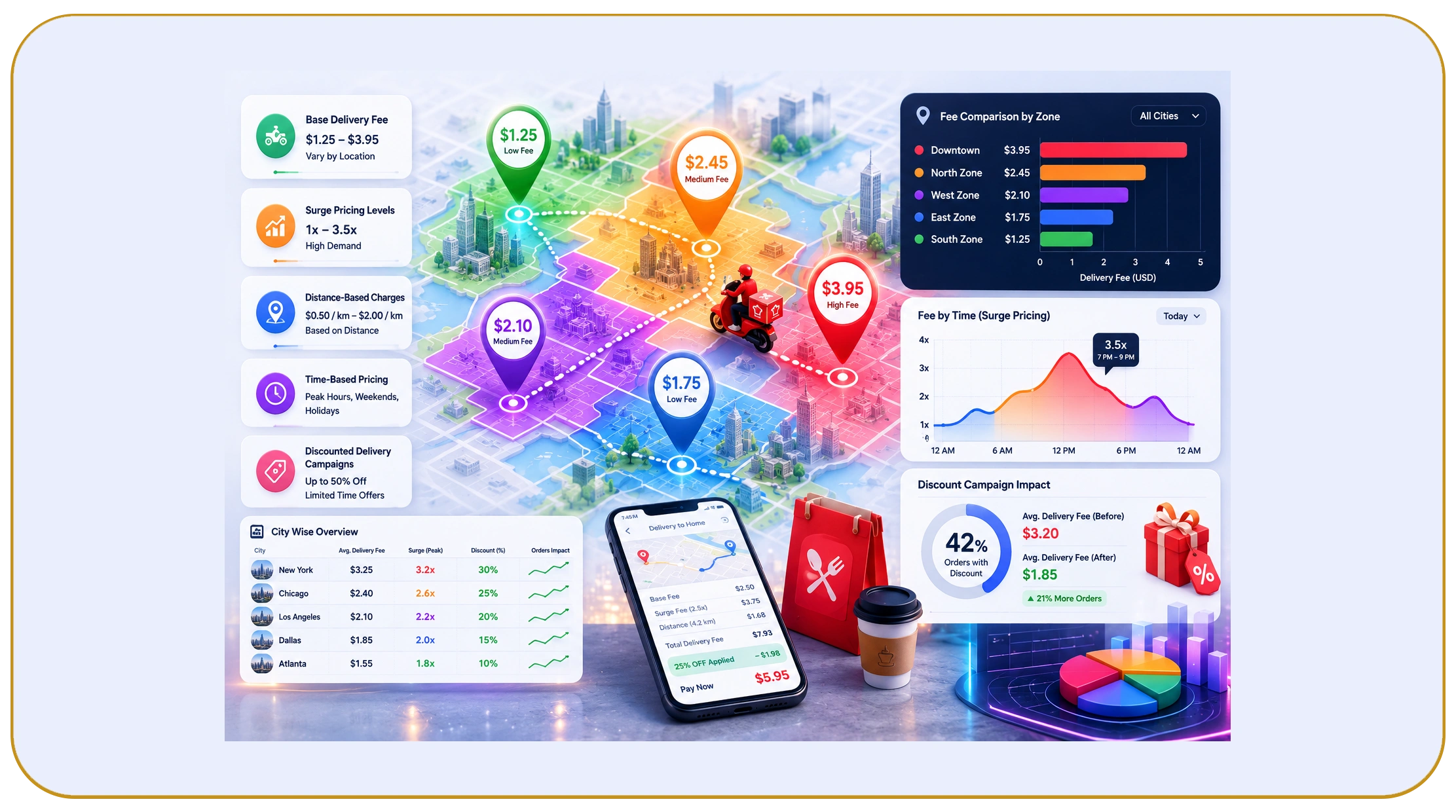
Delivery fees vary significantly across cities, zones, and time periods. Understanding these variations is critical for pricing optimization.
Businesses use tools to Scrape Food delivery fee data across regions to compare pricing differences and evaluate performance across multiple markets.
Key Data Points Collected:
- Base delivery fee
- Surge pricing levels
- Distance-based charges
- Time-based pricing
- Discounted delivery campaigns
Regional Analysis Adoption Trends
| Year | Platforms Using Regional Fee Analysis |
|---|---|
| 2020 | 23% |
| 2021 | 31% |
| 2022 | 40% |
| 2023 | 50% |
| 2024 | 61% |
| 2025 | 72% |
| 2026 | 84% |
For example, metropolitan cities often show higher tolerance for surge pricing compared to smaller towns. Aggregators use this insight to adjust pricing models accordingly.
Regional analysis also helps identify underserved areas where high delivery fees may be reducing order frequency. Platforms can optimize logistics or adjust pricing strategies to improve penetration.
This creates a more balanced and efficient delivery network.
How Does Automated Data Extraction Improve Fee Tracking Accuracy?
Manual tracking of delivery charges is inefficient due to constant fluctuations. Automated systems provide real-time visibility into pricing changes across multiple platforms.
Many organizations rely on web scraping Delivery charge data for food delivery apps to monitor fee variations at scale.
Automation Benefits:
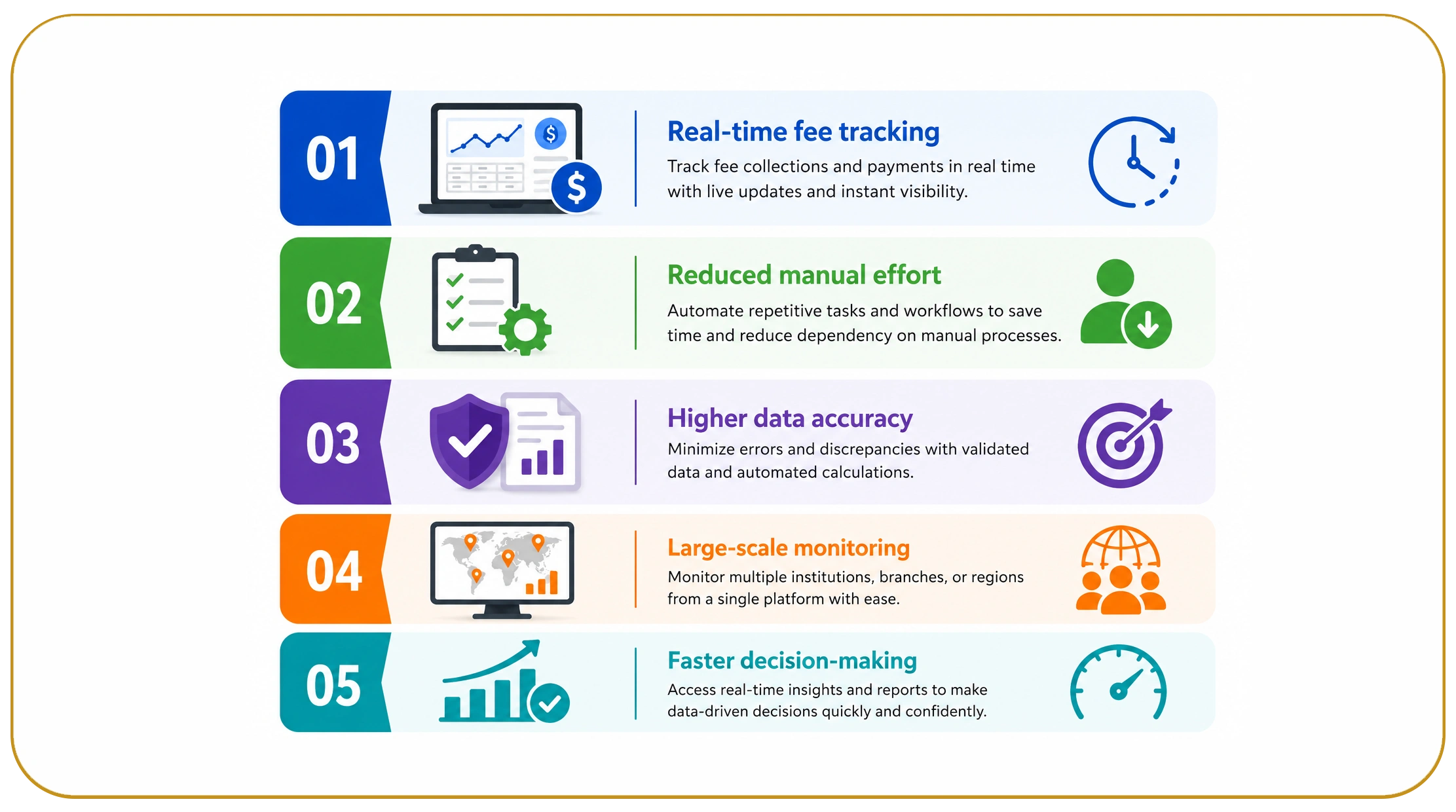
- Real-time fee tracking
- Reduced manual effort
- Higher data accuracy
- Large-scale monitoring
- Faster decision-making
Automation Growth Trends
| Year | Businesses Using Automated Fee Tracking |
|---|---|
| 2020 | 22% |
| 2021 | 30% |
| 2022 | 39% |
| 2023 | 50% |
| 2024 | 60% |
| 2025 | 71% |
| 2026 | 82% |
For instance, a delivery platform can detect sudden changes in surge pricing during peak hours. This allows quick adjustments to maintain order flow.
Automation also helps identify long-term pricing patterns. Aggregators can evaluate how fees affect customer retention and order frequency.
As competition increases, automated fee tracking becomes essential for maintaining profitability and operational efficiency.
How Do Aggregators Optimize Delivery Costs Using Data?
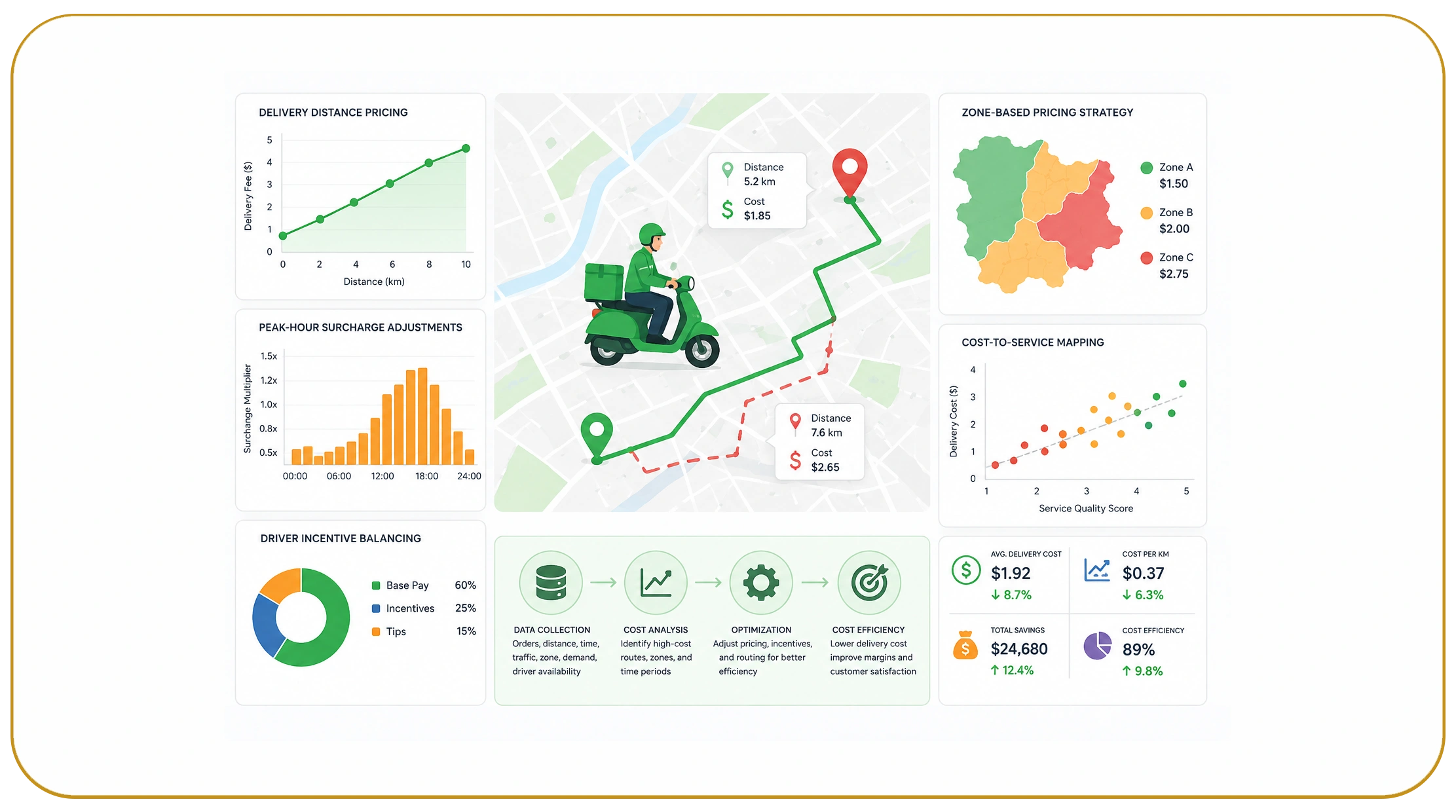
Delivery cost optimization is one of the most important challenges for food aggregators. Profit margins depend on balancing customer fees, driver incentives, and operational efficiency.
Businesses use food Delivery Cost Optimization data scraper systems to analyze cost structures and identify inefficiencies in delivery pricing models.
Key Optimization Areas:
- Delivery distance pricing
- Peak-hour surcharge adjustments
- Driver incentive balancing
- Zone-based pricing strategy
- Cost-to-service mapping
Cost Optimization Adoption Trends (2020–2026)
| Year | Platforms Optimizing Delivery Costs |
|---|---|
| 2020 | 25% |
| 2021 | 34% |
| 2022 | 43% |
| 2023 | 53% |
| 2024 | 64% |
| 2025 | 74% |
| 2026 | 85% |
For example, a platform may discover that certain delivery zones consistently generate higher operational costs than revenue. Adjusting pricing or logistics routes helps improve profitability.
Cost optimization also includes identifying peak-hour inefficiencies. Aggregators can adjust delivery fees or incentives to balance demand during high-traffic periods.
By using structured data analysis, businesses gain better visibility into cost drivers and can make informed decisions that improve long-term financial performance.
How Can Forecasting Improve Delivery Fee Strategy?
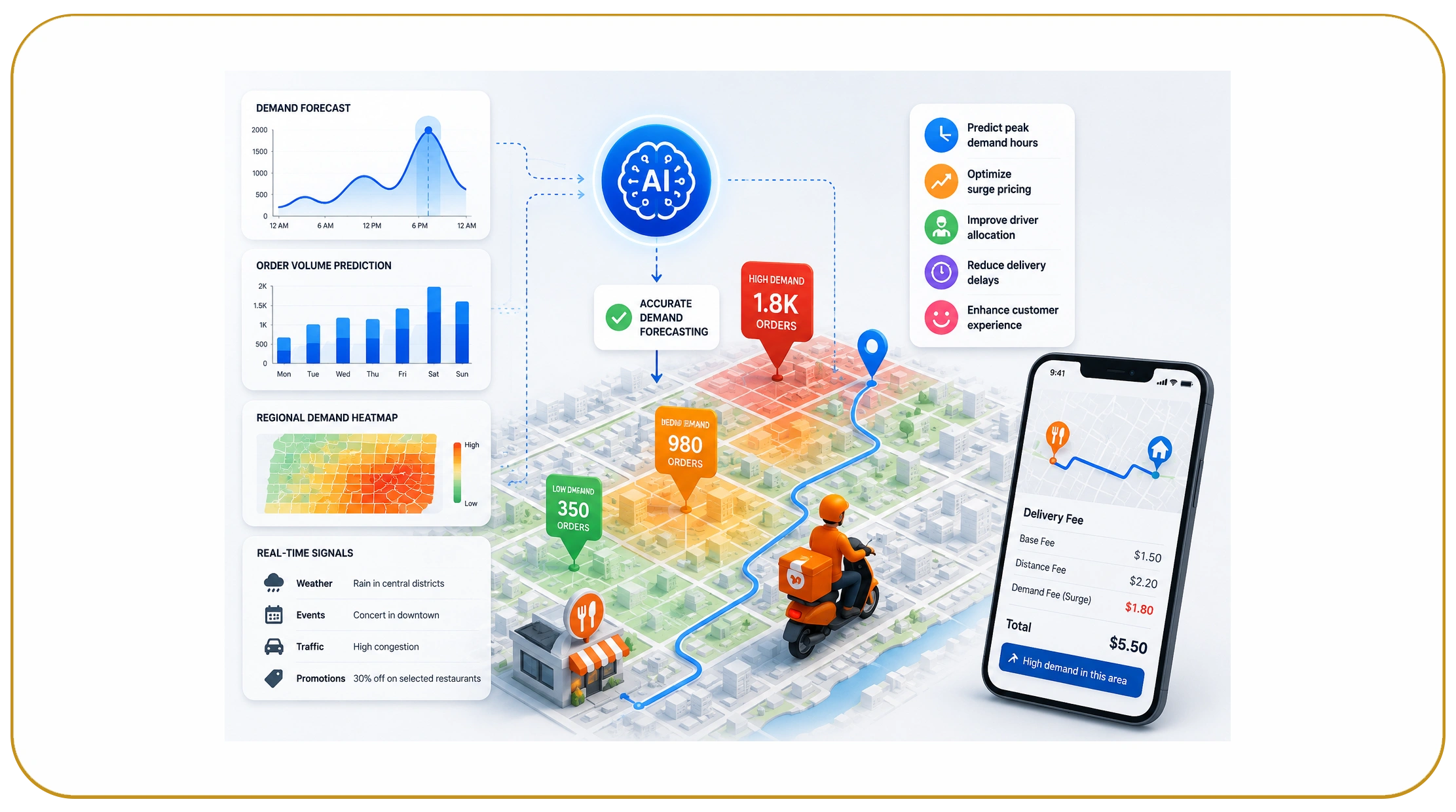
Predicting future demand is essential for setting dynamic delivery fees. Aggregators must anticipate customer behavior, order volume, and regional demand fluctuations.
Many platforms use Food Delivery Demand Forecasting Using Web Scraping and AI to combine historical data with real-time signals for accurate predictions.
Forecasting Benefits:
- Predict peak demand hours
- Optimize surge pricing
- Improve driver allocation
- Reduce delivery delays
- Enhance customer experience
Forecast Accuracy Growth
| Year | Forecast Accuracy |
|---|---|
| 2020 | 67% |
| 2021 | 71% |
| 2022 | 75% |
| 2023 | 79% |
| 2024 | 83% |
| 2025 | 87% |
| 2026 | 90% |
For example, AI models may predict increased demand during weekends or rainy weather conditions. Aggregators can adjust delivery fees accordingly to manage supply and demand balance.
Forecasting also helps reduce operational strain. By anticipating order spikes, platforms can ensure sufficient driver availability.
This improves both profitability and customer satisfaction by reducing delays and optimizing pricing in real time.
How Does Data Integration Improve Restaurant and Aggregator Analytics?

Modern food platforms rely on integrated data systems to manage pricing, delivery, and customer insights efficiently.
One key approach is Food Delivery Data API Scraping for Restaurant Analytics, which enables centralized access to delivery fee, order, and pricing data across multiple platforms.
Analytics Applications:
- Pricing performance tracking
- Delivery efficiency analysis
- Customer behavior insights
- Revenue optimization
- Competitive benchmarking
Analytics Adoption Trends
| Year | Platforms Using Advanced Analytics |
|---|---|
| 2020 | 28% |
| 2021 | 36% |
| 2022 | 45% |
| 2023 | 55% |
| 2024 | 66% |
| 2025 | 76% |
| 2026 | 86% |
For example, aggregators can analyze how delivery fees affect order frequency across different regions. This allows better pricing adjustments and improved customer retention strategies.
Analytics systems also help restaurants understand delivery cost impact on profitability. Businesses can adjust menu pricing or promotions based on delivery fee trends.
Integrated analytics creates a unified view of business performance, enabling faster and more accurate decision-making.
Why Choose Real Data API?
Food delivery businesses need reliable and scalable data solutions to stay competitive in a rapidly evolving market. Real Data API provides enterprise-grade tools designed to analyze and optimize delivery ecosystems.
With advanced Food Delivery Dashboard capabilities, businesses can visualize pricing trends, monitor delivery fees, and analyze operational performance in real time. Understanding How food aggregators analyze delivery fee trends helps organizations optimize pricing strategies, improve efficiency, and increase profitability.
Key advantages include:
- Real-time fee tracking
- Large-scale delivery data monitoring
- Automated pricing intelligence
- Scalable API integrations
- Accurate analytics reporting
By leveraging Real Data API, businesses can transform raw delivery data into actionable insights that drive smarter decisions and better margins.
Conclusion
Food aggregators operate in a highly dynamic environment where delivery fees directly influence demand, profitability, and customer behavior. Understanding How food aggregators analyze delivery fee trends enables businesses to optimize pricing models, improve forecasting accuracy, and enhance operational efficiency.
From Competitor price monitoring to real-time analytics and forecasting, delivery fee intelligence plays a critical role in shaping modern food delivery strategies. Organizations that adopt data-driven systems gain a significant advantage in managing costs and maximizing revenue.
Ready to optimize your delivery pricing strategy? Contact Real Data API today and leverage advanced analytics to improve profitability, efficiency, and growth across your food delivery operations!
Latest posts
How Ixigo API Helps Businesses Solve Flight, Train, Hotel, Travel, and Pricing Data Challenges

How to Extract Restaurants, Menus, Prices, Ratings, and Business Data for Market Insights
How Brands Track Restaurant, Menu, Pricing, Rating, and Delivery Data for Competitive Intelligence

How Retailers Track Fashion Products, Prices, Brands, and Category Data for Competitive Intelligence Using AJIO API







.png)



