Introduction
Why are brands investing in hyperlocal retail intelligence?
Brands are investing in location-based retail analytics because local market conditions vary dramatically by neighborhood, city, and region. Using hyperlocal retail intelligence with location data scraping allows retailers to understand consumer behavior, pricing patterns, inventory demand, and competitor activity at a granular level. This enables faster and more accurate business decisions.
Industry Insight: According to retail analytics studies, over 78% of retail executives believe location-specific insights have become more important between 2020 and 2026 due to the rise of omnichannel shopping and regional demand fluctuations.
Modern retailers increasingly depend on an E-Commerce Data Scraping API to collect large-scale marketplace, location, and pricing data from multiple sources in real time. This data helps businesses identify local opportunities, optimize inventory allocation, and improve competitive positioning.
Who should read this guide?
Target Audience: Retail brands, e-commerce managers, pricing analysts, category managers, market intelligence teams, and multi-location retailers.
Pain Point Solved: Lack of visibility into local market dynamics, regional pricing differences, and neighborhood-level consumer demand.
How can retailers identify local market opportunities faster?
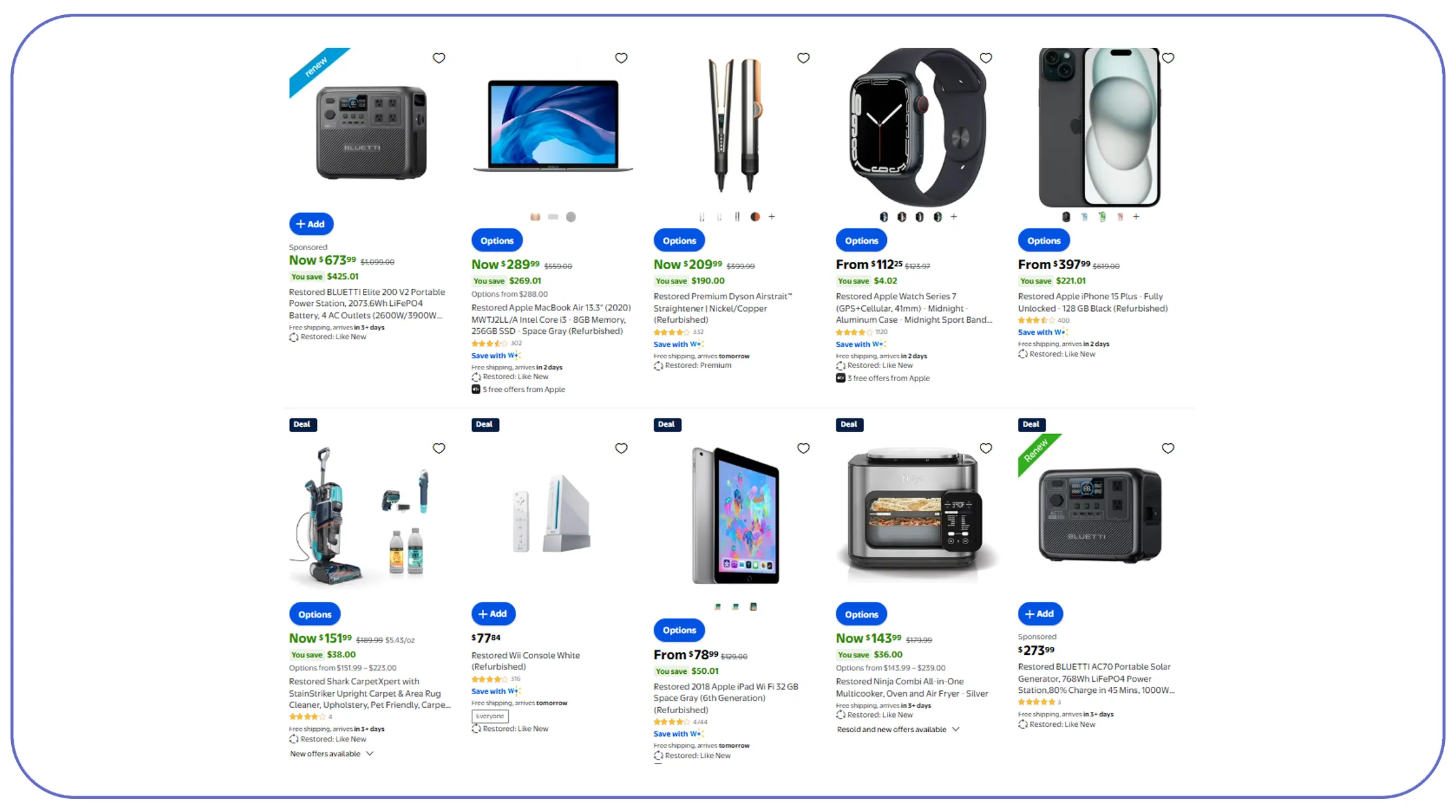
Retail markets are becoming increasingly fragmented. A product that performs well in one city may underperform in another due to local preferences, demographics, weather patterns, or competitor activity.
To scrape hyperlocal retail market trends data, retailers collect localized information from online marketplaces, delivery apps, local retailers, and regional e-commerce platforms.
Key data points collected:
- Product pricing by location
- Inventory availability
- Regional promotions
- Consumer demand indicators
- Store-level assortment data
Market Growth Statistics (2020–2026)
| Year | Retail Data Usage (%) |
|---|---|
| 2020 | 34 |
| 2021 | 41 |
| 2022 | 49 |
| 2023 | 57 |
| 2024 | 64 |
| 2025 | 71 |
| 2026 | 78 |
Benefits of localized trend monitoring:
- Faster demand forecasting
- Better inventory allocation
- Improved regional promotions
- Reduced stockouts
- Enhanced customer satisfaction
Retailers using localized intelligence can respond to market changes significantly faster than competitors relying on national-level data alone.
How does location-based data reveal hidden consumer behavior?
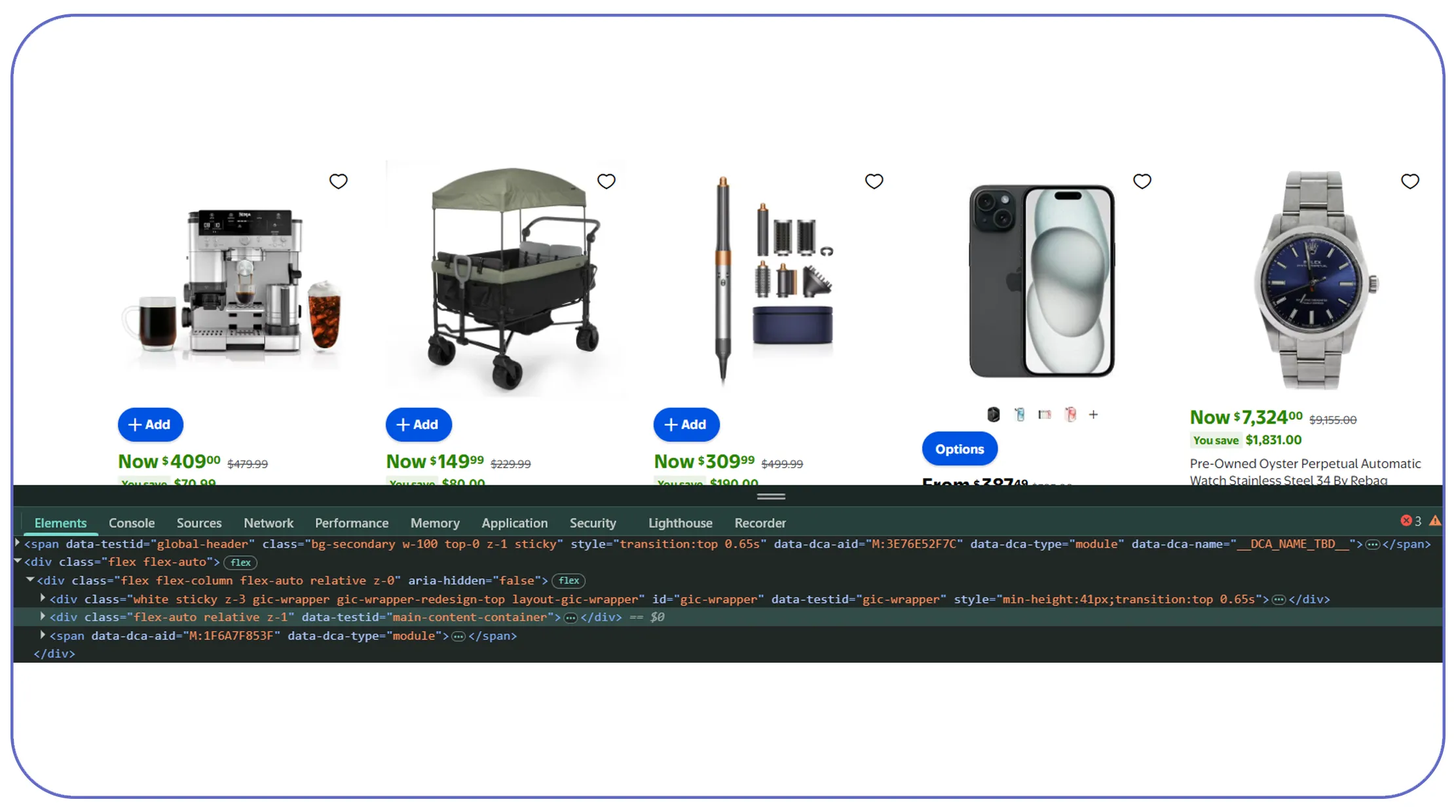
Consumer behavior varies significantly across neighborhoods and cities. Understanding these differences helps retailers create targeted strategies.
Using web scraping retail location data hyperlocal insights, businesses can uncover purchasing patterns that traditional reporting systems often miss.
Examples of location-based insights:
- Urban customers favor premium products
- Suburban markets show stronger bulk-buying behavior
- Seasonal demand varies by region
- Price sensitivity differs across zip codes
Consumer Behavior Trends (2020–2026)
| Consumer Metric | 2020 | 2026 |
|---|---|---|
| Mobile Shopping Usage | 52% | 85% |
| Local Search Activity | 48% | 81% |
| Same-Day Delivery Demand | 31% | 74% |
Key advantages:
- Personalized marketing campaigns
- Regional assortment planning
- Better promotional targeting
- Improved customer retention
Retailers that understand local consumer behavior can create more relevant shopping experiences and maximize conversion rates.
How do advanced intelligence platforms support retail growth?
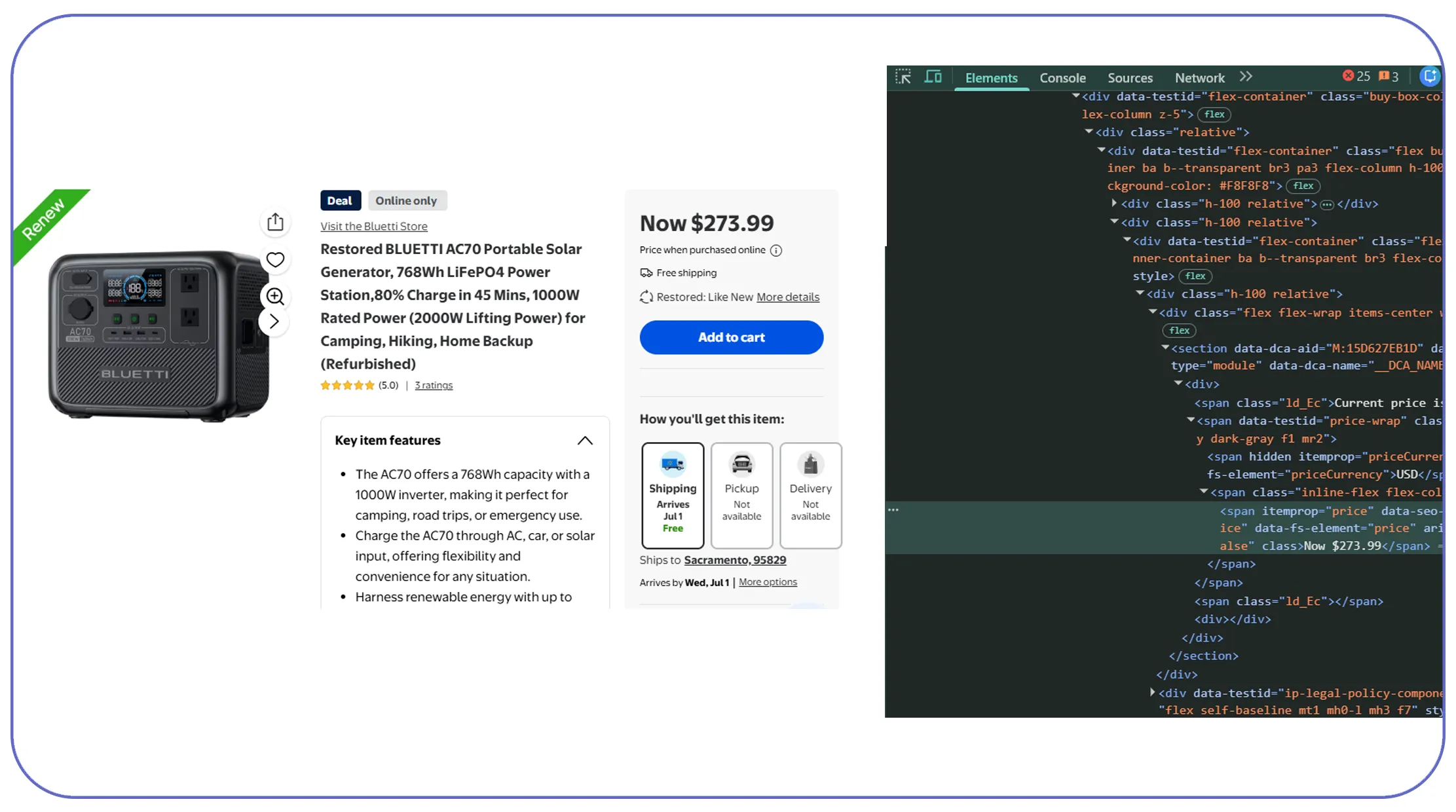
Retail data is only valuable when transformed into actionable insights. Businesses require systems capable of processing millions of location-specific records efficiently.
This is where Hyperlocal Retail data intelligence solutions become critical.
These platforms combine:
- Location intelligence
- Pricing analytics
- Inventory monitoring
- Competitor benchmarking
- Demand forecasting
Key Business Applications
| Application | Business Impact |
|---|---|
| Pricing Intelligence | Improved margins |
| Demand Forecasting | Better inventory planning |
| Competitor Monitoring | Faster market response |
| Assortment Planning | Higher sales efficiency |
Between 2020 and 2026, organizations using advanced retail intelligence platforms reported:
- 35% faster decision-making
- 28% improvement in pricing accuracy
- 22% increase in inventory efficiency
These systems allow brands to move beyond reactive decision-making and build proactive retail strategies.
How can brands respond to local pricing changes in real time?
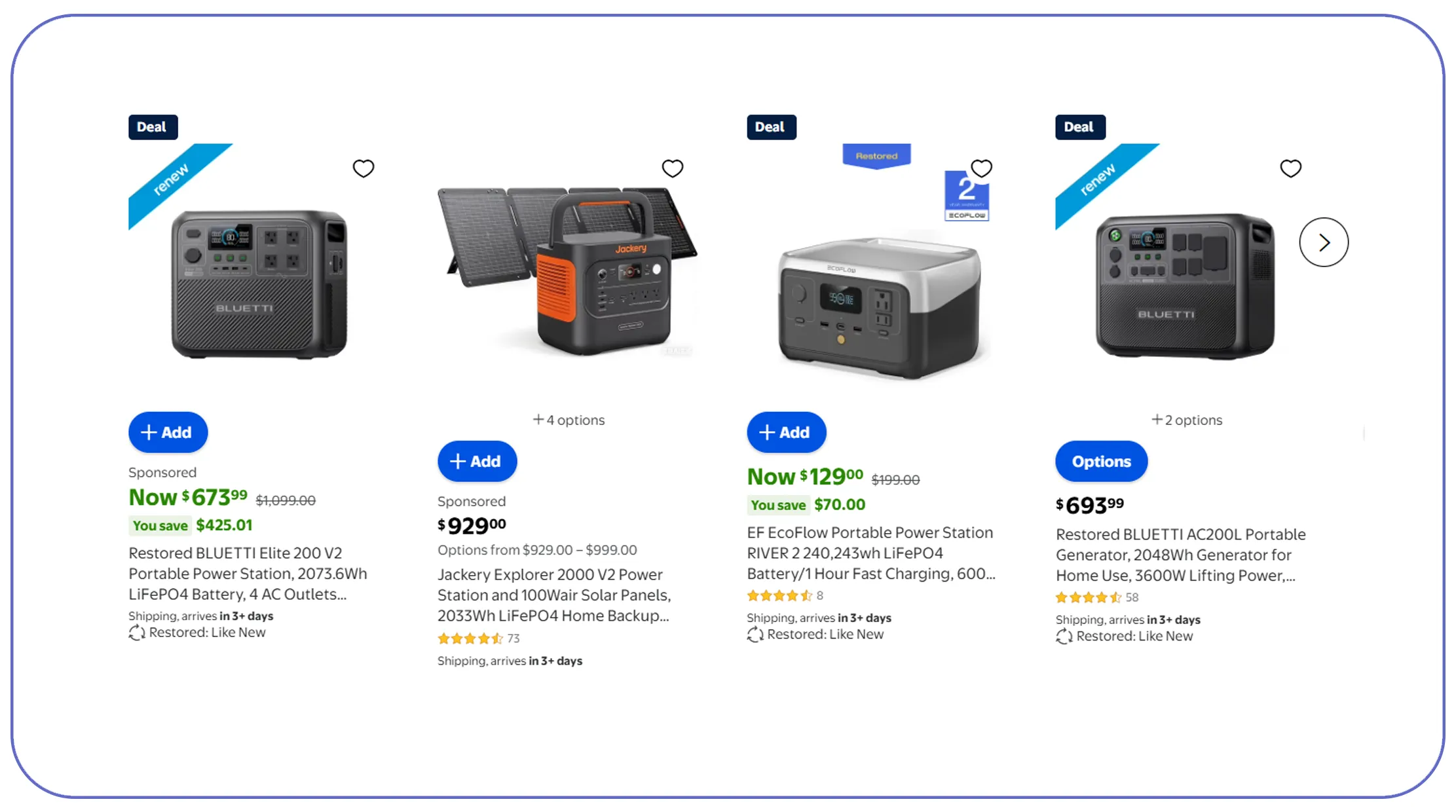
Pricing is one of the most dynamic aspects of retail. Competitors frequently adjust prices based on local demand, promotions, and inventory levels.
Using Real-Time Retail Pricing Intelligence API Solutions, businesses can monitor pricing activity continuously across locations.
Why real-time pricing matters:
- Protects market share
- Prevents pricing gaps
- Improves promotional effectiveness
- Supports dynamic pricing strategies
Pricing Intelligence Trends (2020–2026)
| Metric | 2020 | 2026 |
|---|---|---|
| Dynamic Pricing Adoption | 21% | 67% |
| Automated Pricing Decisions | 18% | 61% |
| Real-Time Monitoring Usage | 26% | 72% |
Key outcomes:
- Faster competitive response
- Improved profit margins
- Better promotional planning
- Enhanced pricing consistency
Retailers that monitor local pricing activity can make adjustments within hours instead of days, significantly improving competitiveness.
Why are mobile apps becoming a major source of retail intelligence?
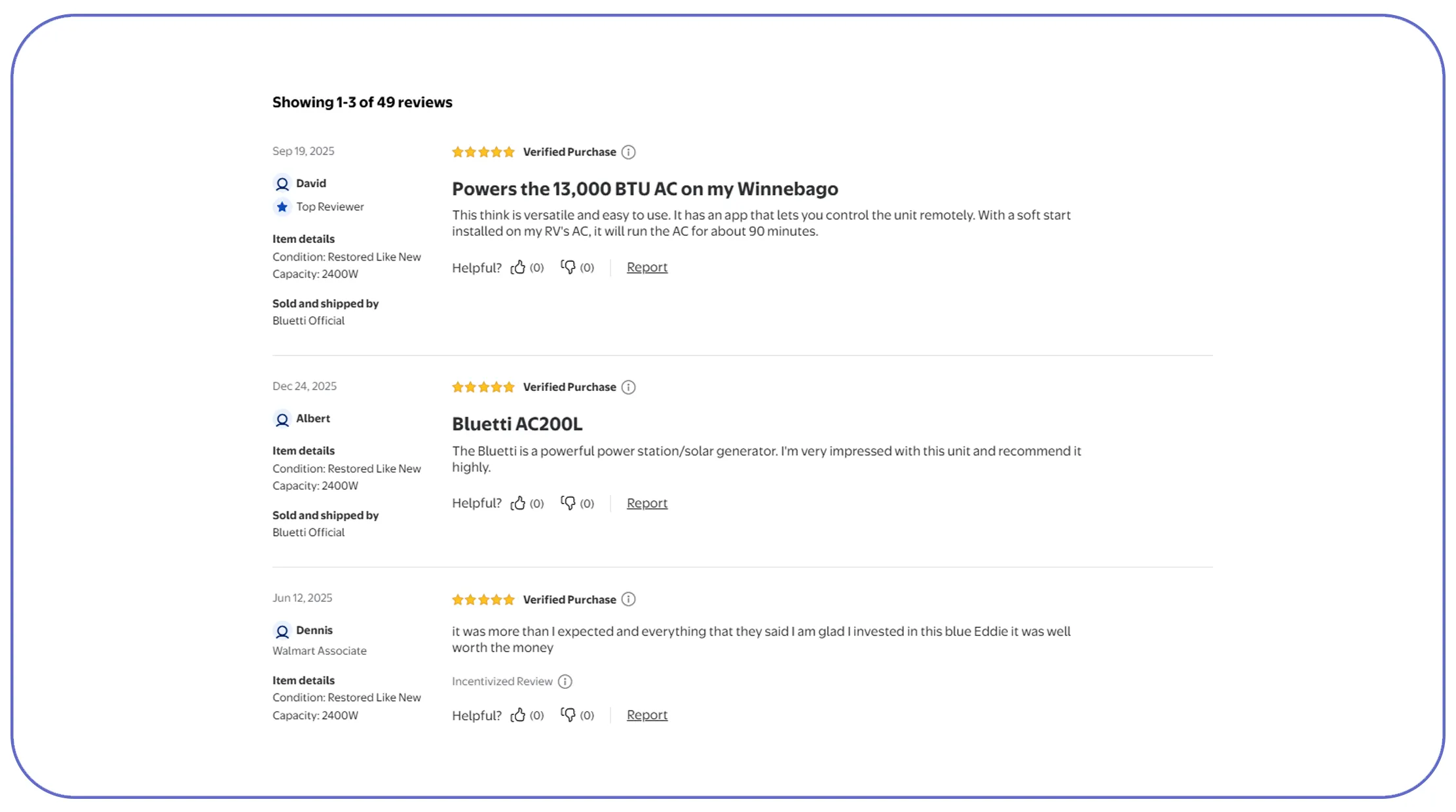
Many retailers now publish exclusive pricing, promotions, and inventory information through mobile applications.
To stay competitive, brands increasingly Scrape Mobile Apps For Hyperlocal Price Intelligence and gather information unavailable through traditional websites.
Data extracted from mobile apps:
- Store-specific pricing
- Flash promotions
- Local inventory levels
- Delivery availability
- Loyalty program offers
Mobile Commerce Growth (2020–2026)
| Year | Mobile Commerce Share |
|---|---|
| 2020 | 45% |
| 2021 | 51% |
| 2022 | 58% |
| 2023 | 64% |
| 2024 | 70% |
| 2025 | 76% |
| 2026 | 82% |
Advantages of mobile intelligence:
- Earlier trend detection
- Better promotional visibility
- More complete competitive analysis
- Improved local market understanding
As mobile shopping continues to grow, app-based intelligence is becoming an essential component of retail analytics strategies.
How does zip-code-level analysis improve retail performance?
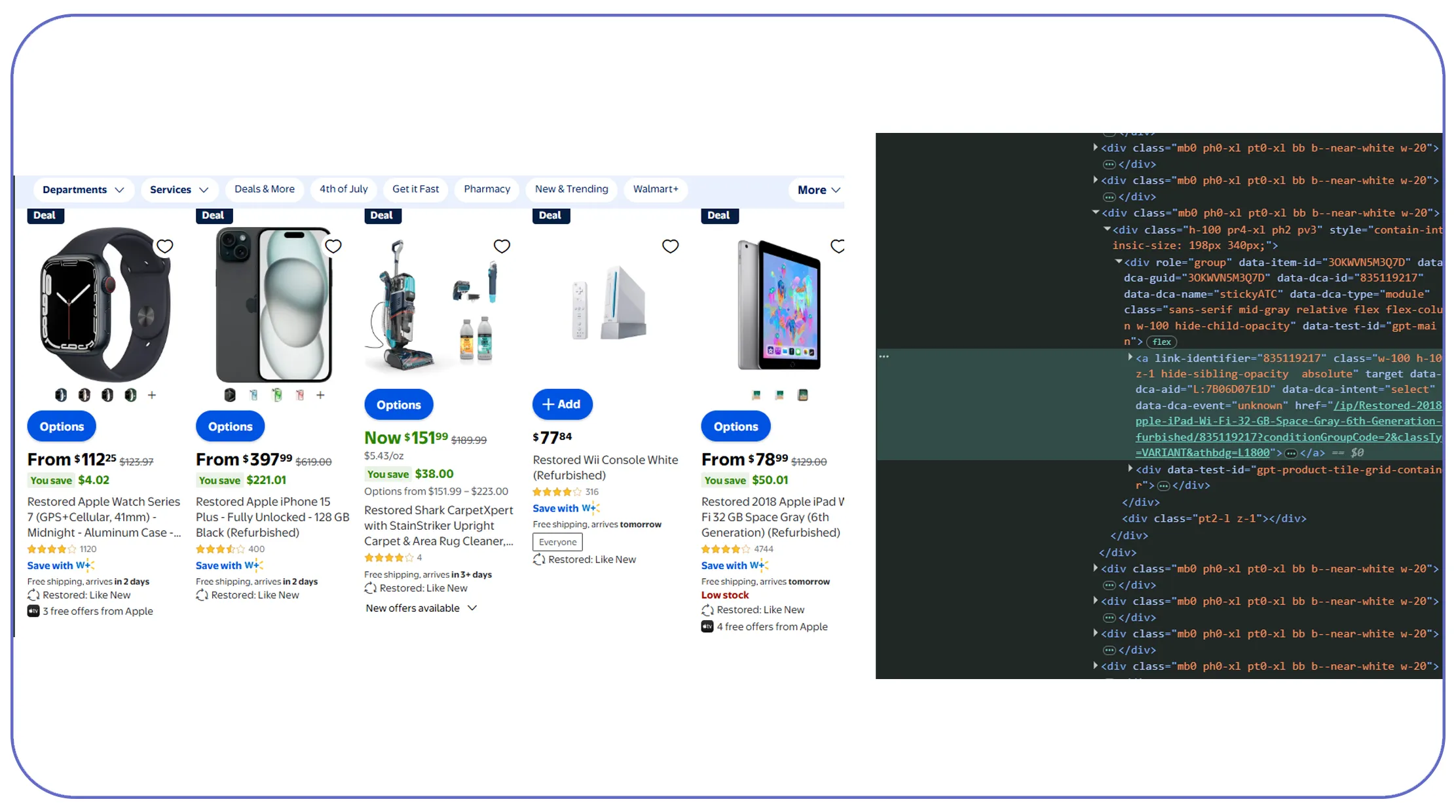
National pricing averages often hide important regional variations. Retailers need deeper granularity to optimize local performance.
Through Zip-Code Level Pricing Data Mining for Retailers, brands gain visibility into neighborhood-level pricing dynamics.
What can be analyzed?
- Pricing differences by zip code <
- Competitor concentration
- Local demand trends
- Promotion effectiveness
- Inventory performance
Example Pricing Variation
| Product | City A | City B | City C |
|---|---|---|---|
| Product X | $10.99 | $12.49 | $11.75 |
| Product Y | $15.25 | $16.90 | $14.99 |
Benefits:
- Hyper-targeted pricing
- Improved regional profitability
- Better promotion planning
- Stronger local competitiveness
Retail Impact Statistics (2020–2026)
- 38% improvement in regional pricing accuracy
- 27% increase in local promotion effectiveness
- 31% reduction in inventory imbalances
Zip-code-level intelligence helps retailers make highly precise decisions that national averages simply cannot support.
Why Choose Real Data API?
Retail success increasingly depends on localized, real-time intelligence. Real Data API provides the tools businesses need to leverage hyperlocal retail intelligence with location data scraping at scale.
Key Capabilities
- Real-time location intelligence
- Multi-source retail data collection
- Hyperlocal pricing monitoring
- Competitor benchmarking
- Inventory analytics
- API-ready structured outputs
Why businesses choose Real Data API:
✔ High-frequency data updates
✔ Scalable infrastructure
✔ Clean and structured
datasets
✔ Easy integration with BI tools
✔ Reliable location-level analytics
Our solutions help retailers transform raw market data into actionable intelligence that drives growth and improves decision-making.
Conclusion
Retail competition is becoming increasingly local. Brands that understand neighborhood-level pricing, demand patterns, and competitor behavior gain a significant advantage in the market.
By leveraging hyperlocal retail intelligence with location data scraping, businesses can improve pricing strategies, optimize inventory allocation, identify emerging trends, and create more personalized customer experiences.
As retail continues evolving through 2026 and beyond, hyperlocal intelligence will become a core component of successful growth strategies.
Ready to unlock neighborhood-level retail insights? Contact Real Data API today and discover how hyperlocal retail intelligence can help your business make faster, smarter, and more profitable decisions!
Latest posts
How Scrape Xiaohongshu Product Trends in Real Time Solves Product Discovery and Competitor Monitoring Challenges?
How to Scrape Taobao Product Data to Solve Pricing, Inventory, and Competitor Monitoring Challenges?
How to Extract grocery product listings Data from SPAR to Build Accurate Grocery Intelligence and Competitive Market Insights?
Scrape Douyin follower growth and engagement data to track influencer performance and trends






.png)