
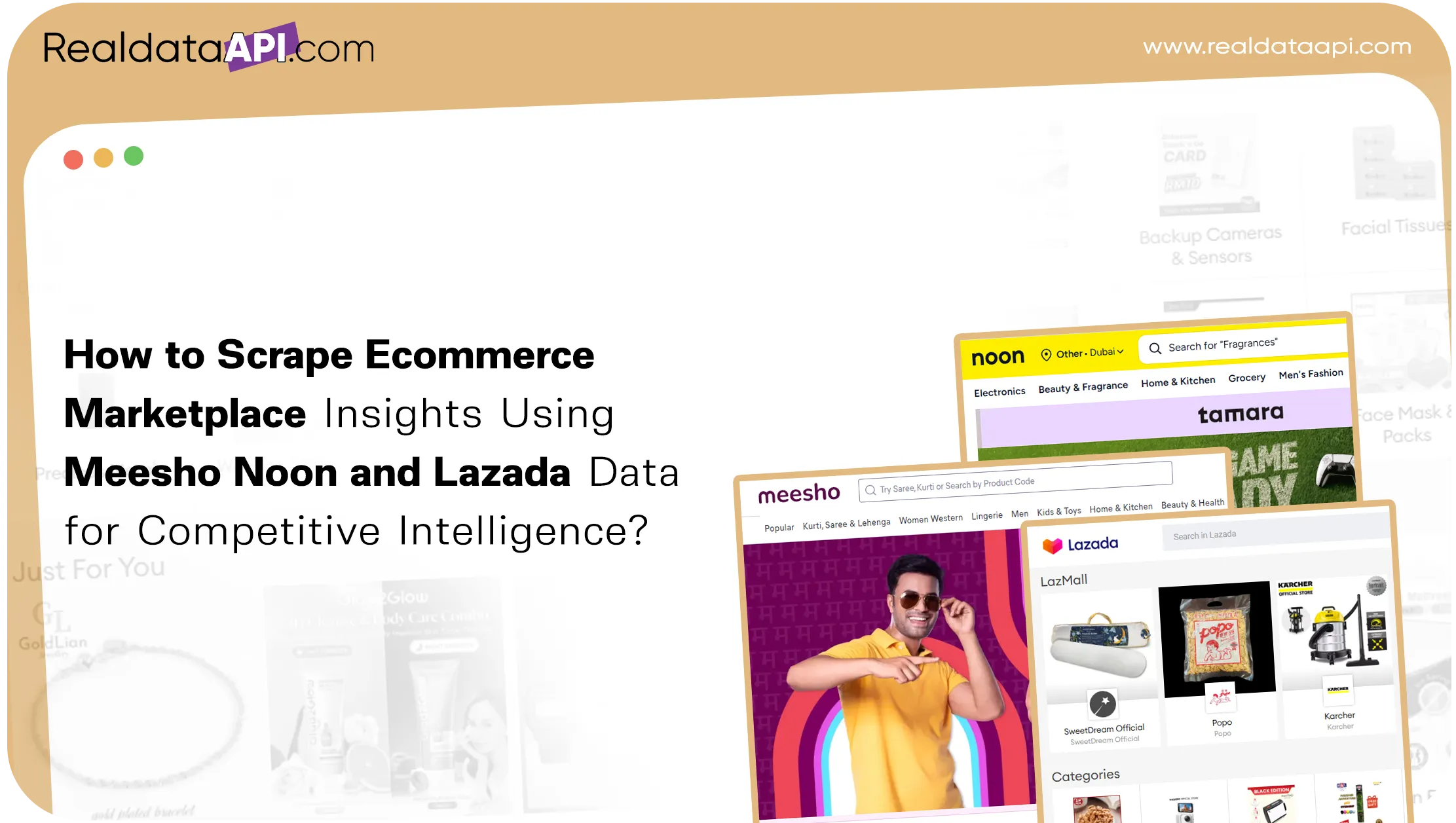
Introduction
Businesses can gain faster competitive intelligence, pricing visibility, and customer behavior insights when they Scrape ecommerce marketplace insights using Meesho Noon and Lazada data. Real-time marketplace analytics helps brands monitor pricing trends, seller performance, product demand, and customer preferences across rapidly growing ecommerce ecosystems.
According to market research, Southeast Asian and Middle Eastern ecommerce marketplaces are projected to exceed $1.4 trillion in combined GMV by 2026. Retailers, D2C brands, digital agencies, and marketplace sellers increasingly depend on automated ecommerce intelligence tools to remain competitive.
Using a robust Meesho Scraping API, businesses can collect structured product listings, pricing data, reviews, seller rankings, and inventory insights from leading marketplaces. These datasets support faster decision-making, competitor benchmarking, inventory planning, and dynamic pricing optimization.
Modern ecommerce success depends on accurate marketplace intelligence. Automated data extraction helps businesses scale analytics operations while improving strategic decision-making across international ecommerce platforms.
How Are Online Marketplaces Transforming Competitive Intelligence?
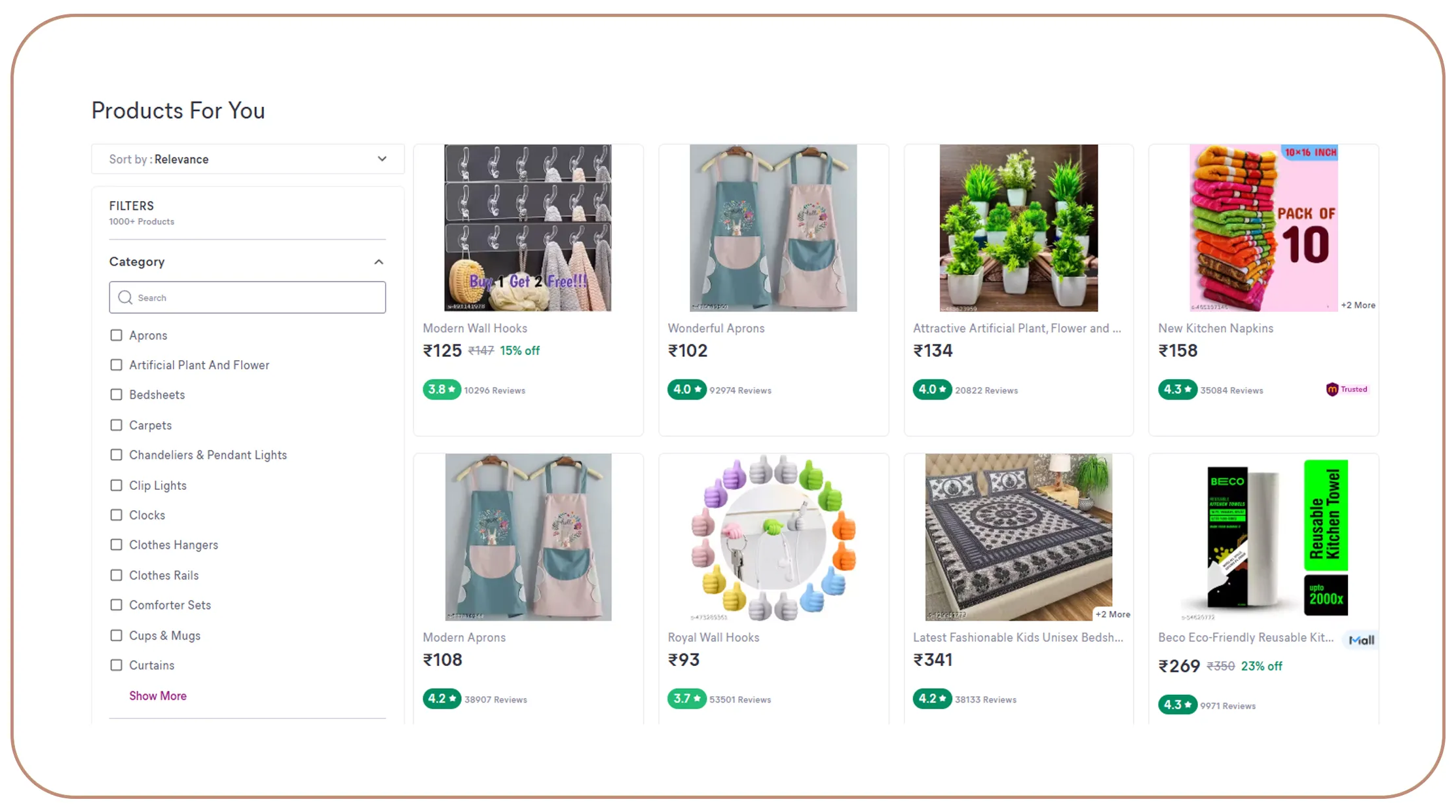
Online marketplaces now generate billions of product interactions every day. Brands and retailers require real-time visibility into pricing movements, product trends, and seller activity to compete effectively across multiple regions.
Businesses increasingly use Meesho Noon and Lazada ecommerce marketplace data extraction solutions to monitor product catalogs, promotional offers, seller rankings, and inventory availability across major ecommerce ecosystems. Automated marketplace intelligence provides faster insights compared to traditional research methods.
Between 2020 and 2026, ecommerce marketplace growth accelerated due to rising mobile commerce adoption and digital payment expansion across Asia and the Middle East.
Global Ecommerce Marketplace Growth (2020–2026)
| Year | Marketplace GMV |
|---|---|
| 2020 | $620 Billion |
| 2021 | $740 Billion |
| 2022 | $860 Billion |
| 2023 | $980 Billion |
| 2024 | $1.1 Trillion |
| 2025 | $1.25 Trillion |
| 2026 | $1.4 Trillion+ |
Key Benefits of Marketplace Intelligence
- Real-time product tracking
- Promotion monitoring
- Seller performance analysis
- Competitor benchmarking
- Inventory forecasting
- Consumer demand analysis
Retailers and brands using marketplace intelligence platforms can quickly identify emerging trends and respond faster to customer demand changes. This data-driven strategy improves pricing accuracy, campaign effectiveness, and market responsiveness.
Why Do Brands Compare Multiple Ecommerce Platforms?
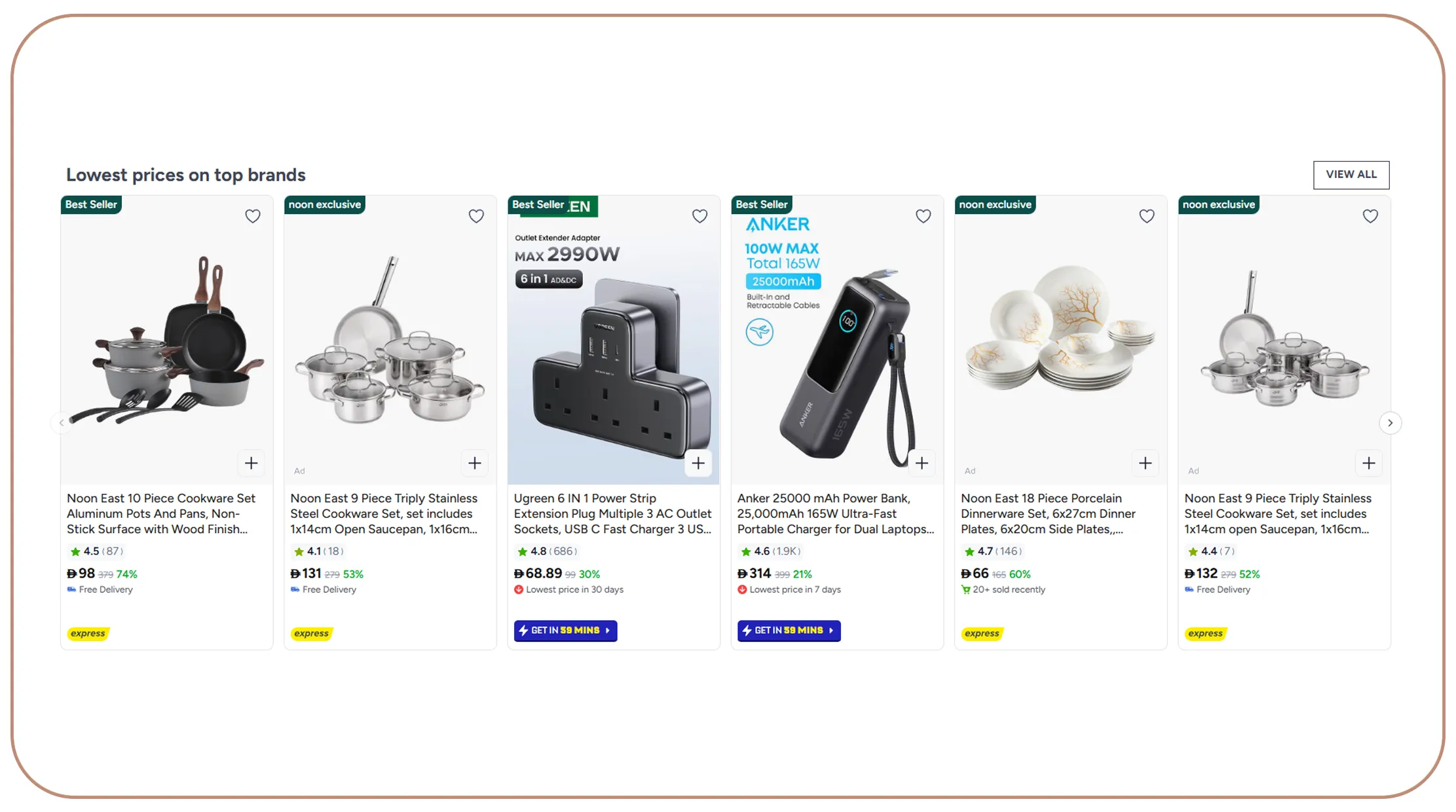
Consumers frequently compare products across several marketplaces before making purchasing decisions. Brands must therefore analyze pricing, promotions, customer engagement, and seller competition across multiple platforms simultaneously.
Companies increasingly rely on Meesho vs Noon vs Lazada ecommerce market data scraper solutions to compare marketplace dynamics and identify profitable growth opportunities. Comparative marketplace analytics reveal regional pricing differences, seller competition levels, and product demand trends.
Marketplace competition intensified significantly between 2020 and 2026 as cross-border ecommerce expanded rapidly. Retailers now require centralized data intelligence to evaluate performance across multiple ecommerce ecosystems.
Marketplace User Growth Trends
| Year | Active Marketplace Users |
|---|---|
| 2020 | 480 Million |
| 2021 | 560 Million |
| 2022 | 650 Million |
| 2023 | 740 Million |
| 2024 | 830 Million |
| 2025 | 910 Million |
| 2026 | 1 Billion+ |
Why Multi-Platform Analysis Matters
- Understand regional demand variations
- Compare pricing competitiveness
- Monitor seller reputation changes
- Analyze product popularity trends
- Identify emerging product categories
Businesses using multi-platform intelligence gain stronger market visibility and can adapt strategies faster than competitors relying on manual research methods.
How Can Buyer and Seller Analytics Improve Marketplace Growth?
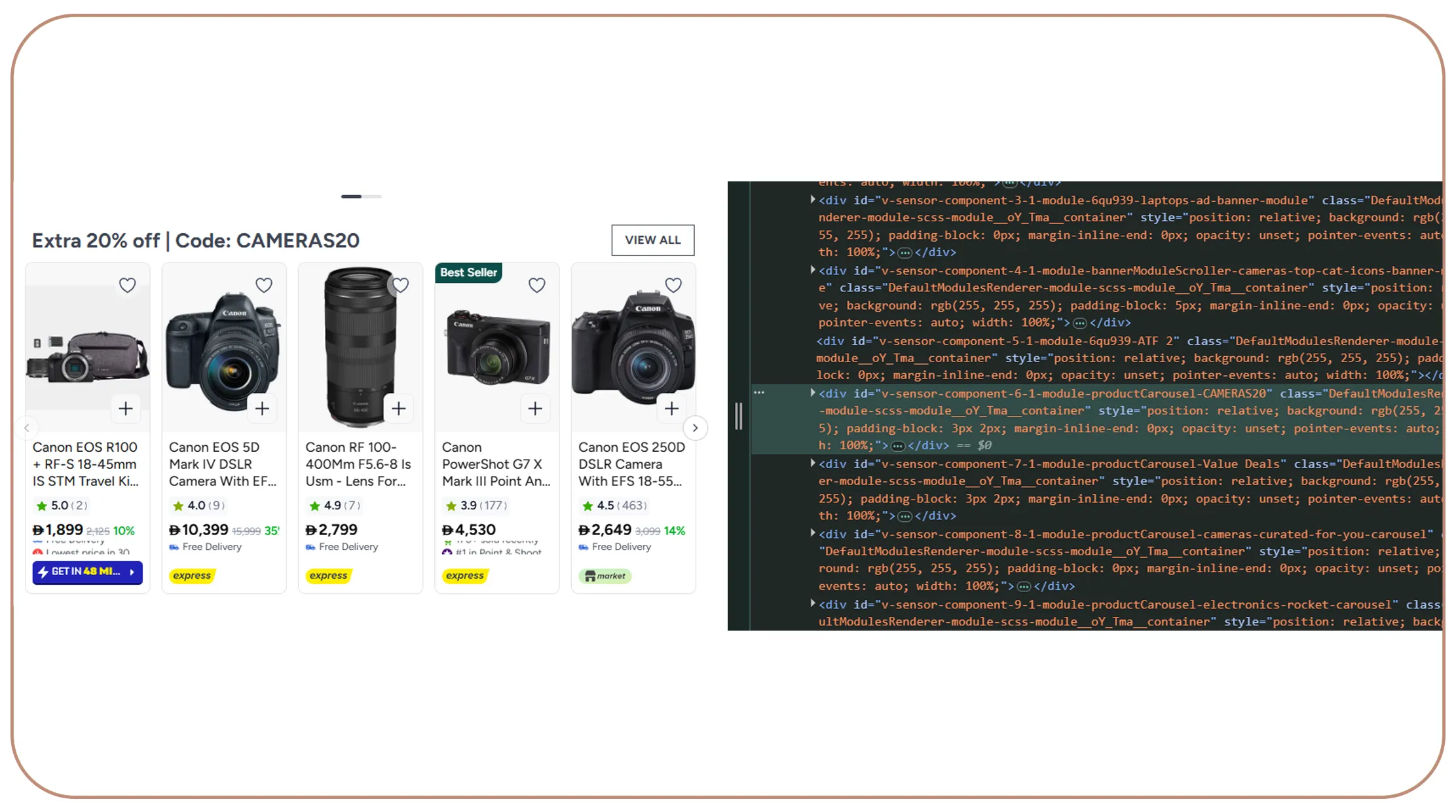
Buyer behavior and seller performance directly impact ecommerce profitability. Understanding customer preferences and seller effectiveness helps businesses improve marketing strategies, optimize listings, and increase conversion rates.
Companies increasingly Extraxct Buyer and seller performance data via Meesho Noon and Lazada API systems to evaluate customer engagement metrics, seller ratings, shipping performance, and review sentiment analysis. These datasets provide deeper operational insights into marketplace ecosystems.
From 2020 to 2026, marketplaces experienced rapid growth in third-party sellers, increasing competition and making seller intelligence more important than ever.
Third-Party Seller Expansion
| Year | Active Marketplace Sellers |
|---|---|
| 2020 | 18 Million |
| 2021 | 22 Million |
| 2022 | 27 Million |
| 2023 | 33 Million |
| 2024 | 39 Million |
| 2025 | 44 Million |
| 2026 | 50 Million+ |
Valuable Buyer and Seller Metrics
- Product review ratings
- Seller response rates
- Delivery performance
- Customer satisfaction scores
- Repeat purchase behavior
- Product return rates
These insights help ecommerce businesses improve customer retention, optimize product positioning, and identify high-performing marketplace sellers for strategic partnerships.
How Does Pricing Intelligence Drive Better Ecommerce Decisions?
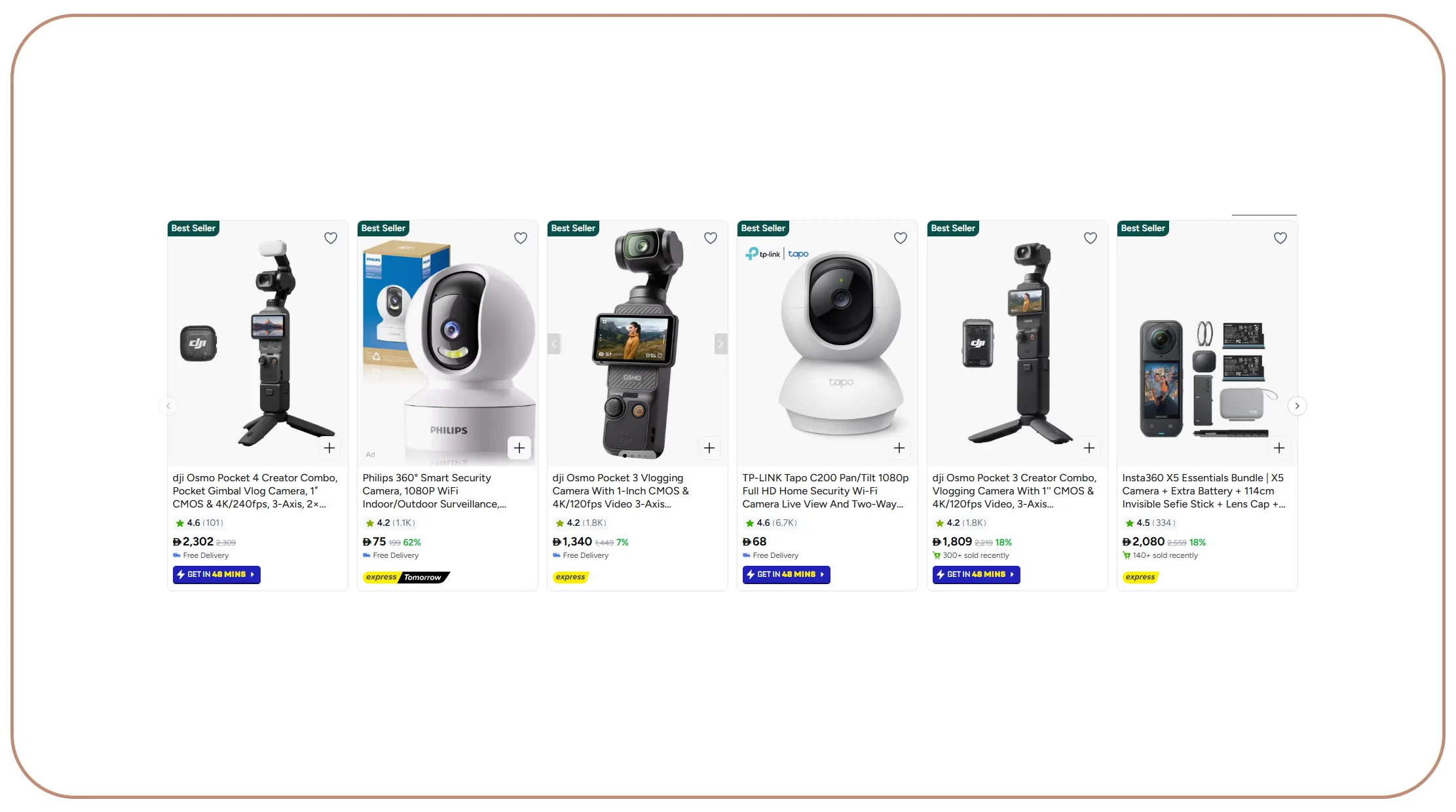
Dynamic pricing has become a critical component of ecommerce success. Marketplace pricing changes rapidly due to demand fluctuations, promotions, competitor actions, and inventory conditions.
Businesses increasingly depend on Meesho Noon and Lazada product pricing and demand analysis solutions to monitor price fluctuations, identify trending products, and forecast customer demand patterns. Automated pricing intelligence helps brands maintain competitiveness without sacrificing profitability.
Between 2020 and 2026, AI-driven pricing strategies became more common across ecommerce marketplaces, increasing the importance of real-time market monitoring.
Ecommerce Pricing Volatility Trends
| Year | Average Daily Price Changes |
|---|---|
| 2020 | 6% |
| 2021 | 8% |
| 2022 | 11% |
| 2023 | 14% |
| 2024 | 17% |
| 2025 | 20% |
| 2026 | 24% (Projected) |
Pricing Intelligence Advantages
- Faster competitor response
- Improved promotional timing
- Better profit margin management
- Demand forecasting accuracy
- Inventory optimization
Retailers using real-time pricing analytics can identify underpriced opportunities, adjust promotions quickly, and maintain stronger market competitiveness across high-growth ecommerce sectors.
Why Is Automated Product Data Collection Essential?
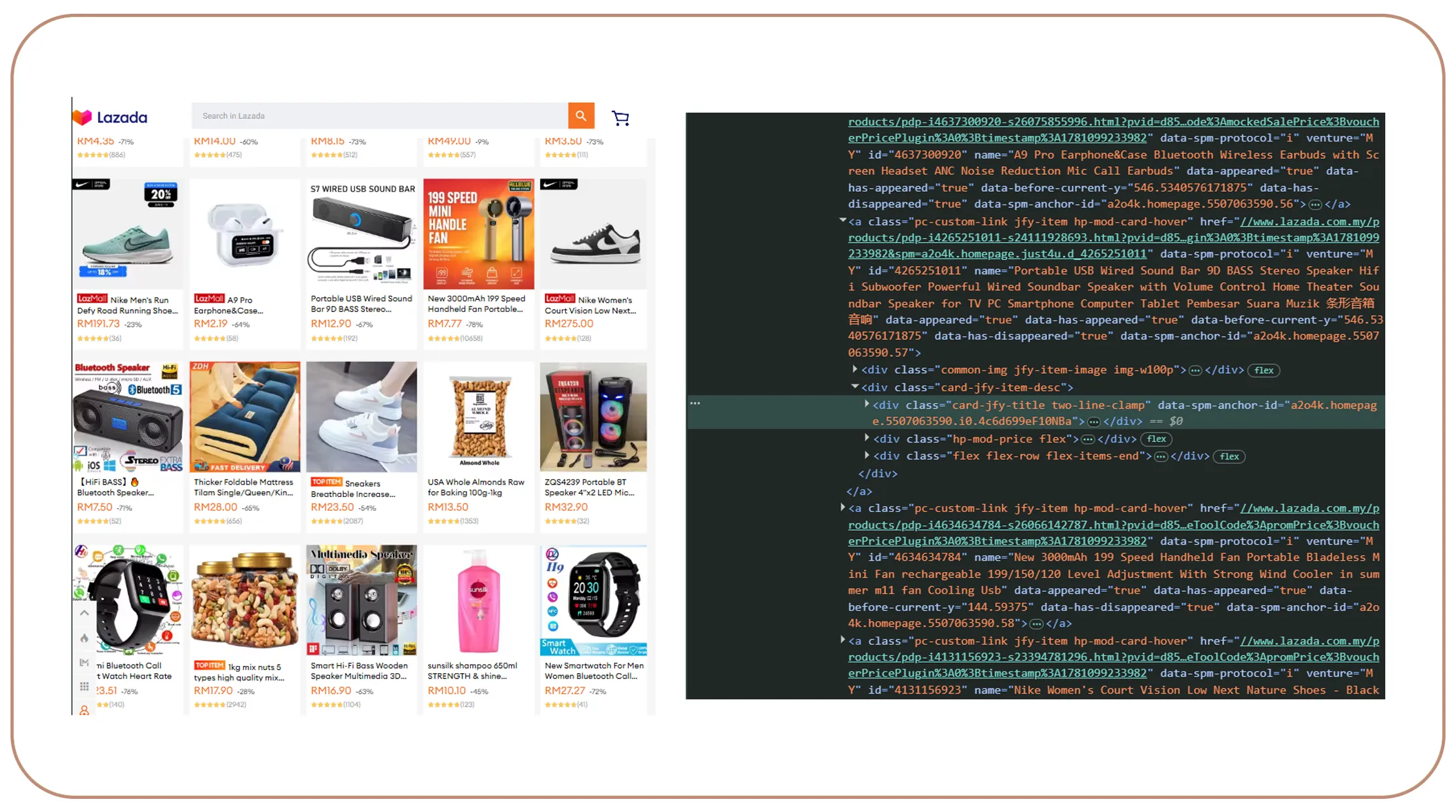
Marketplace product catalogs continuously evolve due to inventory updates, seasonal launches, and promotional campaigns. Manual product tracking is inefficient and difficult to scale across large ecommerce ecosystems.
Businesses increasingly use a Lazada Scraper to automate extraction of product listings, ratings, descriptions, stock availability, pricing, and customer reviews from large ecommerce databases. Automated scraping systems improve data accuracy while reducing operational workload.
Between 2020 and 2026, product catalog sizes expanded dramatically as marketplaces onboarded millions of new sellers and SKUs globally.
Marketplace Product Listing Growth
| Year | Marketplace Product Listings |
|---|---|
| 2020 | 1.8 Billion |
| 2021 | 2.3 Billion |
| 2022 | 2.9 Billion |
| 2023 | 3.6 Billion |
| 2024 | 4.2 Billion |
| 2025 | 4.8 Billion |
| 2026 | 5.5 Billion+ |
Benefits of Automated Product Extraction
- Real-time catalog updates
- Faster competitor analysis
- Better product benchmarking
- Enhanced trend monitoring
- Reduced manual research
Automated product intelligence enables ecommerce businesses to make data-backed decisions faster while improving operational scalability across multiple marketplaces.
How Do APIs Improve Ecommerce Data Scalability?
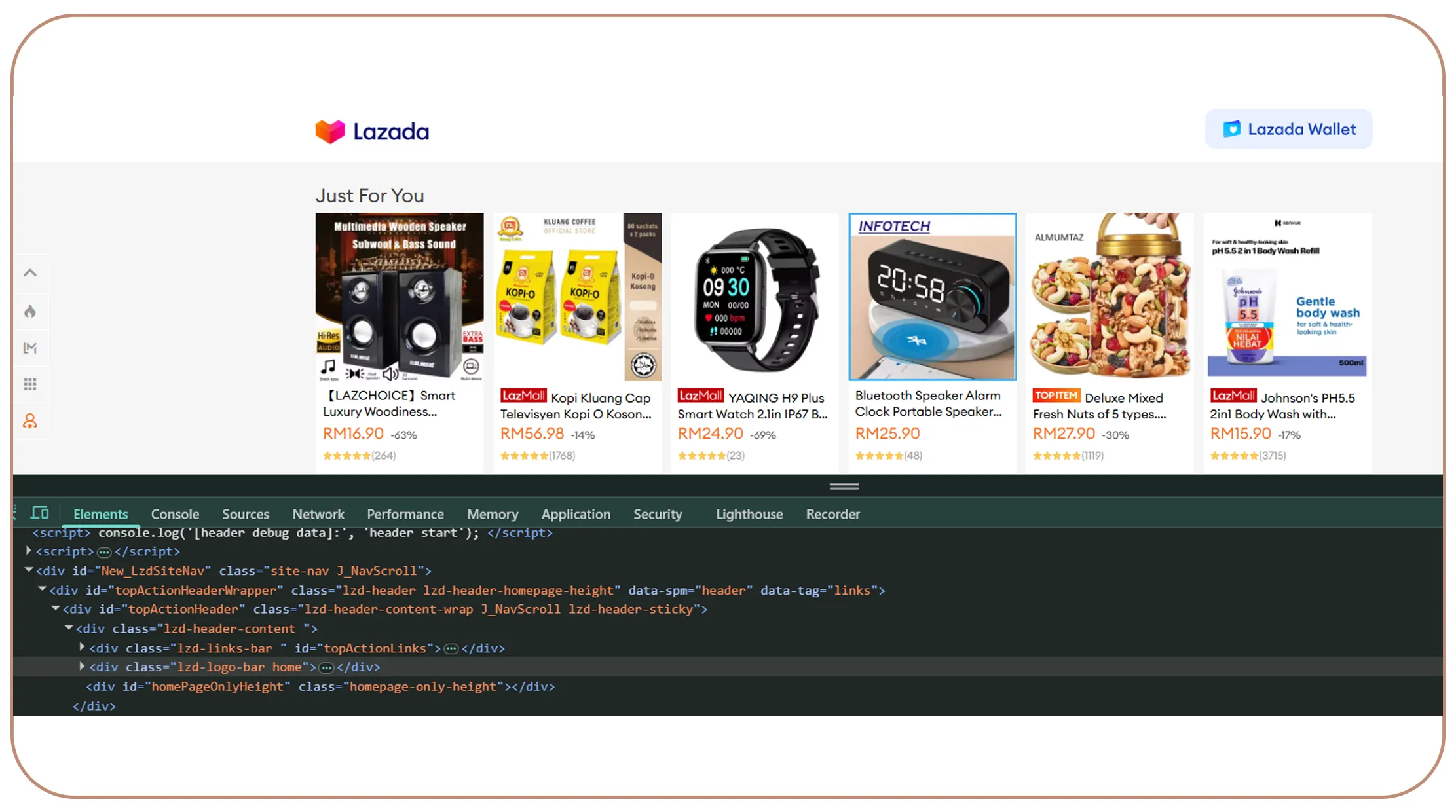
API-driven data collection has become essential for modern ecommerce intelligence operations. APIs provide structured, scalable, and real-time access to marketplace datasets without requiring manual intervention.
Organizations increasingly integrate the Noon Scraping API into analytics systems, pricing engines, dashboards, and forecasting models to automate ecommerce intelligence workflows efficiently.
From 2020 to 2026, API adoption surged as businesses prioritized automation, cloud analytics, and AI-powered decision-making systems.
Ecommerce API Adoption Trends
| Year | API Adoption Rate |
|---|---|
| 2020 | 24% |
| 2021 | 32% |
| 2022 | 41% |
| 2023 | 50% |
| 2024 | 59% |
| 2025 | 67% |
| 2026 | 75% (Projected) |
Advantages of API-Based Intelligence
- Real-time data delivery
- Scalable integration
- Automated reporting workflows
- Faster analytics processing
- Improved operational efficiency
API-powered ecommerce intelligence solutions help businesses react faster to marketplace changes while improving data accuracy and decision-making speed.
Why Choose Real Data API?
Real Data API provides enterprise-grade ecommerce intelligence solutions designed for modern digital commerce businesses. Our advanced scraping infrastructure helps organizations collect accurate marketplace insights at scale.
Businesses use our Lazada Product and Review Datasets to monitor product trends, customer sentiment, seller rankings, pricing fluctuations, and promotional activities across high-growth ecommerce ecosystems.
Companies worldwide trust Real Data API to Scrape ecommerce marketplace insights using Meesho Noon and Lazada data for competitive benchmarking, demand forecasting, and pricing optimization.
What Makes Real Data API Different?
- Real-time ecommerce data extraction
- Scalable API infrastructure
- Multi-marketplace coverage
- AI-ready datasets
- Accurate pricing intelligence
- Automated product tracking
- Custom enterprise solutions
- Secure cloud integration
Our ecommerce intelligence solutions help brands, retailers, and analytics firms transform raw marketplace data into actionable business growth strategies.
Conclusion
Ecommerce marketplaces continue to reshape global retail competition. Businesses need accurate, scalable, and real-time intelligence to track pricing trends, monitor seller performance, analyze customer behavior, and forecast product demand effectively.
Organizations that Scrape ecommerce marketplace insights using Meesho Noon and Lazada data gain a significant competitive advantage through faster analytics, stronger pricing visibility, and deeper market intelligence.
Automated marketplace scraping solutions empower businesses to improve decision-making, optimize operations, and scale ecommerce growth strategies more efficiently in competitive digital marketplaces.
Ready to unlock real-time ecommerce intelligence and marketplace analytics? Contact Real Data API today to transform marketplace data into measurable business success!
Latest posts

How Levi's Fashion Dataset Improves Fashion Intelligence Across Products, Prices, Categories, and Denim Market Trends?

How Myntra Fashion Dataset Solves Fashion Intelligence Challenges Across Products, Prices, Brands, and Fashion Market Trends?
How Hyatt Travel Dataset Helps Businesses Track Hotels, Room Prices, Amenities, Locations, and Travel Trends?

How Louis Vuitton Fashion Dataset Enables Better Analysis of Luxury Products, Prices, Brands, and Fashion Trends?






.png)



