
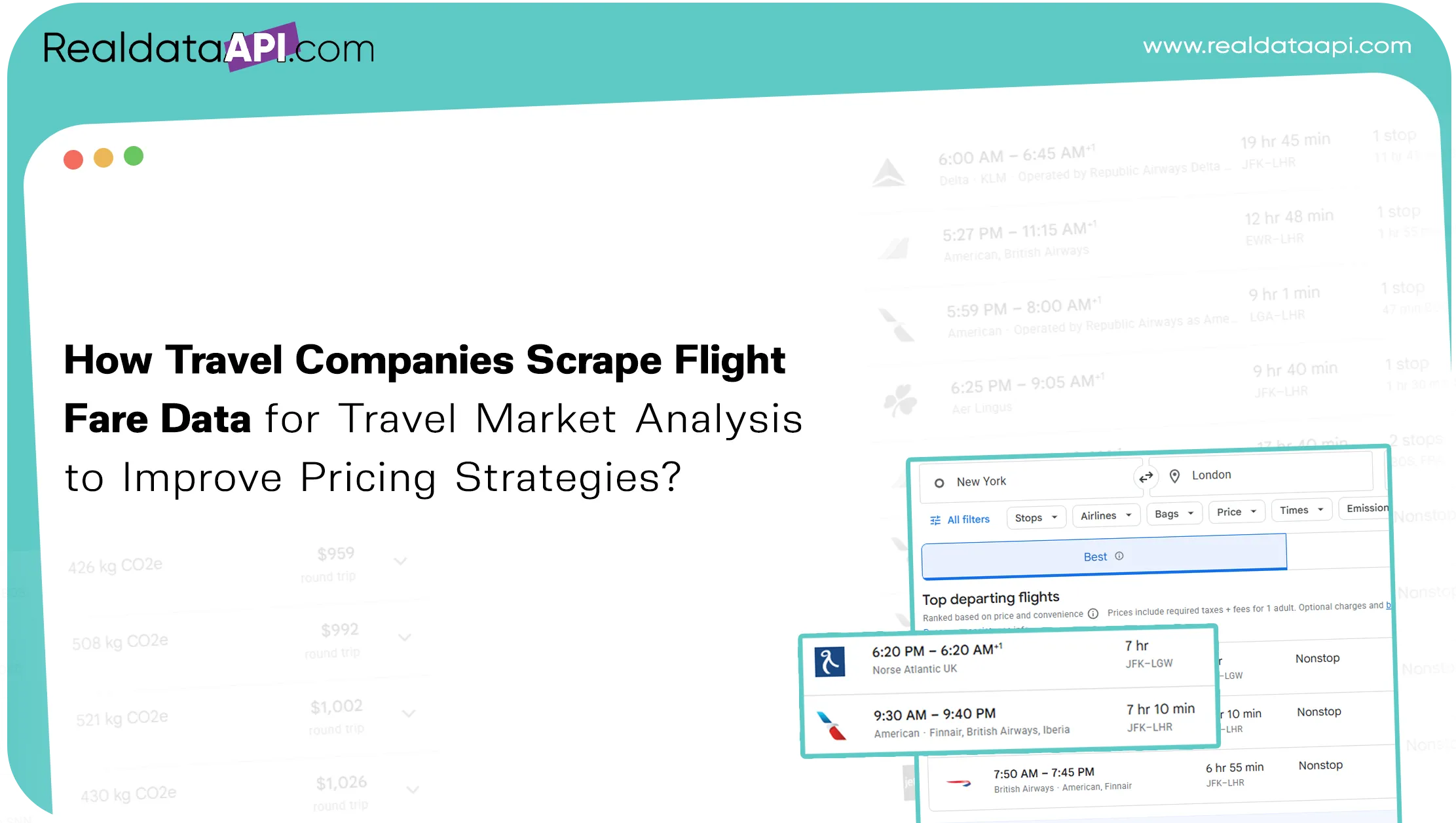
Introduction
Travel companies scrape and analyze real-time flight fare data to understand pricing trends, demand shifts, and competitor strategies. This helps them optimize ticket pricing, improve booking conversions, and maximize revenue across routes and seasons.
According to industry estimates, over 60% of travelers compare at least three platforms before booking flights, while dynamic pricing in aviation can change multiple times within a single day. This makes real-time fare intelligence essential for OTAs, airlines, and travel aggregators.
For travel startups, airlines, OTAs, data analysts, and pricing teams struggling with volatile airfare patterns, scrape flight fare data for travel market analysis provides a scalable and structured approach to understanding the market. When combined with a Travel Data Scraping API, businesses can continuously monitor global airfare fluctuations and respond faster than competitors.
How Does Real-Time Flight Fare Intelligence Improve Pricing Accuracy?
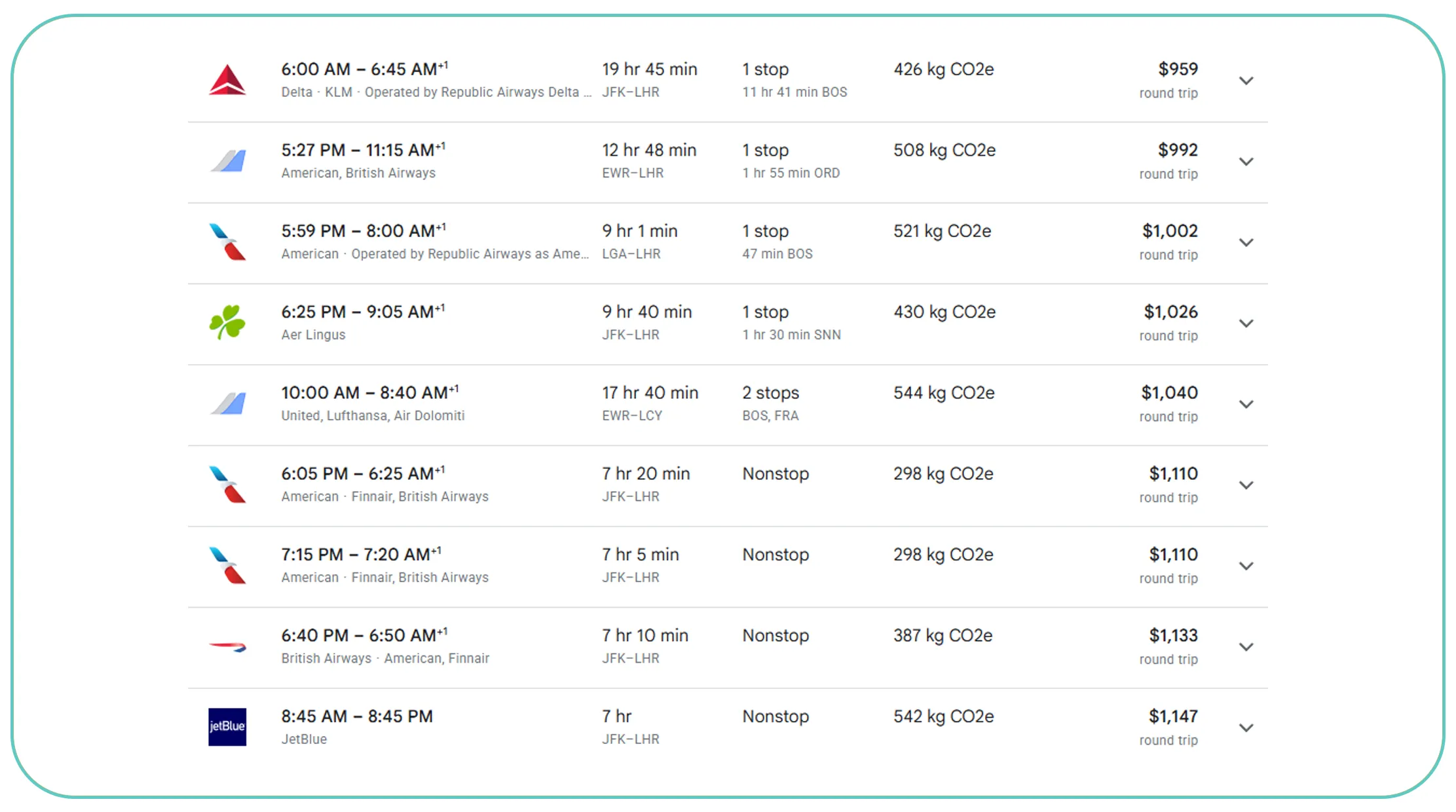
What makes real-time airfare data critical for travel companies?
Modern airfare systems are highly dynamic. Prices change due to demand, seat availability, competition, and seasonal travel behavior. To keep up, companies rely on real-time flight fare data scraping API solutions to continuously collect pricing information from airlines and OTAs.
This enables businesses to track scrape flight fare data for travel market analysis insights across routes, airlines, and time windows.
Key Benefits:
- Monitor fare fluctuations in real time
- Track competitor pricing strategies
- Identify low-demand travel windows
- Improve dynamic pricing models
- Enhance revenue optimization
Flight Fare Volatility Trends (2020–2026)
| Year | Avg Daily Fare Changes per Route |
|---|---|
| 2020 | 4–6 |
| 2021 | 6–9 |
| 2022 | 10–14 |
| 2023 | 12–18 |
| 2024 | 15–20 |
| 2025* | 18–24 |
| 2026* | 20–28 |
*Projected values
Real-time fare intelligence helps airlines and OTAs react instantly to market shifts. For example, if a competitor reduces fares on a popular route, companies can adjust pricing strategies immediately instead of losing conversions.
How Do Travel Platforms Track Flight Pricing Trends Efficiently?
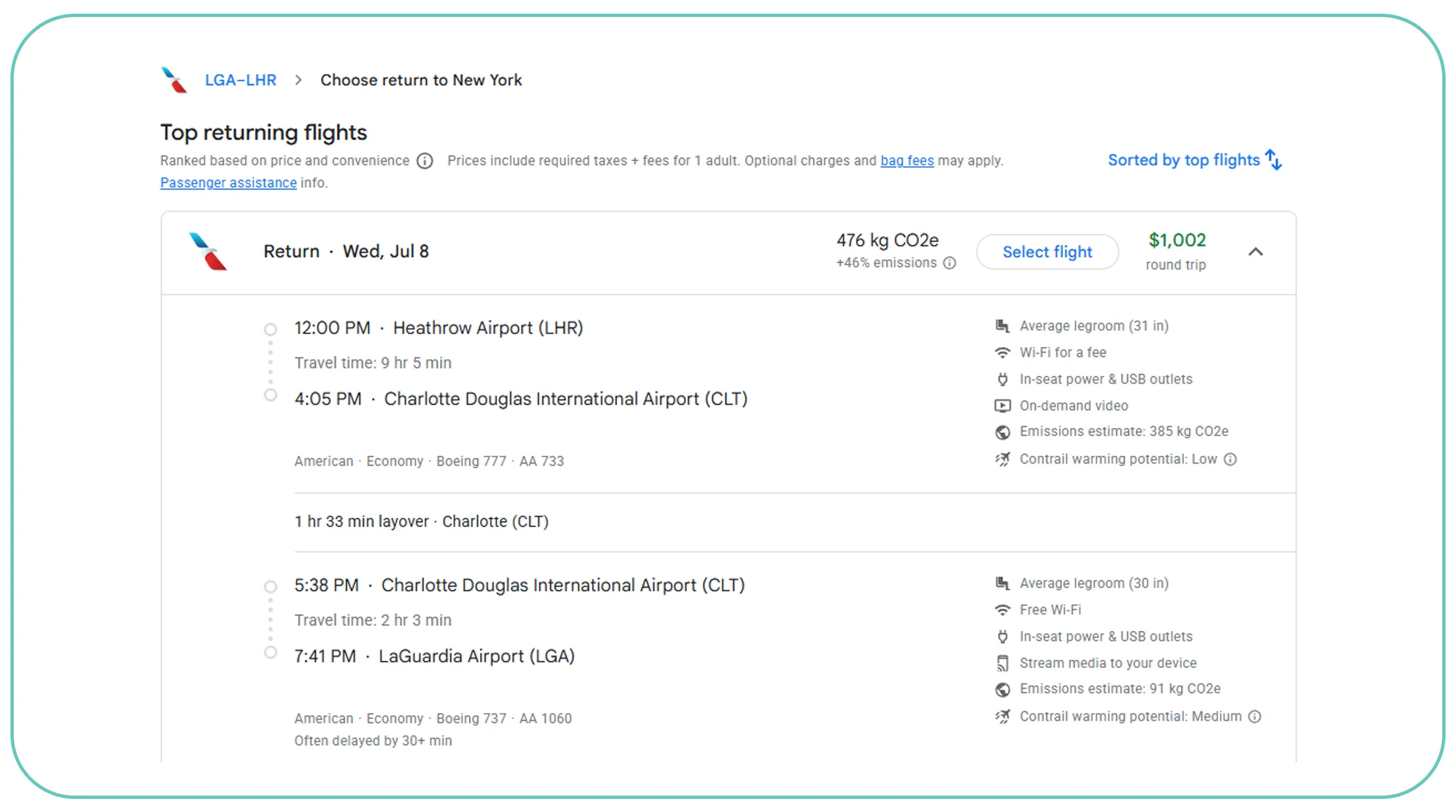
Why is flight pricing analysis essential for travel platforms?
Flight prices vary significantly across routes, airlines, and booking windows. Platforms use web scraping flight pricing trends to monitor historical and real-time fare movements.
This helps identify pricing patterns such as early-bird discounts, last-minute surges, and seasonal spikes.
Common Pricing Trend Indicators:
- Seasonal fare fluctuations
- Weekend vs weekday pricing differences
- Holiday travel surges
- Fuel surcharge impacts
- Airline competition patterns
Pricing Trend Impact (2020–2026)
| Trend Factor | Impact on Fare Variation |
|---|---|
| Seasonality | High |
| Demand spikes | Very High |
| Competitor pricing | High |
| Route popularity | Medium |
| Fuel cost changes | Medium |
Travel companies that analyze pricing trends can optimize ticket distribution strategies. For instance, early detection of fare drops allows platforms to push targeted promotions and increase booking conversions.
This approach also supports predictive pricing models that help businesses anticipate fare changes before they happen.
How Is Flight Fare Data Extracted for Market Intelligence?
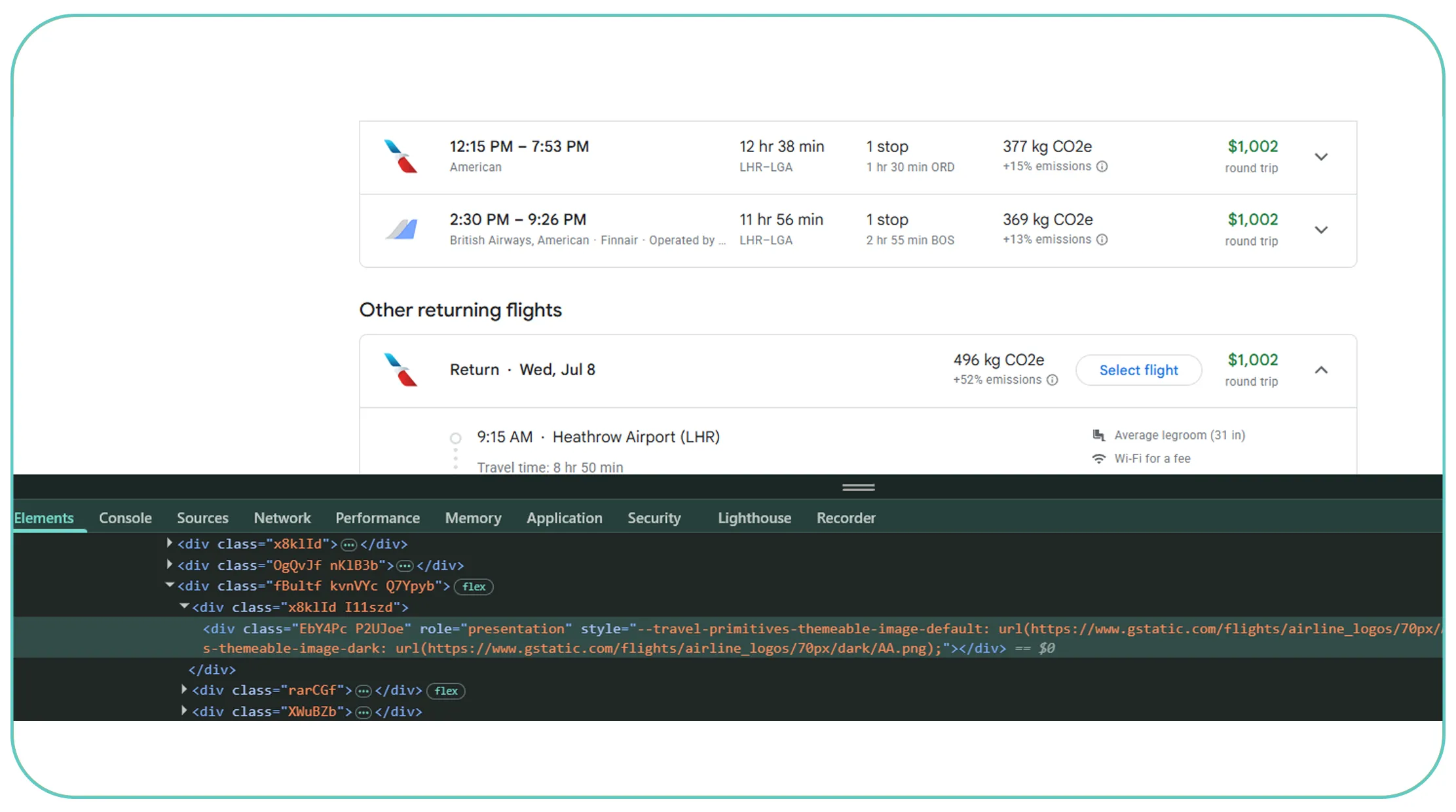
What does flight fare data extraction involve?
Flight fare data extraction involves collecting structured pricing, route, airline, and availability information from multiple travel platforms. Businesses use flight fare data extraction systems to gather real-time and historical pricing datasets.
Combined with scrape flight fare data for travel market analysis, this enables deeper insights into market behavior.
Data Points Typically Extracted:
- Base fare
- Taxes and fees
- Seat availability
- Airline name
- Route details
- Travel dates
Dataset Growth in Aviation Analytics (2020–2026)
| Year | Data Volume (TB/month) |
|---|---|
| 2020 | 120 |
| 2021 | 180 |
| 2022 | 260 |
| 2023 | 340 |
| 2024 | 450 |
| 2025* | 580 |
| 2026* | 720 |
*Estimated values
Extracted datasets help travel companies build predictive pricing models and optimize fare distribution. Airlines can analyze competitor pricing structures and adjust strategies dynamically based on real-time intelligence.
How Do Airlines Use Web Scraping APIs for Fare Monitoring?
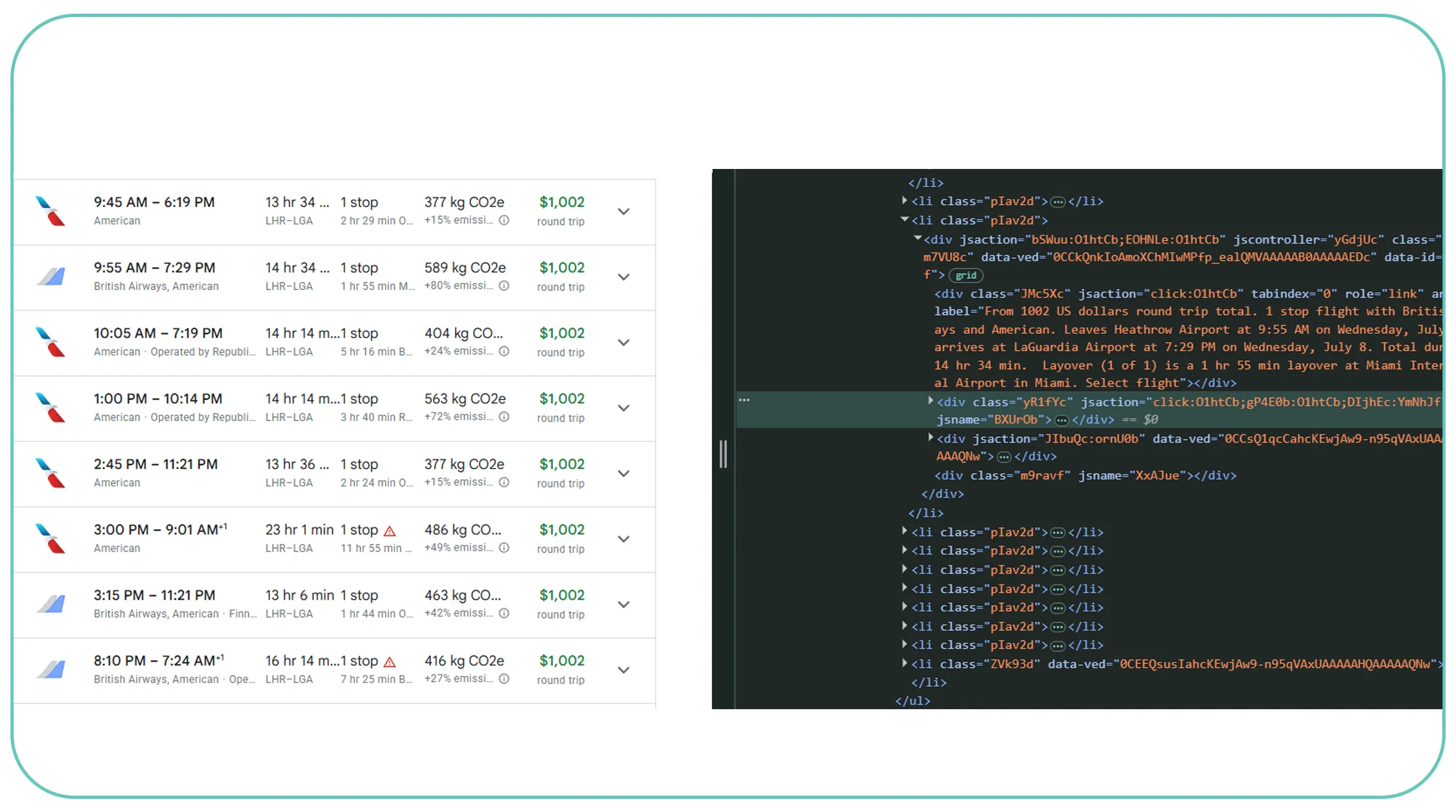
Why is automated fare monitoring important for airlines?
Airlines operate in one of the most competitive pricing environments. Even small fare differences can significantly affect booking volume.
Many organizations adopt Airline Fare Monitoring Using Web Scraping APIs to track competitor pricing continuously across global routes.
API-Based Monitoring Benefits:
- Real-time fare tracking
- Automated alerts for price drops
- Route-level intelligence
- Competitive benchmarking
- Revenue optimization
Airline Pricing Automation Adoption
| Year | Airlines Using API Monitoring |
|---|---|
| 2020 | 28% |
| 2021 | 35% |
| 2022 | 44% |
| 2023 | 55% |
| 2024 | 63% |
| 2025* | 72% |
| 2026* | 80% |
*Projected values
API-driven systems eliminate manual tracking inefficiencies. Airlines can instantly detect competitor fare adjustments and respond with optimized pricing strategies.
This ensures better seat occupancy rates and improved revenue per available seat kilometer (RASK).
How Do Travel Startups Use Real-Time Pricing for AI Trip Planning?
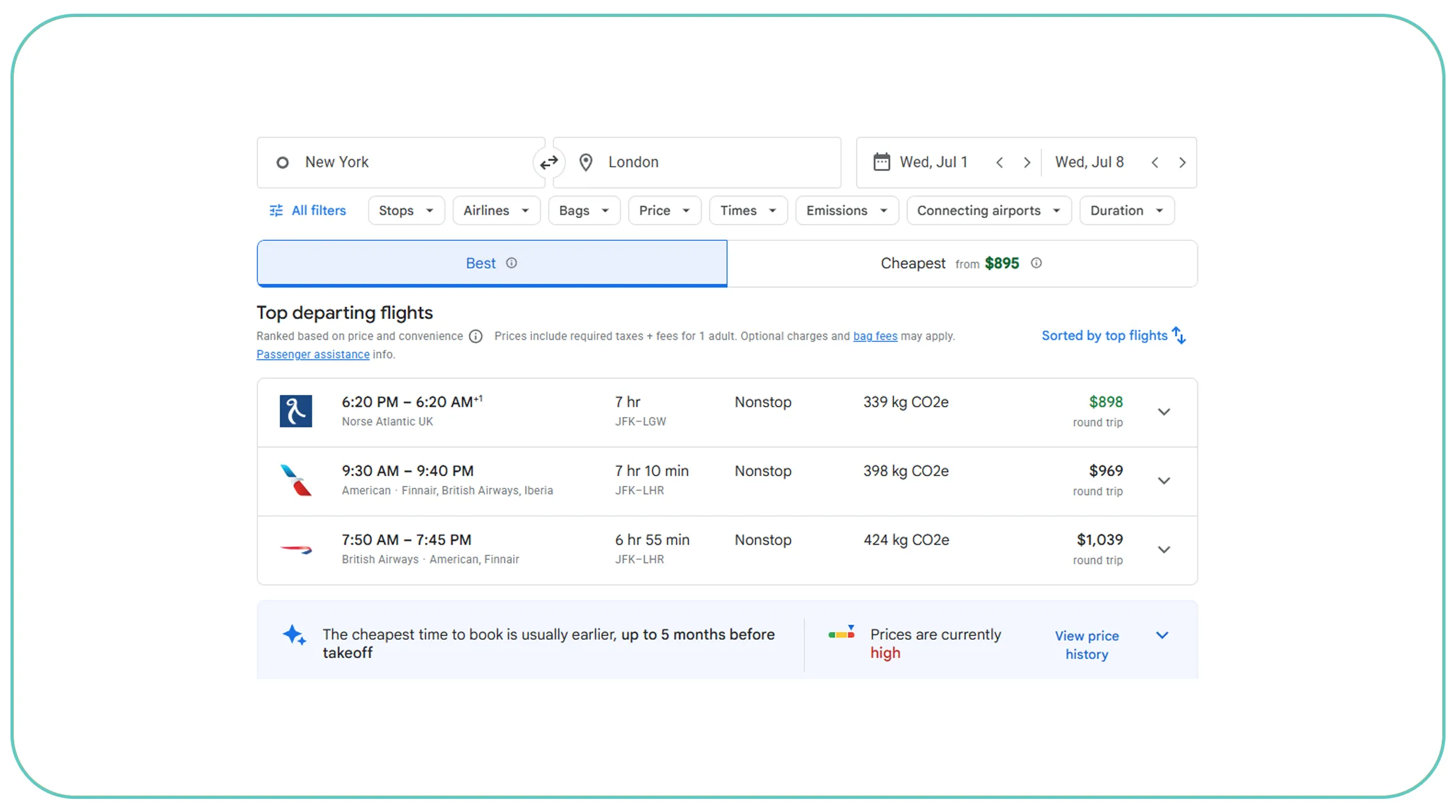
How is AI transforming travel planning?
Travel startups are integrating AI systems that rely on real-time fare data to build personalized travel recommendations.
They use How Travel Startups Use Real-Time Pricing Data for AI Trip Planning to optimize itinerary suggestions, pricing predictions, and travel alerts.
AI Use Cases in Travel:
- Dynamic trip planning
- Price prediction models
- Budget-based recommendations
- Fare drop alerts
- Smart booking assistance
AI Adoption in Travel Platforms (2020–2026)
| Year | AI Integration Rate |
|---|---|
| 2020 | 18% |
| 2021 | 26% |
| 2022 | 38% |
| 2023 | 52% |
| 2024 | 65% |
| 2025* | 74% |
| 2026* | 82% |
*Projected values
AI-powered travel platforms analyze millions of fare combinations to suggest the most cost-effective travel options. This improves user experience and increases booking conversions.
Real-time pricing data ensures AI models remain accurate and relevant.
How Does Travel Demand Forecasting Improve Revenue Management?
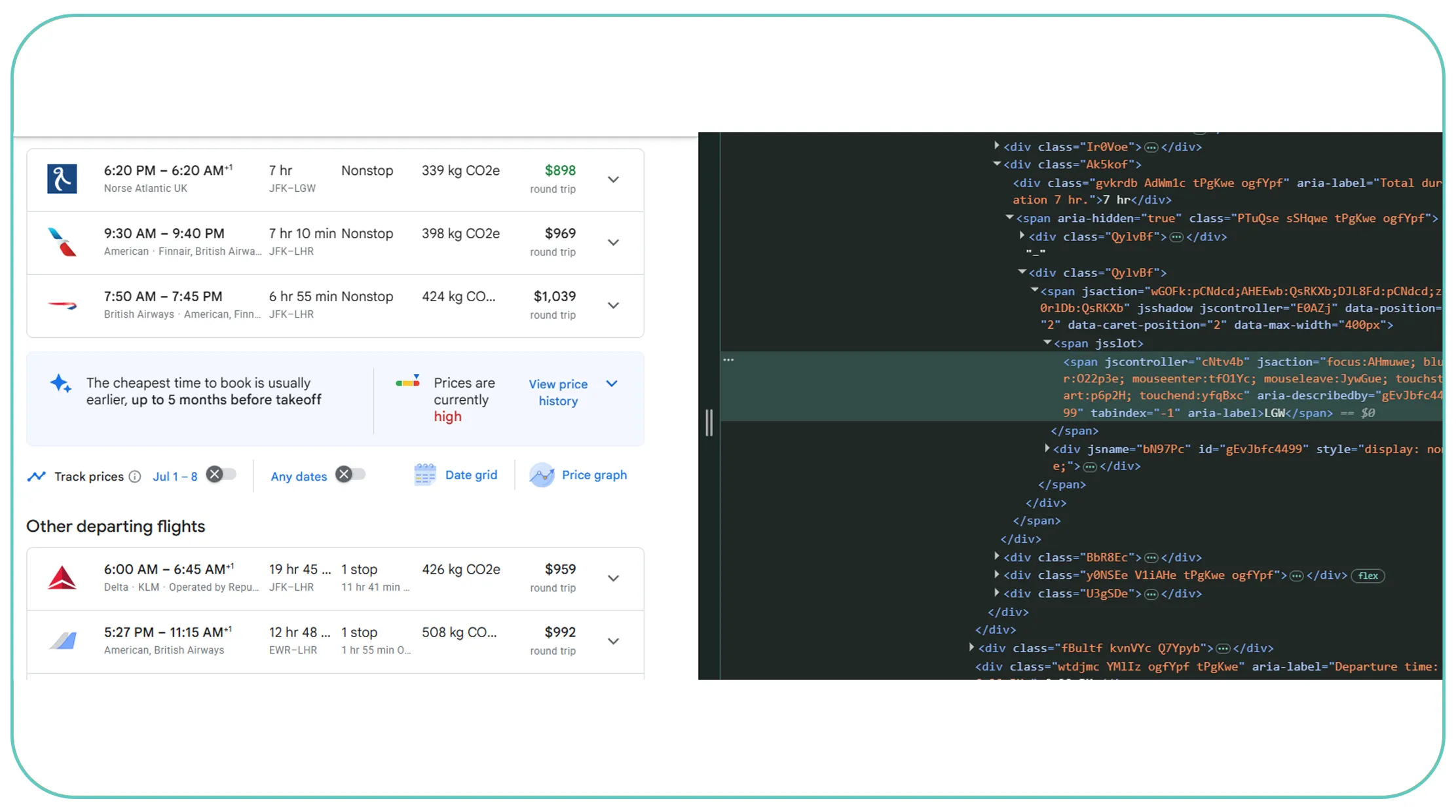
Why is demand forecasting important in travel?
Demand forecasting helps travel companies predict booking patterns and optimize pricing strategies.
Businesses use Travel Demand Forecasting Using OTA Data Extraction to analyze historical booking trends and real-time search behavior.
Forecasting Benefits:
- Better seat allocation
- Improved pricing strategies
- Seasonal demand prediction
- Route optimization
- Revenue growth
Demand Forecast Accuracy Improvements
| Method | Accuracy Rate |
|---|---|
| Traditional Models | 62% |
| Historical Data Models | 74% |
| AI + OTA Data Models | 88% |
Forecasting models allow airlines and OTAs to prepare for high-demand periods such as holidays and festivals. This reduces revenue loss and improves operational efficiency.
Why Choose Real Data API?
Real Data API provides scalable travel intelligence solutions designed for airlines, OTAs, and travel analytics platforms. It enables businesses to access structured, real-time airfare data at scale.
Using scrape flight fare data for travel market analysis, Real Data API helps organizations:
- Collect real-time flight pricing data
- Monitor competitor fare changes
- Analyze route-level pricing trends
- Build predictive pricing models
- Improve revenue management strategies
- Integrate APIs into travel platforms
- Power AI-driven travel applications
With reliable data infrastructure and scalable APIs, businesses can transform raw flight fare data into actionable intelligence for better decision-making.
Conclusion
The travel industry is highly dynamic, and pricing changes occur constantly across global routes. Companies that leverage scrape flight fare data for travel market analysis gain a significant advantage in pricing accuracy, demand forecasting, and revenue optimization.
Ready to transform your travel analytics with real-time airfare intelligence? Contact Real Data API today and unlock smarter pricing strategies for your travel business!
Latest posts

How Mercado Libre API Helps Brands Overcome Product Monitoring, Pricing, and Market Visibility Challenges
How Shipt API for grocery data extraction Enables Real-Time Grocery Product, Pricing, and Inventory Intelligence
How real-time food data scraping services Help Food Brands Track Products, Prices, and Market Trends
Why Sainsbury's grocery data web scraper Is Essential for Smarter Grocery Pricing and Product Intelligence






.png)



