
Introduction
Southeast Asia has become one of the fastest-growing digital commerce regions, with millions of consumers shopping online across countries such as Singapore, Malaysia, Indonesia, Thailand, Vietnam, and the Philippines. As competition intensifies, brands, retailers, and market researchers require real-time marketplace intelligence to monitor pricing, product availability, customer preferences, and seller performance. Web Scraping Lazada Southeast Asia marketplace data enables organizations to gather comprehensive insights into product catalogs, pricing changes, customer reviews, promotional campaigns, and marketplace trends that support informed business decisions.
Modern businesses also rely on the Lazada Scraping API to automate data collection at scale while maintaining structured datasets for analytics, forecasting, and competitive benchmarking. Instead of relying on periodic manual research, automated marketplace intelligence provides continuous visibility into consumer demand, emerging product categories, inventory movements, and promotional effectiveness. Between 2020 and 2026, Southeast Asia's eCommerce sector has experienced remarkable expansion, making marketplace data one of the most valuable strategic assets for retailers, manufacturers, and consulting firms seeking sustainable growth.
Understanding Regional Marketplace Intelligence
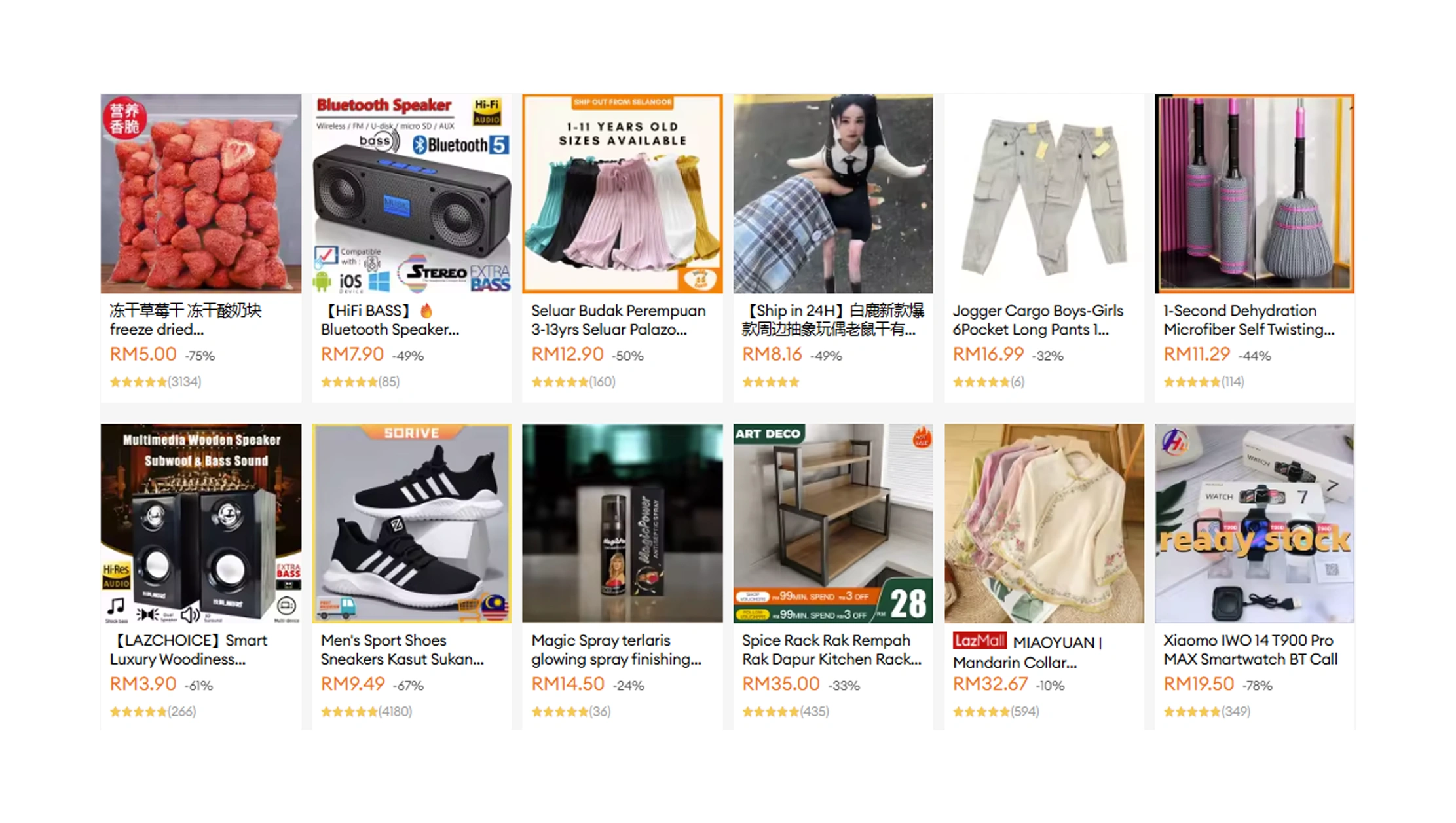
As ASEAN marketplaces become increasingly competitive, businesses need comprehensive visibility into products, sellers, customer behavior, and pricing movements. Digital intelligence helps companies recognize emerging opportunities before competitors while improving merchandising strategies and promotional planning. Organizations can compare regional performance across multiple countries, identify top-performing categories, and monitor thousands of SKUs simultaneously.
One of the most effective approaches is to Scrape eCommerce market intelligence dashboards with Lazada API , enabling organizations to consolidate pricing, product listings, promotions, ratings, inventory status, and seller rankings into centralized business dashboards. These insights help executives evaluate market performance without relying solely on quarterly reports or manual surveys.
Retail analytics platforms increasingly integrate marketplace datasets with internal sales systems, CRM platforms, and demand forecasting models. This integration enables organizations to react faster to changing customer preferences while improving procurement and pricing decisions.
ASEAN eCommerce Marketplace Growth (2020–2026)
| Year | ASEAN Online Buyers (Millions) | Marketplace GMV (USD Billion) | Marketplace Share (%) |
|---|---|---|---|
| 2020 | 310 | 102 | 62 |
| 2021 | 335 | 125 | 64 |
| 2022 | 360 | 148 | 66 |
| 2023 | 389 | 171 | 68 |
| 2024 | 418 | 196 | 70 |
| 2025* | 447 | 223 | 71 |
| 2026* | 475 | 252 | 73 |
*Projected estimates
The table illustrates consistent marketplace expansion between 2020 and 2026. Online buyers are projected to increase by more than 50%, while marketplace gross merchandise value (GMV) is expected to more than double. Such rapid growth creates increasing demand for automated marketplace monitoring solutions. Companies using structured marketplace intelligence gain faster visibility into pricing changes, product launches, seasonal promotions, and consumer purchasing behavior, allowing them to improve forecasting accuracy and competitive positioning across Southeast Asia.
Building Smarter Competitive Intelligence

Competitive intelligence has evolved from periodic market surveys into continuous monitoring powered by automated data collection. Businesses now evaluate thousands of competing products daily instead of manually reviewing selected categories. This enables decision-makers to understand market movements almost instantly and respond proactively to changes in pricing, assortment, and customer preferences.
Organizations increasingly depend on a Real-time Lazada eCommerce market data scraper to collect fresh information on product listings, discounts, ratings, reviews, seller activity, inventory availability, and promotional campaigns. Continuous monitoring enables pricing teams to identify sudden discount events, marketing departments to evaluate competitor campaigns, and supply chain teams to detect inventory shortages before they impact sales performance.
Real-time marketplace intelligence also improves product lifecycle management. By observing how products move through launch, growth, maturity, and decline stages, businesses can optimize inventory investments and marketing budgets while minimizing excess stock.
Marketplace Intelligence Adoption (2020–2026)
| Year | Companies Using Automated Monitoring (%) | Daily Products Monitored (Millions) | Average Pricing Updates per Day |
|---|---|---|---|
| 2020 | 29 | 8 | 2 |
| 2021 | 35 | 11 | 3 |
| 2022 | 42 | 15 | 4 |
| 2023 | 49 | 20 | 5 |
| 2024 | 56 | 26 | 6 |
| 2025* | 63 | 33 | 7 |
| 2026* | 69 | 41 | 8 |
*Projected estimates
The data highlights the rapid adoption of automated marketplace intelligence across Southeast Asia. Between 2020 and 2026, organizations are expected to more than double the number of monitored products while significantly increasing pricing update frequency. These improvements support dynamic pricing strategies, competitor benchmarking, promotional optimization, and enhanced customer experiences. Continuous marketplace monitoring ultimately provides businesses with the agility required to compete in rapidly changing digital commerce environments.
Identifying Consumer Behavior and Emerging Opportunities
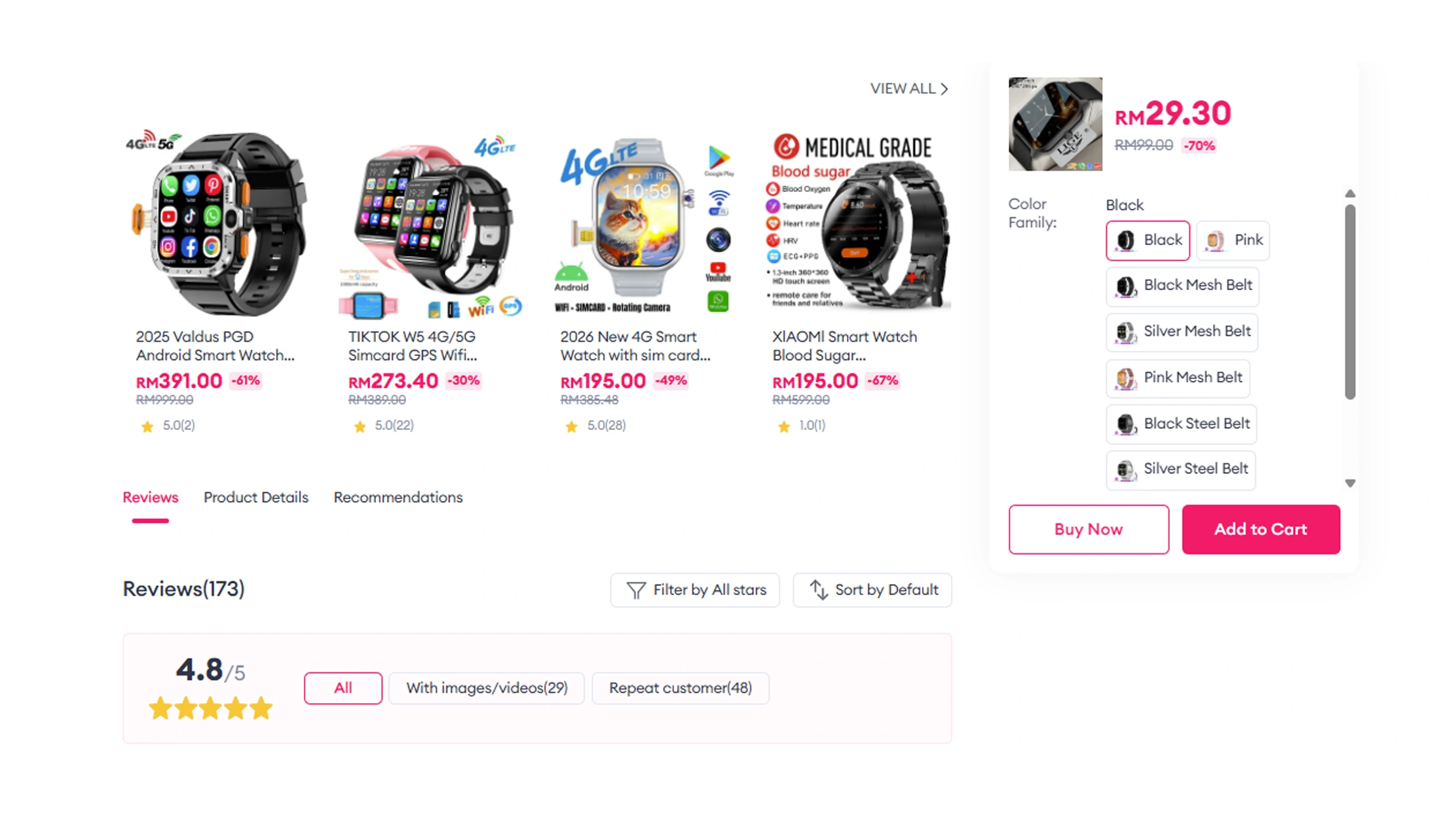
Understanding consumer demand requires more than tracking product sales. Businesses must analyze search trends, pricing patterns, customer reviews, seasonal demand, and category performance across multiple Southeast Asian markets. These insights enable retailers, manufacturers, and investors to identify fast-growing product segments, optimize merchandising strategies, and improve marketing effectiveness.
Organizations increasingly leverage Lazada Southeast Asia marketplace trend analysis to evaluate how consumer preferences evolve across Indonesia, Malaysia, Singapore, Thailand, Vietnam, and the Philippines. By monitoring millions of product listings, businesses can identify which categories gain momentum, detect shifts in customer buying behavior, and benchmark regional demand against competitors. Trend analysis also helps companies prepare for seasonal campaigns such as Ramadan, Singles' Day (11.11), Black Friday, and year-end shopping festivals.
Predictive analytics further enhances decision-making by combining historical marketplace data with real-time observations. Businesses can forecast future demand, estimate inventory requirements, and launch targeted promotions before competitors react. This proactive approach minimizes stock shortages, reduces excess inventory, and improves customer satisfaction.
ASEAN Marketplace Demand Indicators (2020–2026)
| Year | Product Searches (Billions) | Orders Processed (Billions) | Average Conversion Rate (%) |
|---|---|---|---|
| 2020 | 8.2 | 1.05 | 3.4 |
| 2021 | 9.8 | 1.28 | 3.7 |
| 2022 | 11.6 | 1.54 | 4.0 |
| 2023 | 13.5 | 1.83 | 4.3 |
| 2024 | 15.7 | 2.14 | 4.6 |
| 2025* | 17.9 | 2.42 | 4.9 |
| 2026* | 20.3 | 2.71 | 5.2 |
*Projected estimates
The table demonstrates consistent marketplace expansion from 2020 to 2026. Product searches are projected to increase by nearly 150%, while completed orders continue to rise annually. Higher conversion rates indicate improving consumer confidence and enhanced shopping experiences across ASEAN marketplaces. Businesses using marketplace trend intelligence can capitalize on these changes by refining pricing strategies, expanding product assortments, and identifying high-growth opportunities before market saturation occurs.
Transforming Marketplace Data into Strategic Intelligence
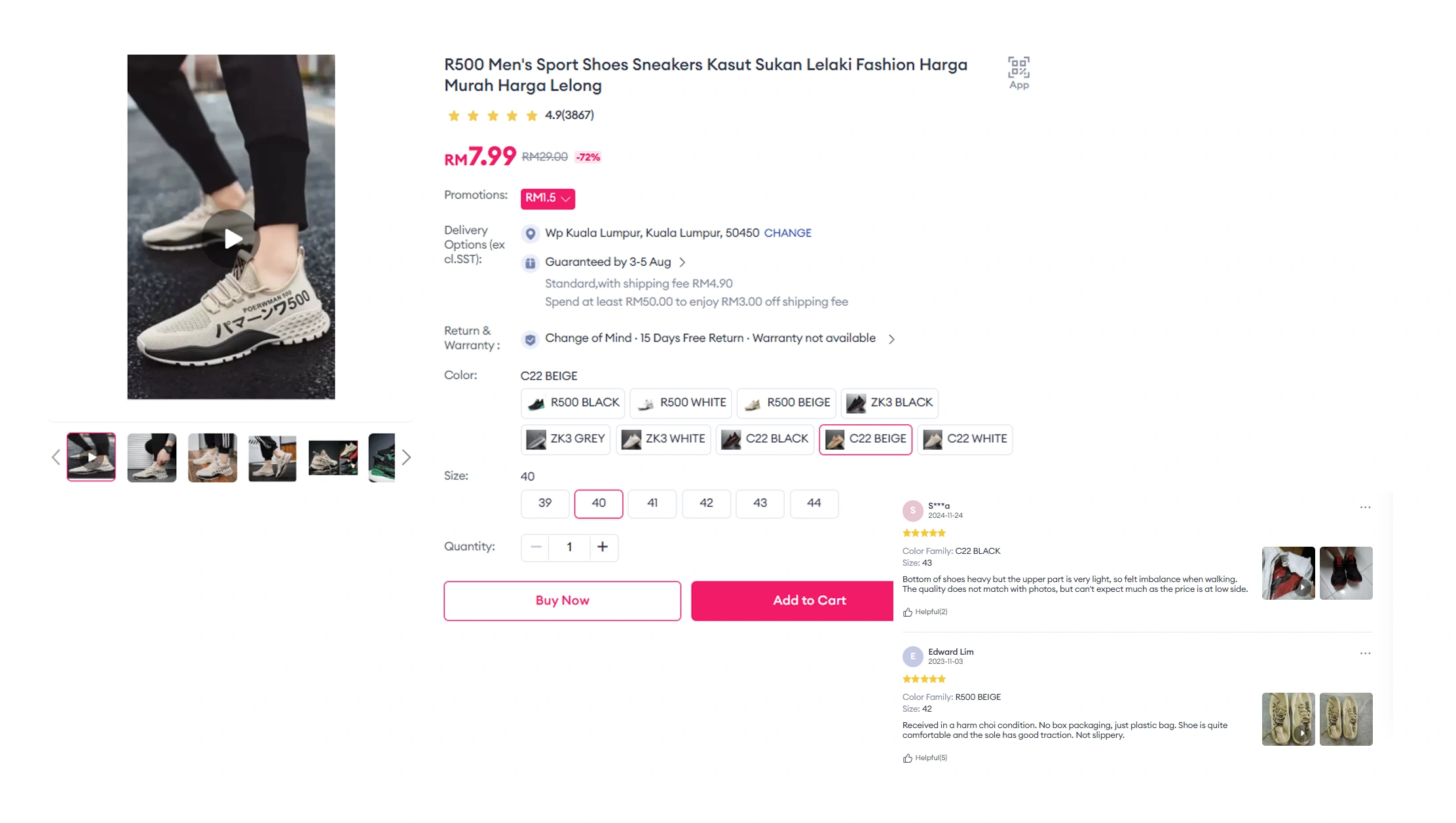
Raw marketplace information becomes significantly more valuable when structured into organized datasets that support advanced analytics. Businesses require comprehensive product catalogs, review data, pricing histories, seller information, inventory records, and promotional details to generate actionable market intelligence. Well-organized datasets enable analysts to uncover hidden patterns that are difficult to detect through manual research.
Companies increasingly rely on Lazada Product and Review Datasets to evaluate customer sentiment, benchmark competing brands, monitor product quality, and measure consumer satisfaction across thousands of product categories. Reviews provide valuable qualitative insights into product performance, delivery experiences, packaging quality, and after-sales service. Combined with structured product information, these datasets support better product development, marketing strategies, and customer engagement initiatives.
Advanced analytics platforms integrate marketplace datasets with machine learning models to predict customer preferences, detect emerging trends, and recommend optimal pricing strategies. Businesses also utilize historical review data to identify recurring product issues, improve supplier selection, and strengthen quality assurance processes. As datasets continue to expand, organizations gain increasingly accurate insights that support long-term strategic planning.
Marketplace Dataset Growth (2020–2026)
| Year | Product Records (Millions) | Customer Reviews (Millions) | Analytics Accuracy (%) |
|---|---|---|---|
| 2020 | 65 | 420 | 81 |
| 2021 | 79 | 515 | 83 |
| 2022 | 95 | 635 | 85 |
| 2023 | 112 | 775 | 87 |
| 2024 | 131 | 930 | 89 |
| 2025* | 149 | 1,090 | 91 |
| 2026* | 170 | 1,260 | 93 |
*Projected estimates
The statistics highlight the increasing availability of structured marketplace data across Southeast Asia. Product records and customer reviews are projected to more than double between 2020 and 2026, enabling richer competitive intelligence and more accurate predictive models. Improved analytics accuracy allows organizations to better understand customer sentiment, monitor competitor performance, optimize product portfolios, and make data-driven decisions that enhance profitability and strengthen their market position.
Optimizing Competitive Monitoring Through Automation
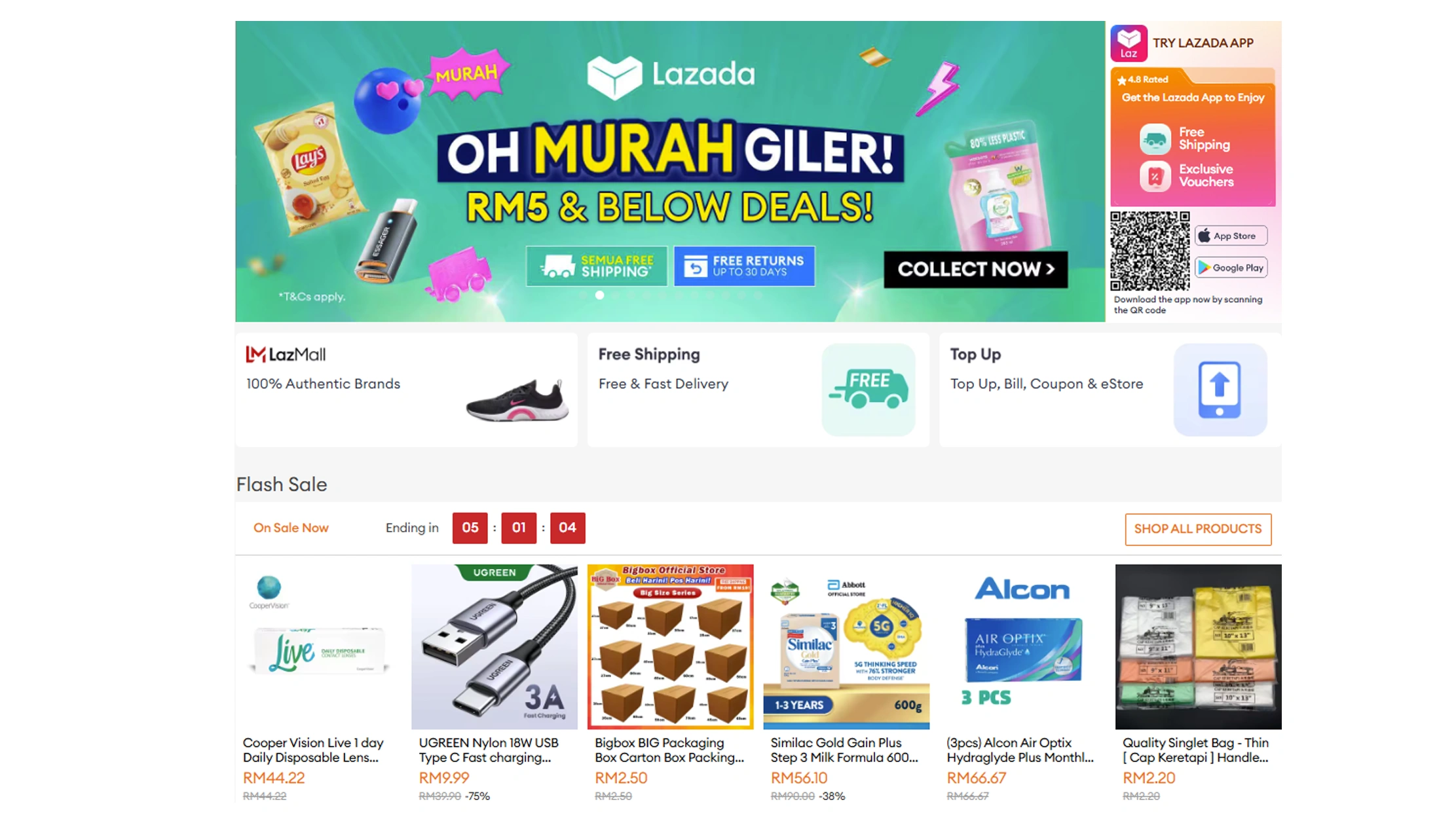
As Southeast Asia's digital commerce ecosystem expands, manual data collection is no longer sufficient for businesses that need timely and comprehensive market intelligence. Thousands of products, sellers, discounts, and promotional campaigns change daily across multiple countries. Automated monitoring enables organizations to capture these updates continuously, ensuring that decision-makers always have access to current marketplace information.
A robust Lazada Scraper helps businesses collect structured data from product listings, pricing pages, seller profiles, inventory availability, ratings, and customer reviews. This automated approach significantly reduces the time required for market research while improving data consistency and accuracy. Retailers use these insights to monitor competitor pricing strategies, identify new product launches, and evaluate promotional performance. Manufacturers benefit by tracking authorized sellers, identifying gray market activities, and understanding regional demand patterns.
Automation also supports dynamic pricing models by delivering near real-time updates that enable businesses to respond quickly to competitor price changes and inventory fluctuations. Marketing teams can analyze campaign effectiveness, while procurement teams gain better visibility into supplier performance and product availability across ASEAN markets.
Growth in Automated Marketplace Monitoring (2020–2026)
| Year | Businesses Using Automated Scraping (%) | Products Tracked Daily (Millions) | Average Daily Price Changes Captured |
|---|---|---|---|
| 2020 | 27 | 9 | 180,000 |
| 2021 | 34 | 12 | 245,000 |
| 2022 | 42 | 17 | 330,000 |
| 2023 | 50 | 23 | 435,000 |
| 2024 | 58 | 30 | 565,000 |
| 2025* | 65 | 38 | 710,000 |
| 2026* | 72 | 47 | 890,000 |
*Projected estimates
The table demonstrates the increasing reliance on automated marketplace intelligence solutions between 2020 and 2026. More businesses are adopting automated monitoring to capture millions of product updates daily. The growing number of tracked price changes reflects the highly dynamic nature of ASEAN eCommerce, where continuous monitoring provides a competitive advantage by supporting faster pricing decisions, improved inventory planning, and more effective promotional strategies.
Enabling Data-Driven Market Research at Scale
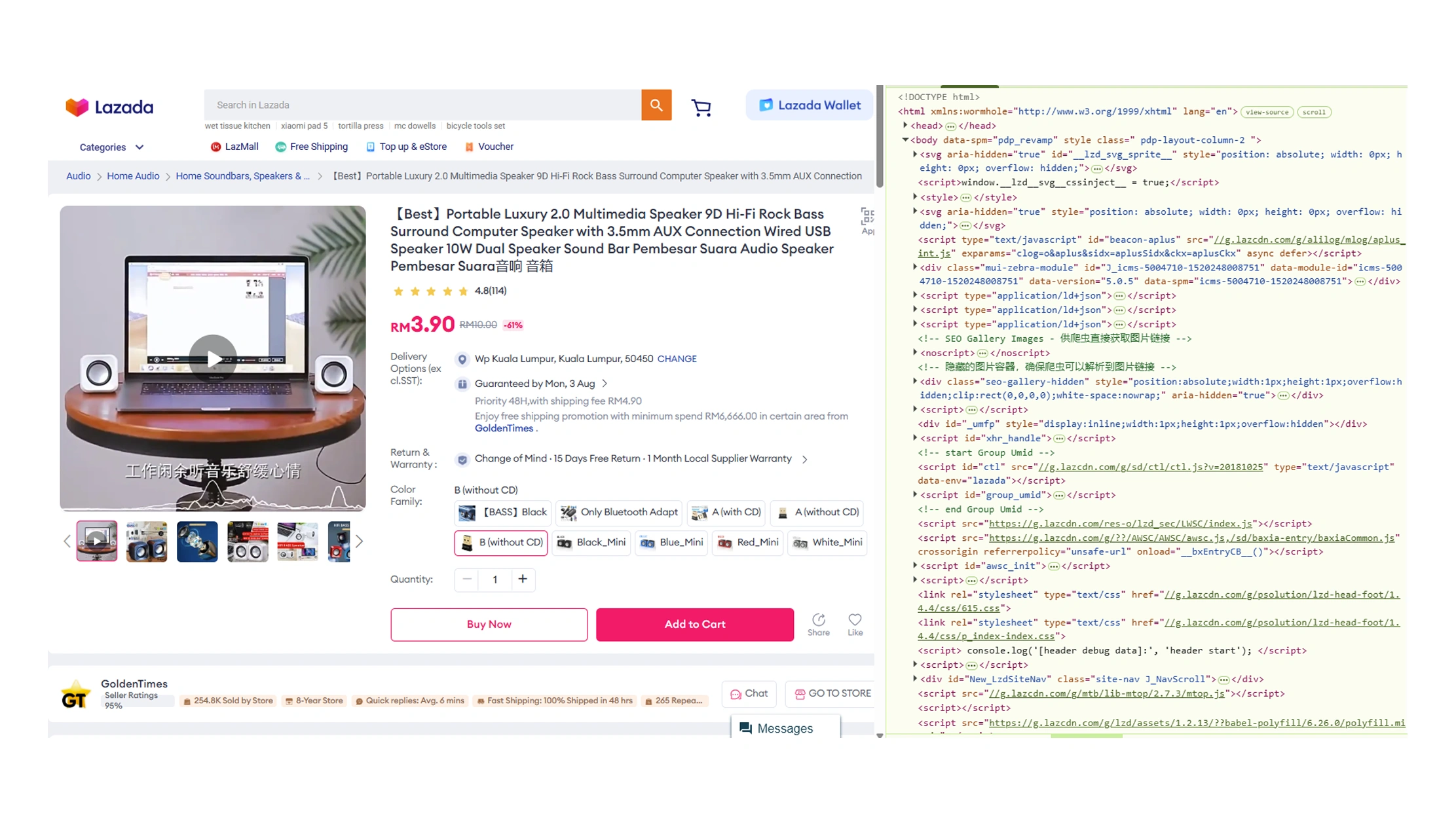
Modern market research depends on accurate, timely, and comprehensive data collected across multiple digital touchpoints. Organizations increasingly require detailed insights into product assortment, pricing behavior, seller activity, customer feedback, and promotional trends to support strategic planning. API-driven data collection enables businesses to scale these efforts efficiently while maintaining high-quality datasets for analytics and forecasting.
Many enterprises now Scrape Lazada Data Using API for Market Research to automate the collection of marketplace intelligence across thousands of categories and millions of products. These datasets support competitive benchmarking, consumer demand analysis, assortment optimization, and pricing strategy development. By integrating marketplace data into business intelligence platforms, organizations can visualize regional performance, identify high-growth product categories, and compare competitor activities across Southeast Asian markets.
API-based market research also enhances predictive analytics by combining historical trends with real-time marketplace updates. Businesses can forecast seasonal demand, optimize inventory allocation, and evaluate the effectiveness of promotional campaigns. Financial analysts and consulting firms use these insights to assess market opportunities, estimate category growth, and support investment decisions. As marketplace ecosystems continue to evolve, scalable API-driven intelligence will remain essential for organizations seeking sustainable competitive advantages.
API-Based Market Research Adoption (2020–2026)
| Year | Organizations Using Marketplace APIs (%) | Market Research Projects Powered by APIs | Forecast Accuracy (%) |
|---|---|---|---|
| 2020 | 24 | 2,800 | 78 |
| 2021 | 31 | 3,600 | 81 |
| 2022 | 39 | 4,700 | 84 |
| 2023 | 47 | 6,100 | 87 |
| 2024 | 55 | 7,800 | 89 |
| 2025* | 63 | 9,600 | 91 |
| 2026* | 70 | 11,700 | 93 |
*Projected estimates
The statistics indicate strong adoption of API-driven market research from 2020 to 2026. Organizations increasingly depend on automated data pipelines to improve forecasting accuracy, accelerate competitive analysis, and generate actionable business intelligence. The continued rise in API-powered research projects reflects the growing importance of scalable, real-time marketplace data for strategic decision-making, enabling businesses to respond quickly to market changes and maintain a competitive edge across the ASEAN eCommerce landscape.
Here's the final part of your research report.
Why Choose Real Data API?
Businesses operating in today's fast-paced digital commerce environment require reliable, scalable, and accurate marketplace intelligence to make informed decisions. Real Data API provides enterprise-grade data extraction solutions that empower retailers, brands, manufacturers, consultants, and market research firms with actionable insights from leading eCommerce marketplaces across Southeast Asia.
With expertise in Web Scraping Lazada Southeast Asia marketplace data , Real Data API delivers structured datasets covering product catalogs, pricing, seller information, inventory availability, customer reviews, ratings, promotions, and marketplace trends. Our automated API solutions eliminate manual data collection, ensuring businesses receive fresh, high-quality information for analytics, forecasting, and competitive benchmarking.
Our platform supports flexible data delivery formats, seamless API integration, and customizable scraping workflows tailored to specific business objectives. Whether organizations need hourly pricing updates, daily inventory monitoring, category-level intelligence, or large-scale historical datasets, Real Data API provides dependable solutions designed for enterprise-scale operations.
Key advantages include:
- Real-time product catalog and pricing intelligence
- Automated seller and competitor monitoring
- Customer review and sentiment analytics
- Historical and live marketplace datasets
- Scalable API infrastructure with high data accuracy
- Custom dashboards for business intelligence
- Multi-country ASEAN marketplace coverage
- Reliable data delivery for AI, analytics, and forecasting
By transforming marketplace information into structured business intelligence, Real Data API enables organizations to optimize pricing strategies, improve assortment planning, monitor competitors, forecast demand, and identify emerging opportunities across Southeast Asia's rapidly growing digital economy.
Conclusion
The rapid expansion of ASEAN eCommerce has transformed marketplace intelligence into a strategic business asset. As product catalogs grow larger, pricing changes become more frequent, and consumer expectations continue evolving, organizations require automated solutions capable of delivering comprehensive and reliable market insights. Web Scraping Lazada Southeast Asia marketplace data enables businesses to monitor competitor pricing, evaluate product performance, analyze customer reviews, benchmark sellers, and identify emerging market trends with greater speed and accuracy.
Organizations leveraging structured marketplace intelligence can enhance forecasting models, improve merchandising decisions, optimize promotional campaigns, and strengthen competitive positioning across multiple Southeast Asian markets. Automated API-driven data collection not only improves operational efficiency but also provides the real-time visibility required to respond quickly to changing market conditions.
As digital commerce continues to accelerate through 2026 and beyond, investing in scalable marketplace data solutions will remain essential for sustainable growth, customer satisfaction, and long-term competitive success.
Partner with Real Data API today to unlock the full potential of Web Scraping Lazada Southeast Asia marketplace data and transform real-time marketplace intelligence into smarter business decisions, stronger competitive strategies, and accelerated eCommerce growth across ASEAN!
Latest posts
How Smiles API Enables Real-Time Food, Grocery, Restaurant, Product, and Delivery Data Intelligence
How BigBasket API Helps Businesses Extract Grocery Products, Prices, Offers, and Availability Data

How Restaurant, Menu, Price, Rating, and Delivery Data Helps Businesses Track Food Delivery Markets

How Businesses Solve Restaurant Market Intelligence Challenges with Rating, Review, and Location Data






.png)