
Introduction
Restaurant brands can accelerate growth by using real-time food delivery data to improve pricing, marketing campaigns, expansion planning, and customer targeting. Understanding How restaurant brands use real data api for business growth helps operators make faster decisions, identify market opportunities, and gain a competitive advantage.
Industry Insight: According to market estimates, the global online food delivery market is expected to exceed $1.8 trillion by 2026. More than 70% of restaurant operators now rely on digital data sources to support pricing and expansion decisions.
For restaurant chains, cloud kitchens, food-tech startups, franchise operators, and market research teams, one of the biggest challenges is obtaining accurate and scalable market intelligence. Modern solutions such as Restaurant Platform Development Using Food Delivery APIs enable businesses to collect restaurant listings, menu information, pricing trends, customer ratings, and competitor activity from major food delivery ecosystems.
This article explains how restaurant brands use food delivery data between 2020 and 2026 to improve business performance, optimize operations, and expand into new markets.
Why Is Market Expansion Data Important for Restaurant Growth?
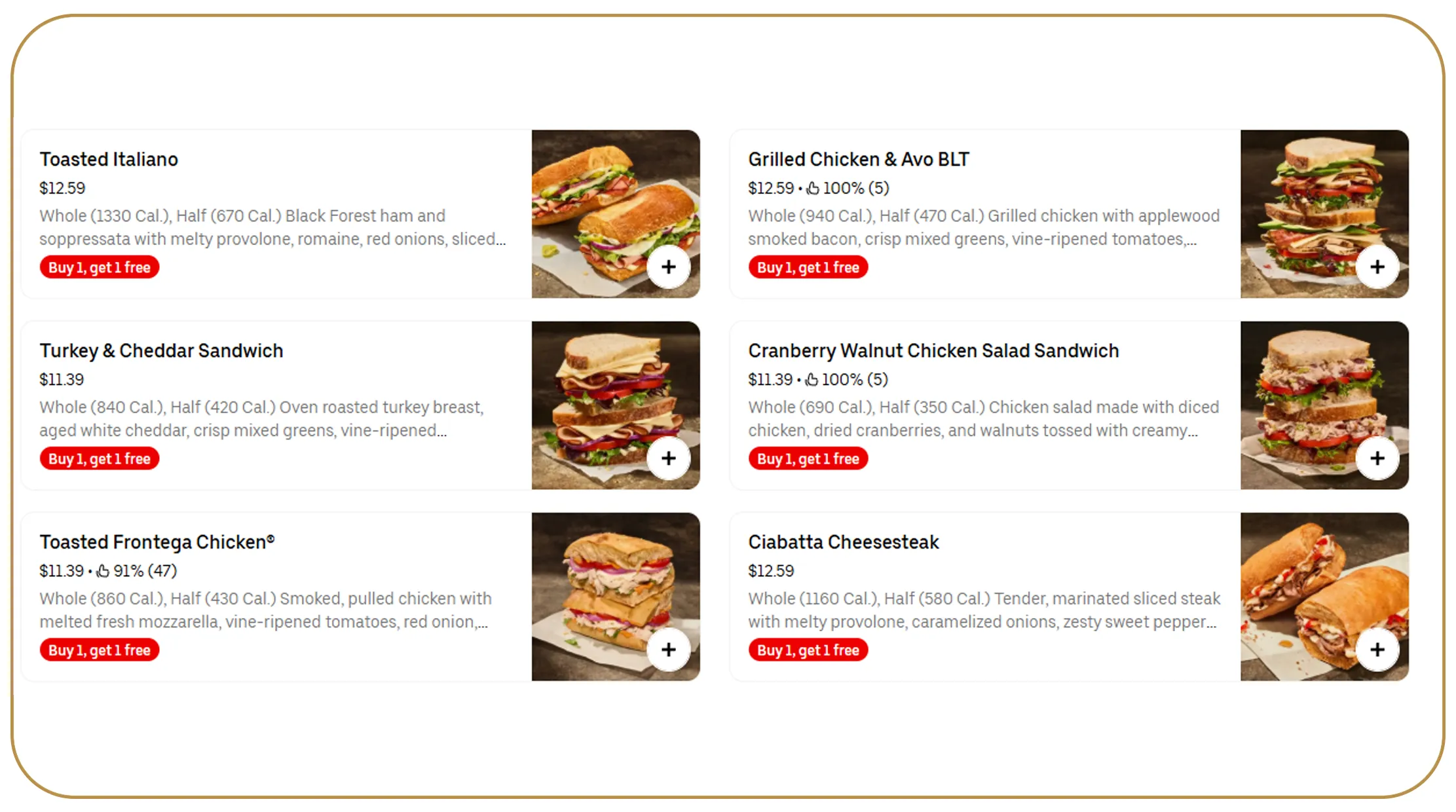
Restaurant expansion requires more than intuition. Businesses must understand customer demand, competitive density, pricing structures, and regional food preferences before entering new markets.
One effective approach is Food delivery data scraping for market expansion decisions. Restaurant brands collect marketplace information to evaluate locations with strong demand and lower competitive pressure.
Benefits of Expansion Intelligence:
- Identify underserved markets
- Compare regional pricing patterns
- Analyze cuisine demand
- Evaluate competitor saturation
- Reduce expansion risks
Market Expansion Analytics Adoption
| Year | Brands Using Expansion Intelligence |
|---|---|
| 2020 | 24% |
| 2021 | 31% |
| 2022 | 39% |
| 2023 | 48% |
| 2024 | 57% |
| 2025 | 66% |
| 2026 | 75% |
For example, a restaurant chain may discover increasing demand for healthy meal options in a growing metropolitan area while identifying limited competition. Such insights support better site selection and investment decisions.
Expansion intelligence reduces uncertainty and improves long-term profitability by helping businesses enter markets with stronger growth potential.
How Can Restaurants Collect Competitive Intelligence at Scale?
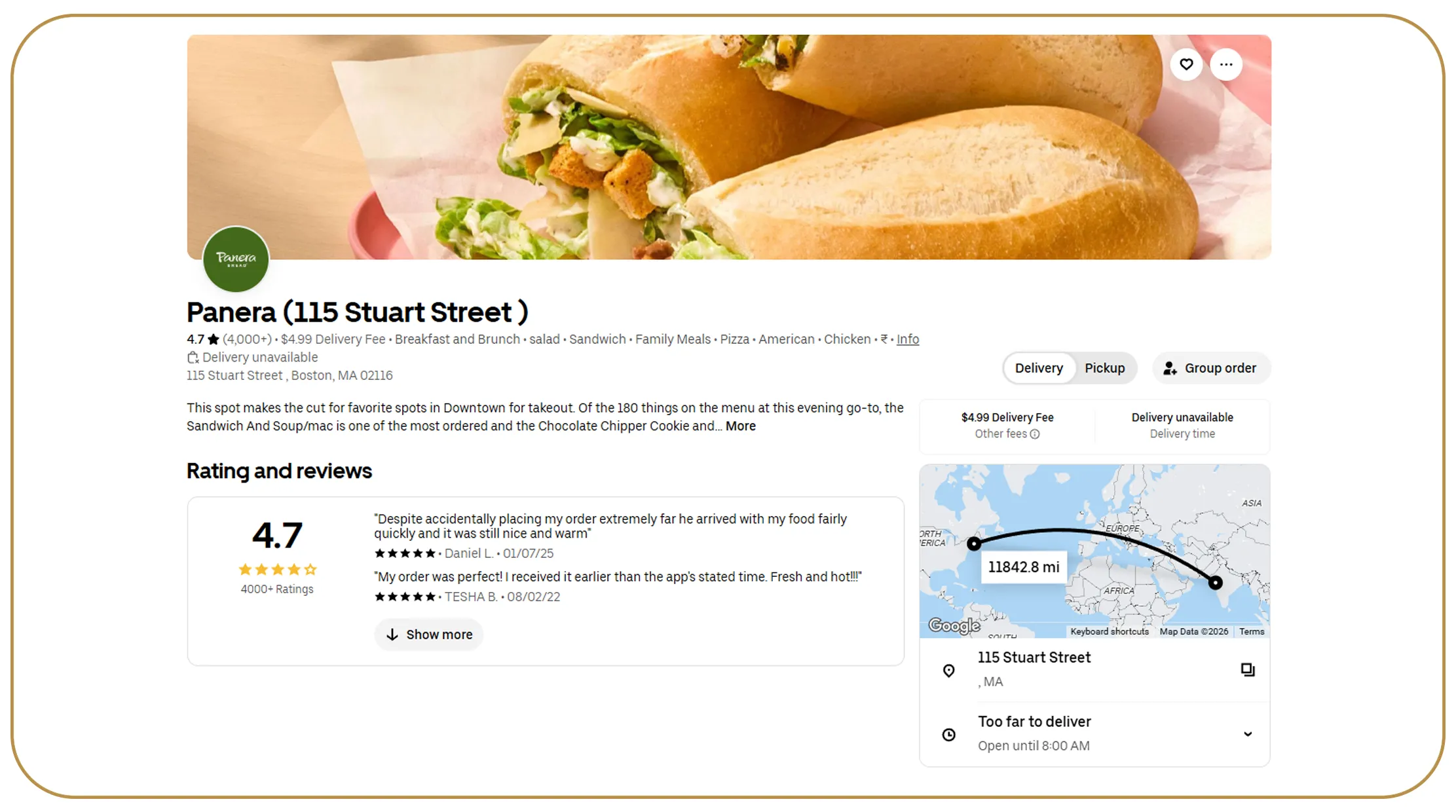
Restaurant operators need large volumes of market data to stay competitive. Manual research is slow and often incomplete.
Many businesses now Leverage real data api to scrape food delivery data and automate the collection of restaurant information from delivery platforms.
Key Data Sources:
- Restaurant menus
- Product pricing
- Customer ratings
- Delivery fees
- Promotions and discounts
- Cuisine categories
Data Collection Growth
| Year | Restaurants Using Automated Data Collection |
|---|---|
| 2020 | 27% |
| 2021 | 35% |
| 2022 | 43% |
| 2023 | 52% |
| 2024 | 61% |
| 2025 | 70% |
| 2026 | 79% |
Automated collection systems help businesses monitor thousands of restaurants simultaneously. Teams can identify pricing changes, track promotions, and compare competitor offerings without manual effort.
This visibility allows brands to react quickly to market developments and make evidence-based decisions that improve competitiveness.
How Does Market Intelligence Support Long-Term Strategy?
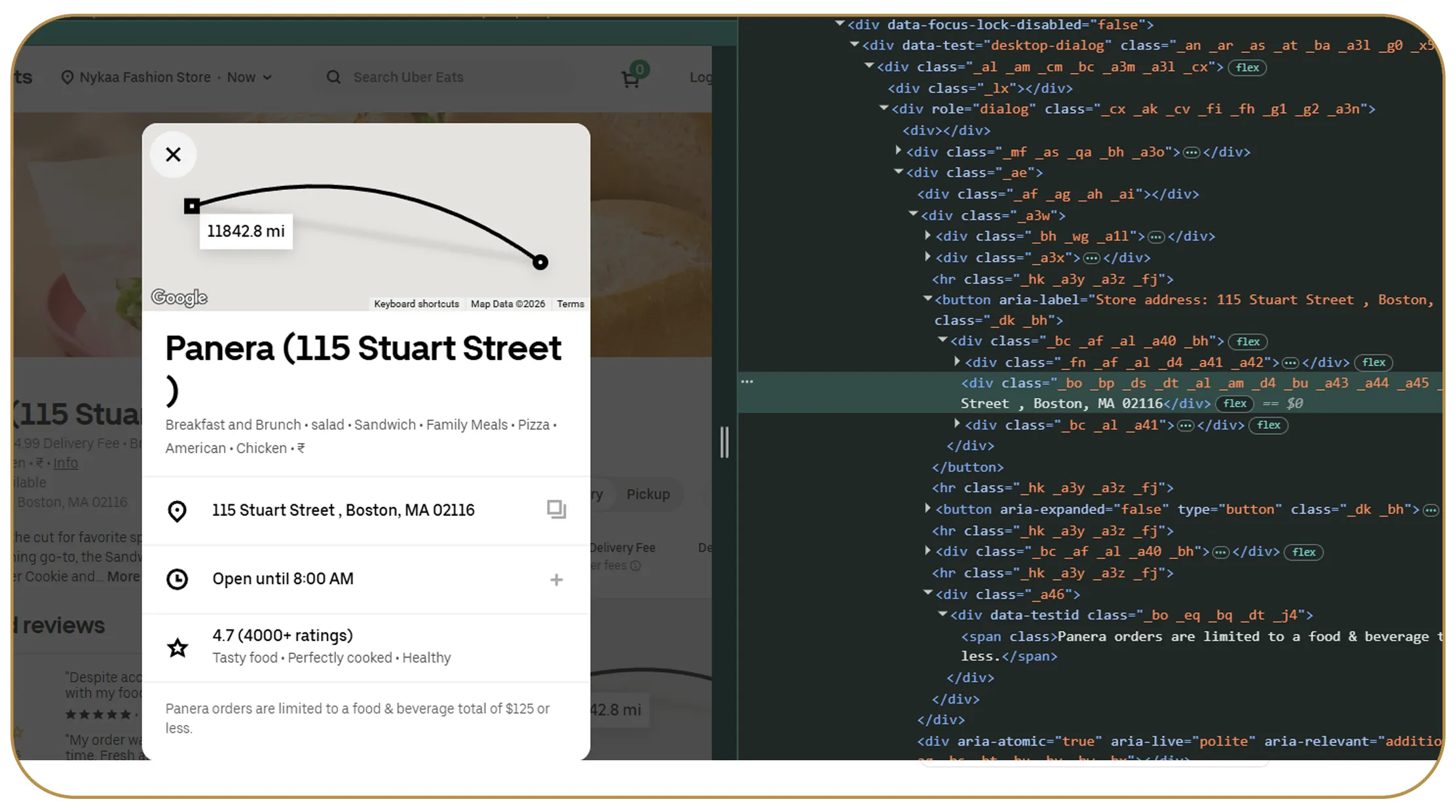
Successful restaurant brands rely on continuous market monitoring. Understanding consumer behavior and competitive movements is essential for sustainable growth.
Organizations increasingly scrape Food delivery market data intelligence for growth strategy to gain actionable insights from food delivery ecosystems.
Strategic Insights Generated:
- Customer demand trends
- Emerging cuisine categories
- Competitor pricing changes
- Promotion effectiveness
- Regional performance metrics
Market Intelligence Usage
| Year | Businesses Using Growth Intelligence |
|---|---|
| 2020 | 25% |
| 2021 | 33% |
| 2022 | 42% |
| 2023 | 51% |
| 2024 | 60% |
| 2025 | 69% |
| 2026 | 78% |
For example, businesses may identify rapid growth in premium dessert categories or increasing demand for subscription meal plans. These insights support product innovation and market positioning.
Growth-focused restaurant brands use intelligence platforms to identify opportunities before competitors respond. This creates stronger market advantages and improves long-term performance.
How Can AI Improve Demand Forecasting for Restaurant Brands?
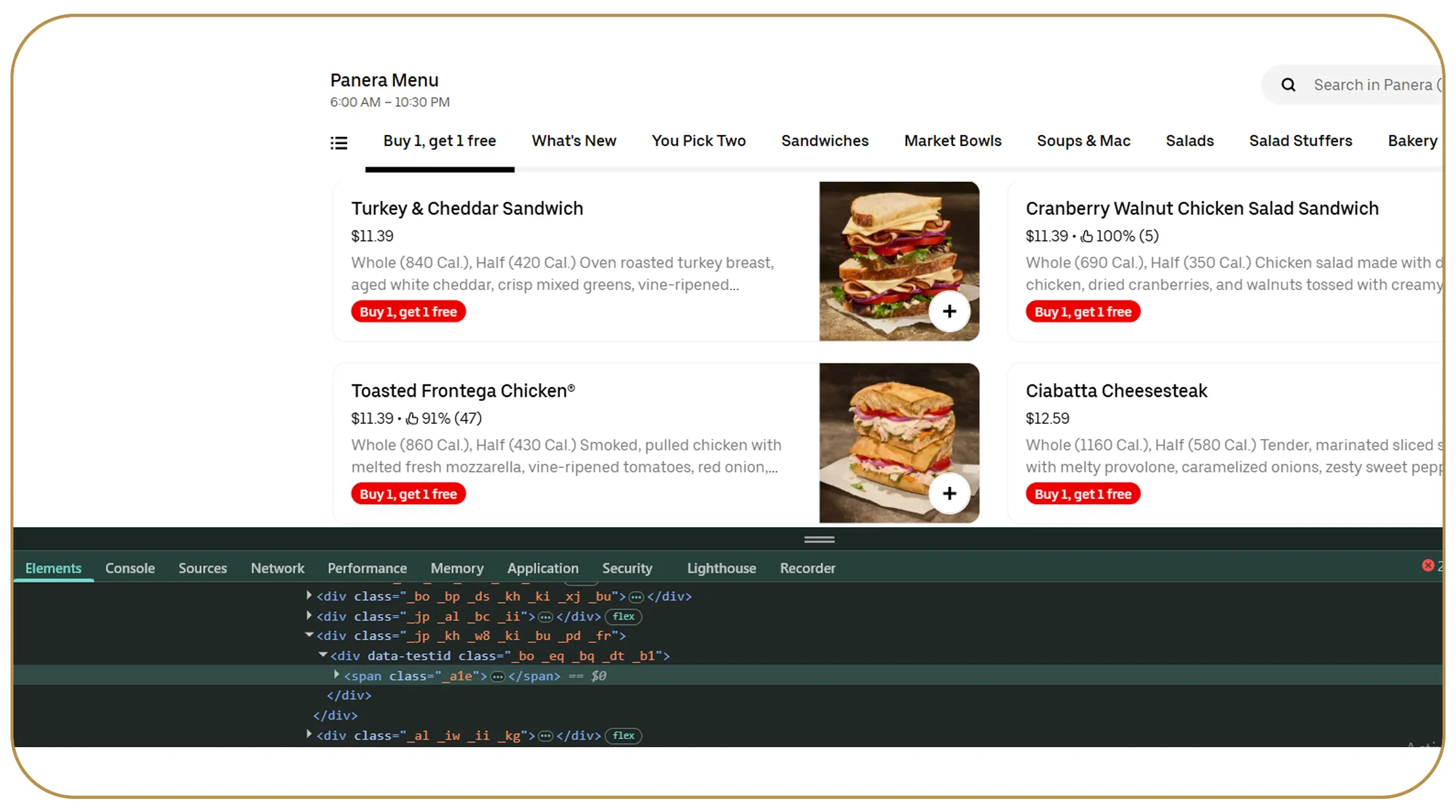
Demand forecasting helps restaurants predict future customer orders, optimize inventory, and reduce operational waste. Traditional forecasting methods often rely on historical sales data alone. However, modern businesses combine external market intelligence with artificial intelligence to improve prediction accuracy.
Many organizations now use Food Delivery Demand Forecasting Using Web Scraping and AI to identify future demand patterns and changing consumer preferences.
Key Benefits of AI Forecasting:
- Predict seasonal demand shifts
- Optimize inventory levels
- Reduce food waste
- Improve staffing decisions
- Support dynamic pricing strategies
AI Forecast Accuracy Trends
| Year | Average Forecast Accuracy |
|---|---|
| 2020 | 68% |
| 2021 | 72% |
| 2022 | 75% |
| 2023 | 79% |
| 2024 | 83% |
| 2025 | 87% |
| 2026 | 90% |
Restaurant brands can analyze menu popularity, competitor pricing, delivery trends, weather patterns, and customer behavior simultaneously. AI models then identify patterns that may not be visible through manual analysis.
For example, a quick-service restaurant may predict increased demand for cold beverages during seasonal temperature spikes. This allows managers to prepare inventory in advance and maximize revenue opportunities.
As competition intensifies, AI-powered forecasting helps brands become more proactive and efficient in their decision-making processes.
How Can Analytics Transform Restaurant Performance?
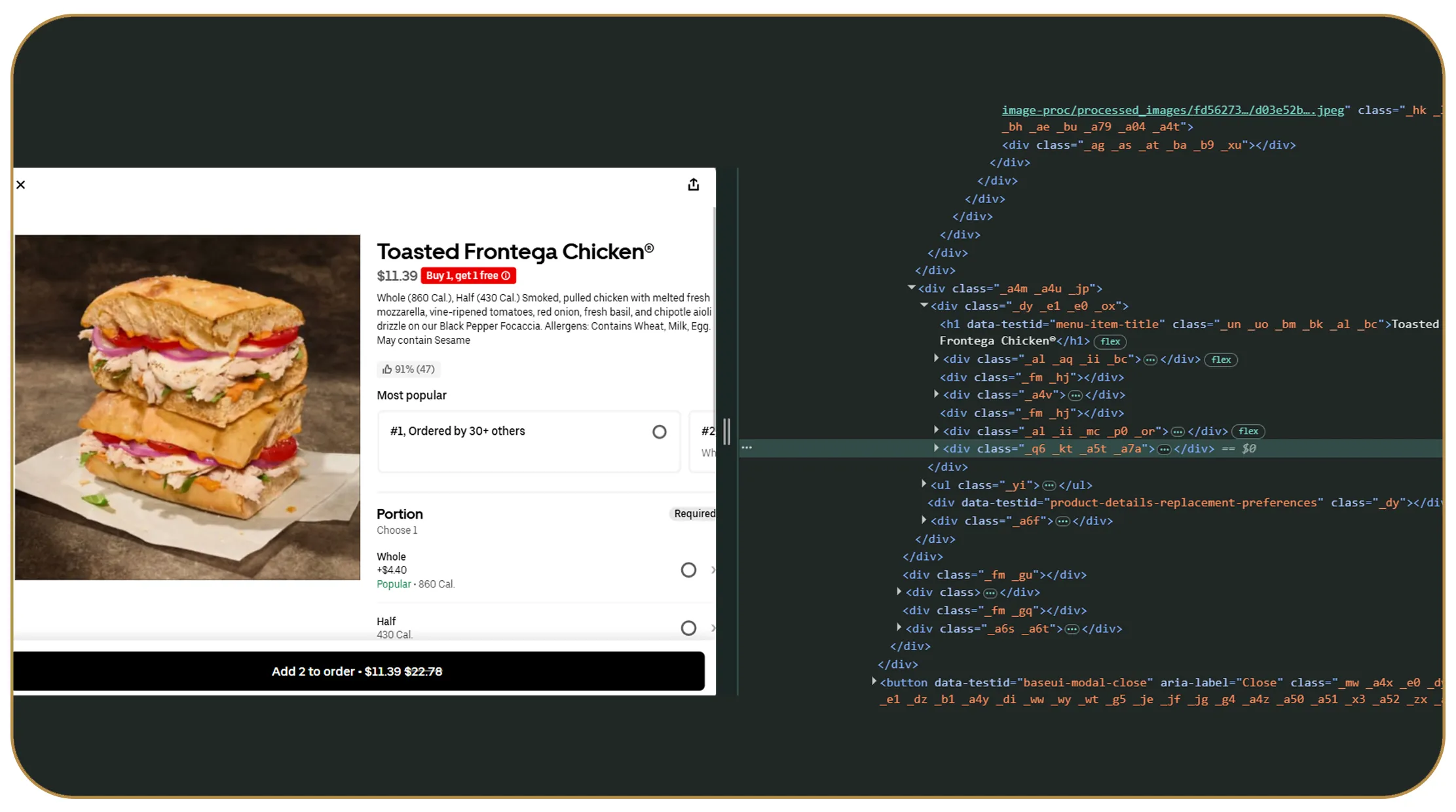
Data becomes valuable only when businesses can convert it into actionable insights. Restaurant operators increasingly depend on analytics platforms to monitor performance across locations and delivery channels.
One growing approach is Food Delivery Data API Scraping for Restaurant Analytics, which provides access to structured restaurant marketplace data for deeper analysis.
Analytics Use Cases:
- Pricing optimization
- Competitor benchmarking
- Promotion tracking
- Customer behavior analysis
- Revenue forecasting
- Market performance evaluation
Restaurant Analytics Adoption
| Year | Brands Using Advanced Analytics |
|---|---|
| 2020 | 29% |
| 2021 | 37% |
| 2022 | 45% |
| 2023 | 54% |
| 2024 | 63% |
| 2025 | 72% |
| 2026 | 81% |
Restaurant executives use Food Delivery Dashboard to compare menu performance across cities, evaluate discount effectiveness, and identify high-performing products.
For instance, analytics may reveal that a specific menu category generates stronger profit margins in urban locations compared to suburban markets. These insights help businesses allocate resources more effectively.
By integrating delivery platform data into analytics systems, restaurant brands gain a complete view of their competitive environment and customer demand.
Why Are API-Powered Platforms Becoming Essential for Restaurant Operations?
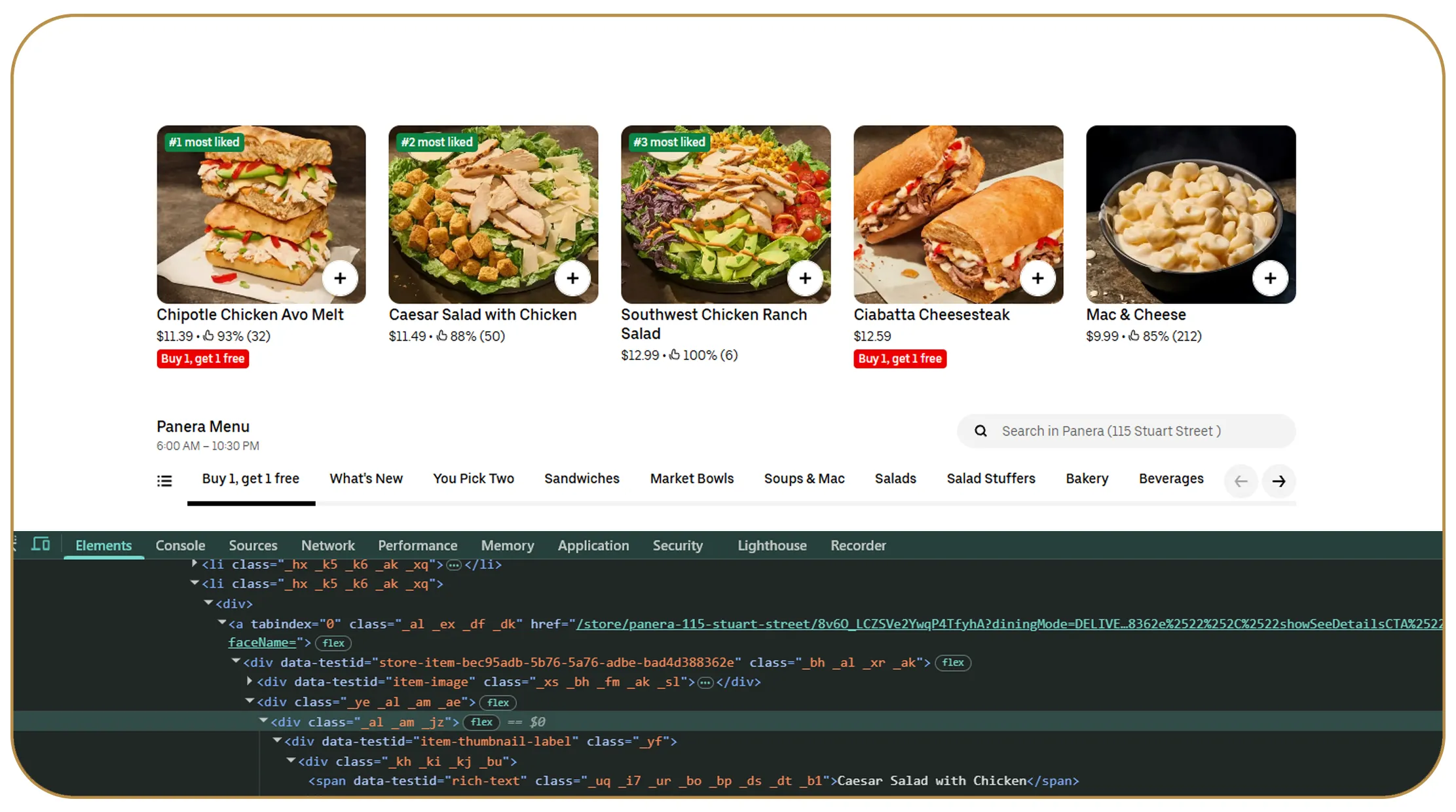
Restaurant technology ecosystems are evolving rapidly. Businesses require centralized systems that connect ordering, menu management, pricing intelligence, and operational reporting.
This is where Restaurant Platform Development Using Food Delivery APIs plays a critical role. APIs allow restaurant brands to integrate multiple data sources into unified platforms.
Core Advantages of API-Based Platforms:
- Automated menu synchronization
- Real-time pricing updates
- Centralized reporting
- Faster operational workflows
- Scalable infrastructure
API Adoption Growth
| Year | Enterprise Restaurants Using API Platforms |
|---|---|
| 2020 | 26% |
| 2021 | 34% |
| 2022 | 43% |
| 2023 | 53% |
| 2024 | 62% |
| 2025 | 71% |
| 2026 | 80% |
Restaurant operators often manage multiple delivery channels simultaneously. APIs eliminate manual data entry and ensure consistency across all platforms.
For example, when menu prices change, integrated systems can automatically update listings across multiple delivery marketplaces. This reduces errors and improves operational efficiency.
API-powered restaurant platforms also support advanced analytics, forecasting, and market intelligence initiatives. As the restaurant industry becomes increasingly digital, API integration is becoming a key driver of scalability and innovation.
Why Choose Real Data API?
Businesses seeking sustainable growth need reliable access to accurate food delivery data. Real Data API provides enterprise-grade solutions that help organizations understand How restaurant brands use real data api for business growth through data-driven decision-making. Real Data API empowers restaurant brands to move beyond guesswork and make decisions based on accurate market intelligence.
Conclusion
The restaurant industry has become increasingly data-driven between 2020 and 2026. Brands that understand How restaurant brands use real data api for business growth can make smarter decisions regarding pricing, marketing, customer engagement, and expansion planning.
Food delivery marketplace data provides valuable insights into competitor activities, customer preferences, menu performance, and regional demand patterns. By leveraging automation, analytics, forecasting, and API-powered platforms, restaurant operators gain the visibility needed to compete effectively in a rapidly evolving market.
Organizations that embrace data-driven strategies are better equipped to identify growth opportunities, optimize operations, and improve profitability. Real-time intelligence allows businesses to react faster, innovate more effectively, and build stronger competitive advantages.
Ready to accelerate restaurant growth with powerful food delivery intelligence? Contact Real Data API today and discover how data-driven insights can transform your pricing, marketing, and expansion strategies!
Latest posts
How Scrape Xiaohongshu Product Trends in Real Time Solves Product Discovery and Competitor Monitoring Challenges?
How to Scrape Taobao Product Data to Solve Pricing, Inventory, and Competitor Monitoring Challenges?
How to Extract grocery product listings Data from SPAR to Build Accurate Grocery Intelligence and Competitive Market Insights?
Scrape Douyin follower growth and engagement data to track influencer performance and trends






.png)



