
Introduction
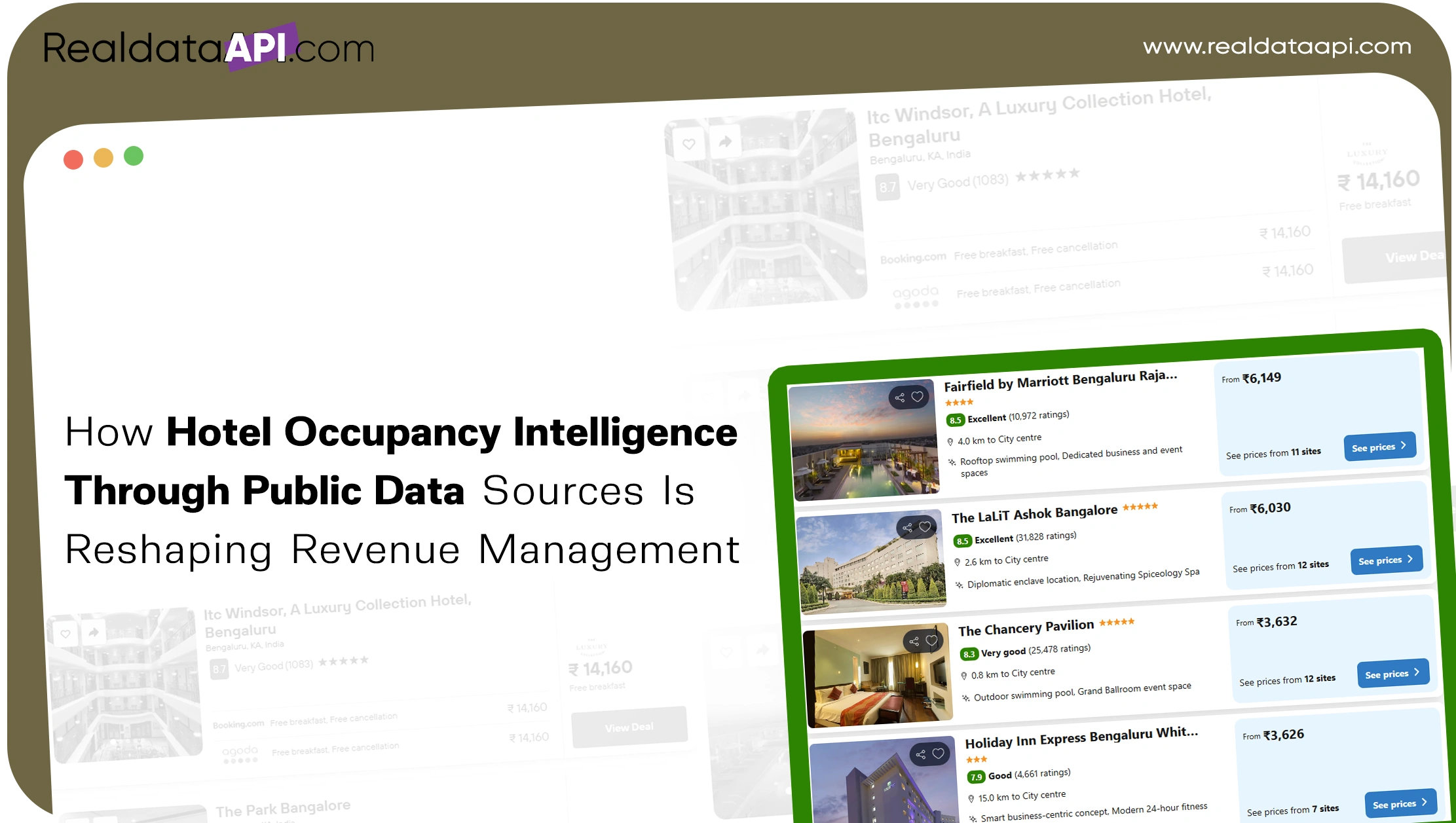
Hotel revenue management is rapidly evolving through data-driven decision-making. By leveraging hotel occupancy intelligence through public data sources, hotels, OTAs, revenue managers, and hospitality analysts can monitor demand fluctuations, optimize pricing strategies, forecast occupancy trends, and improve profitability with greater accuracy.
According to industry estimates, global hotel occupancy rates have recovered significantly since 2020, with many regions reaching or exceeding pre-pandemic levels by 2024. As travel demand becomes increasingly dynamic, public datasets from OTAs, review platforms, flight portals, tourism boards, and accommodation marketplaces have become valuable sources of market intelligence.
Modern hospitality businesses rely on Hotel Pricing Data Intelligence Solutions to transform publicly available information into actionable insights. These solutions enable organizations to understand market conditions in real time, benchmark competitors, and make data-backed revenue decisions.
| Year | Global Average Occupancy Rate (%) |
|---|---|
| 2020 | 36 |
| 2021 | 45 |
| 2022 | 58 |
| 2023 | 65 |
| 2024 | 68 |
| 2025* | 70 |
| 2026* | 72 |
*Projected values based on industry trends.
How Can Hotels Improve Forecasting Accuracy with Public Data?
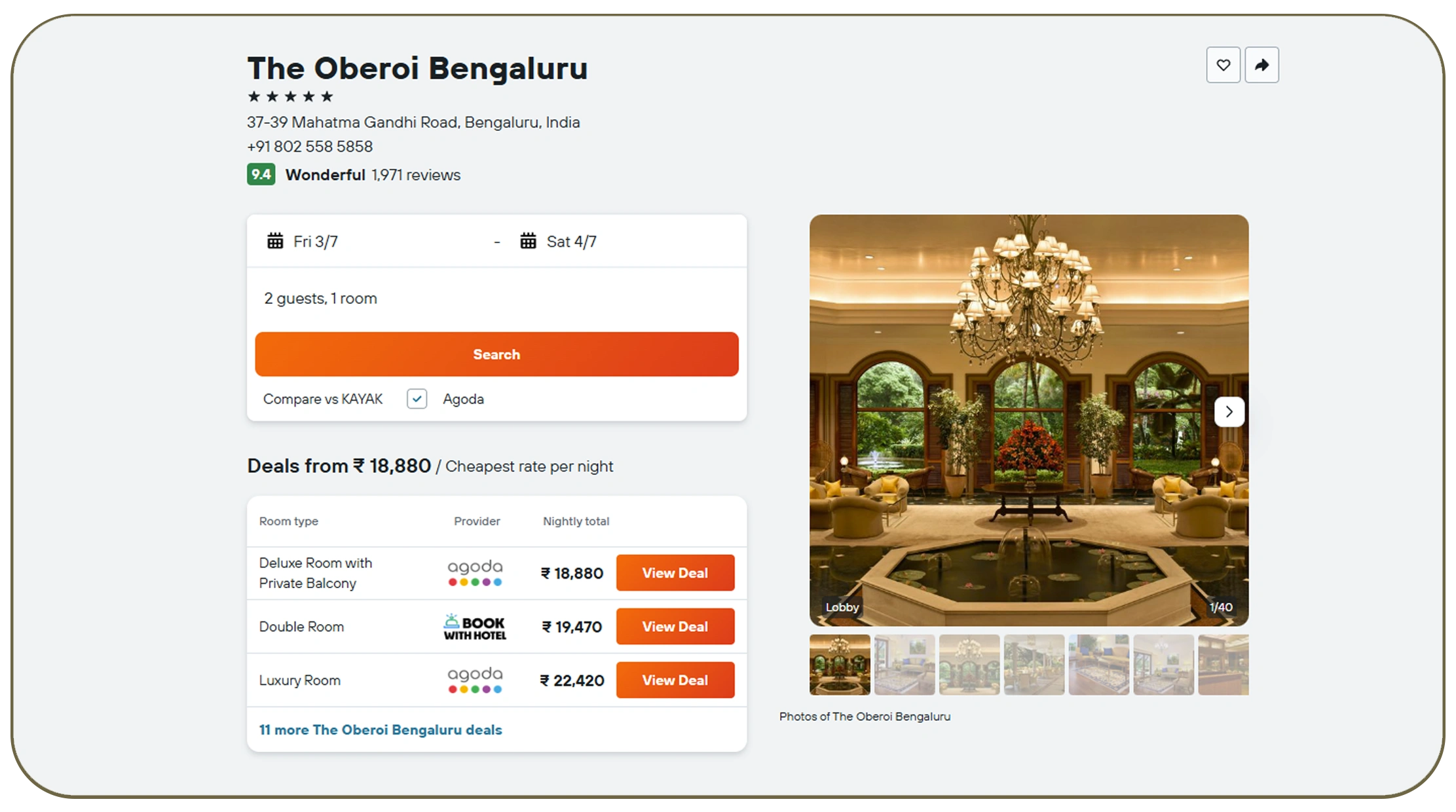
For revenue managers and hospitality executives seeking better demand forecasting, the ability to scrape public data sources for hotel occupancy analysis provides a significant competitive advantage. Publicly available booking trends, room availability data, traveler reviews, local event schedules, and destination demand indicators create a rich foundation for forecasting future occupancy patterns.
Hotels increasingly combine occupancy intelligence with historical booking trends to identify demand surges before competitors react. For example, monitoring booking activity around conferences, sporting events, and festivals allows hotels to adjust room rates proactively rather than reactively.
Between 2020 and 2026, forecasting technologies have become increasingly sophisticated due to greater access to publicly available market data.
| Forecasting Driver | Impact on Occupancy Planning |
|---|---|
| Event Monitoring | High |
| OTA Availability Data | High |
| Traveler Reviews | Medium |
| Local Tourism Statistics | Medium |
| Flight Demand Indicators | High |
Organizations that integrate occupancy intelligence into forecasting systems often experience improvements in revenue forecasting accuracy, reduced unsold inventory, and better staffing allocation decisions. These benefits contribute directly to stronger revenue performance and operational efficiency.
What Insights Can Hospitality Leaders Gain from Public Datasets?
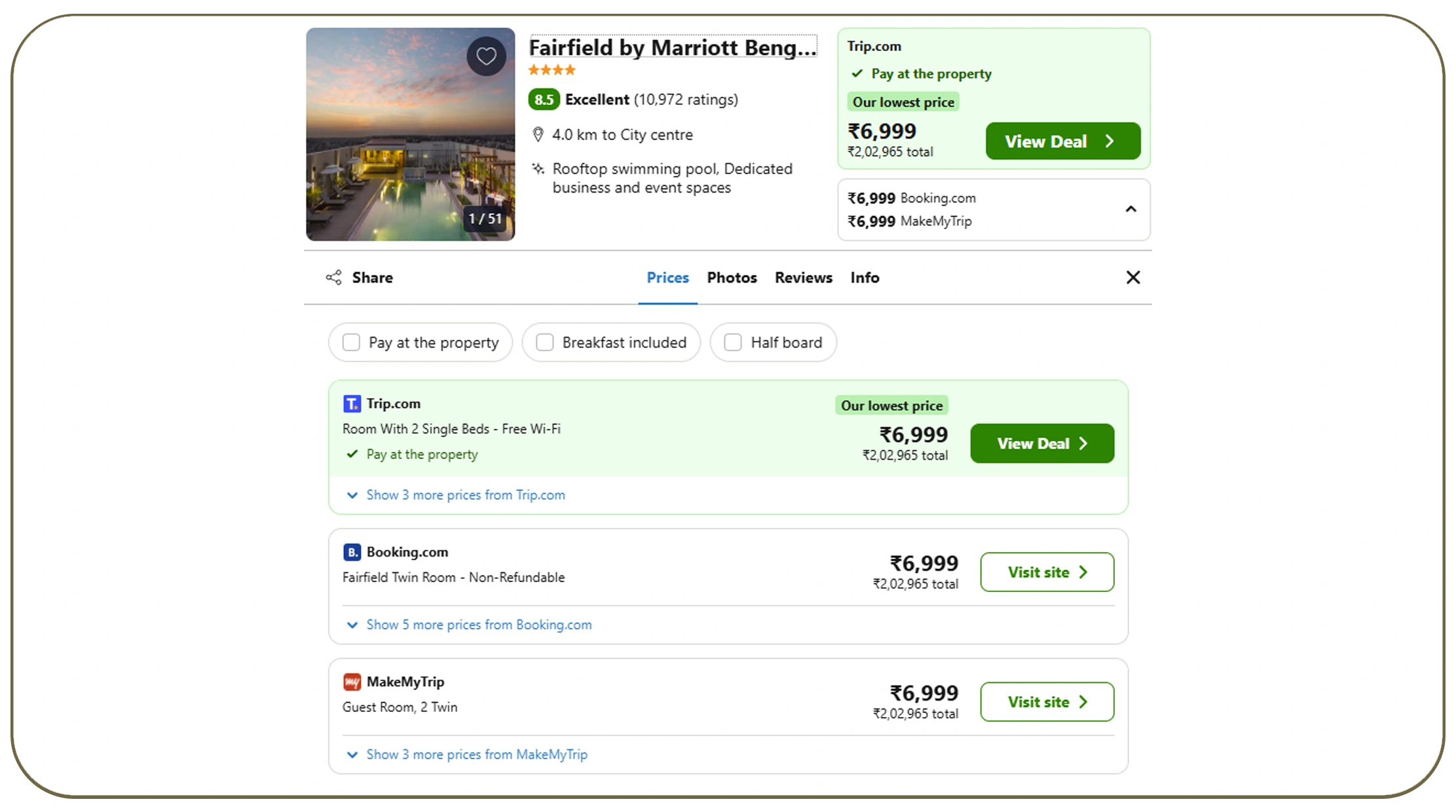
Hotels can extract hotel occupancy intelligence from public datasets to uncover demand trends that traditional internal systems may miss. Public data offers visibility into competitor inventory, market saturation, traveler sentiment, seasonal demand changes, and emerging tourism hotspots.
Using hotel occupancy intelligence through public data sources, hospitality businesses can identify occupancy patterns across multiple markets simultaneously. This intelligence helps revenue teams benchmark performance against competitors while understanding broader market dynamics.
For example, a destination experiencing increased international arrivals may show growing occupancy rates weeks before official tourism reports become available. Accessing these indicators early enables hotels to implement optimized pricing strategies.
| Market Intelligence Metric | Business Value |
|---|---|
| Competitor Occupancy Trends | Revenue Optimization |
| Destination Demand Growth | Expansion Planning |
| Guest Review Sentiment | Service Improvements |
| Seasonal Demand Analysis | Pricing Strategy |
| Booking Lead Times | Forecasting Accuracy |
The ability to convert public datasets into strategic insights empowers hotels to make faster, more informed decisions in highly competitive travel markets.
Why Are Occupancy Indicators Important for Revenue Optimization?
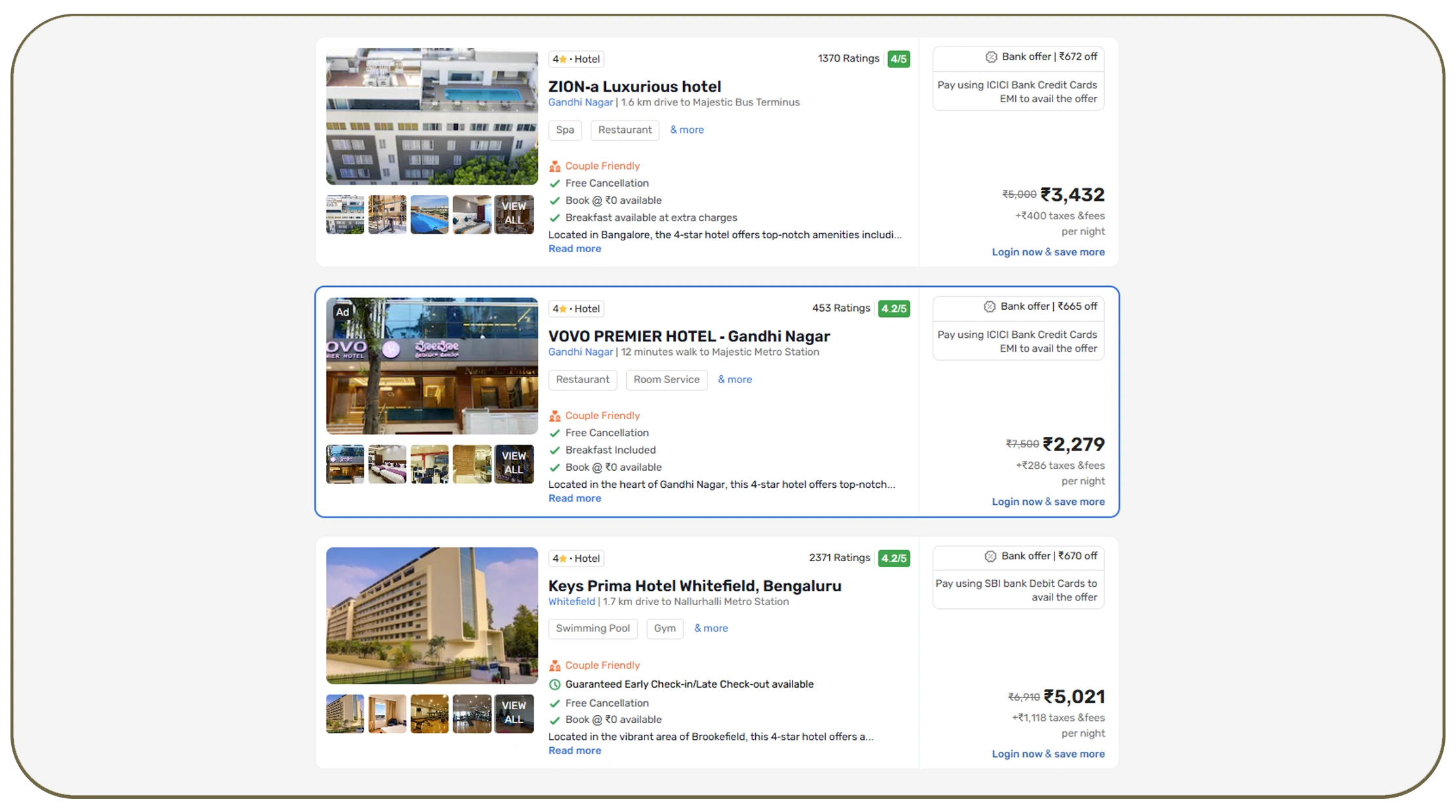
Revenue management relies heavily on accurate demand signals. Organizations that practice web scraping hotel occupancy indicators for analytics can capture critical metrics that influence room pricing and inventory decisions.
Occupancy indicators include:
- Available room inventory
- Booking pace
- Competitor pricing behavior
- Traveler demand signals
- Destination popularity trends
- Event-driven demand spikes
From 2020 to 2026, revenue management technology adoption has accelerated as hotels seek to maximize RevPAR and ADR performance.
| Year | Revenue Management Technology Adoption (%) |
|---|---|
| 2020 | 41 |
| 2021 | 47 |
| 2022 | 55 |
| 2023 | 63 |
| 2024 | 70 |
| 2025* | 76 |
| 2026* | 81 |
Hotels utilizing occupancy analytics gain visibility into demand fluctuations before they impact booking performance. This enables proactive rate adjustments, improved inventory allocation, and stronger revenue outcomes.
Advanced analytics platforms transform raw occupancy indicators into predictive intelligence, helping revenue teams maintain competitiveness even during rapidly changing market conditions.
How Does Travel Data Reveal Emerging Demand Patterns?
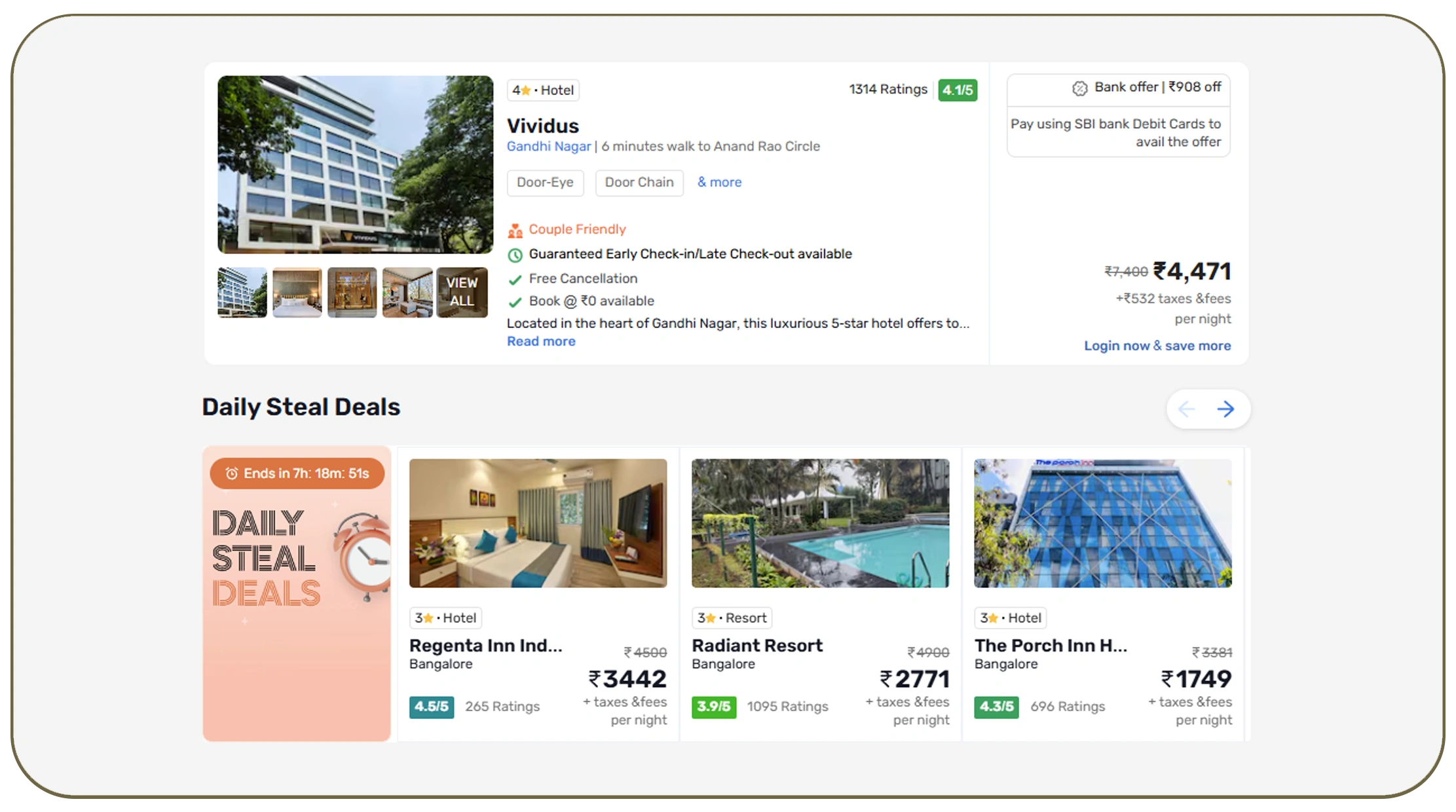
Hospitality organizations increasingly scrape travel and accommodation data for occupancy insights to understand broader traveler behavior beyond their own properties. Travel data reveals destination popularity, booking trends, traveler preferences, and accommodation demand shifts.
By leveraging hotel occupancy intelligence through public data sources, hotels can identify growing markets and changing consumer preferences. This visibility helps operators optimize marketing campaigns and allocate resources more effectively.
Travel demand often shifts due to factors such as:
- Airline route expansions
- Major events
- Economic conditions
- Tourism campaigns
- Seasonal travel trends
| Travel Indicator | Occupancy Impact |
|---|---|
| Flight Searches | High |
| Hotel Searches | High |
| Destination Reviews | Medium |
| Tourism Campaigns | Medium |
| Event Attendance | High |
Organizations that analyze travel and accommodation data gain deeper market awareness and can anticipate changes before they significantly affect occupancy levels.
How Does Flight Data Strengthen Hospitality Market Analysis?

Many revenue teams now Scrape Flight Fare Data for Travel Market Analysis to better understand future hotel demand. Flight activity often serves as a leading indicator of travel volume and destination popularity.
When airfare declines or new routes become available, hotel bookings frequently increase in corresponding markets. Monitoring flight fare trends helps hospitality organizations forecast demand more accurately.
Between 2020 and 2026, integration between airline intelligence and hotel revenue management systems has grown substantially.
| Travel Metric | Forecasting Value |
|---|---|
| Flight Fare Trends | High |
| Route Expansion Data | High |
| Passenger Volume | High |
| Airport Traffic Growth | Medium |
| Airline Capacity Changes | High |
Revenue managers who incorporate flight intelligence into forecasting models gain additional visibility into future demand, enabling more effective pricing and inventory planning.
This approach supports stronger occupancy forecasting while reducing uncertainty in volatile travel environments.
How Can OTA Pricing Data Improve Competitive Positioning?
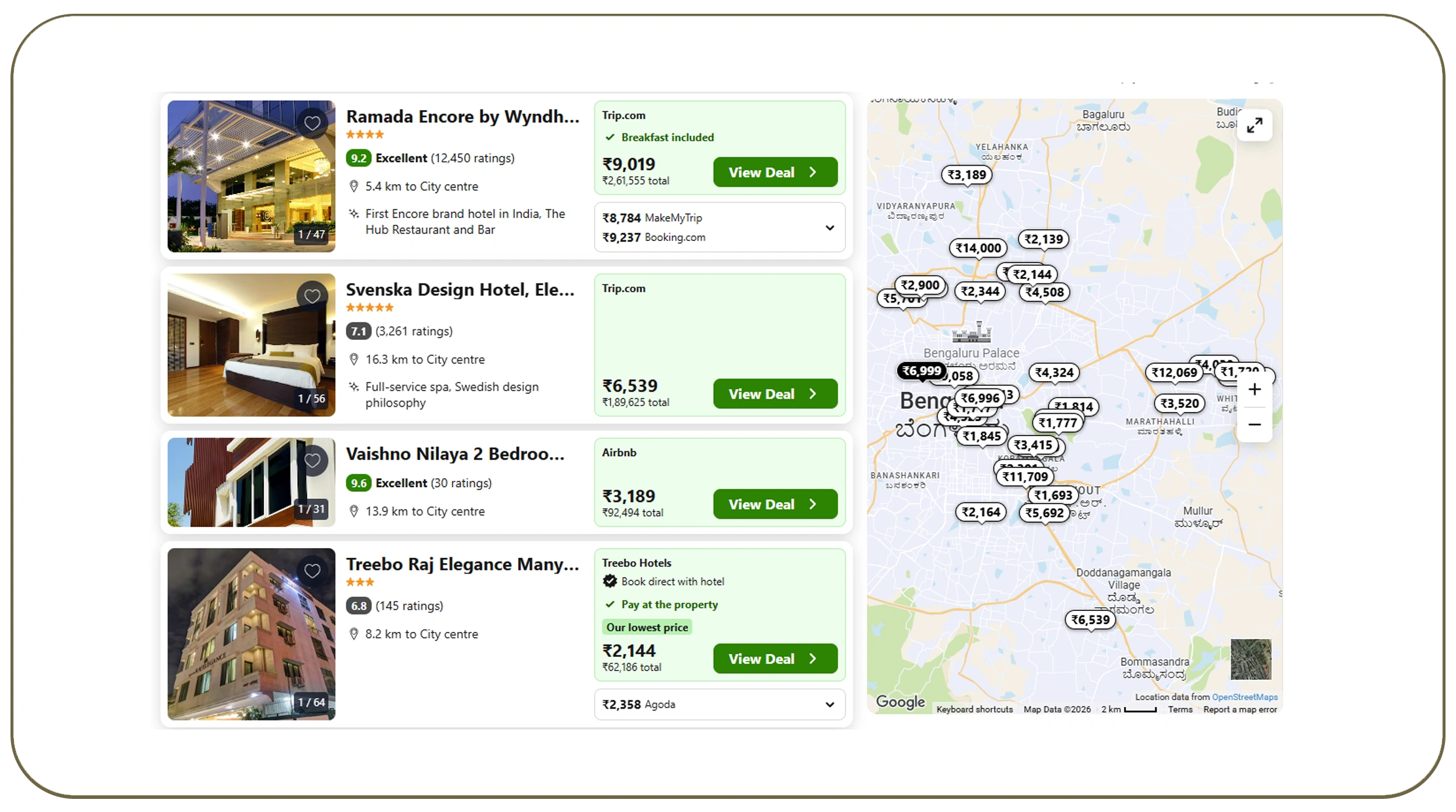
Hotels increasingly Scrape OTA Pricing Data For Travel Aggregators to understand market pricing behavior and optimize rate strategies. OTAs remain one of the largest sources of real-time hospitality intelligence.
Using hotel occupancy intelligence through public data sources, hotels can monitor competitor pricing, promotional activity, room availability, and demand fluctuations across multiple booking channels.
Key benefits include:
- Dynamic pricing optimization
- Competitor benchmarking
- Market share analysis
- Occupancy forecasting
- Revenue opportunity identification
| OTA Intelligence Metric | Strategic Benefit |
|---|---|
| Room Pricing | Revenue Optimization |
| Availability Tracking | Demand Forecasting |
| Promotional Offers | Competitive Analysis |
| Booking Trends | Market Insights |
| Inventory Levels | Occupancy Planning |
By analyzing OTA data continuously, hospitality businesses can respond more quickly to market changes and maximize revenue opportunities throughout the booking cycle.
Why Choose Real Data API?
Hospitality businesses require scalable intelligence solutions that deliver reliable, actionable insights. Real Data API enables organizations to transform public travel data into strategic business intelligence.
Key advantages include:
- Real-time travel data collection
- Advanced occupancy intelligence
- Multi-source market monitoring
- Dynamic pricing support
- Forecasting and analytics capabilities
- Enterprise-scale data delivery
Through Competitor Monitoring Across Travel Booking Platforms, hotels gain visibility into competitor pricing strategies, occupancy trends, and market movements. Combined with hotel occupancy intelligence through public data sources, organizations can strengthen forecasting accuracy, improve revenue management performance, and uncover new growth opportunities.
Real Data API helps hotels convert complex travel datasets into measurable business outcomes.
Conclusion
The hospitality industry is becoming increasingly dependent on data-driven decision-making. By leveraging hotel occupancy intelligence through public data sources, hotels can improve forecasting accuracy, optimize pricing strategies, monitor competitors, and maximize revenue performance.
As travel markets become more competitive, organizations that harness occupancy intelligence will be better positioned to respond to demand fluctuations and capture revenue opportunities faster than competitors.
Ready to transform hotel revenue management with real-time occupancy intelligence? Contact Real Data API today and discover how advanced travel data solutions can help your business unlock smarter pricing, stronger forecasting, and sustainable growth!
Latest posts
How Mercado Libre API Helps Brands Overcome Product Monitoring, Pricing, and Market Visibility Challenges
How Shipt API for grocery data extraction Enables Real-Time Grocery Product, Pricing, and Inventory Intelligence
How real-time food data scraping services Help Food Brands Track Products, Prices, and Market Trends
Why Sainsbury's grocery data web scraper Is Essential for Smarter Grocery Pricing and Product Intelligence






.png)